Alluaud's haplo
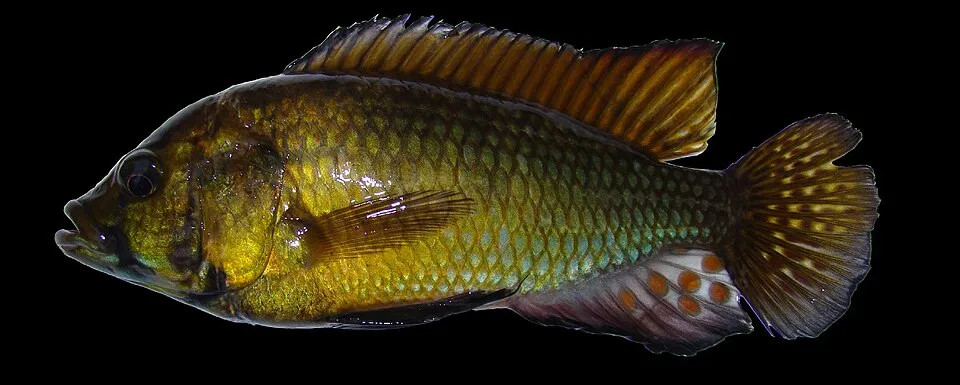
Astatoreochromis alluaudi
FreshwaterFish
Care at a glance
- Temperature
- 73–82°F
- 23–28°C
- pH
- 7.0–8.0
- Adult size
- 7.5 in
- 19 cm
- Minimum tank
- 55 gal
- 210 L
- Temperament
- Mostly peaceful
- Social behavior
- Social
- Swim level
- Middle
- Difficulty
- Easy
- Breeding
- No record
- Rarity
- Rare
- Family
- Cichlidae
- Origin
- Lake Victoria
Overview
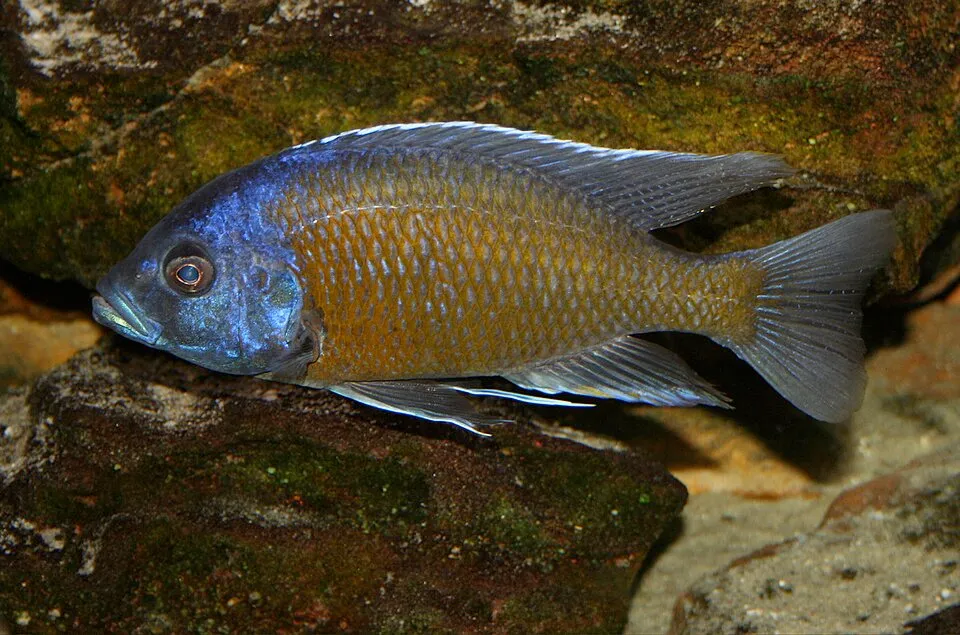
This is a large fish that needs a tank of at least 210 liters with room to move and a few rock structures to break up territory. It sits in the middle and lower water and is mostly peaceful for its size, though it can get pushy. In the wild it eats snails and other shelled invertebrates, so feed a quality cichlid pellet plus shelled shrimp and krill to keep its jaws working.
In the wild
Alluaud's haplo lives in the shallow, weedy margins of Lake Victoria and connected waters in East Africa. It favors slow water with submerged plants for cover and feeding. In the tank, give it open swimming room with some rockwork and hardy plants. Hard, alkaline water from the low to high 20s C with a pH from 7 to 8 suits it.
Good to know
This is a robust cichlid in the family Cichlidae, reaching about 19 cm. It is best known for its heavy, molar-like throat teeth, which let it crush snails and other hard-shelled prey. Its diet visibly shapes those jaws, a well-studied case of one body changing with what it eats. It is a maternal mouthbrooder, with the female incubating her eggs and fry in her mouth.
Did you know
This fish is a textbook example of how diet can reshape an animal's body. Individuals raised on hard-shelled food grow noticeably stronger crushing teeth and jaw muscles, while those fed soft food develop weaker ones, even though they share the same genes.
Weekly picks
Tank mates
Alluaud's haplo is a mostly peaceful, social species that keeps to the middle. These picks share a community profile with it, are safe together in both directions, and overlap on water type, temperature and pH.
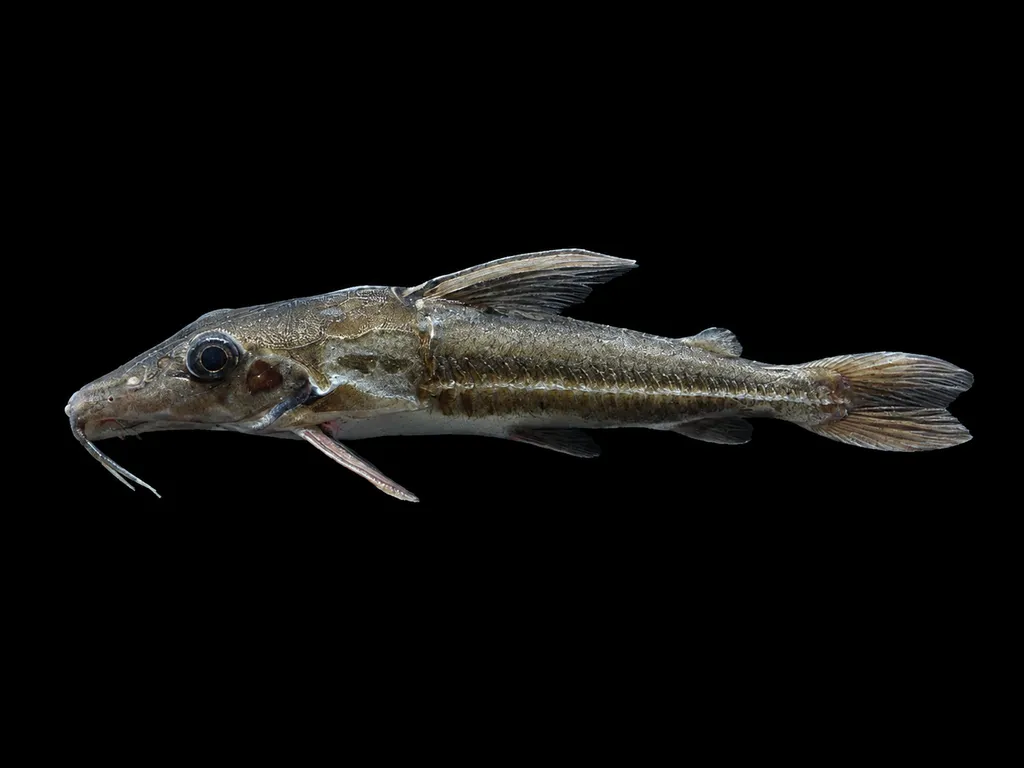
Green turushuki catfish
Hemidoras morrisi
Freshwater6.3 in (16 cm) · 53 gal (200 L)73–82°F (23–28°C)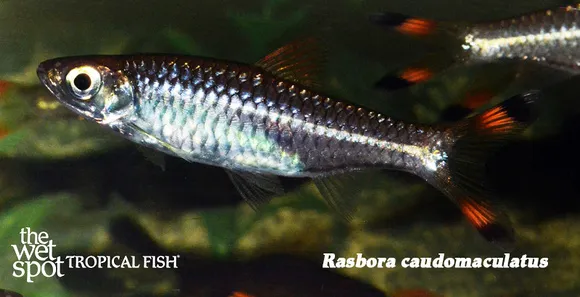
Greater scissortail
Rasbora caudimaculata
Freshwater5.1 in (13 cm) · 53 gal (200 L)68–79°F (20–26°C)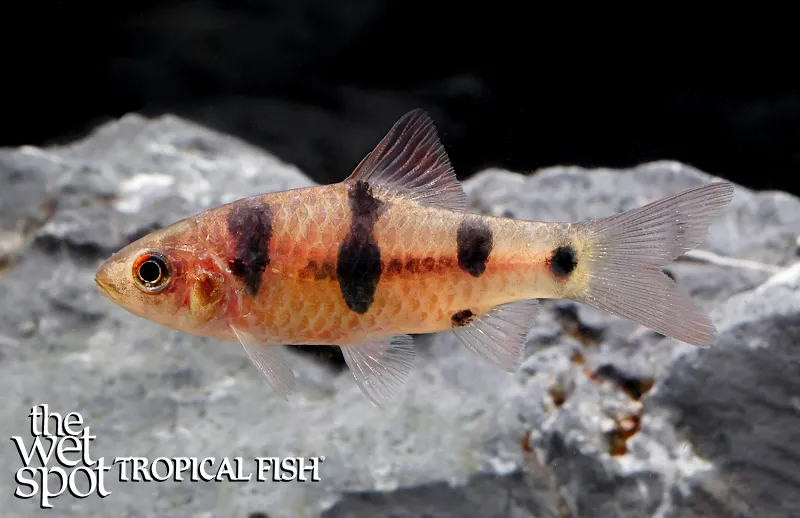
Clown barb
Barbodes dunckeri
Freshwater5.1 in (13 cm) · 53 gal (200 L)75–82°F (24–28°C)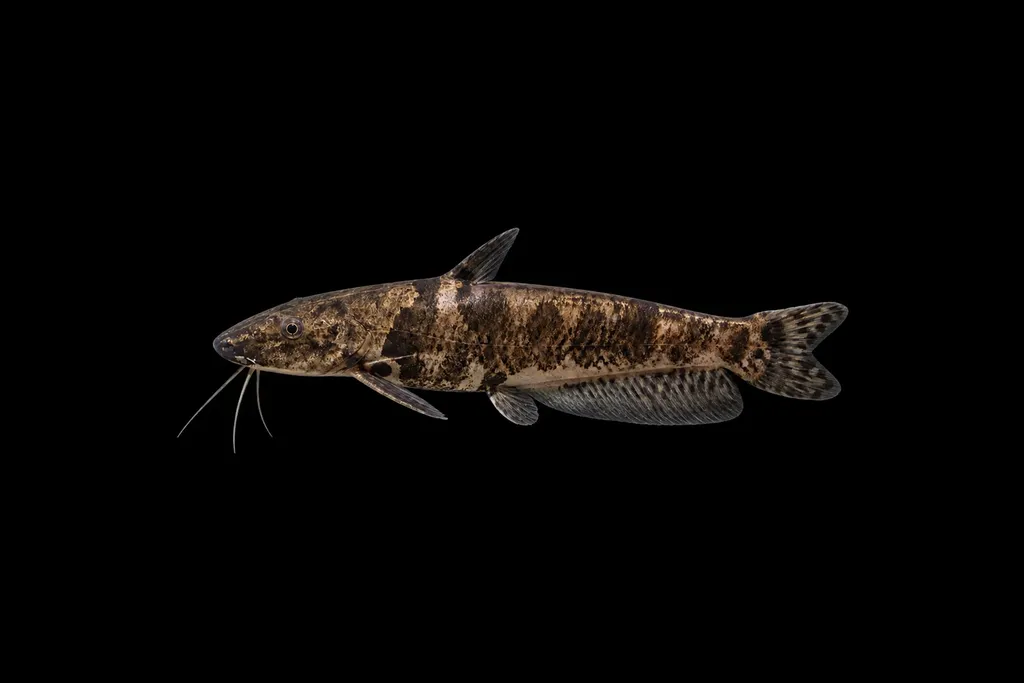
Zamora catfish
Auchenipterichthys thoracatus
Freshwater5.5 in (14 cm) · 53 gal (200 L)73–82°F (23–28°C)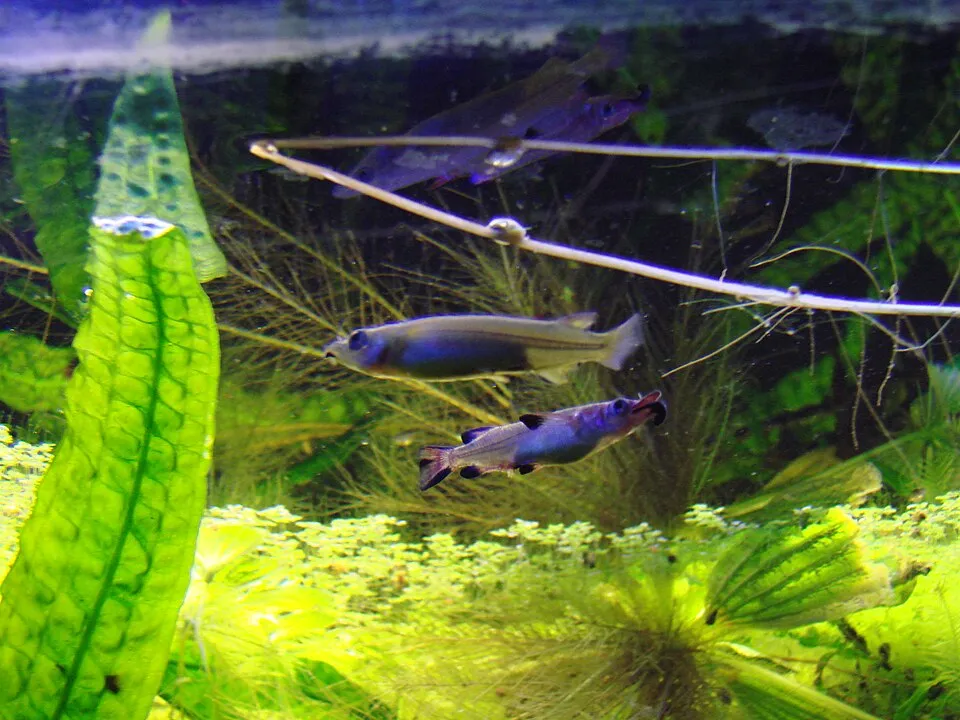
Celebes halfbeak
Nomorhamphus liemi
Freshwater3.5 in (9 cm) · 40 gal (150 L)68–77°F (20–25°C)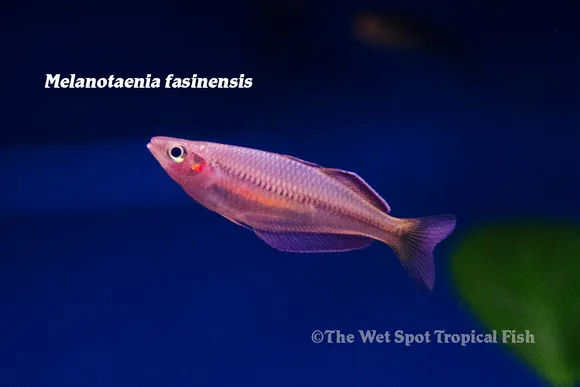
Fasin rainbowfish
Melanotaenia fasinensis
Freshwater5.4 in (13.8 cm) · 53 gal (200 L)75–84°F (24–29°C)
Common questions
What size tank does an Alluaud's haplo need?
An Alluaud's haplo needs at least 55 gal (210 L). It spends most of its time in the middle.
What temperature and pH does an Alluaud's haplo need?
An Alluaud's haplo is comfortable at 73–82°F (23–28°C) with a pH of 7.0–8.0.
How big does an Alluaud's haplo get?
An adult Alluaud's haplo reaches about 7.5 in (19 cm).
Related species
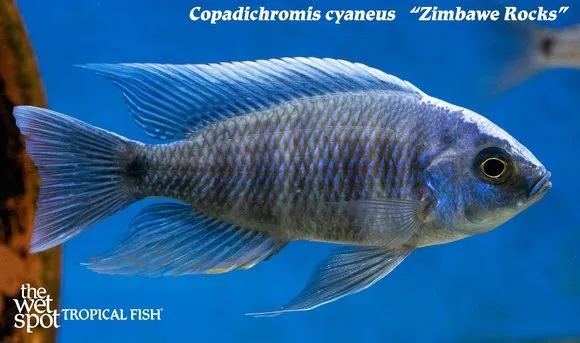 7.5 in (19 cm)79 gal (300 L)75–81°F (24–27°C)
Blue utaka
Copadichromis cyaneus
7.5 in (19 cm) · 79 gal (300 L)
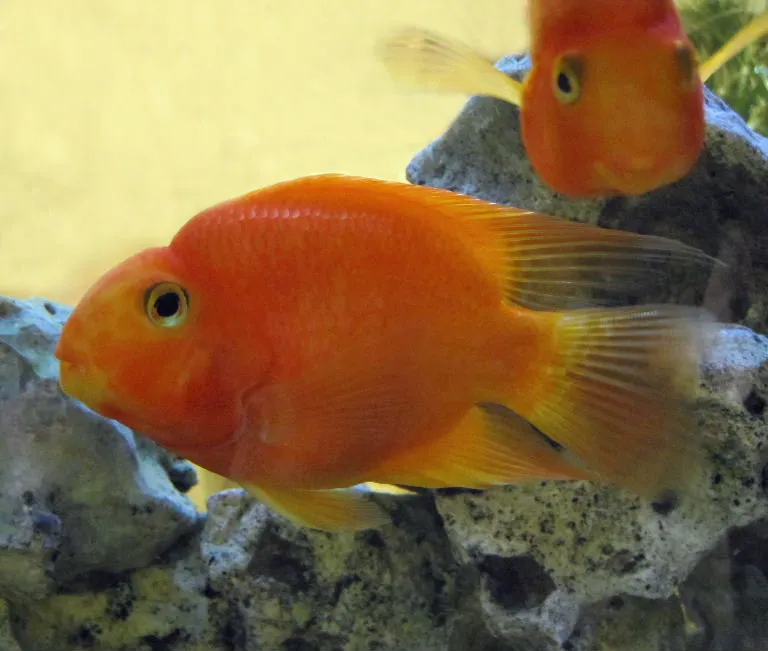 7.9 in (20 cm)50 gal (190 L)72–82°F (22–28°C)
Blood parrot cichlid
A. citrinellus x V. synspilum
7.9 in (20 cm) · 50 gal (190 L)
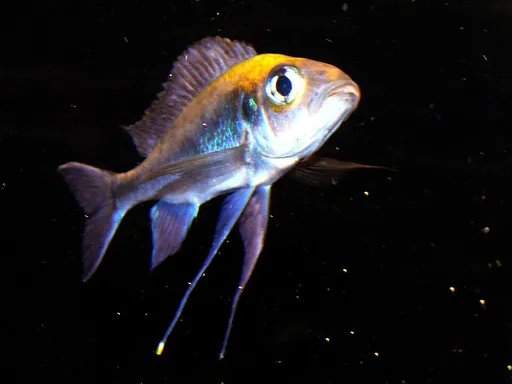 7.9 in (20 cm)119 gal (450 L)75–81°F (24–27°C)
Featherfin cichlid
Cyathopharynx furcifer
7.9 in (20 cm) · 119 gal (450 L)
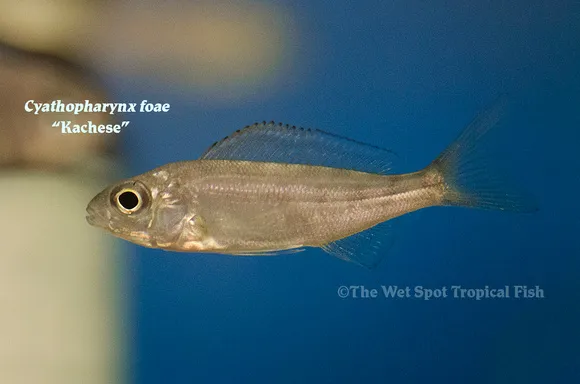 7.9 in (20 cm)119 gal (450 L)75–81°F (24–27°C)
Foa's featherfin
Cyathopharynx foai
7.9 in (20 cm) · 119 gal (450 L)
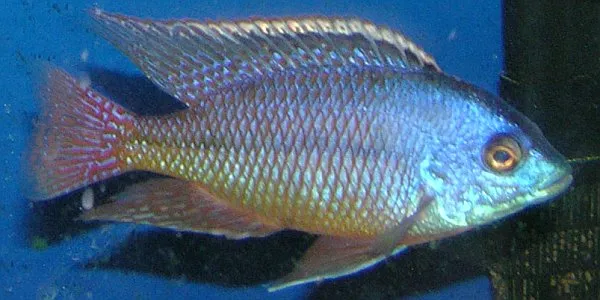 7.9 in (20 cm)53 gal (200 L)75–82°F (24–28°C)
Red empress cichlid
Protomelas taeniolatus
7.9 in (20 cm) · 53 gal (200 L)
 7.9 in (20 cm)79 gal (300 L)77–84°F (25–29°C)
Red fin hap
Copadichromis borleyi
7.9 in (20 cm) · 79 gal (300 L)