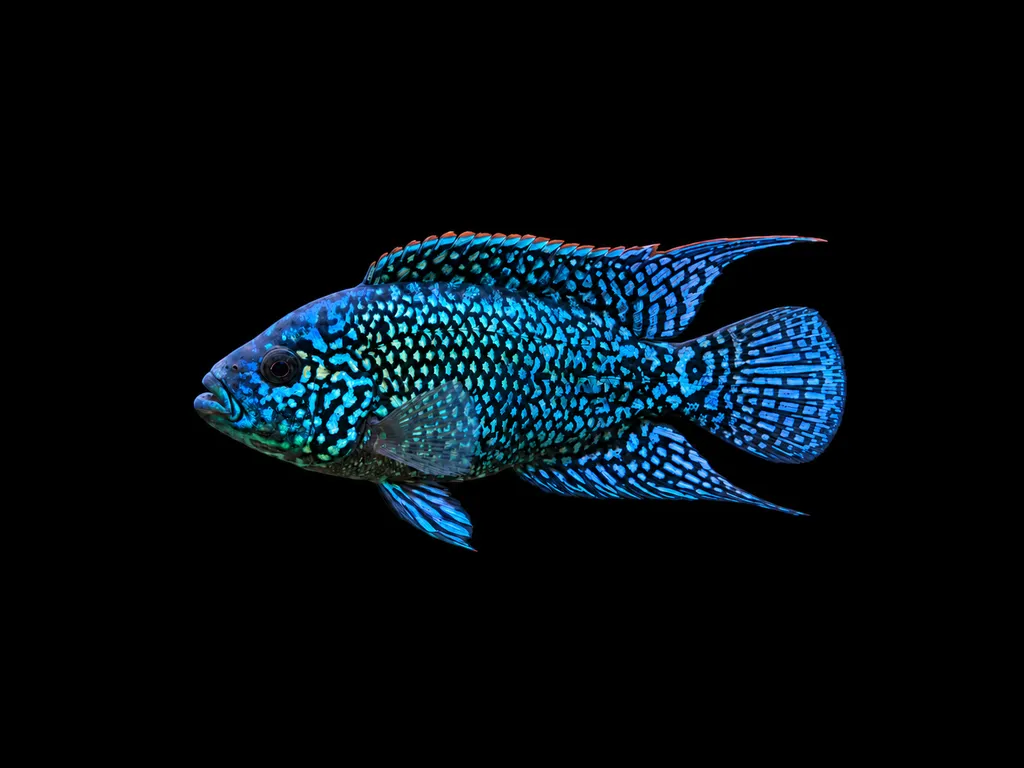
An electric blue Jack Dempsey wears powder blue over the whole body, broken by black spots and a red edge on the dorsal fin. Juveniles are blue from the start, and shops sometimes sell the small ones as powder blue Jack Dempseys. The line stops around 8 in (20 cm) and is the milder fish. It can share a tank with sturdy semi-aggressive species too large to eat. Keep it away from the standard Jack Dempsey and other pushy cichlids, which bully it. Young fish are the fragile stage, so buy stock raised past 3 in (8 cm) and keep the water clean.
In the wild
Héctor Luzardo, a breeder in Argentina, raised the first blue fish in 1985 from a pair of ordinary Jack Dempseys a friend had given him. A young pair was shown at a fish exhibition in Uruguay in 1986, and the line spread from there. Luzardo's own circle guessed that a jaguar cichlid cross had put the blue gene in, and some writers still call the fish a hybrid. A 2005 DNA test commissioned by the importer Jeff Rapps matched the mother's line to a plain Jack Dempsey. That settles nothing on the father's side. No blue population exists in the wild.
Good to know
The blue is a recessive trait, and a fish shows it only with two copies. A blue crossed to a normal Jack Dempsey gives normal-looking carriers, sold as blue gene Jack Dempseys. Breeders pair a blue with a carrier for about half blue fry, or two carriers for about a quarter. Blue to blue spawns give frail fry that rarely survive. The blue fry are weaker than their normal siblings and get killed by them unless they are separated early. Bent spines and wasting turn up in badly bred stock, so the line is less hardy than the wild type.
Did you know
Harry Piken wrote up the breeding for Tropical Fish Hobbyist in 2008. He had to separate the blue fry at a quarter inch (6 mm), because their normal-colored siblings would otherwise kill them. Every blue fish in a shop was pulled from its own spawn as a fry to survive.
Common questions
Is an Electric blue Jack Dempsey a different species from the Jack Dempsey?
No. An Electric blue Jack Dempsey is a variety of the Jack Dempsey, Rocio octofasciata. It is kept the same way apart from adult size, where it reaches 7.9 in (20 cm) against 9.8 in (25 cm) and temperament.
Why is my electric blue Jack Dempsey smaller and shyer than a standard one?
That is the line. Every shop that stocks it lists it around 8 in (20 cm) and milder than the wild-colored fish, and keepers on the cichlid forums say the same. Slower growth is normal too, so a two year old blue can sit well behind a standard fish of the same age.
Why are electric blue Jack Dempsey fry so hard to raise?
The blue trait is recessive and the fish that show it are frail as fry. Blue to blue spawns rarely survive, so breeders cross a blue with a normal-looking carrier and pull the blue fry out early, because their normal siblings kill them.
What size tank does an Electric blue Jack Dempsey need?
An Electric blue Jack Dempsey needs at least 55 gal (208 L). It spends most of its time in the middle.
How big does an Electric blue Jack Dempsey get?
An adult Electric blue Jack Dempsey reaches about 7.9 in (20 cm).
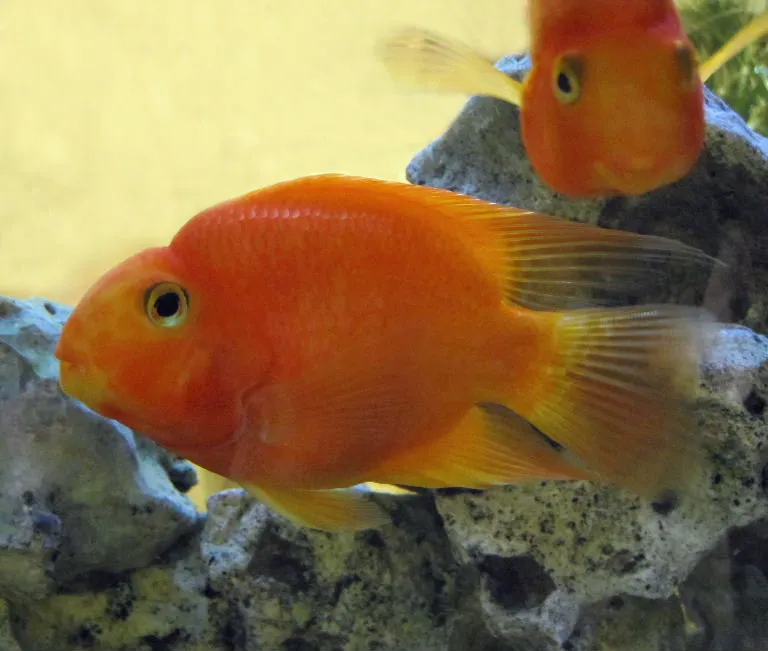 7.9 in (20 cm)50 gal (190 L)72–82°F (22–28°C)
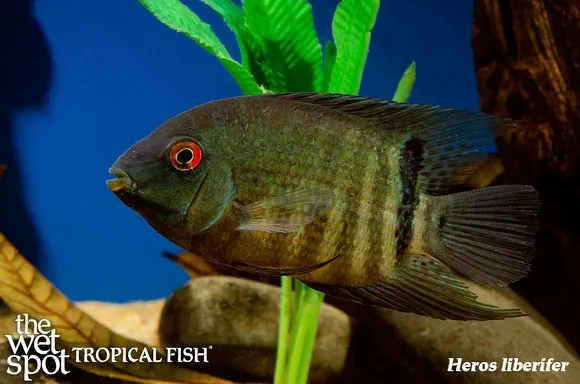 7.9 in (20 cm)106 gal (400 L)75–82°F (24–28°C)
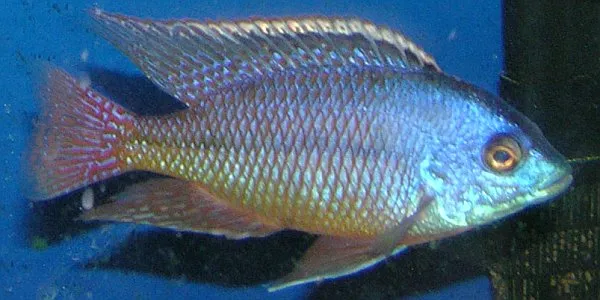 7.9 in (20 cm)53 gal (200 L)75–82°F (24–28°C)
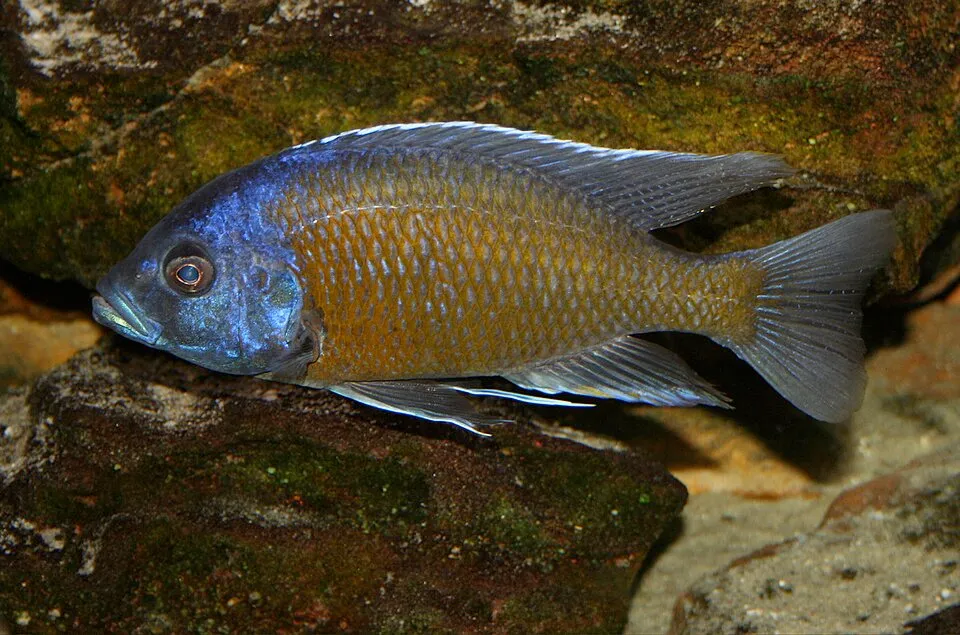 7.9 in (20 cm)79 gal (300 L)77–84°F (25–29°C)
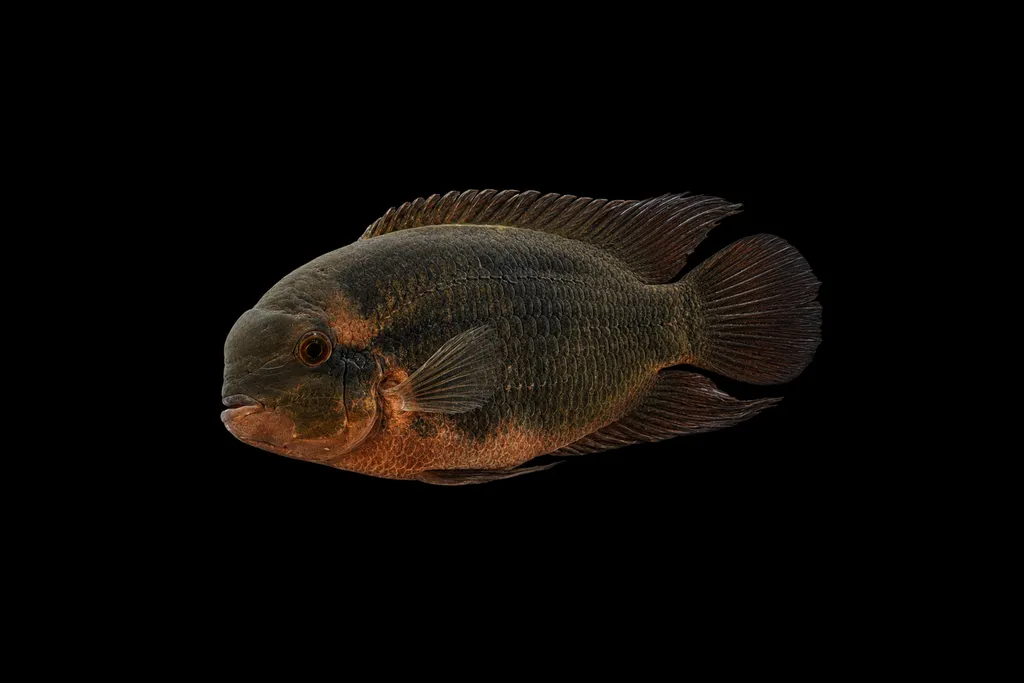 7.9 in (20 cm)63 gal (240 L)75–82°F (24–28°C)