One species · 4 varieties
Jack Dempsey
Rocio octofasciata
FreshwaterFish
Care at a glance
- Temperature
- 72–82°F
- 22–28°C
- pH
- 6.0–7.5
- Adult size
- 9.8 in
- 25 cm
- Minimum tank
- 55 gal
- 208 L
- Temperament
- Aggressive
- Social behavior
- Solitary
- Tankmates
- With caution
- Swim level
- Middle
- Difficulty
- Medium
- Breeding
- Substrate spawner · Medium
- Rarity
- Very common
- Family
- Cichlidae
- Origin
- Central America (southern Mexico to Honduras)
Pick a variety
One setup covers every line on this page, except that the electric blue stays around 8 in (20 cm) and is the milder fish.
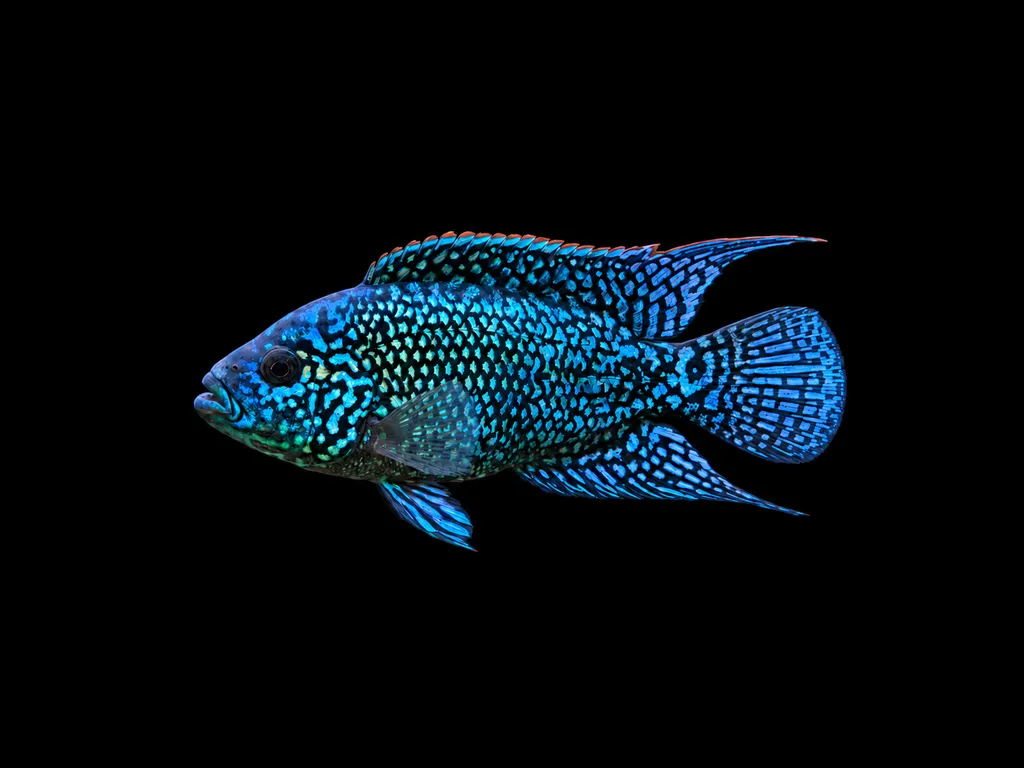
Electric blue Jack Dempsey
powder blue with black spots; smaller and milder than the wild type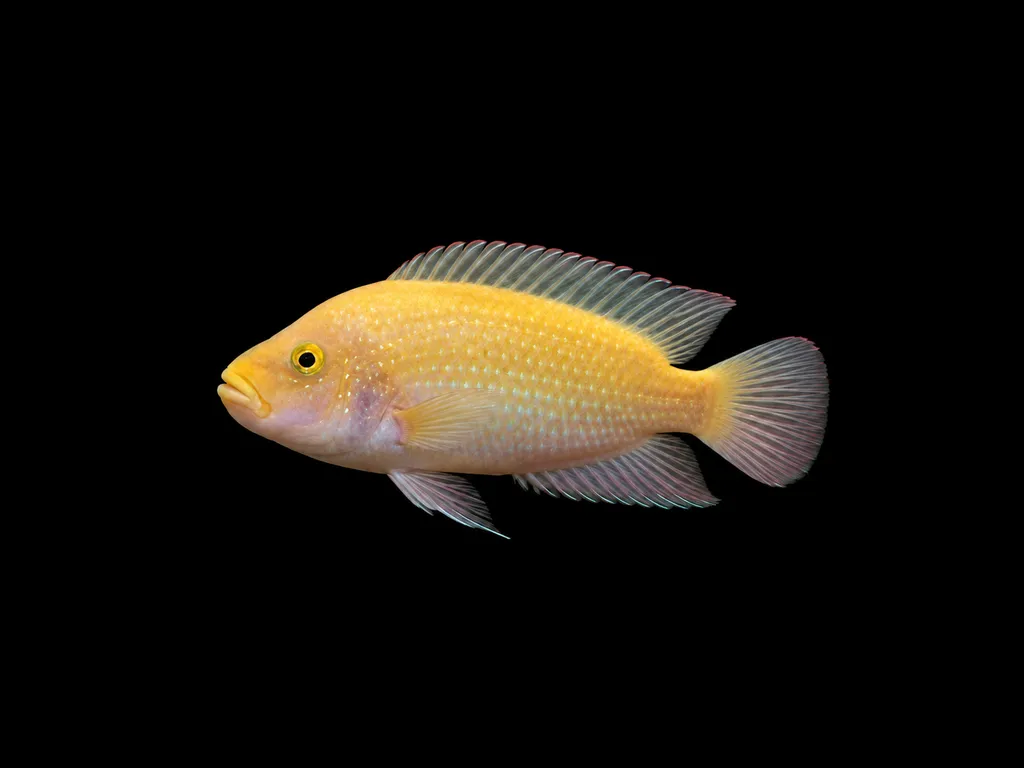
Gold Jack Dempsey
pale gold base with a dark eye; breeds true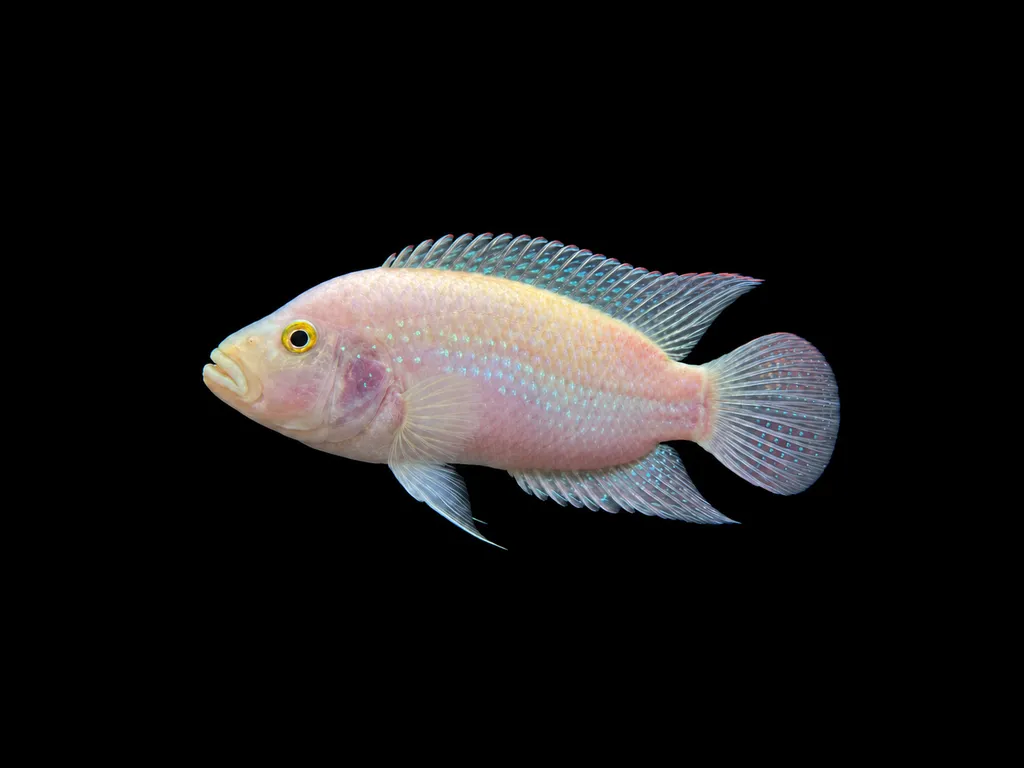
Pink Jack Dempsey
pale pink to white; a shop name that spans the gold and platinum lines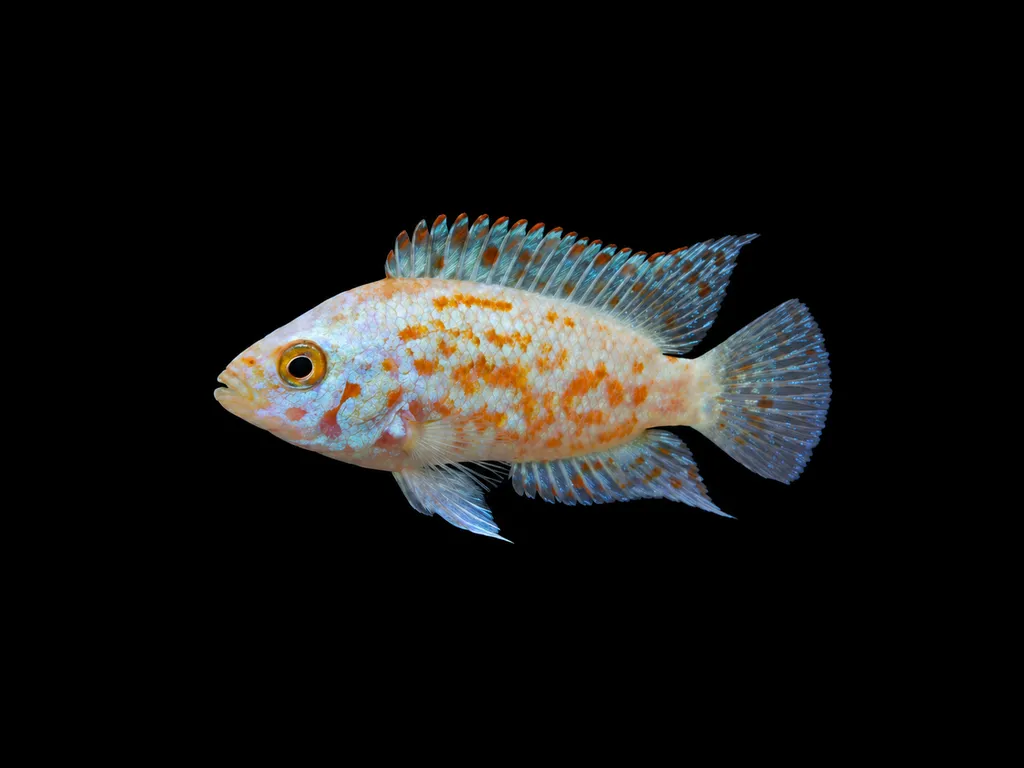
Electric pink Jack Dempsey
off-white with orange blotches and blue flecks; gold and blue genes together
Overview
The Jack Dempsey is a large, territorial cichlid for a big tank. It is a step up from the easiest fish.
Did you know
The Jack Dempsey is named for the boxer Jack Dempsey, heavyweight champion from 1919 to 1926. The fish got the name for its heavy jaw and its temper.
Caring for the Jack Dempsey
Keep a Jack Dempsey singly or as a bonded pair in a tank of at least 55 gal (208 L). Adults need real room as they grow. Give it a soft sand or fine gravel bed to dig, with caves and rockwork to claim. Skip loose plants, because it uproots anything that is not anchored well, and expect the decor to be rearranged.
Run the water at 72 to 82°F (22 to 28°C) with a pH of 6.0 to 7.5. A big cichlid eats a lot and fouls the water, so weekly water changes matter. Feed quality pellets with frozen and live foods, such as bloodworms, earthworms and the odd shrimp.
The Jack Dempsey is aggressive and holds the middle of the water column, patrolling its patch hard. Tank mates need to be robust and close to its own size, because anything small gets hunted.
Jack Dempseys are substrate spawners that lay their eggs on a cleaned flat surface. Both parents guard the eggs and fry hard and drive off anything that comes near, including much larger fish. Breeding them takes a little experience.
Every color here is Rocio octofasciata. The trade works from two recessive traits, blue and gold. The electric blue carries two blue copies. The gold carries two gold copies and keeps a dark eye. A fish with both pairs at once comes out off-white with blue flecks, and it is sold as electric pink or platinum. Pink is a shop label, and it gets used for gold fish and for electric pinks alike, so buy from a photo of the actual fish.
A standard Jack Dempsey bullies an electric blue, and keepers who mixed them report dead blues. The gold, pink and electric pink lines are the standard fish in another color and take the same rough treatment in stride. Any two lines interbreed, and the fry from a mixed pair are mostly normal-looking carriers, so a color stays pure only in a tank of its own.
Good to know
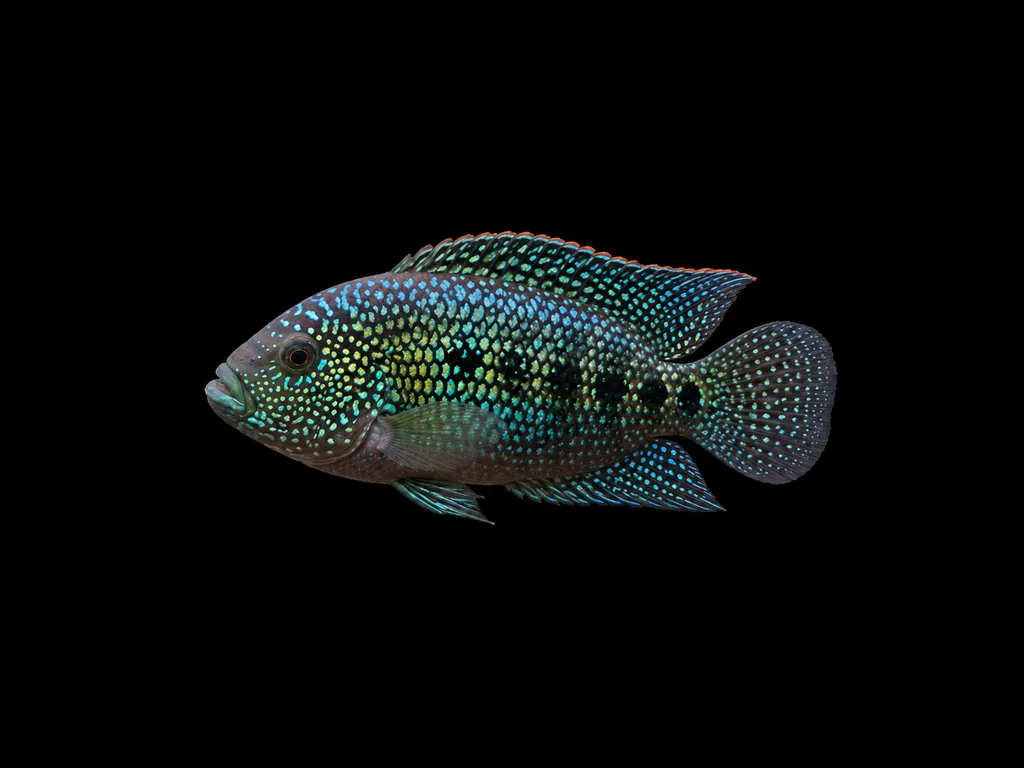
Rocio octofasciata is a cichlid in the family Cichlidae. A calm, settled fish lights up with rows of blue-green flecks over a dark body, and the sparkle builds with age. Jack Dempseys are long-lived and often reach 10 or more years in a well-kept tank.
In the wild
Jack Dempseys come from slow, warm water across Central America, from southern Mexico down to Honduras. They hold territory among rocks, sunken wood and pits dug into the bottom.
From published sources
Tank mates
Each fish here is named as a tank mate for the Jack Dempsey by at least two published care guides. Aquarium Source recommends keeping it on its own instead. These pairings assume a tank of 130 gallons (500 liters) or more, with caves and broken sight lines.
Sources: Aquarium Source, Fishkeeping World, Build Your Aquarium, FishLab, Practical Fishkeeping, Fishkeeper (Maidenhead Aquatics).
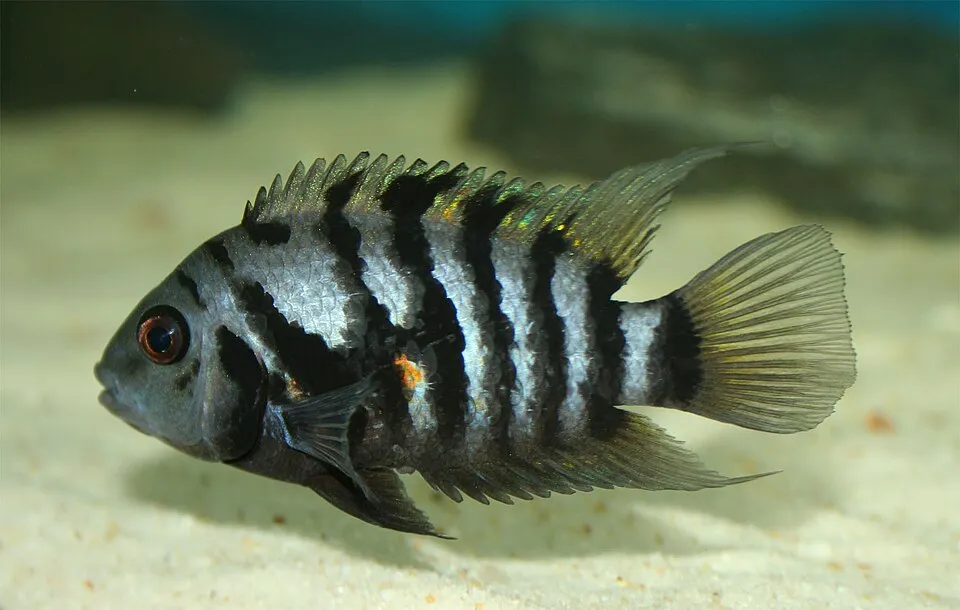
Convict cichlid
Amatitlania nigrofasciata
Freshwater5.9 in (15 cm) · 25 gal (95 L)75–82°F (24–28°C)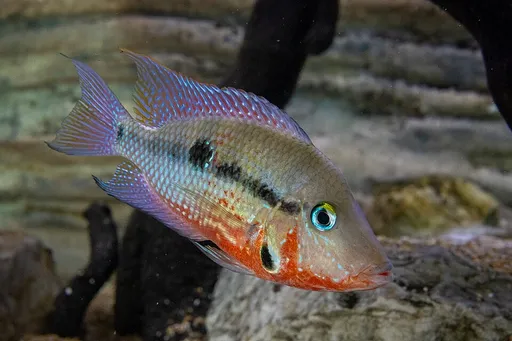
Firemouth cichlid
Thorichthys meeki
Freshwater5.9 in (15 cm) · 30 gal (115 L)73–82°F (23–28°C)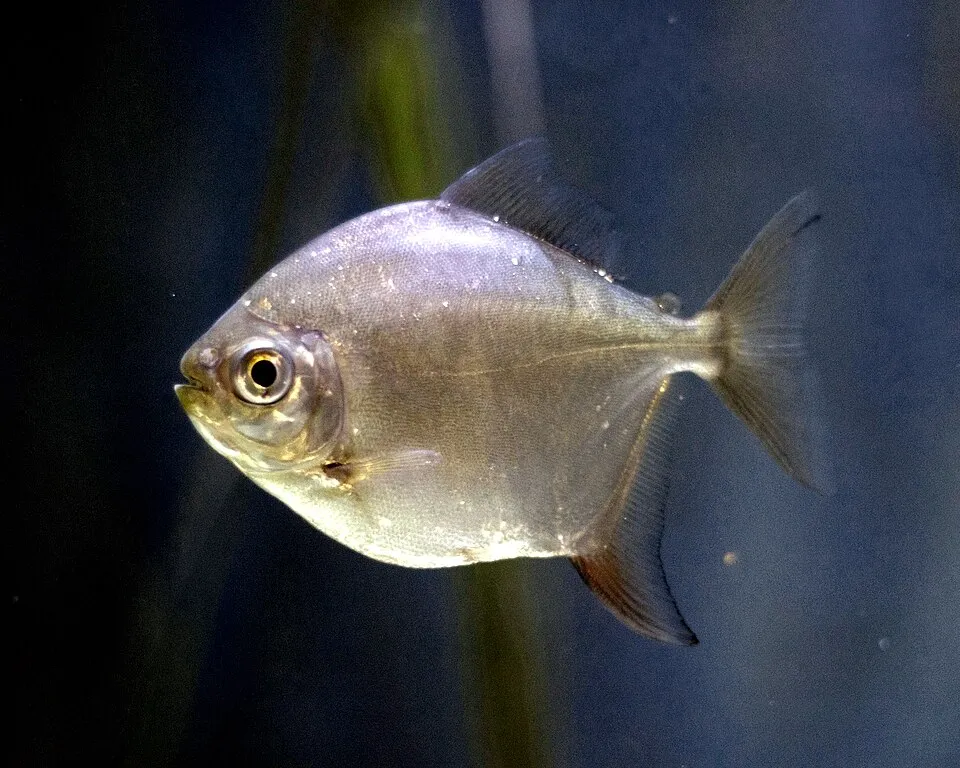
Silver dollar
Metynnis argenteus
Freshwater5.9 in (15 cm) · 70 gal (265 L)75–82°F (24–28°C)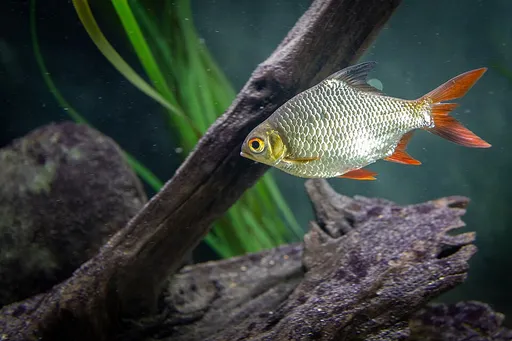
Tinfoil barb
Barbonymus schwanenfeldii
Freshwater13.8 in (35 cm) · 180 gal (680 L)72–82°F (22–28°C)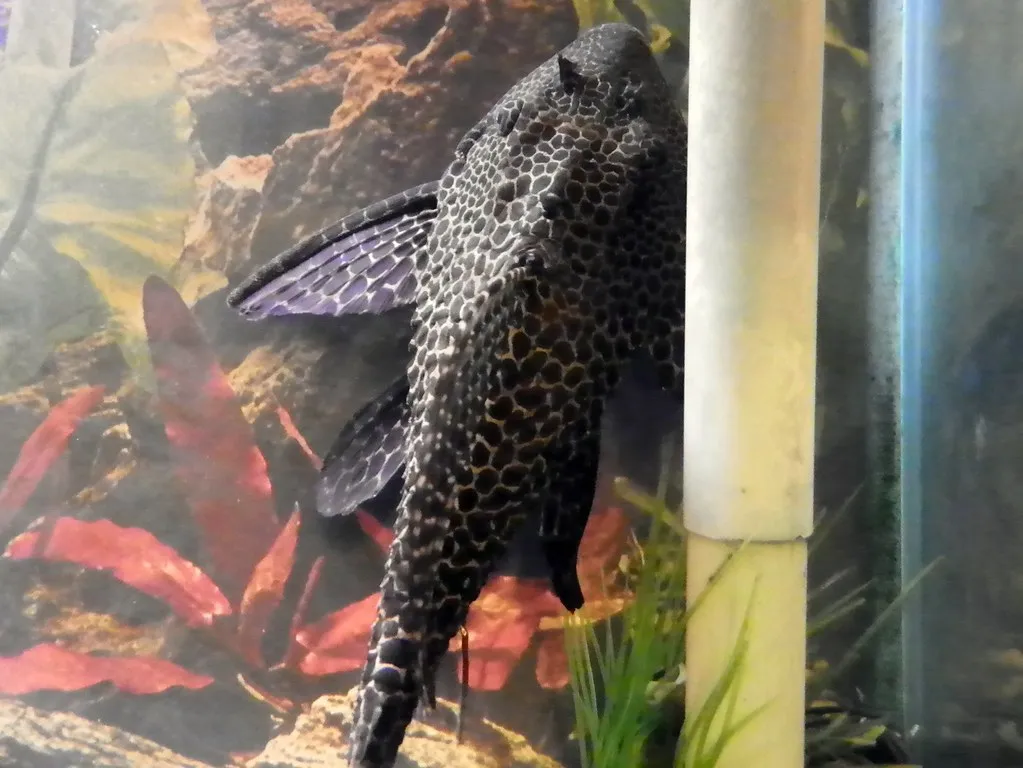
Common pleco
Hypostomus plecostomus
Freshwater15.7 in (40 cm) · 85 gal (320 L)72–86°F (22–30°C)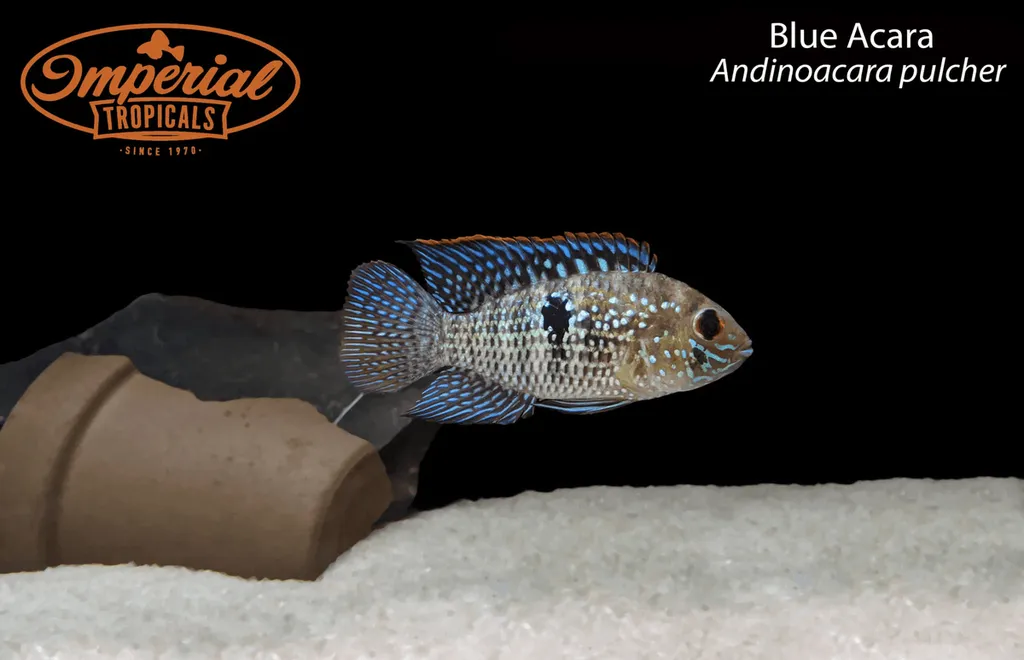
Blue acara
Andinoacara pulcher
Freshwater5.9 in (15 cm) · 42 gal (160 L)72–82°F (22–28°C)
Common questions
Can an electric blue Jack Dempsey live with a standard Jack Dempsey?
Not safely. The blue line is smaller and milder, and keepers who tried the pairing report the blue fish bullied and killed. Keep an electric blue with sturdy semi-aggressive tank mates too large to eat, and give the standard fish a tank of its own.
Is the electric blue Jack Dempsey a hybrid?
Probably not, though nobody has proved it either way. The line came from a pair of ordinary Jack Dempseys in Argentina in 1985, and a 2005 DNA test matched the mother's line to the species. That test could not rule out a cross on the father's side, which is why some writers still call it a hybrid.
What size tank does a Jack Dempsey need?
A Jack Dempsey needs at least 55 gal (208 L). It spends most of its time in the middle.
What temperature and pH does a Jack Dempsey need?
A Jack Dempsey is comfortable at 72–82°F (22–28°C) with a pH of 6.0–7.5.
What does a Jack Dempsey eat?
A Jack Dempsey eats quality pellets with frozen and live foods. Bloodworms, earthworms and the odd shrimp all suit it.
How big does a Jack Dempsey get?
An adult Jack Dempsey reaches about 9.8 in (25 cm).
How does a Jack Dempsey breed?
A Jack Dempsey is a substrate spawner that lays its eggs on a cleaned flat surface. Both parents guard the eggs and fry, even against much larger fish.
What fish can live with the Jack Dempsey?
Published care guides name convict cichlid, firemouth cichlid, silver dollar and tinfoil barb, among others. These pairings assume a tank of 130 gallons (500 liters) or more, with caves and broken sight lines.
Related species
- 5.1 in (13 cm)53 gal (200 L)75–84°F (24–29°C)
Spiny cichlid
Rocio spinosissima
5.1 in (13 cm) · 53 gal (200 L)
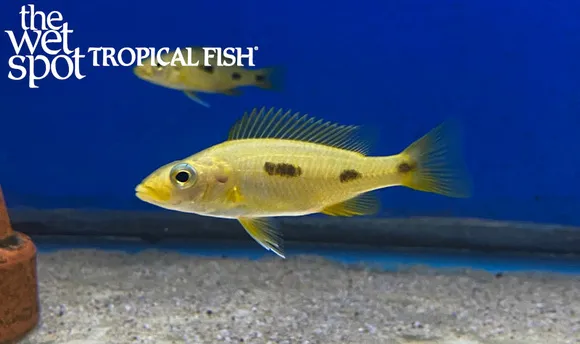 9.8 in (25 cm)159 gal (600 L)75–81°F (24–27°C)
Anagenys hap
Exochochromis anagenys
9.8 in (25 cm) · 159 gal (600 L)
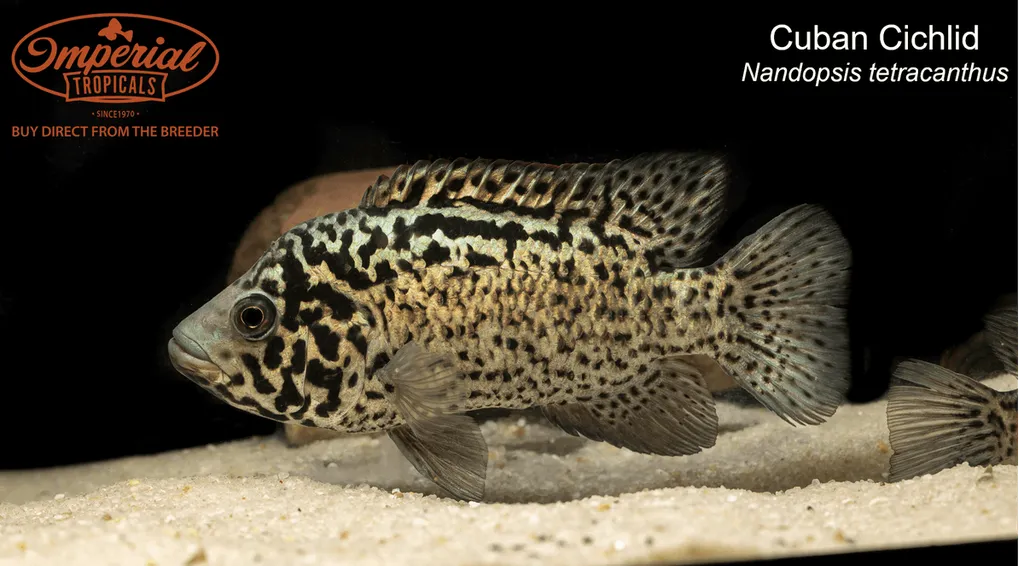 9.8 in (25 cm)75 gal (285 L)75–82°F (24–28°C)
Cuban cichlid
Nandopsis tetracanthus
9.8 in (25 cm) · 75 gal (285 L)
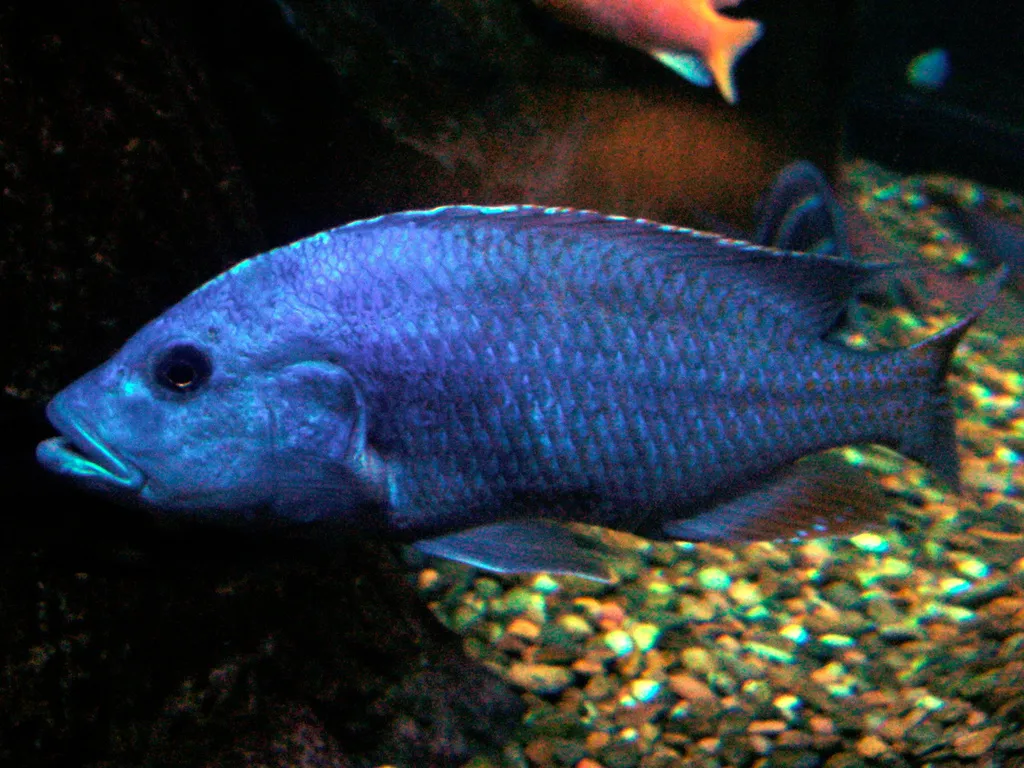 9.8 in (25 cm)74 gal (280 L)75–82°F (24–28°C)
Fusco hap
Nimbochromis fuscotaeniatus
9.8 in (25 cm) · 74 gal (280 L)
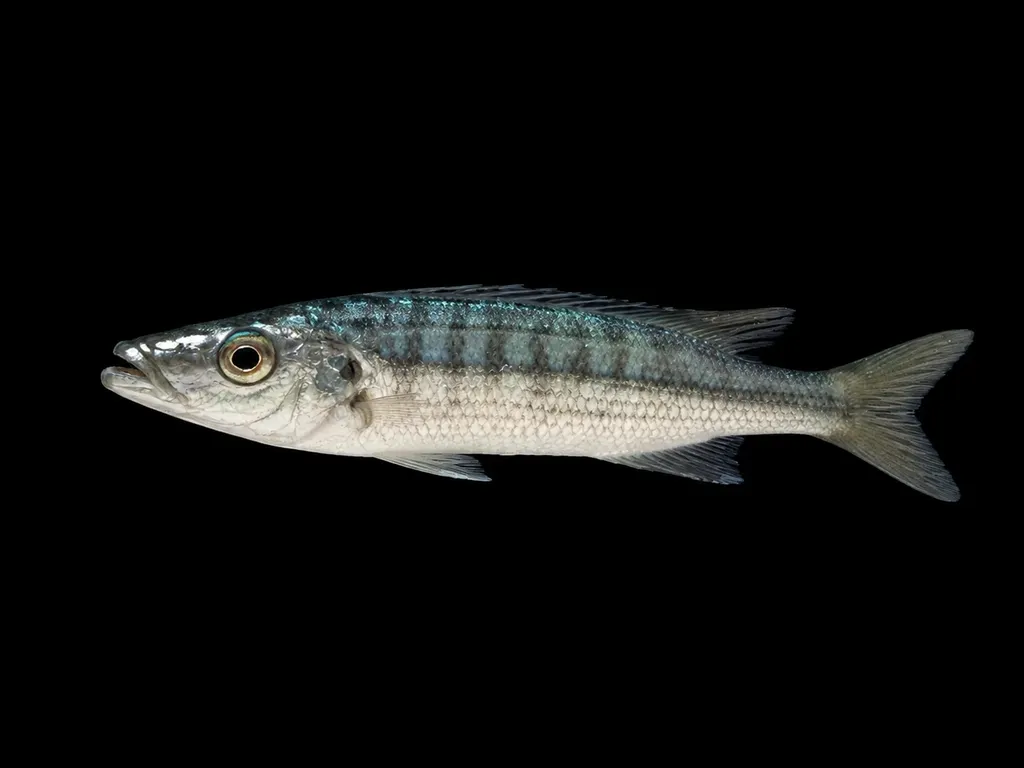 9.8 in (25 cm)79 gal (300 L)73–81°F (23–27°C)
Malawi barracuda
Rhamphochromis cf. macrophthalmus
9.8 in (25 cm) · 79 gal (300 L)
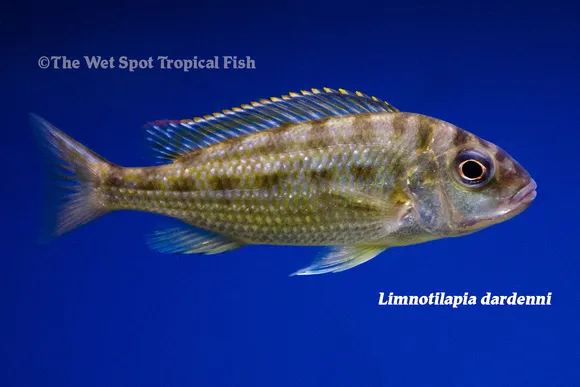 10.2 in (26 cm)119 gal (450 L)75–81°F (24–27°C)
Dardenne's cichlid
Limnotilapia dardennii
10.2 in (26 cm) · 119 gal (450 L)