Dardenne's cichlid
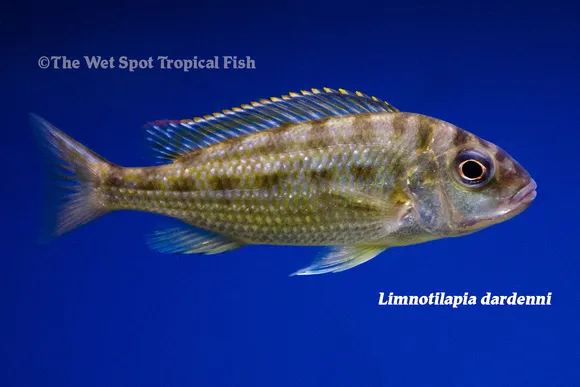
Limnotilapia dardennii
Also known as Dardenne's limnotilapia
FreshwaterFish
Care at a glance
- Temperature
- 75–81°F
- 24–27°C
- pH
- 7.5–9.0
- Adult size
- 10.2 in
- 26 cm
- Minimum tank
- 119 gal
- 450 L
- Temperament
- Aggressive
- Social behavior
- Solitary
- Tankmates
- With caution
- Swim level
- Middle
- Diet
- Omnivore
- Difficulty
- Medium
- Breeding
- Mouthbrooder · Medium
- Rarity
- Rare
- Family
- Cichlidae
- Origin
- Lake Tanganyika
Overview
Dardenne's cichlid is a big, characterful Tanganyikan cichlid for a very large tank. It suits a keeper with a little experience.
Did you know
Many Tanganyikan cichlids are tied to one narrow niche, such as a single rock reef or patch of sand. Dardenne's cichlid is a true generalist instead, turning up across sand flats, rocky zones, weed beds and river mouths alike. It is one of the few big cichlids equally at home almost anywhere in the lake.
Caring for the Dardenne's cichlid
Keep a single Dardenne's cichlid or a pair, given how much space it needs, in at least 119 gal (450 L). Give it a big footprint with open swimming space, a sandy floor and some sturdy rock piles. It swims through the middle and lower water.
Keep the water very hard, alkaline and well filtered, at 75 to 81°F (24 to 27°C) and a pH of 7.5 to 9.0. Feed a greens-heavy diet with some small animal foods, or it will strip any soft plants in the tank.
It is boisterous and can be aggressive, so choose sturdy tank mates with care and give everyone room. Males grow larger than females. Like others in its tribe, it is a maternal mouthbrooder, and the female carries the brood in her mouth. Breeding is of medium difficulty.
Good to know
Dardenne's cichlid, Limnotilapia dardennii, is a large Tanganyikan cichlid in the family Cichlidae. It grazes widely, mixing algae, phytoplankton and soft plants with worms and even the eggs of other fish. It is the least specialized member of its algae-browsing group.
In the wild
Dardenne's cichlid lives along the shores of Lake Tanganyika, where the water is very hard and alkaline. Young fish stay over shallow sand and mud, while adults move to deeper, rockier water.
Common questions
What size tank does a Dardenne's cichlid need?
A Dardenne's cichlid needs at least 119 gal (450 L). It spends most of its time in the middle.
What temperature and pH does a Dardenne's cichlid need?
A Dardenne's cichlid is comfortable at 75–81°F (24–27°C) with a pH of 7.5–9.0.
What does a Dardenne's cichlid eat?
Dardenne's cichlid eats a greens-heavy diet with some small animal foods. Without enough greens, it will strip any soft plants in the tank.
How big does a Dardenne's cichlid get?
An adult Dardenne's cichlid reaches about 10.2 in (26 cm).
How can you tell a male Dardenne's cichlid from a female?
Males of Dardenne's cichlid grow larger than females.
How does a Dardenne's cichlid breed?
Dardenne's cichlid is a maternal mouthbrooder, and the female carries the brood in her mouth. Breeding it is of medium difficulty.
Related species
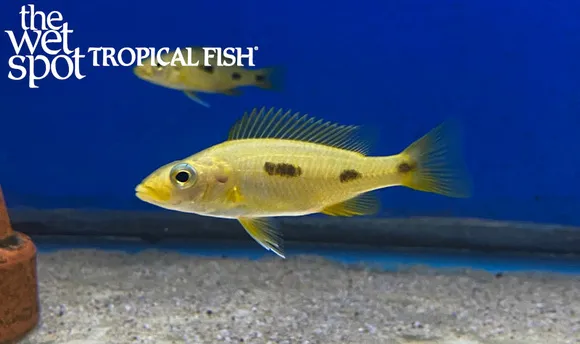 9.8 in (25 cm)159 gal (600 L)75–81°F (24–27°C)
Anagenys hap
Exochochromis anagenys
9.8 in (25 cm) · 159 gal (600 L)
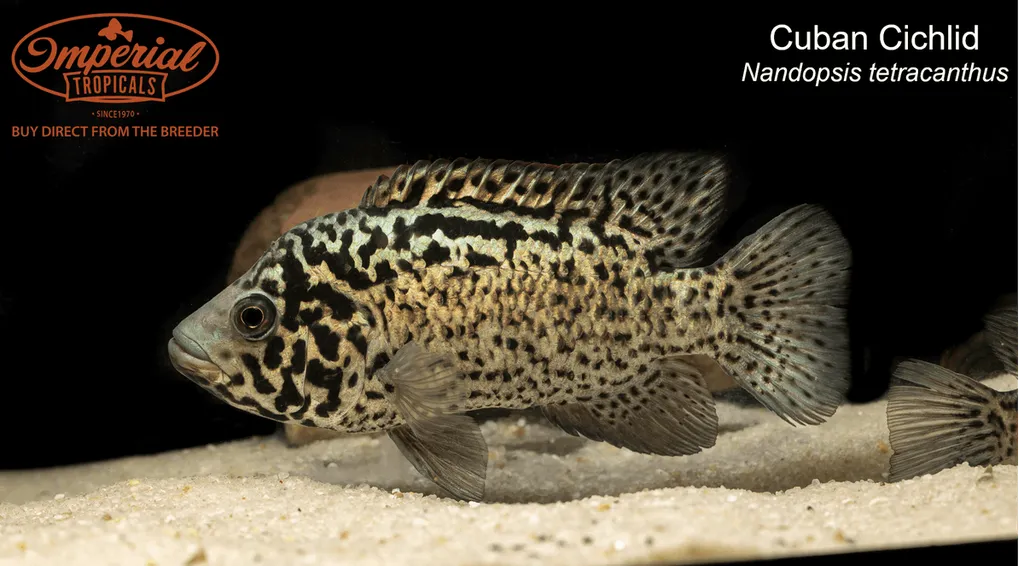 9.8 in (25 cm)75 gal (285 L)75–82°F (24–28°C)
Cuban cichlid
Nandopsis tetracanthus
9.8 in (25 cm) · 75 gal (285 L)
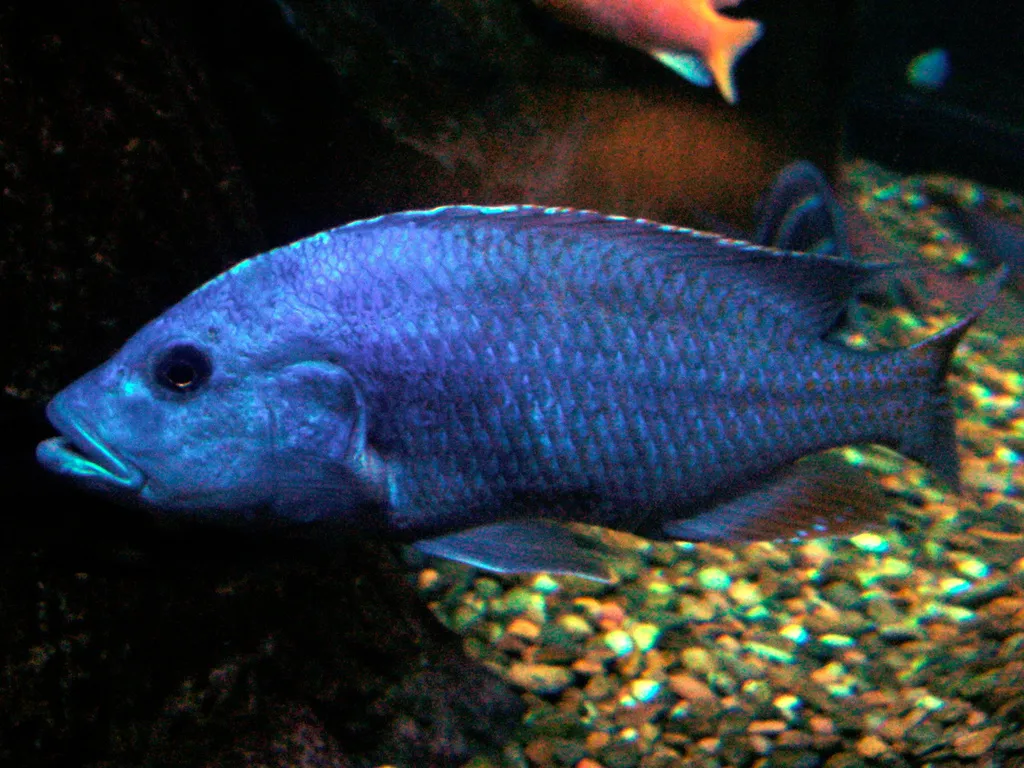 9.8 in (25 cm)74 gal (280 L)75–82°F (24–28°C)
Fusco hap
Nimbochromis fuscotaeniatus
9.8 in (25 cm) · 74 gal (280 L)
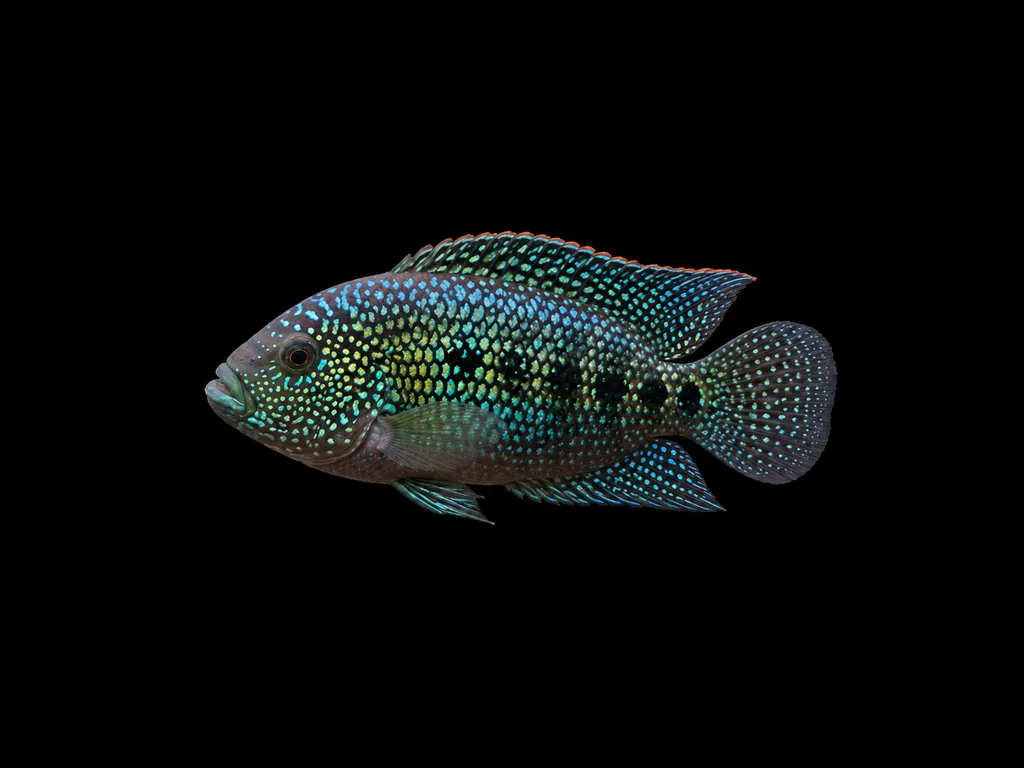 9.8 in (25 cm)55 gal (208 L)72–82°F (22–28°C)
Jack Dempsey
Rocio octofasciata
9.8 in (25 cm) · 55 gal (208 L)
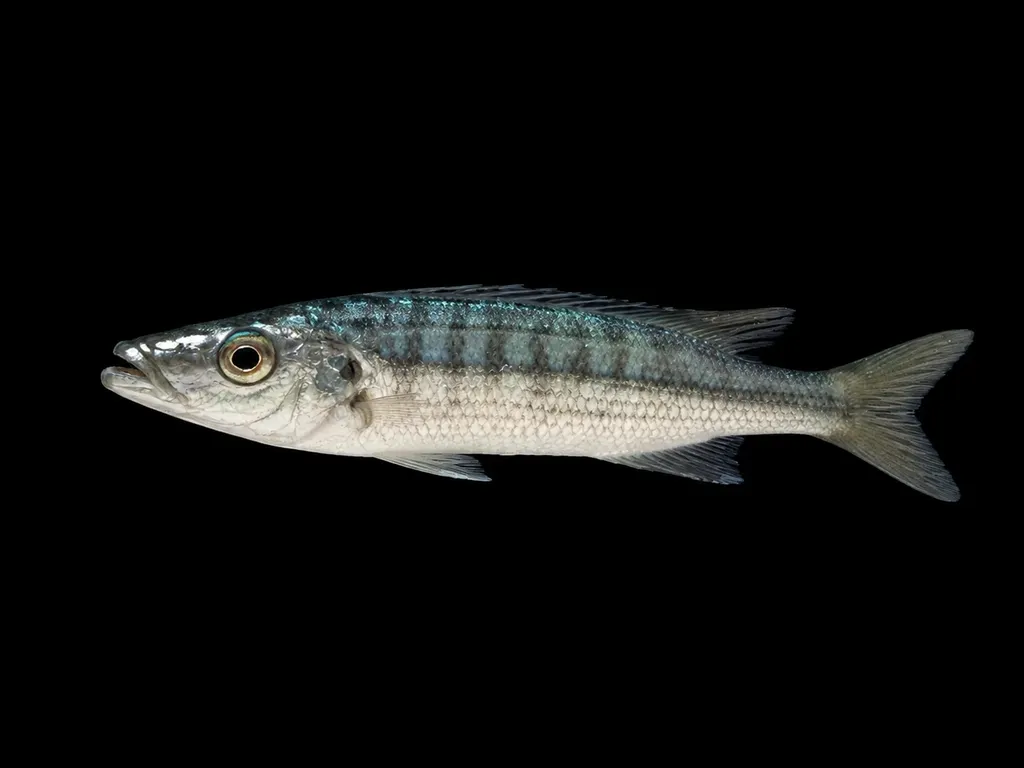 9.8 in (25 cm)79 gal (300 L)73–81°F (23–27°C)
Malawi barracuda
Rhamphochromis cf. macrophthalmus
9.8 in (25 cm) · 79 gal (300 L)
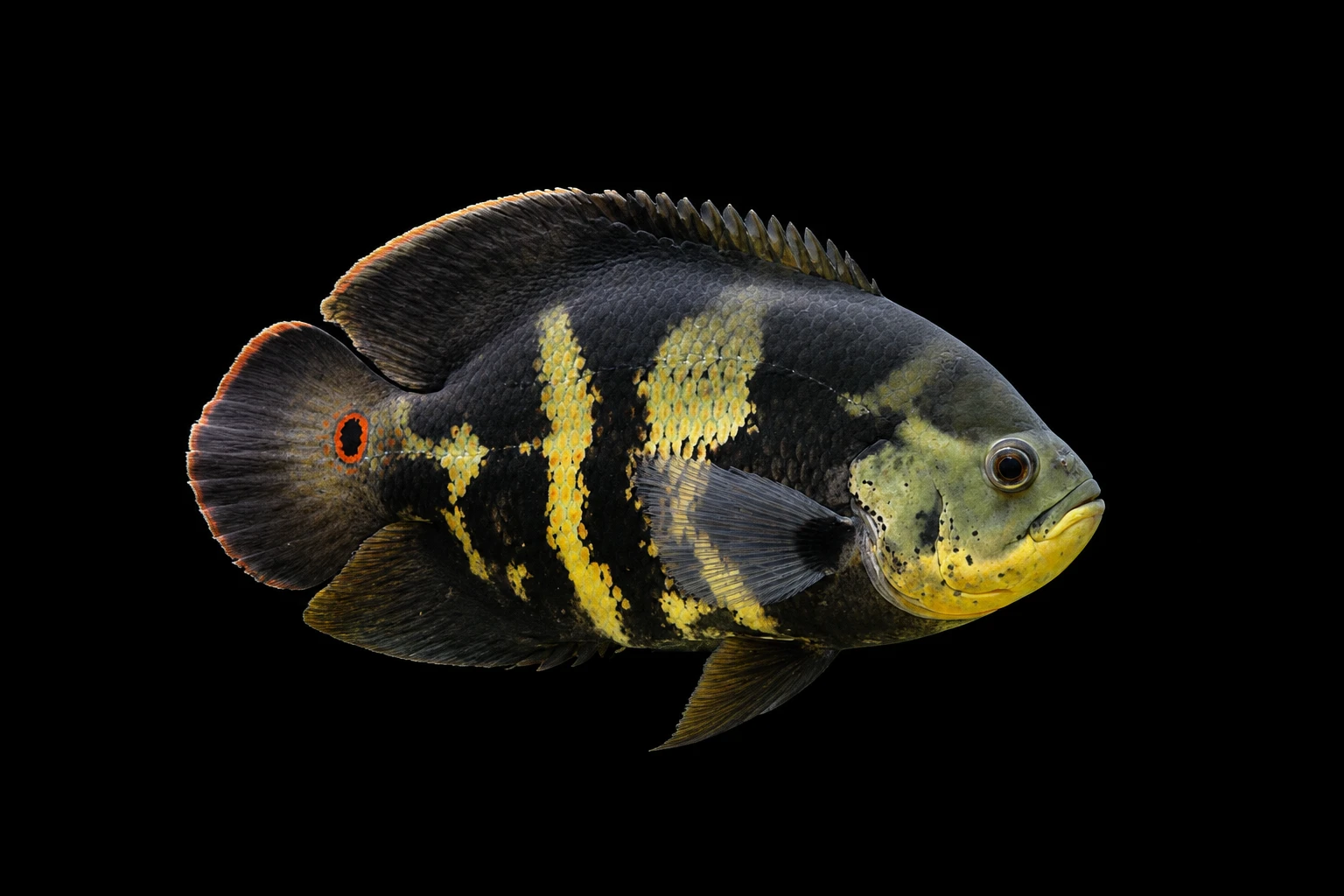 11.4 in (29 cm)132 gal (500 L)73–82°F (23–28°C)
Fat oscar
Astronotus crassipinnis
11.4 in (29 cm) · 132 gal (500 L)