Cuban cichlid
Nandopsis tetracanthus
Also known as Biajaca, Star cichlid, Cichlasoma tetracanthus
FreshwaterFish
Care at a glance
- Temperature
- 75–82°F
- 24–28°C
- pH
- 7.0–8.0
- Adult size
- 9.8 in
- 25 cm
- Minimum tank
- 75 gal
- 285 L
- Temperament
- Aggressive
- Social behavior
- Solitary
- Tankmates
- With caution
- Swim level
- Middle
- Diet
- Carnivore
- Difficulty
- Medium
- Breeding
- Medium
- Rarity
- Common
- Family
- Cichlidae
- Origin
- Endemic to Cuba, in fast-flowing rivers and lakes among plants, and entering brackish river mouths.
Overview
The Cuban cichlid is an aggressive cichlid that swims through the middle of a large, rocky tank. It is a step up from the easiest fish.
Did you know
The Cuban cichlid is one of very few cichlids native to the Caribbean islands, and it tolerates a touch of salt in the water.
Caring for the Cuban cichlid
Keep a single adult Cuban cichlid or a pair in at least 75 gal (285 L). Provide rockwork, wood and sturdy decor for territory, along with open swimming space.
Keep the water at 75 to 82°F (24 to 28°C), with a pH of 7.0 to 8.0. It is a hardy predator. Feed meaty foods, quality pellets and frozen foods.
It is aggressive and territorial, especially when spawning, so choose tank mates with care. Breeding it is of medium difficulty.
Good to know
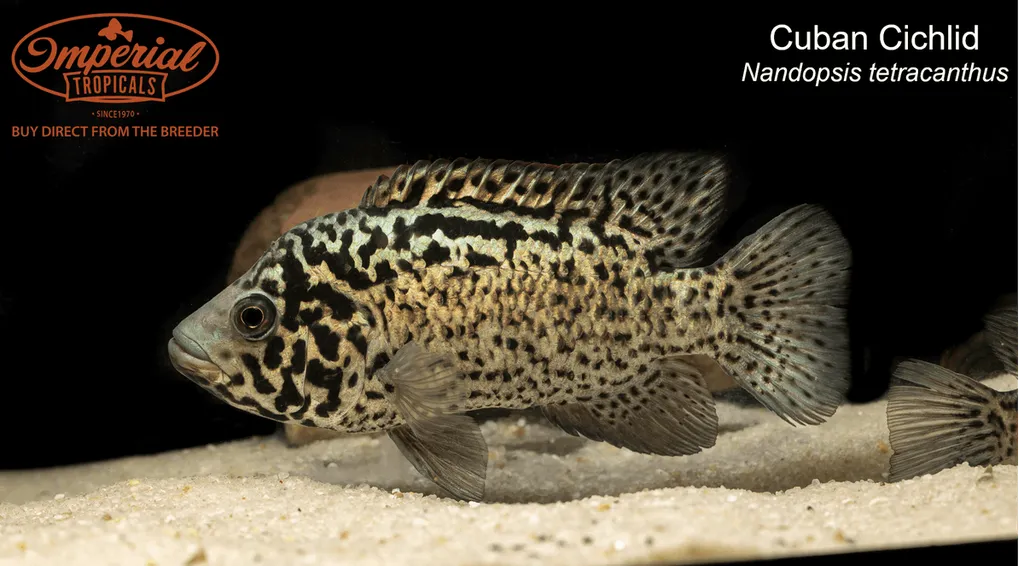
The Cuban cichlid, Nandopsis tetracanthus, was described by Valenciennes in 1831. It shows a pearl-silver body broken by bold black blotches, a pattern that intensifies with its mood. The genus Nandopsis is now restricted to a small group of island cichlids from Cuba and nearby.
In the wild
The Cuban cichlid is native to Cuba, where it lives in fast-flowing rivers and lakes among plants. It also enters brackish river mouths.
From published sources
Tank mates
Each fish here is named as a tank mate for the Cuban cichlid by at least two published care guides. Practical Fishkeeping recommends keeping it on its own instead. Mixed tanks start around 90 to 100 gallons (340 to 380 liters), with places for weaker fish to shelter.
Sources: Practical Fishkeeping, Aqua Imports, Imperial Tropicals.
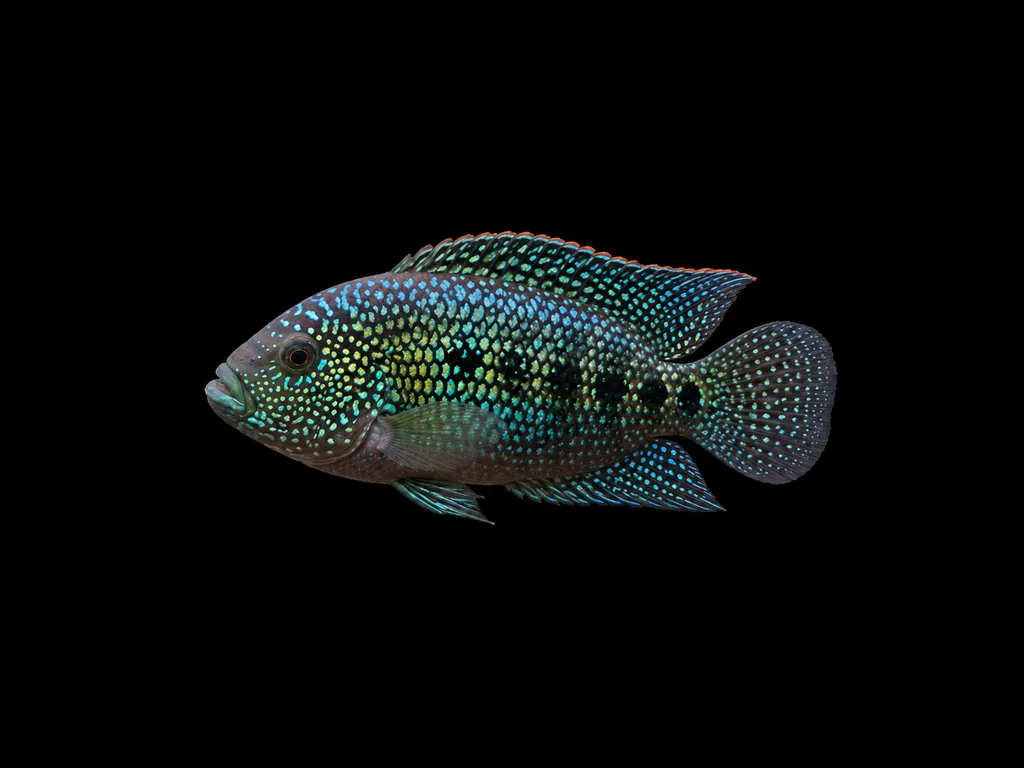
Jack Dempsey
Rocio octofasciata
Freshwater9.8 in (25 cm) · 55 gal (208 L)72–82°F (22–28°C)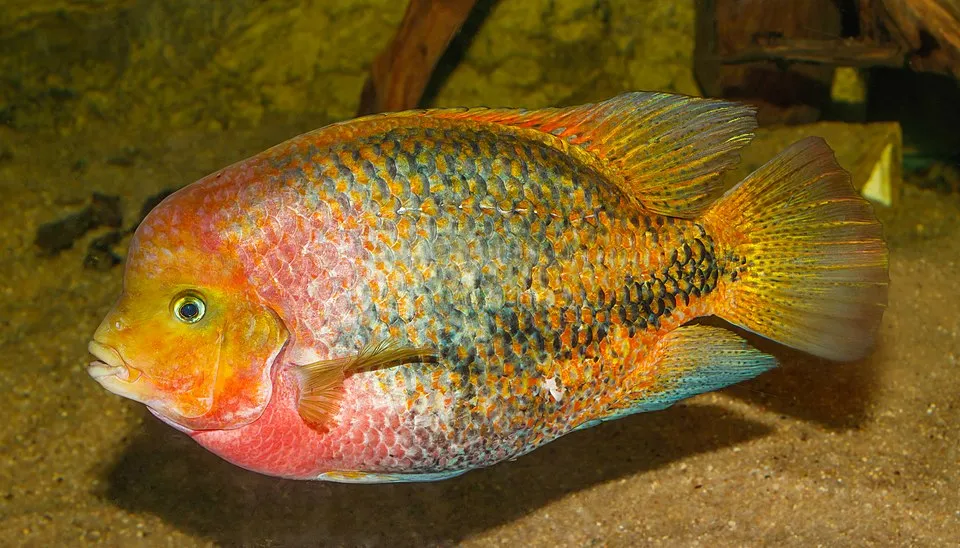
Redhead cichlid
Vieja melanurus
Freshwater14.6 in (37 cm) · 132 gal (500 L)77–82°F (25–28°C)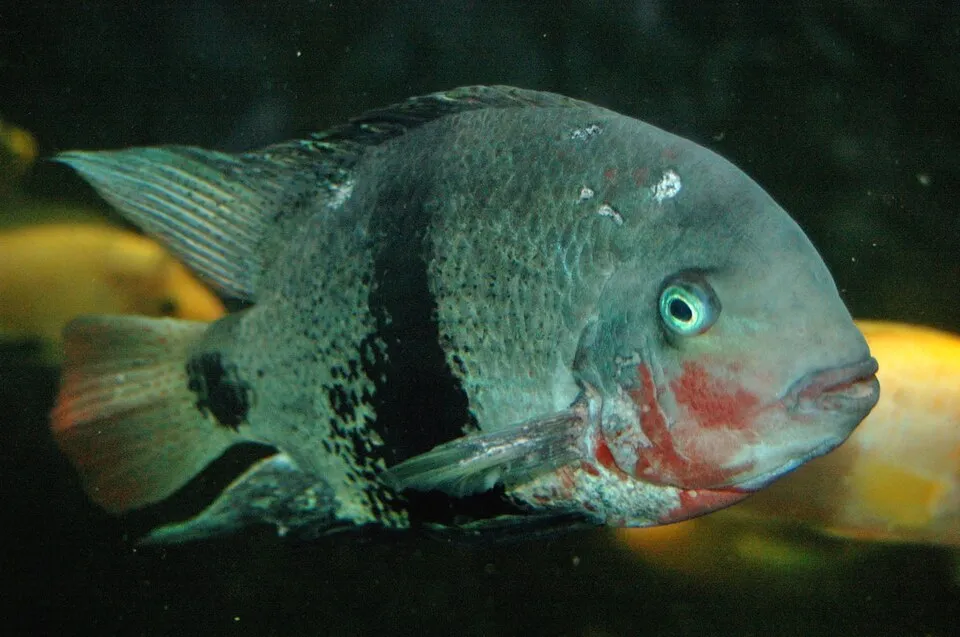
Blackbelt cichlid
Vieja maculicauda
Freshwater12.6 in (32 cm) · 66 gal (250 L)72–82°F (22–28°C)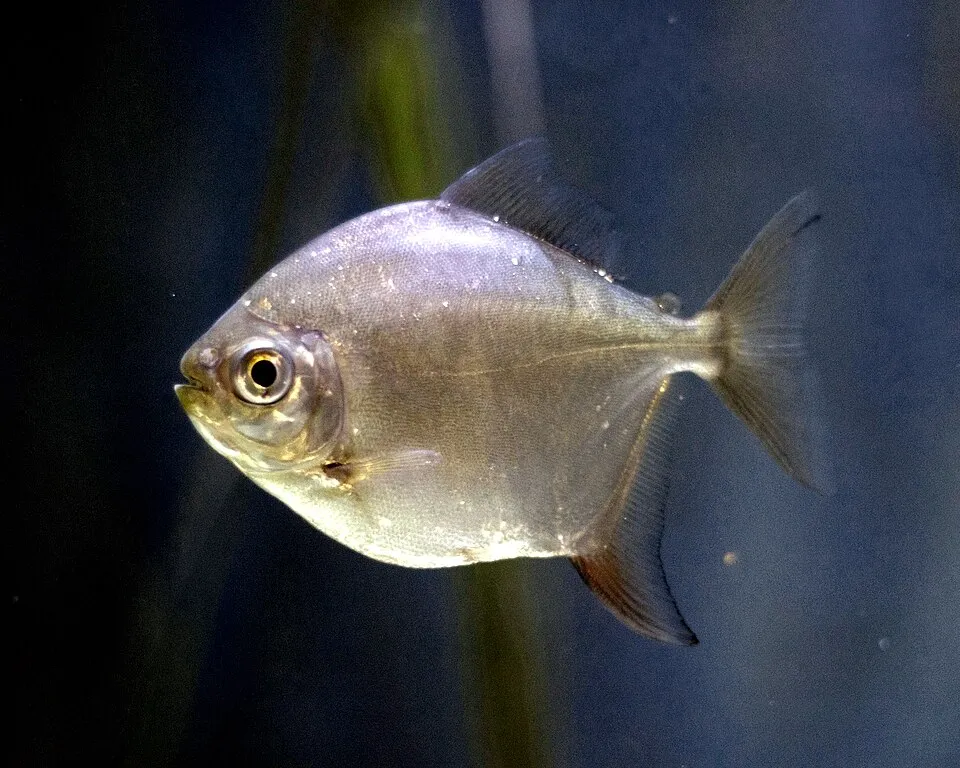
Silver dollar
Metynnis argenteus
Freshwater5.9 in (15 cm) · 70 gal (265 L)75–82°F (24–28°C)
Common questions
What size tank does a Cuban cichlid need?
A Cuban cichlid needs at least 75 gal (285 L). It spends most of its time in the middle.
What temperature and pH does a Cuban cichlid need?
A Cuban cichlid is comfortable at 75–82°F (24–28°C) with a pH of 7.0–8.0.
What does a Cuban cichlid eat?
A Cuban cichlid is a hardy predator and eats meaty foods, quality pellets and frozen foods.
How big does a Cuban cichlid get?
An adult Cuban cichlid reaches about 9.8 in (25 cm).
What fish can live with the Cuban cichlid?
Published care guides name Jack Dempsey, redhead cichlid, blackbelt cichlid and silver dollar. Mixed tanks start around 90 to 100 gallons (340 to 380 liters), with places for weaker fish to shelter.
Related species
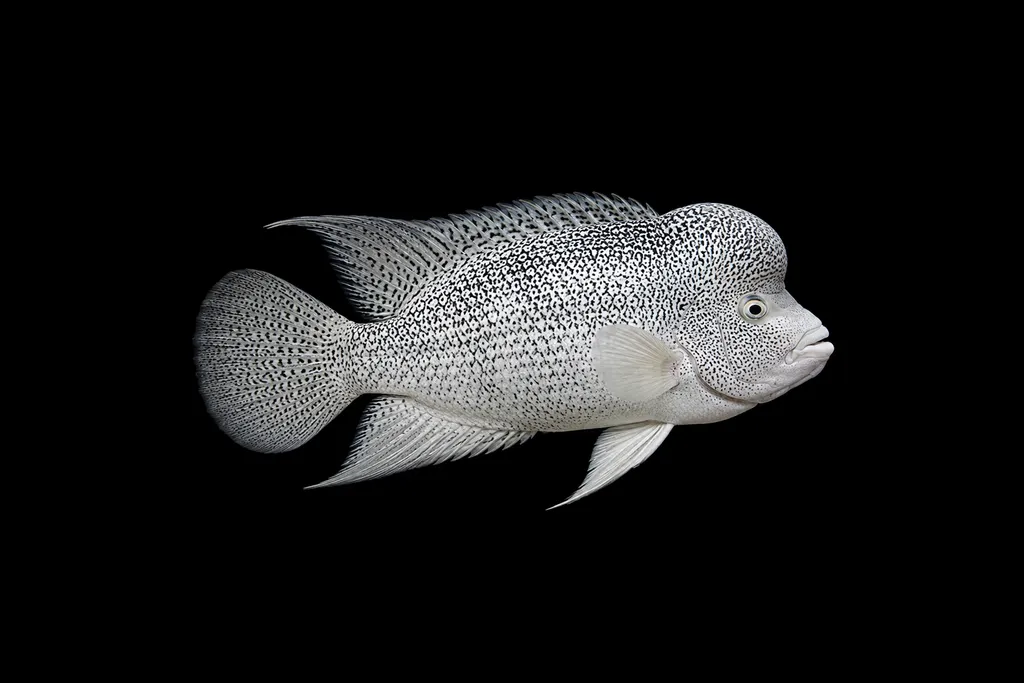 10.2 in (26 cm)132 gal (500 L)75–84°F (24–29°C)
Odo cichlid
Nandopsis haitiensis
10.2 in (26 cm) · 132 gal (500 L)
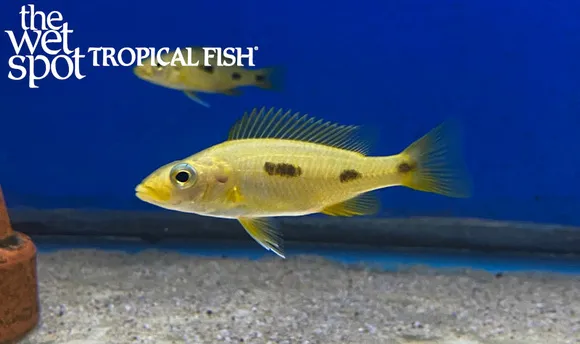 9.8 in (25 cm)159 gal (600 L)75–81°F (24–27°C)
Anagenys hap
Exochochromis anagenys
9.8 in (25 cm) · 159 gal (600 L)
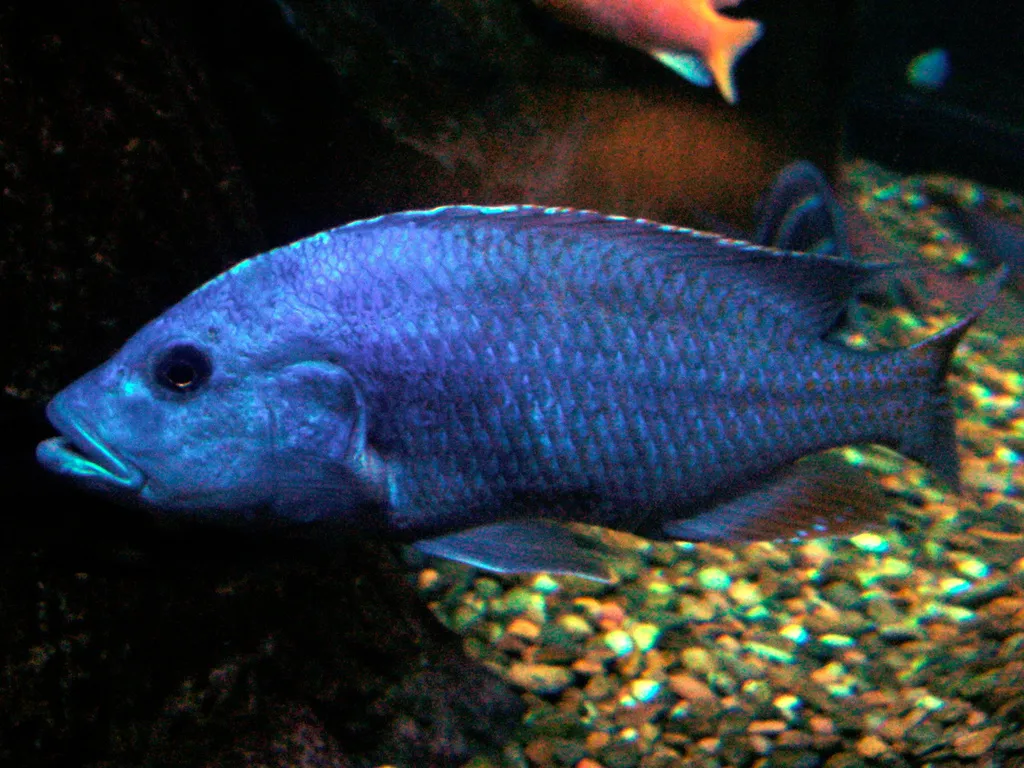 9.8 in (25 cm)74 gal (280 L)75–82°F (24–28°C)
Fusco hap
Nimbochromis fuscotaeniatus
9.8 in (25 cm) · 74 gal (280 L)
- 9.8 in (25 cm)55 gal (208 L)72–82°F (22–28°C)
Jack Dempsey
Rocio octofasciata
9.8 in (25 cm) · 55 gal (208 L)
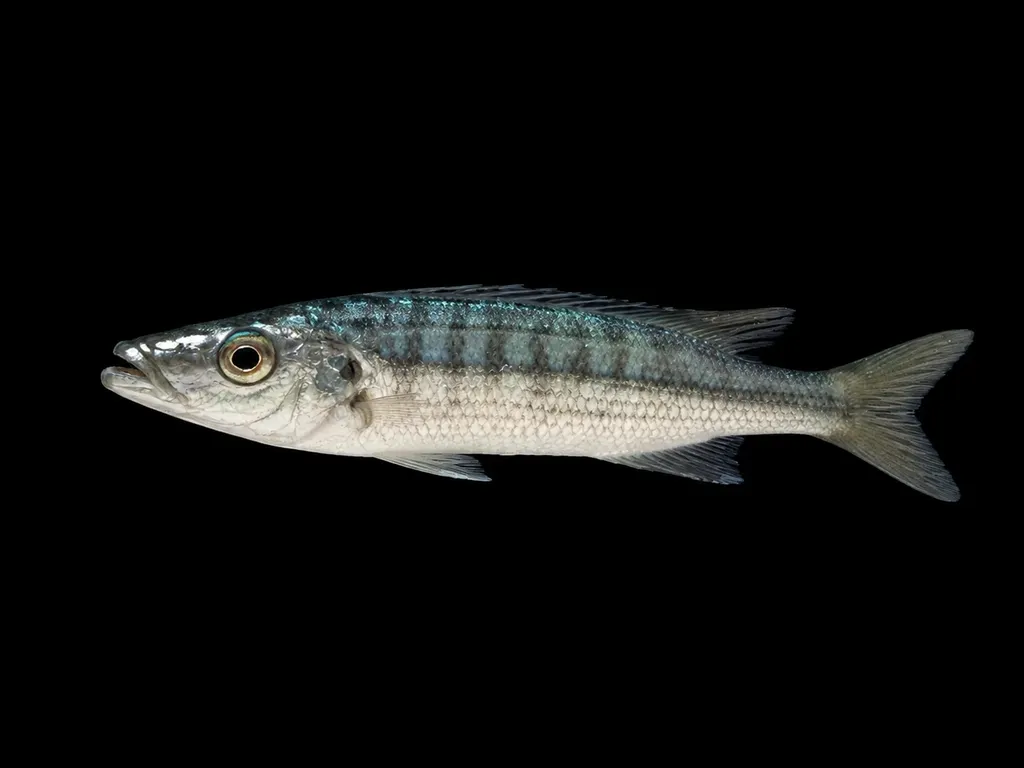 9.8 in (25 cm)79 gal (300 L)73–81°F (23–27°C)
Malawi barracuda
Rhamphochromis cf. macrophthalmus
9.8 in (25 cm) · 79 gal (300 L)
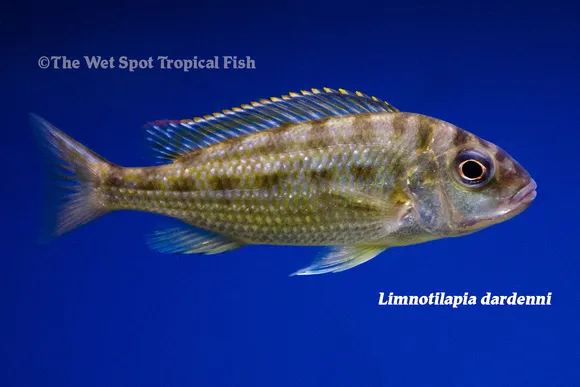 10.2 in (26 cm)119 gal (450 L)75–81°F (24–27°C)
Dardenne's cichlid
Limnotilapia dardennii
10.2 in (26 cm) · 119 gal (450 L)