Blackbelt cichlid
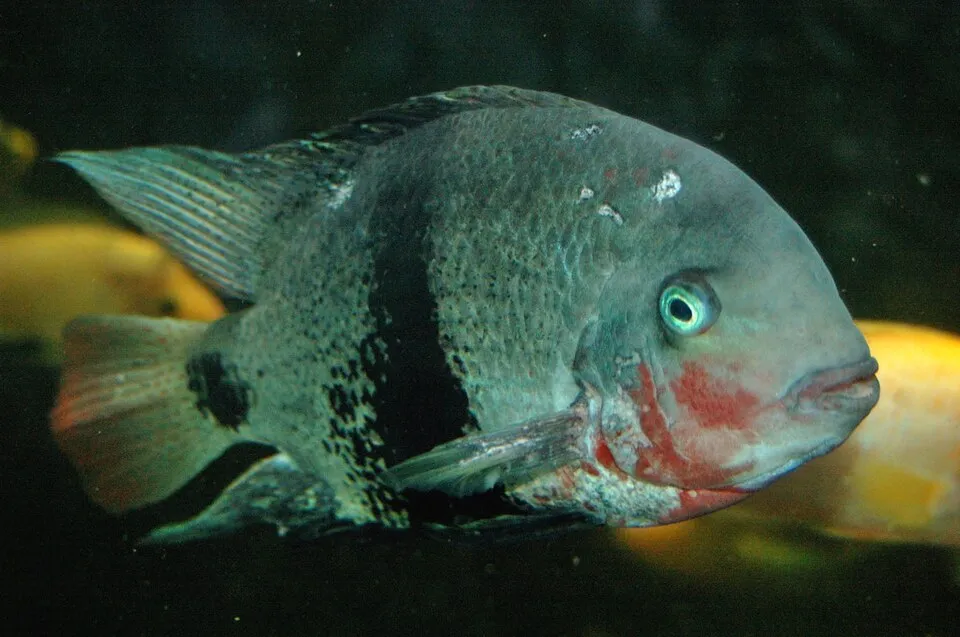
Vieja maculicauda
Also known as Black belt cichlid
FreshwaterFish
Care at a glance
- Temperature
- 72–82°F
- 22–28°C
- pH
- 6.5–7.5
- Adult size
- 12.6 in
- 32 cm
- Minimum tank
- 66 gal
- 250 L
- Temperament
- Aggressive
- Social behavior
- Solitary
- Tankmates
- With caution
- Swim level
- Middle
- Difficulty
- Medium
- Breeding
- Hard
- Rarity
- Rare
- Family
- Cichlidae
- Origin
- Central America
Overview
This is a large, muscular and often aggressive cichlid that is best kept alone or as a single bonded pair rather than in a group. A mature fish, and especially a spawning pair, will claim a wide territory and drive off anything that comes near, so tankmates need to be robust and the tank needs to be big. Aim for at least 250 liters for one adult, with more room if you want to try a pair or add tough companions such as other large Central American cichlids or plecos. Use rockwork and wood to set up clear boundaries, and bolt down or leave out delicate decor since these fish redecorate as they please. It is an omnivore that leans toward plant matter, so feed a good cichlid pellet with plenty of vegetable content plus occasional frozen or live foods.
In the wild
The blackbelt cichlid ranges along the Atlantic slope of Central America, through rivers, lakes and coastal lagoons from southern Mexico to Panama. It tolerates a wide range of conditions and is sometimes found in slightly brackish estuaries, though it is kept in fresh water in the aquarium. Recreate its home with neutral to slightly hard water, a pH of 6.5 to 7.5 and a temperature of 22 to 28 C. A sandy floor, scattered rocks, sturdy driftwood and a few tough or floating plants suit it well, since rooted plants are likely to be dug up or eaten.
Good to know
Vieja maculicauda is a member of the cichlid family, Cichlidae, and grows to around 32 cm, making it one of the heavier-bodied Central American cichlids. Adults are named for the broad dark band across the middle of the body, which contrasts with a pale ground color and a red flush on the throat and belly. It is a substrate spawner that lays its eggs on a cleaned rock or log, with both parents guarding the eggs and then herding the free-swimming fry. Breeding is demanding because a compatible pair can turn on each other, and the fish need a lot of space to settle and raise a brood safely.
Did you know
The species name maculicauda means spotted tail, a nod to the dark blotch at the base of the tail fin. Despite its bulk and temper, much of its natural diet is plant material and detritus rather than other fish.
Common questions
What size tank does a Blackbelt cichlid need?
A Blackbelt cichlid needs at least 66 gal (250 L). It spends most of its time in the middle.
What temperature and pH does a Blackbelt cichlid need?
A Blackbelt cichlid is comfortable at 72–82°F (22–28°C) with a pH of 6.5–7.5.
How big does a Blackbelt cichlid get?
An adult Blackbelt cichlid reaches about 12.6 in (32 cm).
Related species
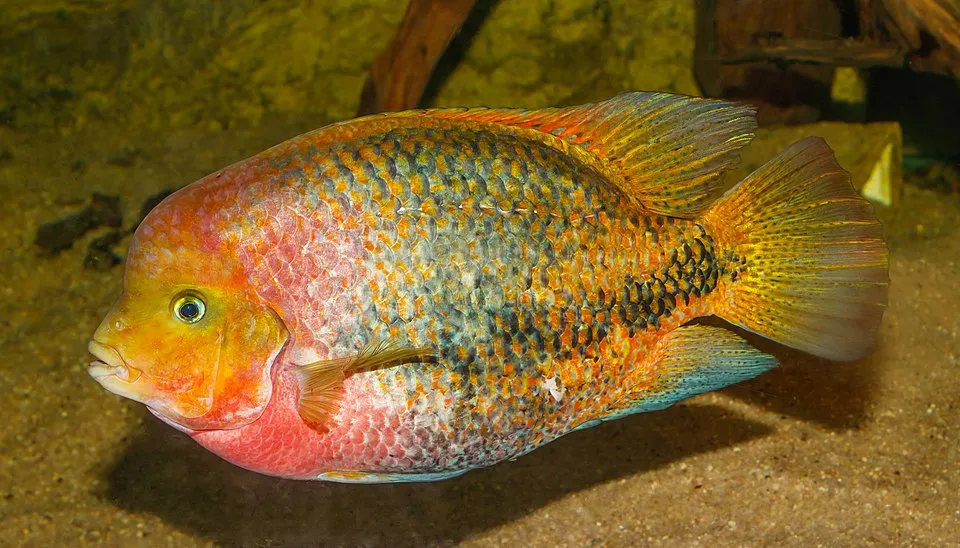 14.6 in (37 cm)75 gal (285 L)77–82°F (25–28°C)
Redhead cichlid
Vieja melanurus
14.6 in (37 cm) · 75 gal (285 L)
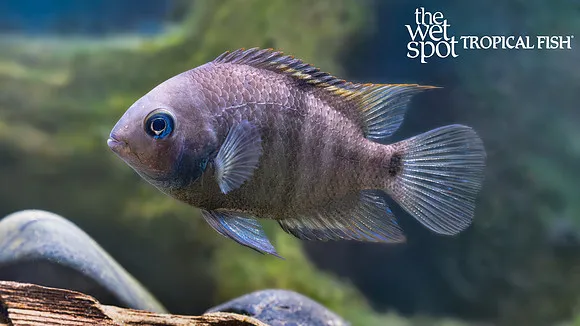 11 in (28 cm)92 gal (350 L)75–82°F (24–28°C)
Tailbar cichlid
Vieja hartwegi
11 in (28 cm) · 92 gal (350 L)
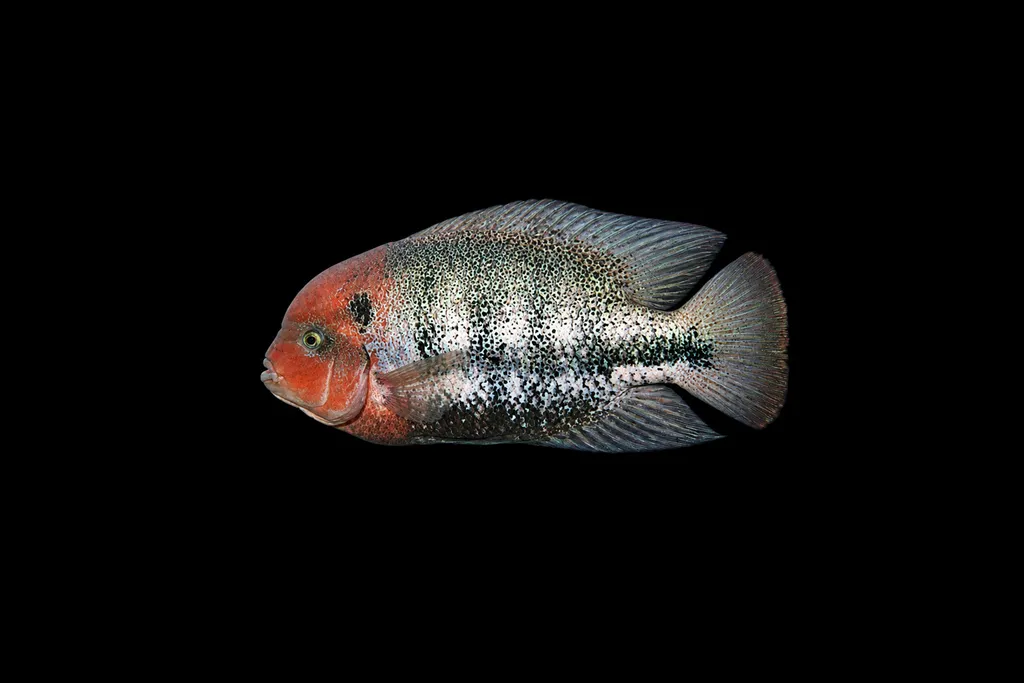 11.8 in (30 cm)132 gal (500 L)75–84°F (24–29°C)
Window vieja
Vieja fenestrata
11.8 in (30 cm) · 132 gal (500 L)
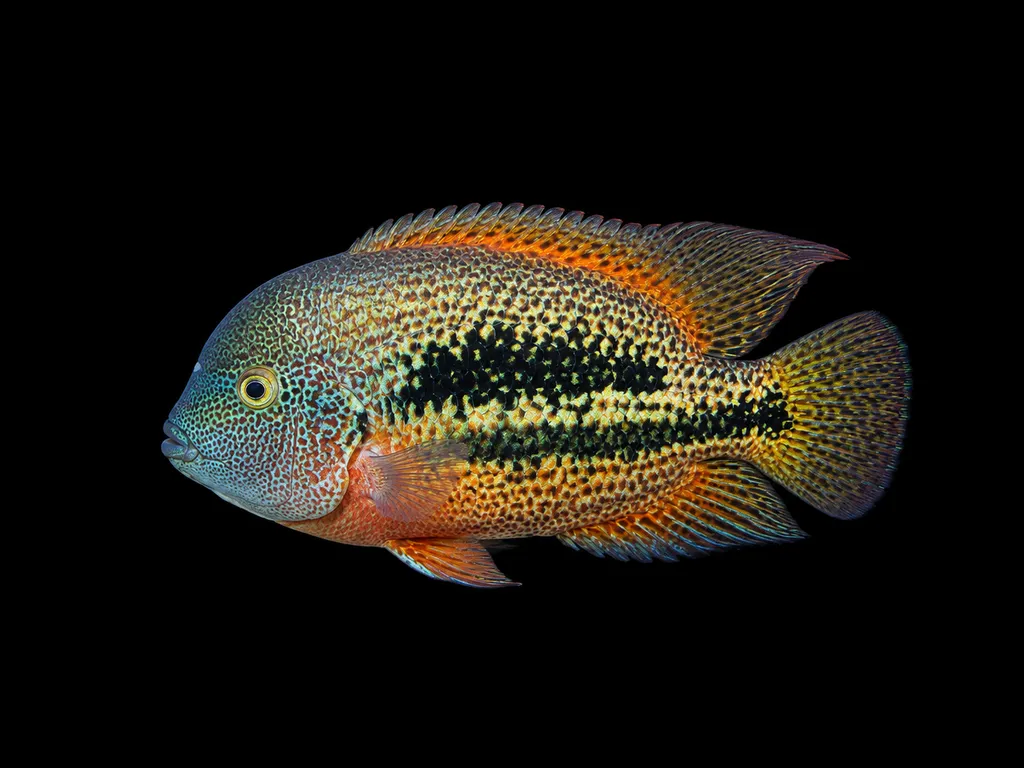 14.2 in (36 cm)159 gal (600 L)75–84°F (24–29°C)
Twoband vieja
Vieja bifasciata
14.2 in (36 cm) · 159 gal (600 L)
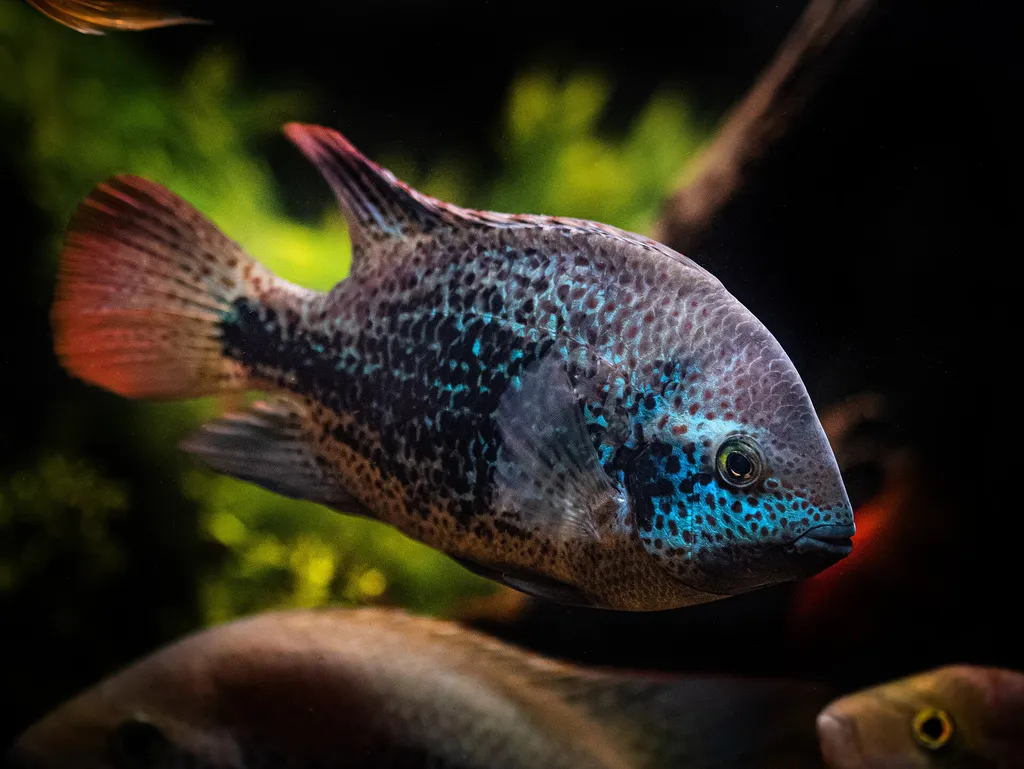 9.8 in (25 cm)132 gal (500 L)75–84°F (24–29°C)
Oaxaca vieja
Vieja zonata
9.8 in (25 cm) · 132 gal (500 L)
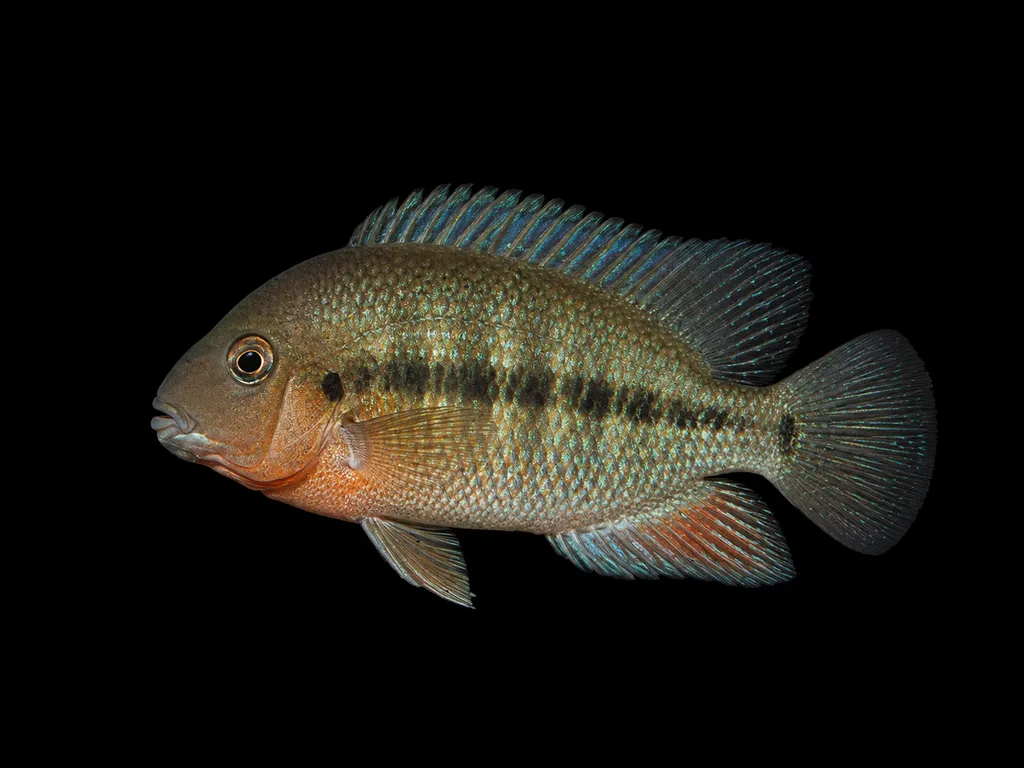 7.9 in (20 cm)119 gal (450 L)75–84°F (24–29°C)
Breidohr's vieja
Vieja breidohri
7.9 in (20 cm) · 119 gal (450 L)