Featherfin cichlid
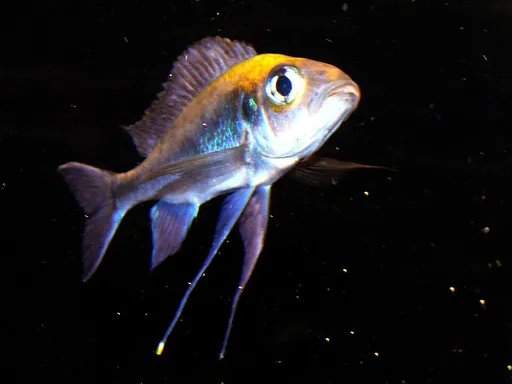
Cyathopharynx furcifer
FreshwaterFish
Care at a glance
- Temperature
- 75–81°F
- 24–27°C
- pH
- 8.0–9.0
- Adult size
- 7.9 in
- 20 cm
- Minimum tank
- 119 gal
- 450 L
- Temperament
- Mostly peaceful
- Social behavior
- Social
- Swim level
- Middle
- Difficulty
- Difficult
- Breeding
- Medium
- Rarity
- Common
- Family
- Cichlidae
- Origin
- Endemic to Lake Tanganyika, Africa
Overview
Keep them as a harem, one male to several females, in a tank of 450 liters or larger at 24 to 27 C and a pH of 8 to 9. They are mostly peaceful toward calm tankmates but boisterous and territorial toward their own kind, and the male needs to be the dominant fish in the tank or he sulks and loses color, so this is not a gentle community fish. Do not house them with Mbuna or other rough Rift cichlids. They are very sensitive to nitrate, so run frequent partial water changes and keep the water well oxygenated. Feed mostly vegetable based foods and skip high protein diets, since they are prone to bloat.
In the wild
Featherfin cichlids live in Lake Tanganyika in Africa, where they range over open sand flats near rocky drop-offs in hard, alkaline water. To match that, give them a long tank of at least 450 liters with a six foot footprint and plenty of open swimming room, since these are big, active fish. Lay down a deep bed of fine sand, with coral sand or aragonite to help hold the pH up, and add a few rock outcrops. Keep the water warm, 24 to 27 C, and high on the pH scale at 8 to 9, with hardness around 9 to 19 dGH and kept stable.
Good to know
This is a cichlid in the family Cichlidae, endemic to Lake Tanganyika, and adults reach about 20 cm. It is a maternal mouthbrooder, so the female carries the eggs and fry in her mouth until they are ready to swim free. Males build large sand spawning craters that can spread up to about 60 cm across.
Did you know
The common name comes from the male's long, trailing pelvic fins, which end in fleshy yellow tips that look like tiny paddles. As he works his sand crater he flicks those tips out over the bottom, and the theory is that females mistake them for eggs and move in to mouth them, which draws her right onto the spawning site.
Weekly picks
Tank mates
Featherfin cichlid is a mostly peaceful, social species that keeps to the middle. These picks share a community profile with it, are safe together in both directions, and overlap on water type, temperature and pH.
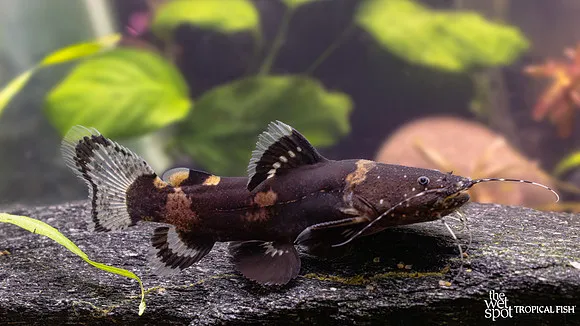
Poll's synodontis
Synodontis polli
Freshwater7.1 in (18 cm) · 50 gal (190 L)72–79°F (22–26°C)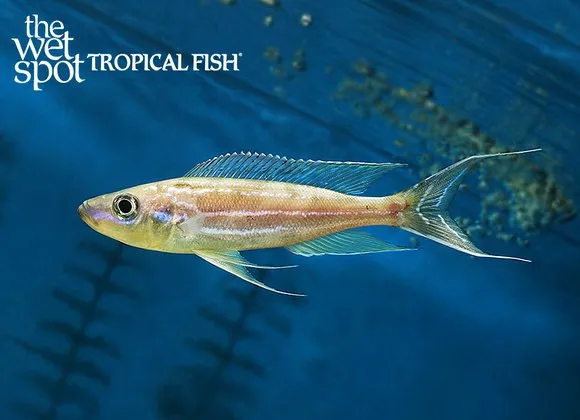
Hori's deepwater cichlid
Benthochromis horii
Freshwater7.1 in (18 cm) · 159 gal (600 L)75–81°F (24–27°C)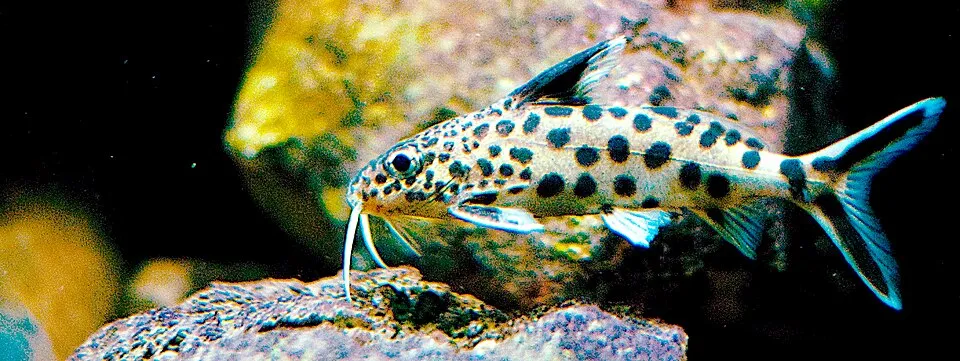
Cuckoo squeaker
Synodontis multipunctatus
Freshwater9.8 in (25 cm) · 50 gal (190 L)75–82°F (24–28°C)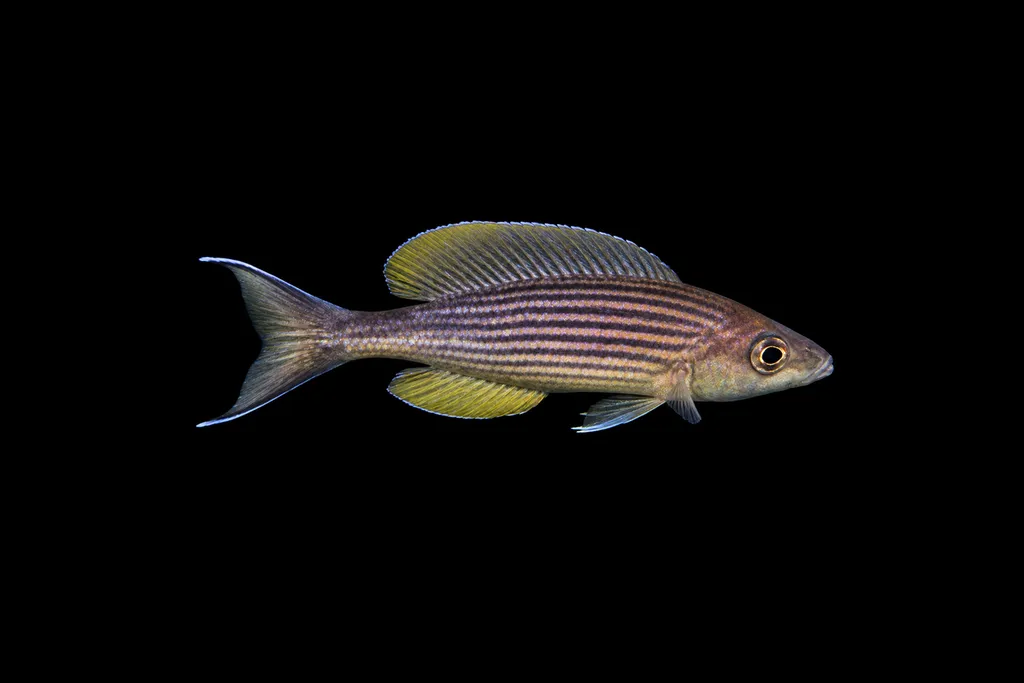
Zebra sardine cichlid
Cyprichromis zonatus
Freshwater3.9 in (10 cm) · 79 gal (300 L)75–81°F (24–27°C)
Common questions
What size tank does a Featherfin cichlid need?
A Featherfin cichlid needs at least 119 gal (450 L). It spends most of its time in the middle.
What temperature and pH does a Featherfin cichlid need?
A Featherfin cichlid is comfortable at 75–81°F (24–27°C) with a pH of 8.0–9.0.
How big does a Featherfin cichlid get?
An adult Featherfin cichlid reaches about 7.9 in (20 cm).
Related species
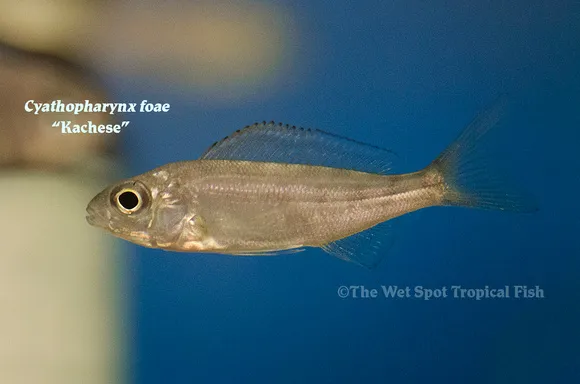 7.9 in (20 cm)119 gal (450 L)75–81°F (24–27°C)
Foa's featherfin
Cyathopharynx foai
7.9 in (20 cm) · 119 gal (450 L)
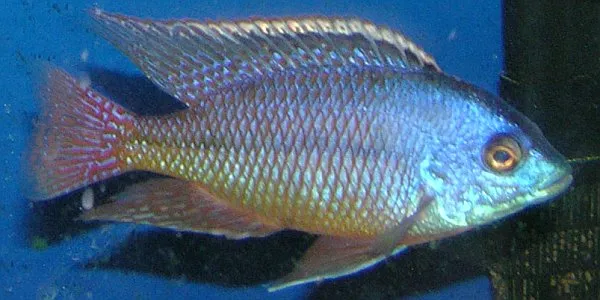 7.9 in (20 cm)53 gal (200 L)75–82°F (24–28°C)
Red empress cichlid
Protomelas taeniolatus
7.9 in (20 cm) · 53 gal (200 L)
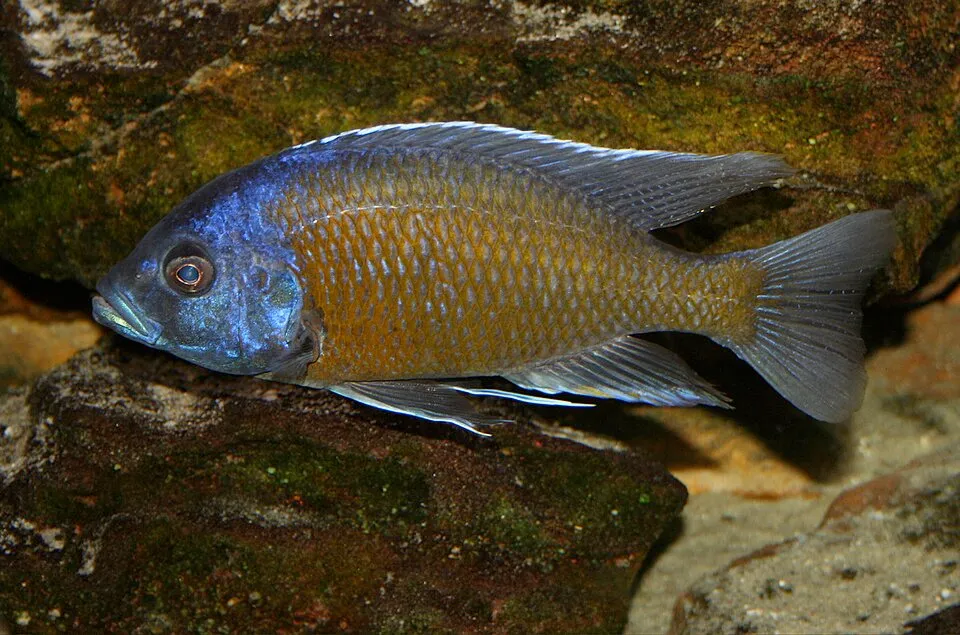 7.9 in (20 cm)79 gal (300 L)77–84°F (25–29°C)
Red fin hap
Copadichromis borleyi
7.9 in (20 cm) · 79 gal (300 L)
 7.5 in (19 cm)55 gal (210 L)73–82°F (23–28°C)
Alluaud's haplo
Astatoreochromis alluaudi
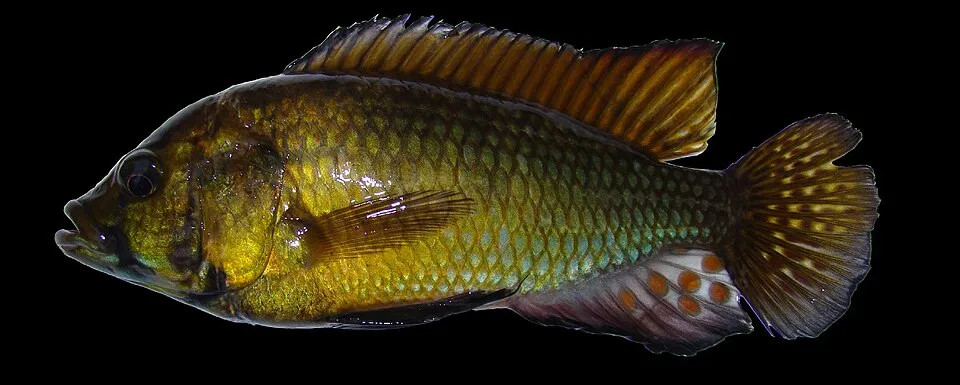
7.5 in (19 cm) · 55 gal (210 L)
 7.5 in (19 cm)79 gal (300 L)75–81°F (24–27°C)
Blue utaka
Copadichromis cyaneus
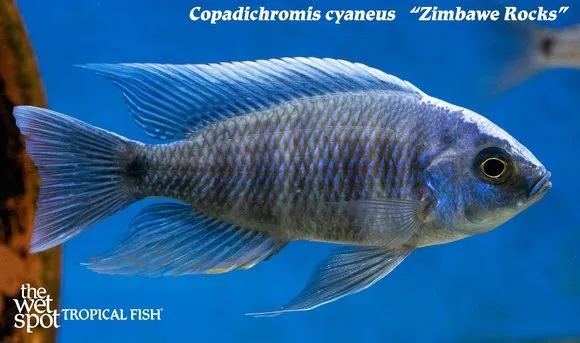
7.5 in (19 cm) · 79 gal (300 L)
 8.7 in (22 cm)119 gal (450 L)75–81°F (24–27°C)
Blue and yellow hap
Protomelas spilonotus
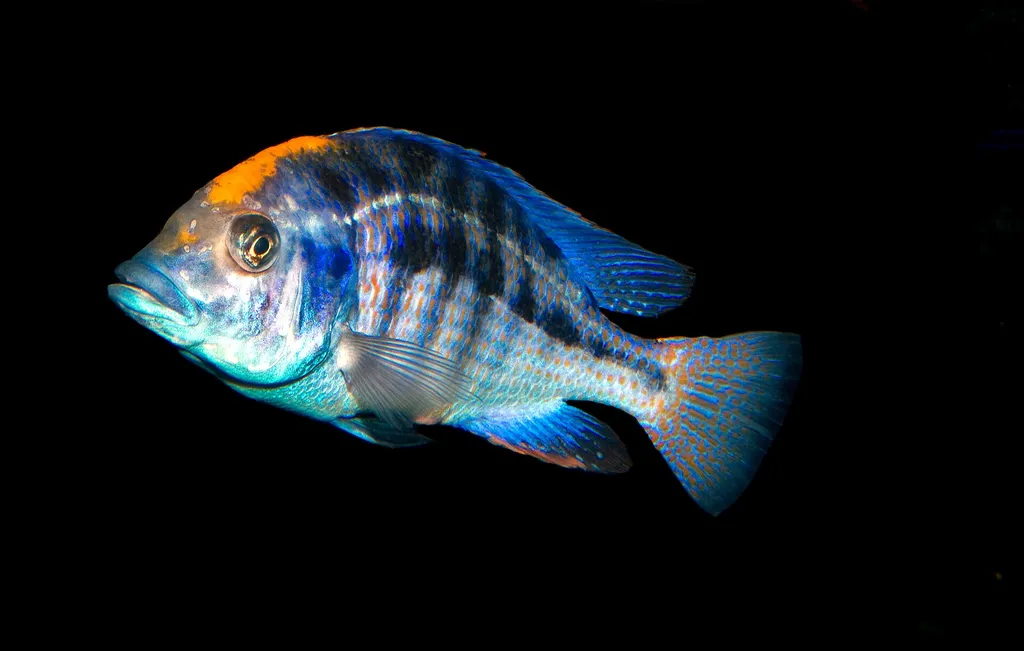
8.7 in (22 cm) · 119 gal (450 L)