Blue and yellow hap
Protomelas spilonotus
Also known as Sulphur head, Sulphurhead hap, Sulfurhead hap, Sulphur crest, Spilonotus hap, Haplochromis spilonotus
FreshwaterFish
Care at a glance
- Temperature
- 75–81°F
- 24–27°C
- pH
- 7.5–8.5
- Adult size
- 8.7 in
- 22 cm
- Minimum tank
- 119 gal
- 450 L
- Temperament
- Mostly peaceful
- Social behavior
- Solitary
- Tankmates
- With caution
- Swim level
- Middle
- Difficulty
- Medium
- Breeding
- Mouthbrooder · Medium
- Rarity
- Rare
- Family
- Cichlidae
- Origin
- Lake Malawi
Overview
The blue and yellow hap is a large, comparatively peaceful Malawi hap for a spacious display of similar cichlids. It is best with a little experience.
Did you know
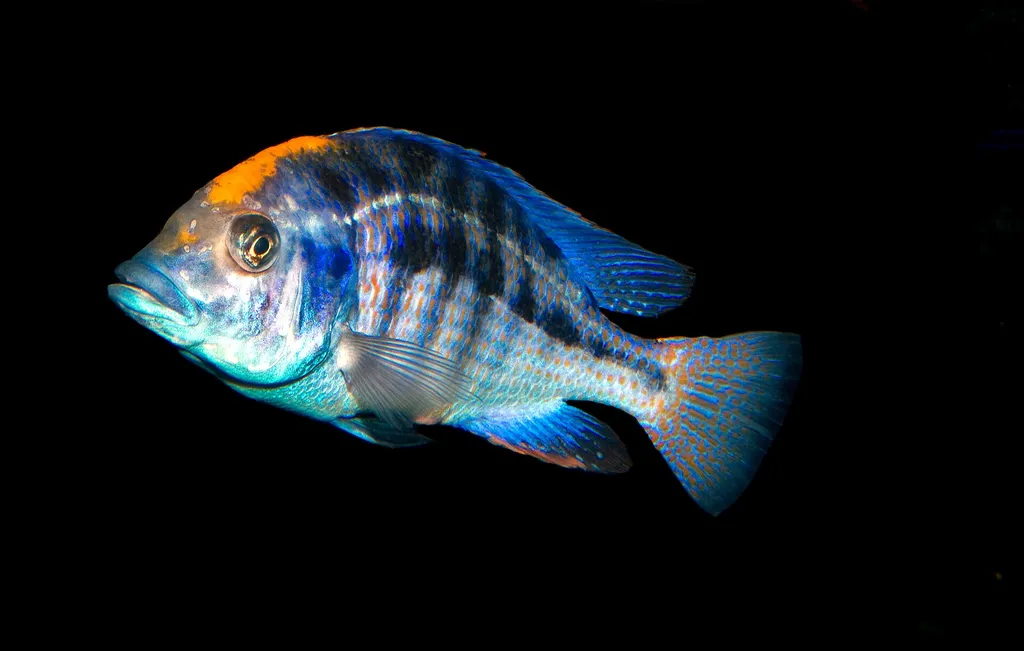
The blue and yellow hap's bright color is tied to status as well as maturity. A male only pours on the yellow blaze once he is grown and holding good territory among the rocks.
Caring for the blue and yellow hap
Keep a single male blue and yellow hap, or a male with one or two females. Never house two mature males together, since they will not tolerate each other. A tank of at least 119 gal (450 L) gives it the length it needs.
Build the tank around piles of stone, with open swimming lanes over a sandy floor. It swims mostly in the open middle water above the rocks. Keep the water warm, hard and alkaline, at 75 to 81°F (24 to 27°C) and a pH of 7.5 to 8.5. Run strong filtration to keep the water quality good.
Feed a quality cichlid pellet with frozen foods, and hold back on excess protein. The blue and yellow hap is comparatively peaceful, but choose tank mates with care. Robust haps and peacocks of similar size work, while small or timid fish do not.
Males grow larger than females. Mature males develop a yellow blaze over the head and back on a deep blue body, while females and young fish stay plain. Like all Malawi haplochromines, it is a maternal mouthbrooder, with the female carrying the eggs and fry in her mouth. Spawning it in the home tank takes a settled group and some patience.
Good to know
The blue and yellow hap, Protomelas spilonotus, is a Malawi haplochromine in the family Cichlidae. Its common names come from the mature male's colors.
In the wild
The blue and yellow hap is endemic to Lake Malawi. Mature males patrol rocky reefs and the sandy margins between them.
Common questions
What size tank does a blue and yellow hap need?
A blue and yellow hap needs at least 119 gal (450 L). It spends most of its time in the middle.
What temperature and pH does a blue and yellow hap need?
A blue and yellow hap is comfortable at 75–81°F (24–27°C) with a pH of 7.5–8.5.
What does a blue and yellow hap eat?
A blue and yellow hap eats a quality cichlid pellet with frozen foods. Hold back on excess protein.
How big does a blue and yellow hap get?
An adult blue and yellow hap reaches about 8.7 in (22 cm).
How can you tell a male blue and yellow hap from a female?
Males grow larger than females. Mature males develop a yellow blaze over the head and back on a deep blue body, while females and young fish stay plain.
How does a blue and yellow hap breed?
The blue and yellow hap is a maternal mouthbrooder, and the female carries the eggs and fry in her mouth. Spawning it at home takes a settled group and some patience.
Related species
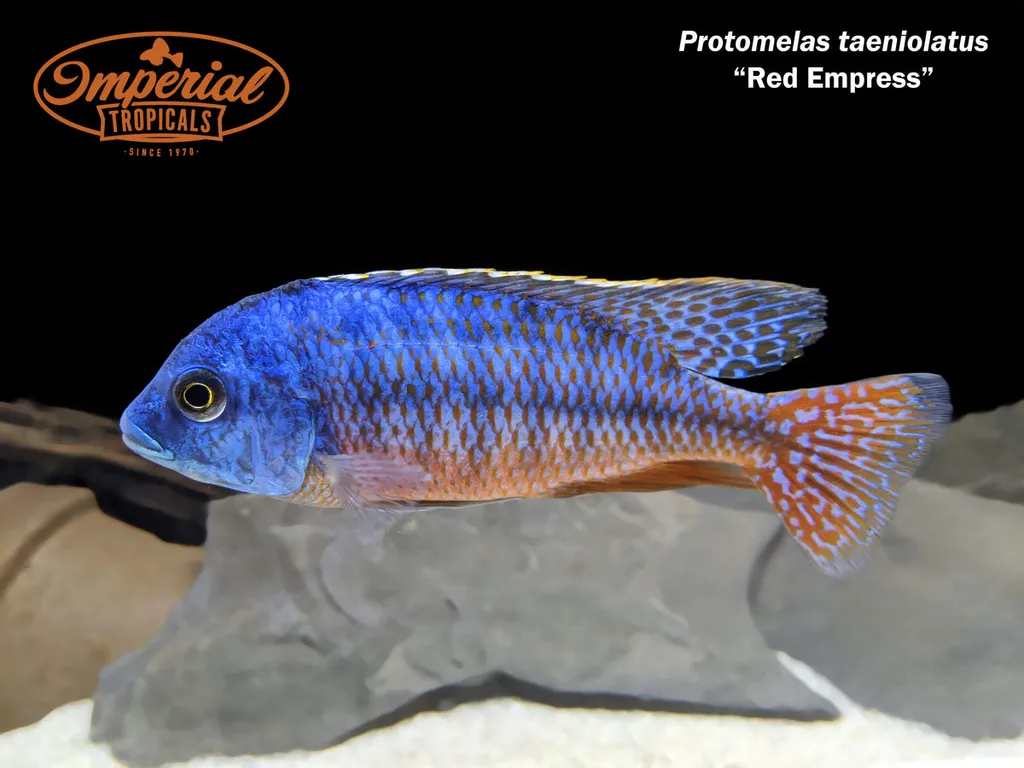 7.9 in (20 cm)53 gal (200 L)75–82°F (24–28°C)
Red empress cichlid
Protomelas taeniolatus
7.9 in (20 cm) · 53 gal (200 L)
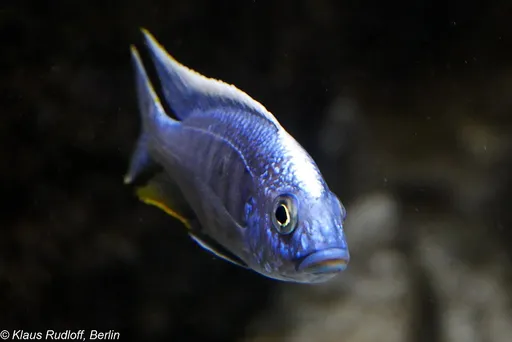 5.5 in (14 cm)53 gal (200 L)75–82°F (24–28°C)
Fenestratus hap
Protomelas fenestratus
5.5 in (14 cm) · 53 gal (200 L)
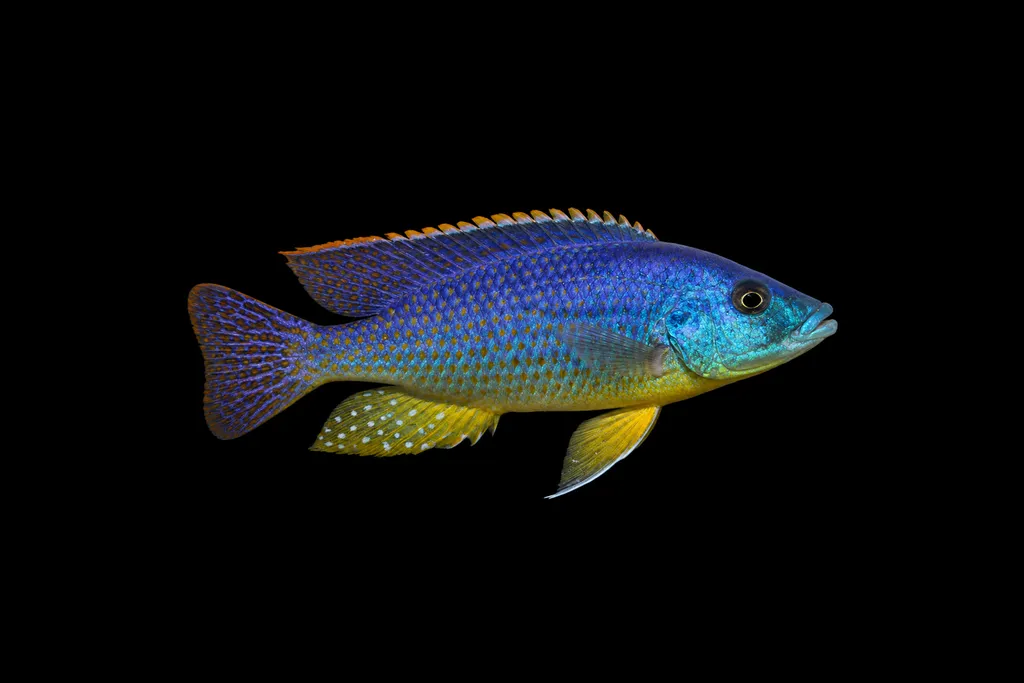 7.2 in (18.2 cm)106 gal (400 L)75–82°F (24–28°C)
Ornate hap
Protomelas ornatus
7.2 in (18.2 cm) · 106 gal (400 L)
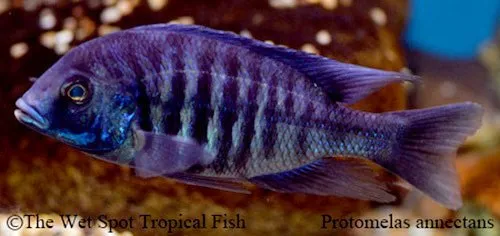 7.9 in (20 cm)119 gal (450 L)75–81°F (24–27°C)
Chameleon hap
Protomelas annectens
7.9 in (20 cm) · 119 gal (450 L)
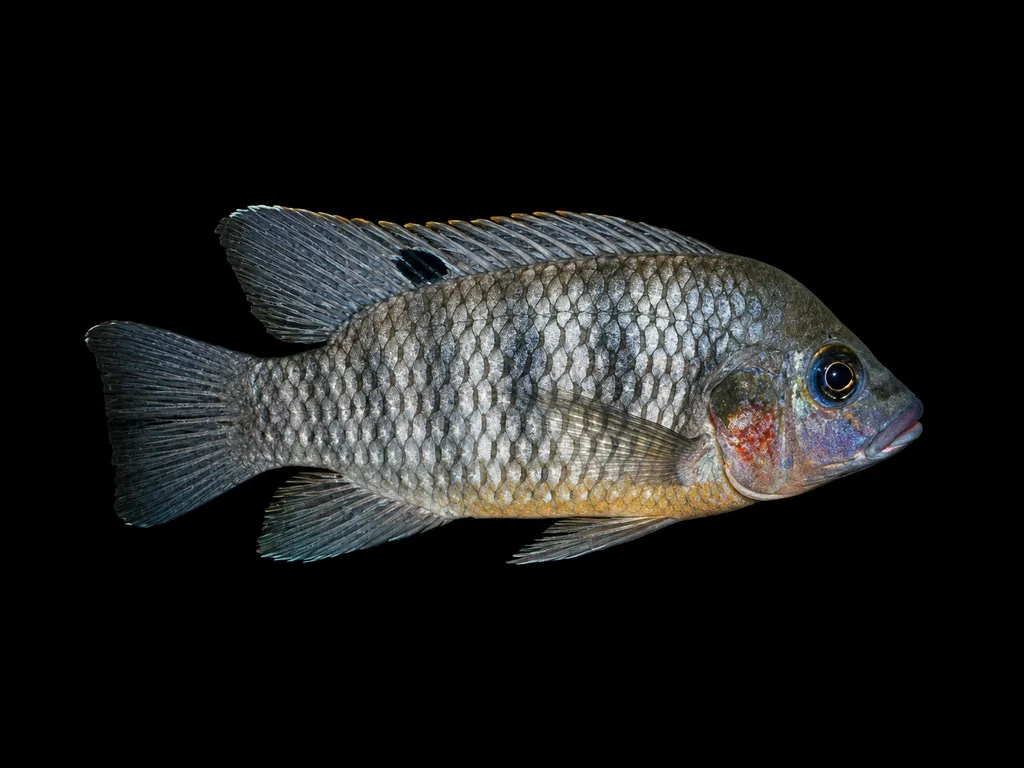 8.7 in (22 cm)79 gal (300 L)77–86°F (25–30°C)
Busumana tilapia
Tilapia busumana
8.7 in (22 cm) · 79 gal (300 L)
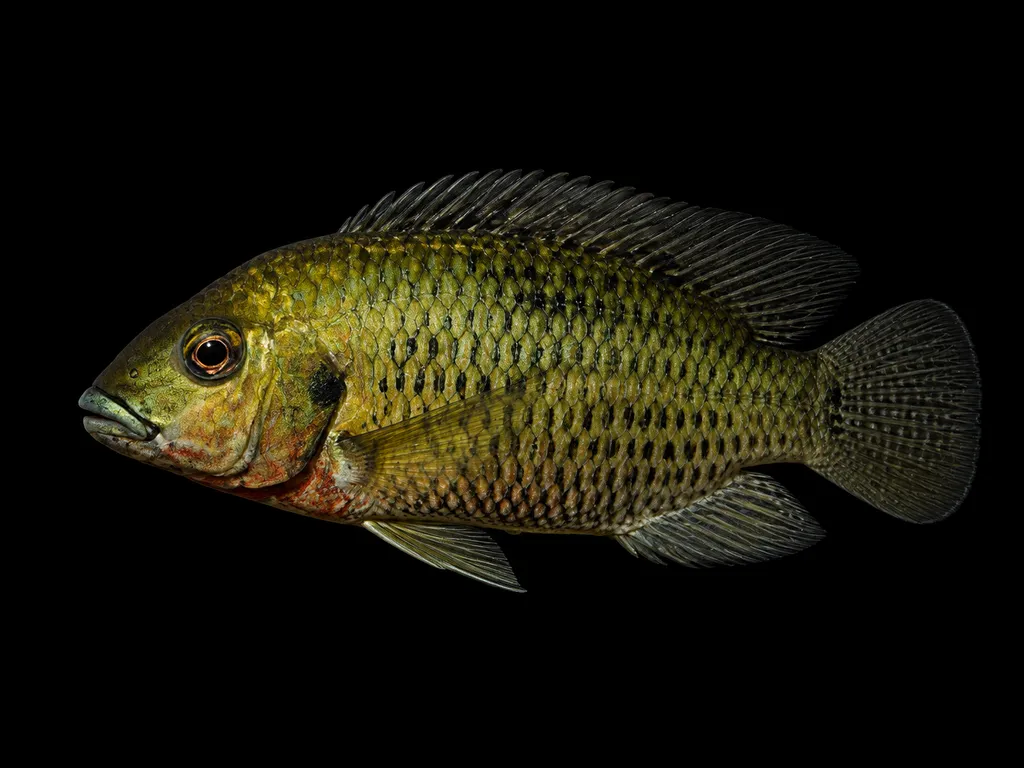 9.1 in (23 cm)106 gal (400 L)77–86°F (25–30°C)
Blackcap coptodon
Coptodon discolor
9.1 in (23 cm) · 106 gal (400 L)