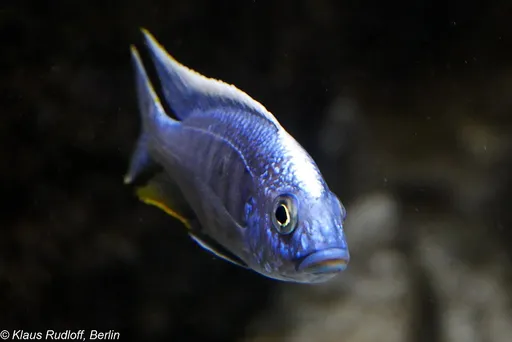
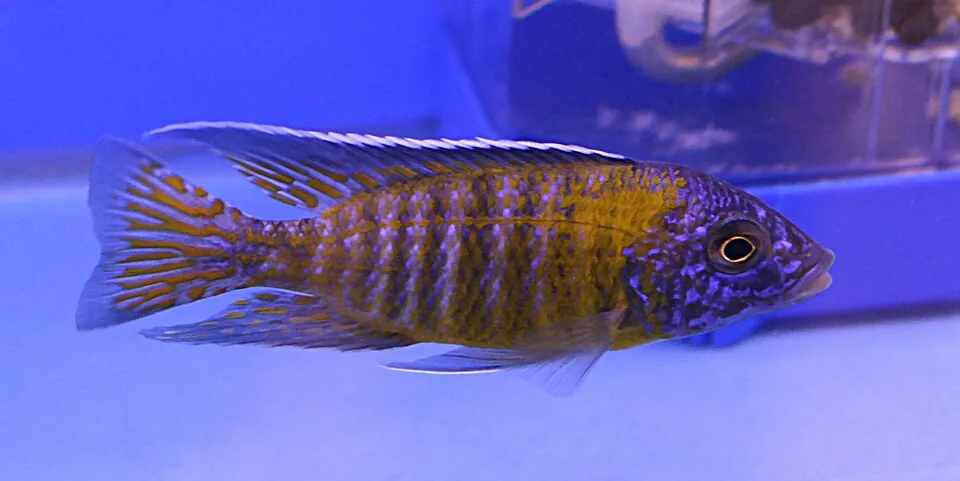
Fenestratus hap
Protomelas fenestratus
Also known as Eye-bar hap
FreshwaterFish
Care at a glance
- Temperature
- 75–82°F
- 24–28°C
- pH
- 7.8–8.6
- Adult size
- 5.5 in
- 14 cm
- Minimum tank
- 53 gal
- 200 L
- Temperament
- Mostly peaceful
- Social behavior
- Social
- Swim level
- Middle
- Difficulty
- Medium
- Breeding
- Medium
- Rarity
- Common
- Family
- Cichlidae
- Origin
- Endemic to Lake Malawi (East Africa); northern and southwestern parts of the lake
Overview
Keep them as a harem, one male with several females, in a tank of at least 200 liters, though a 280 liter or larger footprint holds a colony better long term since males get territorial when breeding. They are mostly peaceful for a hap and sit around the middle of the water column. Water should run 24 to 28 C, hard, and alkaline at a pH of 7.8 to 8.6. Do not house them with boisterous mbuna, and instead pair them with other gentle Malawi cichlids like Aulonocara, Copadichromis, and open water haps. Feed quality cichlid pellets plus frozen or live foods, skip mammalian meats, and avoid overfeeding protein, since heavy feeding or poor water raises the risk of Malawi bloat.
In the wild
The fenestratus hap is endemic to Lake Malawi in East Africa, found in the northern and southwestern parts of the lake. This is a hard, alkaline Rift Lake habitat with a mix of open sandy bottoms and rocky zones. To match it, give them an open sandy floor they can dig and sift through, rockwork with a few caves, and plenty of clear swimming space. Keep the water hard and alkaline with a high KH and GH, a pH from 7.8 to 8.6, and a temperature of 24 to 28 C. This is not a fish for soft or blackwater setups, and it is not brackish.
Good to know
This is Protomelas fenestratus, a haplochromine cichlid in the family Cichlidae, reaching about 14 cm as an adult male. It is a maternal mouthbrooder, so the female holds the eggs and fry in her mouth until they are ready to release. It is a substrate sifter that blows mouthfuls of sand to find small invertebrates, and a healthy adult can live several years.
Did you know
Watch one work the substrate and you will see why hobbyists call them blowers. It takes a mouthful of sand, sifts it for tiny invertebrates, and spits the cleaned grains back out, leaving little craters across the bottom. Over a day a single fish will rework a surprising amount of the sand bed this way.
Weekly picks
Tank mates
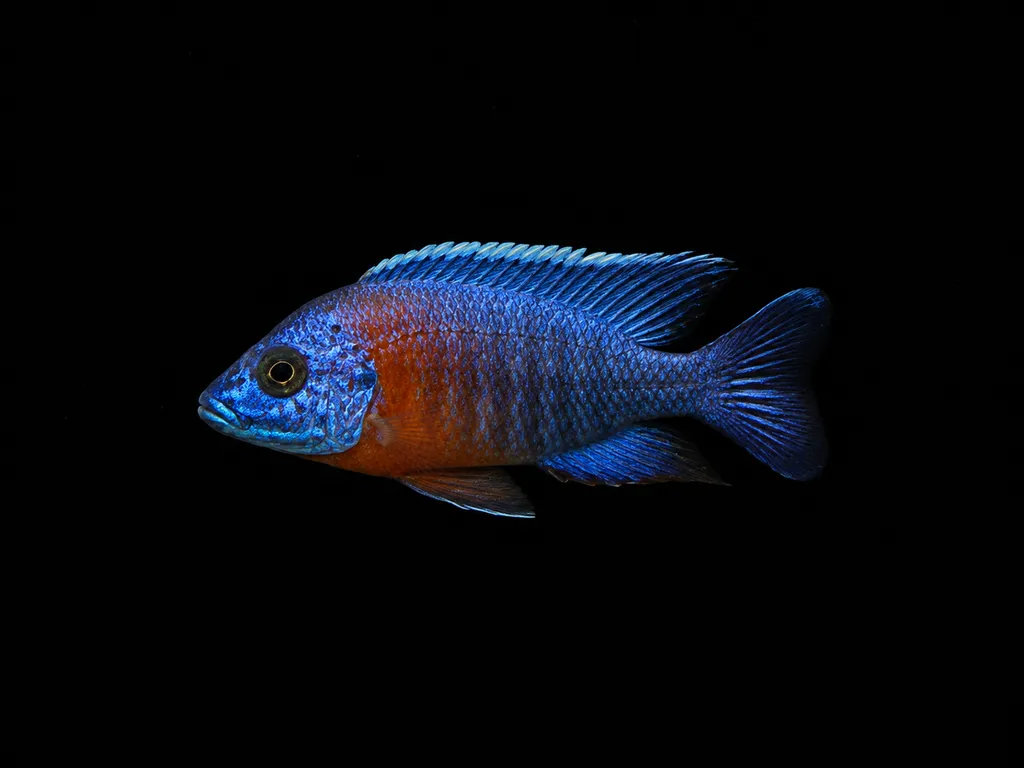
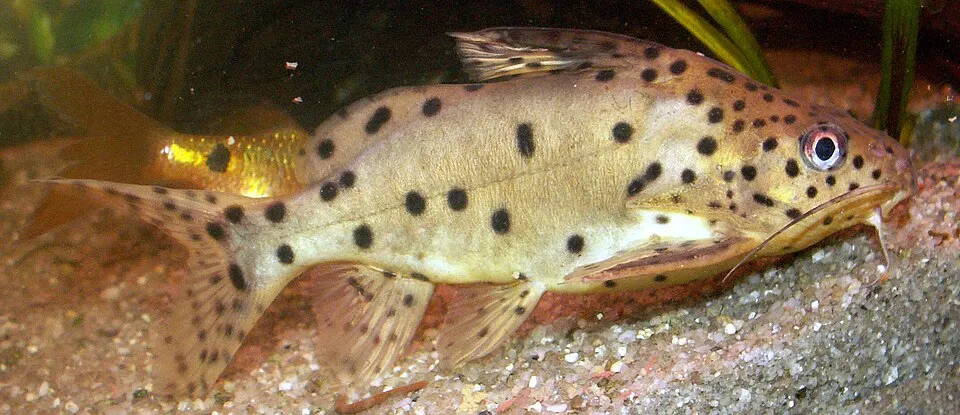
Fenestratus hap is a mostly peaceful, social species that keeps to the middle. These picks share a community profile with it, are safe together in both directions, and overlap on water type, temperature and pH.
Common questions
What size tank does a Fenestratus hap need?
A Fenestratus hap needs at least 53 gal (200 L). It spends most of its time in the middle.
What temperature and pH does a Fenestratus hap need?
A Fenestratus hap is comfortable at 75–82°F (24–28°C) with a pH of 7.8–8.6.
How big does a Fenestratus hap get?
An adult Fenestratus hap reaches about 5.5 in (14 cm).
Related species
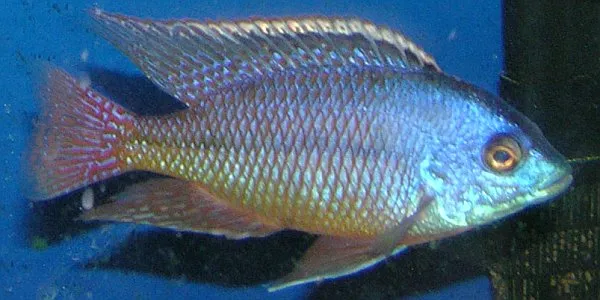 7.9 in (20 cm)53 gal (200 L)75–82°F (24–28°C)
Red empress cichlid
Protomelas taeniolatus
7.9 in (20 cm) · 53 gal (200 L)
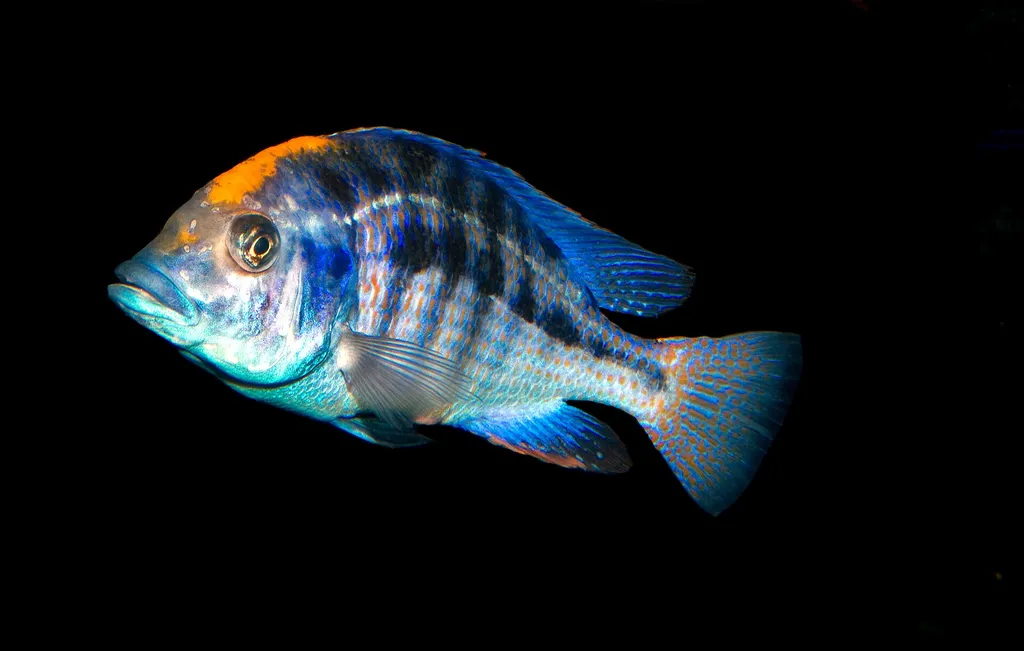 8.7 in (22 cm)119 gal (450 L)75–81°F (24–27°C)
Blue and yellow hap
Protomelas spilonotus
8.7 in (22 cm) · 119 gal (450 L)
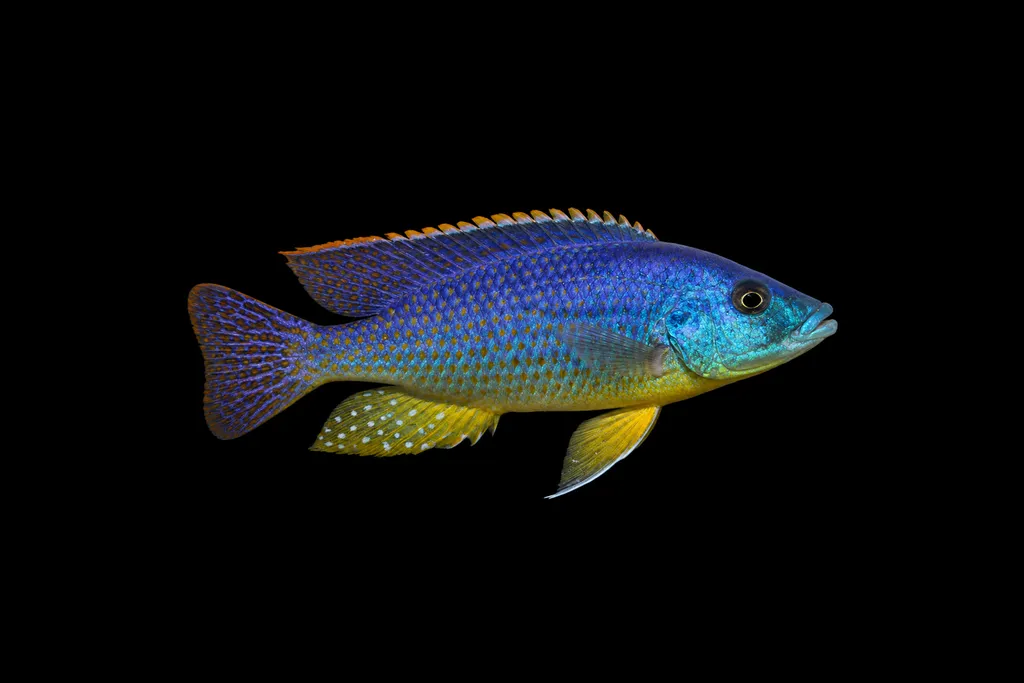 7.2 in (18.2 cm)106 gal (400 L)75–82°F (24–28°C)
Ornate hap
Protomelas ornatus
7.2 in (18.2 cm) · 106 gal (400 L)
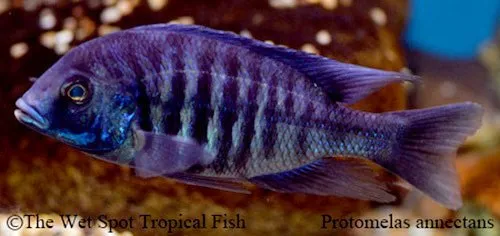 7.9 in (20 cm)119 gal (450 L)75–81°F (24–27°C)
Chameleon hap
Protomelas annectens
7.9 in (20 cm) · 119 gal (450 L)
 5.5 in (14 cm)63 gal (240 L)75–82°F (24–28°C)
Pale usisya aulonocara
Aulonocara steveni
5.5 in (14 cm) · 63 gal (240 L)
- 5.5 in (14 cm)79 gal (300 L)75–81°F (24–27°C)
Likoma utaka
Copadichromis likomae
5.5 in (14 cm) · 79 gal (300 L)