Pale usisya aulonocara
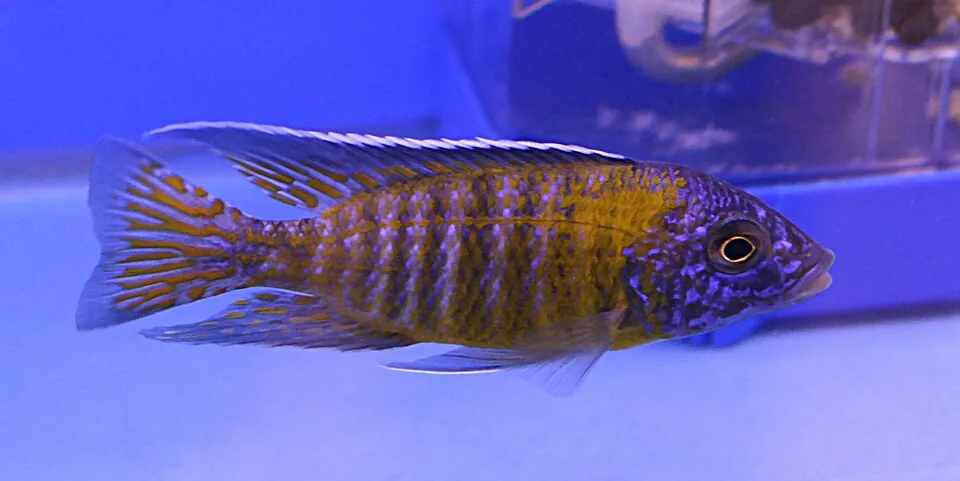
Aulonocara steveni
Also known as Aulonocara Blue Neon
FreshwaterFish
Care at a glance
- Temperature
- 75–82°F
- 24–28°C
- pH
- 7.5–8.5
- Adult size
- 5.5 in
- 14 cm
- Minimum tank
- 63 gal
- 240 L
- Temperament
- Mostly peaceful
- Social behavior
- Social
- Swim level
- Middle
- Difficulty
- Easy
- Breeding
- Hard
- Rarity
- Very rare
- Family
- Cichlidae
- Origin
- Lake Malawi
Overview
This is a substrate-sifting cichlid that spends its time near the bottom over open sand. Keep it in a large tank, around 240 liters or more, ideally one male with several females to spread out his attention. It's mostly peaceful for a cichlid but territorial when breeding. Water should be warm, mid 20s C, hard, and alkaline. Feed a quality cichlid pellet plus frozen foods, and skip heavy land-based foods to avoid bloat.
In the wild
This peacock cichlid comes from Lake Malawi in East Africa, living along the sandy zones near rocky reefs. The lake is warm, hard, and alkaline. To keep it well, you need a large tank with hard, alkaline water, a sand bottom for it to sift, and rockwork for shelter and territory lines. Match the pH to the lake, well up in the 8s.
Good to know
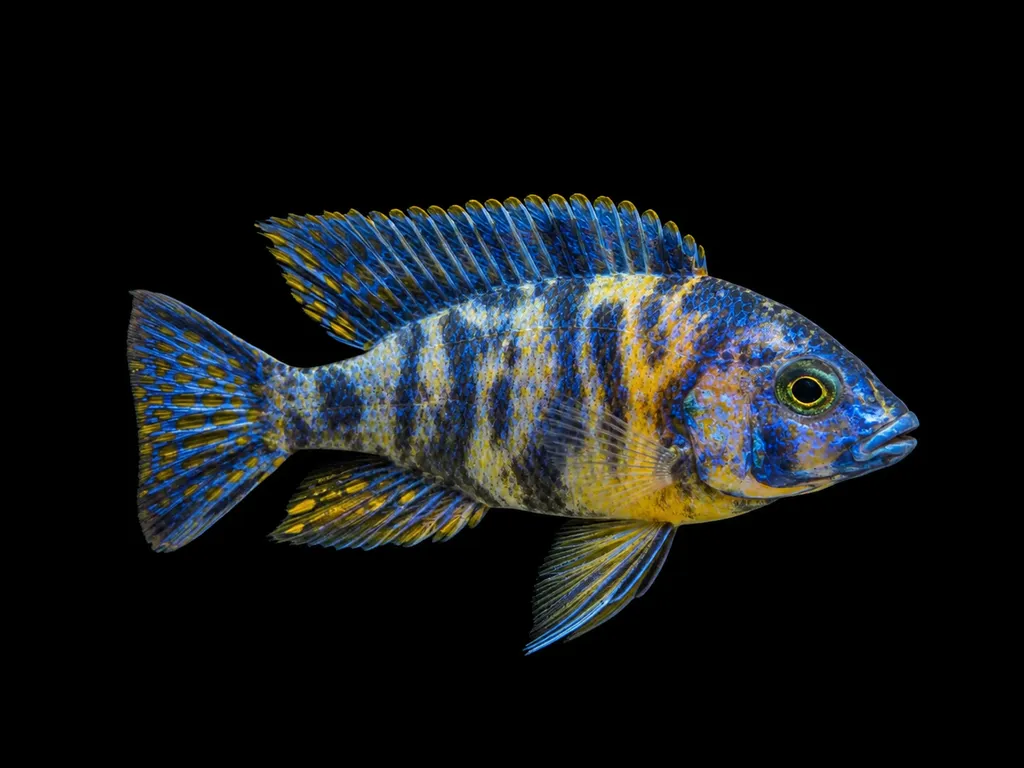
This is a peacock cichlid in the family Cichlidae, reaching about 14 cm, with males far more colorful than the plain females. Like other Malawi cichlids it's a maternal mouthbrooder. The female holds the eggs and fry in her mouth until they can fend for themselves. It feeds by sensing tiny prey hidden in the sand through pores on its lower jaw.
Did you know
The pores on its face form part of a sensory system that picks up the faint movements of insect larvae buried in the sand. The fish hovers, then darts down and takes a mouthful of substrate, sifting out the food and spitting the sand back out through its gills.
Weekly picks
Tank mates
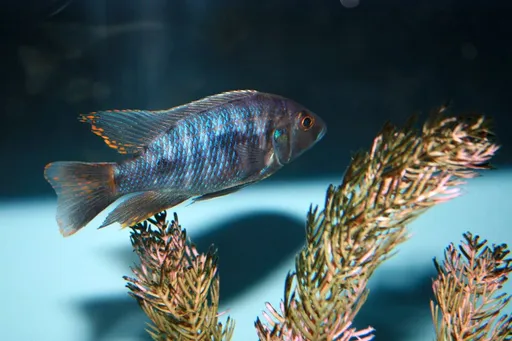
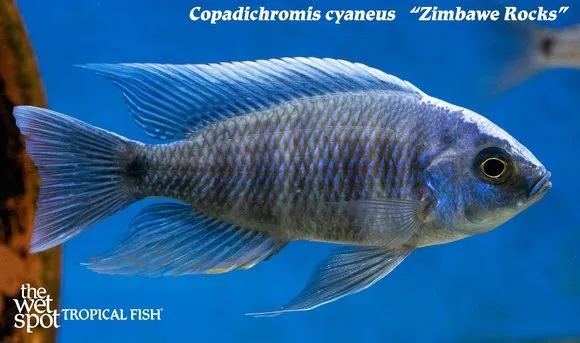
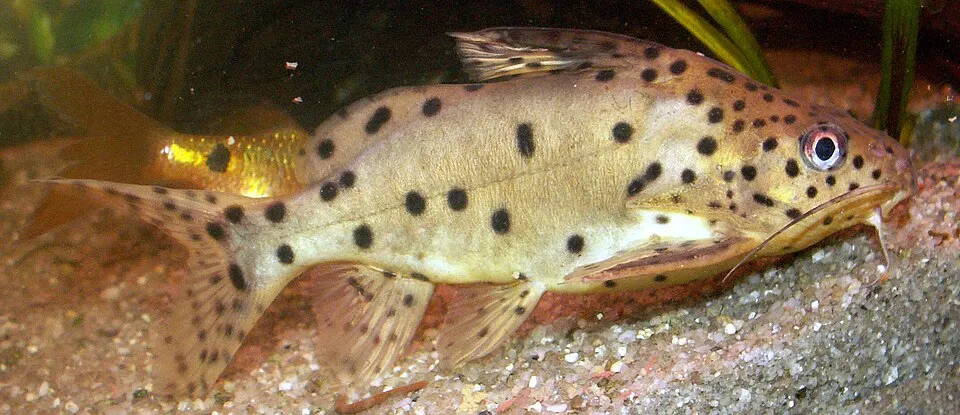
Pale usisya aulonocara is a mostly peaceful, social species that keeps to the middle. These picks share a community profile with it, are safe together in both directions, and overlap on water type, temperature and pH.
Common questions
What size tank does a Pale usisya aulonocara need?
A Pale usisya aulonocara needs at least 63 gal (240 L). It spends most of its time in the middle.
What temperature and pH does a Pale usisya aulonocara need?
A Pale usisya aulonocara is comfortable at 75–82°F (24–28°C) with a pH of 7.5–8.5.
How big does a Pale usisya aulonocara get?
An adult Pale usisya aulonocara reaches about 5.5 in (14 cm).
Related species
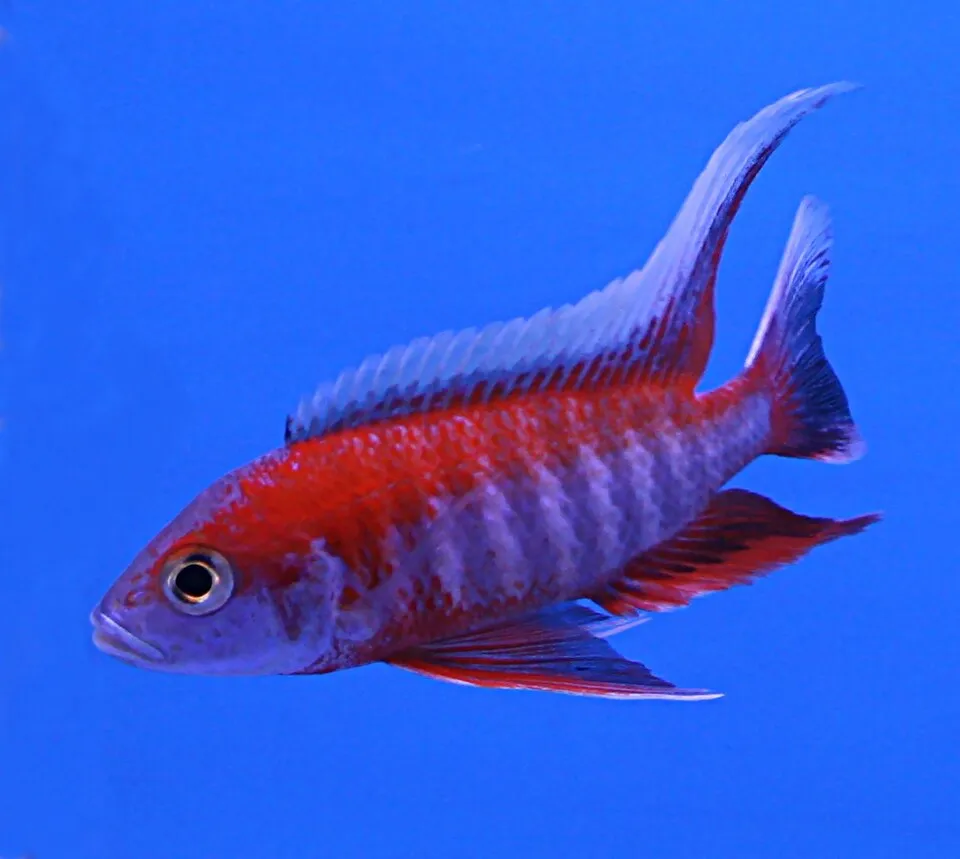 6.7 in (17 cm)63 gal (240 L)77–84°F (25–29°C)
Eureka red peacock
Aulonocara jacobfreibergi
6.7 in (17 cm) · 63 gal (240 L)
 4.3 in (11 cm)63 gal (240 L)77–84°F (25–29°C)
Sunshine peacock cichlid
Aulonocara baenschi
4.3 in (11 cm) · 63 gal (240 L)
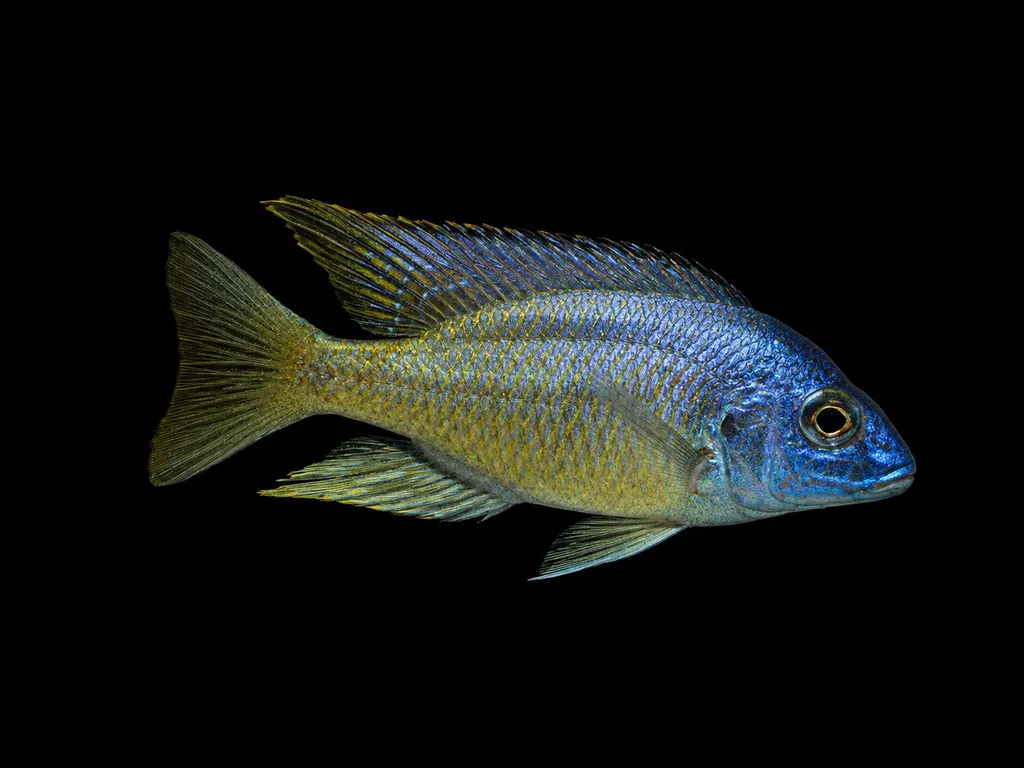 5.1 in (13 cm)53 gal (200 L)75–82°F (24–28°C)
Mdoka peacock
Aulonocara aquilonium
5.1 in (13 cm) · 53 gal (200 L)
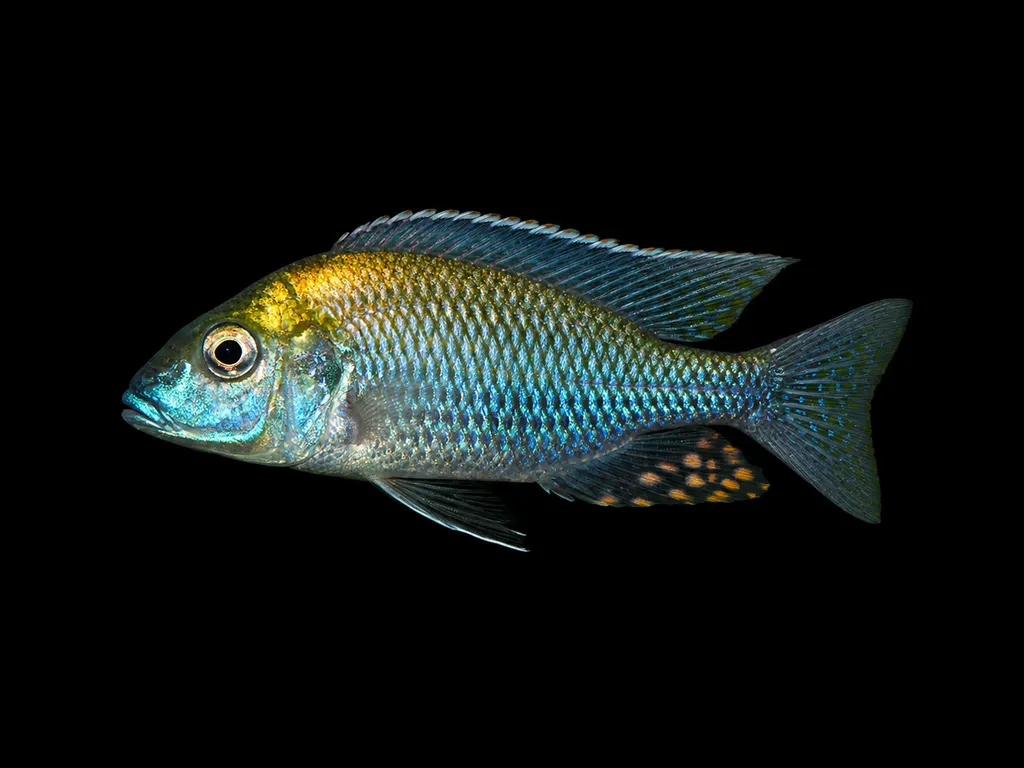 5.9 in (15 cm)74 gal (280 L)75–81°F (24–27°C)
Günther's peacock
Aulonocara guentheri
5.9 in (15 cm) · 74 gal (280 L)
 5.9 in (15 cm)63 gal (240 L)75–82°F (24–28°C)
OB peacock cichlid
Aulonocara hybrid
5.9 in (15 cm) · 63 gal (240 L)
 5.1 in (13 cm)74 gal (280 L)75–81°F (24–27°C)
Gertrude's peacock
Aulonocara gertrudae
5.1 in (13 cm) · 74 gal (280 L)