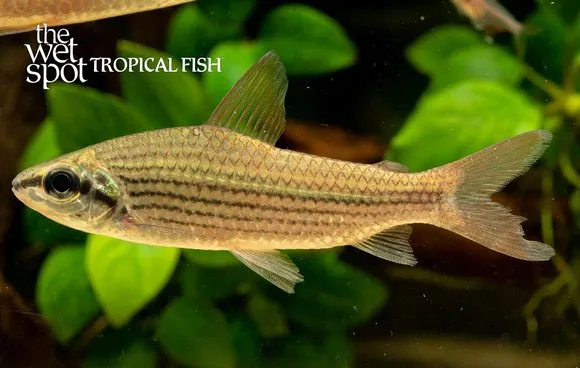
Golden curimata
Cyphocharax multilineatus
Also known as Striped curimata, Many-lined curimata
FreshwaterFish
Care at a glance
- Temperature
- 73–82°F
- 23–28°C
- pH
- 5.0–7.0
- Adult size
- 4.3 in
- 11 cm
- Minimum tank
- 40 gal
- 150 L
- Temperament
- Peaceful
- Social behavior
- Shoaling
- Swim level
- Middle
- Difficulty
- Medium
- Breeding
- No record
- Rarity
- Rare
- Family
- Curimatidae
- Origin
- Upper Rio Negro and Orinoco basins
Overview
The golden curimata is a peaceful, silver-gold grazer that swims mostly in the middle and lower water. It makes a calm, constantly working addition to a soft-water community, and its care is a notch above beginner level.
Did you know
Curimatas like the golden curimata have lost their teeth entirely. It feeds by swallowing mouthfuls of biofilm and soft mud and grinding them down in a tough, gizzard-like stomach. A chicken uses the same trick with its gizzard and grit.
Caring for the golden curimata
Keep golden curimatas in a tank of at least 40 gal (150 L). A sandy floor, driftwood and some hardy plants give them grazing surfaces and cover. Gentle current and clean water keep them comfortable.
Give them soft, warm, acidic to neutral water at 73 to 82°F (23 to 28°C) with a pH of 5.0 to 7.0. Softer, mineral-poor water suits them better than hard, alkaline conditions.
They graze the surfaces of the tank all day, picking biofilm, algae and detritus from stones, wood and plants. They are not fussy eaters, though, and take sinking pellets, flake and small frozen foods alongside their foraging.
Keep a group of five or more. Golden curimatas are gentle with everything, and other peaceful fish of similar size make good tank mates. Aquarium breeding is not recorded.
Good to know
Cyphocharax multilineatus is a member of the family Curimatidae. Fine dark pinstripes run along its brassy, silver body. It is one of the few of its family kept for its looks rather than as a food fish.
In the wild
The golden curimata lives in the upper Rio Negro and Orinoco basins. Its home waters are soft, warm and often tannin-stained, flowing over sand near submerged wood and plants.
Weekly picks
Tank mates
The golden curimata is a peaceful, shoaling species that keeps to the middle. These picks share a community profile with it, are safe together in both directions, and overlap on water type, temperature and pH.
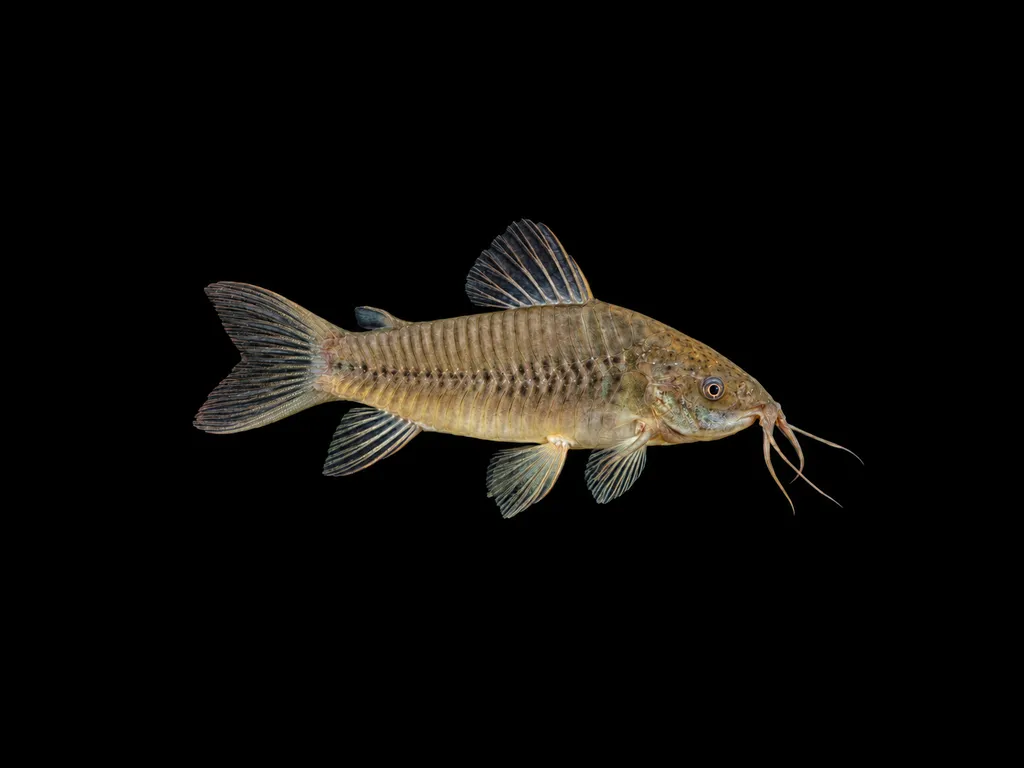
Hoplo catfish
Hoplosternum littorale
Freshwater7.9 in (20 cm) · 40 gal (150 L)72–81°F (22–27°C)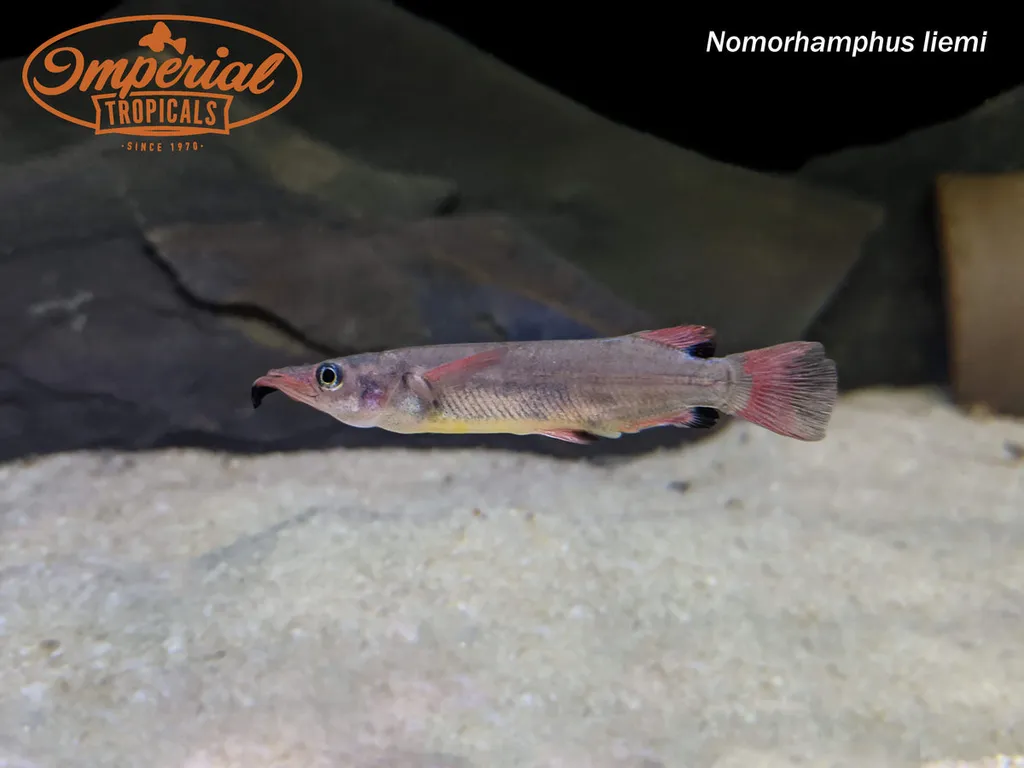
Celebes halfbeak
Nomorhamphus liemi
Freshwater3.5 in (9 cm) · 40 gal (150 L)68–77°F (20–25°C)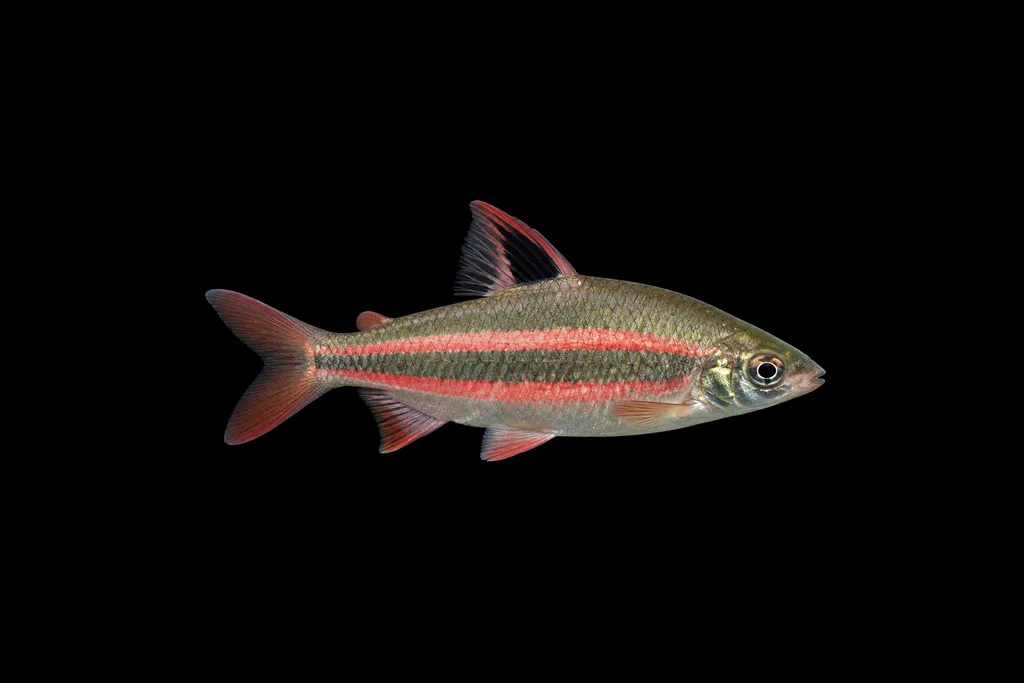
Noboli distichodus
Distichodus noboli
Freshwater7.5 in (19 cm) · 40 gal (150 L)73–82°F (23–28°C)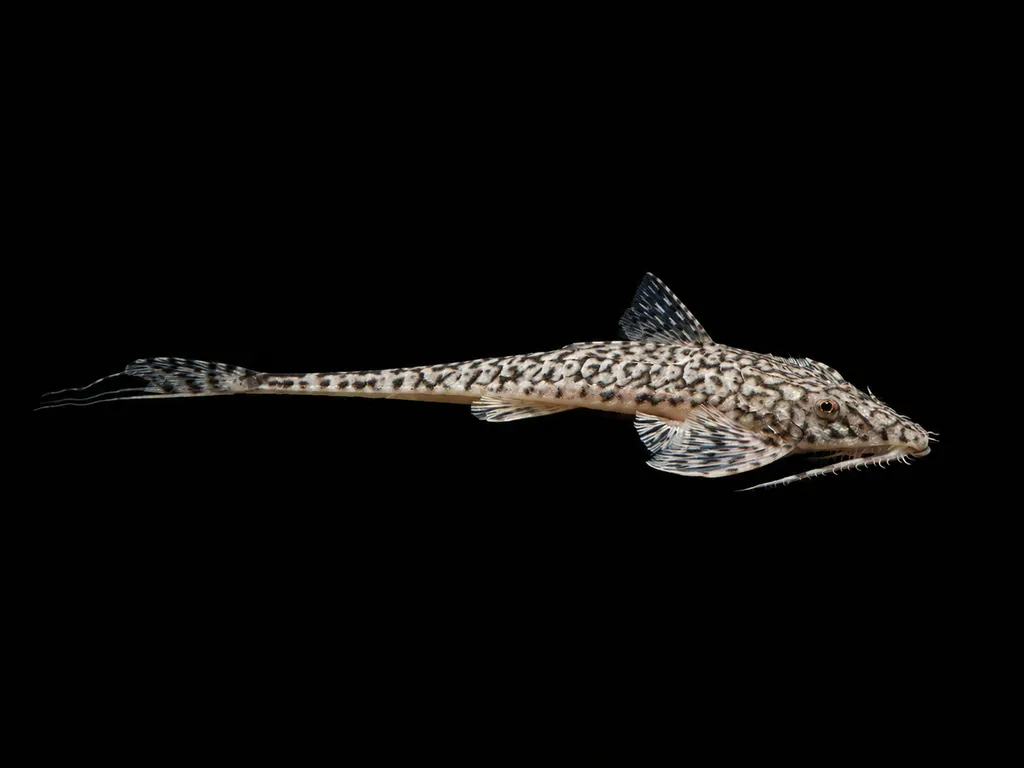
Dragon-head whiptail
Rhadinoloricaria macromystax
Freshwater5.7 in (14.5 cm) · 40 gal (150 L)73–82°F (23–28°C)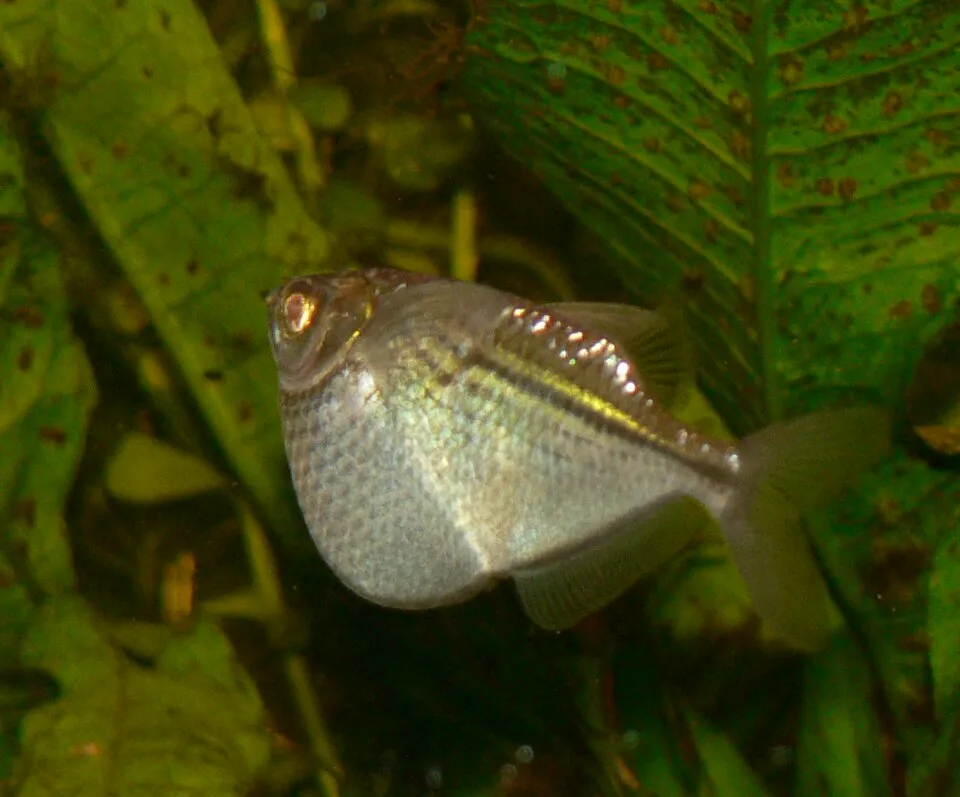
Common hatchetfish
Gasteropelecus sternicla
Freshwater1.6 in (4 cm) · 33 gal (125 L)68–82°F (20–28°C)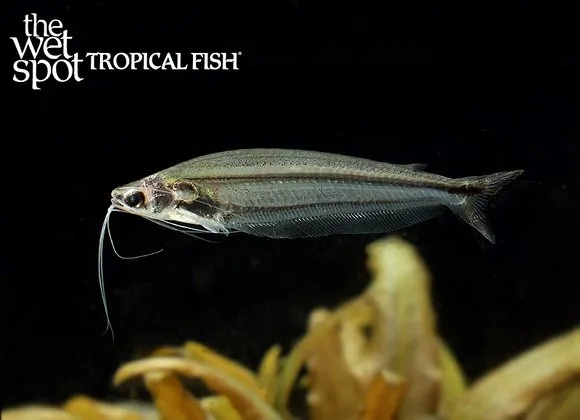
African glass cat
Parailia pellucida
Freshwater4.7 in (12 cm) · 40 gal (150 L)73–82°F (23–28°C)
Common questions
What size tank does a golden curimata need?
A golden curimata needs at least 40 gal (150 L). It spends most of its time in the middle.
What temperature and pH does a golden curimata need?
A golden curimata is comfortable at 73–82°F (23–28°C) with a pH of 5.0–7.0.
What does a golden curimata eat?
A golden curimata grazes biofilm, algae and detritus from stones, wood and plants. It also takes sinking pellets, flake and small frozen foods.
How big does a golden curimata get?
An adult golden curimata reaches about 4.3 in (11 cm).
Does a golden curimata need a group?
Yes. A golden curimata is a shoaling species and should be kept in a group, not singly.
Related species
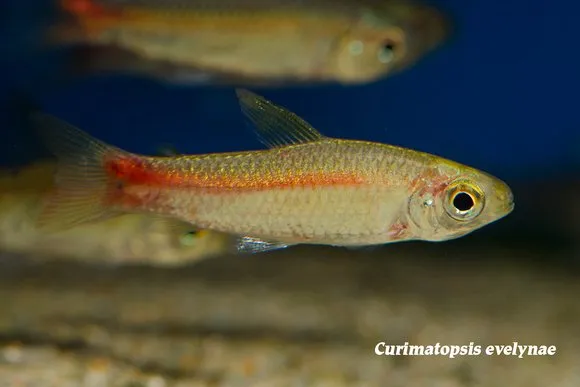 1.6 in (4 cm)14 gal (54 L)73–82°F (23–28°C)
Spot-tail curimata
Curimatopsis evelynae
1.6 in (4 cm) · 14 gal (54 L)
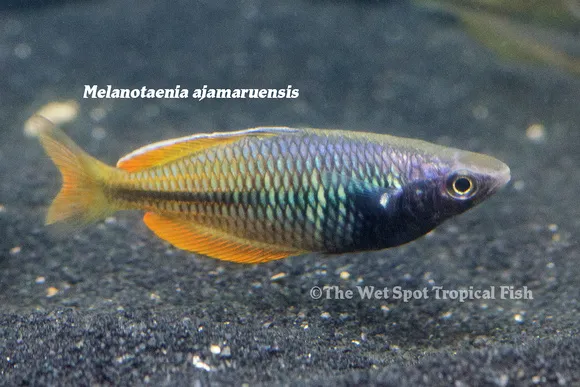 4.3 in (11 cm)42 gal (160 L)75–84°F (24–29°C)
Ajamaru Lakes rainbowfish
Melanotaenia ajamaruensis
4.3 in (11 cm) · 42 gal (160 L)
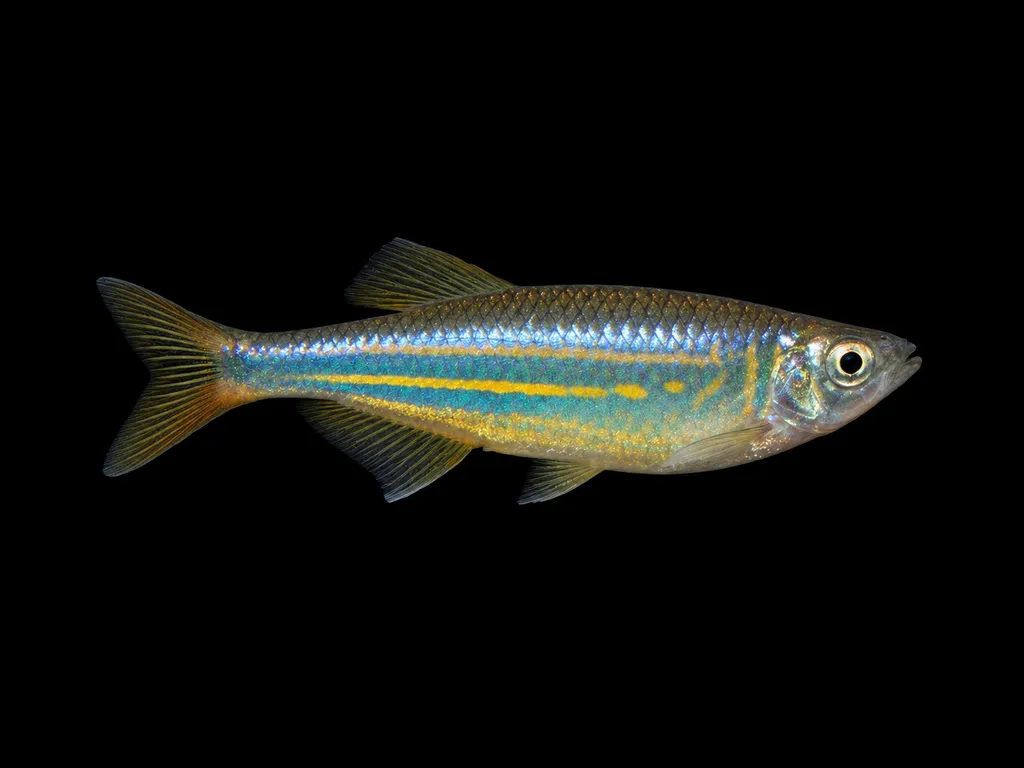 4.3 in (11 cm)42 gal (160 L)68–79°F (20–26°C)
Annandale danio
Devario annandalei
4.3 in (11 cm) · 42 gal (160 L)
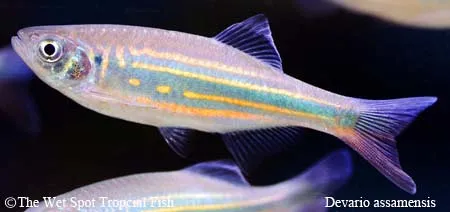 4.3 in (11 cm)42 gal (160 L)68–79°F (20–26°C)
Assam giant danio
Devario assamensis
4.3 in (11 cm) · 42 gal (160 L)
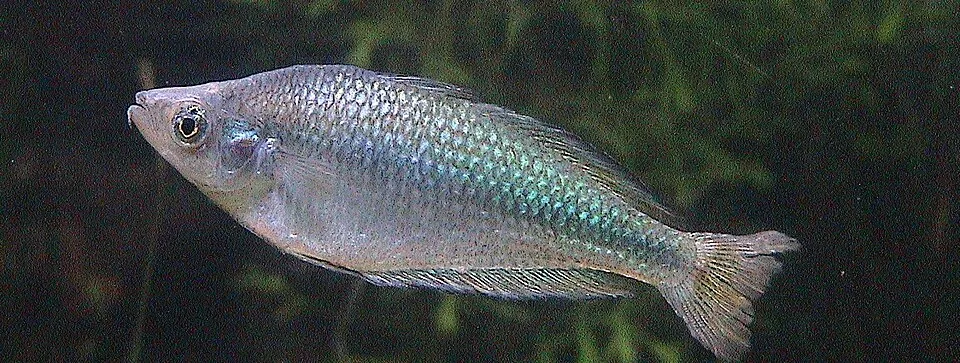 4.3 in (11 cm)30 gal (115 L)68–77°F (20–25°C)
Australian rainbowfish
Melanotaenia fluviatilis
4.3 in (11 cm) · 30 gal (115 L)
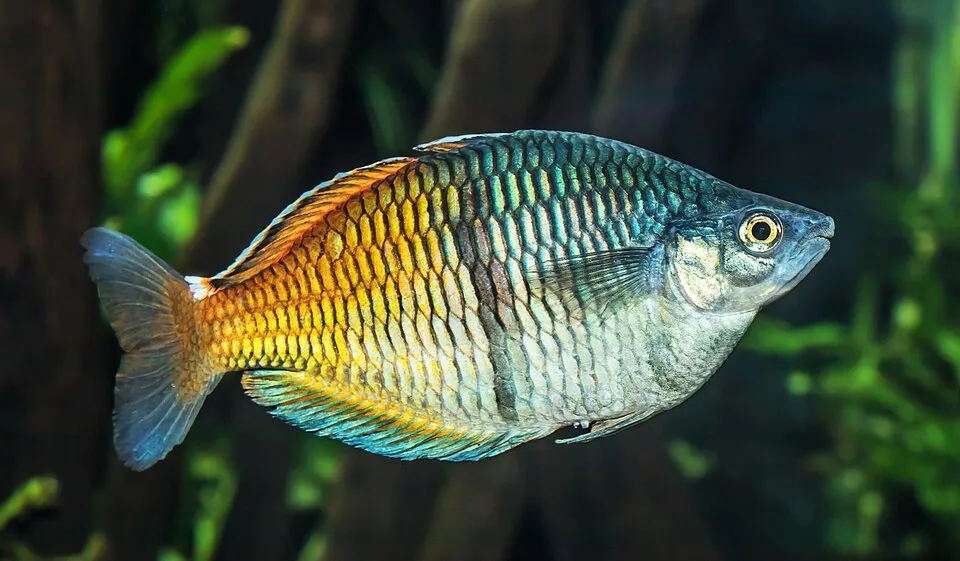 4.3 in (11 cm)30 gal (115 L)81–86°F (27–30°C)
Boeseman's rainbowfish
Melanotaenia boesemani
4.3 in (11 cm) · 30 gal (115 L)