Dragon-head whiptail
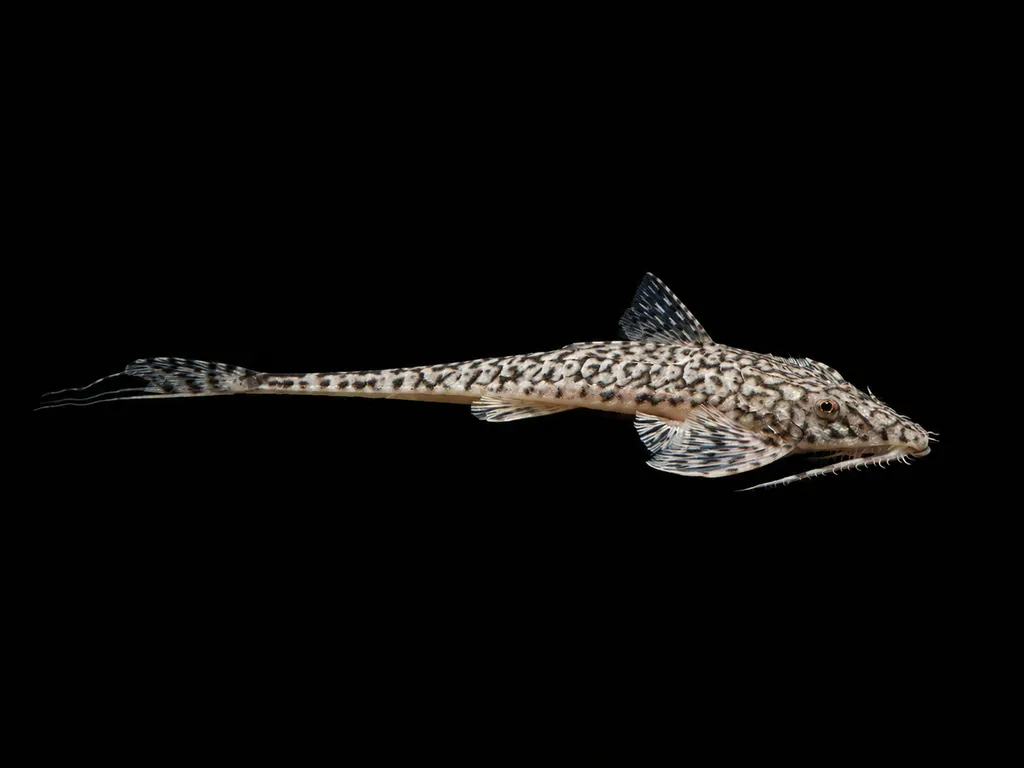
Rhadinoloricaria macromystax
Also known as Dragon head whiptail
FreshwaterFish
Care at a glance
- Temperature
- 73–82°F
- 23–28°C
- pH
- 5.5–7.2
- Adult size
- 5.7 in
- 14.5 cm
- Minimum tank
- 40 gal
- 150 L
- Temperament
- Peaceful
- Social behavior
- Schooling
- Swim level
- Bottom
- Difficulty
- Medium
- Breeding
- No record
- Rarity
- Rare
- Family
- Loricariidae
- Origin
- Upper Amazon sand rivers, Peru and Ecuador
Overview
The dragon-head whiptail is a sand-dwelling catfish for a calm tank with a wide, open floor. It suits a keeper with some experience.
Did you know
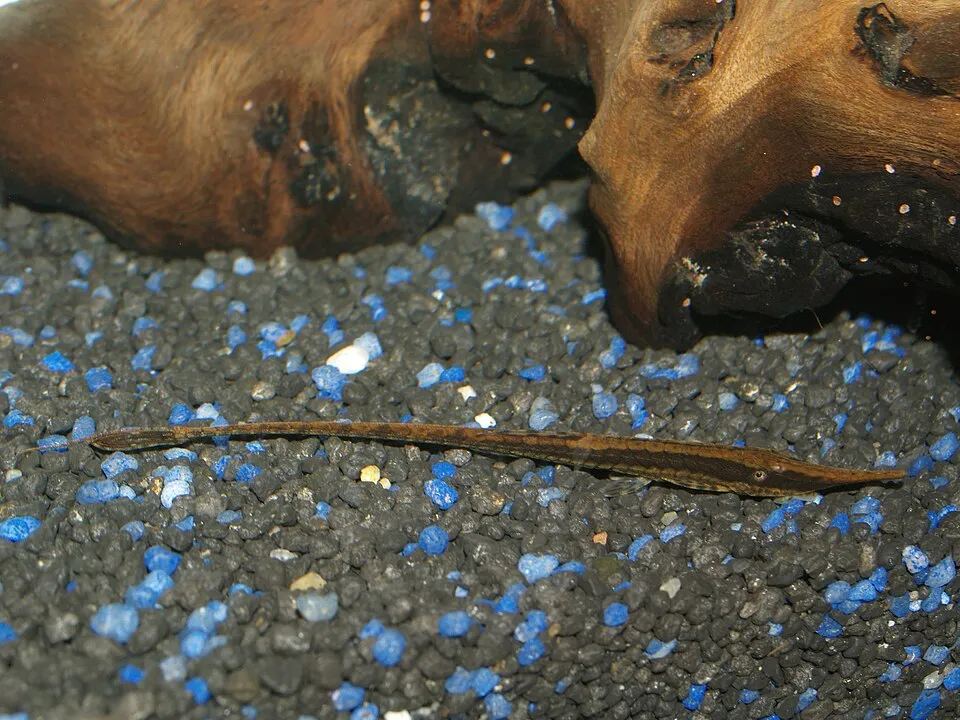
Buried in the sand with only its face showing, the dragon-head whiptail is nearly invisible until feeding time. Then it rises and lifts a mask fringed with whisker-like barbels.
Caring for the dragon-head whiptail
Give dragon-head whiptails an open-floored tank of at least 40 gal (150 L) with gentle flow. A deep, broad bed of soft, fine sand they can bury into is essential. As with other sand whiptails, the substrate matters more than any planting or hardscape.
Keep the water clean and well oxygenated, soft and slightly acidic to neutral. Aim for 73 to 82°F (23 to 28°C) and a pH of 5.5 to 7.2.
They are slow and gentle at feeding time, so choose calm, non-competitive tank mates. Drop sinking pellets and soft meaty foods such as frozen bloodworm onto the sand.
Dragon-head whiptails are peaceful and best kept as a small group over open sand, where several can share the floor without trouble. There is no real record of them breeding in captivity.
Good to know
Rhadinoloricaria macromystax belongs to the family Loricariidae. Its name, macromystax, means large mustache, for the fringe of whisker-like filaments around its mouth that it uses while sifting the sand. It is a bottom-feeding detritivore, and it arrives in the hobby as a wild-caught fish.
In the wild
The dragon-head whiptail lives over sandy beds in clear and white-water rivers of the upper Amazon, in Peru and Ecuador. It feeds on the fine material in the sand.
Weekly picks
Tank mates
The dragon-head whiptail is a peaceful, schooling species that keeps to the bottom. These picks share a community profile with it, are safe together in both directions, and overlap on water type, temperature and pH.
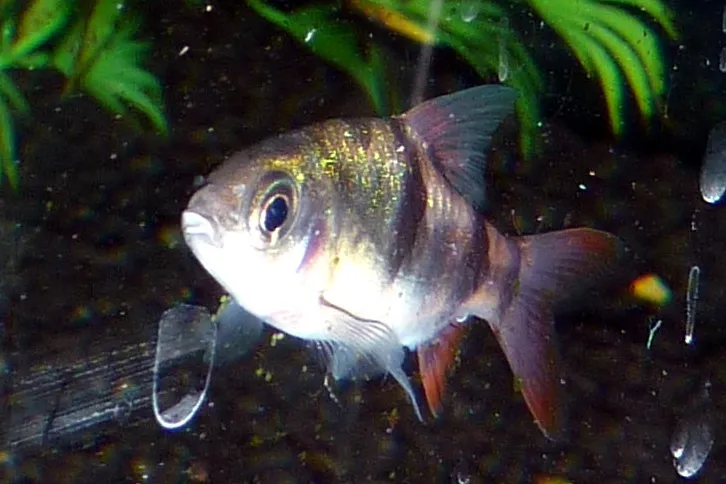
Everett's barb
Barbodes everetti
Freshwater4.7 in (12 cm) · 40 gal (150 L)64–82°F (18–28°C)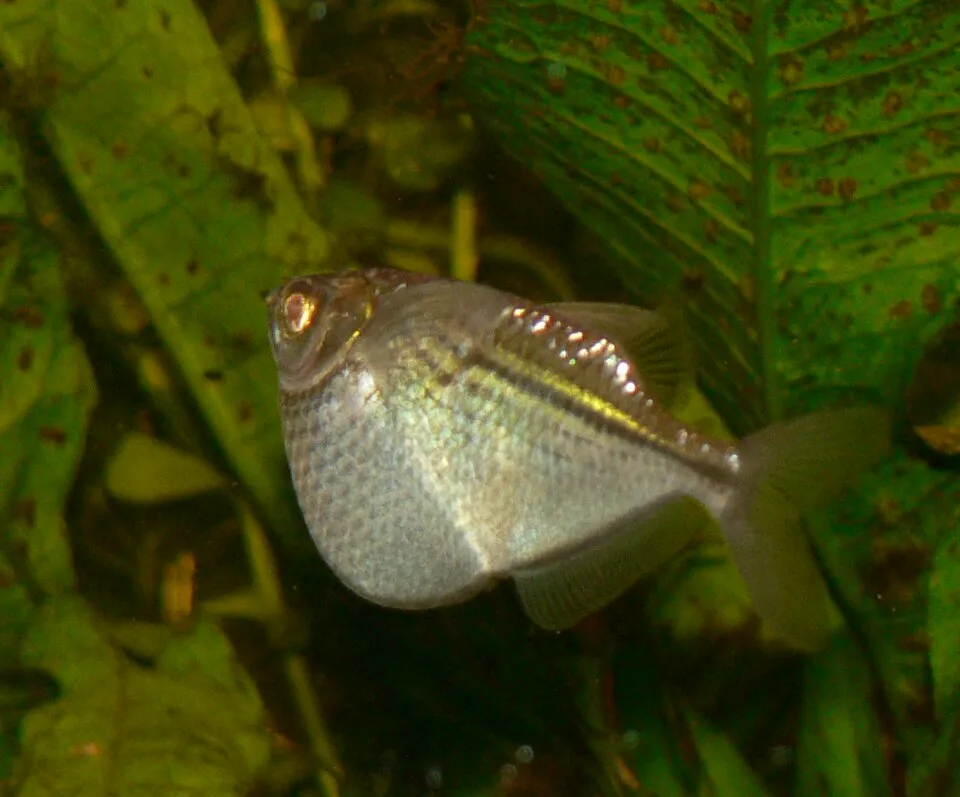
Common hatchetfish
Gasteropelecus sternicla
Freshwater1.6 in (4 cm) · 33 gal (125 L)68–82°F (20–28°C)
Orinoco spotted raphael
Agamyxis albomaculatus
Freshwater5.9 in (15 cm) · 40 gal (150 L)73–82°F (23–28°C)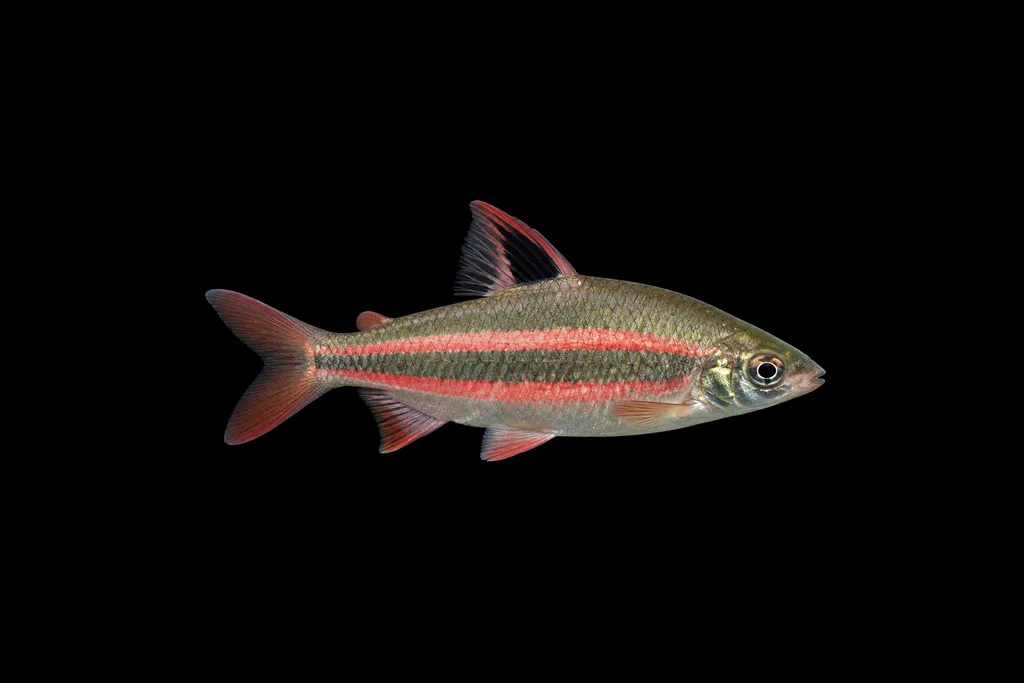
Noboli distichodus
Distichodus noboli
Freshwater7.5 in (19 cm) · 40 gal (150 L)73–82°F (23–28°C)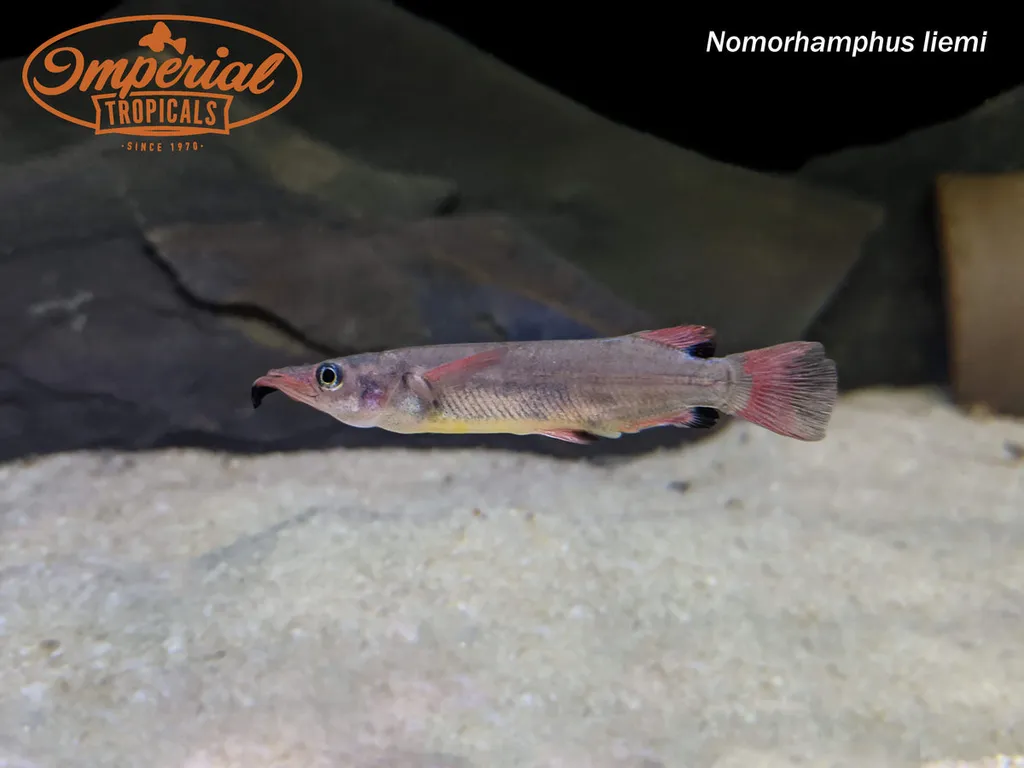
Celebes halfbeak
Nomorhamphus liemi
Freshwater3.5 in (9 cm) · 40 gal (150 L)68–77°F (20–25°C)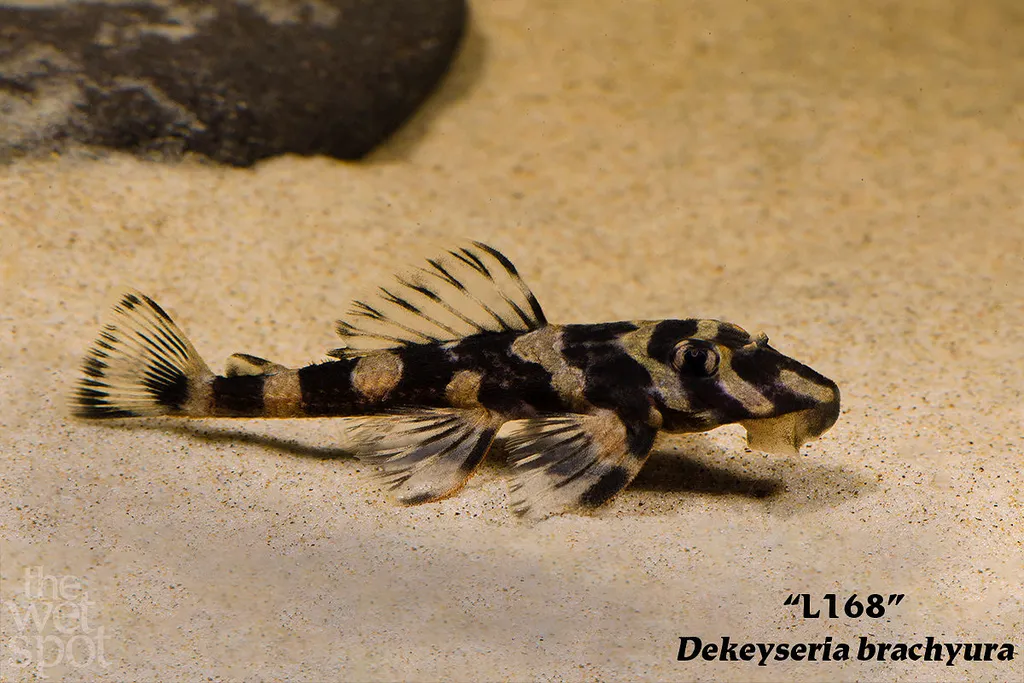
Butterfly pleco (L168)
Dekeyseria brachyura
Freshwater5.5 in (14 cm) · 40 gal (150 L)77–84°F (25–29°C)
Common questions
What size tank does a dragon-head whiptail need?
A dragon-head whiptail needs at least 40 gal (150 L). It spends most of its time in the bottom.
What temperature and pH does a dragon-head whiptail need?
A dragon-head whiptail is comfortable at 73–82°F (23–28°C) with a pH of 5.5–7.2.
What does a dragon-head whiptail eat?
A dragon-head whiptail eats sinking pellets and soft meaty foods such as frozen bloodworm, dropped onto the sand. It is slow and gentle at feeding time.
How big does a dragon-head whiptail get?
An adult dragon-head whiptail reaches about 5.7 in (14.5 cm).
Does a dragon-head whiptail need a group?
Yes. A dragon-head whiptail is a schooling species and should be kept in a group, not singly.
Related species
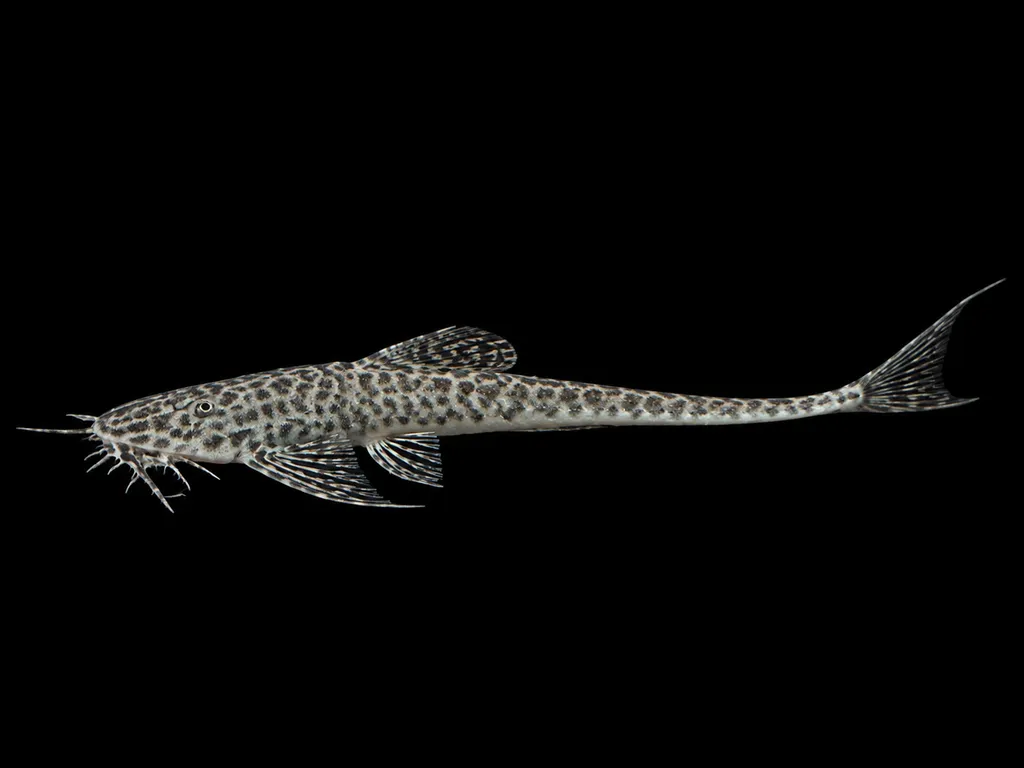 5.7 in (14.5 cm)40 gal (150 L)73–82°F (23–28°C)
Ommation whiptail
Rhadinoloricaria ommation
5.7 in (14.5 cm) · 40 gal (150 L)
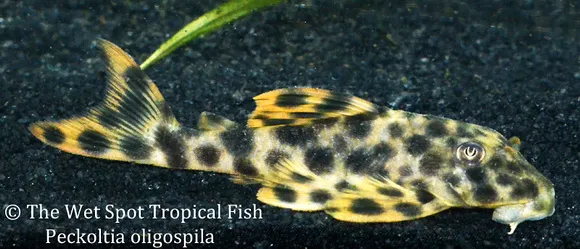 5.9 in (15 cm)42 gal (160 L)77–84°F (25–29°C)
Brown dot peckoltia
Peckoltia oligospila
5.9 in (15 cm) · 42 gal (160 L)
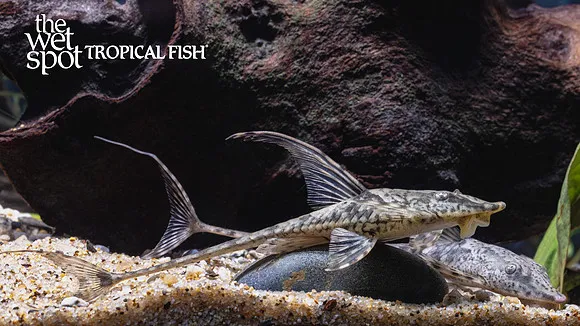 5.9 in (15 cm)42 gal (160 L)75–82°F (24–28°C)
Dwarf royal twig catfish
Sturisomatichthys leightoni
5.9 in (15 cm) · 42 gal (160 L)
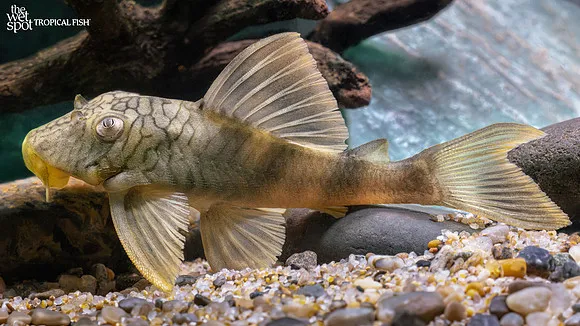 5.9 in (15 cm)53 gal (200 L)77–84°F (25–29°C)
Imperial coal pleco
Peckoltia pankimpuju
5.9 in (15 cm) · 53 gal (200 L)
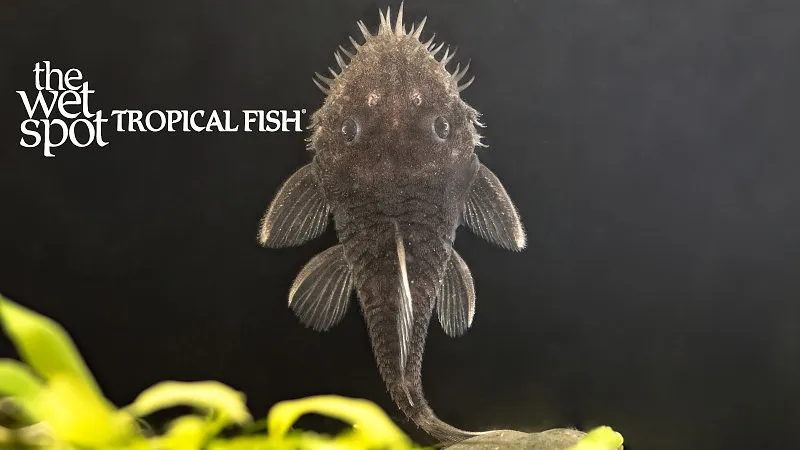 5.9 in (15 cm)18 gal (70 L)79–86°F (26–30°C)
Medusa pleco (L034)
Ancistrus ranunculus
5.9 in (15 cm) · 18 gal (70 L)
 5.9 in (15 cm)30 gal (115 L)75–81°F (24–27°C)
Twig catfish
Farlowella vittata
5.9 in (15 cm) · 30 gal (115 L)