Twig catfish
Farlowella vittata
FreshwaterFish
Care at a glance
- Temperature
- 75–81°F
- 24–27°C
- pH
- 6.0–7.5
- Adult size
- 5.9 in
- 15 cm
- Minimum tank
- 30 gal
- 115 L
- Temperament
- Peaceful
- Social behavior
- Solitary
- Swim level
- Bottom
- Difficulty
- Difficult
- Breeding
- No record
- Rarity
- Very rare
- Family
- Loricariidae
- Origin
- Colombia, Venezuela
Overview
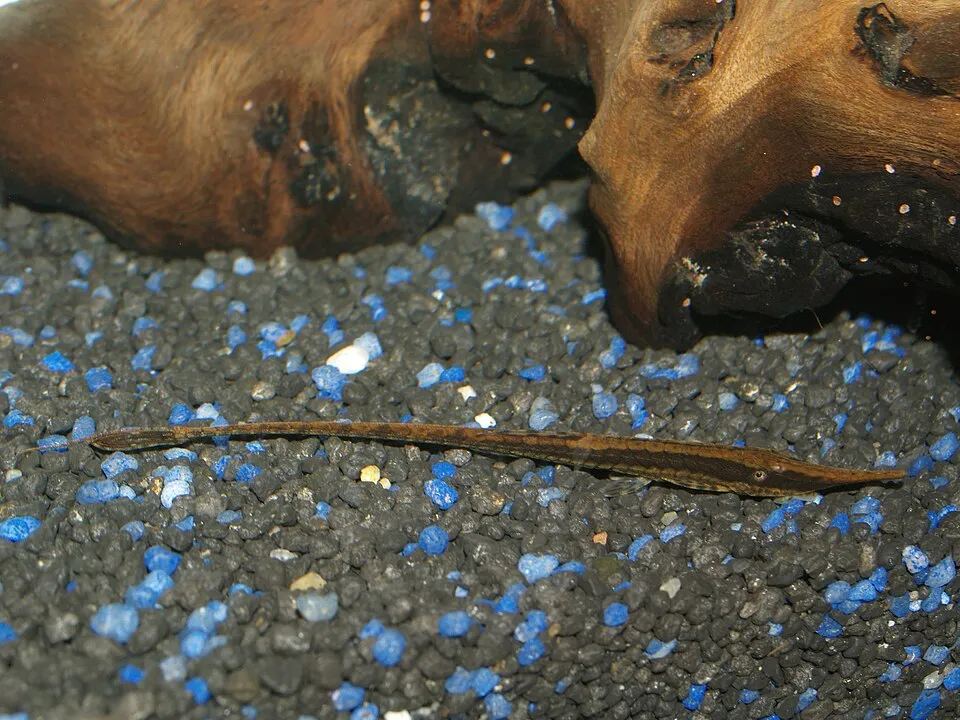
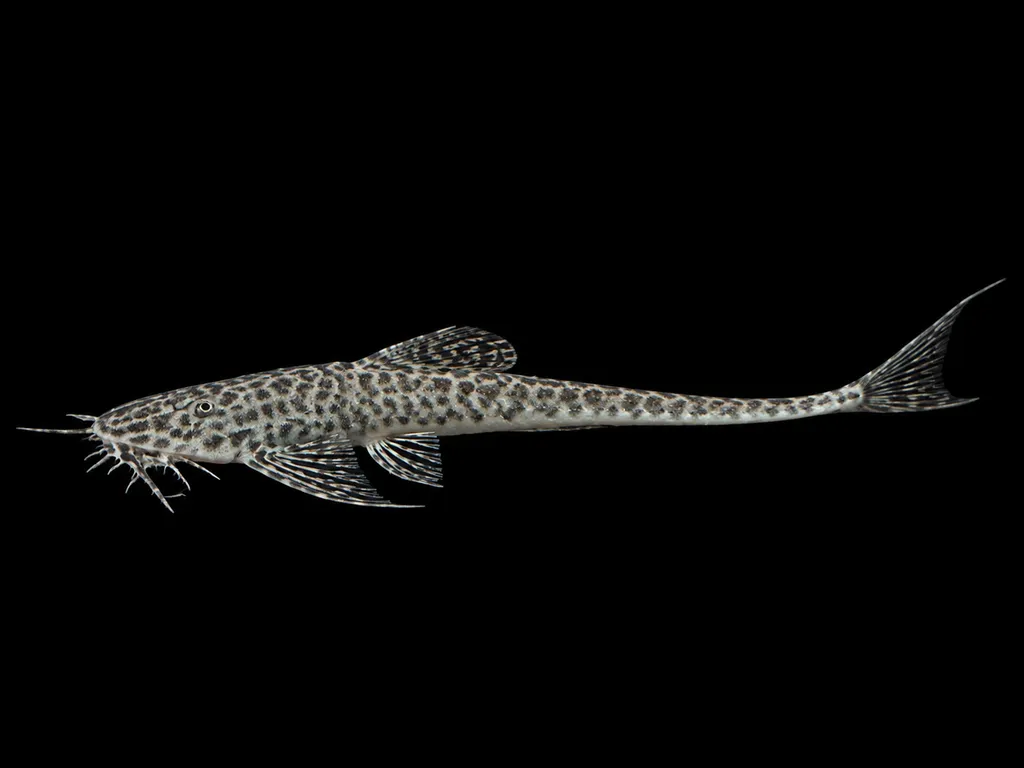
The twig catfish is a slender, extremely peaceful loricariid that can be kept singly, as it needs no company of its own kind, though a male and female pair get along fine. It is so gentle and shy that it should only share a tank with small, calm community fish, never boisterous or nippy ones. It clings to wood and leaves grazing soft algae and biofilm, so it needs a mature tank with established growth plus supplements of algae wafers and blanched vegetables. Provide driftwood, a soft substrate, and clean, well-oxygenated water, in a tank around 115 liters or larger.
In the wild
Farlowella vittata comes from clear, flowing streams in Colombia and Venezuela, where it lies along submerged branches and roots, camouflaged as a twig. Keep it warm at 24 to 27 degrees C with a pH of 6.0 to 7.5. It is sensitive to poor water, so stable, clean, well-oxygenated conditions are essential, with steady flow and good filtration. Furnish plenty of driftwood and leaves for it to cling to and graze, and grow some algae on rock or wood as a food source.
Good to know
A member of Loricariidae, Farlowella vittata reaches around 15 centimeters yet stays pencil-thin, its long body sheathed in bony plates and tipped with a drawn-out snout. The underslung sucker mouth rasps soft algae and biofilm from surfaces. The male guards the eggs, which are laid on a firm surface such as wood or glass, though this delicate species is challenging and only rarely spawned in home aquariums.
Did you know
A twig catfish looks almost exactly like a thin brown stick, right down to its drawn-out snout, and it will lie motionless along a branch to complete the disguise. This camouflage helps hide it from predators in its home streams.
Weekly picks
Tank mates
Twig catfish is a peaceful, solitary species that keeps to the bottom. These picks share a community profile with it, are safe together in both directions, and overlap on water type, temperature and pH.
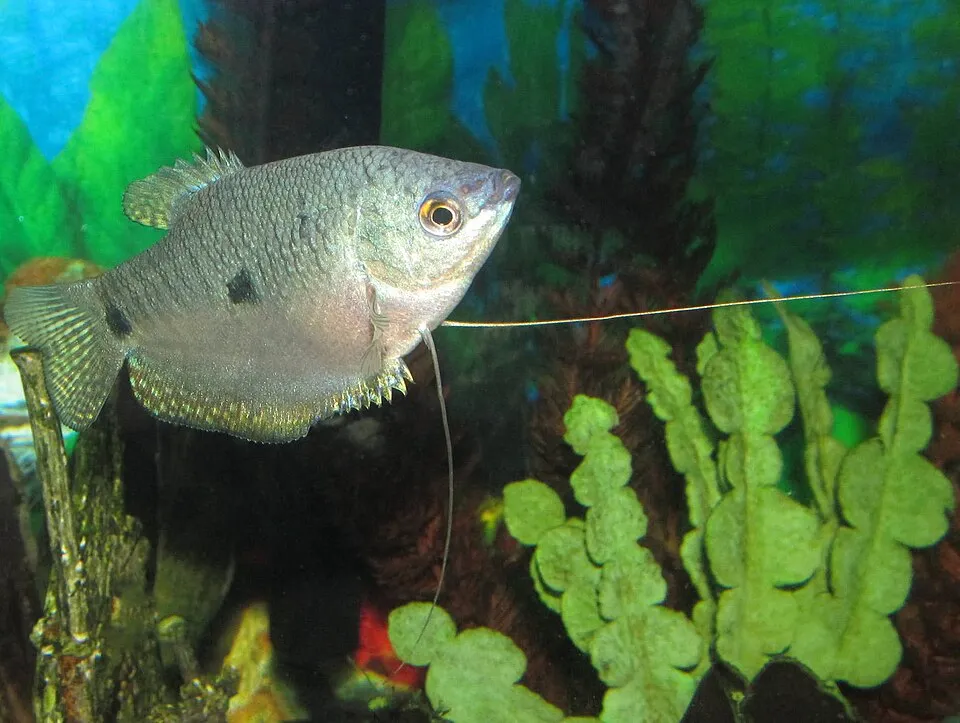
Three spot gourami
Trichopodus trichopterus
Freshwater5.1 in (13 cm) · 30 gal (115 L)75–86°F (24–30°C)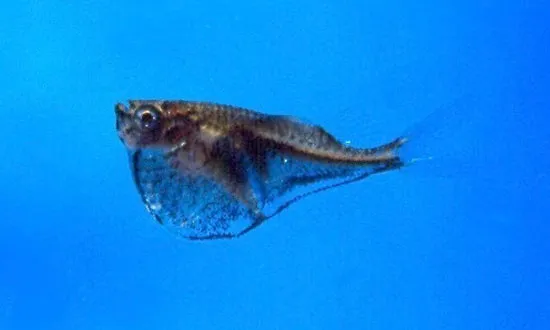
Blackwing hatchetfish
Carnegiella marthae
Freshwater1.4 in (3.5 cm) · 30 gal (115 L)68–82°F (20–28°C)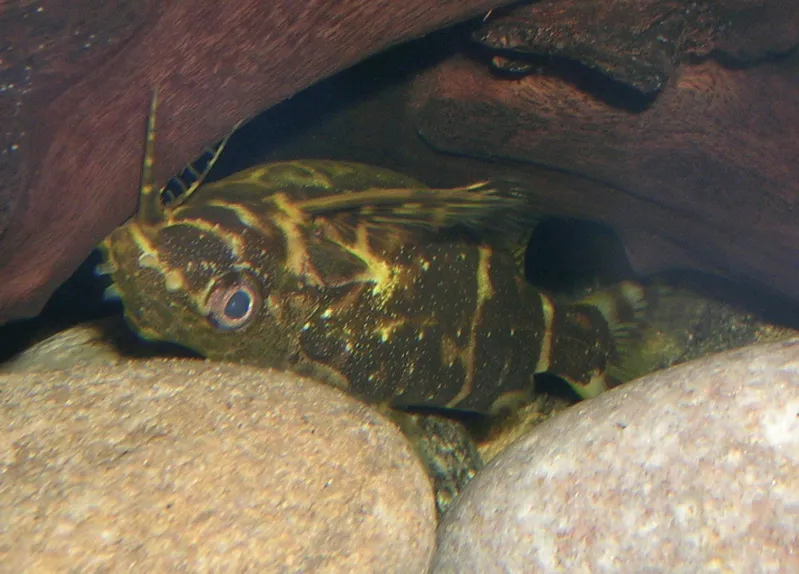
Upside-down catfish
Synodontis nigriventris
Freshwater3.9 in (10 cm) · 30 gal (115 L)75–82°F (24–28°C)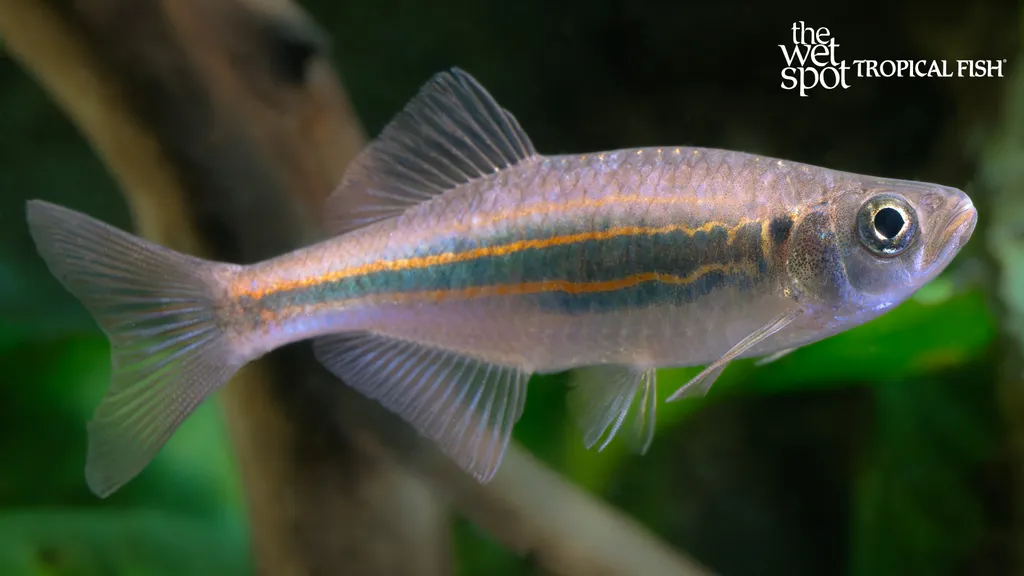
Queen danio
Devario regina
Freshwater3.1 in (8 cm) · 30 gal (115 L)68–79°F (20–26°C)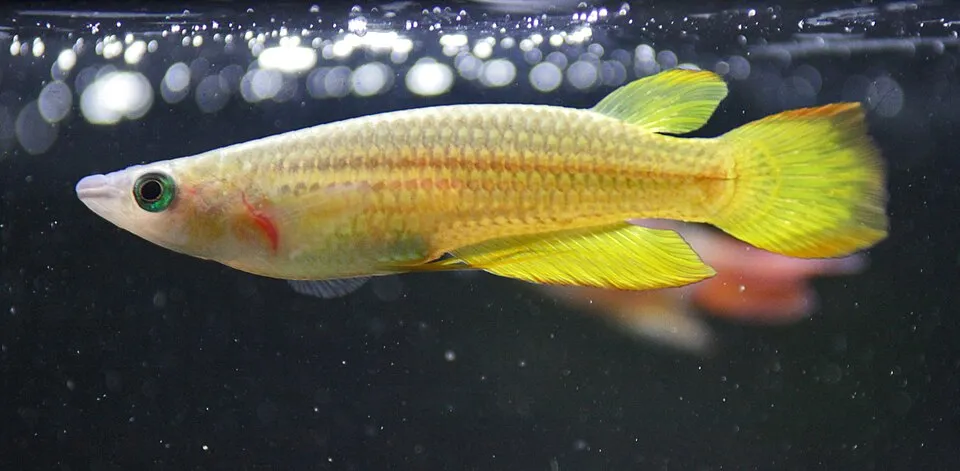
Striped panchax
Aplocheilus lineatus
Freshwater4.3 in (11 cm) · 30 gal (115 L)72–77°F (22–25°C)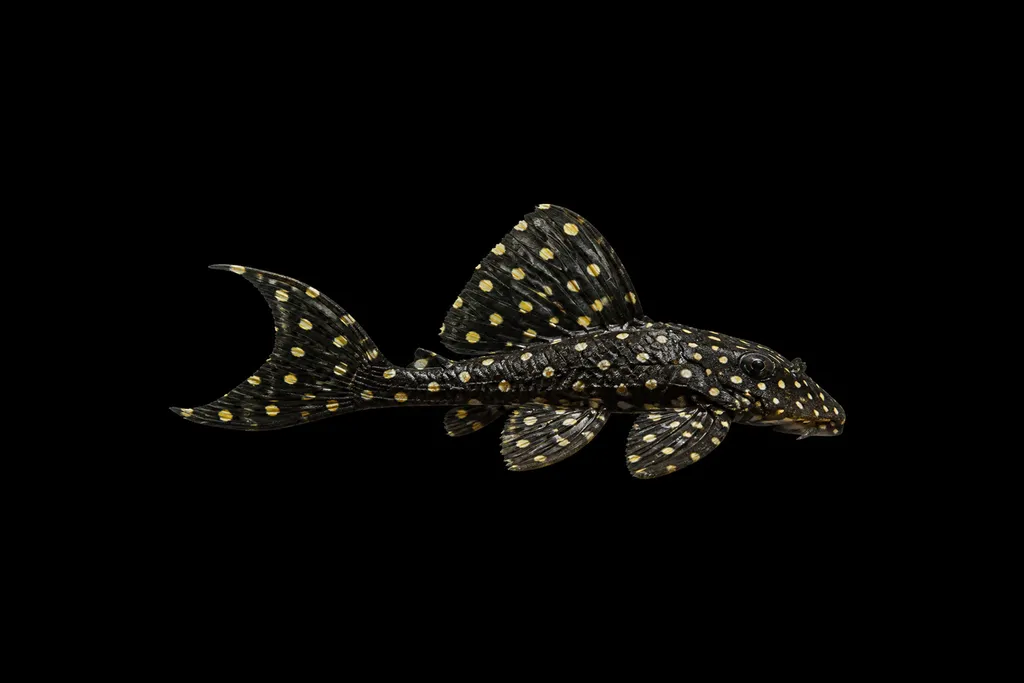
Orinoco angel pleco (L201)
Hypancistrus sp. L201
Freshwater5.9 in (15 cm) · 30 gal (115 L)79–86°F (26–30°C)
Common questions
What size tank does a Twig catfish need?
A Twig catfish needs at least 30 gal (115 L). It spends most of its time in the bottom.
What temperature and pH does a Twig catfish need?
A Twig catfish is comfortable at 75–81°F (24–27°C) with a pH of 6.0–7.5.
How big does a Twig catfish get?
An adult Twig catfish reaches about 5.9 in (15 cm).
Related species
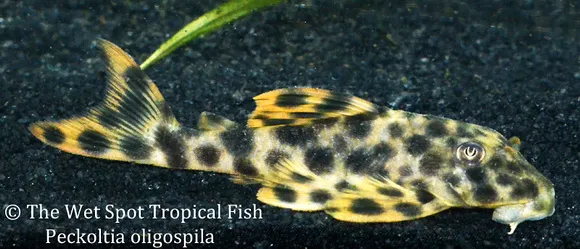 5.9 in (15 cm)42 gal (160 L)77–84°F (25–29°C)
Brown dot peckoltia
Peckoltia oligospila
5.9 in (15 cm) · 42 gal (160 L)
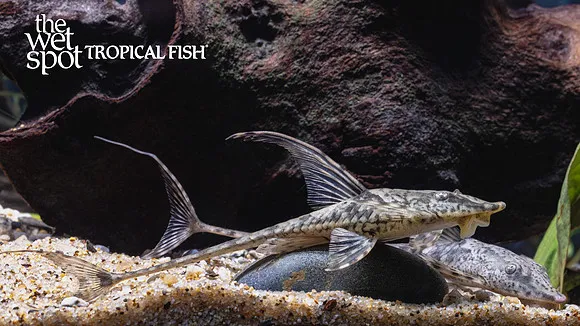 5.9 in (15 cm)42 gal (160 L)75–82°F (24–28°C)
Dwarf royal twig catfish
Sturisomatichthys leightoni
5.9 in (15 cm) · 42 gal (160 L)
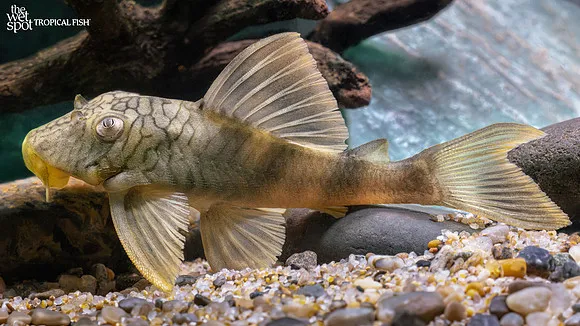 5.9 in (15 cm)53 gal (200 L)77–84°F (25–29°C)
Imperial coal pleco
Peckoltia pankimpuju
5.9 in (15 cm) · 53 gal (200 L)
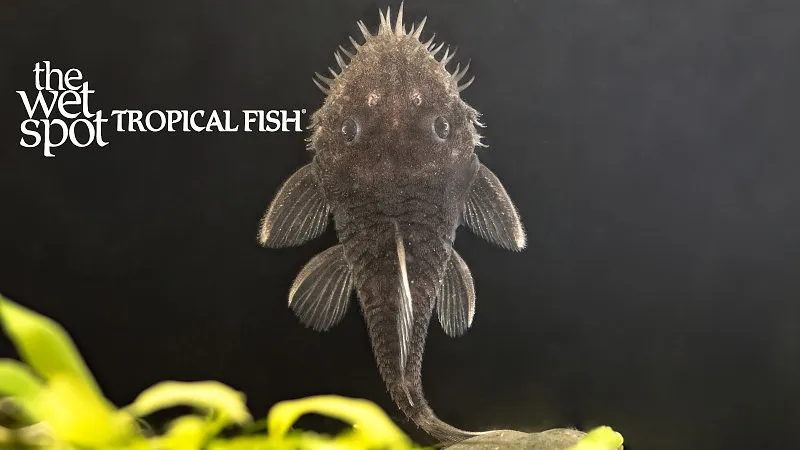 5.9 in (15 cm)40 gal (150 L)79–86°F (26–30°C)
Medusa pleco (L034)
Ancistrus ranunculus
5.9 in (15 cm) · 40 gal (150 L)
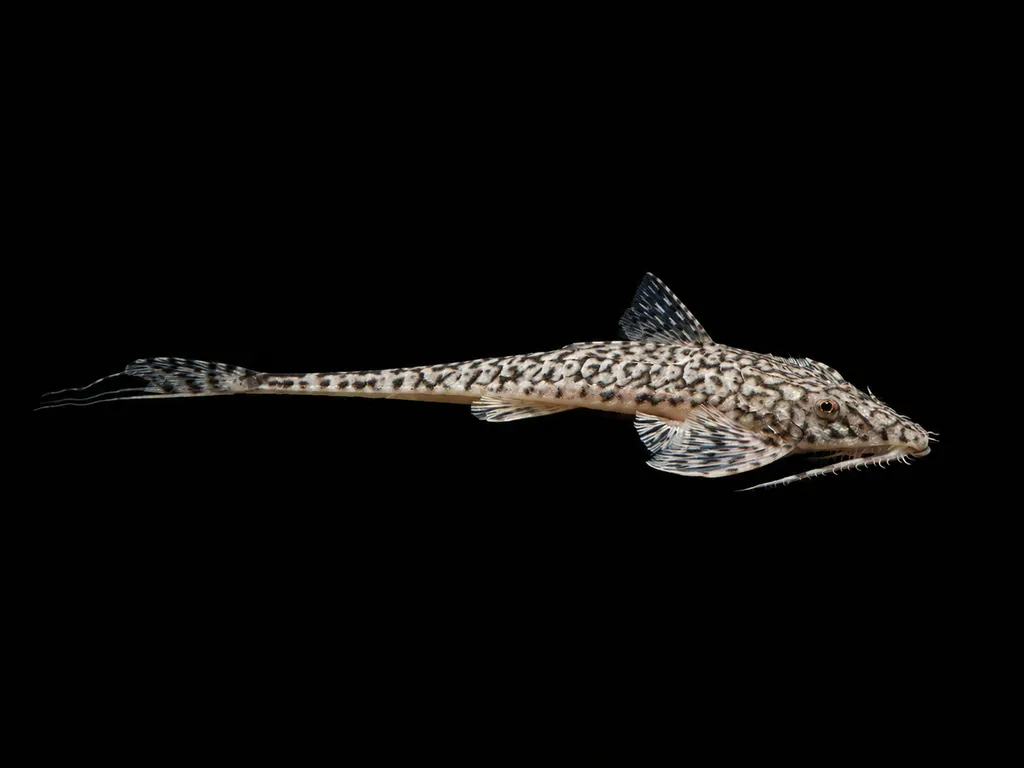 5.7 in (14.5 cm)40 gal (150 L)73–82°F (23–28°C)
Dragon-head whiptail
Rhadinoloricaria macromystax
5.7 in (14.5 cm) · 40 gal (150 L)
 5.7 in (14.5 cm)40 gal (150 L)73–82°F (23–28°C)
Ommation whiptail
Rhadinoloricaria ommation
5.7 in (14.5 cm) · 40 gal (150 L)