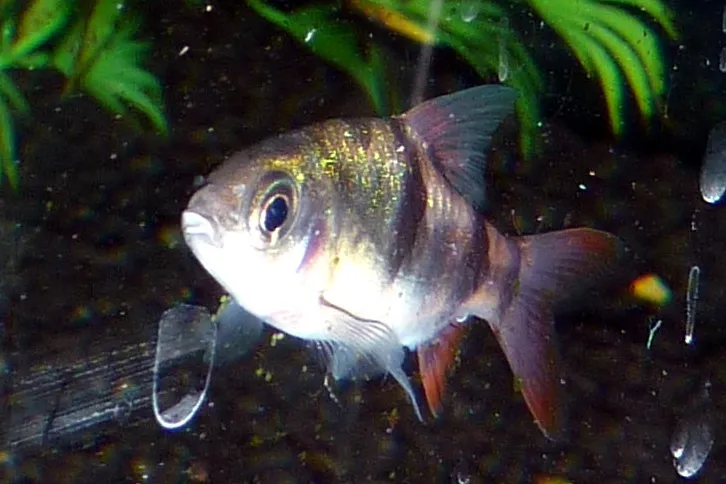
Everett's barb
Barbodes everetti
Also known as Kuching Spanner Barb
FreshwaterFish
Care at a glance
- Temperature
- 64–82°F
- 18–28°C
- pH
- 6.0–7.0
- Adult size
- 4.7 in
- 12 cm
- Minimum tank
- 40 gal
- 150 L
- Temperament
- Peaceful
- Social behavior
- Schooling
- Swim level
- Middle
- Diet
- Omnivore
- Difficulty
- Easy
- Breeding
- Egg scatterer
- Rarity
- Rare
- Family
- Cyprinidae
- Origin
- Borneo
Overview
Everett's barb is a large, active shoaling barb for a roomy tank with open water. It is easy to keep.
Did you know
Everett's barbs show their best color and behavior in a group. A tight shoal moves and feeds together across the tank.
Caring for the Everett's barb
Keep at least six Everett's barbs together to settle them and cut down on nipping. Kept alone or in twos, they tend to get nervous and may pick at fins out of stress. Their size and energy call for a long tank of 40 gal (150 L) or more.
Leave plenty of open swimming space, with some planted edges, since they like room to cruise. Keep the water soft, at 64 to 82°F (18 to 28°C) and a pH of 6.0 to 7.0. They tolerate a fairly wide temperature range.
Everett's barbs eat just about anything, so feed a varied mix of flake, pellets and the occasional live or frozen treat. Plant matter is part of their natural diet, so the odd vegetable or algae-based food helps too.
They are generally peaceful but busy, and they swim in the middle of the tank. Like most barbs, they scatter their eggs among plants and then ignore them, giving no parental care.
Good to know
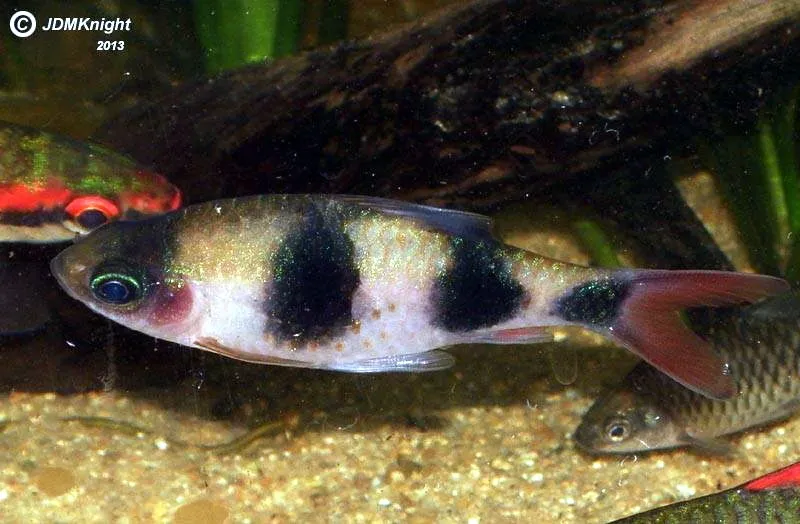
Everett's barb, Barbodes everetti, is a large barb in the family Cyprinidae. It has an orange body marked by dark blotches. It is also known as the clown barb or the Kuching spanner barb.
In the wild
Everett's barbs come from rivers and streams in Borneo. They move through soft, slightly acidic to neutral water over sand and rock, with wood and leaf litter around.
Weekly picks
Tank mates
The Everett's barb is a peaceful, schooling species that keeps to the middle. These picks share a community profile with it, are safe together in both directions, and overlap on water type, temperature and pH.
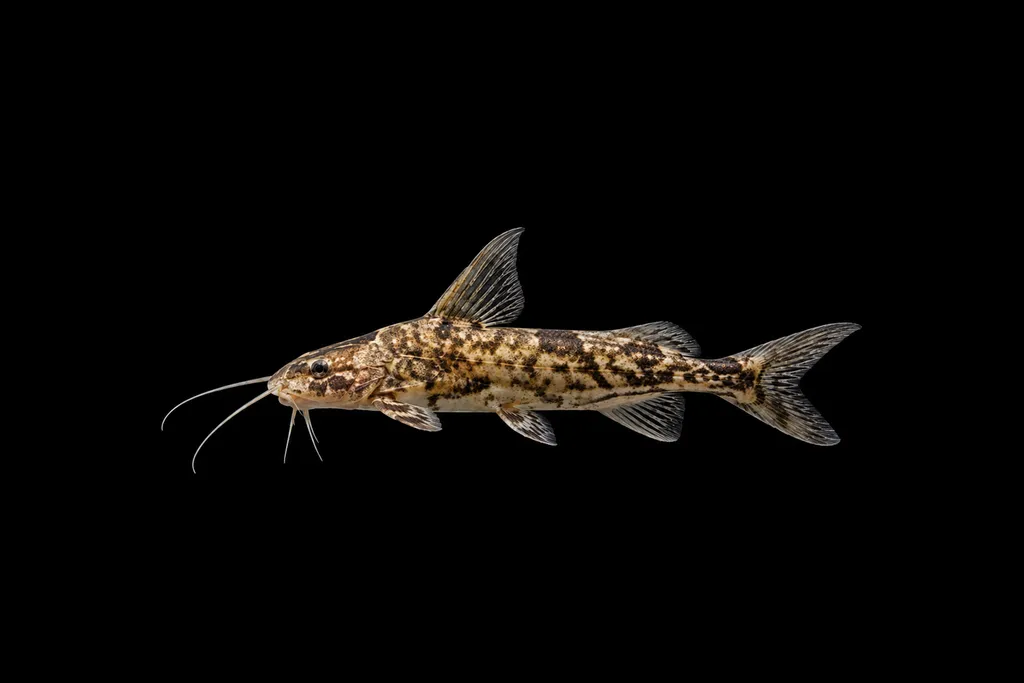
Marbled leiocassis
Leiocassis poeciloptera
Freshwater6.7 in (17 cm) · 40 gal (150 L)73–82°F (23–28°C)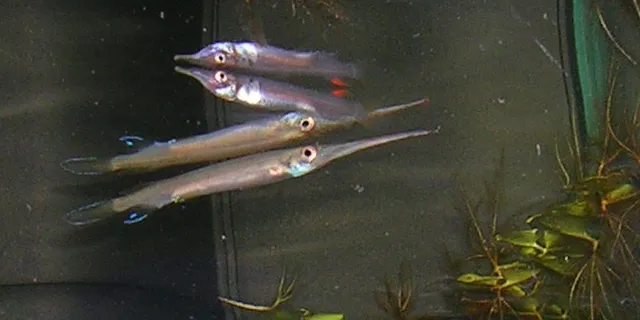
Forest halfbeak
Hemirhamphodon pogonognathus
Freshwater3.5 in (9 cm) · 34 gal (130 L)75–82°F (24–28°C)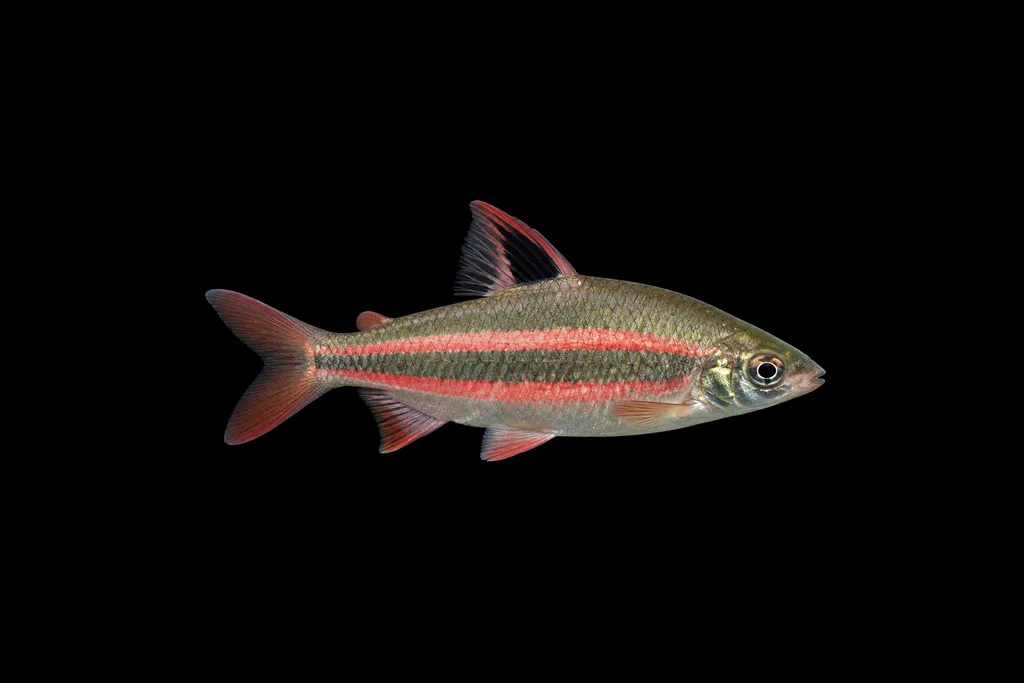
Noboli distichodus
Distichodus noboli
Freshwater7.5 in (19 cm) · 40 gal (150 L)73–82°F (23–28°C)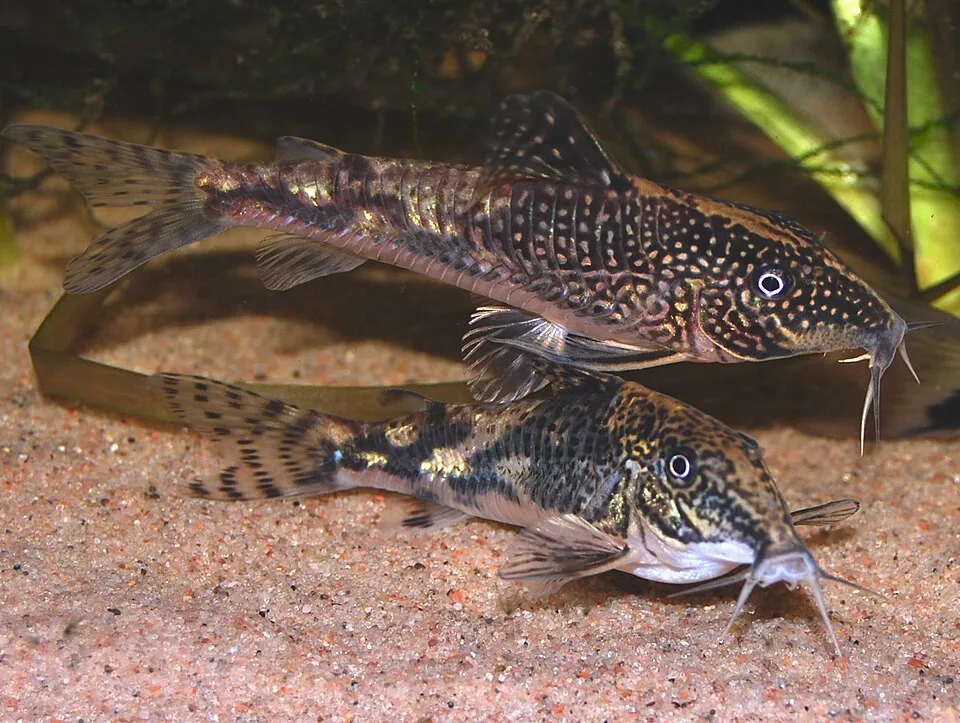
Banded cory
Scleromystax barbatus
Freshwater3.9 in (10 cm) · 40 gal (150 L)66–75°F (19–24°C)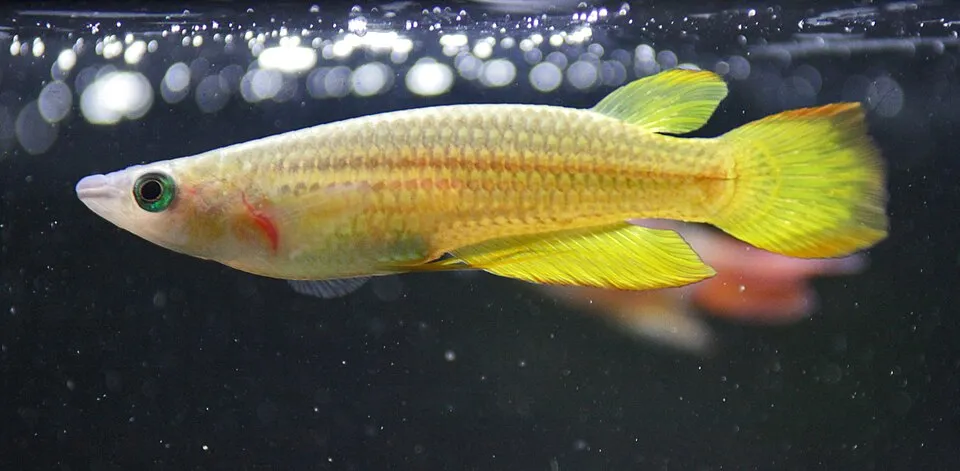
Striped panchax
Aplocheilus lineatus
Freshwater4.3 in (11 cm) · 30 gal (115 L)72–77°F (22–25°C)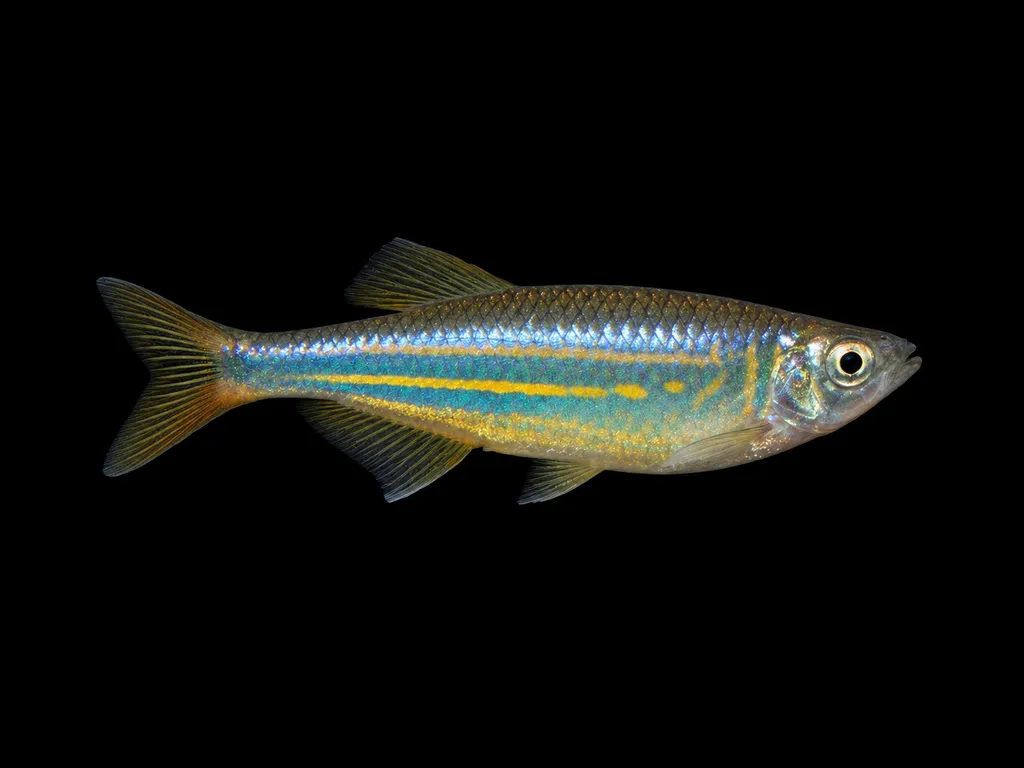
Annandale danio
Devario annandalei
Freshwater4.3 in (11 cm) · 42 gal (160 L)68–79°F (20–26°C)
Common questions
What size tank does an Everett's barb need?
An Everett's barb needs at least 40 gal (150 L). It spends most of its time in the middle.
What temperature and pH does an Everett's barb need?
An Everett's barb is comfortable at 64–82°F (18–28°C) with a pH of 6.0–7.0.
What does an Everett's barb eat?
An Everett's barb eats just about anything, such as flake, pellets and the occasional live or frozen treat. Plant matter is part of its natural diet, so add the odd vegetable or algae-based food.
How big does an Everett's barb get?
An adult Everett's barb reaches about 4.7 in (12 cm).
Does an Everett's barb need a group?
Yes. An Everett's barb is a schooling species and should be kept in a group, not singly.
How does an Everett's barb breed?
Everett's barbs scatter their eggs among plants and then ignore them. They give no parental care.
Related species
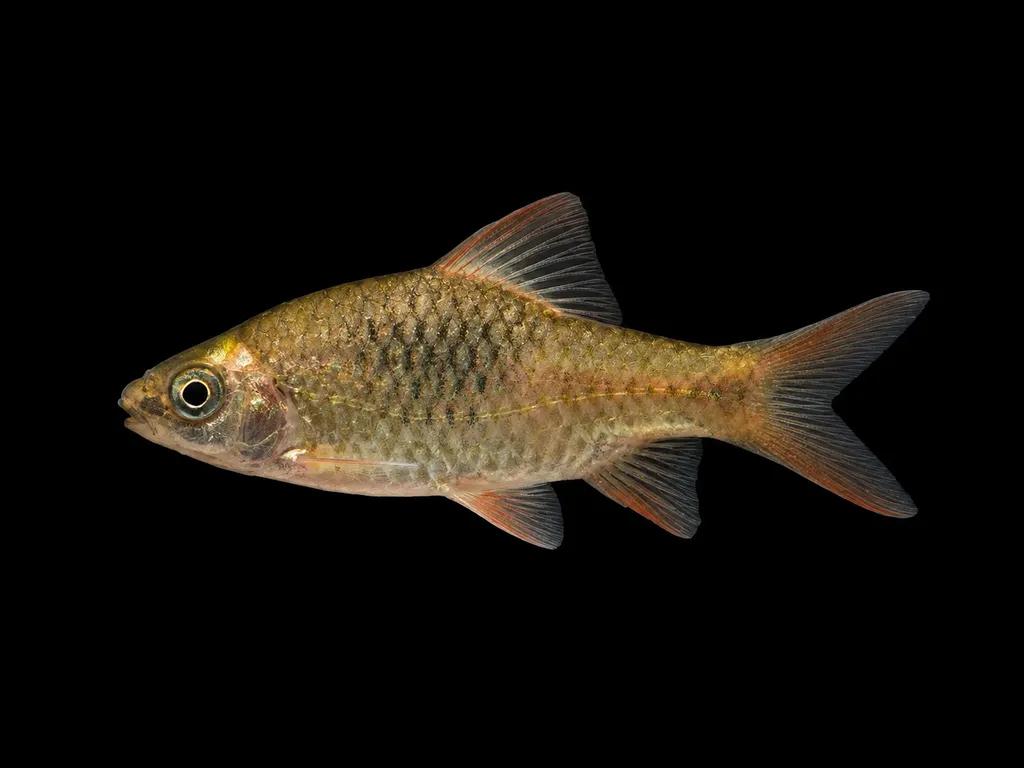 3.5 in (9 cm)29 gal (110 L)72–81°F (22–27°C)
Bunau barb
Barbodes bunau
3.5 in (9 cm) · 29 gal (110 L)
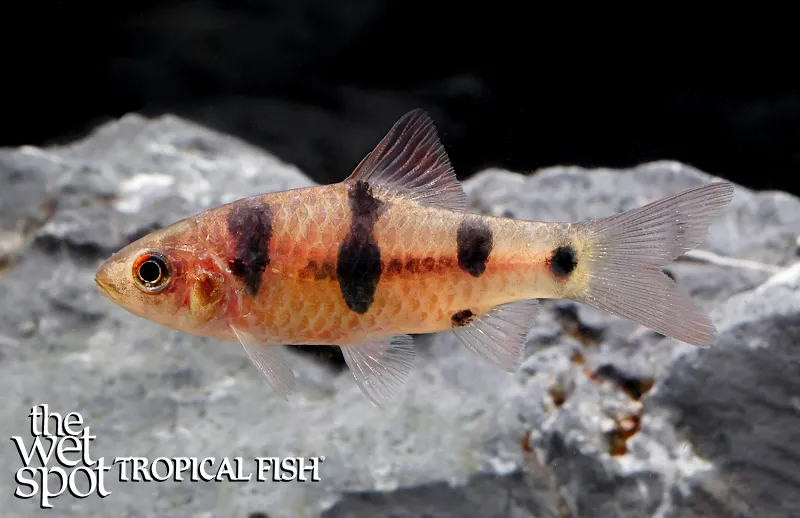 5.1 in (13 cm)53 gal (200 L)75–82°F (24–28°C)
Clown barb
Barbodes dunckeri
5.1 in (13 cm) · 53 gal (200 L)
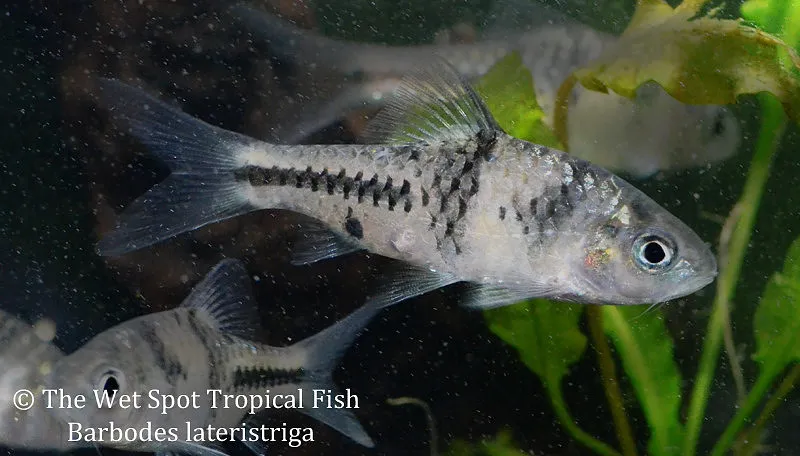 5.9 in (15 cm)74 gal (280 L)72–79°F (22–26°C)
Spanner barb
Barbodes lateristriga
5.9 in (15 cm) · 74 gal (280 L)
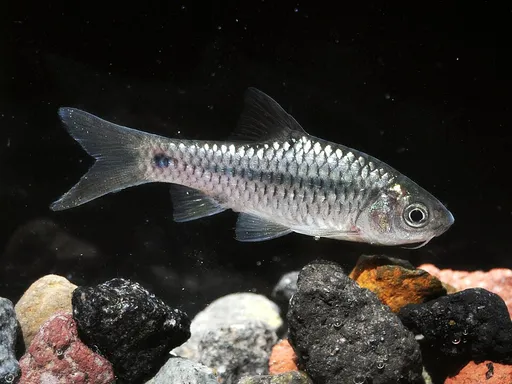 5.9 in (15 cm)63 gal (240 L)72–79°F (22–26°C)
Spotted barb
Barbodes binotatus
5.9 in (15 cm) · 63 gal (240 L)
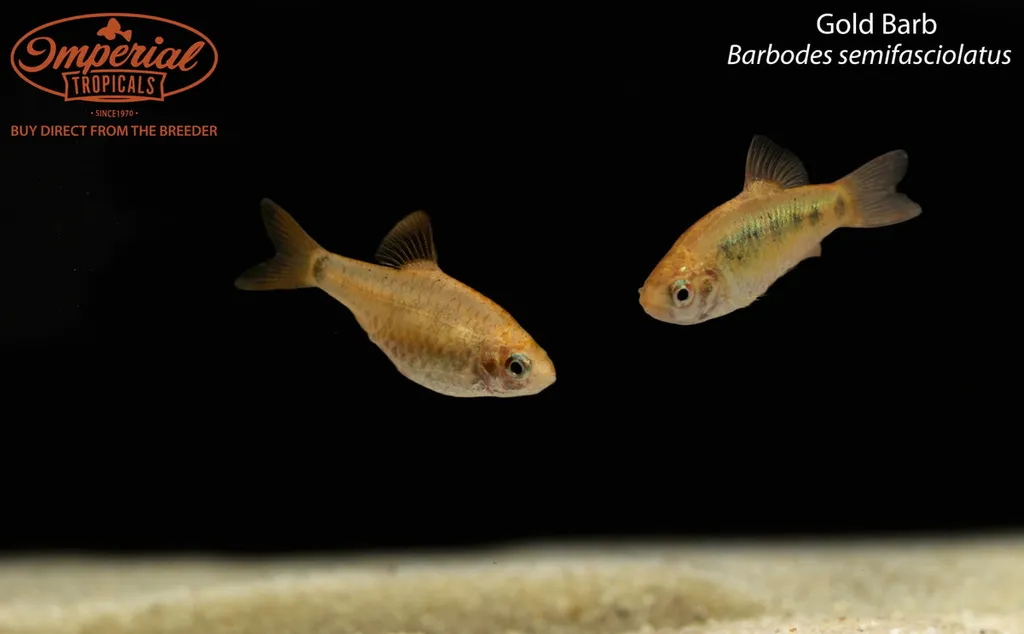 2.8 in (7 cm)20 gal (75 L)64–75°F (18–24°C)
Gold barb
Barbodes semifasciolatus
2.8 in (7 cm) · 20 gal (75 L)
 4.7 in (12 cm)37 gal (140 L)66–77°F (19–25°C)
Arulius barb
Dawkinsia arulius
4.7 in (12 cm) · 37 gal (140 L)