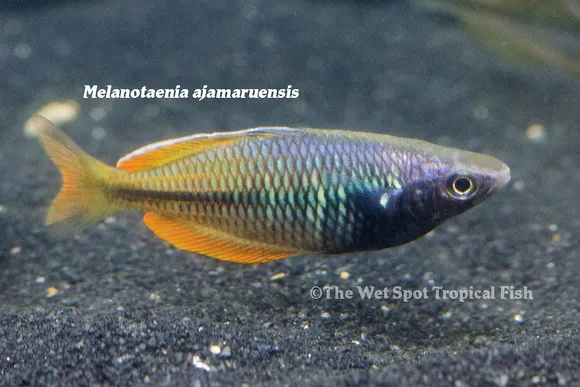
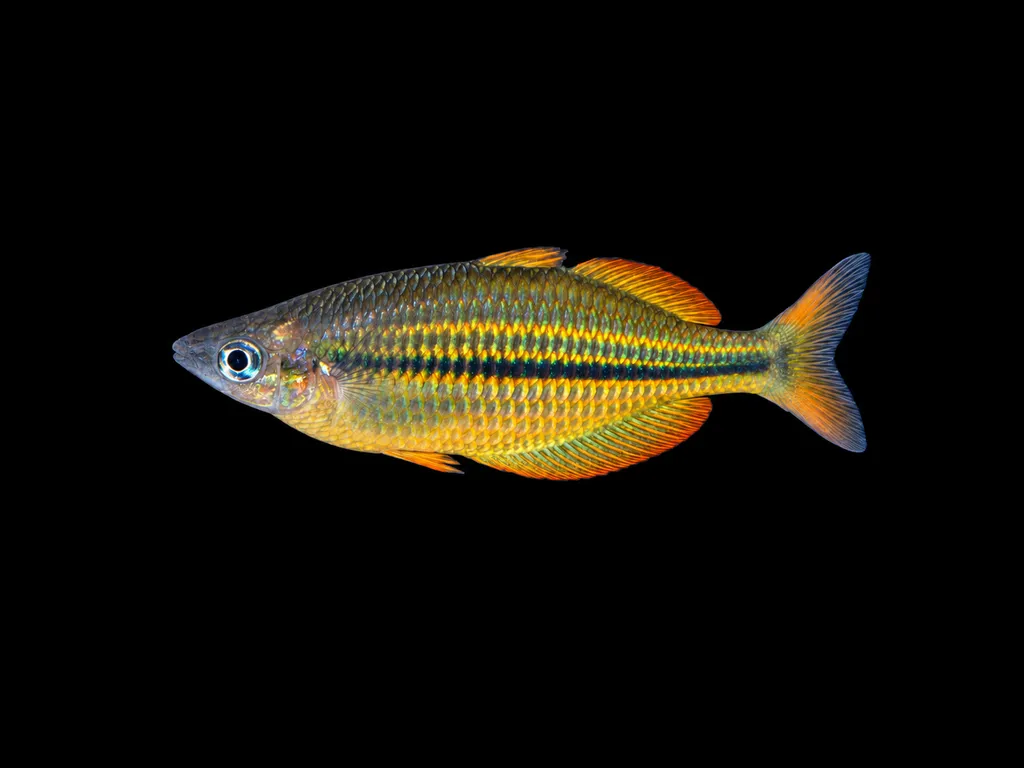
Ajamaru Lakes rainbowfish
Melanotaenia ajamaruensis
Also known as Ajamaru rainbowfish, Ajamaruensis rainbow
FreshwaterFish
Care at a glance
- Temperature
- 75–84°F
- 24–29°C
- pH
- 6.5–8.0
- Adult size
- 4.3 in
- 11 cm
- Minimum tank
- 42 gal
- 160 L
- Temperament
- Peaceful
- Social behavior
- Schooling
- Swim level
- Middle
- Diet
- Omnivore
- Difficulty
- Medium
- Breeding
- Egg depositor · Medium
- Rarity
- Rare
- Family
- Melanotaeniidae
- Origin
- Ajamaru Lakes region, Bird's Head Peninsula, West Papua, Indonesia
Overview
The Ajamaru Lakes rainbowfish is an active, peaceful schooling fish for the middle of a roomy community tank. It is best with a little experience.
Did you know
The Ajamaru Lakes rainbowfish was lost to science for decades. After it was collected in the 1950s it went unrecorded for many years and was feared gone. Fieldwork around 2007 found it surviving in the Ajamaru catchment, and most aquarium stock traces back to that rediscovery.
Caring for the Ajamaru Lakes rainbowfish
Keep Ajamaru Lakes rainbowfish in a group of at least six. A lone fish stays pale and skittish, while a school settles and colors up. A tank of 42 gal (160 L) or larger gives a starter school room to swim.
Plant the tank, leave open swimming lanes and add some water movement. Keep the water neutral to alkaline and moderately hard, at 75 to 84°F (24 to 29°C) and a pH of 6.5 to 8.0. Bright light triggers their morning display.
Feed a varied diet of quality flake and small granules. Add regular frozen or live foods such as bloodworm, daphnia and brine shrimp, plus some algae-based food.
They are peaceful and mix well with other calm community fish of a similar size. Avoid fish that nip fins or outcompete them for food. Males show best when they have rivals to display to.
Breeding them is of medium difficulty. A conditioned group deposits adhesive eggs onto fine-leaved plants or a spawning mop over several days. The main challenge is rearing the tiny fry on very fine foods.
Good to know
Melanotaenia ajamaruensis is a member of the rainbowfish family, Melanotaeniidae, described by Allen and Cross in 1980. It shares its lake plateau with the well-known Boeseman's rainbowfish. It also goes by the name Ajamaru rainbowfish.
In the wild
The Ajamaru Lakes rainbowfish comes from the Ajamaru plateau on the Bird's Head Peninsula of West Papua. This karst region has clear, mineral-rich water over limestone.
Weekly picks
Tank mates
The Ajamaru Lakes rainbowfish is a peaceful, schooling species that keeps to the middle. These picks share a community profile with it, are safe together in both directions, and overlap on water type, temperature and pH.
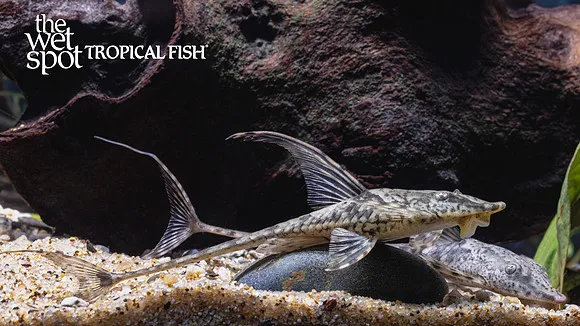
Dwarf royal twig catfish
Sturisomatichthys leightoni
Freshwater5.9 in (15 cm) · 42 gal (160 L)75–82°F (24–28°C)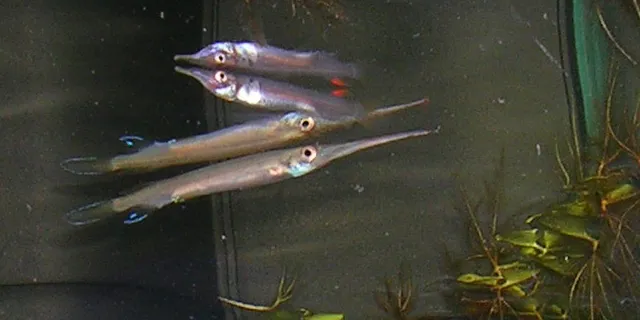
Forest halfbeak
Hemirhamphodon pogonognathus
Freshwater3.5 in (9 cm) · 34 gal (130 L)75–82°F (24–28°C)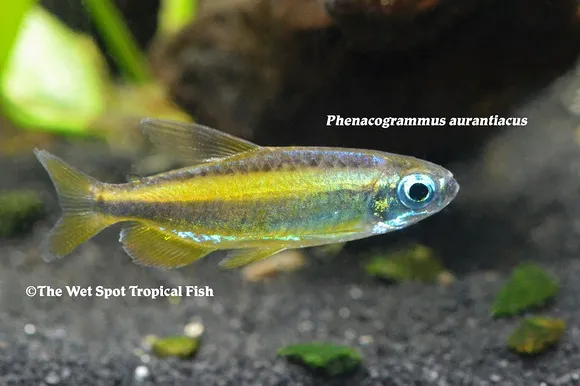
Orange Congo tetra
Phenacogrammus aurantiacus
Freshwater3.9 in (10 cm) · 42 gal (160 L)73–81°F (23–27°C)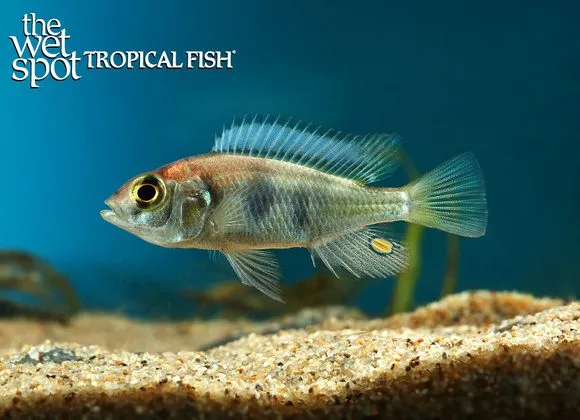
Mwanza dung hap
Enterochromis coprologus
Freshwater3.5 in (9 cm) · 42 gal (160 L)73–81°F (23–27°C)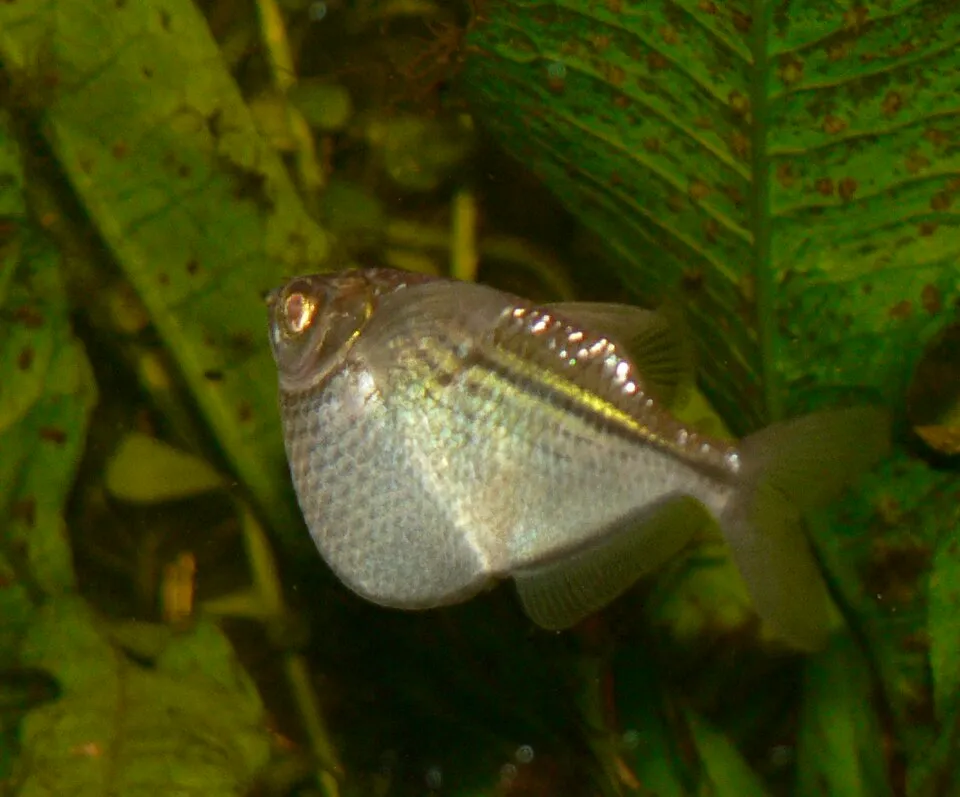
Common hatchetfish
Gasteropelecus sternicla
Freshwater1.6 in (4 cm) · 33 gal (125 L)68–82°F (20–28°C)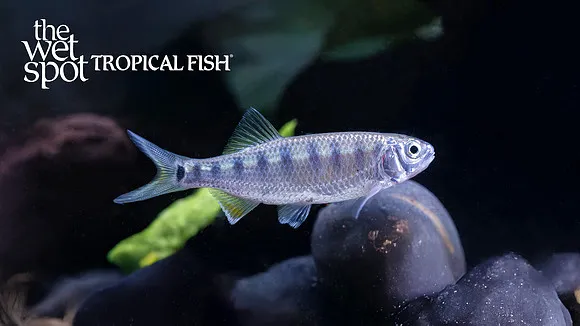
Bernatzik's baril
Opsarius bernatziki
Freshwater4.3 in (11 cm) · 42 gal (160 L)72–81°F (22–27°C)
Common questions
What size tank does an Ajamaru Lakes rainbowfish need?
An Ajamaru Lakes rainbowfish needs at least 42 gal (160 L). It spends most of its time in the middle.
What temperature and pH does an Ajamaru Lakes rainbowfish need?
An Ajamaru Lakes rainbowfish is comfortable at 75–84°F (24–29°C) with a pH of 6.5–8.0.
What does an Ajamaru Lakes rainbowfish eat?
An Ajamaru Lakes rainbowfish eats quality flake and small granules, with regular frozen or live foods such as bloodworm, daphnia and brine shrimp. Give it some algae-based food as well.
How big does an Ajamaru Lakes rainbowfish get?
An adult Ajamaru Lakes rainbowfish reaches about 4.3 in (11 cm).
Does an Ajamaru Lakes rainbowfish need a group?
Yes. An Ajamaru Lakes rainbowfish is a schooling species and should be kept in a group, not singly.
Related species
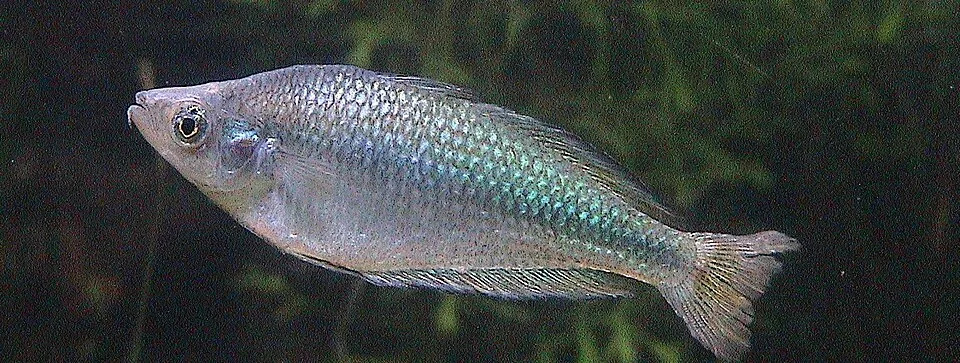 4.3 in (11 cm)30 gal (115 L)68–77°F (20–25°C)
Australian rainbowfish
Melanotaenia fluviatilis
4.3 in (11 cm) · 30 gal (115 L)
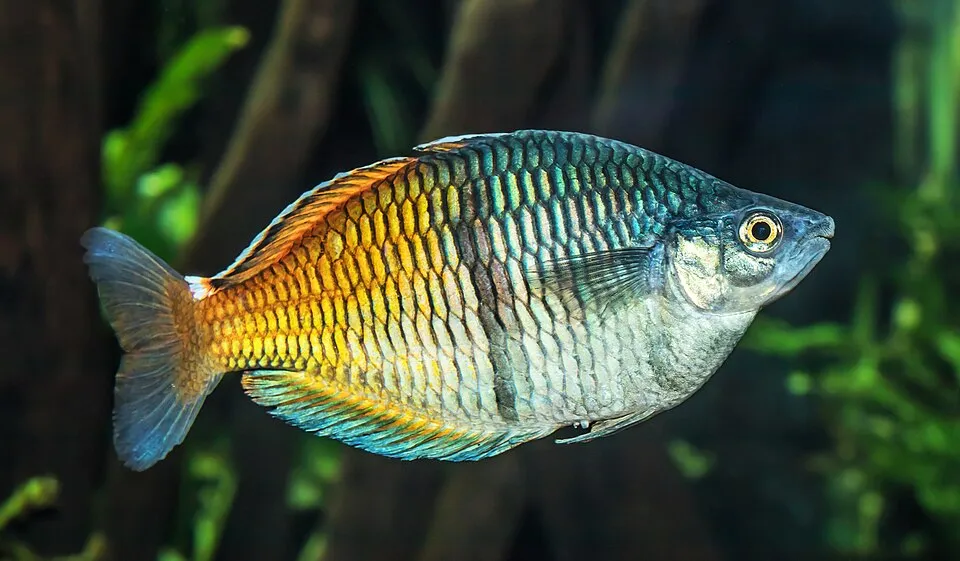 4.3 in (11 cm)30 gal (115 L)81–86°F (27–30°C)
Boeseman's rainbowfish
Melanotaenia boesemani
4.3 in (11 cm) · 30 gal (115 L)
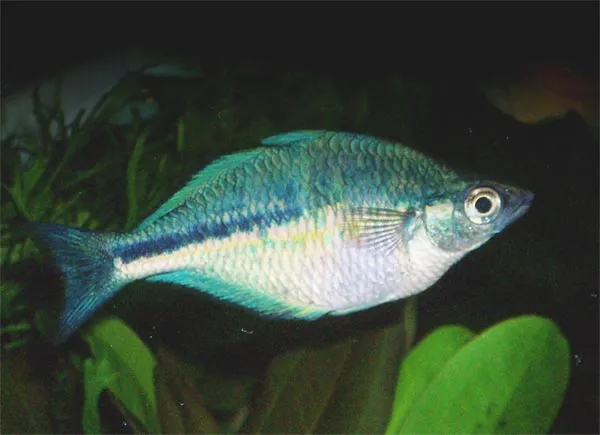 4.3 in (11 cm)29 gal (110 L)68–77°F (20–25°C)
Lake Kutubu rainbowfish
Melanotaenia lacustris
4.3 in (11 cm) · 29 gal (110 L)
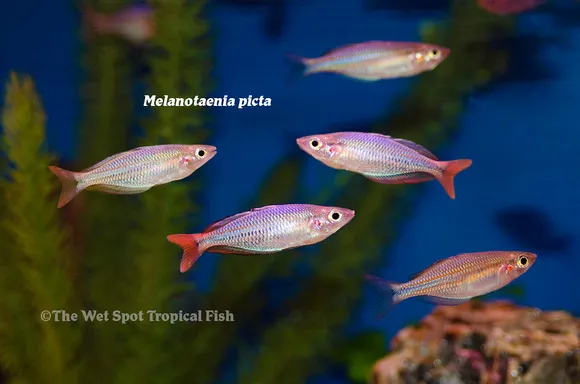 4.2 in (10.7 cm)29 gal (110 L)77–86°F (25–30°C)
Painted rainbowfish
Melanotaenia picta
4.2 in (10.7 cm) · 29 gal (110 L)
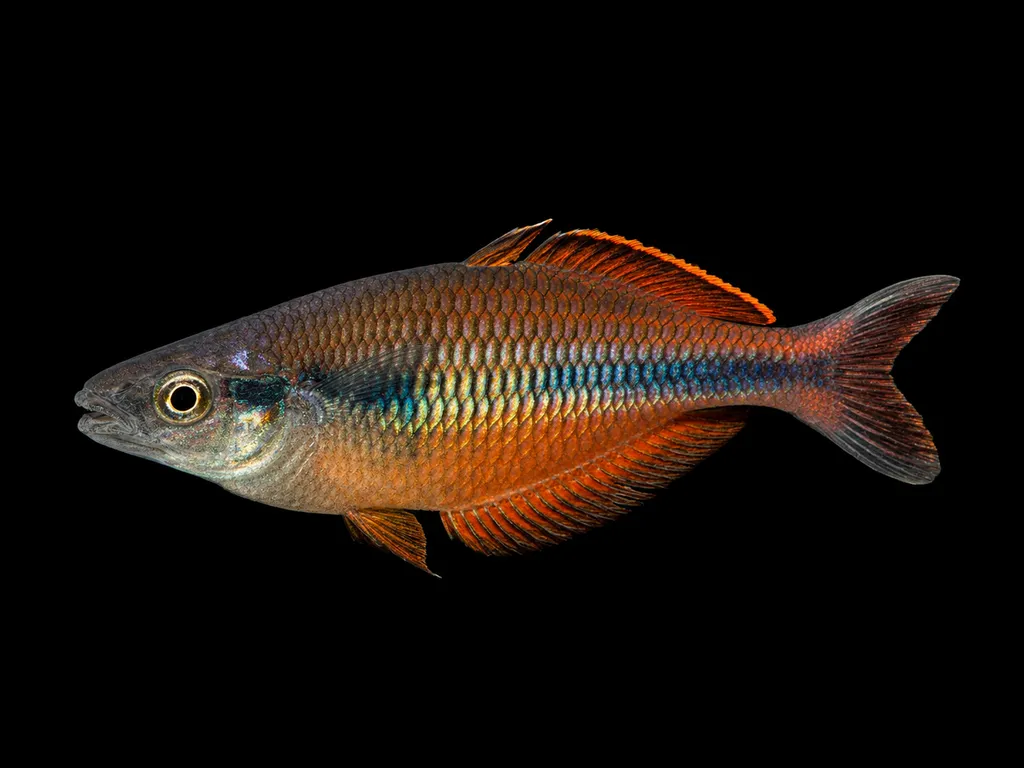 4.2 in (10.6 cm)42 gal (160 L)75–84°F (24–29°C)
Klasio rainbowfish
Melanotaenia klasioensis
4.2 in (10.6 cm) · 42 gal (160 L)
 4.6 in (11.7 cm)42 gal (160 L)77–86°F (25–30°C)
Ammer rainbowfish
Melanotaenia ammeri
4.6 in (11.7 cm) · 42 gal (160 L)