Blue-eyed livebearer
Priapella intermedia
Also known as Isthmian priapella, Mexican blue-eye
FreshwaterFish
Care at a glance
- Temperature
- 72–82°F
- 22–28°C
- pH
- 7.0–8.0
- Adult size
- 2.8 in
- 7 cm
- Minimum tank
- 24 gal
- 90 L
- Temperament
- Peaceful
- Social behavior
- Social
- Swim level
- Top
- Difficulty
- Medium
- Breeding
- Medium
- Rarity
- Rare
- Family
- Poeciliidae
- Origin
- Native to the Rio Coatzacoalcos basin in Veracruz and Oaxaca, Mexico, in clear, flowing, well oxygenated streams.
Overview
Keep a group in a longer tank of 90 liters or larger at 22 to 28 C, pH 7.0 to 8.0, in medium hard water with good flow and a secure lid. Feed floating foods such as flake and small frozen or freeze dried insects, since they feed near the surface. Peaceful and easily bullied, so give them calm tankmates or a species tank. They are sensitive to poor water, so keep up regular water changes.
In the wild
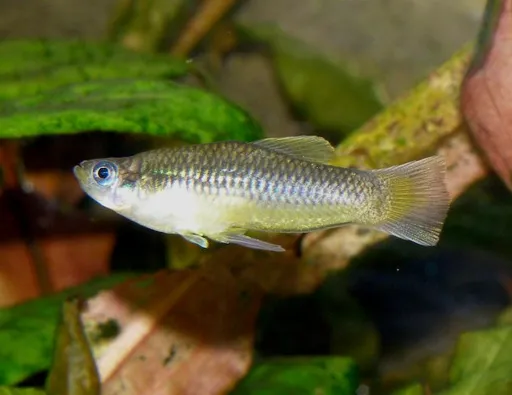
A slender, active livebearer whose main feature is a pair of brilliant sky blue eyes that glow against a plain silvery body. It comes from clear flowing streams, so it wants clean, oxygen rich water with current and a tight fitting lid, because it is a determined jumper. Keep a group in a longer planted tank with open surface swimming room. Feed floating and surface foods.
Good to know
Priapella intermedia is a livebearer in the guppy and swordtail family, reaching about 5 cm in males and 7 cm in females. Unlike many relatives the males do not chase and harass females but instead court them with displays. The vivid blue eyeshine comes from reflective tissue and is brightest in healthy fish.
Did you know
The electric blue eyes flash most brightly under good conditions, so a dull eye is often an early sign that something is wrong with the water or the fish.
Weekly picks
Tank mates
Blue-eyed livebearer is a peaceful, social species that keeps to the top. These picks share a community profile with it, are safe together in both directions, and overlap on water type, temperature and pH.
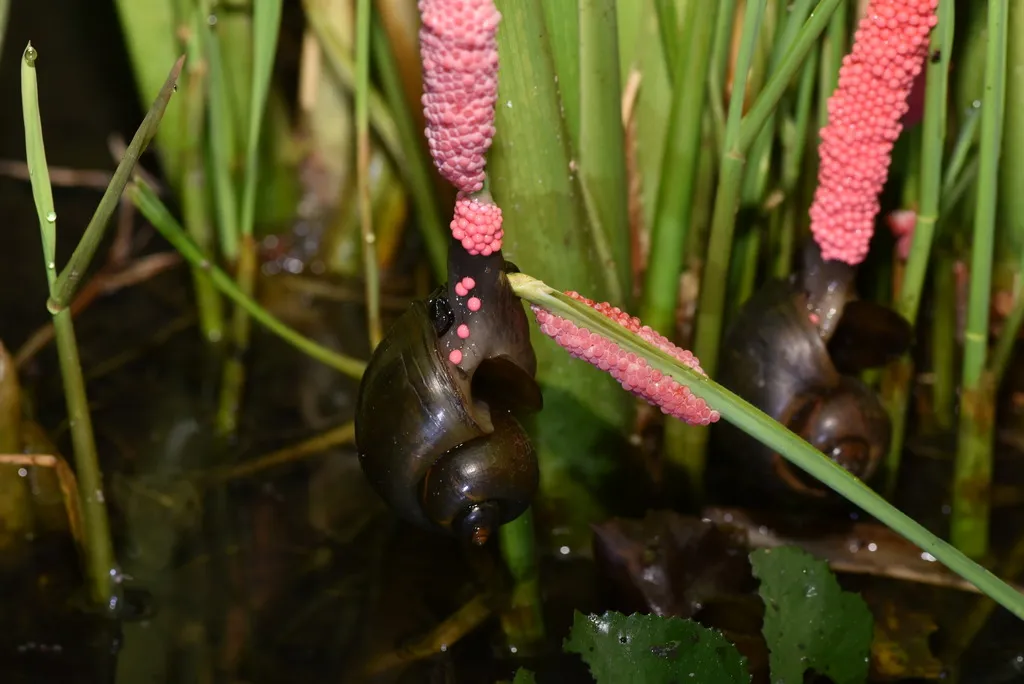
Apple snail
Pomacea canaliculata
Freshwater5.9 in (15 cm) · 21 gal (80 L)64–81°F (18–27°C)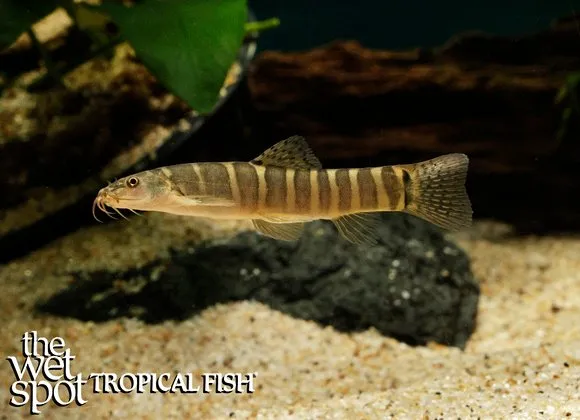
Koh Chang loach
Schistura kohchangensis
Freshwater3.5 in (9 cm) · 24 gal (90 L)72–81°F (22–27°C)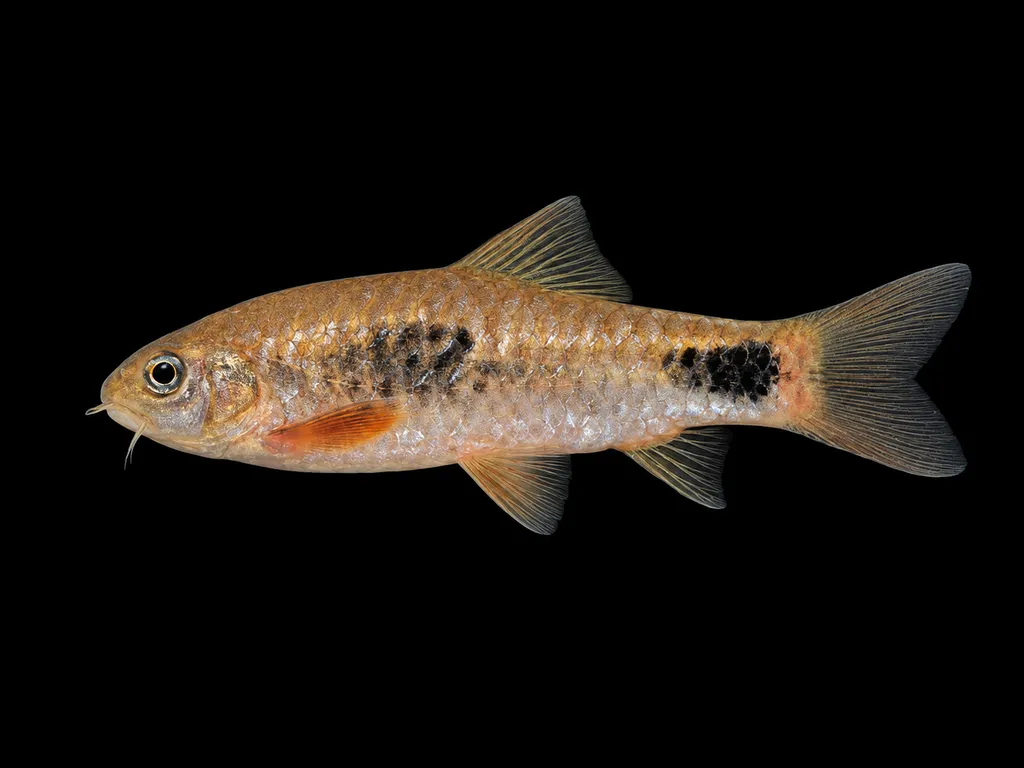
Cameroon barb
Enteromius camptacanthus
Freshwater3.9 in (10 cm) · 24 gal (90 L)72–81°F (22–27°C)Siamese flying barb
Laubuka siamensis
Freshwater2.6 in (6.5 cm) · 24 gal (90 L)72–81°F (22–27°C)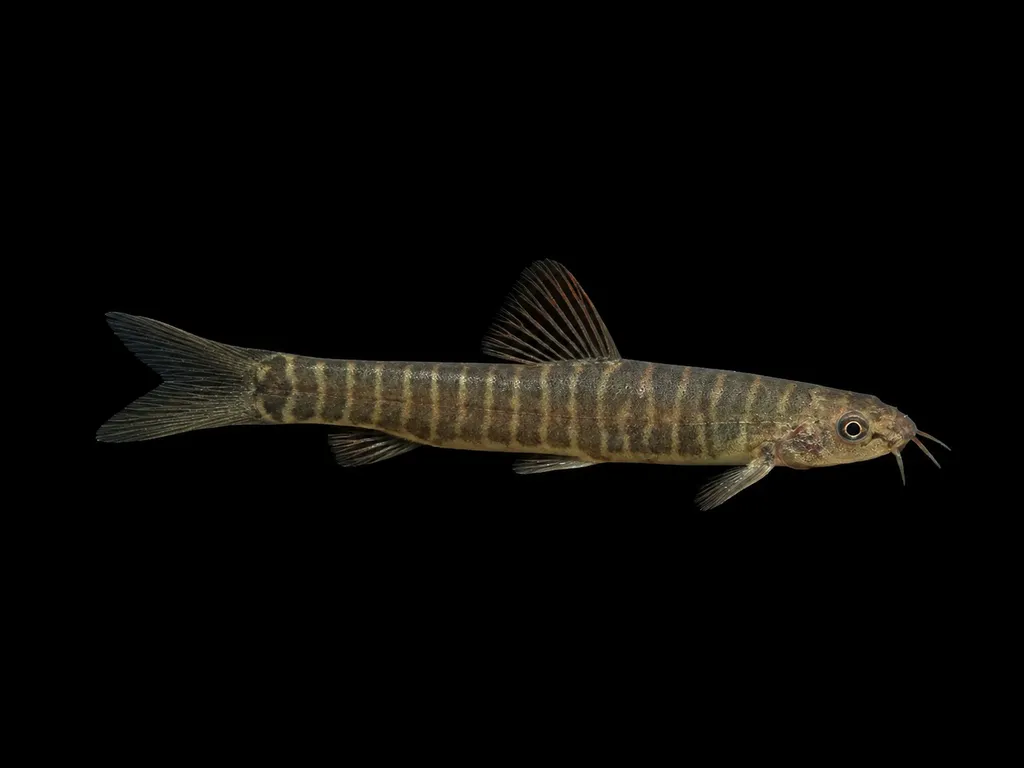
Flathead loach
Nemacheilus platiceps
Freshwater2.9 in (7.3 cm) · 24 gal (90 L)72–81°F (22–27°C)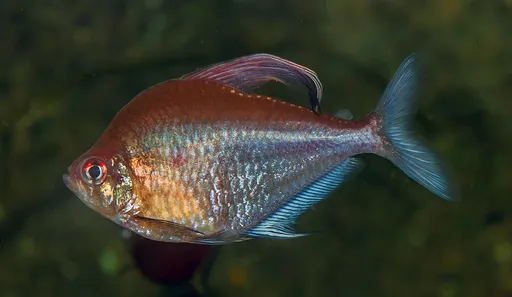
Lesser bleeding heart tetra
Hyphessobrycon socolofi
Freshwater2.2 in (5.6 cm) · 24 gal (90 L)73–82°F (23–28°C)
Common questions
What size tank does a Blue-eyed livebearer need?
A Blue-eyed livebearer needs at least 24 gal (90 L). It spends most of its time in the top.
What temperature and pH does a Blue-eyed livebearer need?
A Blue-eyed livebearer is comfortable at 72–82°F (22–28°C) with a pH of 7.0–8.0.
How big does a Blue-eyed livebearer get?
An adult Blue-eyed livebearer reaches about 2.8 in (7 cm).
Related species
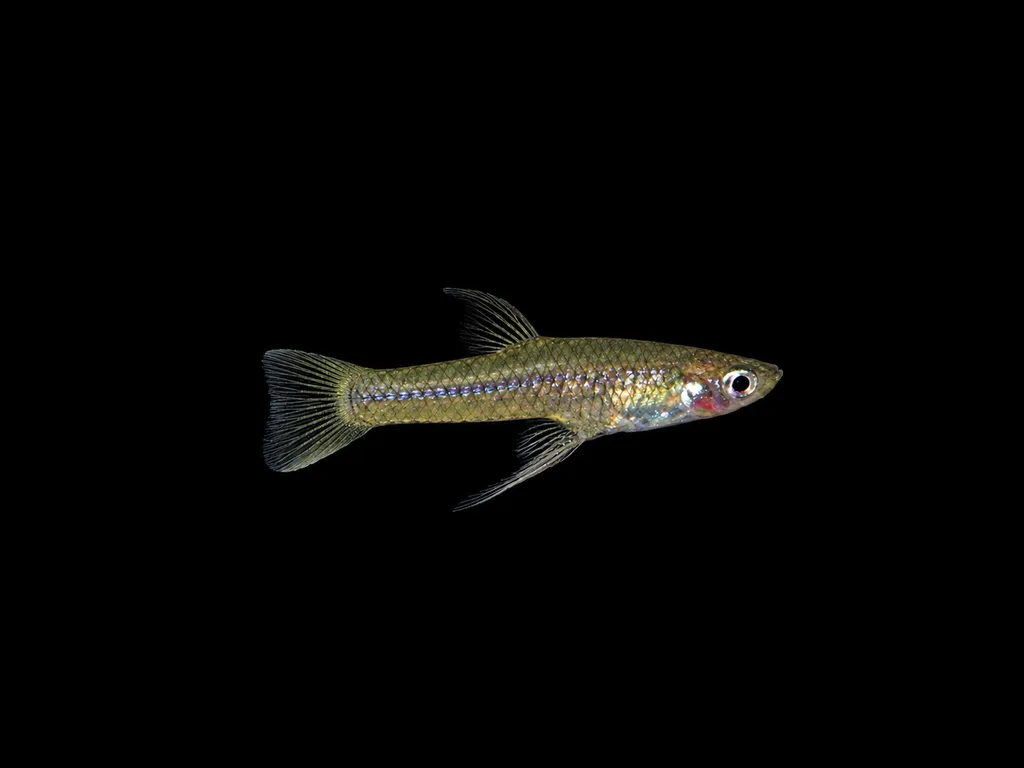 2.6 in (6.5 cm)11 gal (40 L)68–82°F (20–28°C)
Sicklefin livebearer
Girardinus falcatus
2.6 in (6.5 cm) · 11 gal (40 L)
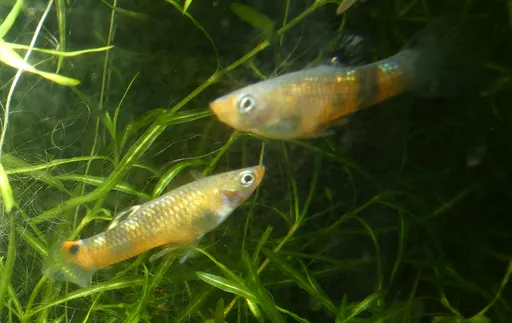 1.6 in (4 cm)16 gal (60 L)72–82°F (22–28°C)
Scarlet livebearer
Micropoecilia picta
1.6 in (4 cm) · 16 gal (60 L)
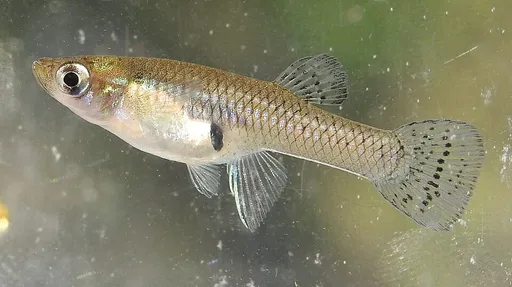 3.1 in (8 cm)11 gal (40 L)59–84°F (15–29°C)
Eastern mosquitofish
Gambusia holbrooki
3.1 in (8 cm) · 11 gal (40 L)
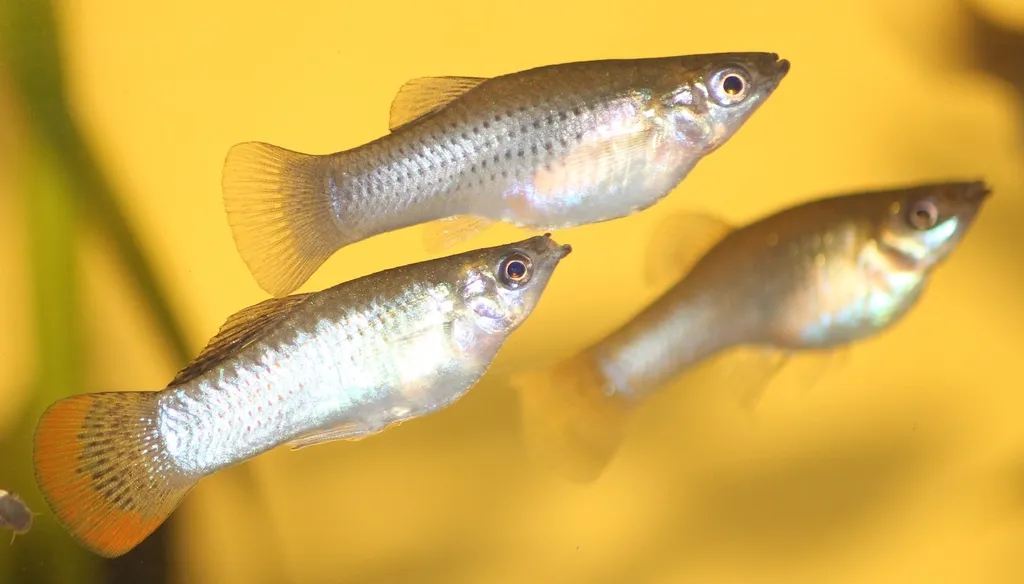 2.8 in (7 cm)29 gal (110 L)72–81°F (22–27°C)
Pacific molly
Poecilia butleri
2.8 in (7 cm) · 29 gal (110 L)
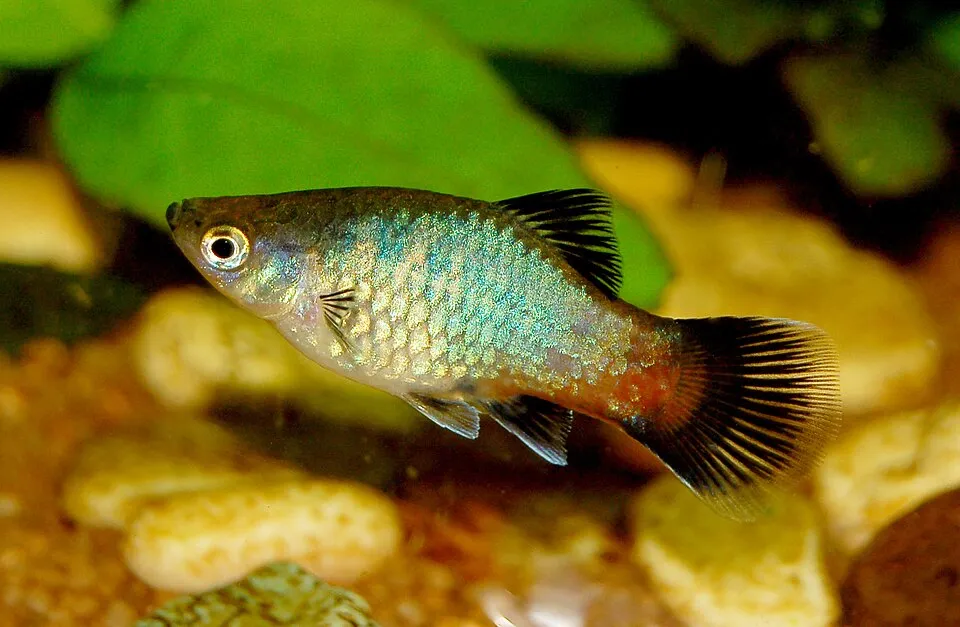 2.8 in (7 cm)15 gal (55 L)68–79°F (20–26°C)
Southern platy
Xiphophorus maculatus
2.8 in (7 cm) · 15 gal (55 L)
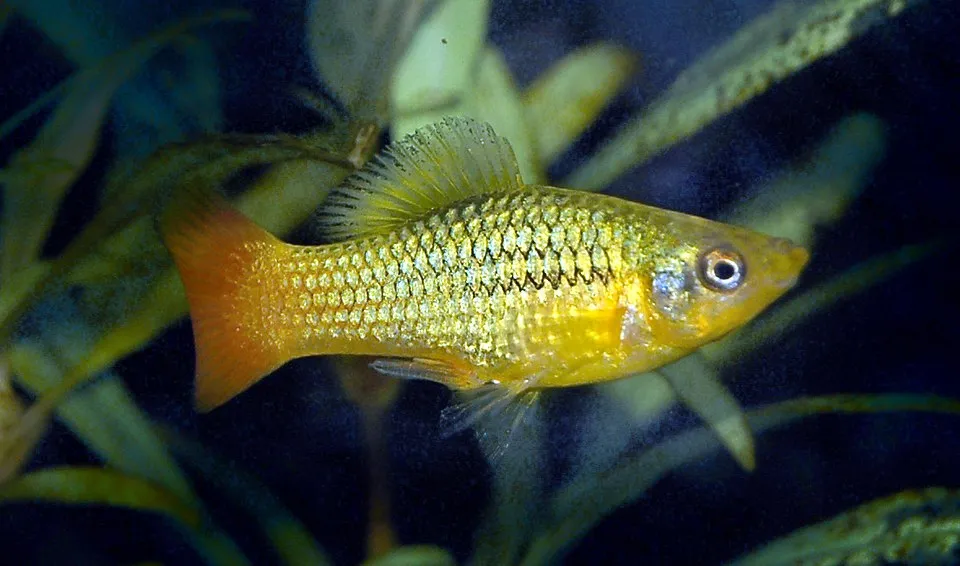 2.8 in (7 cm)15 gal (55 L)68–79°F (20–26°C)
Variable platy
Xiphophorus variatus
2.8 in (7 cm) · 15 gal (55 L)