Vermiculated squeaker
Synodontis schoutedeni
Also known as Schoutedeni catfish
FreshwaterFish
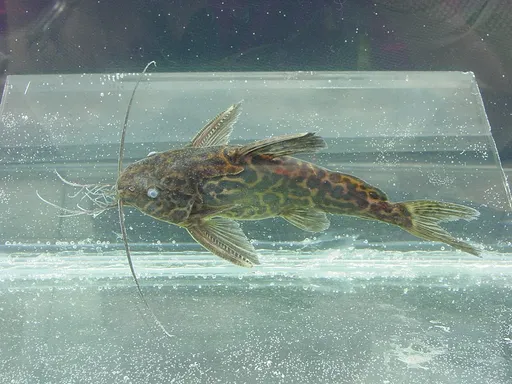
Care at a glance
- Temperature
- 72–81°F
- 22–27°C
- pH
- 6.0–7.5
- Adult size
- 5.9 in
- 15 cm
- Minimum tank
- 24 gal
- 90 L
- Temperament
- Mostly peaceful
- Social behavior
- Social
- Swim level
- Bottom
- Difficulty
- Easy
- Breeding
- No record
- Rarity
- Common
- Family
- Mochokidae
- Origin
- Congo River basin, Democratic Republic of the Congo (central Africa)
Overview
You can keep one on its own or a small group of three or more, as long as there are enough hiding spots to go around. They are mostly peaceful and only mildly territorial over a favored retreat, not aggressive. Keep them at 22 to 27 C with a pH from 6 to 7.5, and go gentle on water changes since they react badly to large swings and raw tap water. They are omnivores that take most foods, but they bloat easily, so feed dried foods sparingly and lean on vegetable matter and frozen or live treats. House them with calm to moderately lively community fish that are too big to swallow, over about 5 cm, and skip aggressive Rift Lake cichlids.
In the wild
Vermiculated squeakers come from the Congo River basin in the Democratic Republic of the Congo, in central Africa. They live along the bottom, rummaging and rasping at the substrate, so give them soft sand or a smooth surface that won't scratch their barbels. Keep them in a tank of at least 90 liters with dim lighting and plenty of caves, driftwood, and rockwork so each fish has its own retreat. Water should sit between 22 and 27 C, soft to moderately hard, with a pH of 6 to 7.5.
Good to know
This is an African squeaker catfish in the family Mochokidae. It tops out around 13 to 15 cm in the hobby, though FishBase lists a wild maximum closer to 17 cm. In the wild it's a seasonal egg scatterer with no parental care, and commercial or home breeding is barely documented, so don't expect to spawn it in a tank.
Did you know
The squeaker name is literal. These catfish can produce an audible squeak or croak by working the bony base of their pectoral fins against the shoulder socket, and you can sometimes hear it when one is netted or handled.
Weekly picks
Tank mates
Vermiculated squeaker is a mostly peaceful, social species that keeps to the bottom. These picks share a community profile with it, are safe together in both directions, and overlap on water type, temperature and pH.
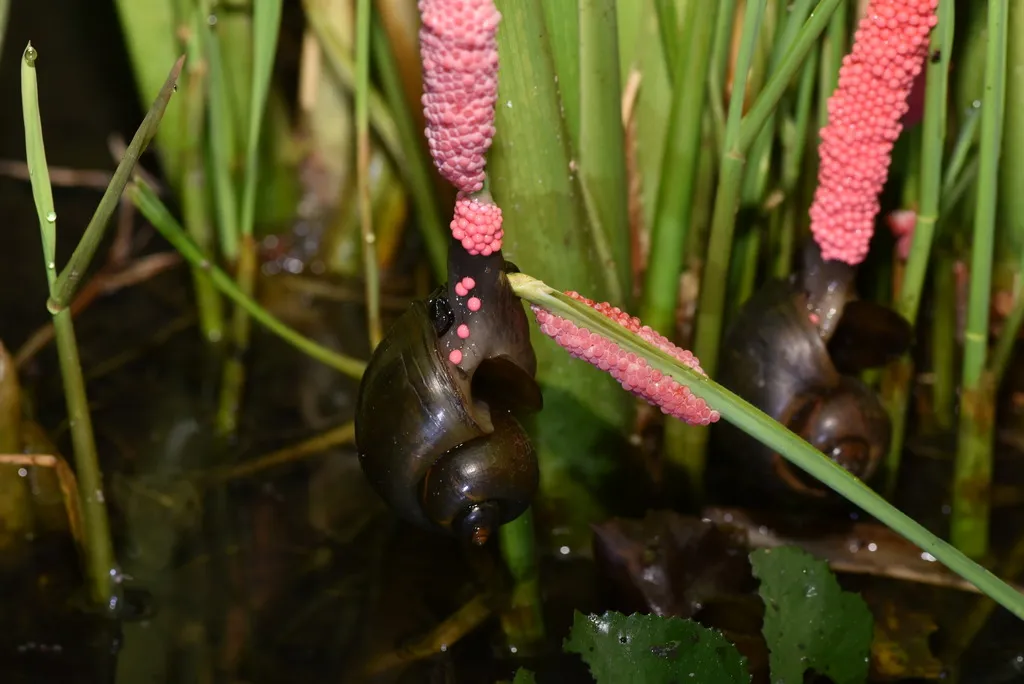
Apple snail
Pomacea canaliculata
Freshwater5.9 in (15 cm) · 21 gal (80 L)64–81°F (18–27°C)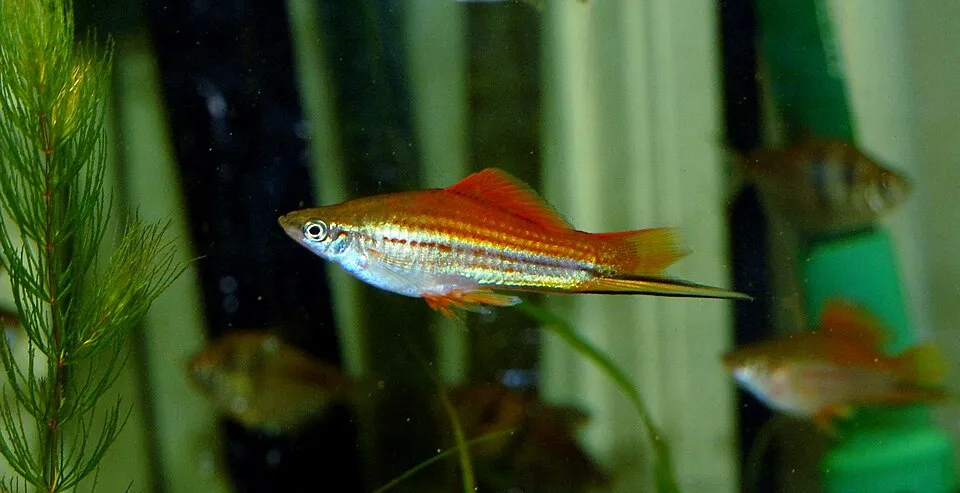
Green swordtail
Xiphophorus hellerii
Freshwater5.9 in (15 cm) · 24 gal (90 L)68–82°F (20–28°C)Siamese flying barb
Laubuka siamensis
Freshwater2.6 in (6.5 cm) · 24 gal (90 L)72–81°F (22–27°C)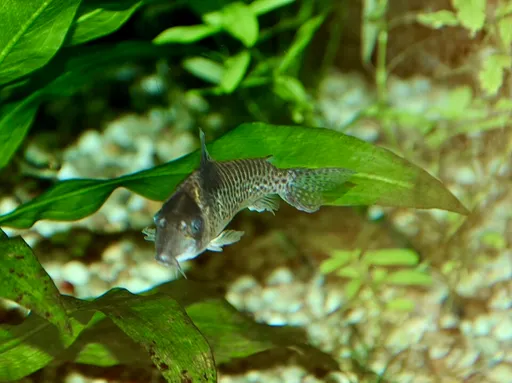
Agassiz's cory
Brochis agassizii
Freshwater2.8 in (7 cm) · 24 gal (90 L)72–79°F (22–26°C)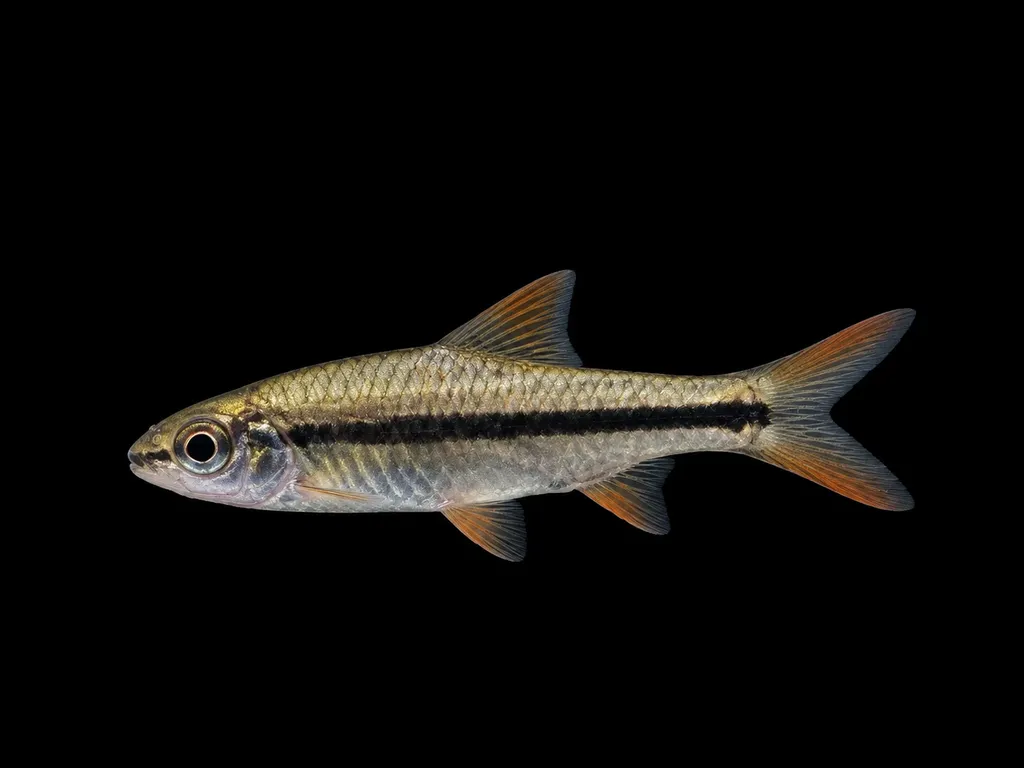
Martorell's barb
Enteromius martorelli
Freshwater3.5 in (9 cm) · 24 gal (90 L)72–81°F (22–27°C)
Wrestling halfbeak
Dermogenys pusilla
FreshwaterBrackish2.8 in (7 cm) · 25 gal (95 L)75–82°F (24–28°C)
Common questions
What size tank does a Vermiculated squeaker need?
A Vermiculated squeaker needs at least 24 gal (90 L). It spends most of its time in the bottom.
What temperature and pH does a Vermiculated squeaker need?
A Vermiculated squeaker is comfortable at 72–81°F (22–27°C) with a pH of 6.0–7.5.
How big does a Vermiculated squeaker get?
An adult Vermiculated squeaker reaches about 5.9 in (15 cm).
Related species
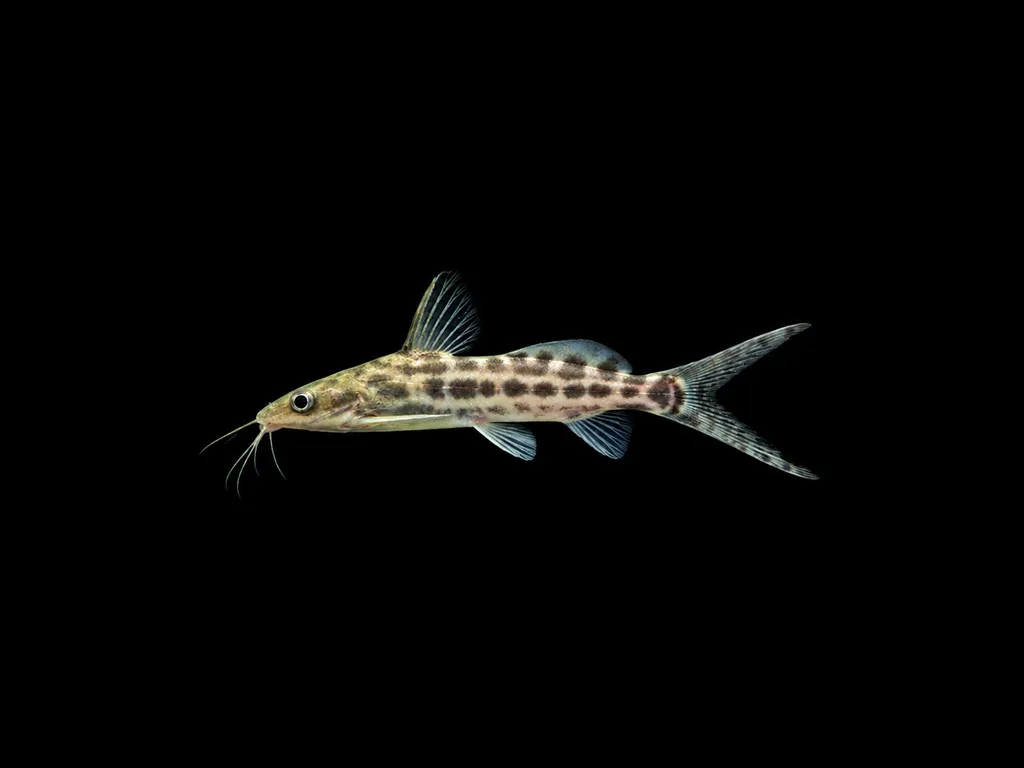 6.1 in (15.5 cm)66 gal (250 L)73–81°F (23–27°C)
Scissortail squeaker
Synodontis soloni
6.1 in (15.5 cm) · 66 gal (250 L)
 6.3 in (16 cm)50 gal (190 L)72–79°F (22–26°C)
Brichard's synodontis
Synodontis brichardi
6.3 in (16 cm) · 50 gal (190 L)
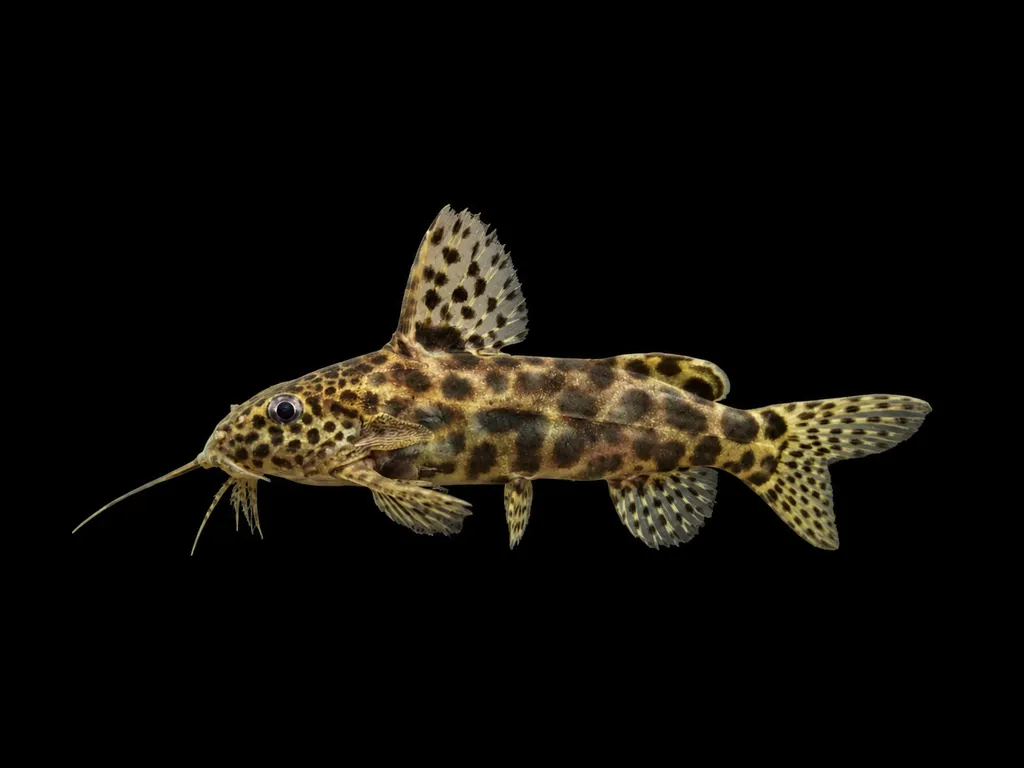 6.3 in (16 cm)66 gal (250 L)73–81°F (23–27°C)
Cheetah squeaker
Synodontis waterloti
6.3 in (16 cm) · 66 gal (250 L)
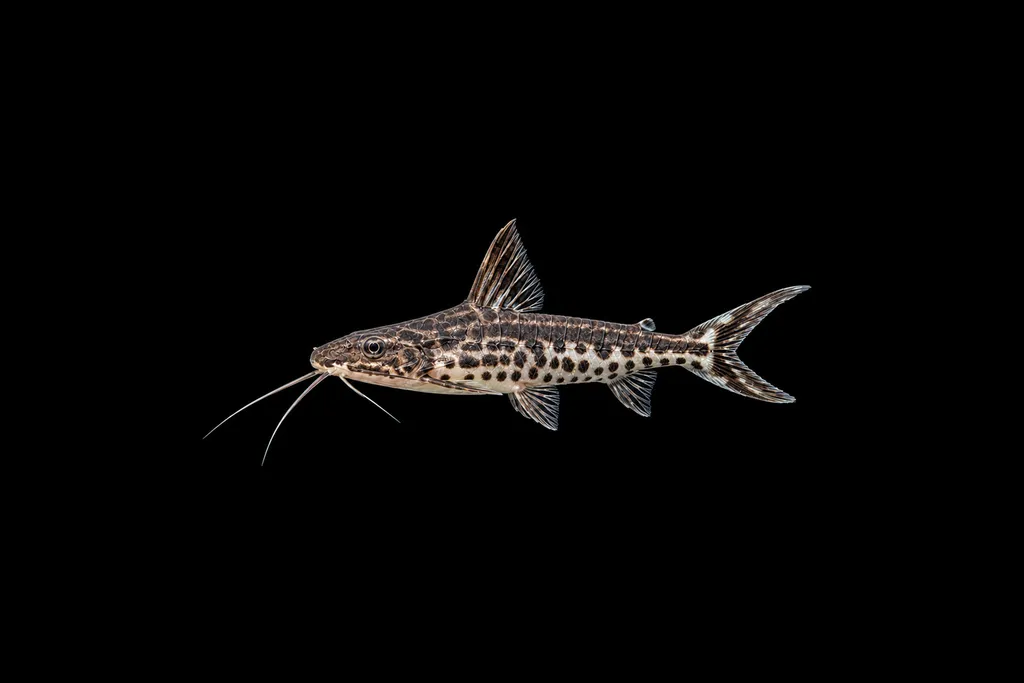 4.9 in (12.5 cm)53 gal (200 L)73–81°F (23–27°C)
Serpentis squeaker
Synodontis serpentis
4.9 in (12.5 cm) · 53 gal (200 L)
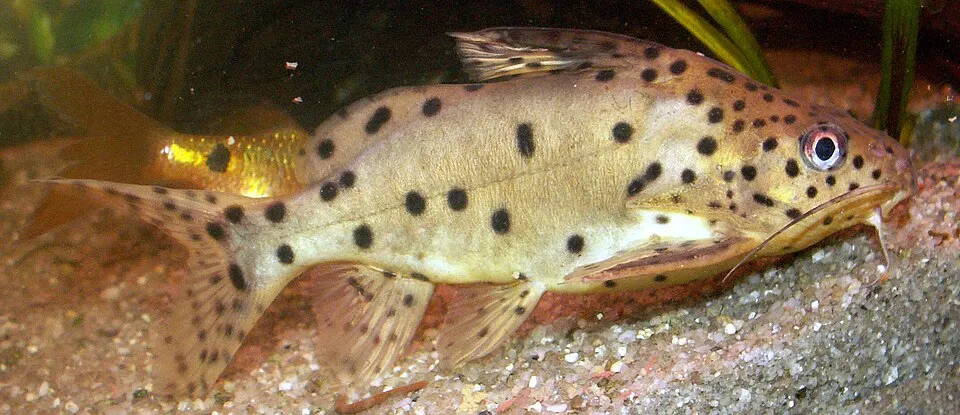 7.5 in (19 cm)40 gal (150 L)73–82°F (23–28°C)
Lake Malawi syno
Synodontis njassae
7.5 in (19 cm) · 40 gal (150 L)
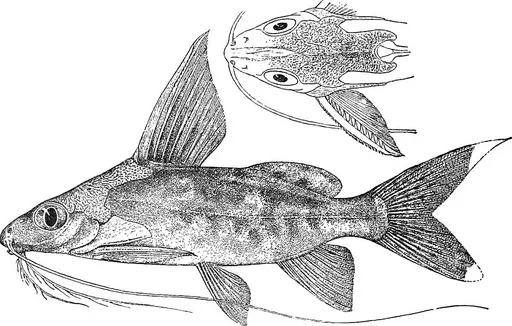 7.9 in (20 cm)40 gal (150 L)72–79°F (22–26°C)
Bigeye squeaker
Synodontis alberti
7.9 in (20 cm) · 40 gal (150 L)