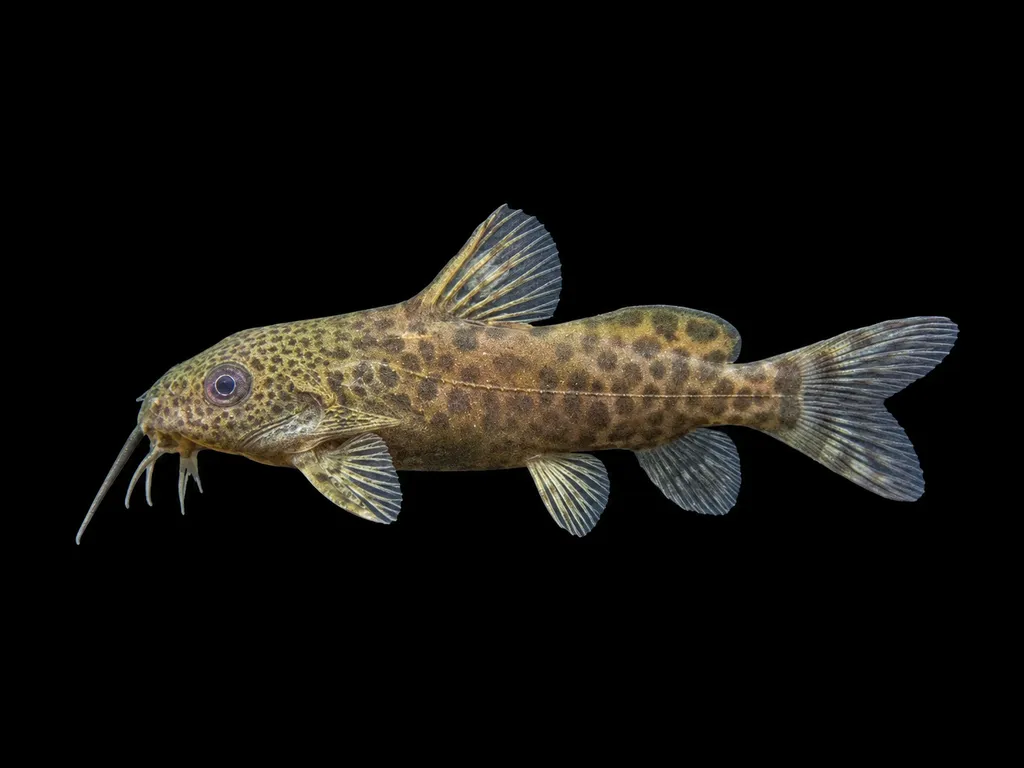
Brichard's synodontis
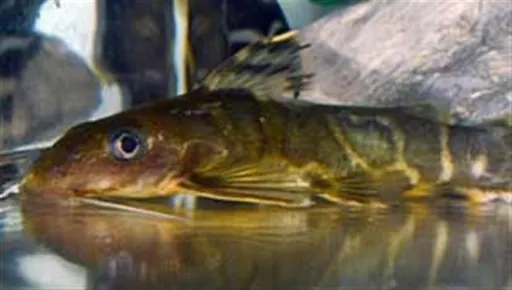
Synodontis brichardi
Also known as Brichardi catfish, Striped squeaker
FreshwaterFish
Care at a glance
- Temperature
- 72–79°F
- 22–26°C
- pH
- 6.5–7.8
- Adult size
- 6.3 in
- 16 cm
- Minimum tank
- 29 gal
- 110 L
- Temperament
- Mostly peaceful
- Social behavior
- Social
- Swim level
- Bottom
- Difficulty
- Medium
- Breeding
- No record
- Rarity
- Rare
- Family
- Mochokidae
- Origin
- Found in the rapids of the lower Congo River in Central Africa.
Overview
Brichard's synodontis is a handsome, mostly peaceful catfish for a tank with fast flow. It needs the right setup, which makes it a fish for keepers with some experience.
Did you know
Brichard's synodontis comes from the same violent Congo rapids as many prized cichlids. Its striped, streamlined shape is an adaptation to holding position in water moving too fast for most fish.
Caring for the Brichard's synodontis
Give a Brichard's synodontis a tank of at least 29 gal (110 L), with strong water movement. A powerhead or two for current, smooth rounded rocks to graze and a sandy floor suit it.
It needs clean, well oxygenated water at 72 to 79°F (22 to 26°C), with a pH of 6.5 to 7.8. Feed algae wafers, spirulina, sinking pellets and some frozen foods.
It is mostly peaceful, but it can be territorial with other bottom catfish, so give it space. It mixes fine with robust tank mates that like current, and it is fine alone or in a group. It has not been bred in home aquariums.
Good to know
Brichard's synodontis is a mochokid with bold black and white horizontal stripes, which set it apart from most squeakers. Unlike its more omnivorous relatives, it grazes biofilm, algae and aufwuchs off stones with a sucker-like mouth. It is also sold as the striped squeaker or the Brichardi catfish.
In the wild
Brichard's synodontis is a rapids specialist from the lower Congo. It clings to rocks in fast, highly oxygenated white water.
Weekly picks
Tank mates
The Brichard's synodontis is a mostly peaceful, social species that keeps to the bottom. These picks share a community profile with it, are safe together in both directions, and overlap on water type, temperature and pH.
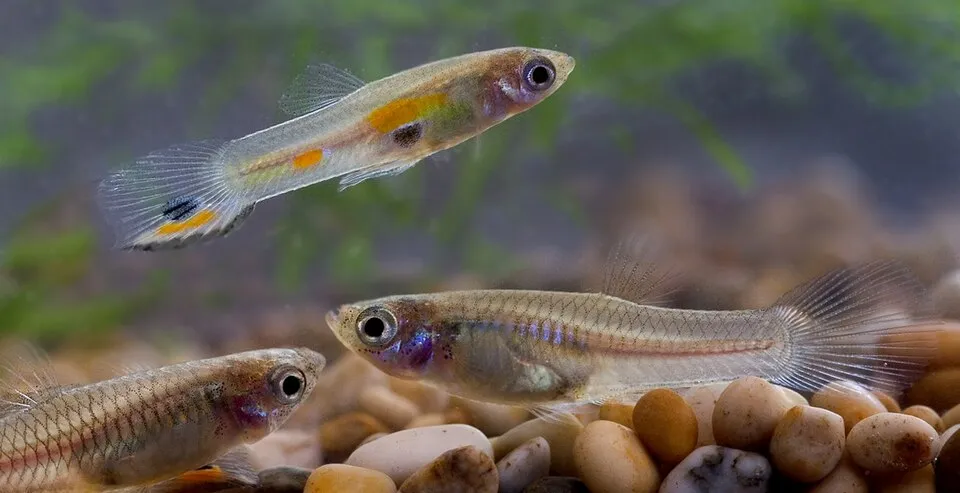
Guppy
Poecilia reticulata
FreshwaterBrackish2.4 in (6 cm) · 10 gal (38 L)64–82°F (18–28°C)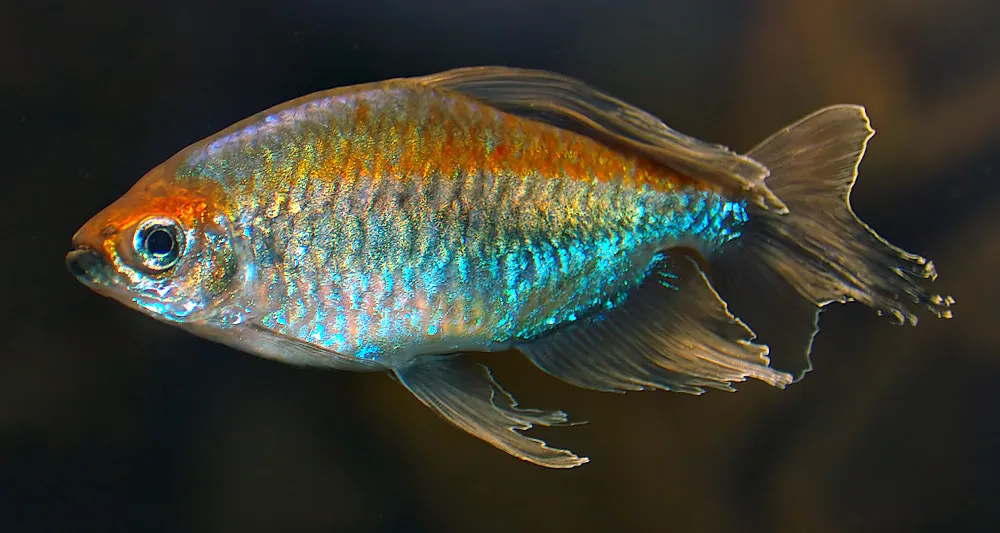
Congo tetra
Phenacogrammus interruptus
Freshwater3.1 in (8 cm) · 24 gal (90 L)73–82°F (23–28°C)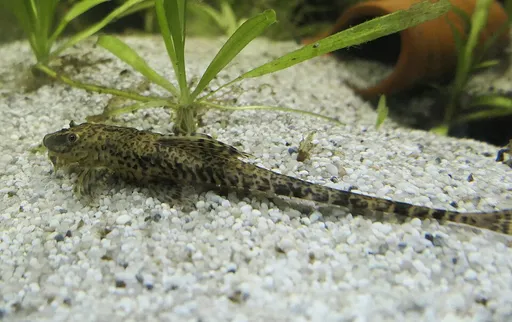
Red lizard whiptail
Rineloricaria lanceolata
Freshwater3.9 in (10 cm) · 24 gal (90 L)77–82°F (25–28°C)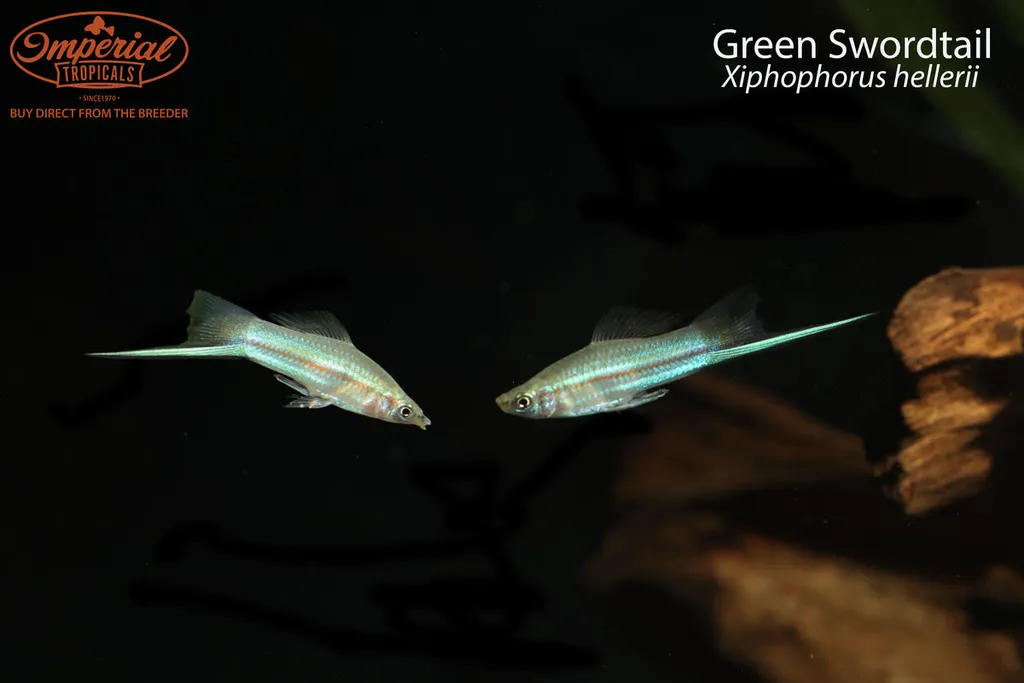
Green swordtail
Xiphophorus hellerii
Freshwater5.9 in (15 cm) · 20 gal (76 L)68–82°F (20–28°C)
Redfin halfbeak
Nomorhamphus ebrardtii
Freshwater3.5 in (9 cm) · 29 gal (110 L)75–81°F (24–27°C)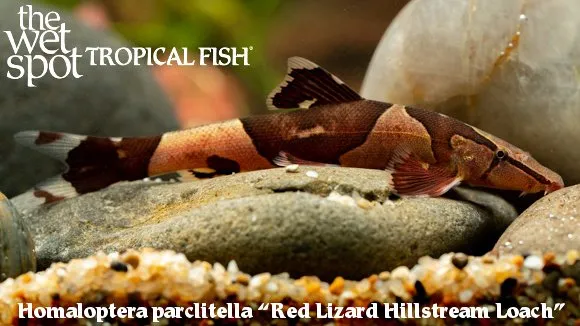
Malayan lizard loach
Homaloptera parclitella
Freshwater3.9 in (10 cm) · 29 gal (110 L)70–79°F (21–26°C)
Common questions
What size tank does a Brichard's synodontis need?
A Brichard's synodontis needs at least 29 gal (110 L). It spends most of its time in the bottom.
What temperature and pH does a Brichard's synodontis need?
A Brichard's synodontis is comfortable at 72–79°F (22–26°C) with a pH of 6.5–7.8.
What does a Brichard's synodontis eat?
A Brichard's synodontis eats algae wafers, spirulina, sinking pellets and some frozen foods.
How big does a Brichard's synodontis get?
An adult Brichard's synodontis reaches about 6.3 in (16 cm).
Related species
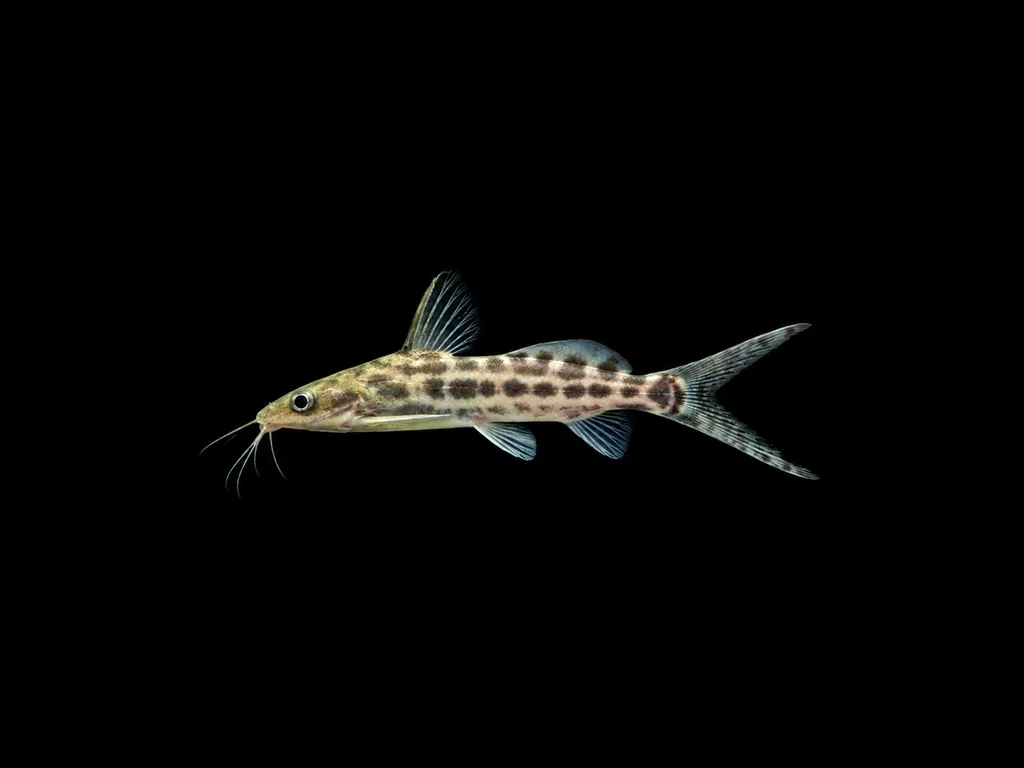
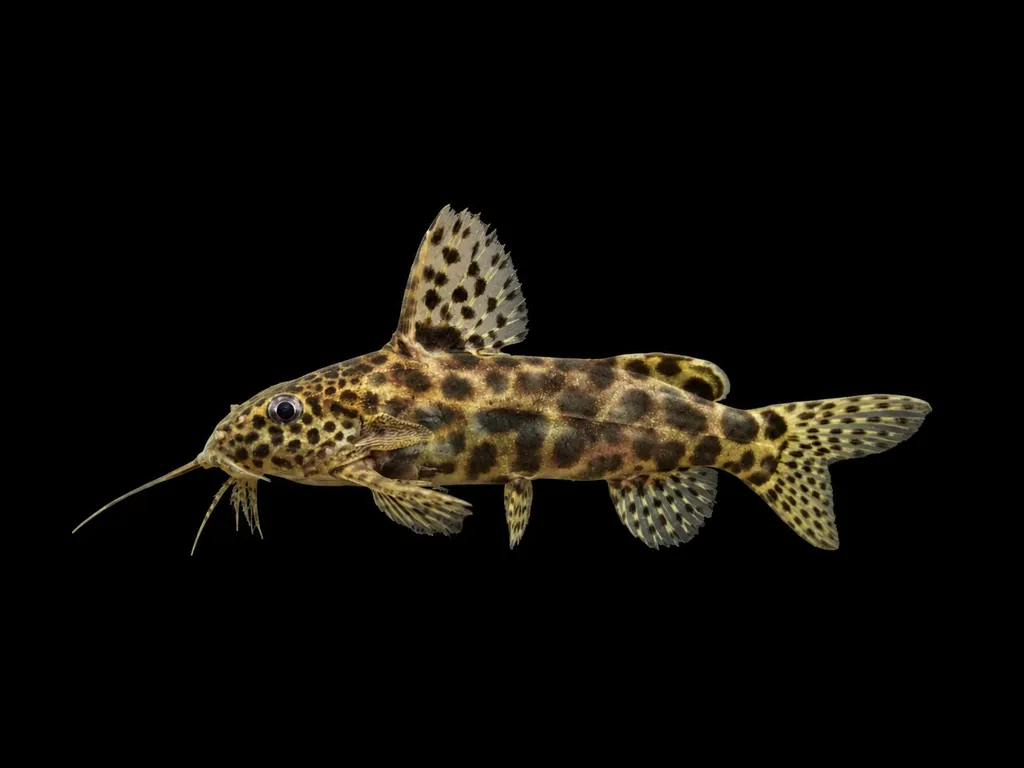 6.3 in (16 cm)21 gal (80 L)73–81°F (23–27°C)
Cheetah squeaker
Synodontis waterloti
6.3 in (16 cm) · 21 gal (80 L)
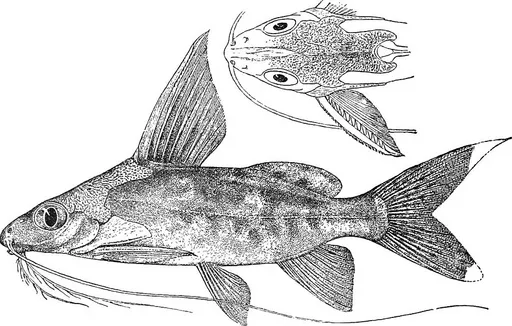
 6.1 in (15.5 cm)66 gal (250 L)73–81°F (23–27°C)
Scissortail squeaker
Synodontis soloni
6.1 in (15.5 cm) · 66 gal (250 L)
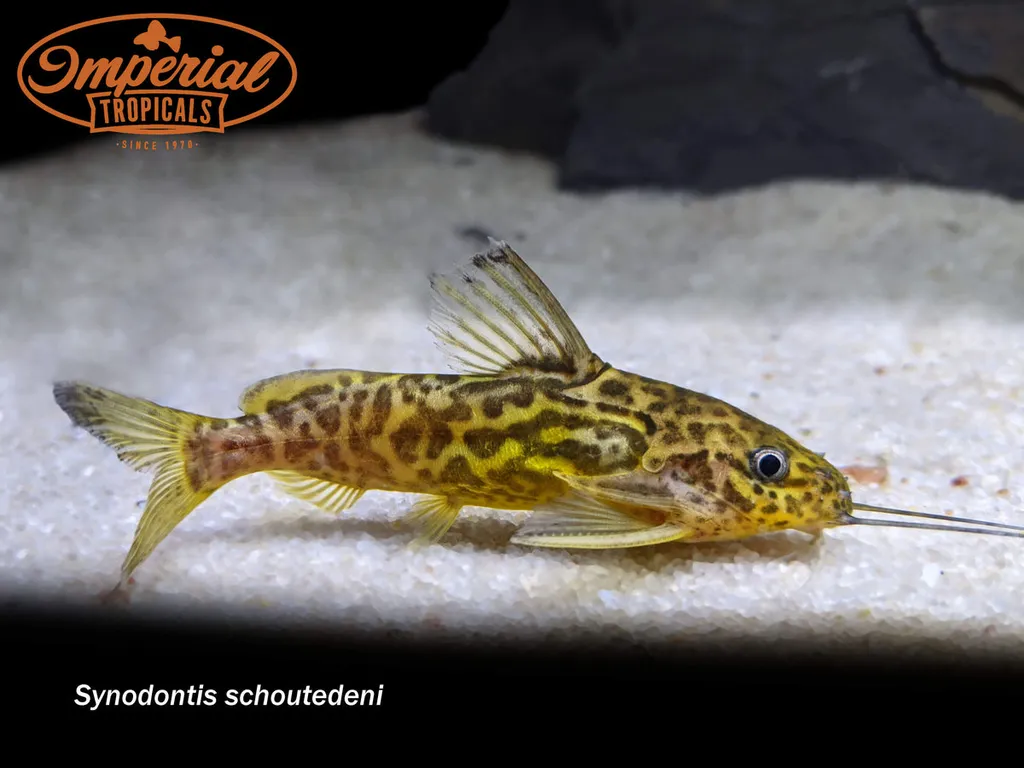
 5.9 in (15 cm)21 gal (80 L)72–79°F (22–26°C)
Bigeye squeaker
Synodontis alberti
5.9 in (15 cm) · 21 gal (80 L)
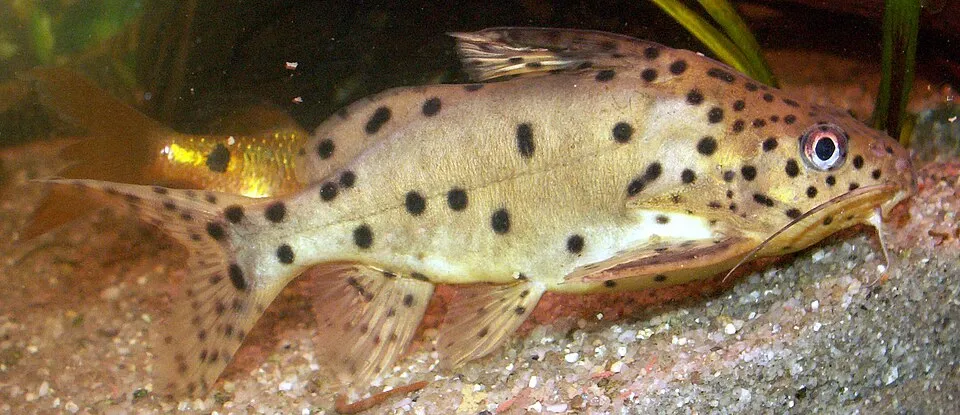
 5.9 in (15 cm)24 gal (90 L)72–81°F (22–27°C)
Vermiculated squeaker
Synodontis schoutedeni
5.9 in (15 cm) · 24 gal (90 L)
 7.5 in (19 cm)40 gal (150 L)73–82°F (23–28°C)
Lake Malawi syno
Synodontis njassae
7.5 in (19 cm) · 40 gal (150 L)
 7.9 in (20 cm)21 gal (80 L)70–82°F (21–28°C)
Common syno
Synodontis nigrita
7.9 in (20 cm) · 21 gal (80 L)