Bigeye squeaker
Synodontis alberti
Also known as Albert's synodontis, Bigeye synodontis, High-fin synodontis, Albert's Squeaker Cat
FreshwaterFish
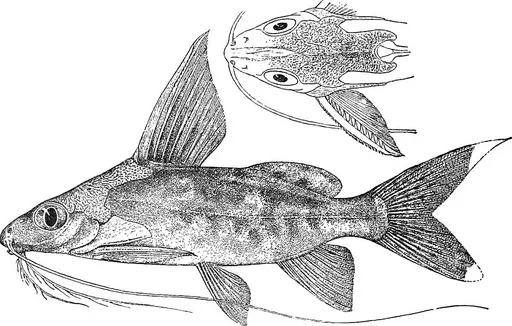
Care at a glance
- Temperature
- 72–79°F
- 22–26°C
- pH
- 6.5–7.5
- Adult size
- 7.9 in
- 20 cm
- Minimum tank
- 40 gal
- 150 L
- Temperament
- Mostly peaceful
- Social behavior
- Social
- Swim level
- Bottom
- Difficulty
- Medium
- Breeding
- No record
- Rarity
- Rare
- Family
- Mochokidae
- Origin
- Native to the Congo River basin in Central Africa.
Overview
The bigeye squeaker is an appealing, mostly peaceful catfish that suits a medium to large community of robust tankmates and does well in a small group of its own kind. It can be a little territorial with other bottom catfish as it matures. Feed sinking pellets, frozen foods, and vegetable matter over a sandy bottom. Give it wood, caves, and a tank of at least 150 liters.
In the wild
Albert's synodontis comes from the tributaries and side streams of the Congo basin rather than the main river, foraging over the bottom in warm, gently flowing water. It shelters among wood and roots by day and forages at night. Set it up with soft sand, driftwood, and shaded caves, with moderate flow at 22 to 26 degrees C and a near-neutral pH.
Good to know
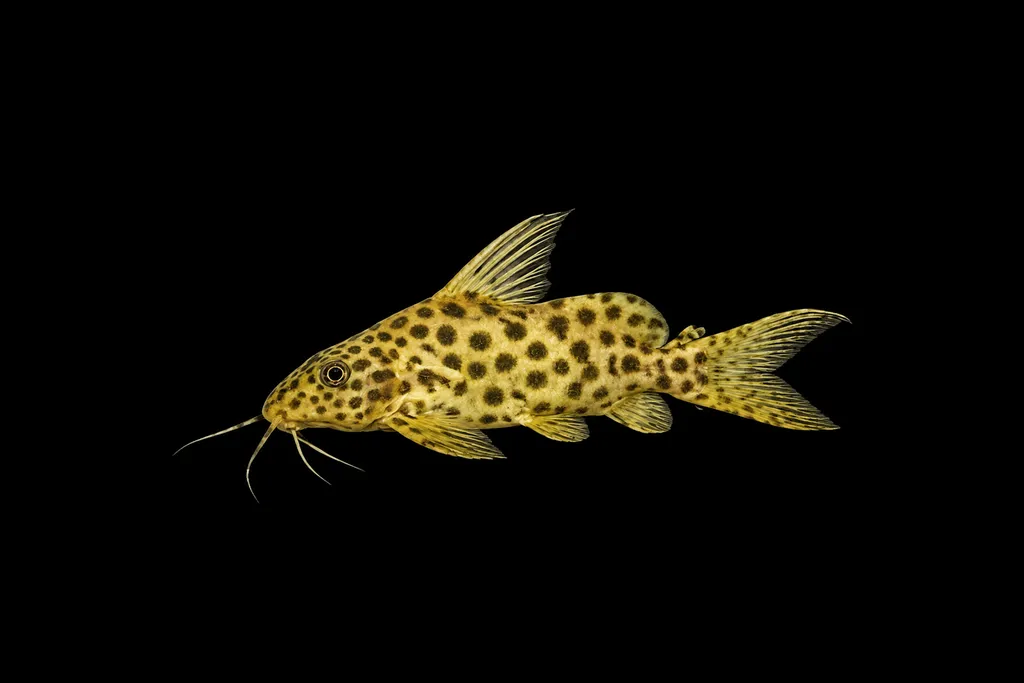
Synodontis alberti grows to about 20 cm and is famous for having the longest barbels of any Synodontis, long trailing whiskers that sweep well ahead of the head. It also has notably large eyes and a tall dorsal fin. Breeding is not documented in home aquariums.
Did you know
No other squeaker comes close to its whiskers, which can trail well past the length of the body and constantly sweep the substrate ahead of the fish.
Weekly picks
Tank mates
Bigeye squeaker is a mostly peaceful, social species that keeps to the bottom. These picks share a community profile with it, are safe together in both directions, and overlap on water type, temperature and pH.
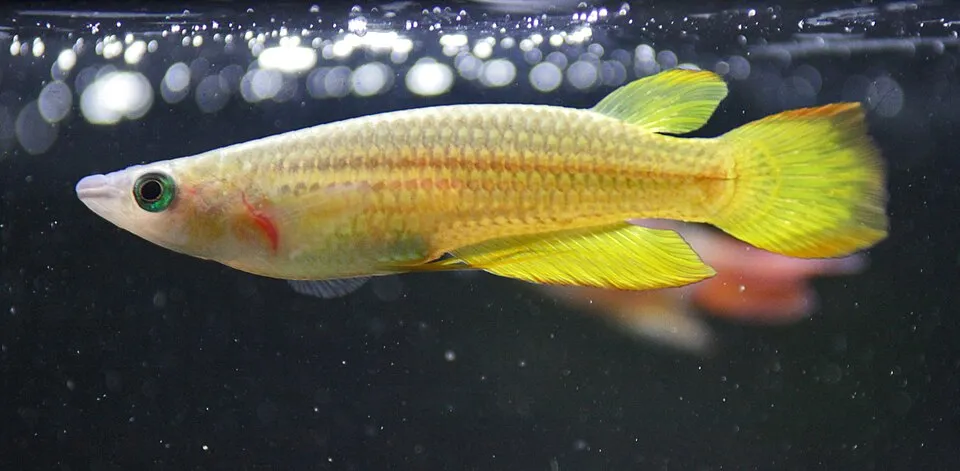
Striped panchax
Aplocheilus lineatus
Freshwater4.3 in (11 cm) · 30 gal (115 L)72–77°F (22–25°C)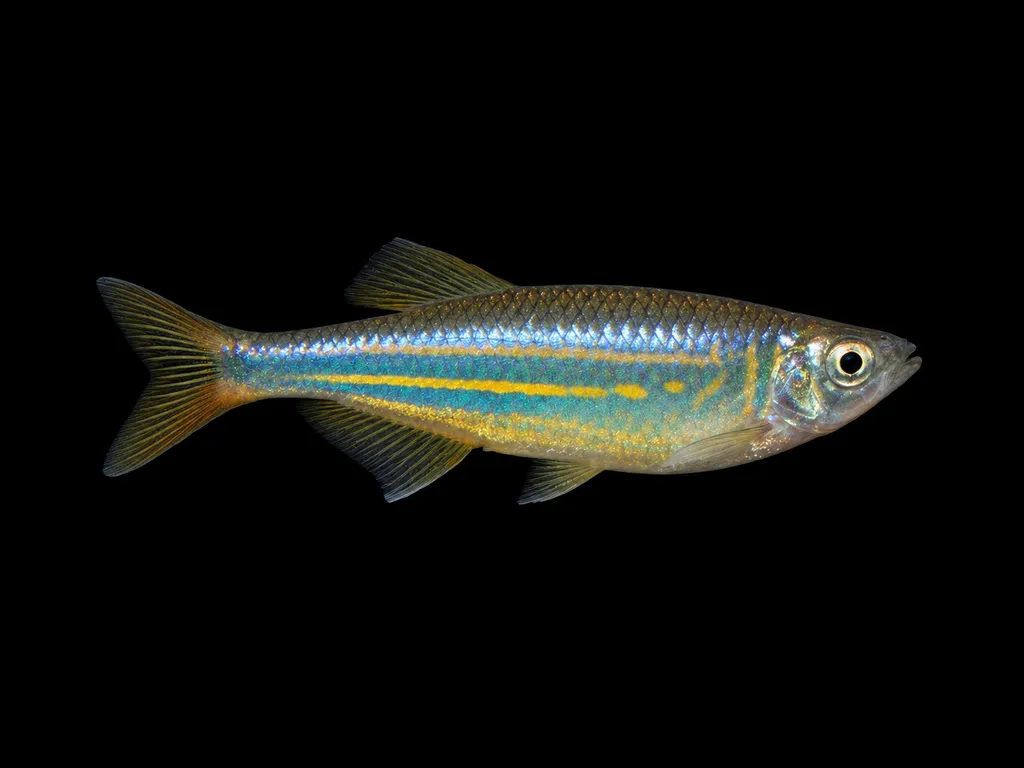
Annandale danio
Devario annandalei
Freshwater4.3 in (11 cm) · 42 gal (160 L)68–79°F (20–26°C)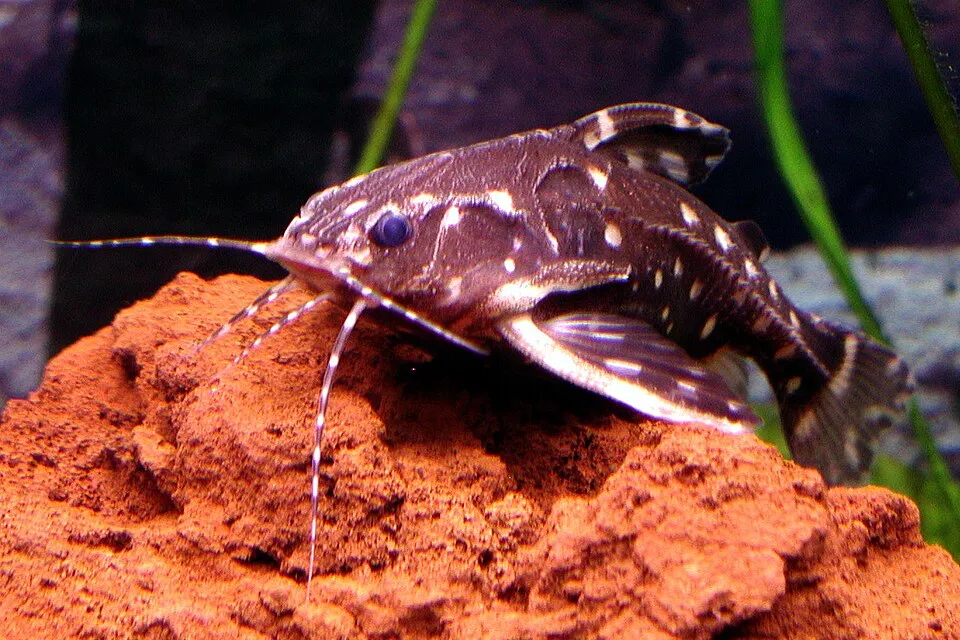
Spotted raphael catfish
Agamyxis pectinifrons
Freshwater5.9 in (15 cm) · 40 gal (150 L)72–79°F (22–26°C)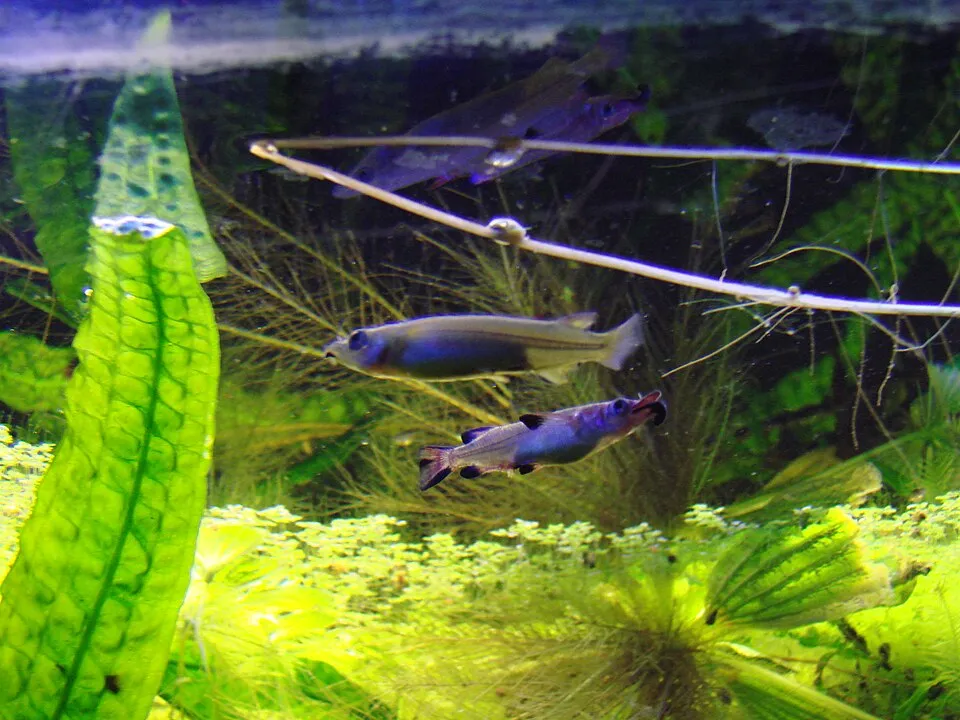
Celebes halfbeak
Nomorhamphus liemi
Freshwater3.5 in (9 cm) · 40 gal (150 L)68–77°F (20–25°C)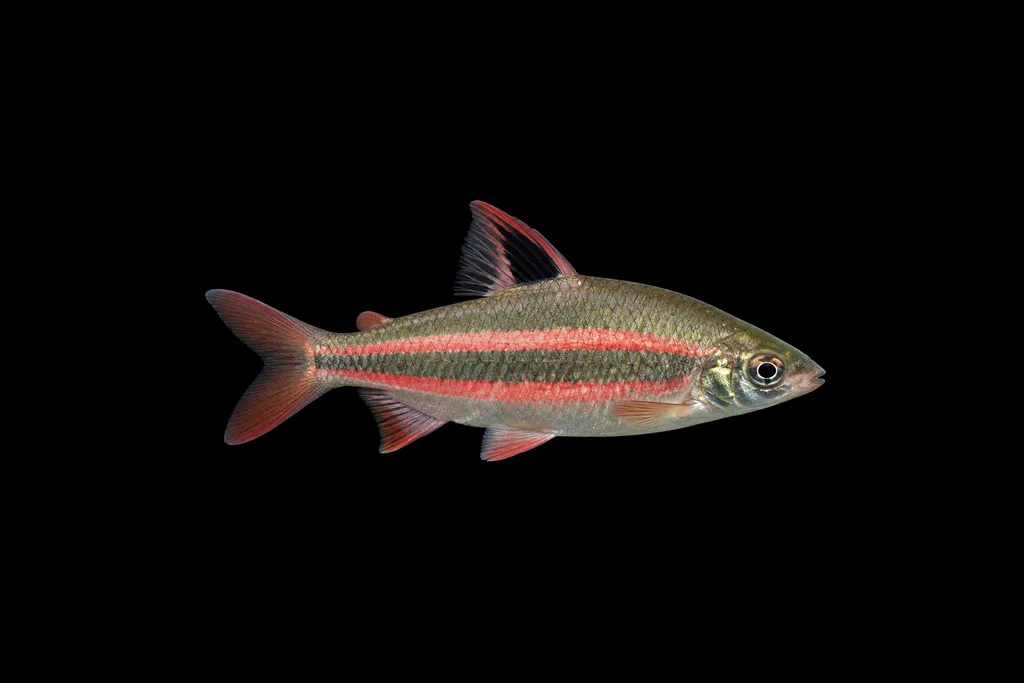
Noboli distichodus
Distichodus noboli
Freshwater7.5 in (19 cm) · 40 gal (150 L)73–82°F (23–28°C)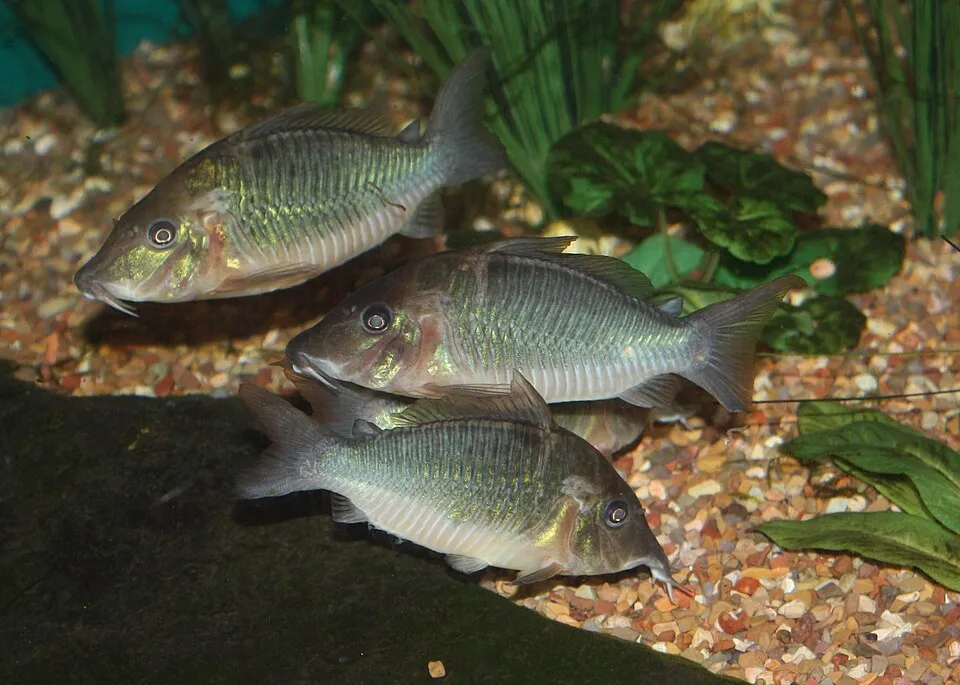
Hognosed brochis
Brochis multiradiatus
Freshwater3.5 in (9 cm) · 40 gal (150 L)70–79°F (21–26°C)
Common questions
What size tank does a Bigeye squeaker need?
A Bigeye squeaker needs at least 40 gal (150 L). It spends most of its time in the bottom.
What temperature and pH does a Bigeye squeaker need?
A Bigeye squeaker is comfortable at 72–79°F (22–26°C) with a pH of 6.5–7.5.
How big does a Bigeye squeaker get?
An adult Bigeye squeaker reaches about 7.9 in (20 cm).
Related species
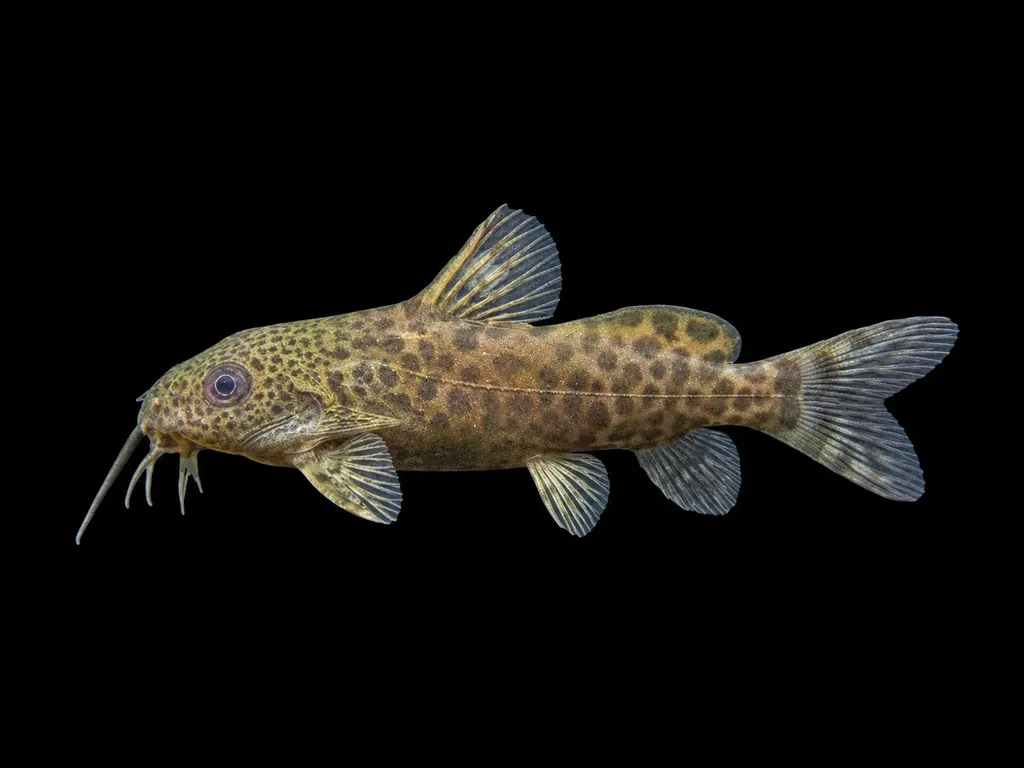 7.9 in (20 cm)55 gal (210 L)70–82°F (21–28°C)
Common syno
Synodontis nigrita
7.9 in (20 cm) · 55 gal (210 L)
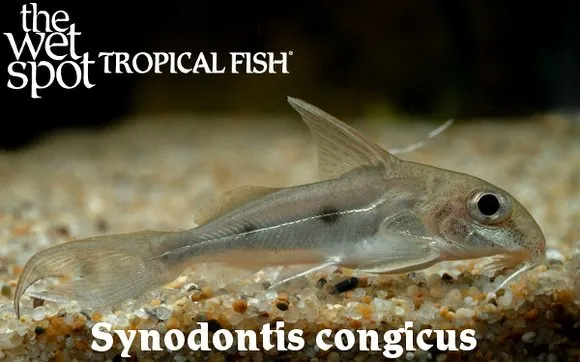 7.9 in (20 cm)79 gal (300 L)73–81°F (23–27°C)
Congicus squeaker
Synodontis congicus
7.9 in (20 cm) · 79 gal (300 L)
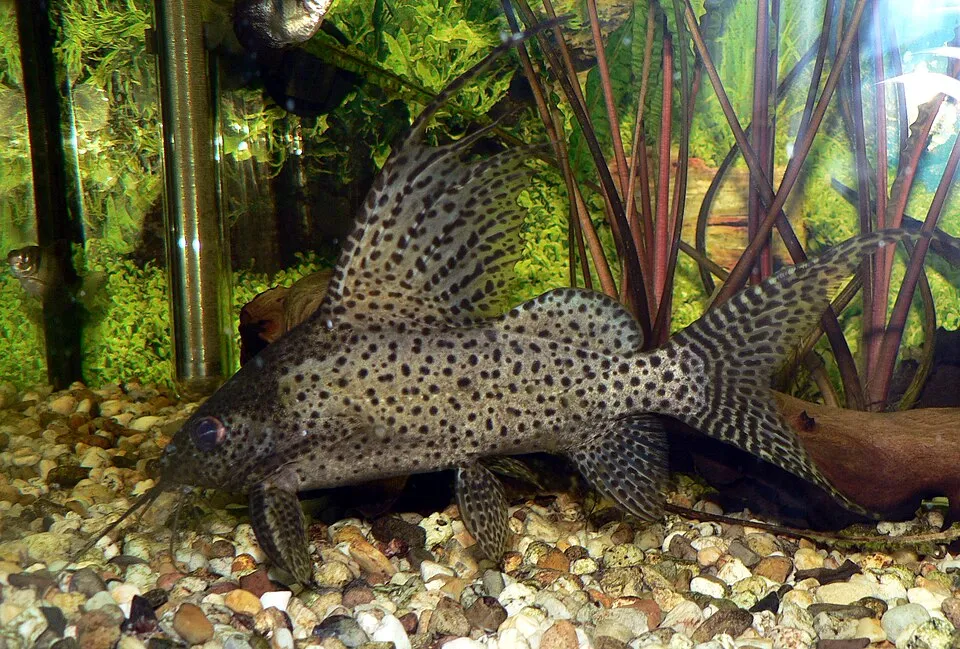 7.9 in (20 cm)45 gal (170 L)72–81°F (22–27°C)
Featherfin squeaker
Synodontis eupterus
7.9 in (20 cm) · 45 gal (170 L)
 7.9 in (20 cm)53 gal (200 L)73–81°F (23–27°C)
Ocellated squeaker
Synodontis ocellifer
7.9 in (20 cm) · 53 gal (200 L)
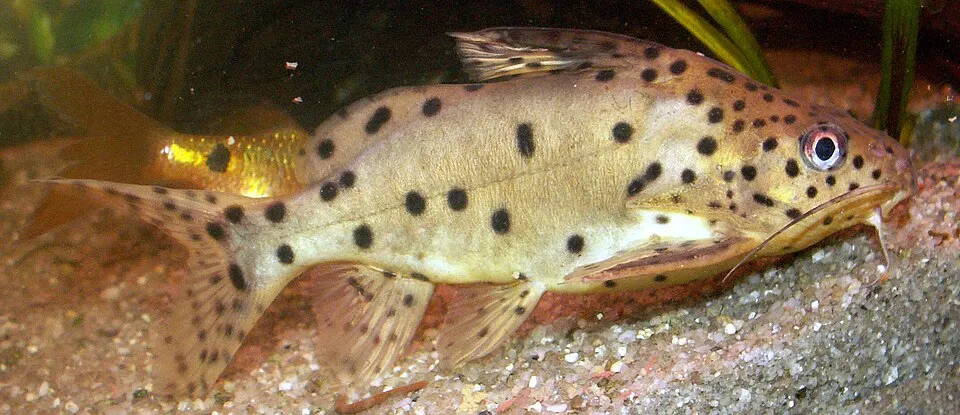 7.5 in (19 cm)40 gal (150 L)73–82°F (23–28°C)
Lake Malawi syno
Synodontis njassae
7.5 in (19 cm) · 40 gal (150 L)
 8.7 in (22 cm)79 gal (300 L)73–81°F (23–27°C)
Velifer squeaker
Synodontis velifer
8.7 in (22 cm) · 79 gal (300 L)