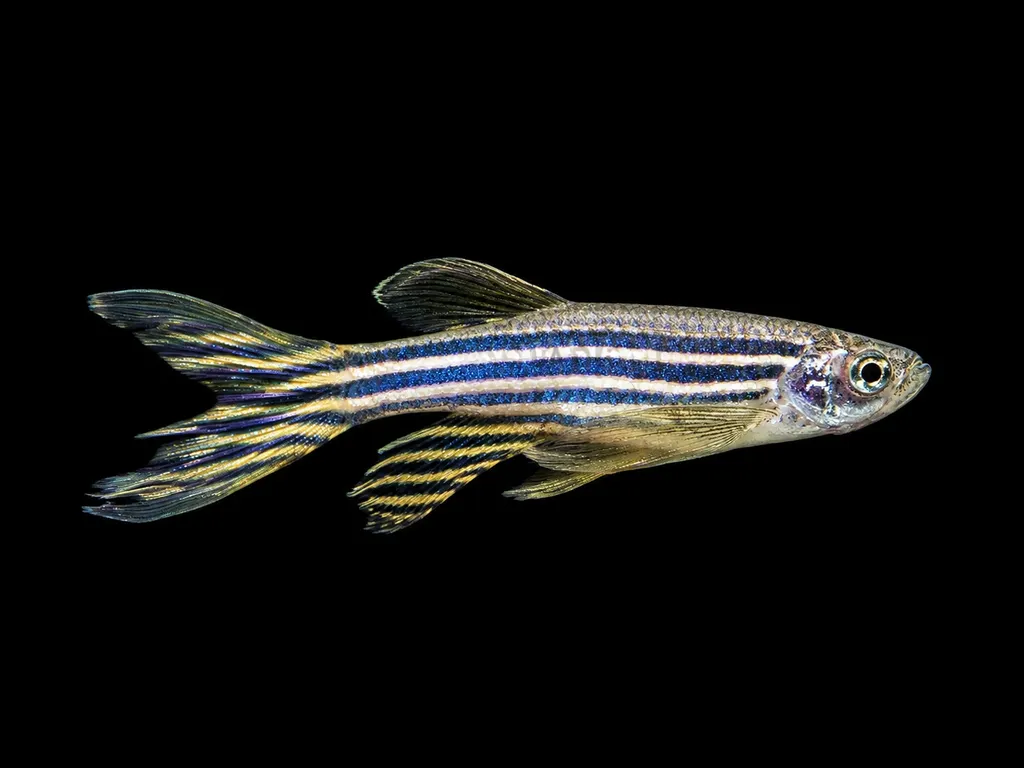
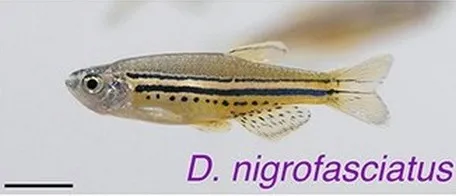
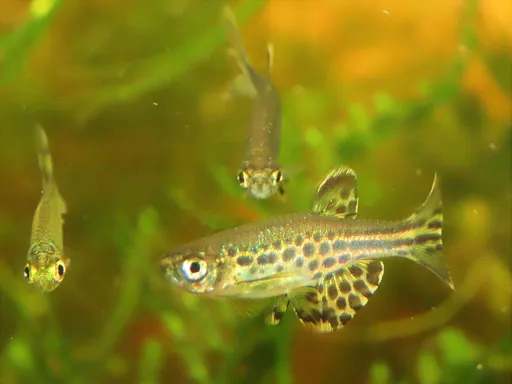
Longfins carry the same stripes or spots as the standard fish, with the dorsal, anal and tail fins drawn out into trailing points. Fin nipping is the practical difference, and busy tank mates will find those fins, so the calmer end of a community list works better. Shops sell longfins on the striped pattern and on the leopard pattern, sometimes mixed in one tank.
In the wild
Longfin is a domestic mutation of the zebra danio and no wild fish carries it. The longfin allele is also a laboratory fixture: the widely used Tupfel longfin (TL) stock strain carries longfin together with the leopard mutation, and the two visible traits let researchers spot mixed genotypes by eye. Which hatchery first fixed the aquarium strain is not recorded, so it is a hobby line of uncertain origin.
Good to know
Longfin is dominant, so one copy is enough and a longfin crossed to a standard fish gives about half longfin fry. The mutation is regulatory rather than structural: it switches on the potassium channel kcnh2a where it does not belong, and that stretches out the period of fin outgrowth rather than changing where the fin is told to stop. Fin length is the visible change, and the striped or spotted pattern is inherited separately.
Did you know
Fin length here is set by an electrical signal rather than a growth hormone. In lab work, blocking that potassium channel with a drug while a longfin regrew a clipped fin held the new fin to normal length.
Weekly picks
Tank mates
Longfin zebra danio is a mostly peaceful, schooling species that keeps to the middle. These picks share a community profile with it, are safe together in both directions, and overlap on water type, temperature and pH.
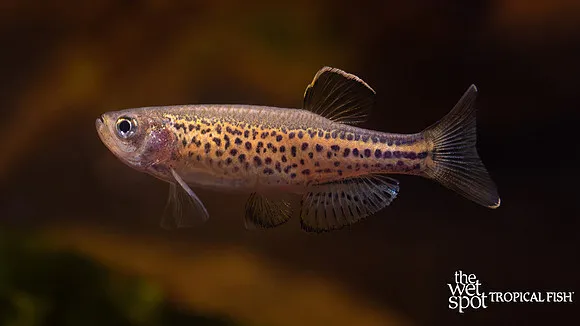
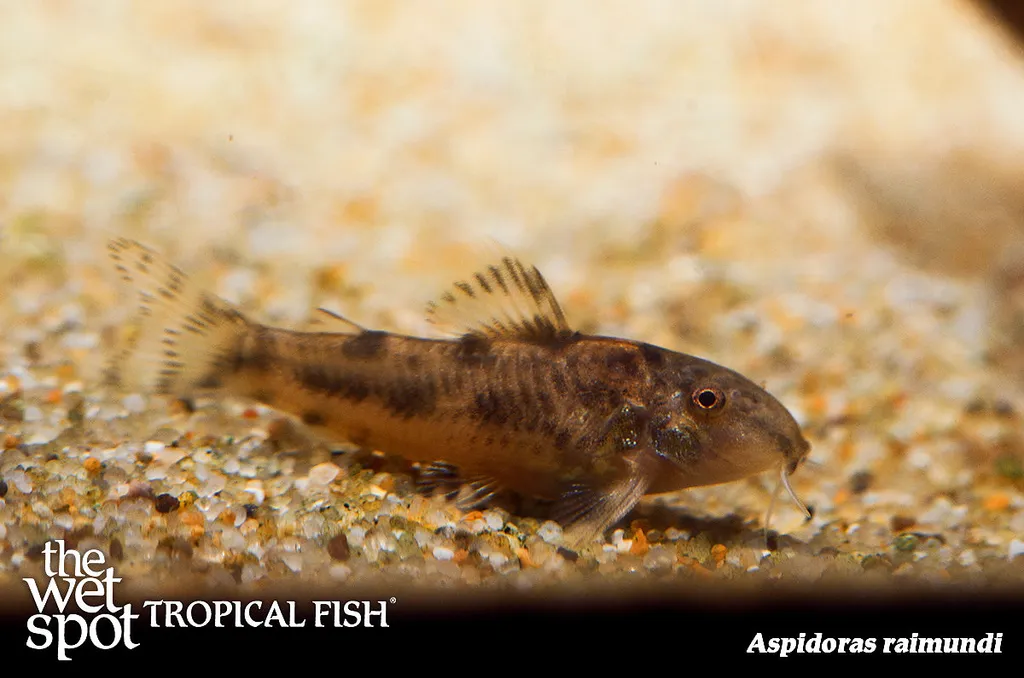
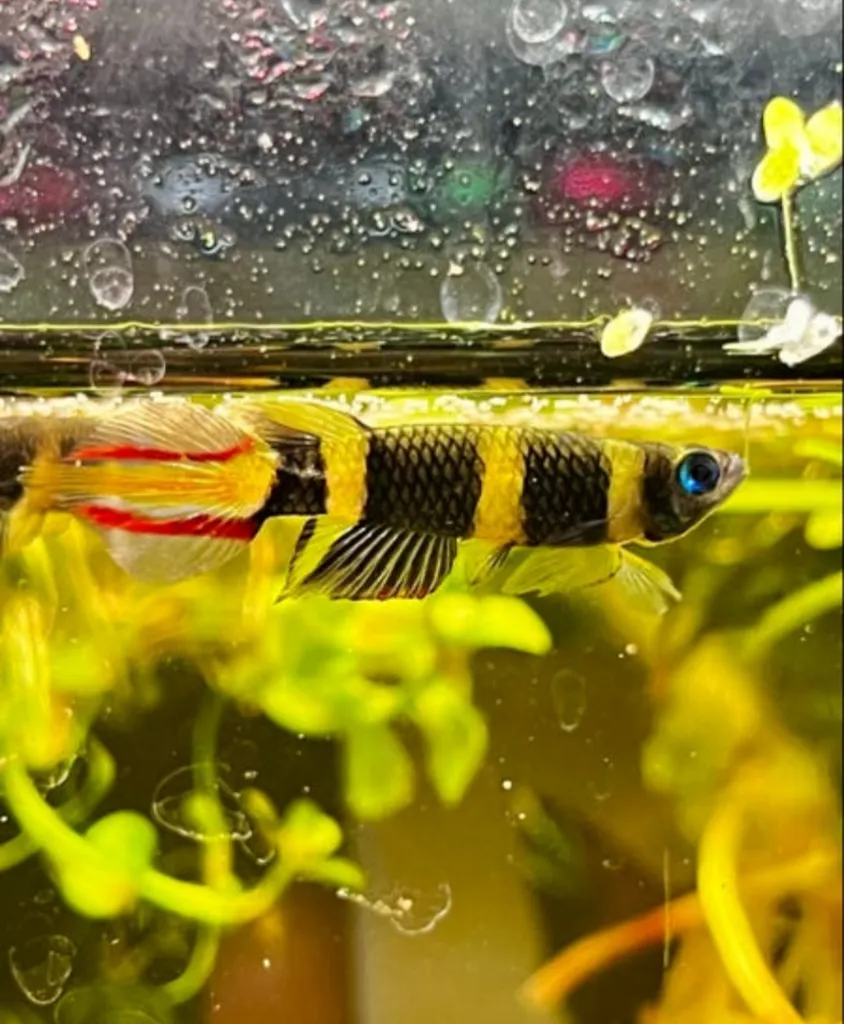
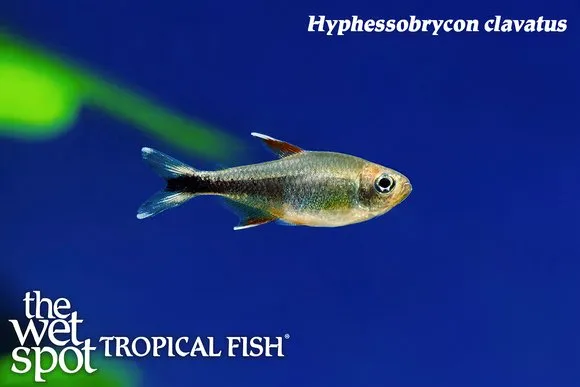
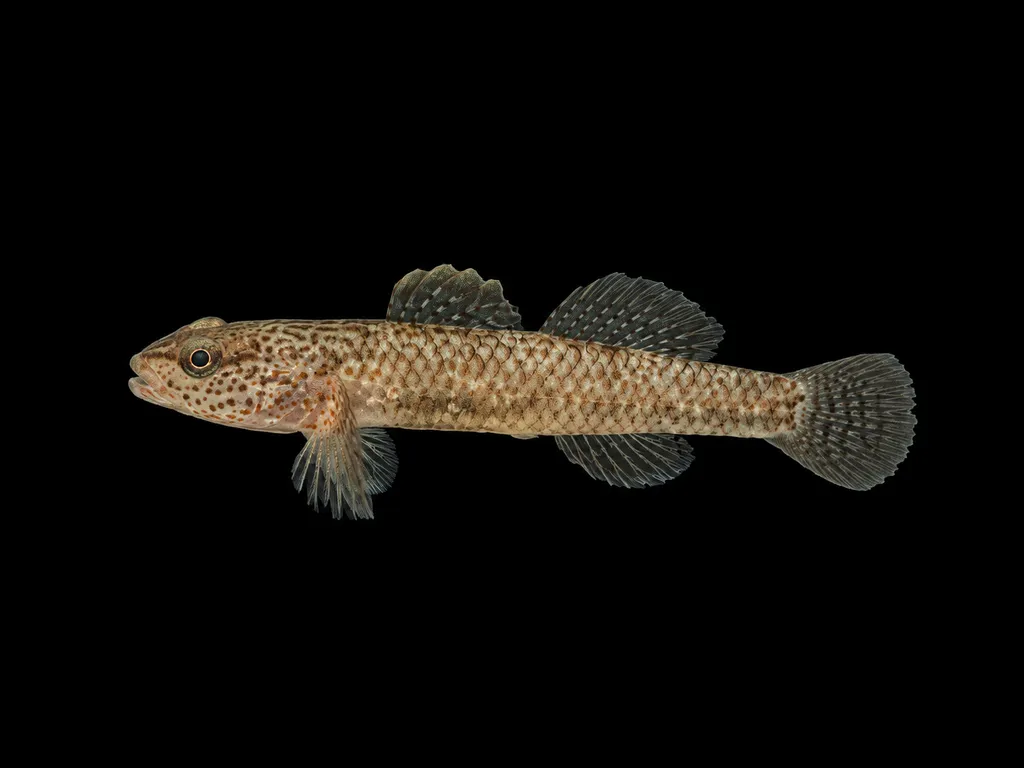
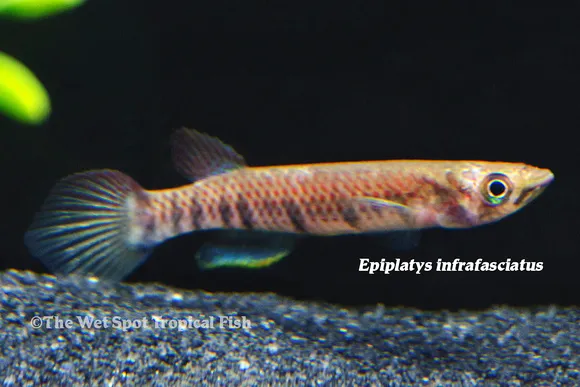
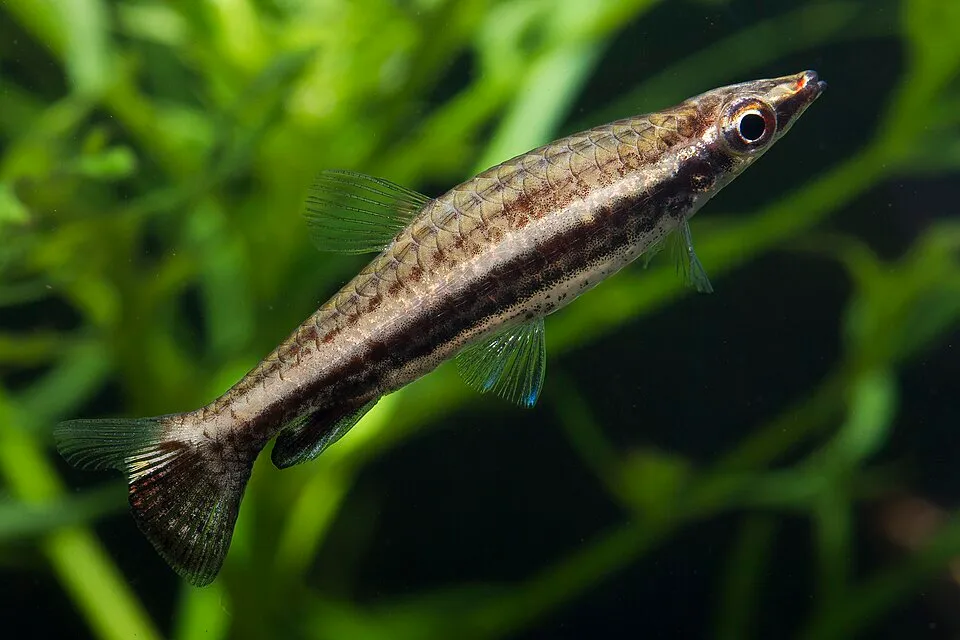
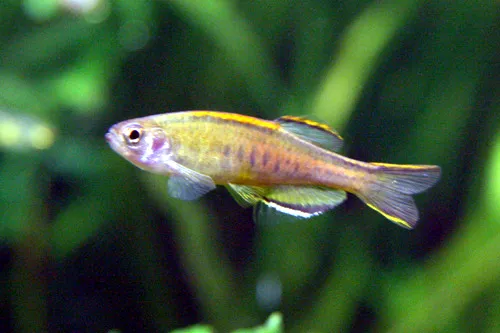 1.2 in (3 cm)20 gal (75 L)72–79°F (22–26°C)
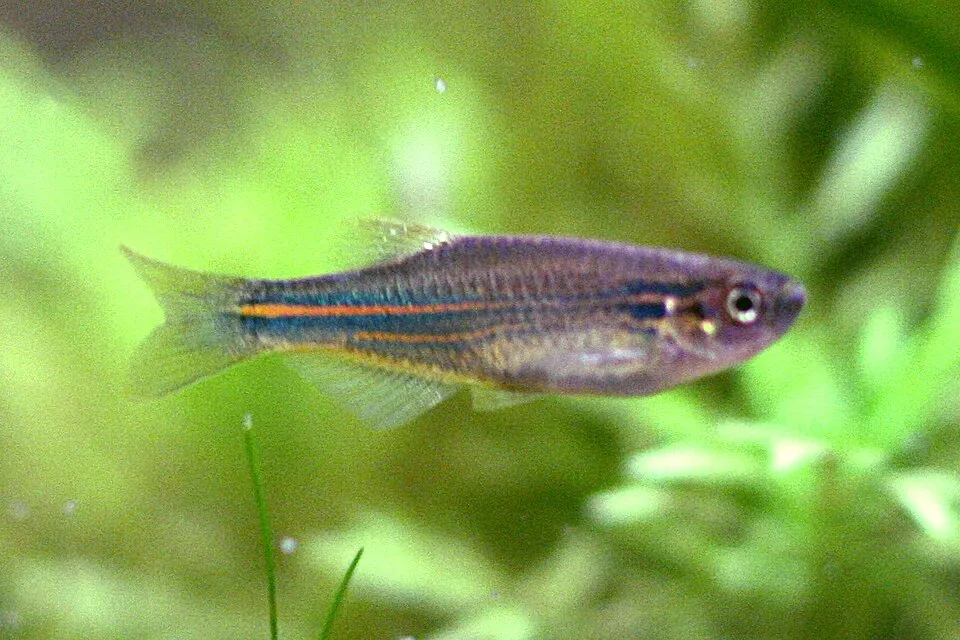 1.8 in (4.5 cm)11 gal (40 L)68–79°F (20–26°C)
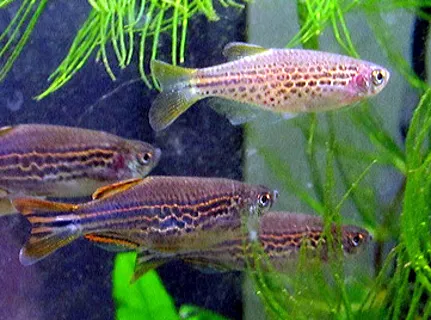 2 in (5 cm)20 gal (75 L)68–79°F (20–26°C)
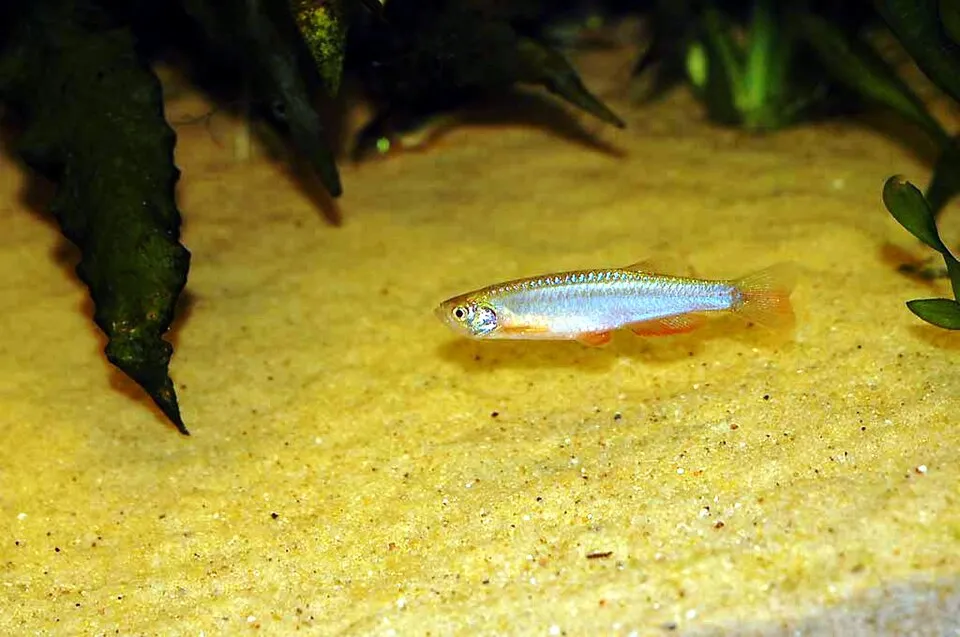 2.4 in (6 cm)18 gal (70 L)61–77°F (16–25°C)
 1.5 in (3.7 cm)11 gal (40 L)64–79°F (18–26°C)
 1.2 in (3 cm)11 gal (40 L)64–79°F (18–26°C)