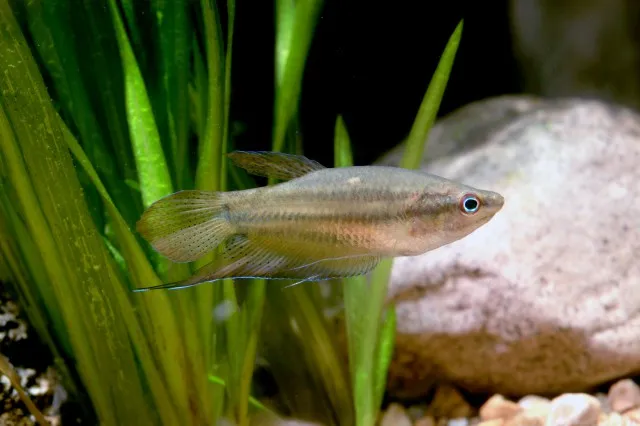
Croaking gourami
Trichopsis vittata
FreshwaterFish
Care at a glance
- Temperature
- 72–82°F
- 22–28°C
- pH
- 6.0–7.5
- Adult size
- 2.8 in
- 7 cm
- Minimum tank
- 18 gal
- 67 L
- Temperament
- Peaceful
- Social behavior
- Social
- Swim level
- Middle
- Difficulty
- Easy
- Breeding
- Bubble nester · Medium
- Rarity
- Rare
- Family
- Osphronemidae
- Origin
- South East Asia
Overview
The croaking gourami is a small, peaceful labyrinth fish that mixes well in a quiet community tank. It is easy to keep and undemanding.
Did you know
The croaking gourami really does croak. Both sexes make a rattling, purring sound by plucking modified tendons in their pectoral fins. The sound is heard most during courtship and confrontations, often as two males square up near the surface.
Caring for the croaking gourami
Give croaking gouramis a densely planted tank of at least 18 gal (67 L). Add floating plants, gentle filtration and a dark substrate to bring out their best colors and behavior. They breathe from the surface and are sensitive to cold, dry air, so leave a warm air gap under the lid.
Keep the water at 72 to 82°F (22 to 28°C) with a pH of 6.0 to 7.5. Offer small foods such as frozen bloodworm, daphnia, brine shrimp and a fine dry food, which they take readily.
The croaking gourami is peaceful and happiest in a group, so keep several together. It occupies the middle of the tank and likes to hang among plants and near the surface. Pair it with other calm, small fish, and avoid boisterous or fin-nipping tank mates that will out-compete it at feeding time.
Males build a bubble nest, sometimes under a broad leaf or at the surface, and guard the eggs and fry. Breeding is moderately difficult.
Good to know
The croaking gourami is a member of the gourami family Osphronemidae. It is one of three closely related croaking species.
In the wild
Trichopsis vittata is widespread in Southeast Asia. It lives in still and slow-moving waters thick with vegetation, such as ponds, ditches, marshes and rice paddies. The water there is usually warm and soft to moderately hard.
Weekly picks
Tank mates
The croaking gourami is a peaceful, social species that keeps to the middle. These picks share a community profile with it, are safe together in both directions, and overlap on water type, temperature and pH.
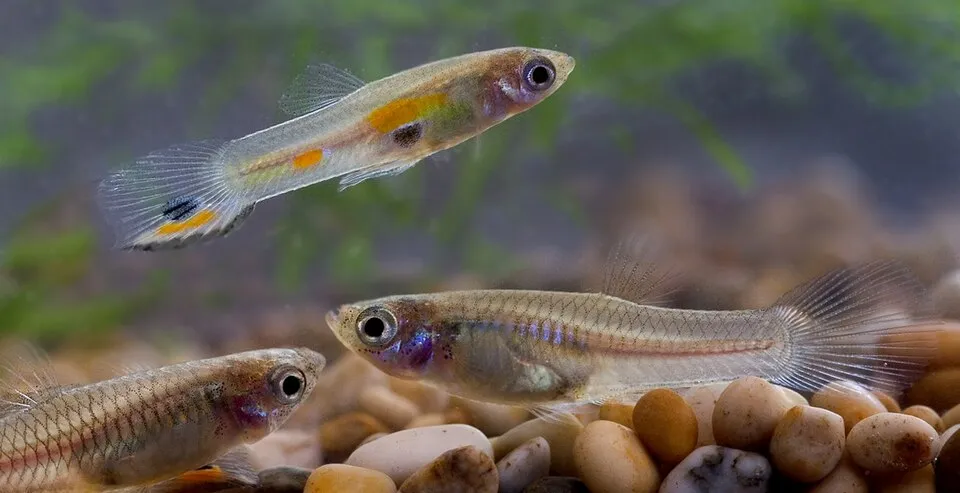
Guppy
Poecilia reticulata
FreshwaterBrackish2.4 in (6 cm) · 10 gal (38 L)64–82°F (18–28°C)
Neon tetra
Paracheirodon innesi
Freshwater1.5 in (3.8 cm) · 11 gal (40 L)70–77°F (21–25°C)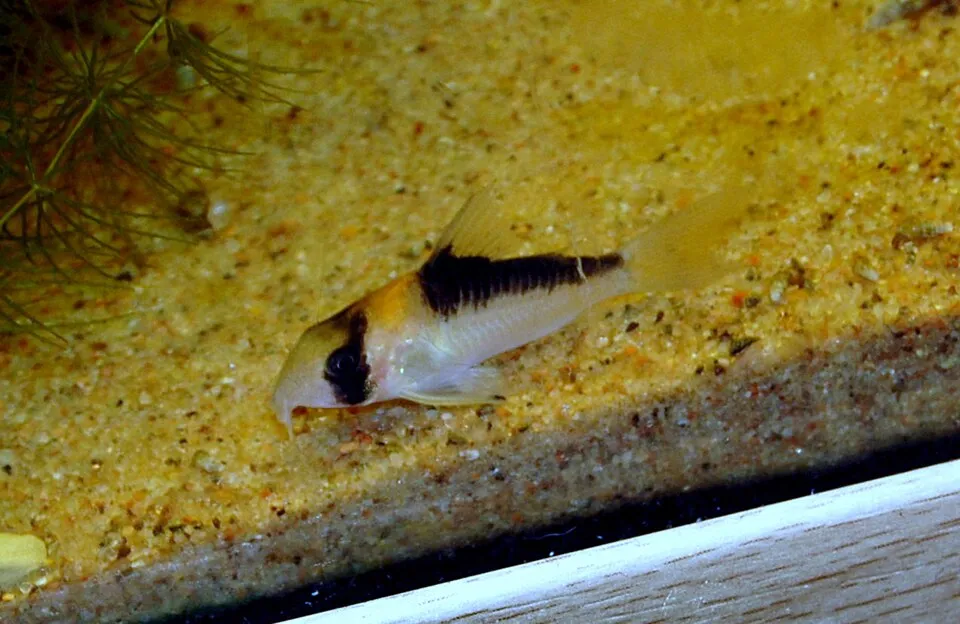
Adolfo's cory
Hoplisoma adolfoi
Freshwater2.4 in (6 cm) · 20 gal (75 L)70–79°F (21–26°C)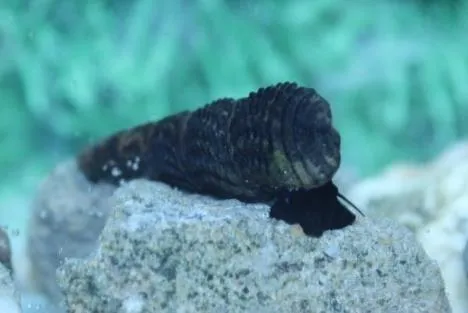
White spotted rabbit snail
Tylomelania towutica
Freshwater4.3 in (11 cm) · 16 gal (60 L)75–84°F (24–29°C)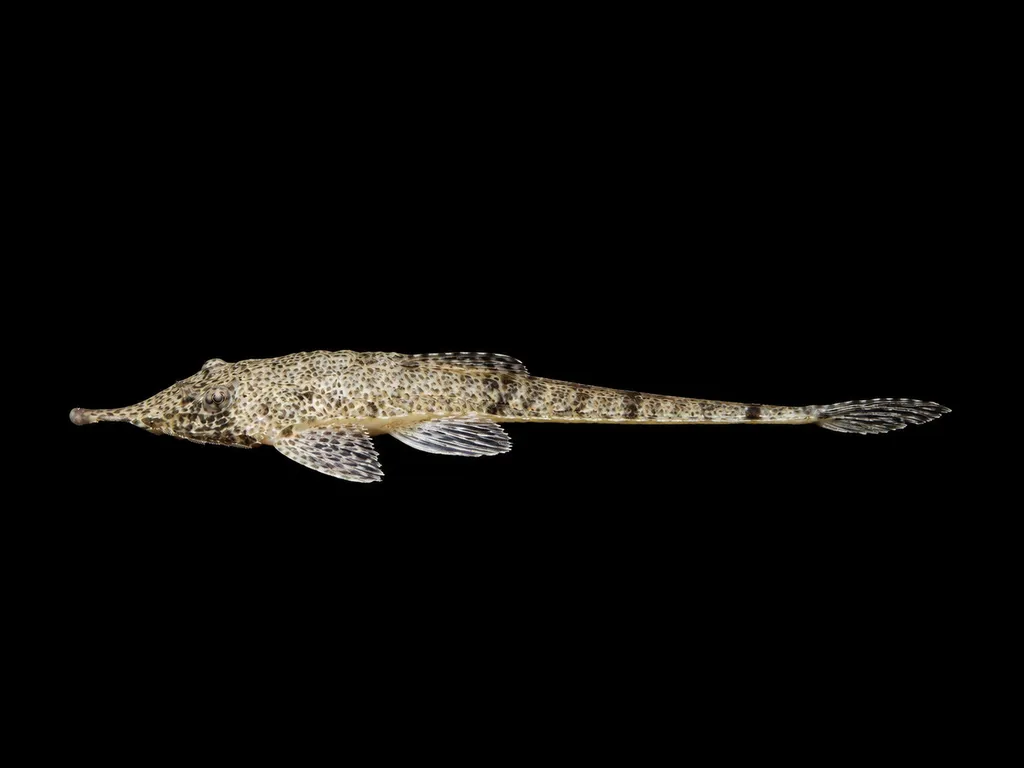
Pinocchio whiptail
Hemiodontichthys acipenserinus
Freshwater5.3 in (13.5 cm) · 18 gal (70 L)73–82°F (23–28°C)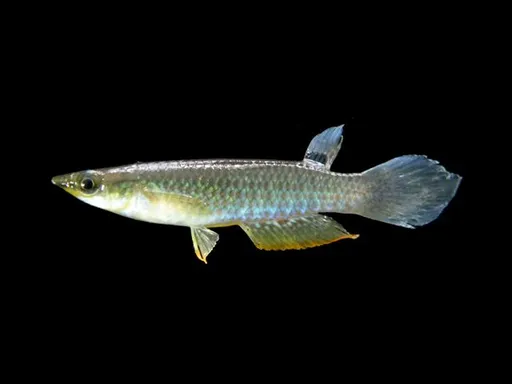
Blue panchax
Aplocheilus panchax
Freshwater3.5 in (9 cm) · 20 gal (75 L)72–82°F (22–28°C)
Common questions
What size tank does a croaking gourami need?
A croaking gourami needs at least 18 gal (67 L). It spends most of its time in the middle.
What temperature and pH does a croaking gourami need?
A croaking gourami is comfortable at 72–82°F (22–28°C) with a pH of 6.0–7.5.
What does a croaking gourami eat?
A croaking gourami readily takes small foods such as frozen bloodworm, daphnia, brine shrimp and a fine dry food.
How big does a croaking gourami get?
An adult croaking gourami reaches about 2.8 in (7 cm).
How does a croaking gourami breed?
A croaking gourami is a bubble nester. The male builds the nest, sometimes under a broad leaf or at the surface, and guards the eggs and fry.
Related species
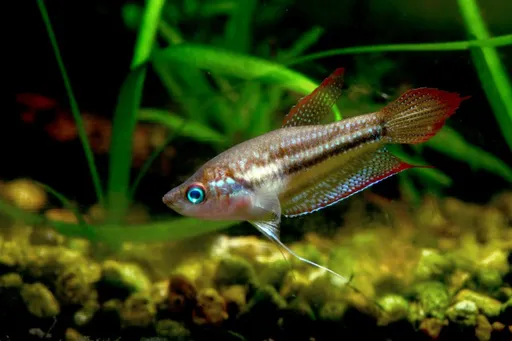 2 in (5 cm)12 gal (45 L)72–82°F (22–28°C)
Threestripe croaking gourami
Trichopsis schalleri
2 in (5 cm) · 12 gal (45 L)
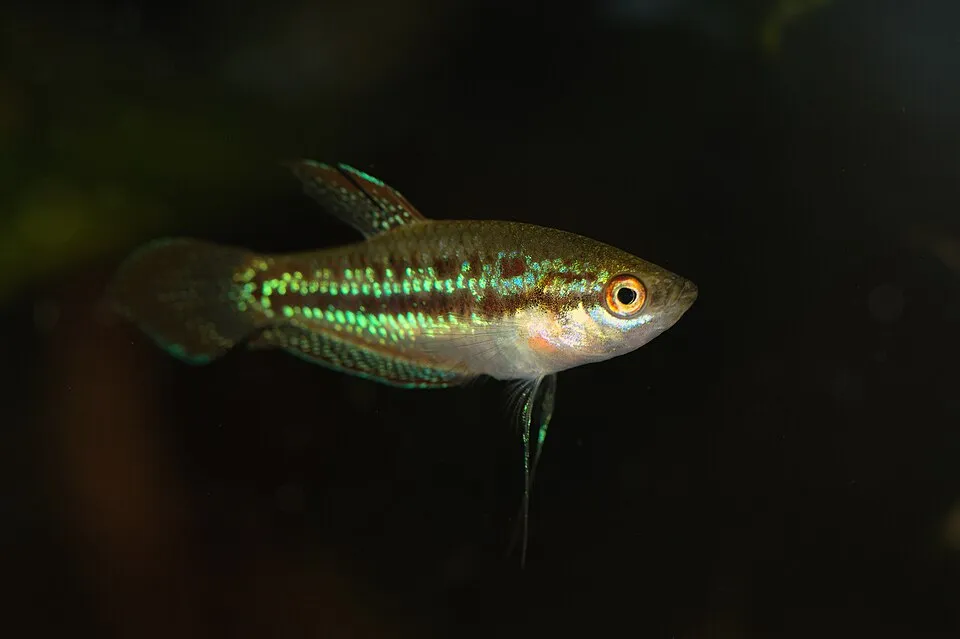 1.6 in (4 cm)10 gal (38 L)72–82°F (22–28°C)
Pygmy gourami
Trichopsis pumila
1.6 in (4 cm) · 10 gal (38 L)
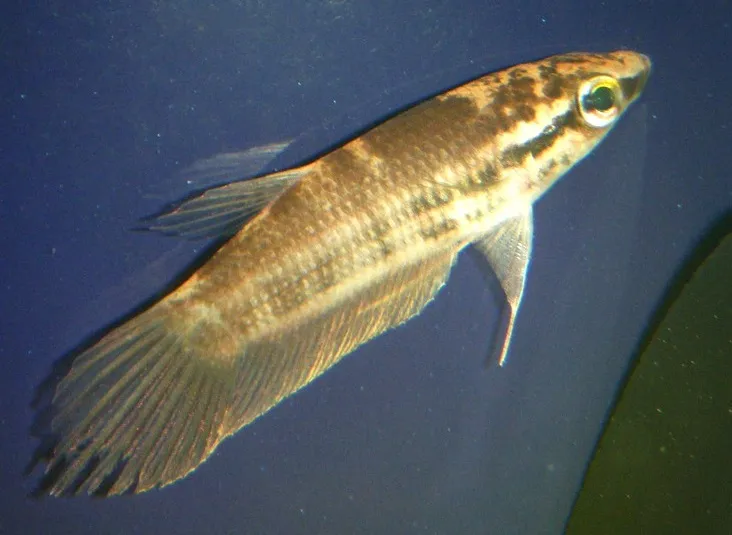 2.8 in (7 cm)16 gal (60 L)72–82°F (22–28°C)
Pugnax betta
Betta pugnax
2.8 in (7 cm) · 16 gal (60 L)
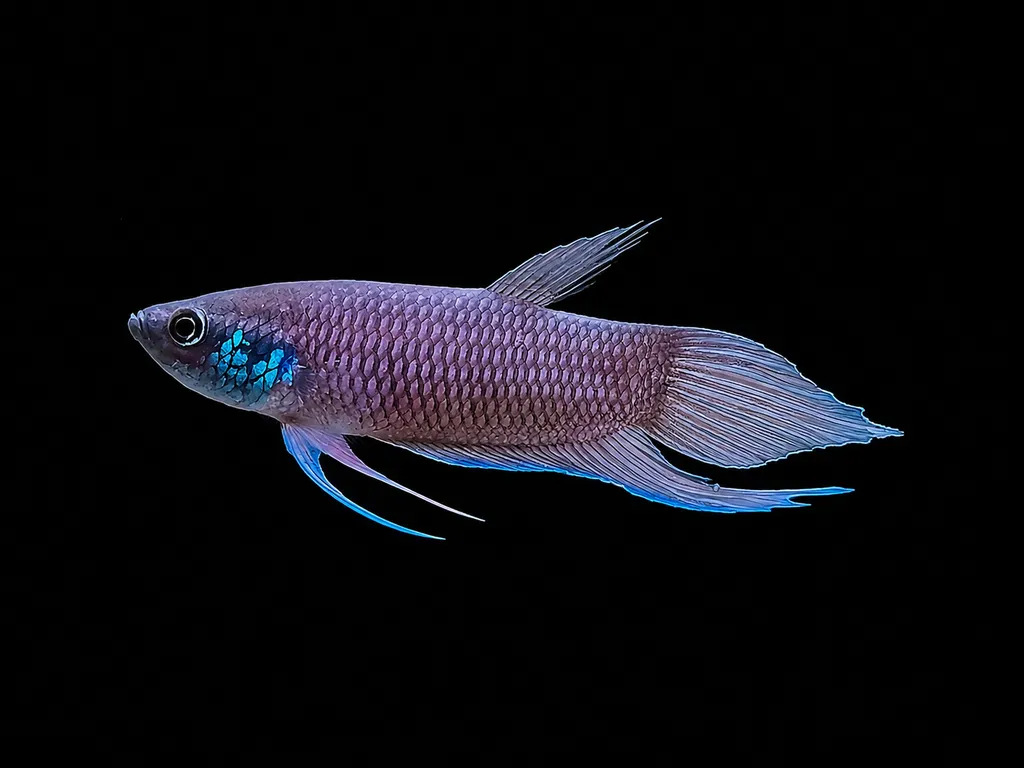 2.8 in (7 cm)26 gal (100 L)72–81°F (22–27°C)
Raja betta
Betta raja
2.8 in (7 cm) · 26 gal (100 L)
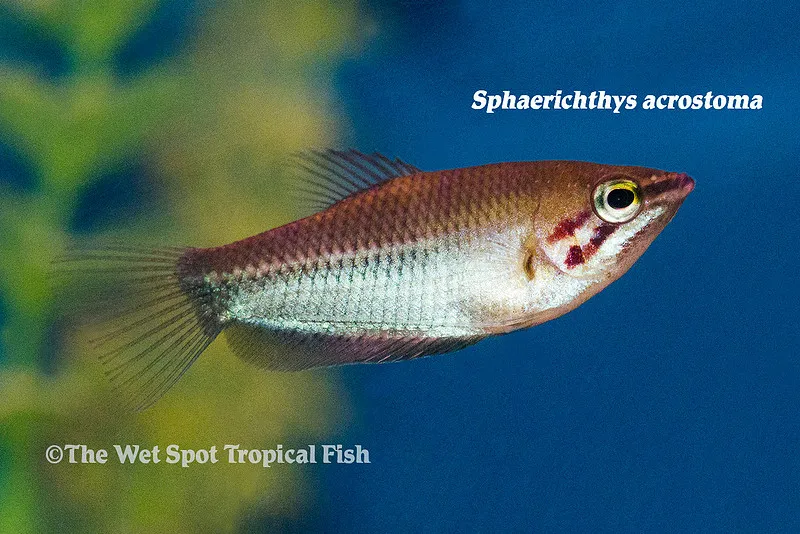 2.8 in (7 cm)24 gal (90 L)72–79°F (22–26°C)
Sharpnose chocolate gourami
Sphaerichthys acrostoma
2.8 in (7 cm) · 24 gal (90 L)
- 2.8 in (7 cm)20 gal (75 L)72–81°F (22–27°C)
Spilotogena betta
Betta spilotogena
2.8 in (7 cm) · 20 gal (75 L)