Threestripe croaking gourami
Trichopsis schalleri
Also known as Three-striped croaking gourami, Schaller's croaking gourami, Schaller's gourami, Giant Sparkling Gourami
FreshwaterFish
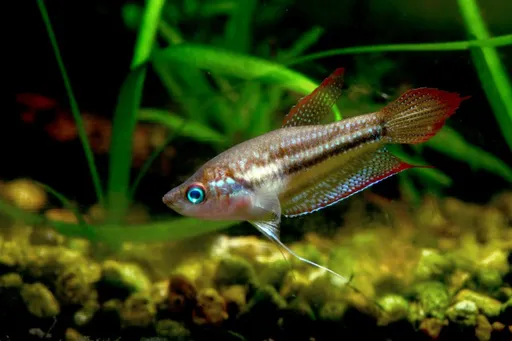
Care at a glance
- Temperature
- 72–82°F
- 22–28°C
- pH
- 6.0–7.5
- Adult size
- 2 in
- 5 cm
- Minimum tank
- 12 gal
- 45 L
- Temperament
- Peaceful
- Social behavior
- Social
- Swim level
- Middle
- Difficulty
- Easy
- Breeding
- Bubble nester · Medium
- Rarity
- Rare
- Family
- Osphronemidae
- Origin
- Mekong and Chao Phraya river basins of Thailand and Laos, in still and slow-moving waters with plenty of plants.
Overview
The threestripe croaking gourami is a small labyrinth fish for a planted tank with floating cover. It is easy to keep, even for a beginner.
Did you know
The threestripe croaking gourami croaks during courtship and squabbles. The sound is loud enough to hear from outside the tank.
Caring for the threestripe croaking gourami
Keep a group of threestripe croaking gouramis in a planted tank of at least 12 gal (45 L). Add floating plants and keep the water calm. Hold it at 72 to 82°F (22 to 28°C) with a pH of 6.0 to 7.5.
Feed small live and frozen foods such as daphnia, artemia and micro worm. Once the fish settle, move them on to fine dried foods.
Threestripe croaking gouramis are peaceful, and they work in a nano community with small rasboras and pygmy corydoras. The floating plants and calm water let them build bubble nests. Breeding them is of medium difficulty.
Good to know
The threestripe croaking gourami, Trichopsis schalleri, was described by Ladiges in 1962 and belongs to the family Osphronemidae. It is the middle-sized croaking gourami, larger than the pygmy Trichopsis pumila but smaller than Trichopsis vittata. Both sexes can croak, using specialized pectoral fin tendons.
In the wild
The threestripe croaking gourami comes from the Mekong and Chao Phraya river basins of Thailand and Laos. It lives in sluggish ditches, marshes and floodplain pools that are warm, still and rich in vegetation. It stays among plant stems and floating cover, and the water is usually soft and slightly acidic. Like other labyrinth fish, it gulps air, so it copes in low-oxygen conditions.
Weekly picks
Tank mates
The threestripe croaking gourami is a peaceful, social species that keeps to the middle. These picks share a community profile with it, are safe together in both directions, and overlap on water type, temperature and pH.

Guppy
Poecilia reticulata
FreshwaterBrackish2.4 in (6 cm) · 10 gal (38 L)64–82°F (18–28°C)
Neon tetra
Paracheirodon innesi
Freshwater1.5 in (3.8 cm) · 11 gal (40 L)70–77°F (21–25°C)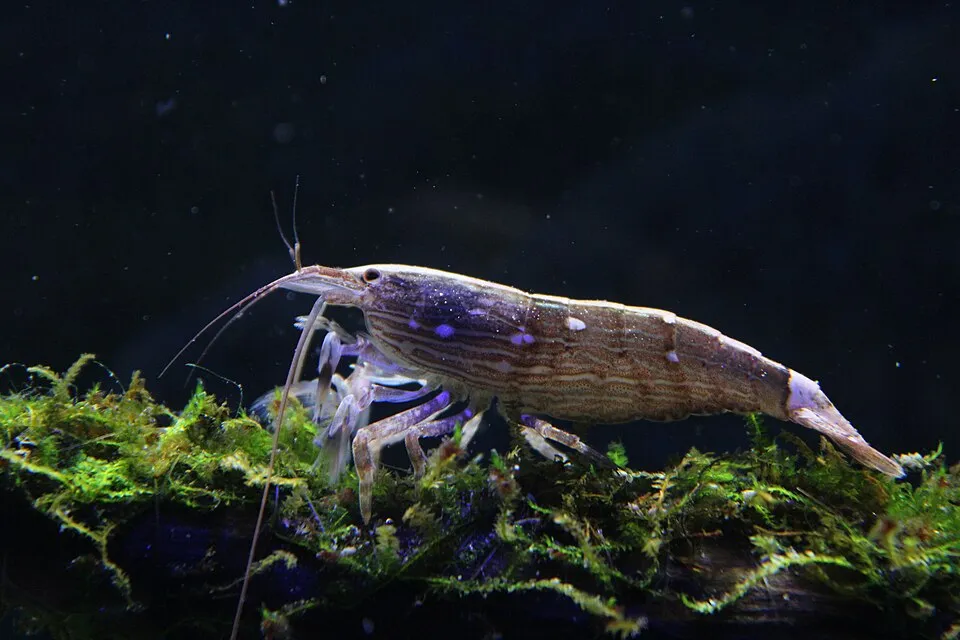
Bamboo shrimp
Atyopsis moluccensis
Freshwater3.9 in (10 cm) · 13 gal (50 L)72–84°F (22–29°C)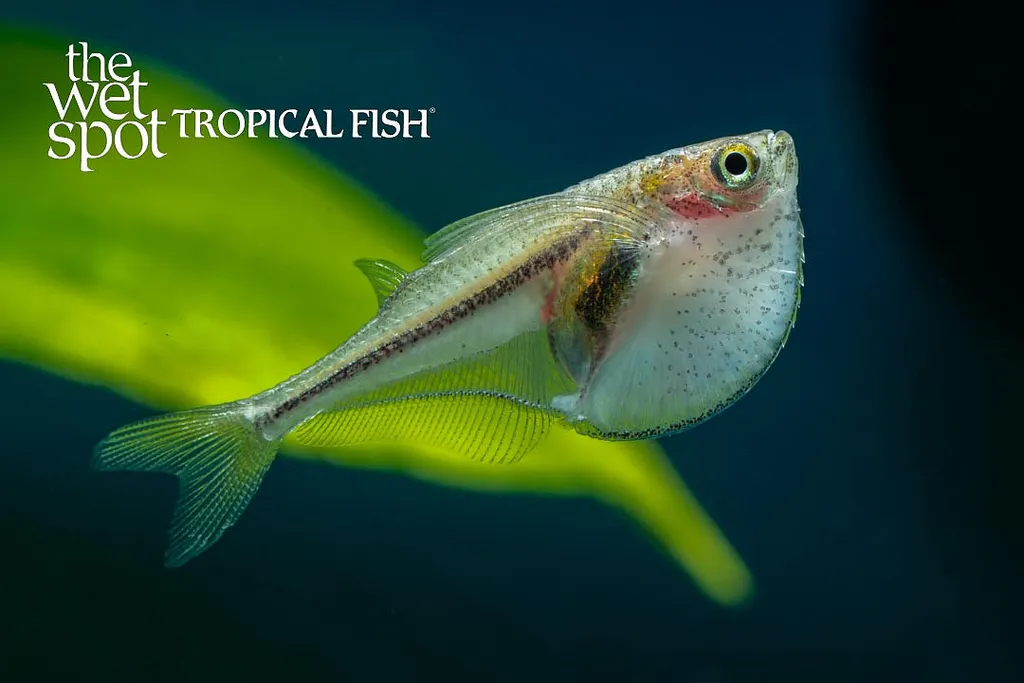
Pygmy hatchetfish
Carnegiella myersi
Freshwater1 in (2.5 cm) · 12 gal (45 L)73–79°F (23–26°C)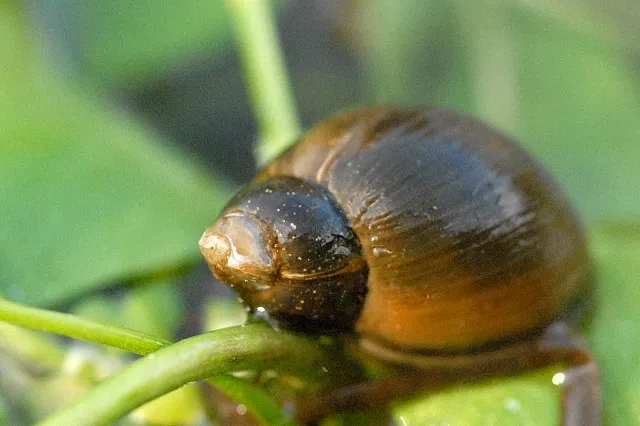
Wandering snail
Ampullaceana balthica
Freshwater0.8 in (2 cm) · 11 gal (40 L)50–84°F (10–29°C)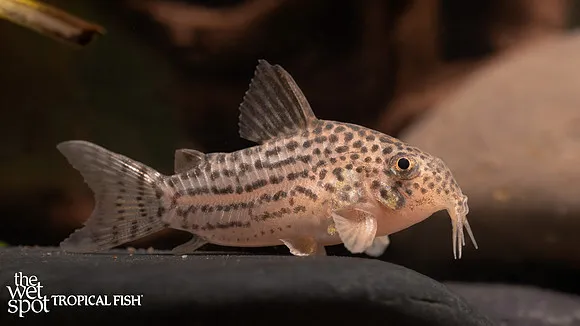
Reynolds's cory
Hoplisoma reynoldsi
Freshwater1.4 in (3.5 cm) · 12 gal (45 L)72–79°F (22–26°C)
Common questions
What size tank does a threestripe croaking gourami need?
A threestripe croaking gourami needs at least 12 gal (45 L). It spends most of its time in the middle.
What temperature and pH does a threestripe croaking gourami need?
A threestripe croaking gourami is comfortable at 72–82°F (22–28°C) with a pH of 6.0–7.5.
What does a threestripe croaking gourami eat?
A threestripe croaking gourami eats small live and frozen foods such as daphnia, artemia and micro worm. Once settled, it moves on to fine dried foods.
How big does a threestripe croaking gourami get?
An adult threestripe croaking gourami reaches about 2 in (5 cm).
How does a threestripe croaking gourami breed?
Threestripe croaking gouramis build bubble nests, using floating plants and calm water. Breeding them is of medium difficulty.
Related species
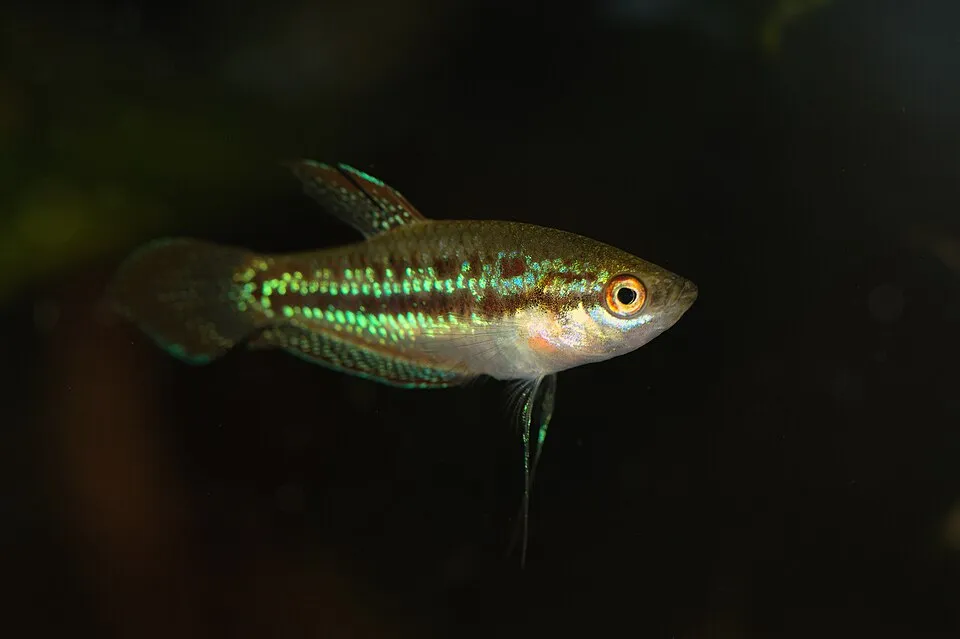 1.6 in (4 cm)10 gal (38 L)72–82°F (22–28°C)
Pygmy gourami
Trichopsis pumila
1.6 in (4 cm) · 10 gal (38 L)
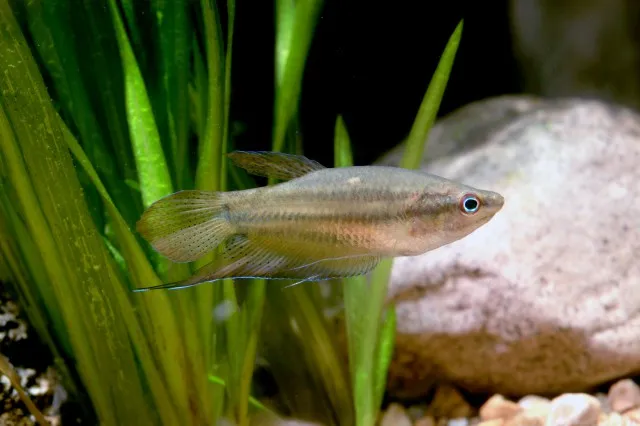 2.8 in (7 cm)18 gal (67 L)72–82°F (22–28°C)
Croaking gourami
Trichopsis vittata
2.8 in (7 cm) · 18 gal (67 L)
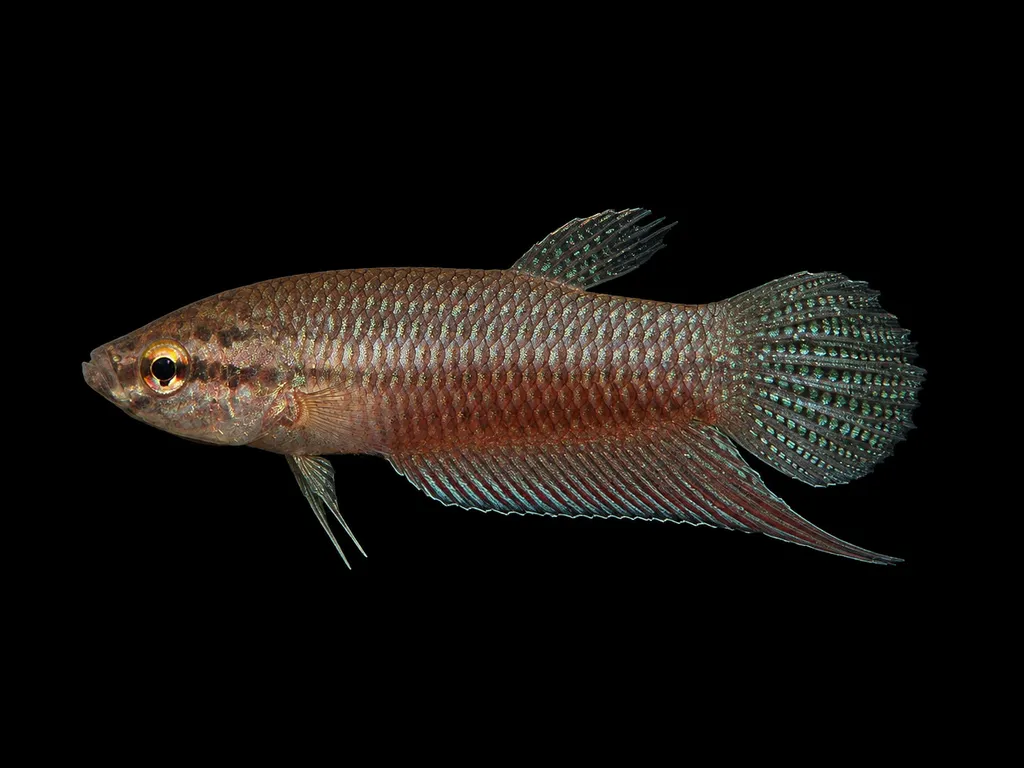 2 in (5 cm)16 gal (60 L)72–81°F (22–27°C)
Balunga betta
Betta balunga
2 in (5 cm) · 16 gal (60 L)
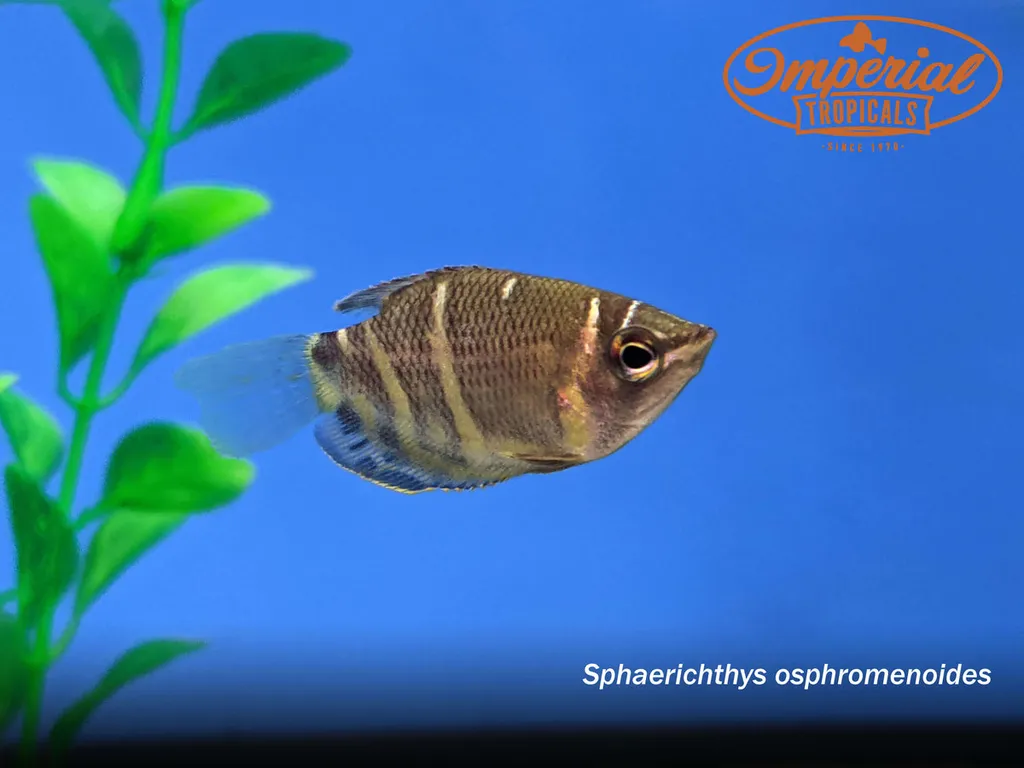 2 in (5 cm)17 gal (65 L)79–88°F (26–31°C)
Chocolate gourami
Sphaerichthys osphromenoides
2 in (5 cm) · 17 gal (65 L)
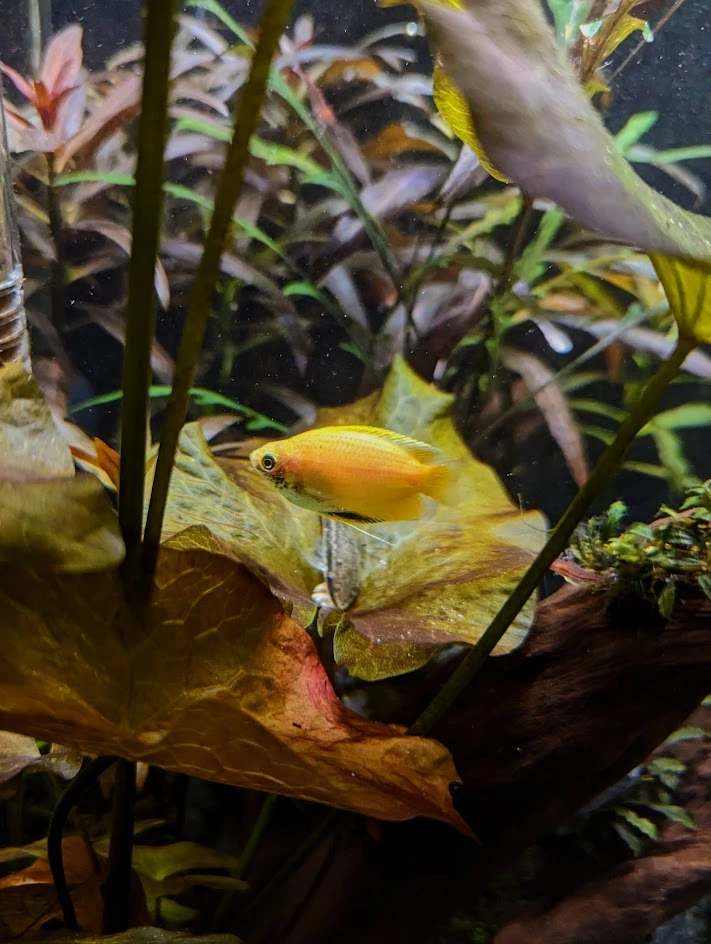 2 in (5 cm)14 gal (54 L)72–82°F (22–28°C)
Honey gourami
Trichogaster chuna
2 in (5 cm) · 14 gal (54 L)
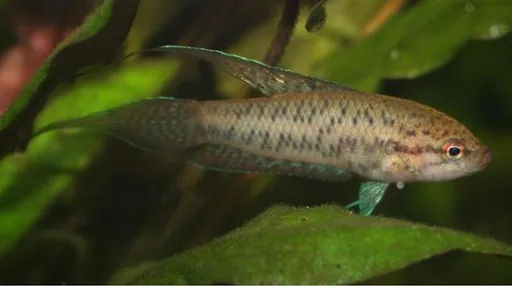 2 in (5 cm)12 gal (45 L)72–82°F (22–28°C)
Ornate paradisefish
Malpulutta kretseri
2 in (5 cm) · 12 gal (45 L)