Reynolds's cory
Hoplisoma reynoldsi
Also known as Corydoras reynoldsi, Reynolds corydoras
FreshwaterFish
Care at a glance
- Temperature
- 72–79°F
- 22–26°C
- pH
- 6.0–7.5
- Adult size
- 1.4 in
- 3.5 cm
- Minimum tank
- 12 gal
- 45 L
- Temperament
- Peaceful
- Social behavior
- Shoaling
- Swim level
- Bottom
- Difficulty
- Medium
- Breeding
- Medium
- Rarity
- Rare
- Family
- Callichthyidae
- Origin
- Upper Caqueta River basin in Colombia.
Overview
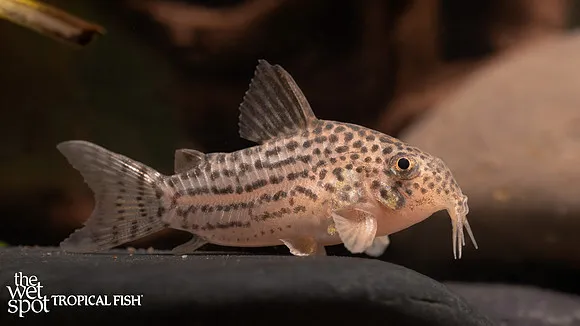
Reynolds's cory is a small, peaceful cory for the bottom of a clean community tank. It is a step up from the easiest cories.
Did you know
Reynolds's cory stayed out of the aquarium trade for decades, because its home in the upper Caqueta is so remote.
Caring for the Reynolds's cory
Keep Reynolds's cories in a group of six or more over smooth, fine sand. A tank of at least 12 gal (45 L) suits them.
They need soft, slightly acidic water at 72 to 79°F (22 to 26°C) and a pH of 6.0 to 7.5. Keep it clean and stable, because they are sensitive to poor conditions. They are considered more delicate than most cories and a little more prone to bacterial infections.
Feed small sinking foods, such as micro pellets, frozen bloodworm and daphnia. Reynolds's cories are peaceful and safe with other community fish, and breeding them is moderately difficult.
Good to know
Reynolds's cory carries three dark bands, one through the eye, one at the dorsal fin and one near the tail. The 2024 revision moved it to the genus Hoplisoma, as Hoplisoma reynoldsi.
In the wild
Reynolds's cory comes from the upper Caqueta River basin in Colombia. It forages over fine sand and leaf litter in soft, slow water, and stays near cover in groups.
Weekly picks
Tank mates
The Reynolds's cory is a peaceful, shoaling species that keeps to the bottom. These picks share a community profile with it, are safe together in both directions, and overlap on water type, temperature and pH.
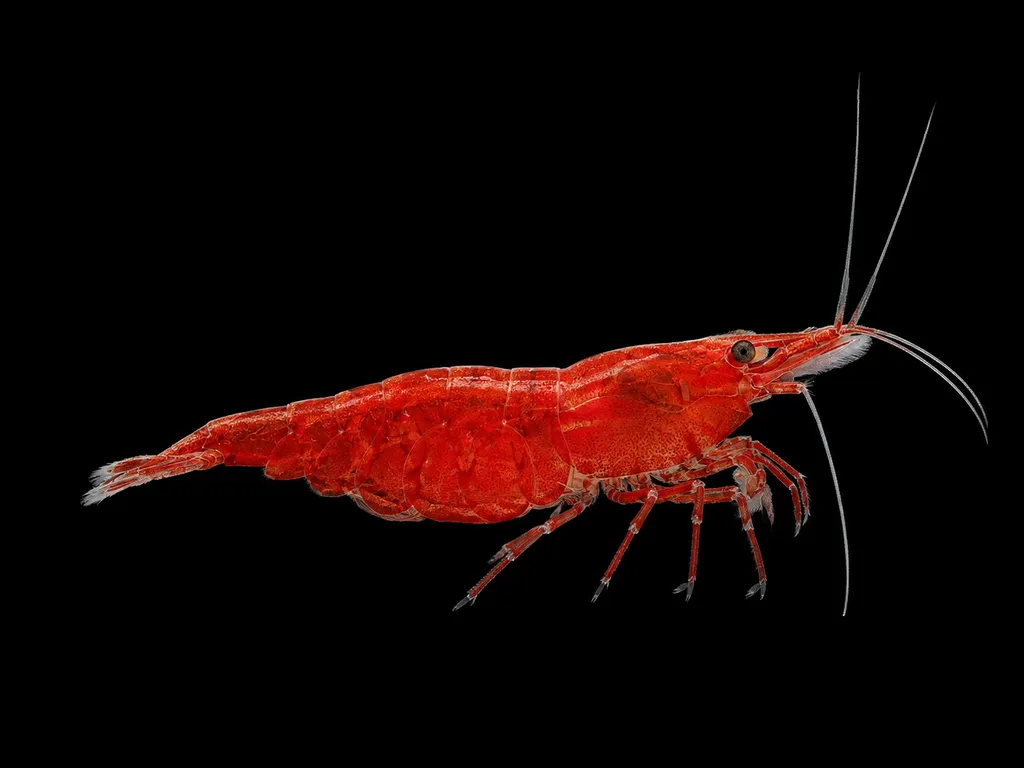
Neocaridina shrimp
Neocaridina davidi
Freshwater1.6 in (4 cm) · 5 gal (19 L)59–84°F (15–29°C)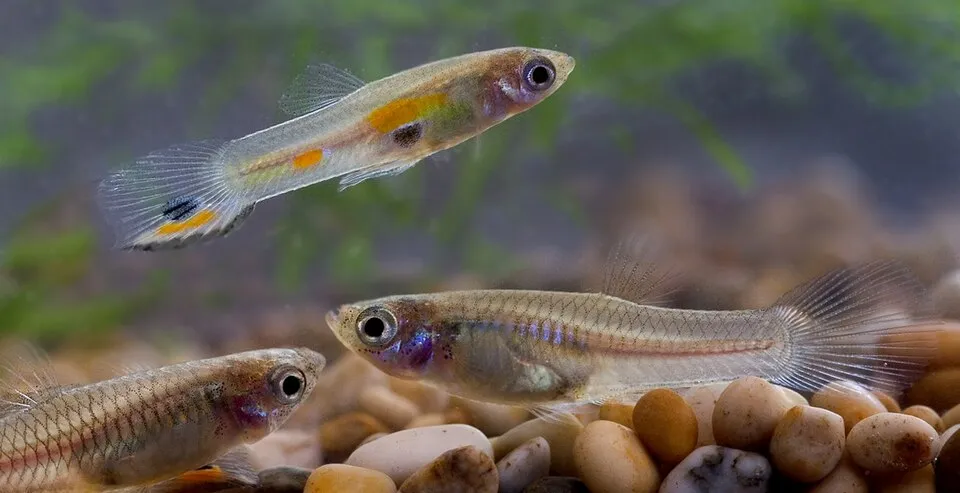
Guppy
Poecilia reticulata
FreshwaterBrackish2.4 in (6 cm) · 10 gal (38 L)64–82°F (18–28°C)
Neon tetra
Paracheirodon innesi
Freshwater1.5 in (3.8 cm) · 11 gal (40 L)70–77°F (21–25°C)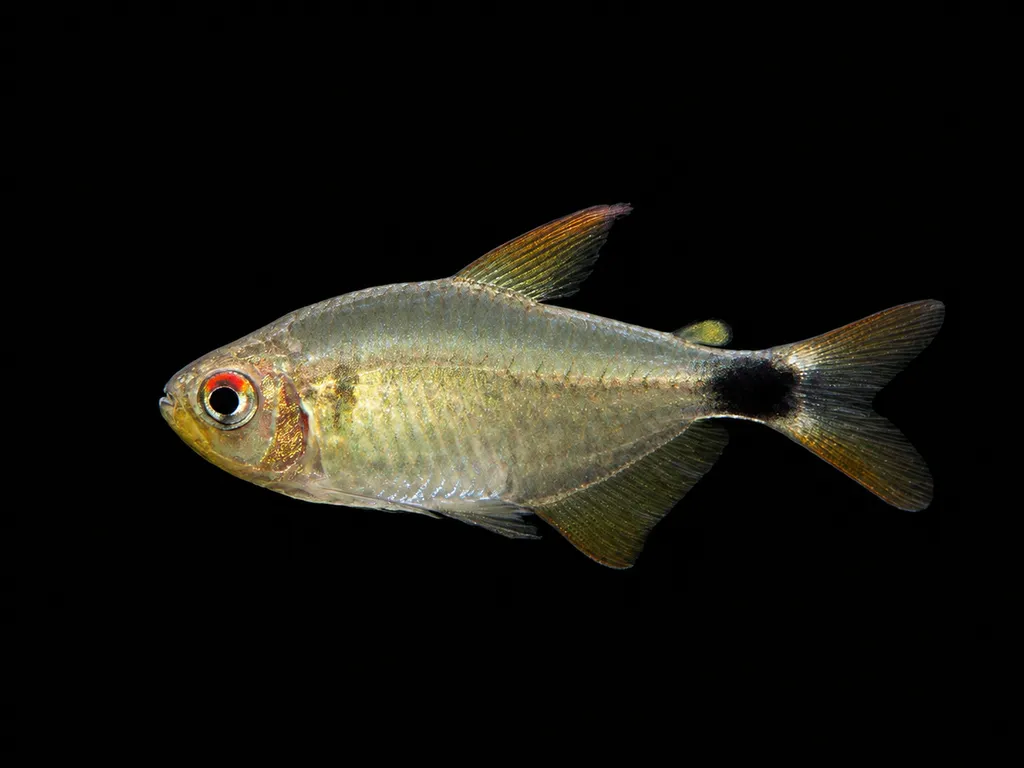
Kitty tetra
Hyphessobrycon heliacus
Freshwater1.3 in (3.4 cm) · 12 gal (45 L)72–82°F (22–28°C)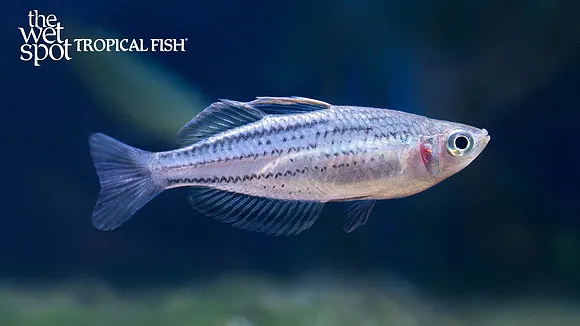
Green panchax
Aplocheilus blockii
Freshwater2 in (5 cm) · 11 gal (40 L)72–82°F (22–28°C)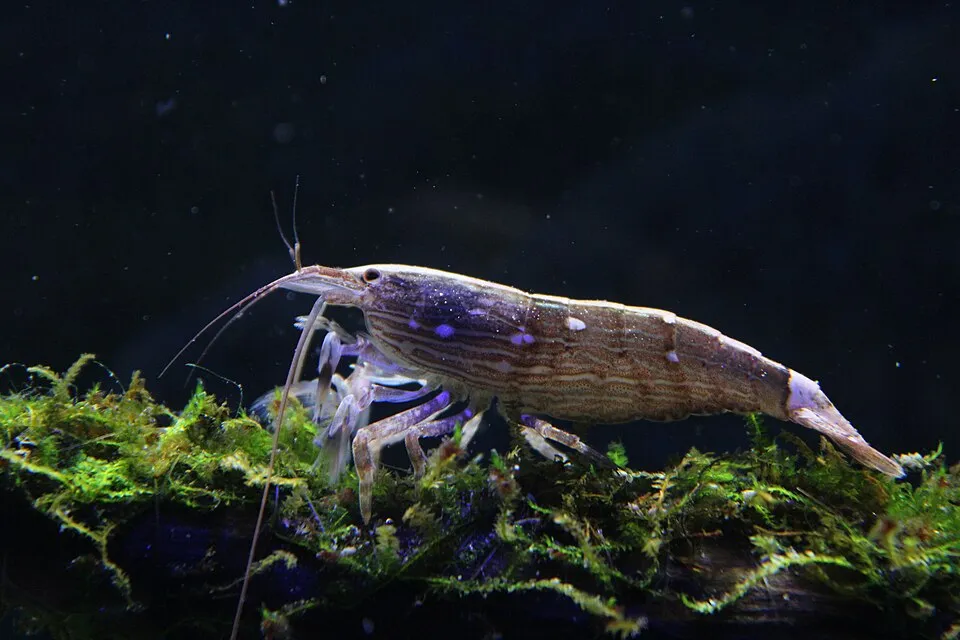
Bamboo shrimp
Atyopsis moluccensis
Freshwater3.9 in (10 cm) · 13 gal (50 L)72–84°F (22–29°C)
Common questions
What size tank does a Reynolds's cory need?
A Reynolds's cory needs at least 12 gal (45 L). It spends most of its time in the bottom.
What temperature and pH does a Reynolds's cory need?
A Reynolds's cory is comfortable at 72–79°F (22–26°C) with a pH of 6.0–7.5.
What does a Reynolds's cory eat?
A Reynolds's cory eats small sinking foods, such as micro pellets, frozen bloodworm and daphnia.
How big does a Reynolds's cory get?
An adult Reynolds's cory reaches about 1.4 in (3.5 cm).
Does a Reynolds's cory need a group?
Yes. A Reynolds's cory is a shoaling species and should be kept in a group, not singly.
Related species
 1.4 in (3.5 cm)13 gal (50 L)70–82°F (21–28°C)
Barred-tail cory
Hoplisoma cochui
1.4 in (3.5 cm) · 13 gal (50 L)
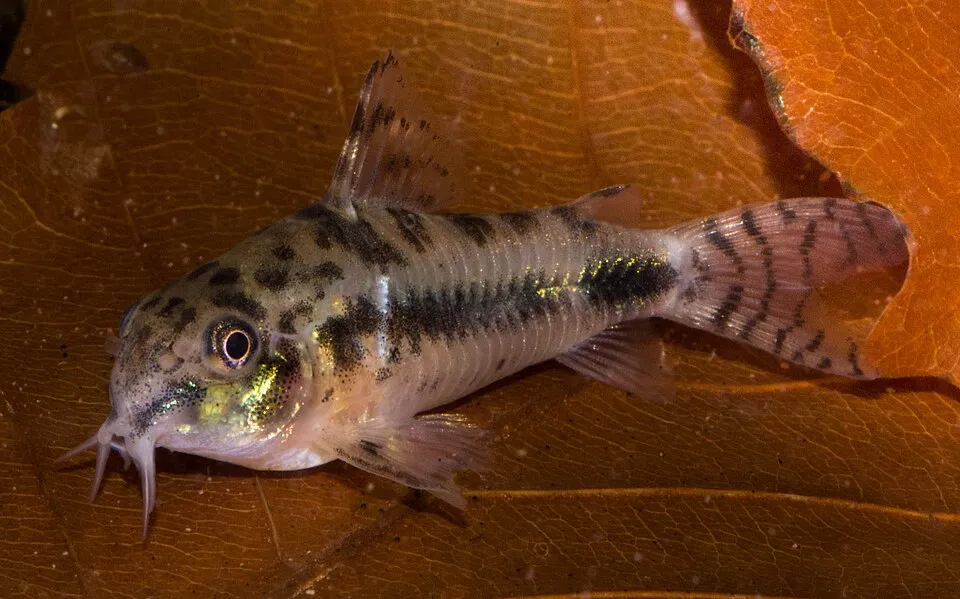 1.4 in (3.5 cm)10 gal (38 L)68–79°F (20–26°C)
Salt and pepper cory
Hoplisoma habrosum
1.4 in (3.5 cm) · 10 gal (38 L)
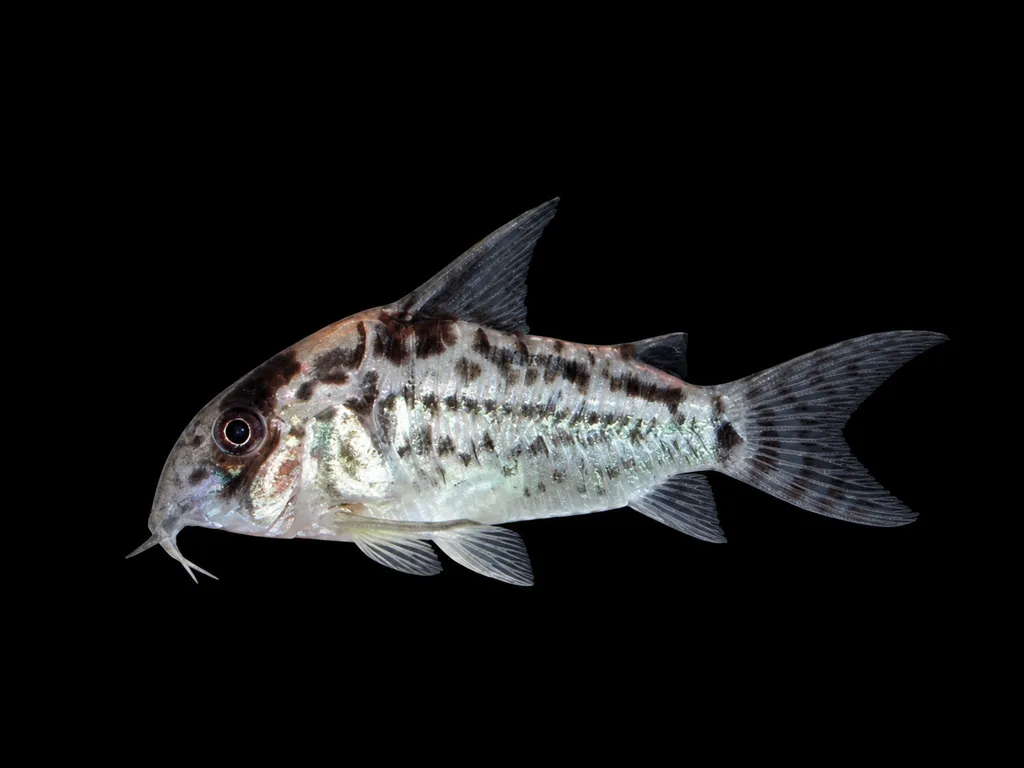 1.6 in (4 cm)15 gal (55 L)72–79°F (22–26°C)
Evelyn's cory
Hoplisoma evelynae
1.6 in (4 cm) · 15 gal (55 L)
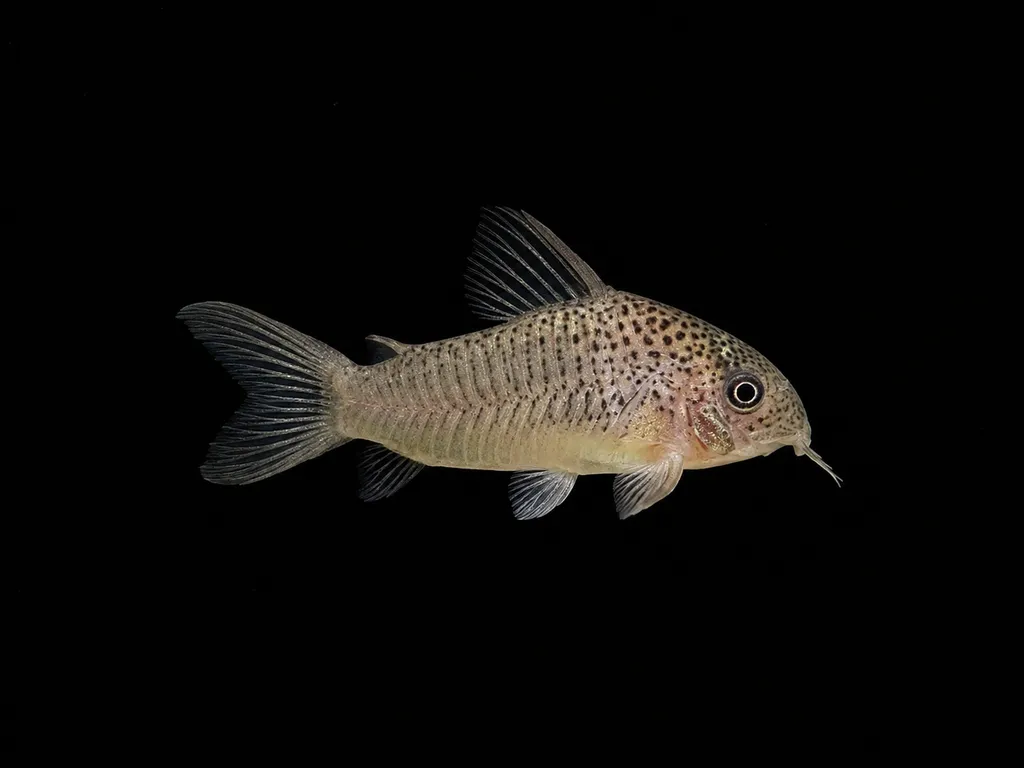 1.6 in (4 cm)15 gal (55 L)72–81°F (22–27°C)
Many-spotted cory
Hoplisoma polystictum
1.6 in (4 cm) · 15 gal (55 L)
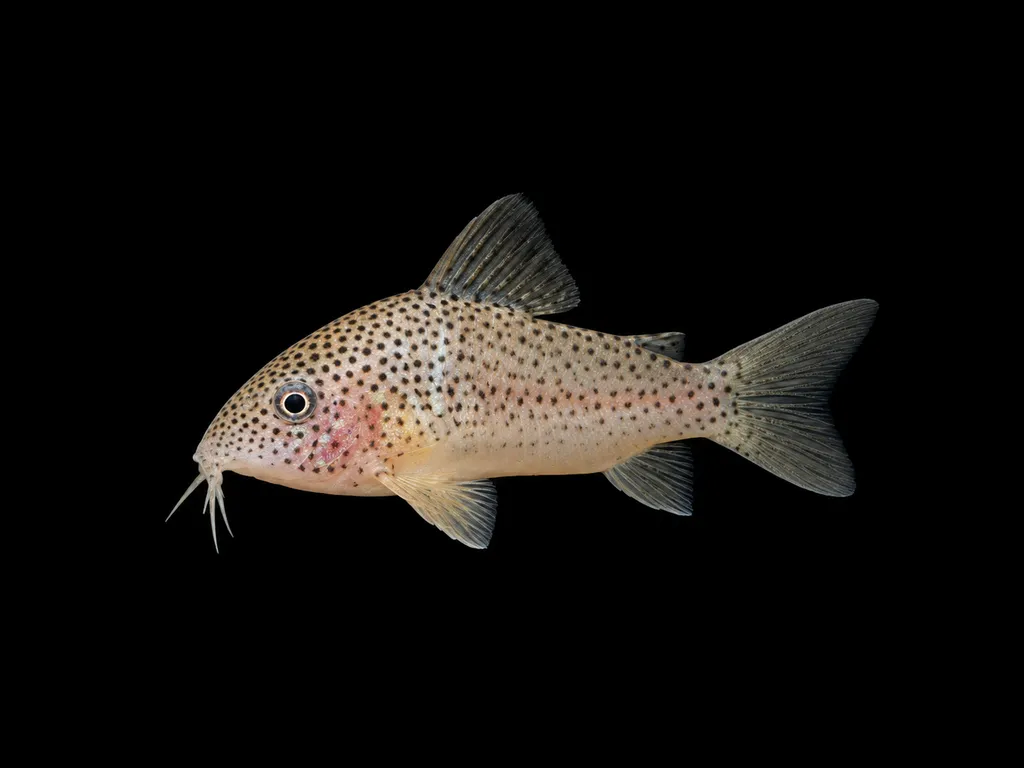 1.8 in (4.5 cm)15 gal (55 L)75–82°F (24–28°C)
Apiaka cory
Hoplisoma apiaka
1.8 in (4.5 cm) · 15 gal (55 L)
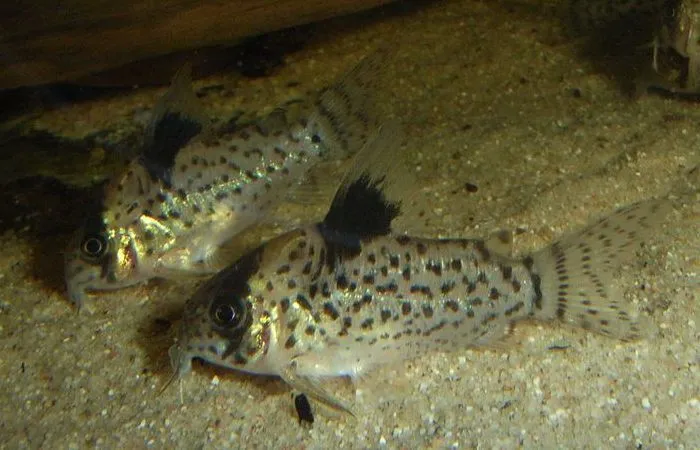 1.8 in (4.5 cm)16 gal (60 L)73–79°F (23–26°C)
Blackfin cory
Hoplisoma leucomelas
1.8 in (4.5 cm) · 16 gal (60 L)