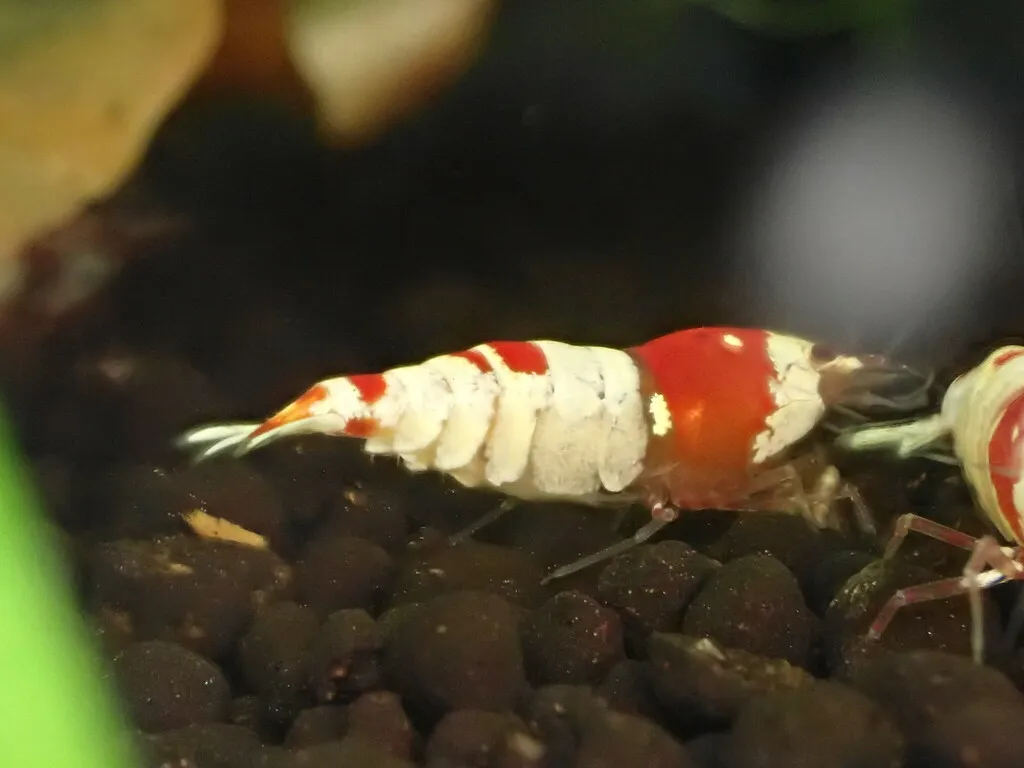
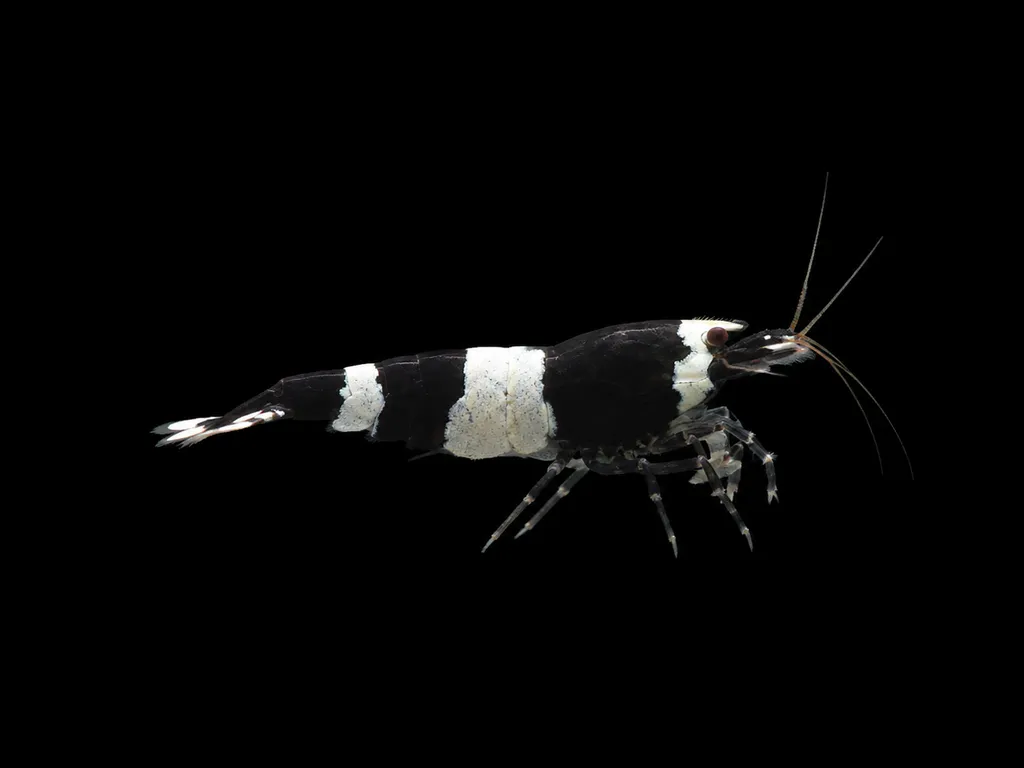
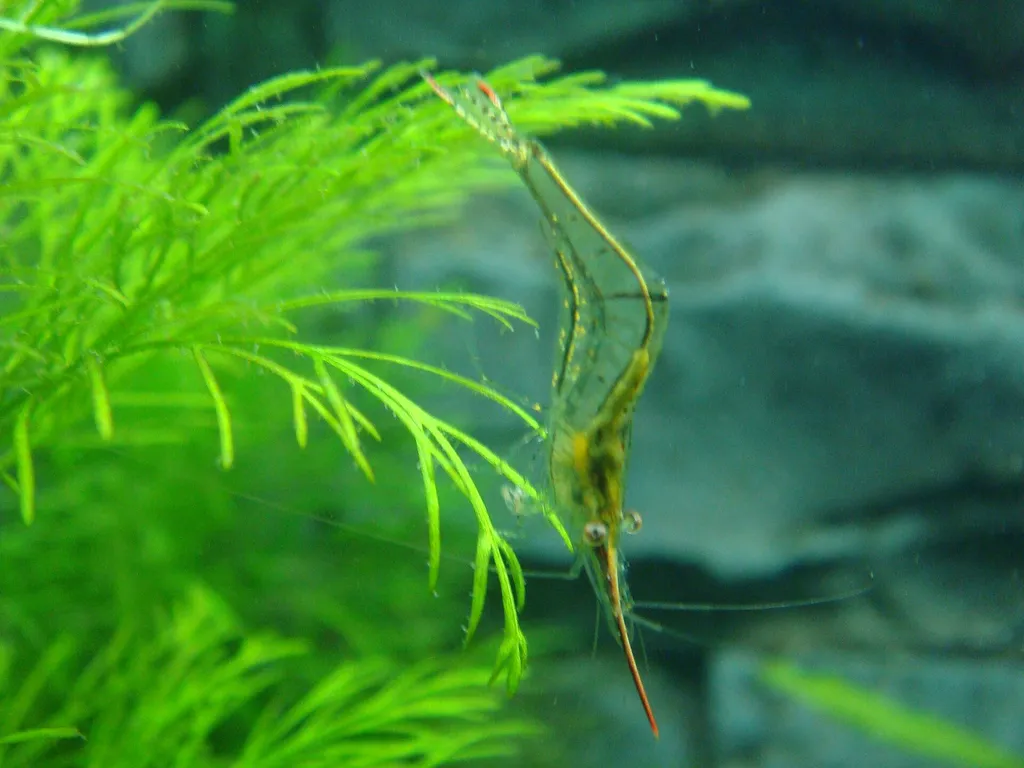
Crystal red shrimp are small red and white dwarf shrimp that live best in a colony, grazing biofilm and algae from plants, wood, and fine substrate all day. They are peaceful and defenseless, so keep them alone or with only tiny, calm fish that cannot swallow them. Their real challenge is water: they need soft, slightly acidic, and very stable conditions, usually over an active buffering substrate. Never let copper reach the tank, since it kills shrimp quickly. Feed a good shrimp food, blanched vegetables, and leaf litter. A planted tank of 30 liters or more will hold a healthy group.
In the wild
The crystal red is a bred color form of Caridina cantonensis, a bee shrimp from cool, shaded hill streams in southern China and Taiwan. Those waters are soft, clean, and gently flowing over rock and leaf litter. To copy that at home, use soft, low-mineral water with a pH from about 5.5 to 7.5 and keep it on the cool side, roughly 19 to 26 c. Fine gravel or an active soil, mosses, and plenty of plants give the shrimp cover and grazing surfaces while helping hold the water steady.
Good to know
Caridina cantonensis is a dwarf member of the Atyidae. Adults are small, about 2.5 to 4 cm, with females a touch larger than males. Shrimp grow by molting and stay soft and hidden for a day afterward. Unlike filter shrimp, this species breeds fully in freshwater: a berried female fans a small clutch of eggs under her tail until they hatch as miniature shrimp, with no larval stage. Getting a colony started is still rated hard, because the shrimp only thrive and breed when the soft, stable water they need is held exactly right.
Did you know
Crystal red shrimp were fixed as a red and white line in the 1990s by Hisayasu Suzuki of Japan, who selected them from a rare red mutation of the normally dark bee shrimp. Keepers now grade them by how bold and solid the white banding is.
Weekly picks
Tank mates
Crystal red shrimp is a peaceful, social species that keeps to the bottom. These picks share a community profile with it, are safe together in both directions, and overlap on water type, temperature and pH.
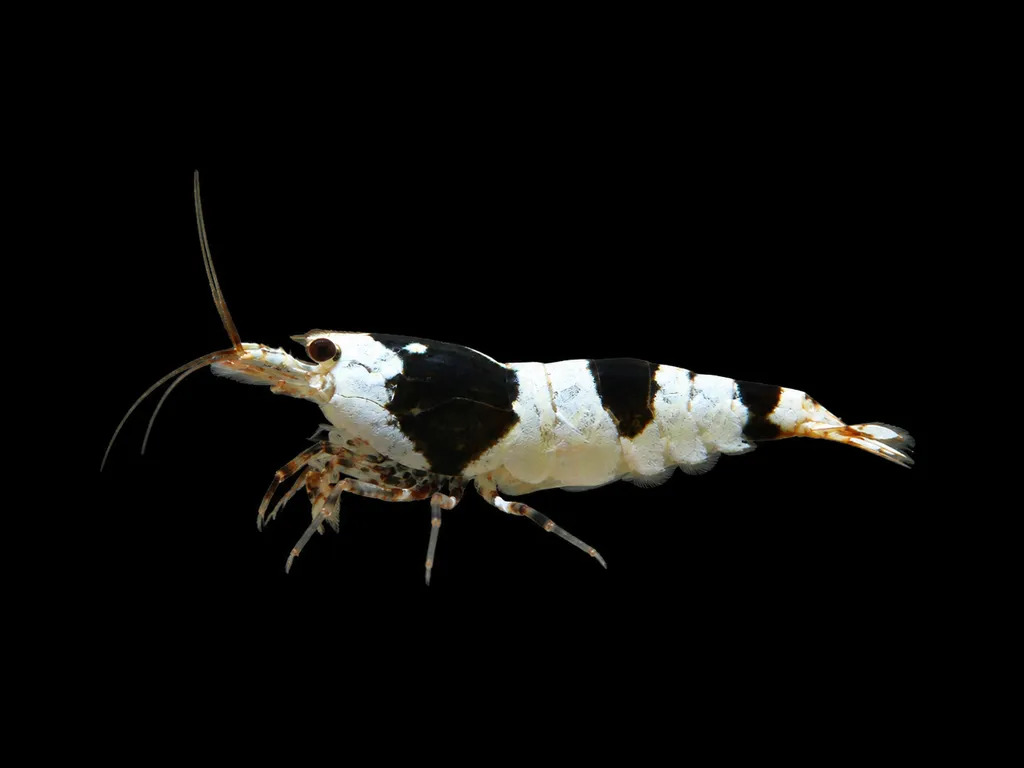
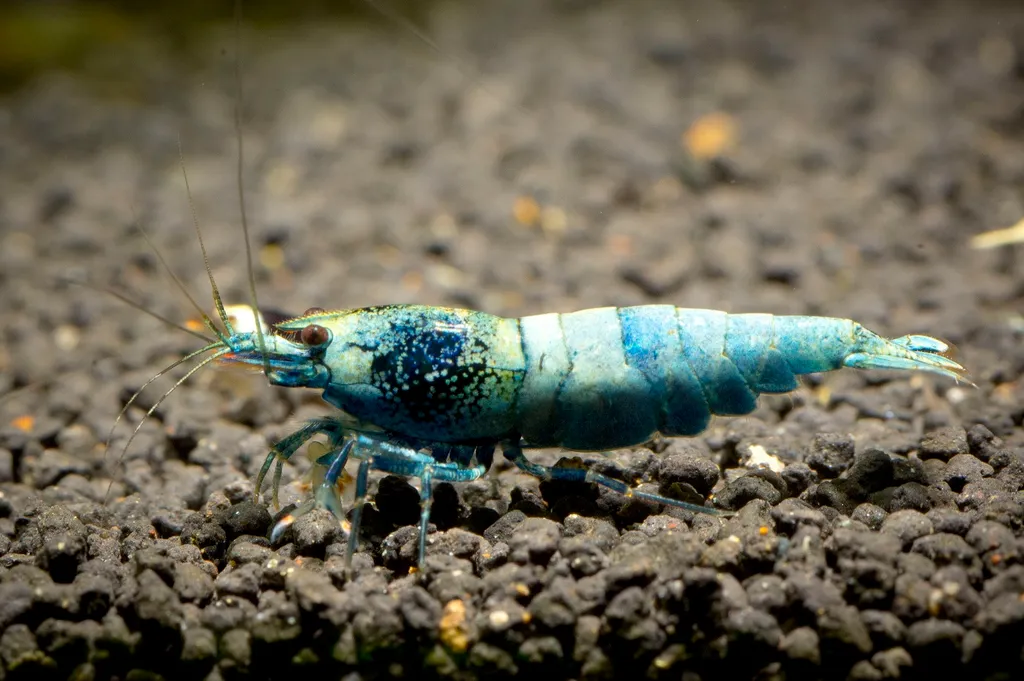
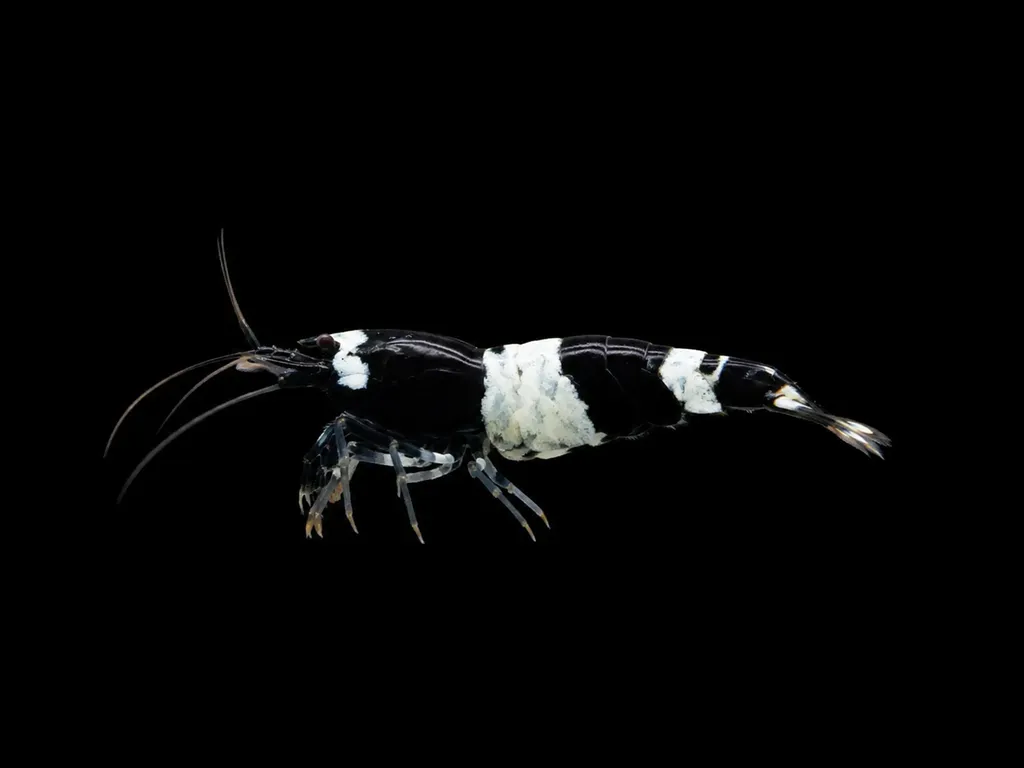
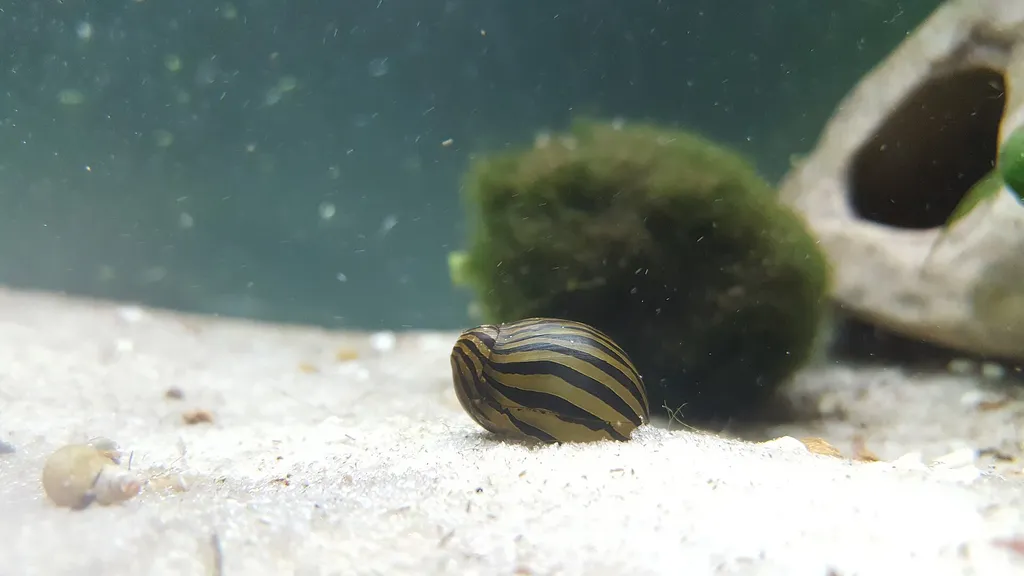
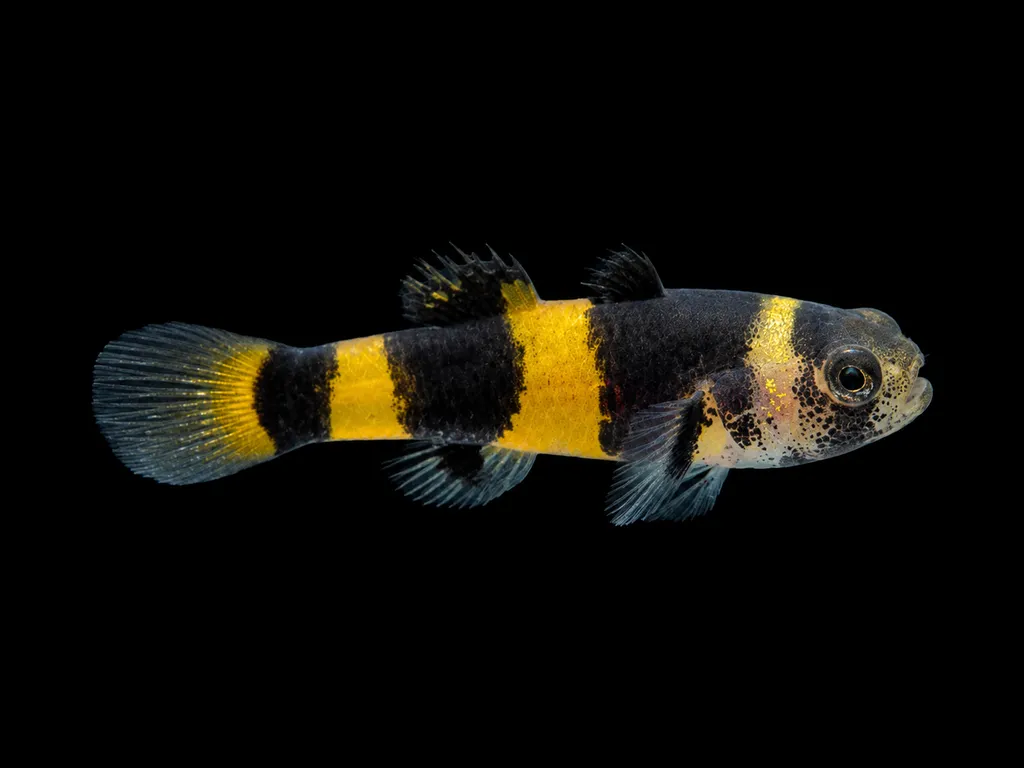
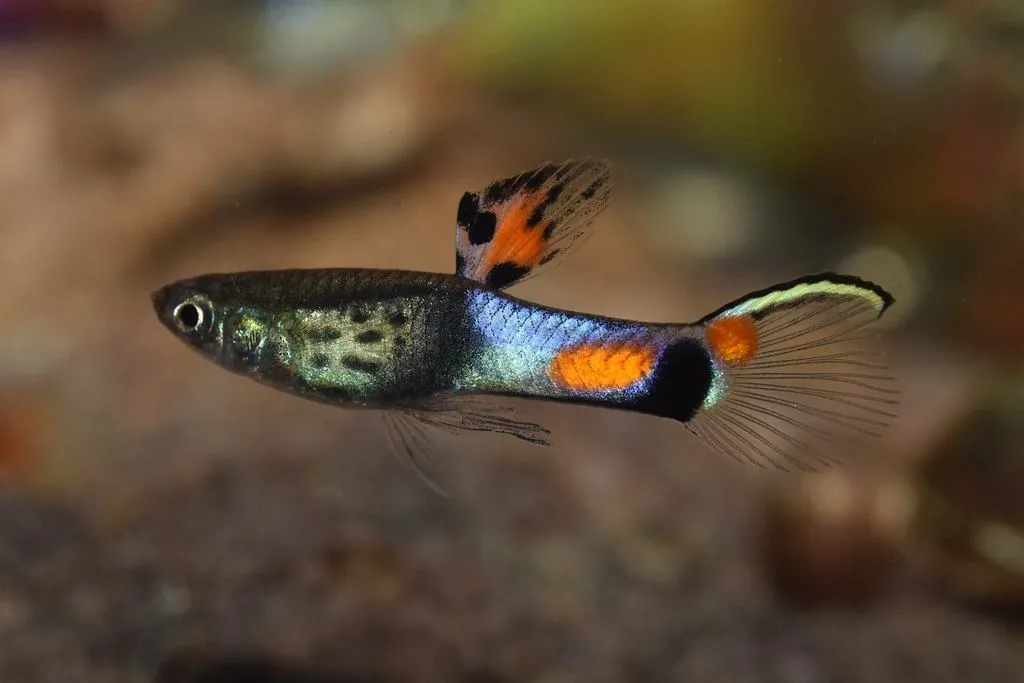
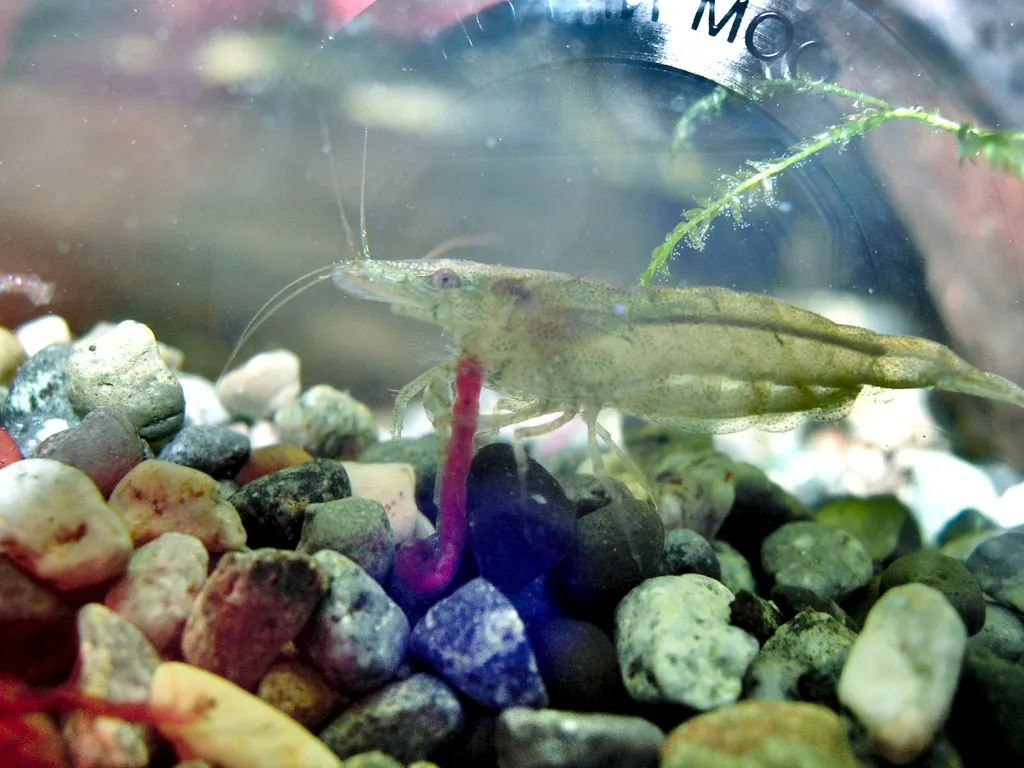
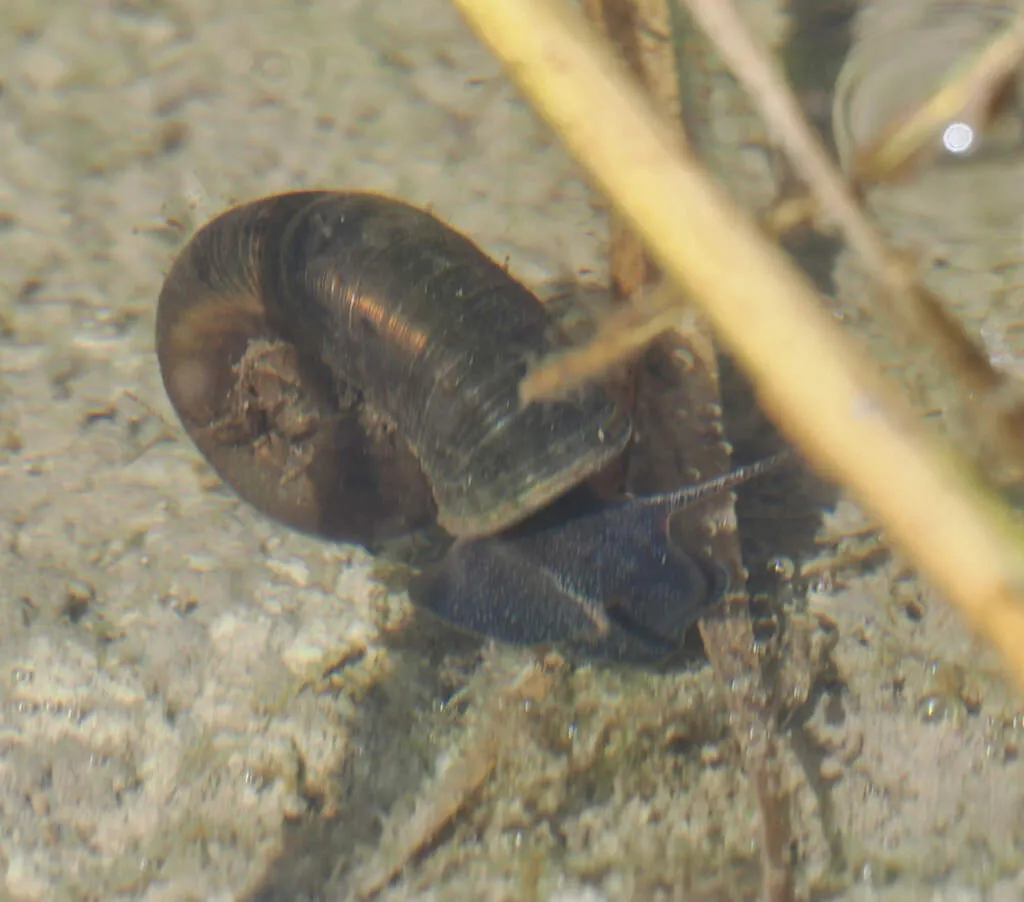
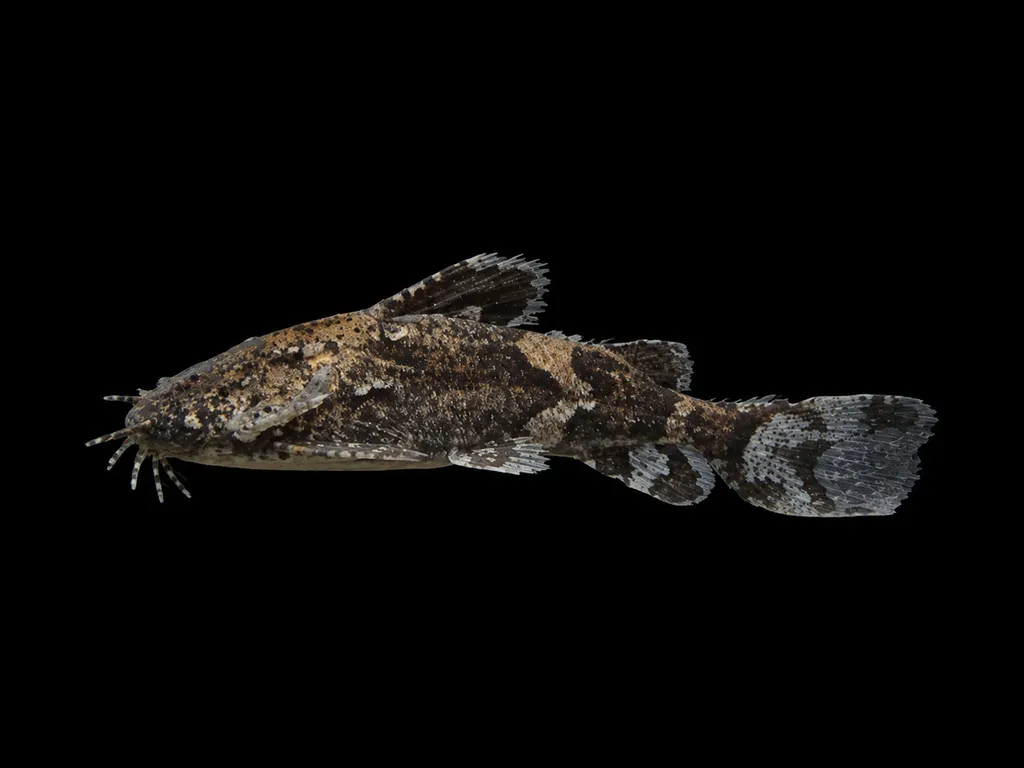
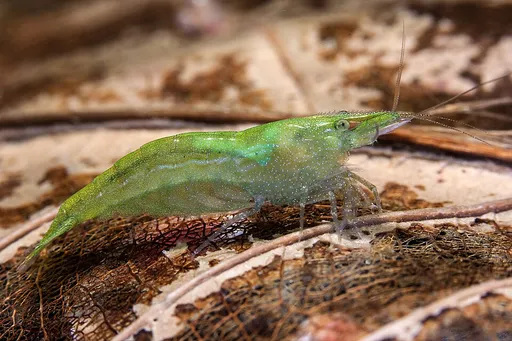 1.2 in (3 cm)10 gal (38 L)72–82°F (22–28°C)
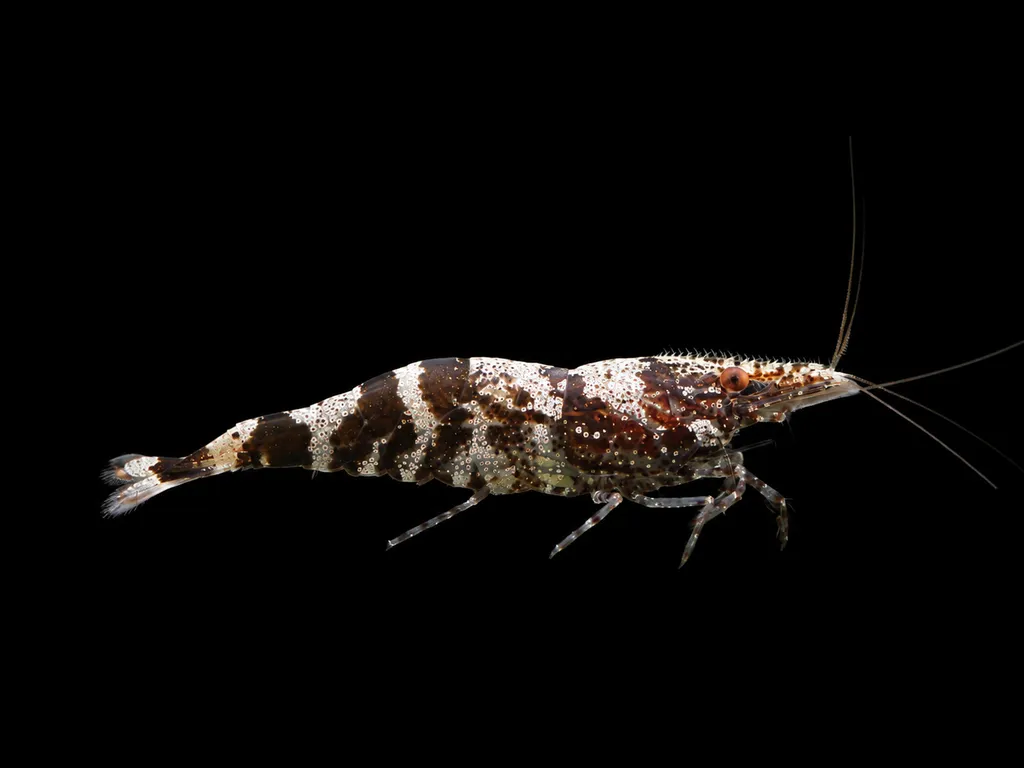 1.2 in (3 cm)5 gal (20 L)73–82°F (23–28°C)
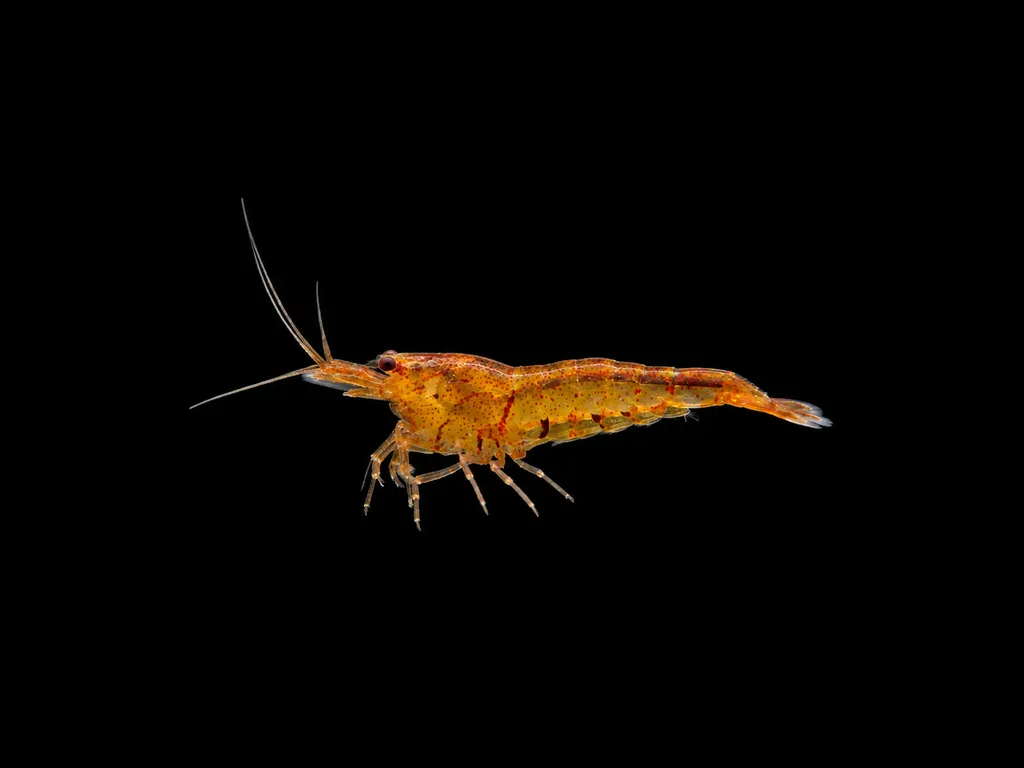 1.2 in (3 cm)5 gal (20 L)68–79°F (20–26°C)
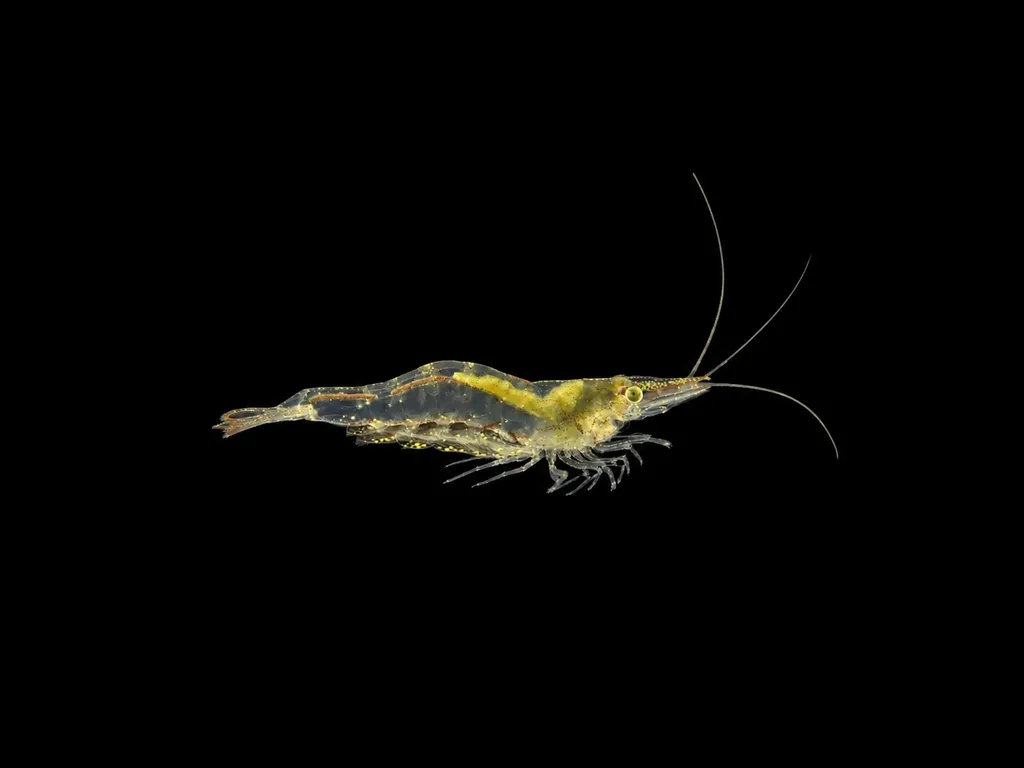 1.4 in (3.5 cm)5 gal (20 L)73–82°F (23–28°C)
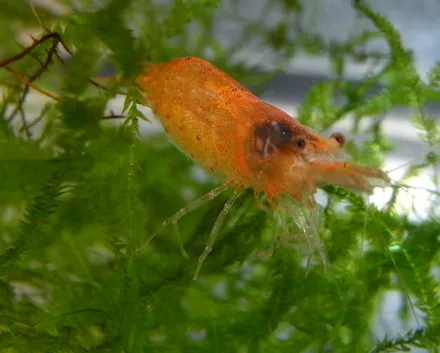 1.4 in (3.5 cm)5 gal (20 L)73–82°F (23–28°C)
 1.6 in (4 cm)5 gal (20 L)73–82°F (23–28°C)