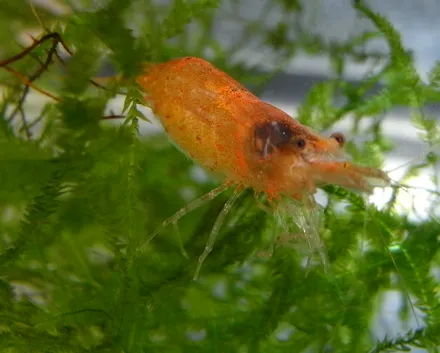
Sunkist shrimp
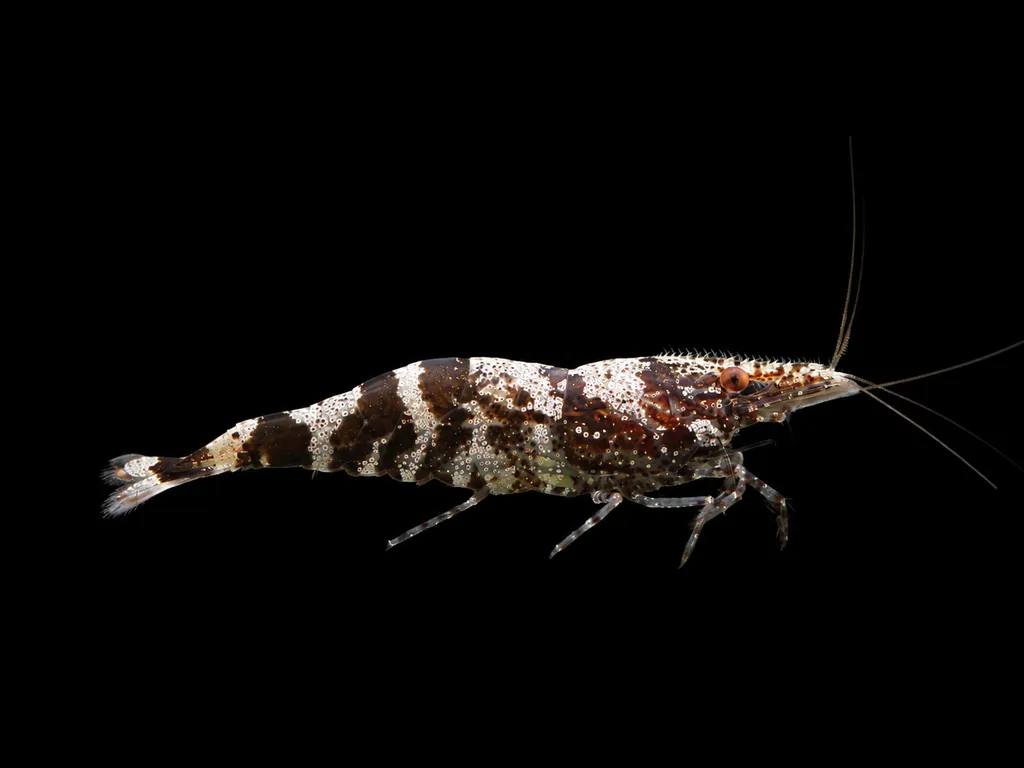
Caridina thambipillai
Also known as Golden Sunset Shrimp, Mandarin Shrimp, Sunkist Orange Shrimp, Caridina cf. propinqua, Caridina propinqua
FreshwaterShrimp
Care at a glance
- Temperature
- 73–82°F
- 23–28°C
- pH
- 6.8–7.8
- Adult size
- 1.4 in
- 3.5 cm
- Minimum tank
- 5 gal
- 20 L
- Temperament
- Peaceful
- Social behavior
- Social
- Swim level
- Bottom
- Difficulty
- Medium
- Breeding
- Hard
- Rarity
- Rare
- Family
- Atyidae
- Origin
- Streams of Malaysia and Myanmar
Overview
The Sunkist shrimp is an easygoing orange grazer for a peaceful community or shrimp tank. It suits a keeper with a little experience.
Did you know
The Sunkist shrimp and the golden sunset shrimp are the same animal under two shop labels. It also turns up as the mandarin or orange shrimp, so the price and the name can change while the species does not.
Caring for the Sunkist shrimp
Keep Sunkist shrimp in a group, since they are social and look best in numbers. The colony will not replace itself, so buy as many as you mean to keep. A mature planted or botanical tank of 5 gal (20 L) or more, with hiding places and gentle flow, suits them.
Keep conditions steady at 73 to 82°F (23 to 28°C) and a pH of 6.8 to 7.8. Hold water quality high and nitrate low, since they dislike dirty water. A clean, well-run tank keeps their orange color bright.
Sunkist shrimp graze algae and biofilm across the scape. Feed a quality shrimp food, with occasional vegetables and frozen treats.
They leave plants and calm tank mates alone, but anything large enough to eat a small shrimp will eat them. Their larvae need a brackish stage to develop, which makes breeding hard in a freshwater tank.
Good to know
The Sunkist shrimp, Caridina thambipillai, is an atyid from the dwarf shrimp family. For years it was sold under the wrong name, Caridina cf. propinqua. The shrimp specialist Werner Klotz sorted out its identity in 2011.
In the wild
The Sunkist shrimp works slow, leaf-strewn streams in Malaysia and Myanmar. It picks food from leaf litter and biofilm in soft to moderately mineralized water.
Weekly picks
Tank mates
The Sunkist shrimp is a peaceful, social species that keeps to the bottom. These picks share a community profile with it, are safe together in both directions, and overlap on water type, temperature and pH.
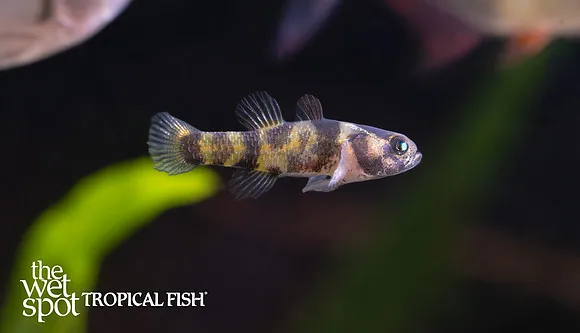
Micro bumblebee goby
Brachygobius nunus
FreshwaterBrackish1 in (2.5 cm) · 5 gal (20 L)73–82°F (23–28°C)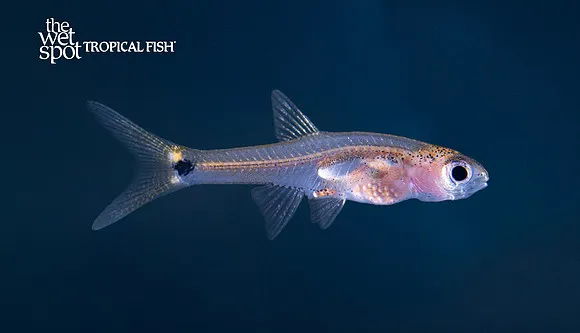
Dwarf amber barb
Barboides gracilis
Freshwater0.8 in (2 cm) · 5 gal (20 L)73–81°F (23–27°C)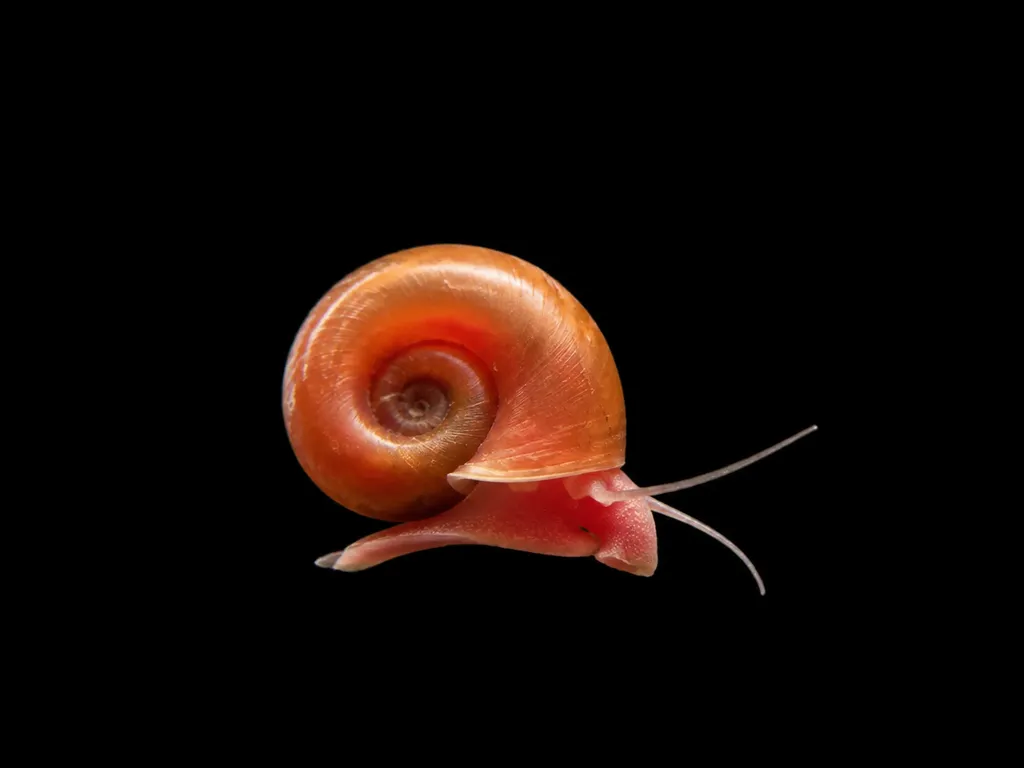
Red ramshorn snail
Indoplanorbis exustus
Freshwater0.8 in (2 cm) · 5 gal (20 L)68–86°F (20–30°C)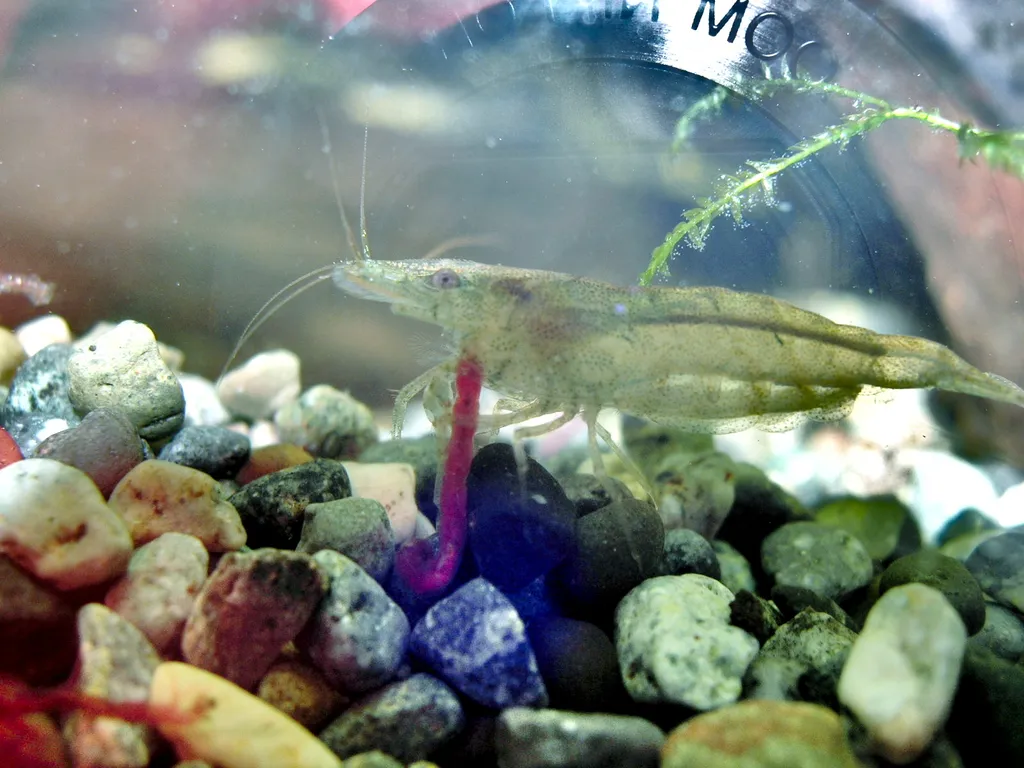
Okinawa cleaner shrimp
Neocaridina denticulata
Freshwater1.2 in (3 cm) · 5 gal (20 L)64–79°F (18–26°C)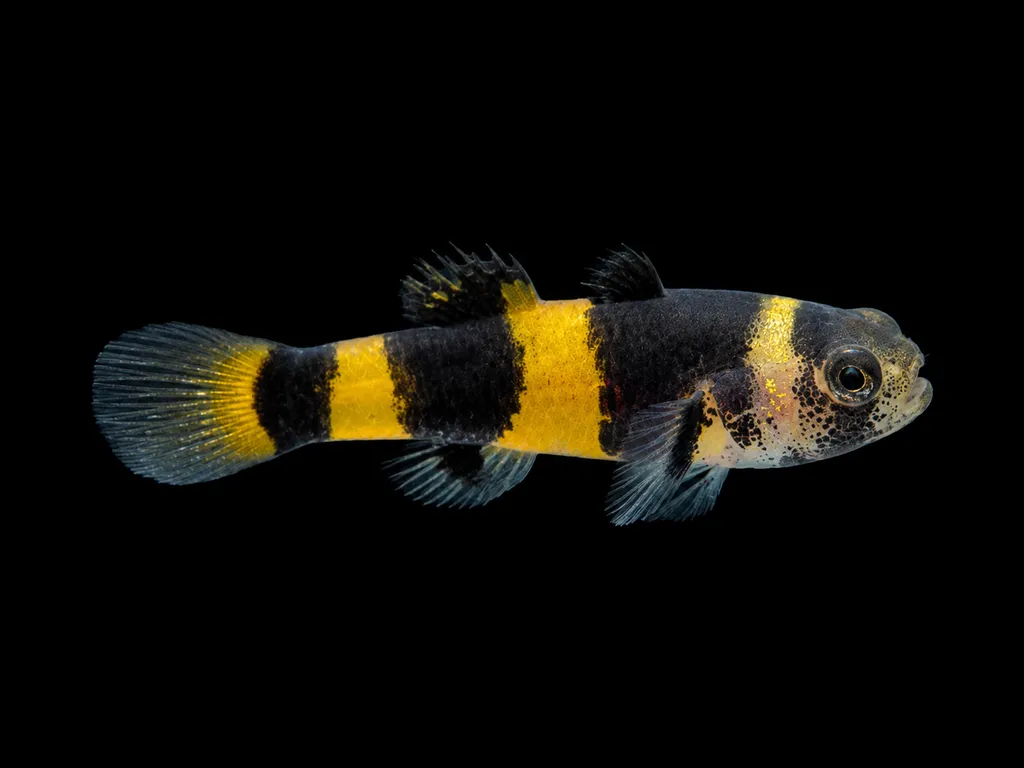
Mini bumblebee goby
Brachygobius xanthomelas
Freshwater0.8 in (2 cm) · 5 gal (20 L)75–82°F (24–28°C)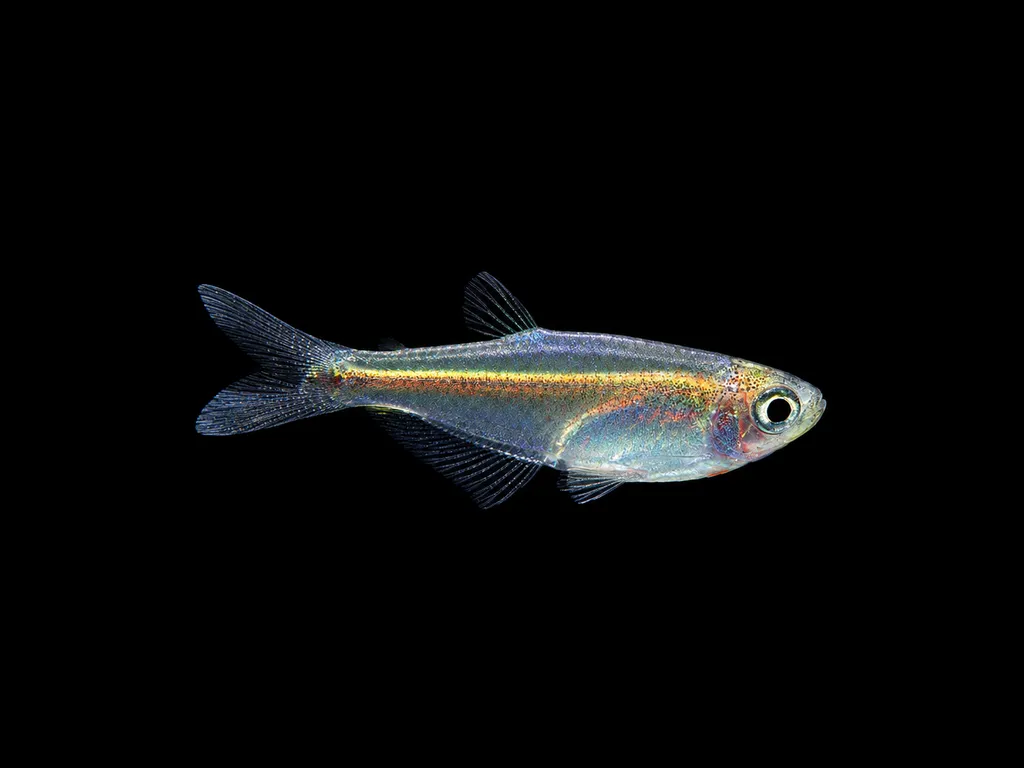
Tambopata glass tetra
Tyttocharax tambopatensis
Freshwater0.7 in (1.9 cm) · 5 gal (20 L)73–81°F (23–27°C)
Common questions
What size tank does a Sunkist shrimp need?
A Sunkist shrimp needs at least 5 gal (20 L). It spends most of its time in the bottom.
What temperature and pH does a Sunkist shrimp need?
A Sunkist shrimp is comfortable at 73–82°F (23–28°C) with a pH of 6.8–7.8.
What does a Sunkist shrimp eat?
A Sunkist shrimp grazes algae and biofilm. Feed it a quality shrimp food, with occasional vegetables and frozen treats.
How big does a Sunkist shrimp get?
An adult Sunkist shrimp reaches about 1.4 in (3.5 cm).
Related species
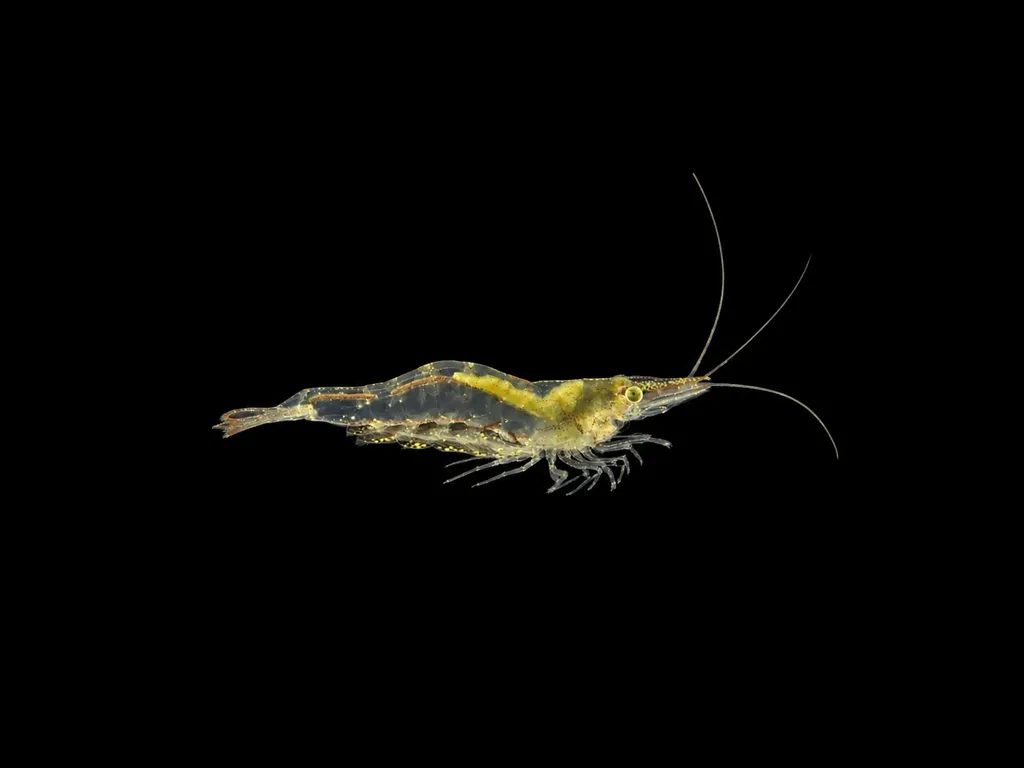 1.4 in (3.5 cm)5 gal (20 L)73–82°F (23–28°C)
Short-nose algae shrimp
Caridina longirostris
1.4 in (3.5 cm) · 5 gal (20 L)
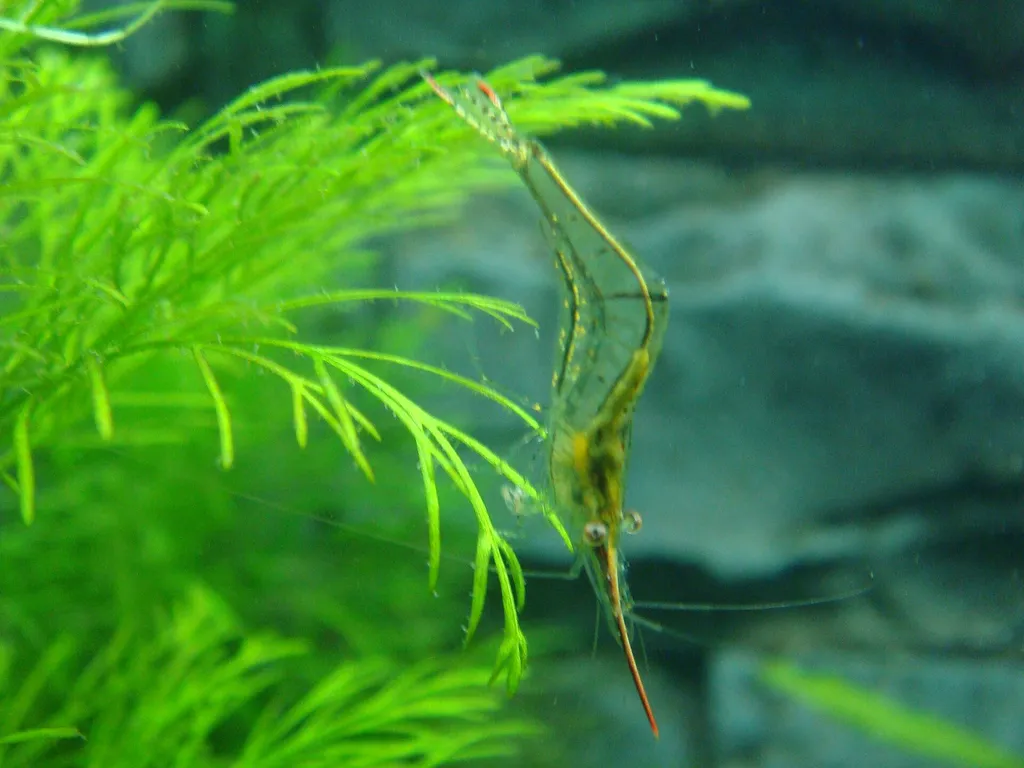 1.6 in (4 cm)5 gal (20 L)73–82°F (23–28°C)
Red skunk shrimp
Caridina gracilirostris
1.6 in (4 cm) · 5 gal (20 L)
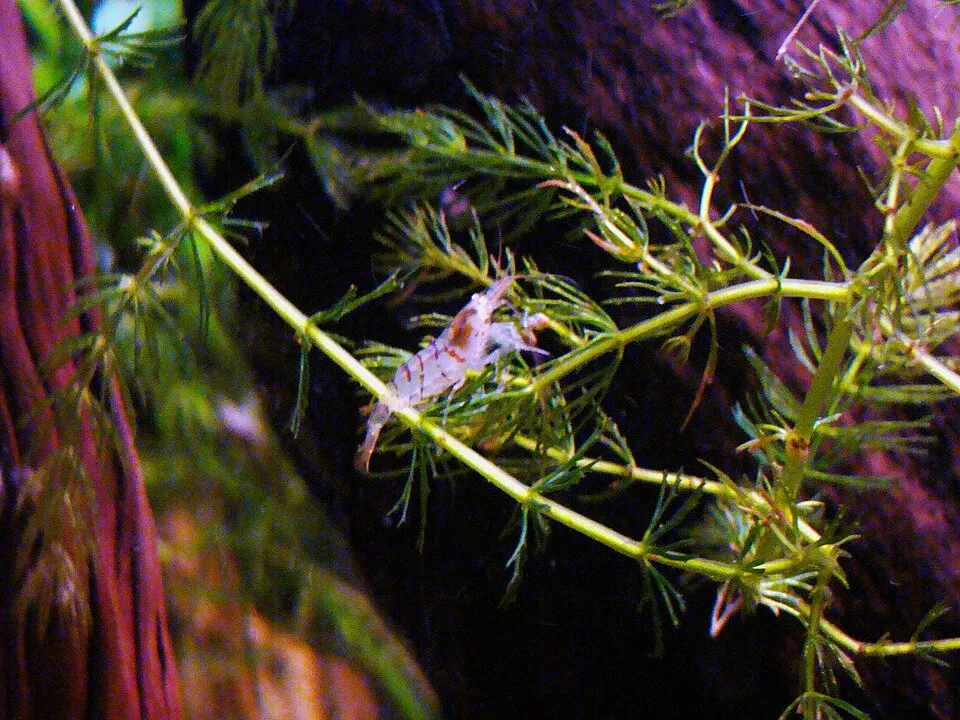 1.6 in (4 cm)7 gal (25 L)64–73°F (18–23°C)
Tiger shrimp
Caridina mariae
1.6 in (4 cm) · 7 gal (25 L)
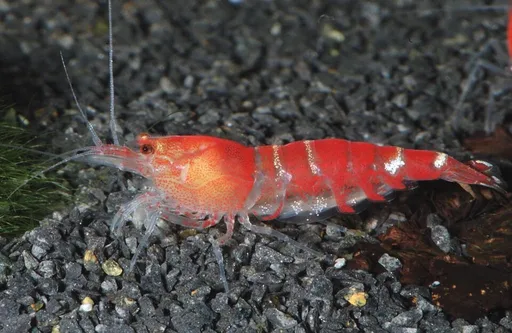 1.2 in (3 cm)5 gal (20 L)64–75°F (18–24°C)
Bee shrimp
Caridina logemanni
1.2 in (3 cm) · 5 gal (20 L)
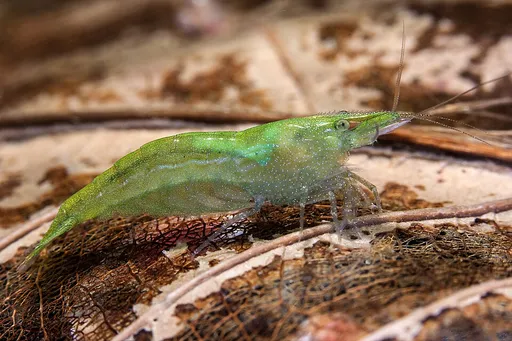 1.2 in (3 cm)10 gal (38 L)72–82°F (22–28°C)
Green babaulti shrimp
Caridina babaulti
1.2 in (3 cm) · 10 gal (38 L)
 1.2 in (3 cm)5 gal (20 L)73–82°F (23–28°C)
Ninja shrimp
Caridina serratirostris
1.2 in (3 cm) · 5 gal (20 L)