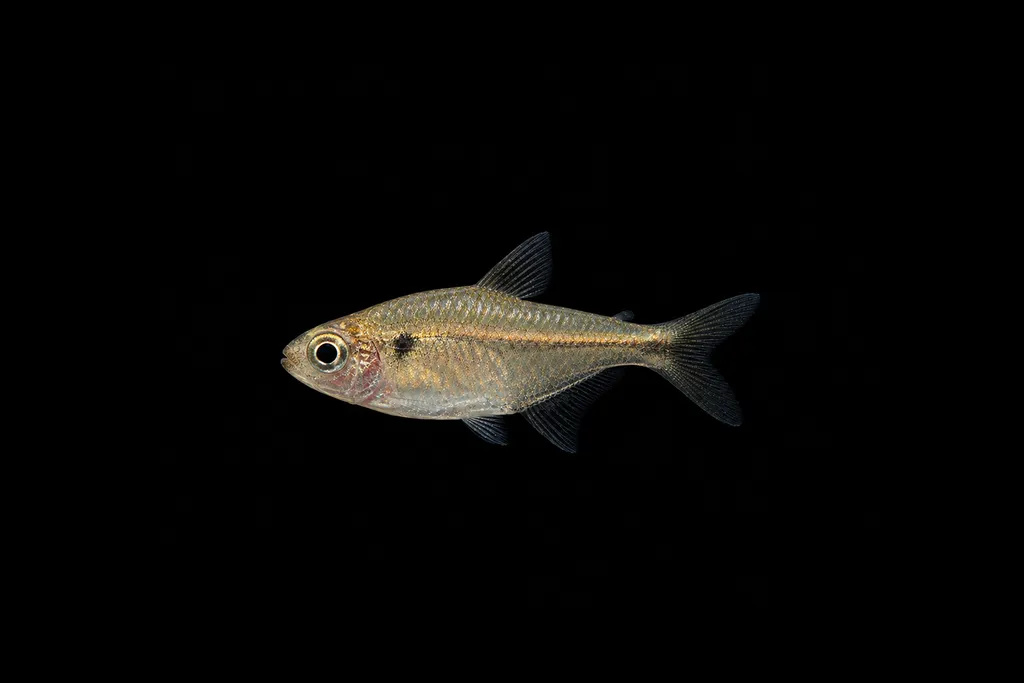
Yellow phantom tetra
Hyphessobrycon roseus
FreshwaterFish
Care at a glance
- Temperature
- 68–82°F
- 20–28°C
- pH
- 5.0–7.0
- Adult size
- 0.8 in
- 2 cm
- Minimum tank
- 7 gal
- 25 L
- Temperament
- Peaceful
- Social behavior
- Schooling
- Swim level
- Middle
- Difficulty
- Medium
- Breeding
- Medium
- Rarity
- Rare
- Family
- Characidae
- Origin
- Suriname, French Guiana
Overview
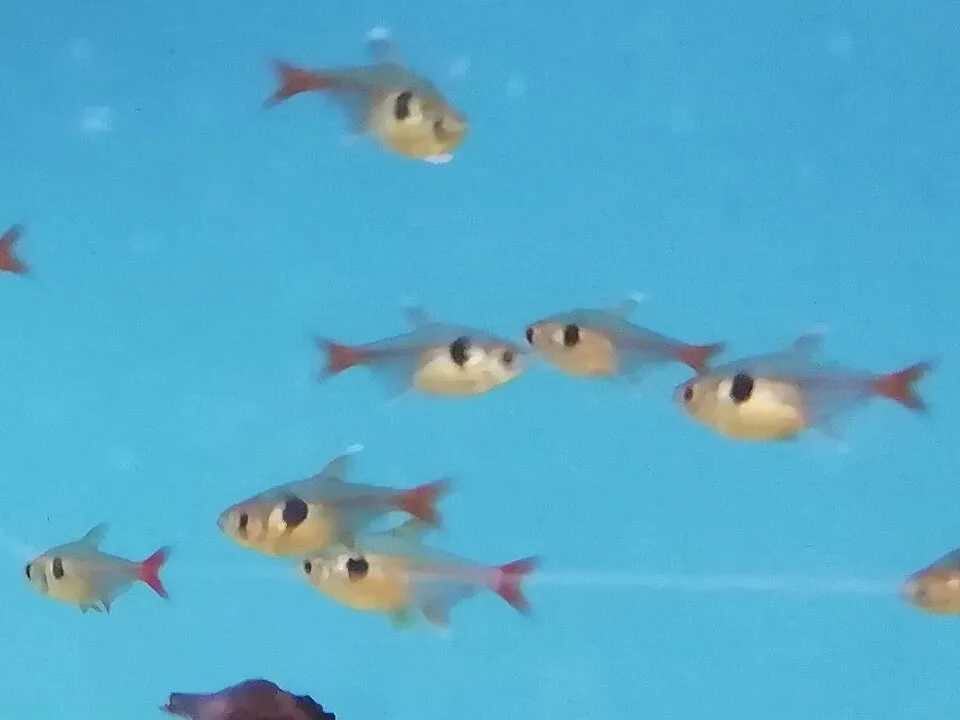
Keep a school of at least six, since these small, mild fish are easily intimidated and look best in a group. They hold in the middle of the tank and stay fairly active once settled. Feed small foods to match the tiny mouth: crushed flake, micro pellets, and small frozen items like baby brine shrimp. A 25 liter tank can house a small school, and soft, acidic water in a planted setup keeps them at their best.
In the wild
This tiny tetra lives in the headwater streams and small forest creeks (igarapes) of Suriname and French Guiana. The water there is soft, slightly acidic, and shaded by overhanging forest, with plenty of plants. Match that with dim or planted-tank lighting, soft acidic water (pH around 5 to 7), and gentle flow in the mid 20s C.
Good to know
It is a small characin in the family Characidae, related to the phantom tetras. It is one of the smaller tetras, staying around 2 cm. It is an egg scatterer with no parental care, and breeding it takes some attention to soft, acidic conditions. The fish has a soft yellow body with a darker dorsal fin, more subtle than its red phantom relatives.
Did you know
It is still fairly new to the hobby and much less common than the red phantom tetra it resembles. Because it is so small and its color is understated, it reads best in a shaded, heavily planted tank where the soft yellow stands out against dark wood and greenery rather than under bright light.
Weekly picks
Tank mates
Yellow phantom tetra is a peaceful, schooling species that keeps to the middle. These picks share a community profile with it, are safe together in both directions, and overlap on water type, temperature and pH.
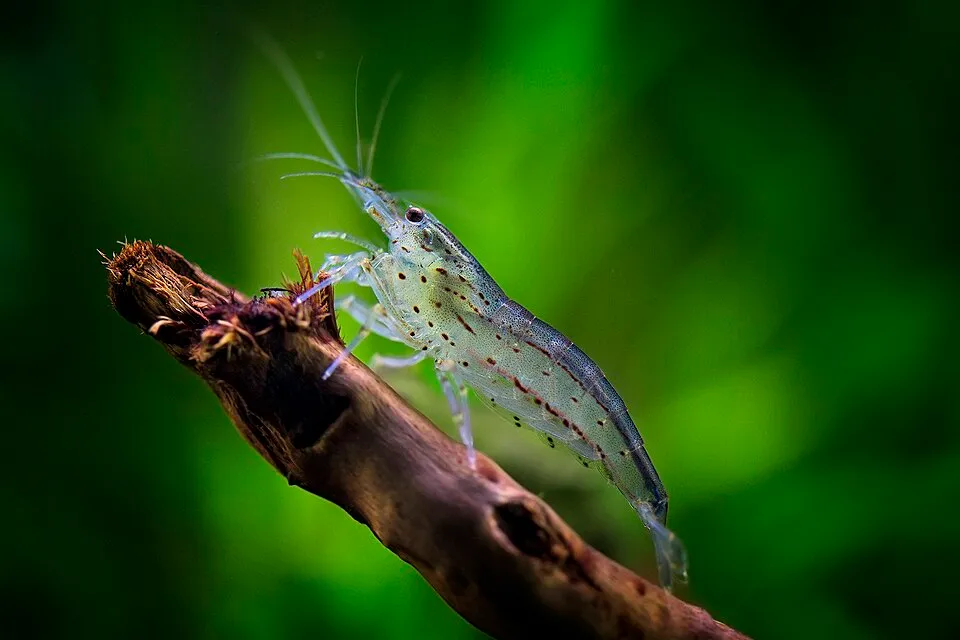
Amano shrimp
Caridina multidentata
FreshwaterBrackish2 in (5 cm) · 8 gal (30 L)59–81°F (15–27°C)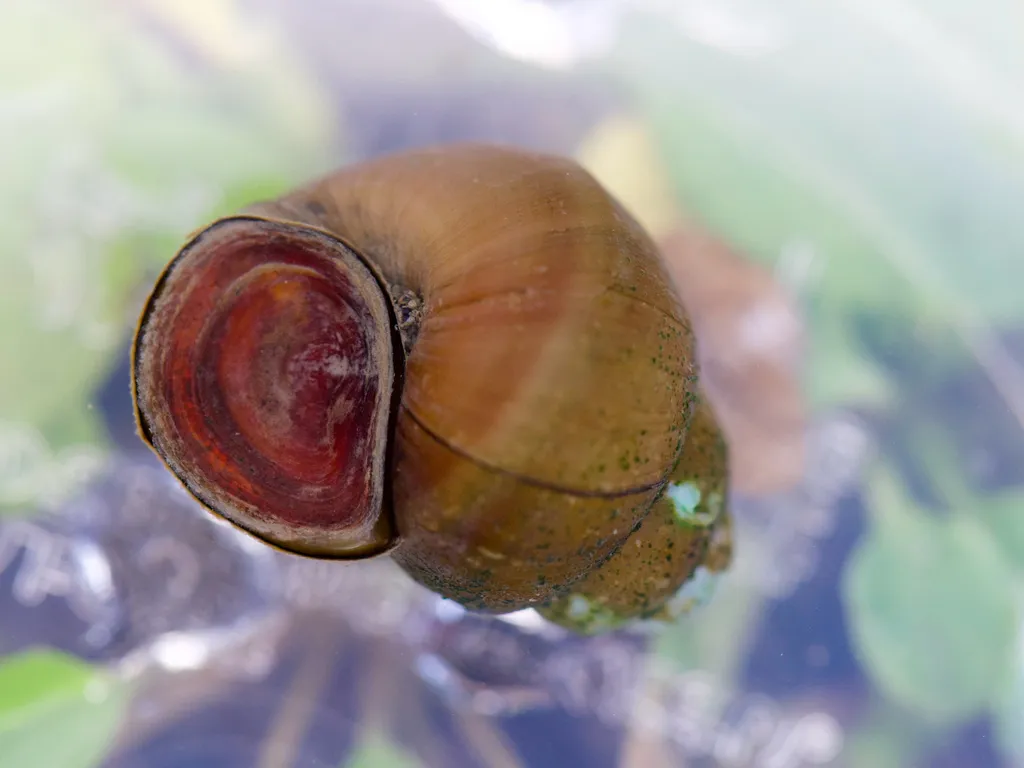
Japanese trapdoor snail
Cipangopaludina malleata
Freshwater2 in (5 cm) · 8 gal (30 L)64–77°F (18–25°C)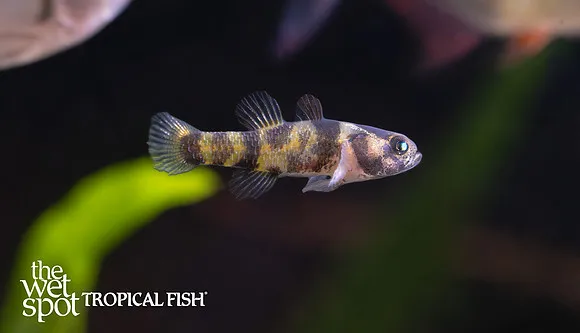
Micro bumblebee goby
Brachygobius nunus
FreshwaterBrackish1 in (2.5 cm) · 5 gal (20 L)73–82°F (23–28°C)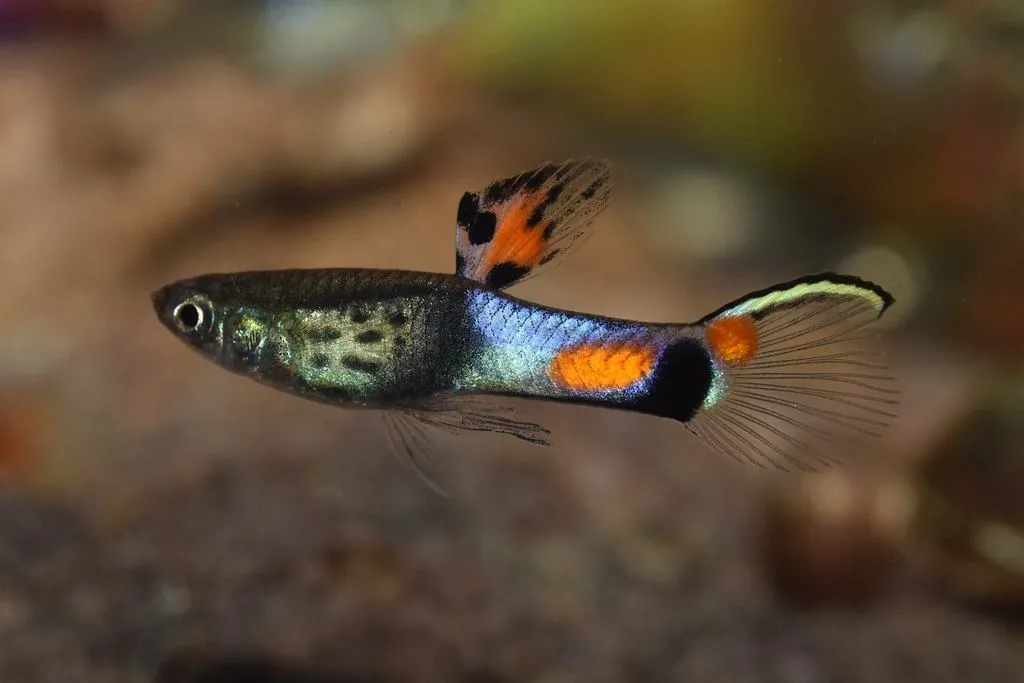
Endler's livebearer
Poecilia wingei
FreshwaterBrackish1.6 in (4 cm) · 5 gal (20 L)72–86°F (22–30°C)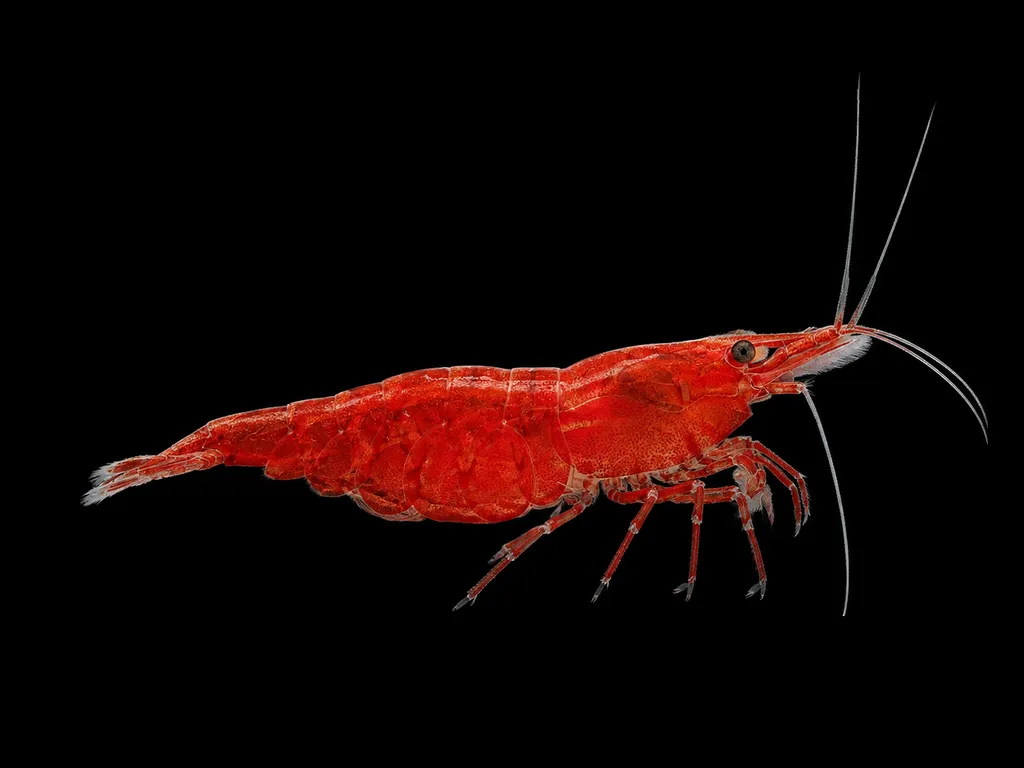
Neocaridina shrimp
Neocaridina davidi
Freshwater1.6 in (4 cm) · 5 gal (20 L)59–84°F (15–29°C)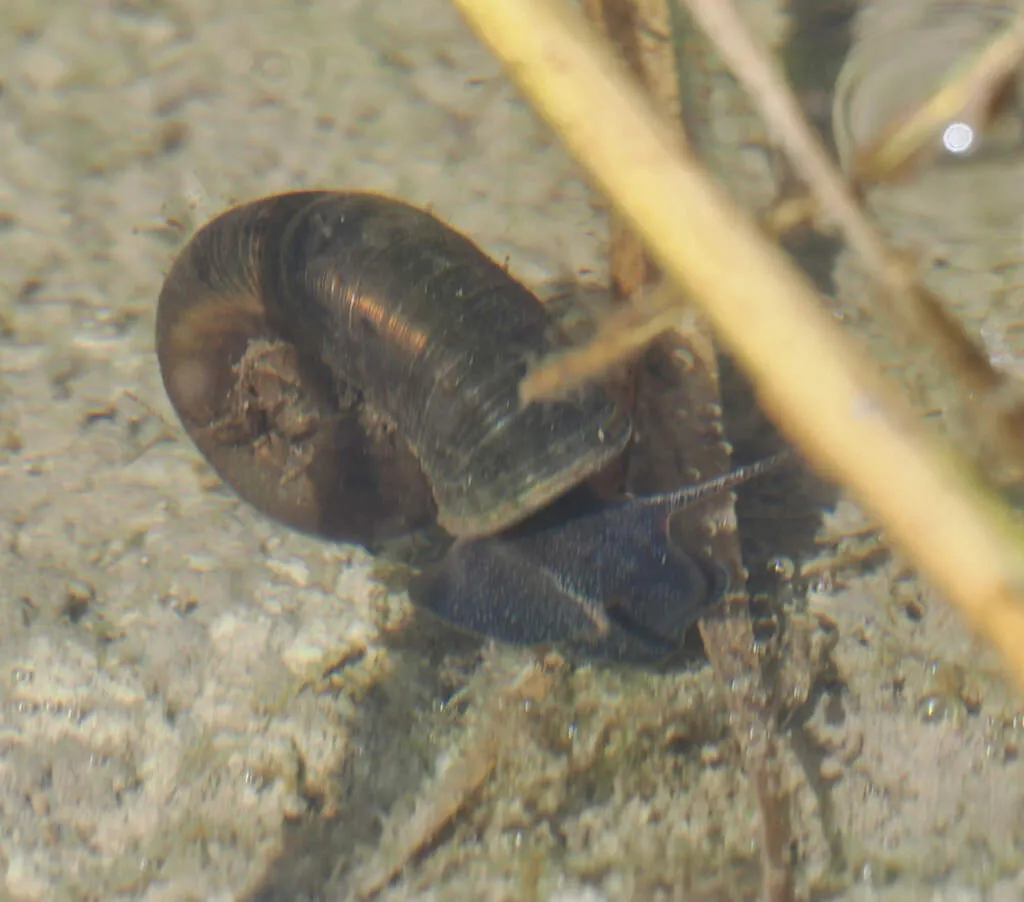
Great ramshorn
Planorbarius corneus
Freshwater1.6 in (4 cm) · 5 gal (20 L)64–77°F (18–25°C)
Common questions
What size tank does a Yellow phantom tetra need?
A Yellow phantom tetra needs at least 7 gal (25 L). It spends most of its time in the middle.
What temperature and pH does a Yellow phantom tetra need?
A Yellow phantom tetra is comfortable at 68–82°F (20–28°C) with a pH of 5.0–7.0.
How big does a Yellow phantom tetra get?
An adult Yellow phantom tetra reaches about 0.8 in (2 cm).
Does a Yellow phantom tetra need a group?
Yes. A Yellow phantom tetra is a schooling species and should be kept in a group, not singly.
Related species
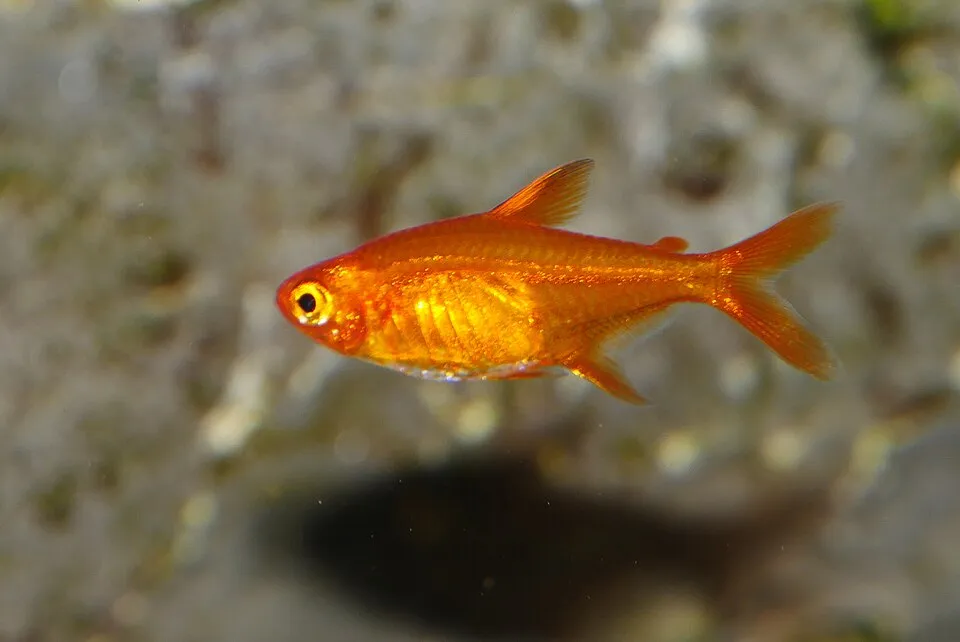 0.8 in (2 cm)9 gal (35 L)72–82°F (22–28°C)
Ember tetra
Hyphessobrycon amandae
0.8 in (2 cm) · 9 gal (35 L)
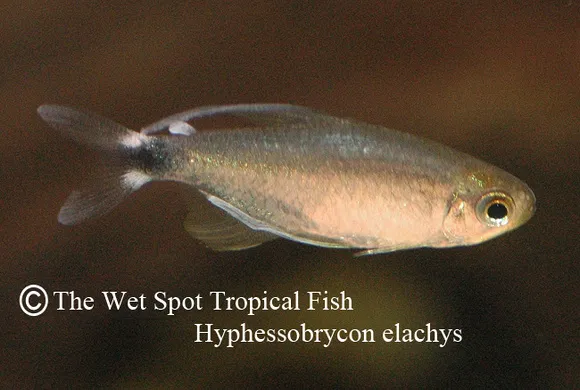 0.9 in (2.4 cm)10 gal (38 L)68–79°F (20–26°C)
Veiltail tetra
Hyphessobrycon elachys
0.9 in (2.4 cm) · 10 gal (38 L)
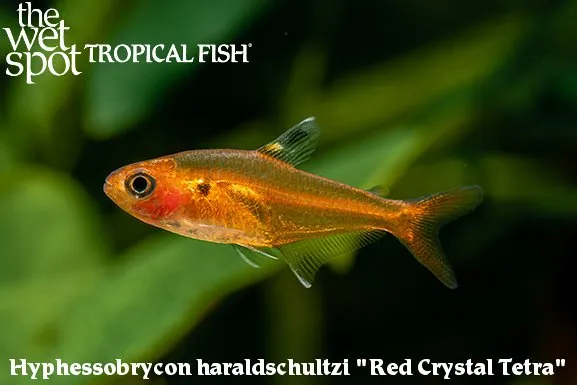 1 in (2.5 cm)10 gal (38 L)73–82°F (23–28°C)
Crystal red tetra
Hyphessobrycon haraldschultzi
1 in (2.5 cm) · 10 gal (38 L)
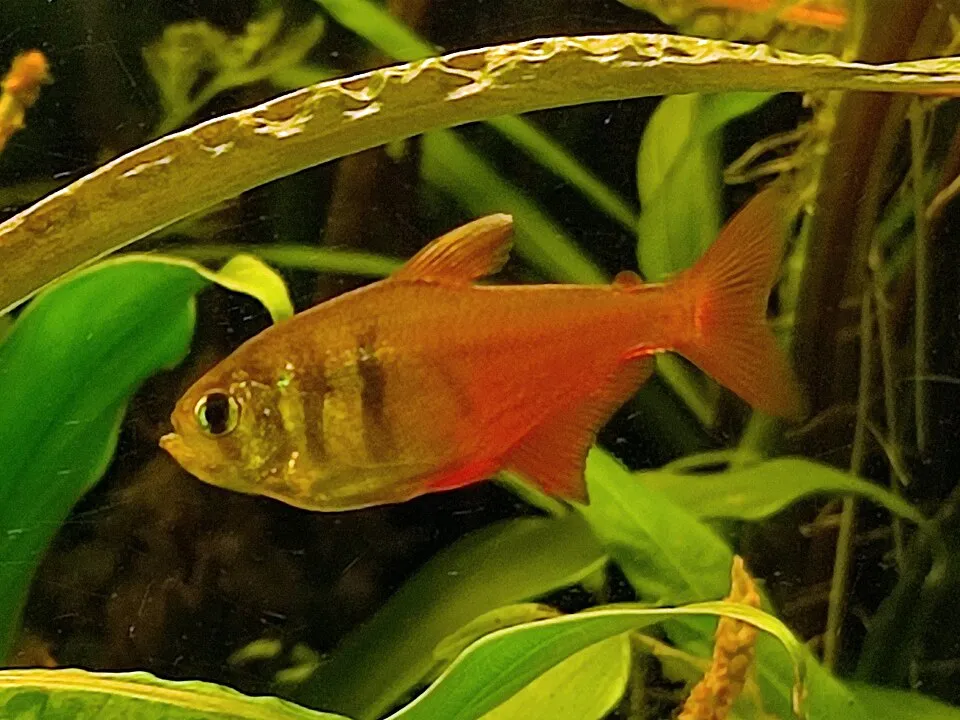 1 in (2.5 cm)10 gal (38 L)68–79°F (20–26°C)
Flame tetra
Hyphessobrycon flammeus
1 in (2.5 cm) · 10 gal (38 L)
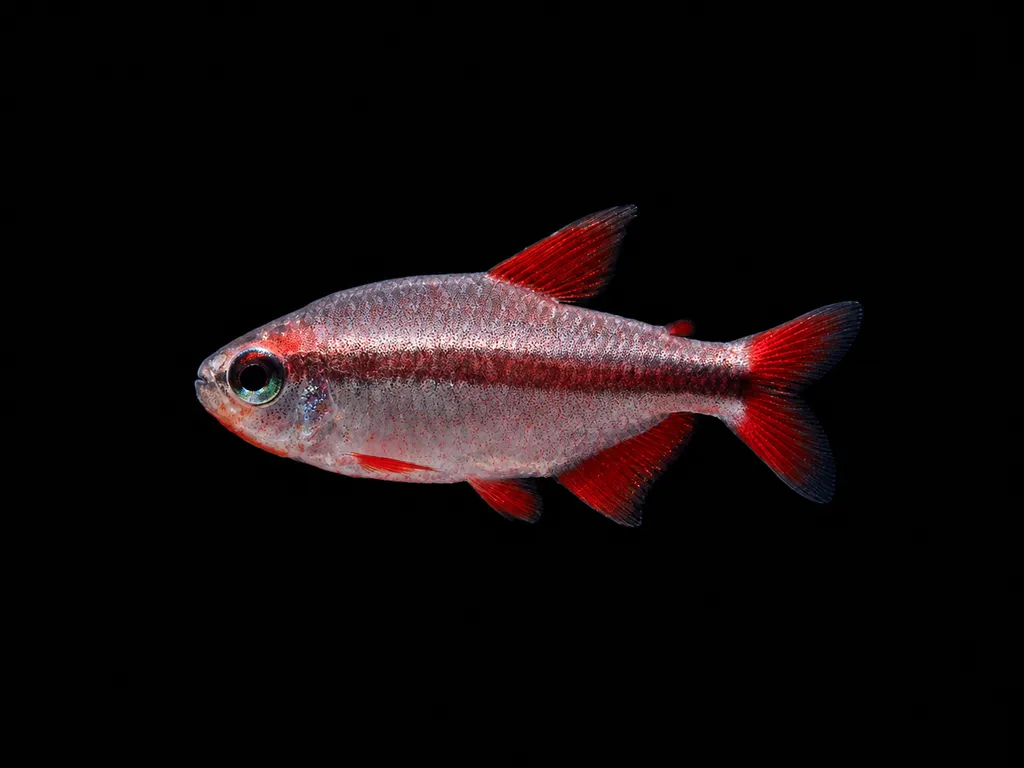 1 in (2.5 cm)10 gal (38 L)73–82°F (23–28°C)
Red devil tetra
Hyphessobrycon piranga
1 in (2.5 cm) · 10 gal (38 L)
 1 in (2.6 cm)10 gal (38 L)72–82°F (22–28°C)
Parvellus tetra
Hyphessobrycon parvellus
1 in (2.6 cm) · 10 gal (38 L)