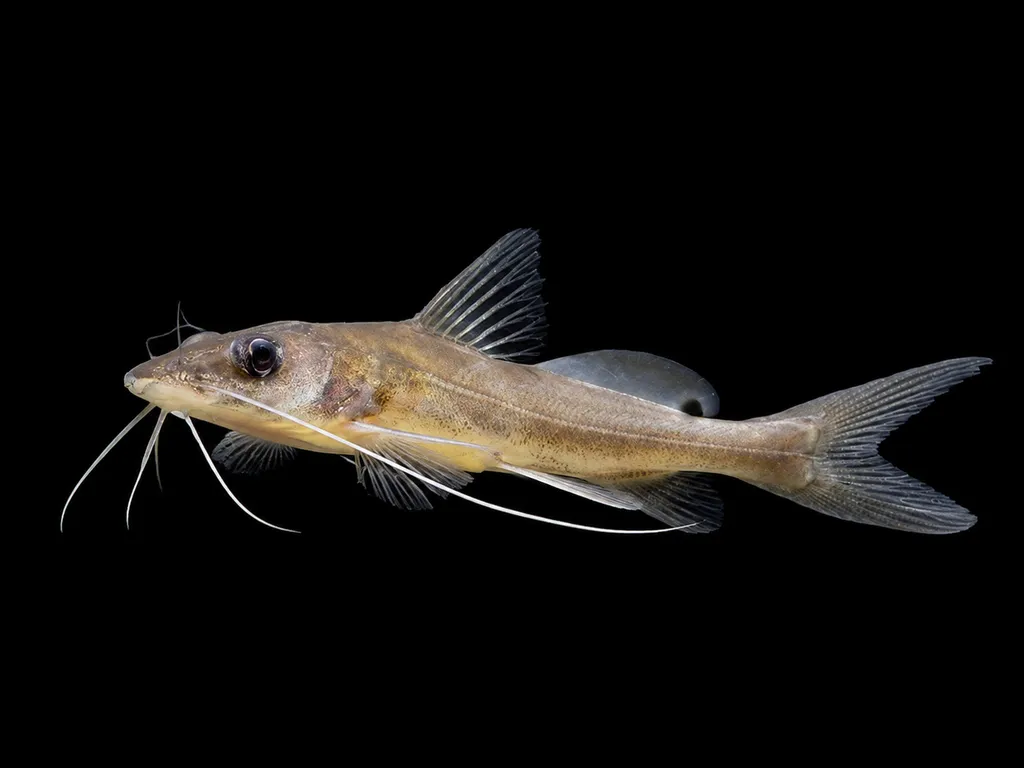
Irrawaddy shovelnose bagrid
Sperata acicularis
Also known as Borneo shovel nose cat, Burmese giant river catfish
FreshwaterFish
Care at a glance
- Temperature
- 73–82°F
- 23–28°C
- pH
- 6.0–7.5
- Adult size
- 70.9 in
- 180 cm
- Minimum tank
- 1,057 gal
- 4,000 L
- Temperament
- Aggressive
- Social behavior
- Solitary
- Tankmates
- With caution
- Swim level
- Bottom
- Diet
- Carnivore
- Difficulty
- Difficult
- Breeding
- No record
- Rarity
- Rare
- Family
- Bagridae
- Origin
- Irrawaddy and Sittang basins, Myanmar
Overview
The Irrawaddy shovelnose bagrid is sold as an elegant, silver, needle-nosed juvenile, but it grows into a giant that lives on the bottom. It is really a public-aquarium animal rather than a home fish, and only for experienced keepers.
Did you know
The Irrawaddy shovelnose bagrid is often sold as a Borneo shovelnose catfish. The species is found only in Myanmar and has never lived anywhere near Borneo, more than a thousand miles away.
Caring for the Irrawaddy shovelnose bagrid
Plan on a system of at least 1,057 gal (4,000 L) before buying an Irrawaddy shovelnose bagrid. Only a public-scale tank or a large pond can house an adult. Give it a deep footprint of open sand with a few large, immovable structures, and plenty of open floor to move over.
Keep the water warm at 73 to 82°F (23 to 28°C), soft to neutral, with a pH of 6.0 to 7.5. Strong filtration should keep it spotless and heavily oxygenated. Feed meaty foods such as whole fish, prawn and large sinking items.
This bagrid is an aggressive predator and will eat any tank mate it can swallow, so keep it entirely alone. The cute juvenile hides how large it becomes, and an adult can reach the length of a person. Think very hard before buying one, since it is a commitment of decades. Breeding has not been recorded in captivity.
Good to know
Sperata acicularis is a giant bagrid catfish in the family Bagridae, described by Ferraris and Runge in 1999. Its name, acicularis, means needle-like and refers to its long, sharply pointed snout. It is an apex river hunter armed with strong spines and long barbels, and a food and sport fish across its range.
In the wild
The Irrawaddy shovelnose bagrid is native to Myanmar, in the Irrawaddy, Bago and Great Tenasserim river systems. It patrols the beds of large, deep, flowing rivers.
Common questions
What size tank does an Irrawaddy shovelnose bagrid need?
An Irrawaddy shovelnose bagrid needs at least 1,057 gal (4,000 L). It spends most of its time in the bottom.
What temperature and pH does an Irrawaddy shovelnose bagrid need?
An Irrawaddy shovelnose bagrid is comfortable at 73–82°F (23–28°C) with a pH of 6.0–7.5.
What does an Irrawaddy shovelnose bagrid eat?
An Irrawaddy shovelnose bagrid eats meaty foods such as whole fish, prawn and large sinking items. It is a predator and will also eat any tank mate it can swallow.
How big does an Irrawaddy shovelnose bagrid get?
An adult Irrawaddy shovelnose bagrid reaches about 70.9 in (180 cm).
Related species
 59.1 in (150 cm)1,057 gal (4,000 L)73–82°F (23–28°C)
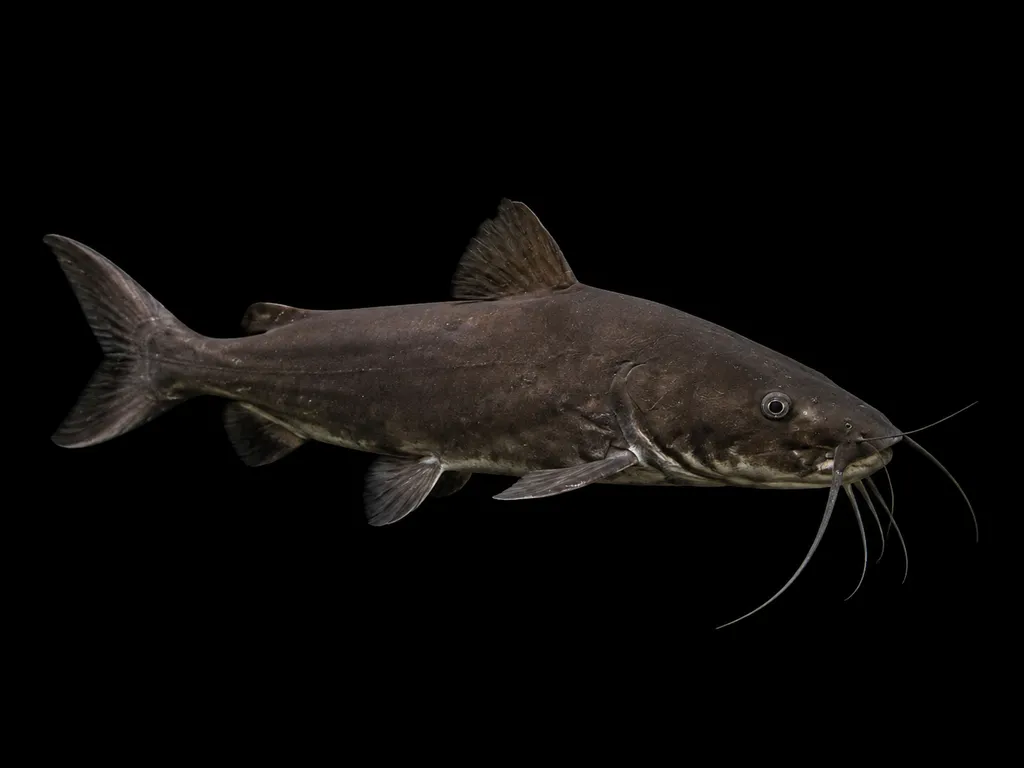
Kampango
Bagrus meridionalis
59.1 in (150 cm) · 1,057 gal (4,000 L)
 59.1 in (150 cm)1,057 gal (4,000 L)72–86°F (22–30°C)
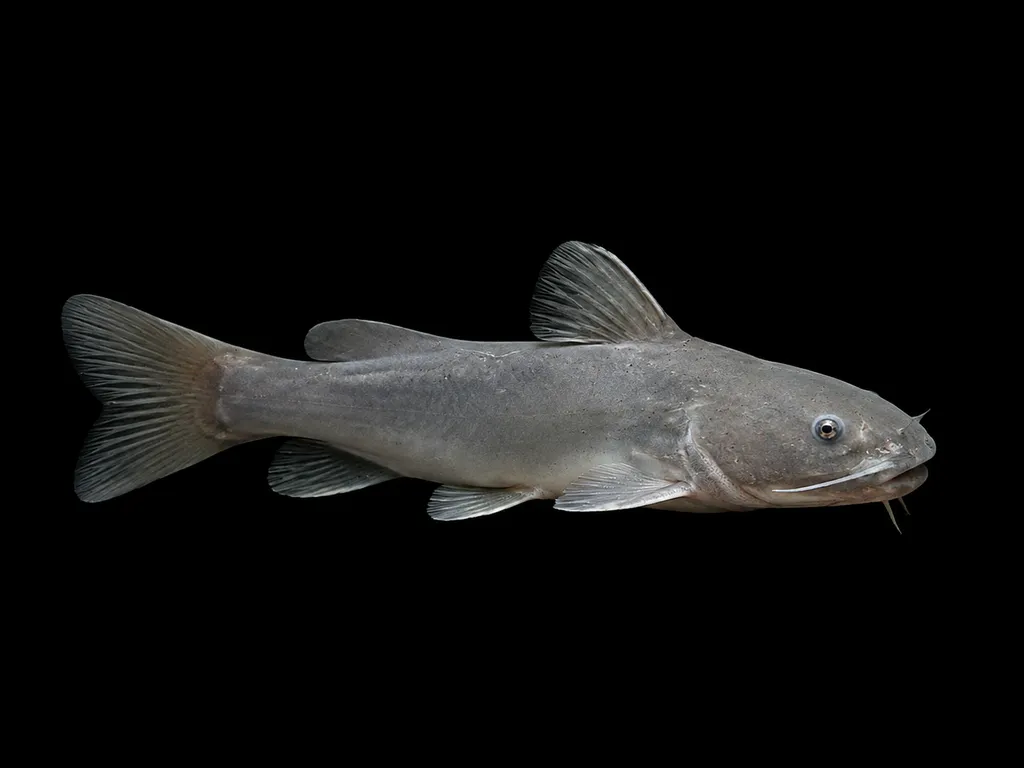
Rita catfish
Rita rita
59.1 in (150 cm) · 1,057 gal (4,000 L)
 39.4 in (100 cm)450 gal (1,703 L)72–82°F (22–28°C)
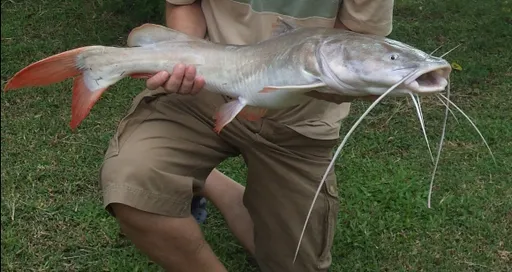
Asian redtail catfish
Hemibagrus wyckioides
39.4 in (100 cm) · 450 gal (1,703 L)
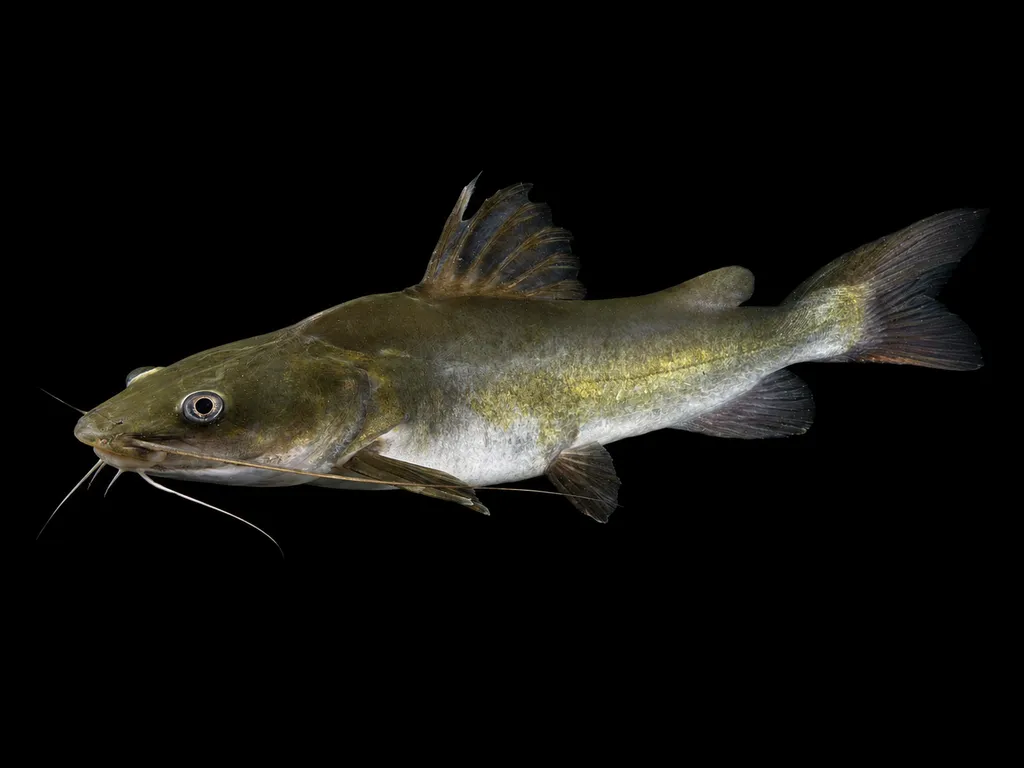 25.6 in (65 cm)185 gal (700 L)72–81°F (22–27°C)
Redtail bagrid
Hemibagrus nemurus
25.6 in (65 cm) · 185 gal (700 L)
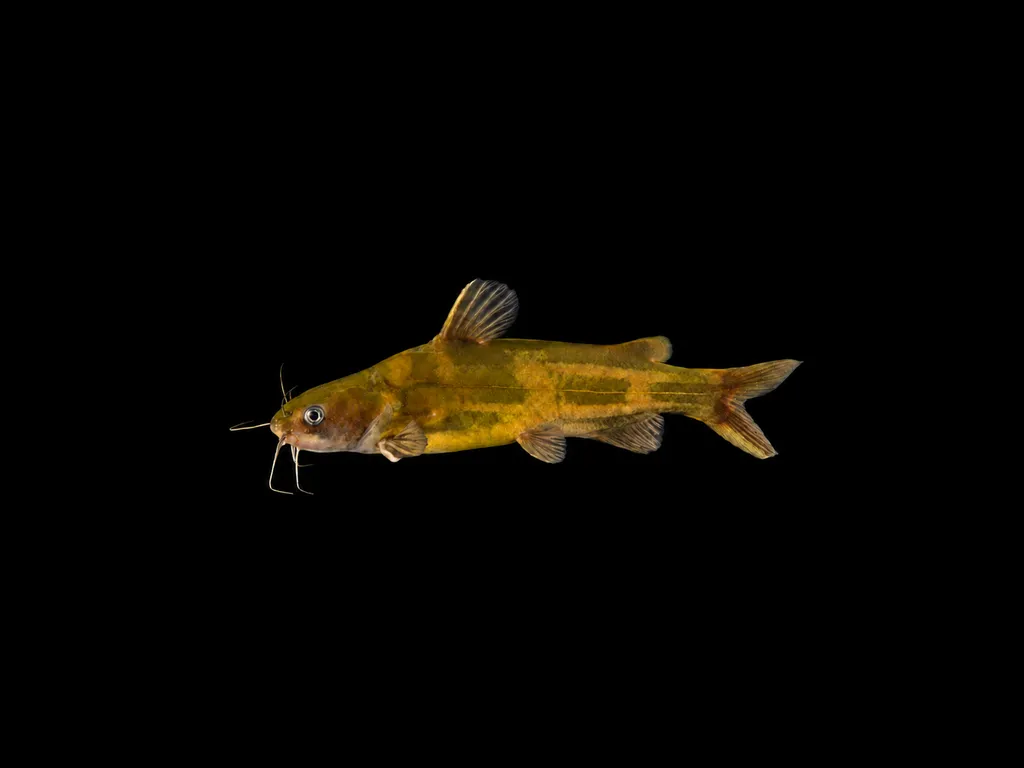 13.4 in (34 cm)106 gal (400 L)61–79°F (16–26°C)
Tawny dragon catfish
Tachysurus fulvidraco
13.4 in (34 cm) · 106 gal (400 L)
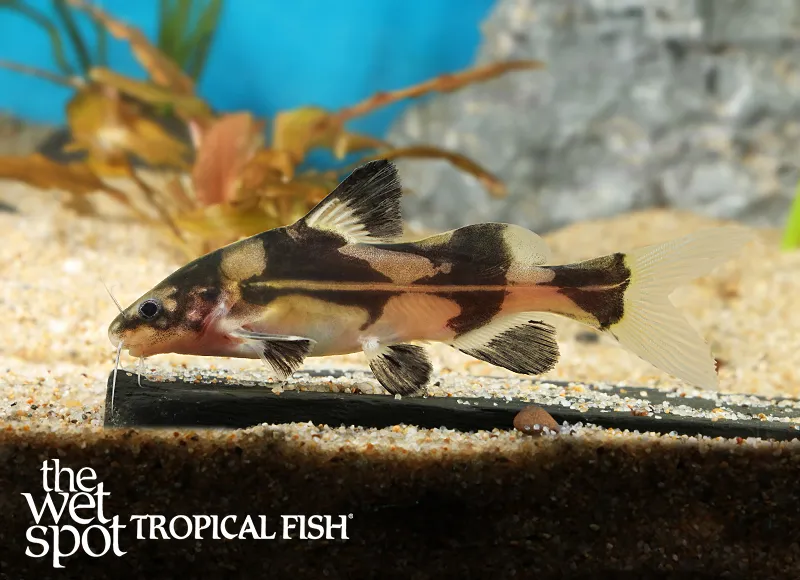 11.8 in (30 cm)120 gal (455 L)75–81°F (24–27°C)
Harlequin lancer catfish
Bagroides melapterus
11.8 in (30 cm) · 120 gal (455 L)