Kampango
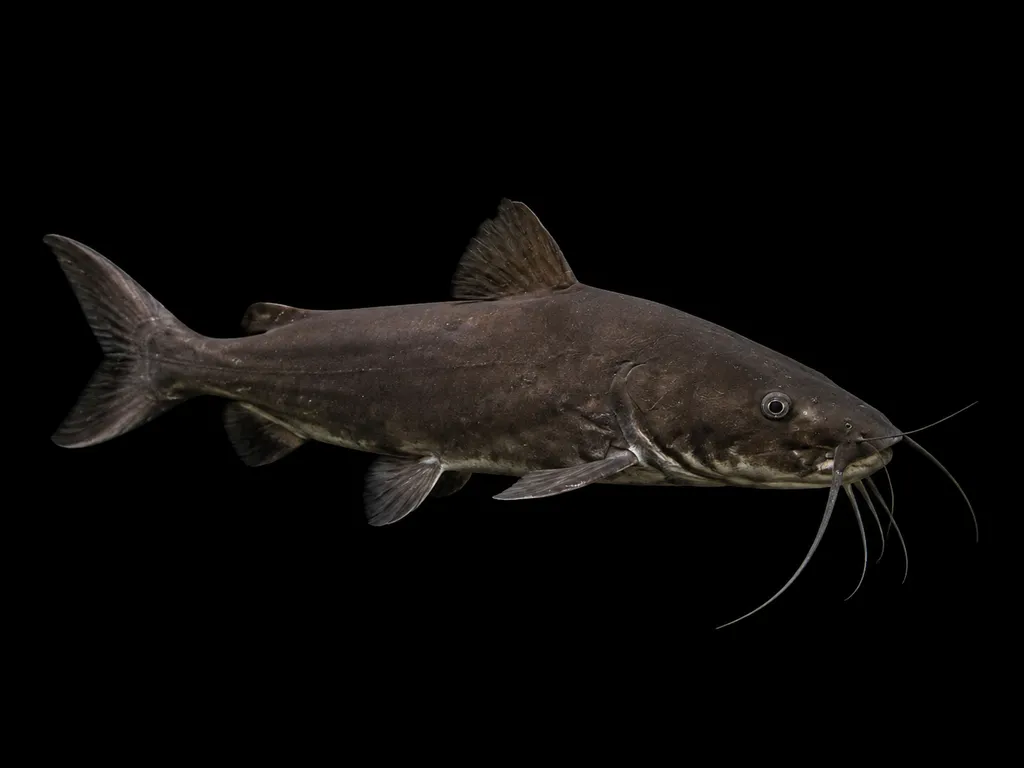
Bagrus meridionalis
Also known as Malawi giant catfish, Lake Malawi giant catfish
FreshwaterFish
Care at a glance
- Temperature
- 73–82°F
- 23–28°C
- pH
- 7.5–8.5
- Adult size
- 59.1 in
- 150 cm
- Minimum tank
- 1,057 gal
- 4,000 L
- Temperament
- Aggressive
- Social behavior
- Solitary
- Tankmates
- With caution
- Swim level
- Bottom
- Diet
- Carnivore
- Difficulty
- Difficult
- Breeding
- Substrate spawner
- Rarity
- Rare
- Family
- Bagridae
- Origin
- Lake Malawi, endemic
Overview
The Kampango is Lake Malawi's largest catfish and top predator, a bottom fish for public aquariums rather than homes. It is for experienced keepers with very large systems only.
Did you know
A local catfish, Bathyclarias nyasensis, slips its own eggs into Kampango nests and lets the guarding parents raise its young. It is a rare case of one catfish brood-parasitizing another, much like a cuckoo.
Caring for the Kampango
Plan on at least 1,057 gal (4,000 L) for a single Kampango. An adult wants a vast footprint of open sandy floor with some large rock structures. It is a fish of a great lake, and it needs space above all.
Keep the water hard and alkaline, at a pH of 7.5 to 8.5 and 73 to 82°F (23 to 28°C). It should be mineral-rich, very clean and well filtered. Feed meaty foods such as fish, prawn, mussel and large sinking pellets.
The Kampango is an aggressive hunter that eats fish, so keep it alone. At most, it can share a tank with very large cichlids it cannot swallow, and even then it will thin their numbers. Buying a small juvenile means committing to a meter-and-a-half predator for many years.
In the wild the Kampango is a substrate spawner, and both parents guard the brood in a pit on the sand. The female feeds the fry unfertilized food eggs. The male brings back invertebrates he sifts from the bottom, and the young stay under guard until around 12 centimeters long.
Good to know
Bagrus meridionalis is a bagrid catfish in the family Bagridae, also known as the Malawi giant catfish. It is one of the largest lake-endemic catfishes anywhere.
In the wild
The Kampango is endemic to Lake Malawi in East Africa, where it hunts over the lake's sandy floors and rocky margins. Lake Malawi's water is hard and alkaline.
Common questions
What size tank does a Kampango need?
A Kampango needs at least 1,057 gal (4,000 L). It spends most of its time in the bottom.
What temperature and pH does a Kampango need?
A Kampango is comfortable at 73–82°F (23–28°C) with a pH of 7.5–8.5.
What does a Kampango eat?
A Kampango eats meaty foods such as fish, prawn, mussel and large sinking pellets. It hunts other fish and will eat any tank mate it can swallow.
How big does a Kampango get?
An adult Kampango reaches about 59.1 in (150 cm).
How does a Kampango breed?
A Kampango is a substrate spawner, and both parents guard their brood in a pit on the sand. The female feeds the fry unfertilized eggs, the male brings them invertebrates, and the young stay guarded until about 12 centimeters long.
Related species
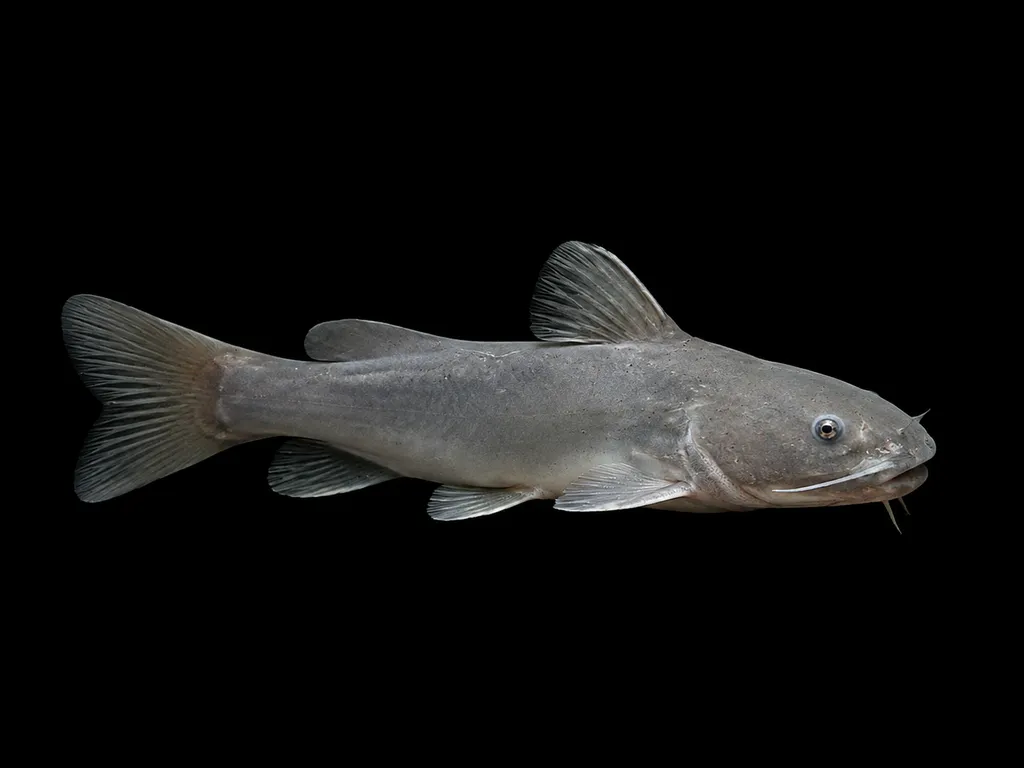 59.1 in (150 cm)1,057 gal (4,000 L)72–86°F (22–30°C)
Rita catfish
Rita rita
59.1 in (150 cm) · 1,057 gal (4,000 L)
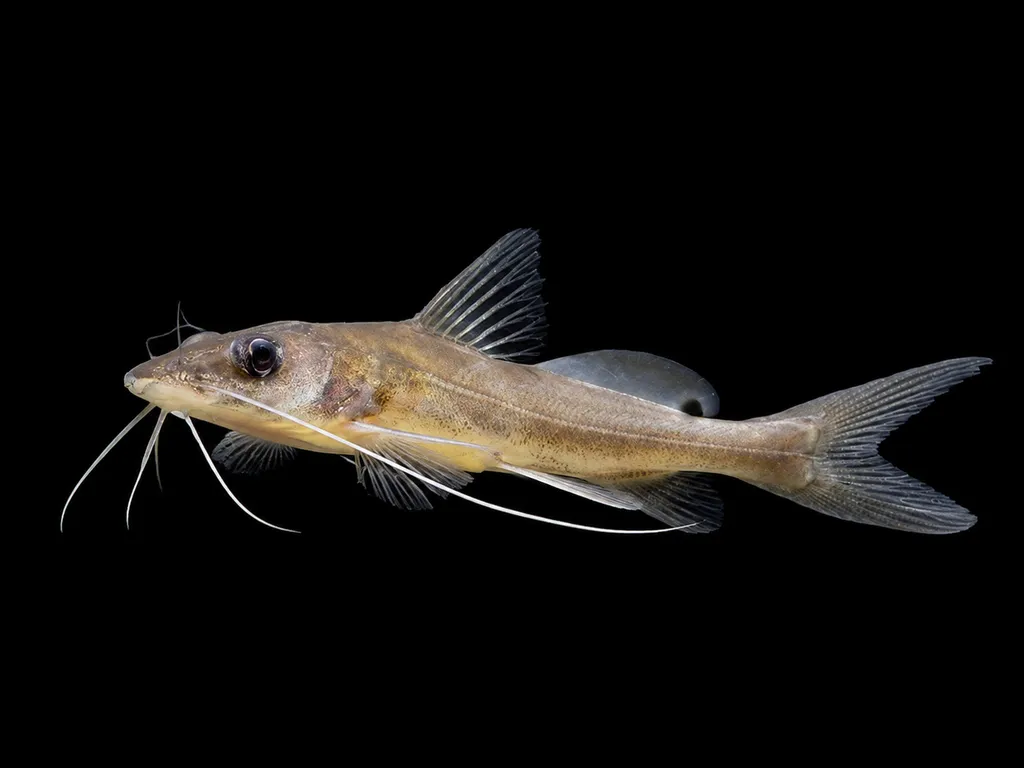 70.9 in (180 cm)1,057 gal (4,000 L)73–82°F (23–28°C)
Irrawaddy shovelnose bagrid
Sperata acicularis
70.9 in (180 cm) · 1,057 gal (4,000 L)
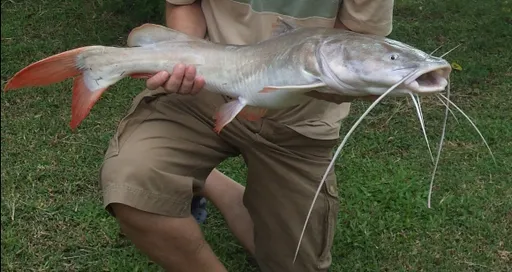 39.4 in (100 cm)450 gal (1,703 L)72–82°F (22–28°C)
Asian redtail catfish
Hemibagrus wyckioides
39.4 in (100 cm) · 450 gal (1,703 L)
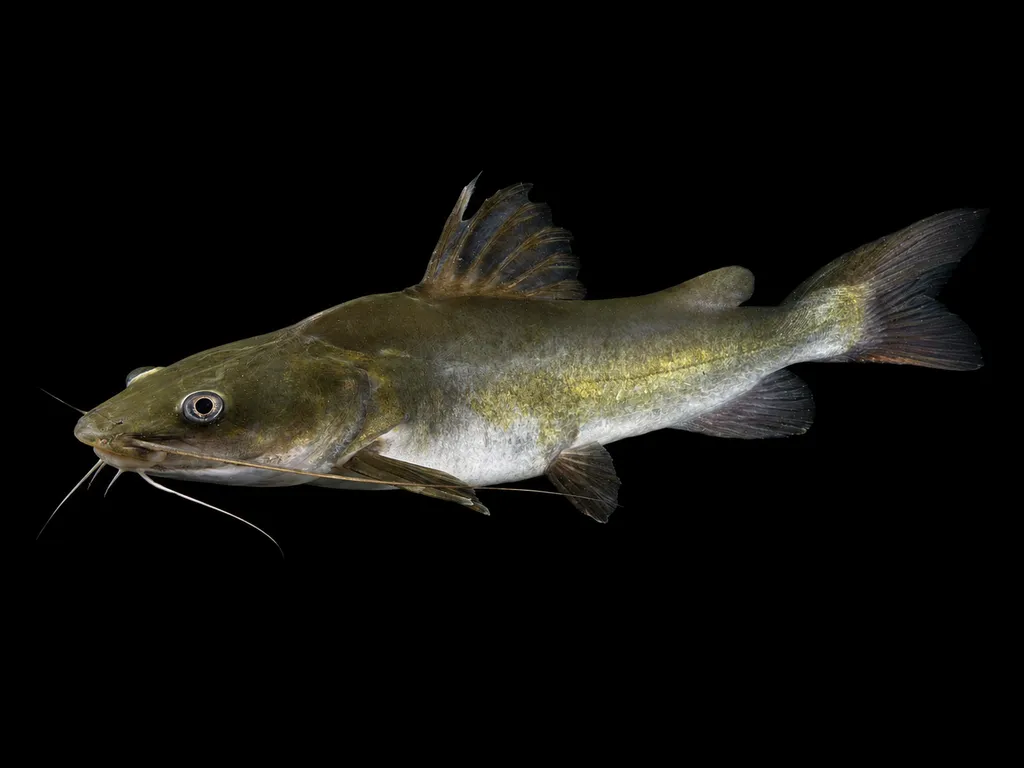 25.6 in (65 cm)185 gal (700 L)72–81°F (22–27°C)
Redtail bagrid
Hemibagrus nemurus
25.6 in (65 cm) · 185 gal (700 L)
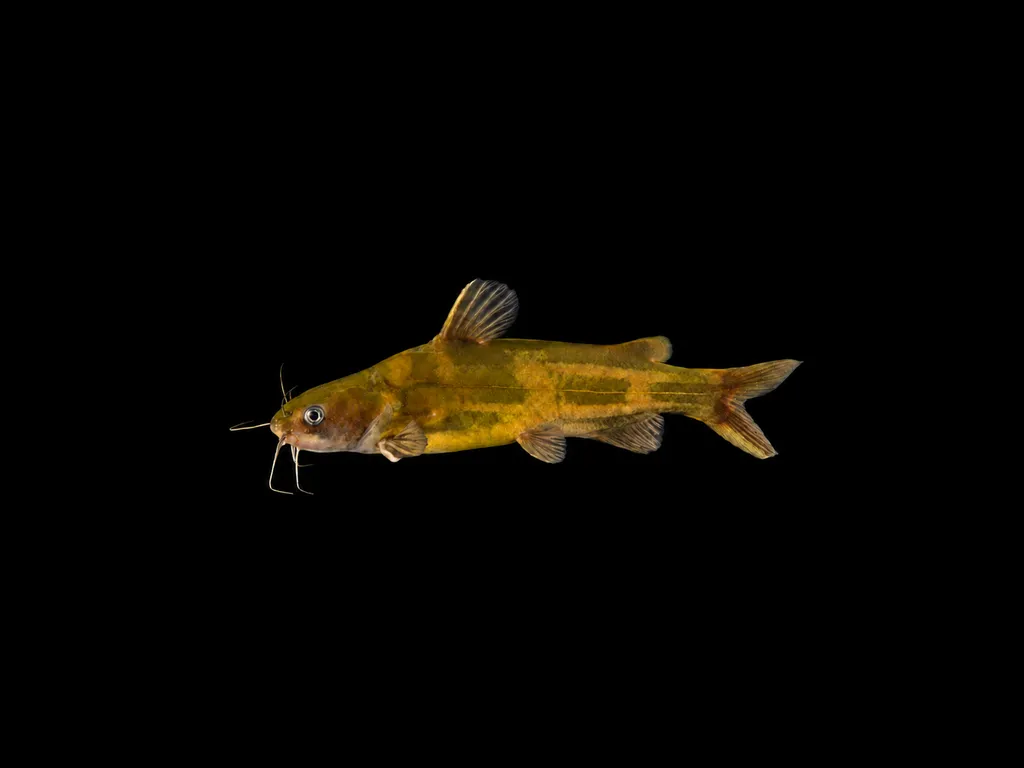 13.4 in (34 cm)106 gal (400 L)61–79°F (16–26°C)
Tawny dragon catfish
Tachysurus fulvidraco
13.4 in (34 cm) · 106 gal (400 L)
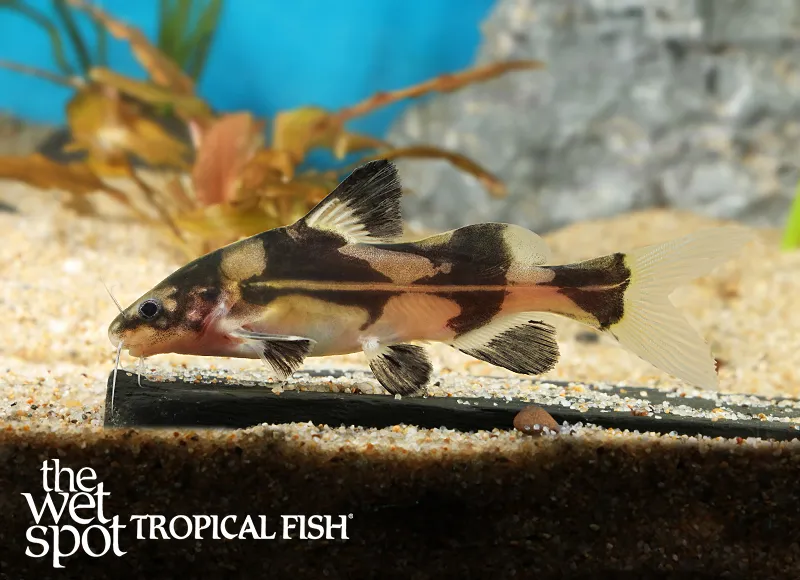 11.8 in (30 cm)120 gal (455 L)75–81°F (24–27°C)
Harlequin lancer catfish
Bagroides melapterus
11.8 in (30 cm) · 120 gal (455 L)