Harlequin lancer catfish
Bagroides melapterus
FreshwaterFish
Care at a glance
- Temperature
- 75–81°F
- 24–27°C
- pH
- 6.5–7.5
- Adult size
- 11.8 in
- 30 cm
- Minimum tank
- 120 gal
- 455 L
- Temperament
- Aggressive
- Social behavior
- Solitary
- Tankmates
- With caution
- Swim level
- Bottom
- Difficulty
- Medium
- Breeding
- No record
- Rarity
- Very rare
- Family
- Bagridae
- Origin
- Sumatra
Overview
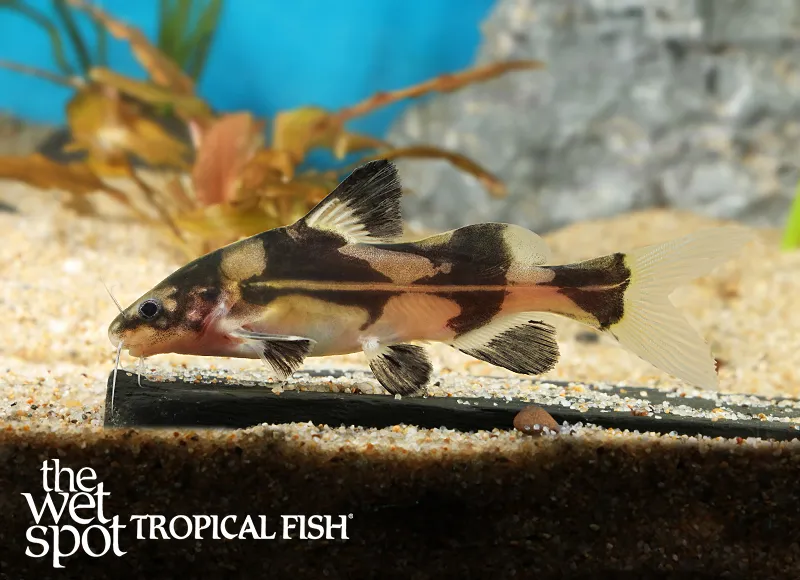
The harlequin lancer catfish is a bold, semi-aggressive predator, best kept as a single specimen. It hunts at night and will attack slower or more docile tankmates and eat any fish small enough to swallow, so give it only fast, sturdy companions too large to be a meal, and never small or long-finned fish. Provide caves, wood, and pipes so it can hold a territory and reduce friction, and keep the lighting dim. It usually takes meaty sinking foods readily, such as prawn, mussel, strips of fish, and earthworms, so feeder fish are unnecessary. Aim for a tank of around 455 liters or larger, and a roomier one for a full-grown adult.
In the wild
The harlequin lancer comes from Sumatra and nearby parts of Southeast Asia, living in warm, soft, shaded forest rivers and streams. Keep it from around 24 to 27 C with a pH between 6.5 and 7.5 and moderate flow. A dim tank with driftwood, root tangles, and rock caves over a sand bed gives it the cover it needs to feel secure and claim a territory. Subdued lighting, helped by floating plants or a light tannin tint, encourages it to come out and forage in the evening.
Good to know
The harlequin lancer catfish belongs to Bagridae and reaches about 30 cm. It is prized for its bold, marbled pattern of bright yellow and black that gives it a harlequin look, unusually colourful for a naked catfish. Like other lancers it carries long, strong fin spines and an elongate dorsal, which are best avoided when netting. It is an uncommon import, and there are no records of it being bred in home aquariums.
Did you know
The harlequin lancer is one of the most boldly patterned of all the naked catfishes, wearing a marbled coat of bright yellow and deep black. That striking colouring, paired with a genuinely predatory streak, makes it a prized fish for keepers of large, single-species tanks.
Common questions
What size tank does a Harlequin lancer catfish need?
A Harlequin lancer catfish needs at least 120 gal (455 L). It spends most of its time in the bottom.
What temperature and pH does a Harlequin lancer catfish need?
A Harlequin lancer catfish is comfortable at 75–81°F (24–27°C) with a pH of 6.5–7.5.
How big does a Harlequin lancer catfish get?
An adult Harlequin lancer catfish reaches about 11.8 in (30 cm).
Related species
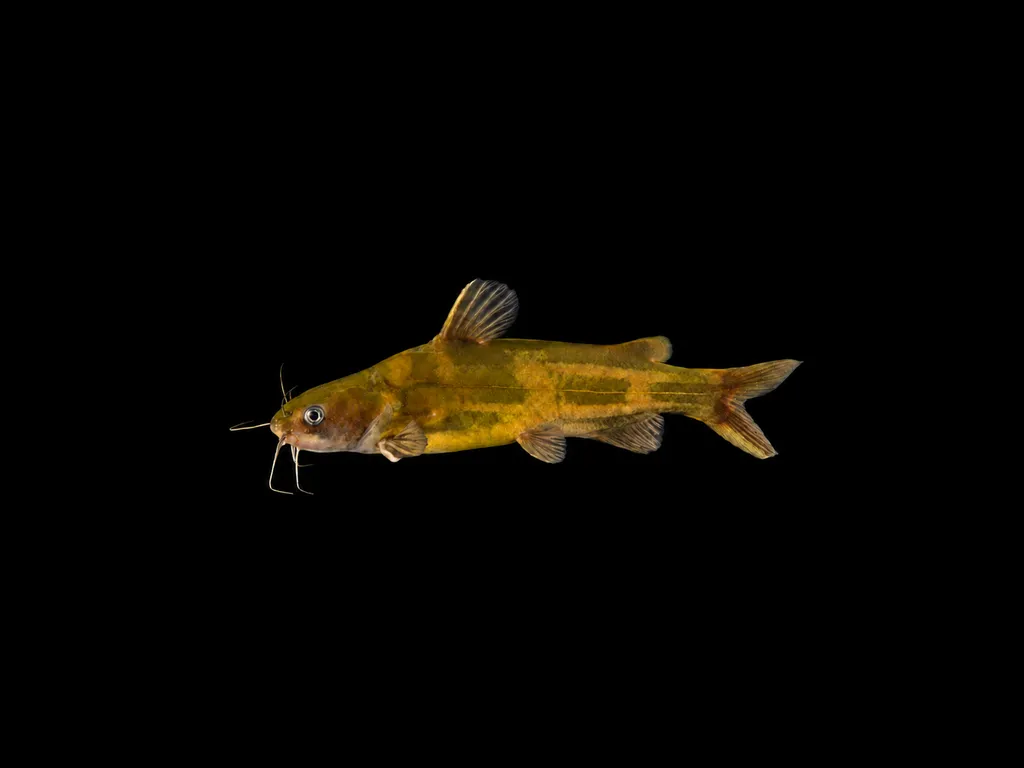 13.4 in (34 cm)106 gal (400 L)61–79°F (16–26°C)
Tawny dragon catfish
Tachysurus fulvidraco
13.4 in (34 cm) · 106 gal (400 L)
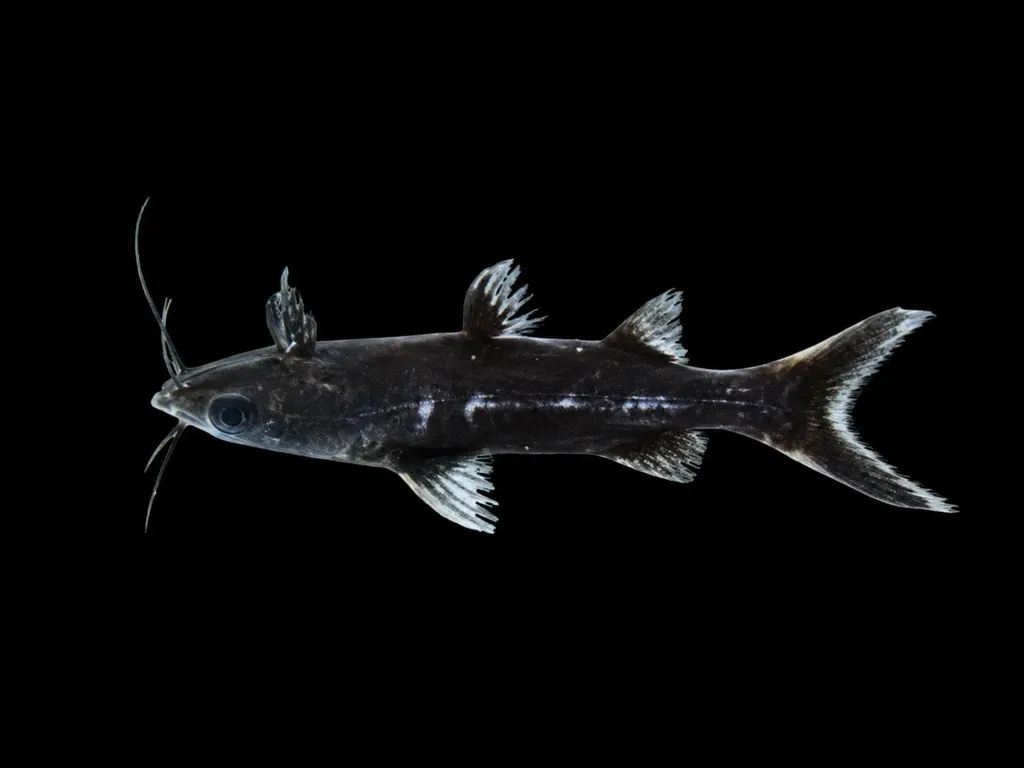 11.8 in (30 cm)50 gal (190 L)72–79°F (22–26°C)
Asian upside-down catfish
Mystus leucophasis
11.8 in (30 cm) · 50 gal (190 L)
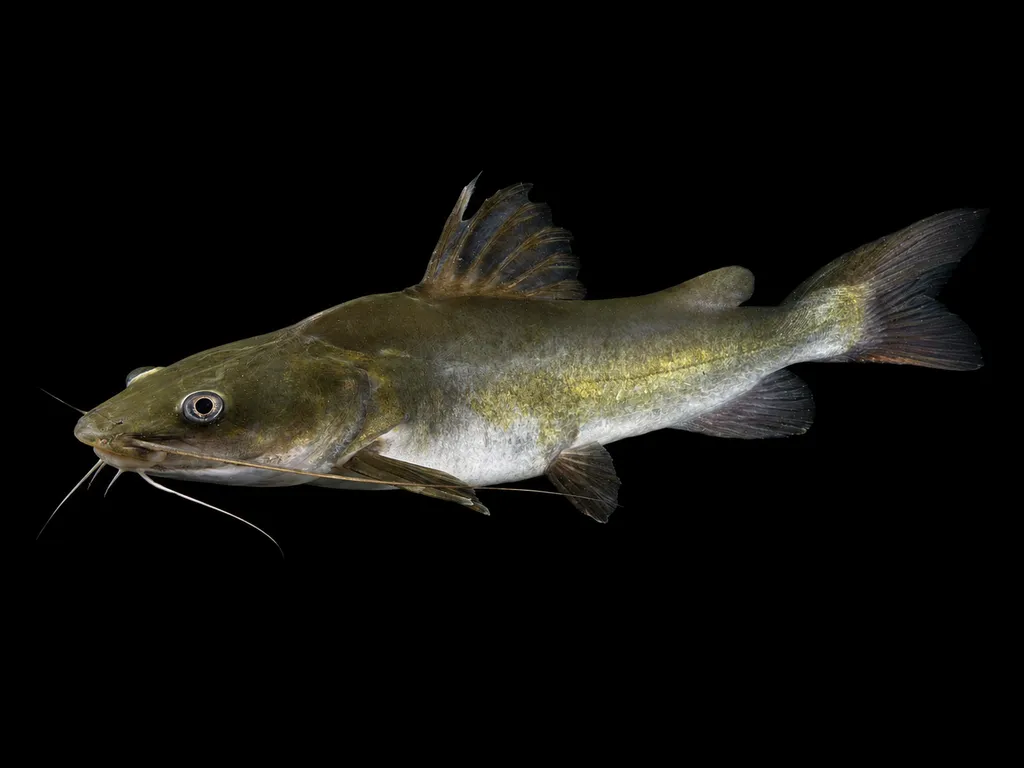 25.6 in (65 cm)185 gal (700 L)72–81°F (22–27°C)
Redtail bagrid
Hemibagrus nemurus
25.6 in (65 cm) · 185 gal (700 L)
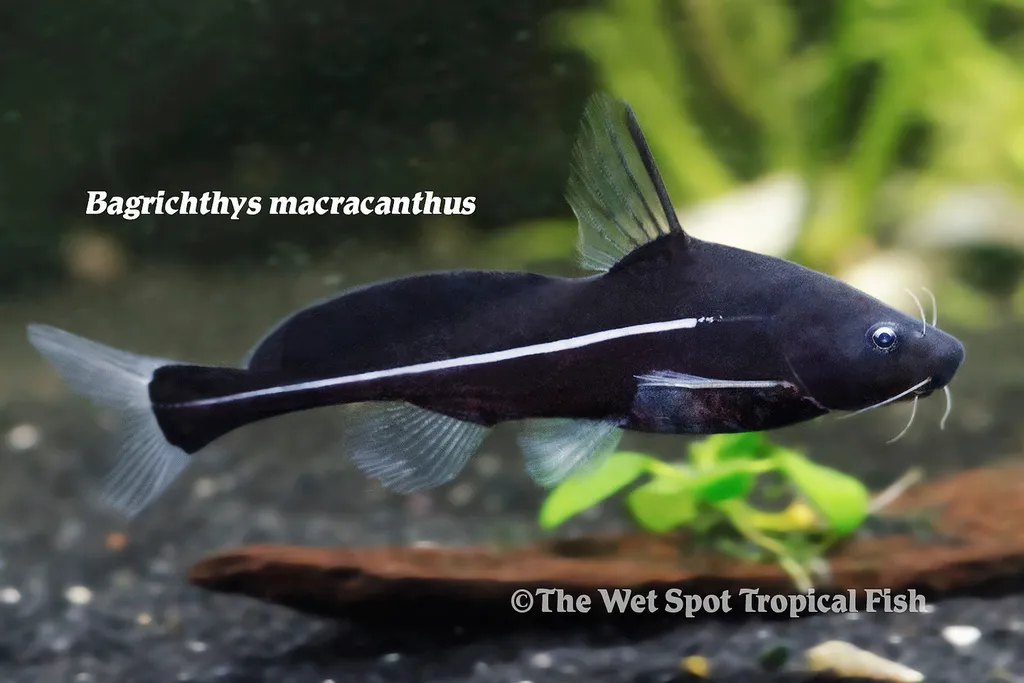 9.1 in (23 cm)55 gal (210 L)75–82°F (24–28°C)
Black lancer catfish
Bagrichthys macracanthus
9.1 in (23 cm) · 55 gal (210 L)
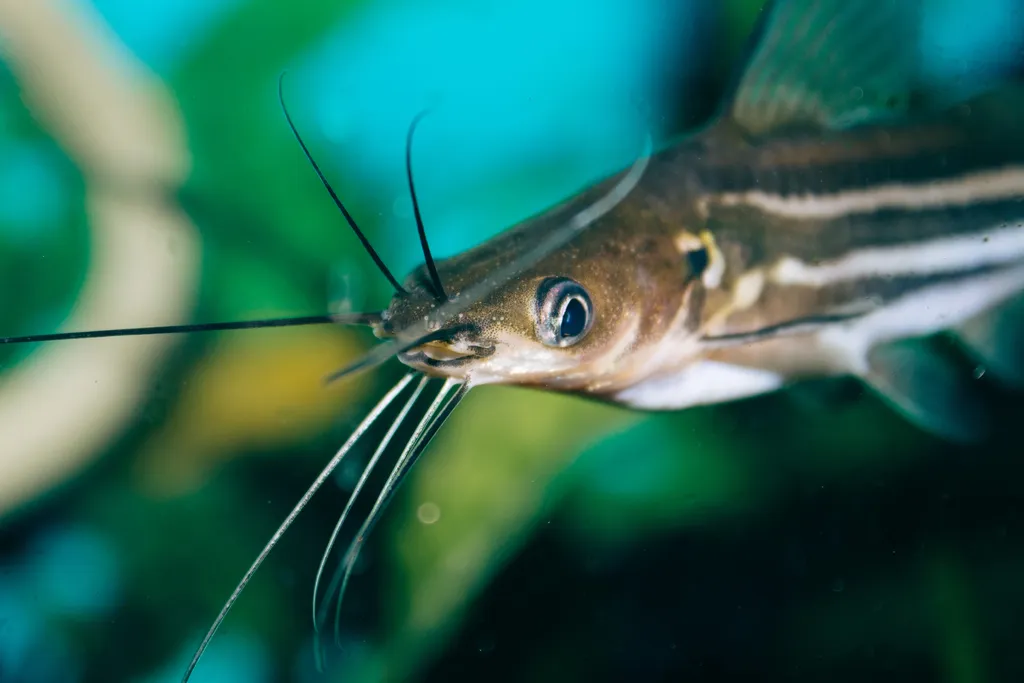 8.3 in (21 cm)60 gal (227 L)72–82°F (22–28°C)
Striped mystus
Mystus vittatus
8.3 in (21 cm) · 60 gal (227 L)
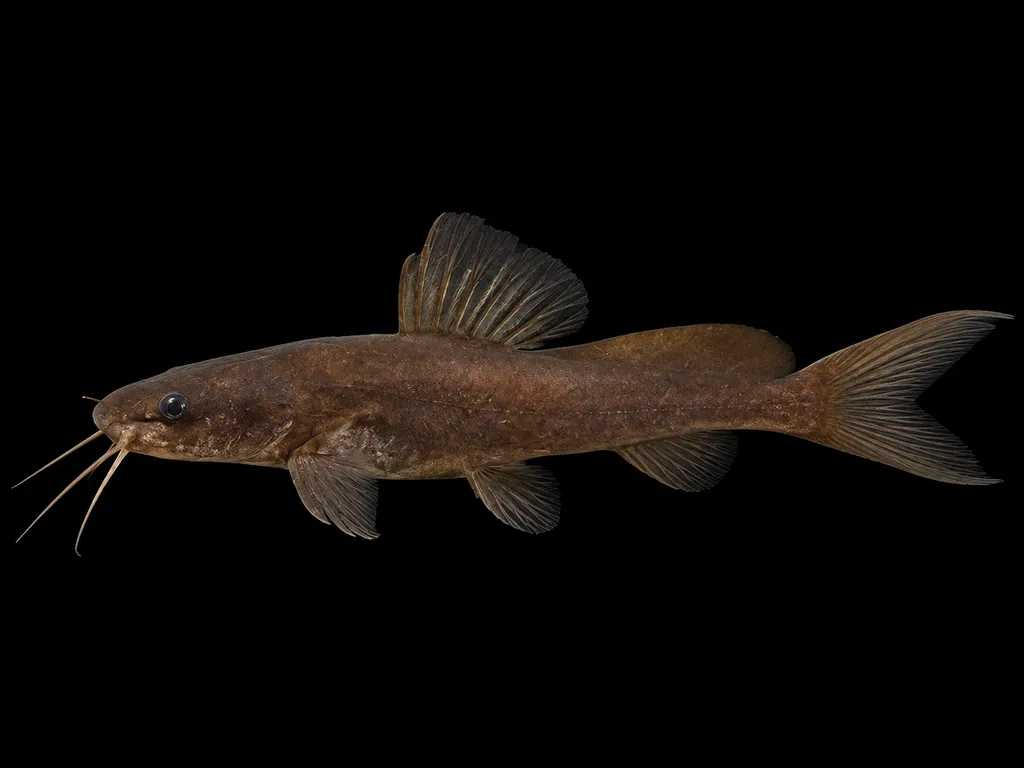 7.9 in (20 cm)79 gal (300 L)73–81°F (23–27°C)
Dragon bagrid catfish
Hemibagrus olyroides
7.9 in (20 cm) · 79 gal (300 L)