Asian upside-down catfish
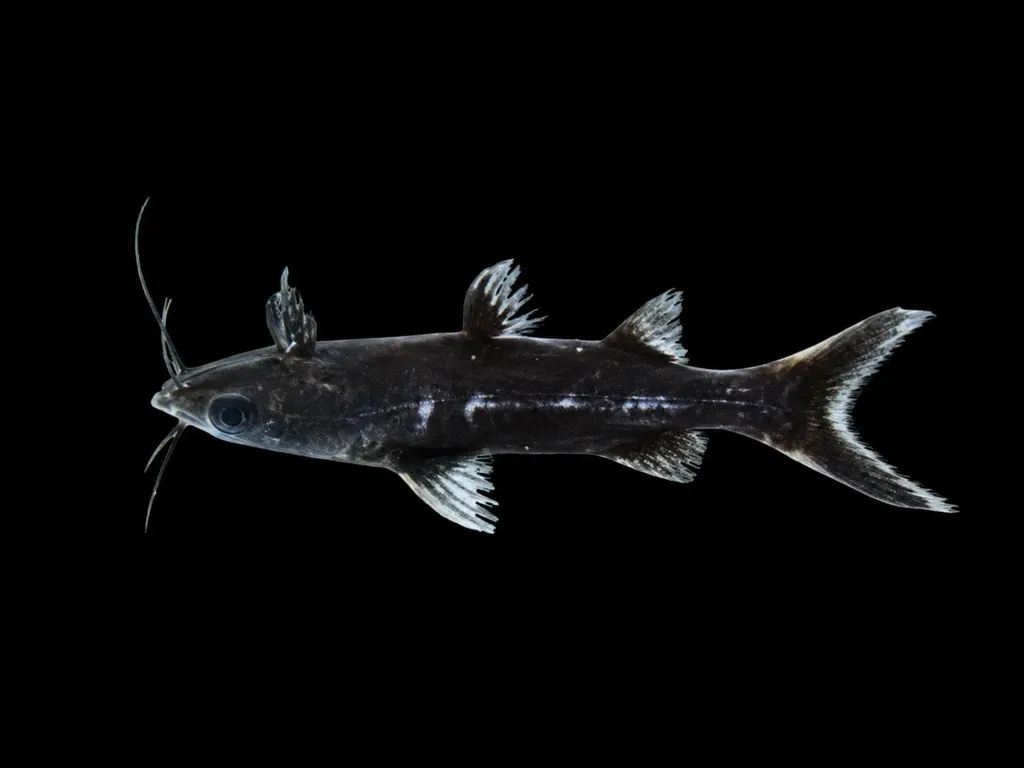
Mystus leucophasis
Also known as Burmese upside-down catfish, Asian upside-down bagrid
FreshwaterFish
Care at a glance
- Temperature
- 72–79°F
- 22–26°C
- pH
- 6.5–7.5
- Adult size
- 11.8 in
- 30 cm
- Minimum tank
- 50 gal
- 190 L
- Temperament
- Mostly peaceful
- Social behavior
- Solitary
- Own kind
- One per tank
- Tankmates
- With caution
- Swim level
- Bottom
- Difficulty
- Medium
- Breeding
- No record
- Rarity
- Rare
- Family
- Bagridae
- Origin
- Native to the Sittang and other river systems of Myanmar.
Overview
The Asian upside-down catfish is a striking oddball, but it is a predator that will eat small tankmates, so pair it only with fish too big to swallow. It can be territorial and is usually kept singly, spending the day tucked under wood and hanging inverted. Feed frozen and live meaty foods, earthworms, and sinking pellets after dark. Give it a tank of at least 190 liters with heavy wood cover.
In the wild
This bagrid comes from the rivers of Myanmar, where it shelters in wood, roots, and shady overhangs and comes out to hunt at night. It has the unusual habit of resting and swimming inverted, often hanging belly-up beneath driftwood. Give it a dim tank with plenty of wood and cave cover, gentle to moderate flow, and soft to neutral water at 22 to 26 degrees C.
Good to know
Mystus leucophasis reaches about 30 cm and is one of the few Asian catfish, rather than the African Synodontis, that habitually swims upside down. It is a predatory bagrid with a large mouth and long barbels. Breeding is not recorded in aquariums.
Did you know
It looks a lot like an African Synodontis and shares their belly-up habit, but it is actually an Asian bagrid from Myanmar that happened to evolve the same upside-down trick.
Common questions
What size tank does an Asian upside-down catfish need?
An Asian upside-down catfish needs at least 50 gal (190 L). It spends most of its time in the bottom.
What temperature and pH does an Asian upside-down catfish need?
An Asian upside-down catfish is comfortable at 72–79°F (22–26°C) with a pH of 6.5–7.5.
How big does an Asian upside-down catfish get?
An adult Asian upside-down catfish reaches about 11.8 in (30 cm).
Related species
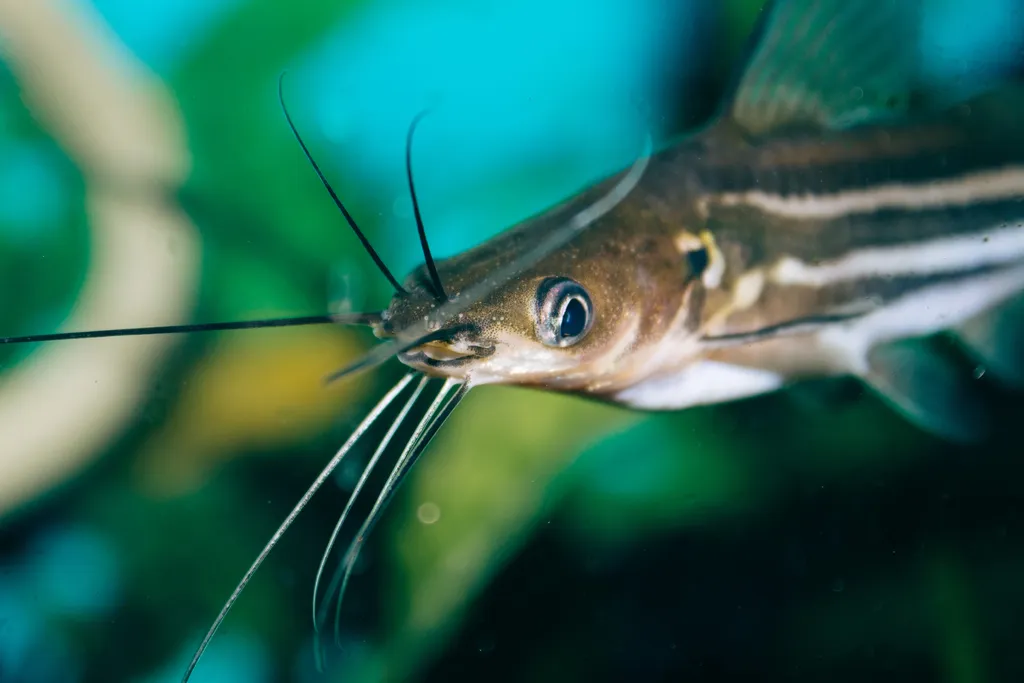 8.3 in (21 cm)60 gal (227 L)72–82°F (22–28°C)
Striped mystus
Mystus vittatus
8.3 in (21 cm) · 60 gal (227 L)
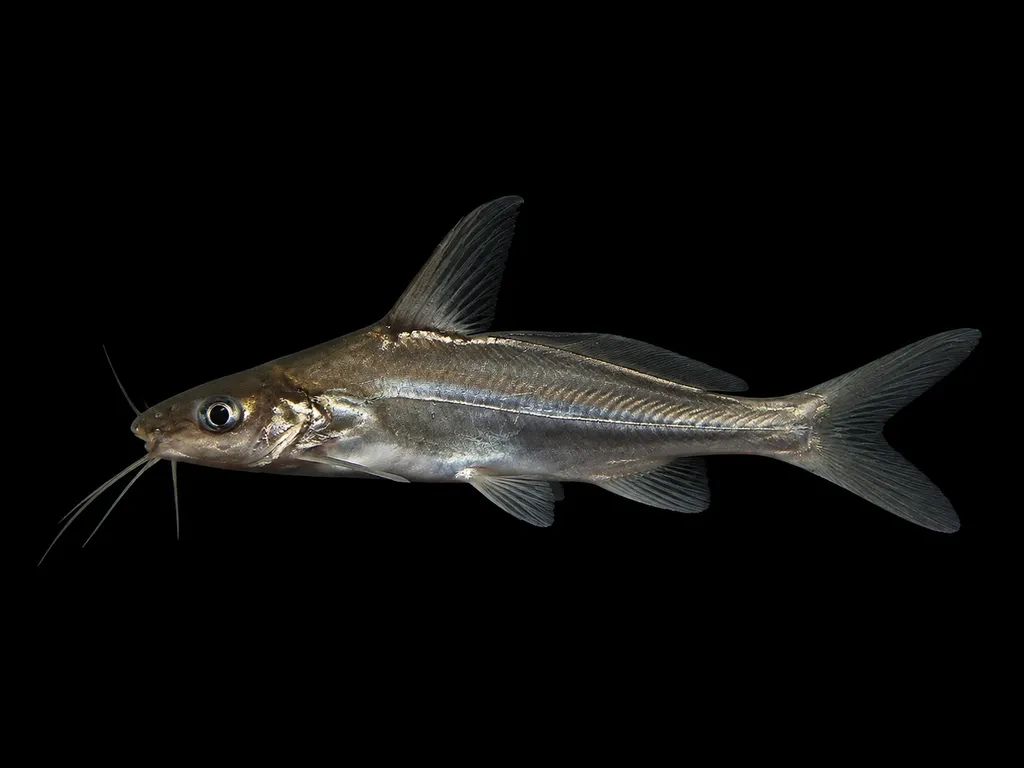 7.5 in (19 cm)79 gal (300 L)73–81°F (23–27°C)
Hi-fin mystus
Mystus falcarius
7.5 in (19 cm) · 79 gal (300 L)
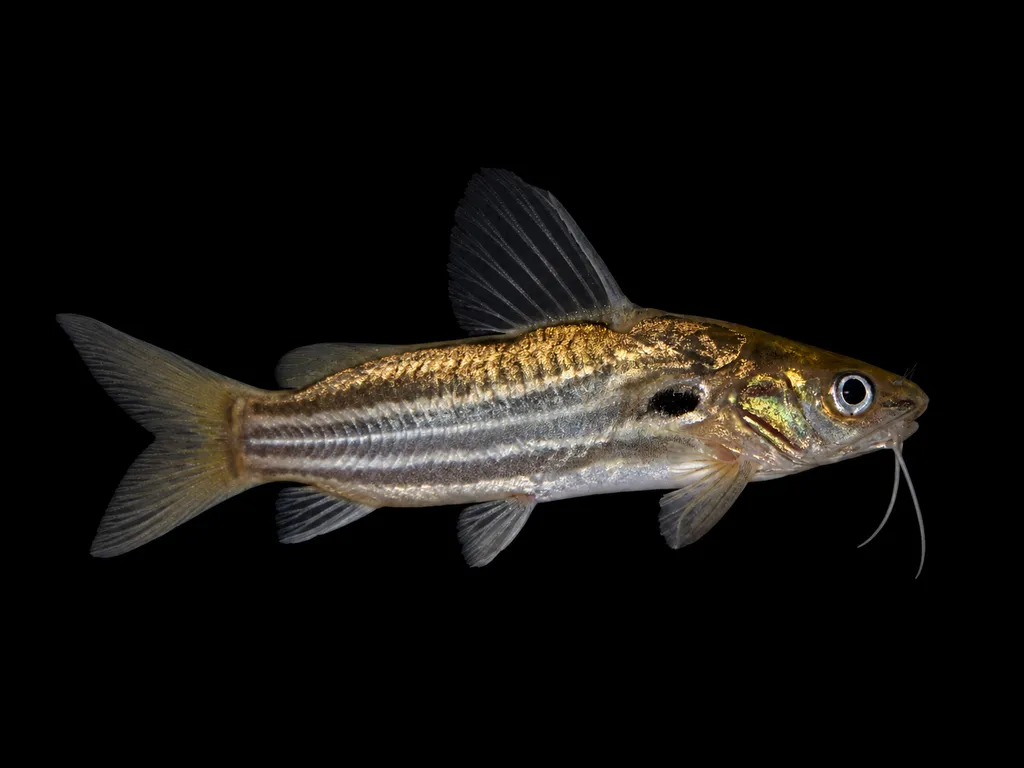 7.1 in (18 cm)42 gal (160 L)73–81°F (23–27°C)
Golden soldier catfish
Mystus tengara
7.1 in (18 cm) · 42 gal (160 L)
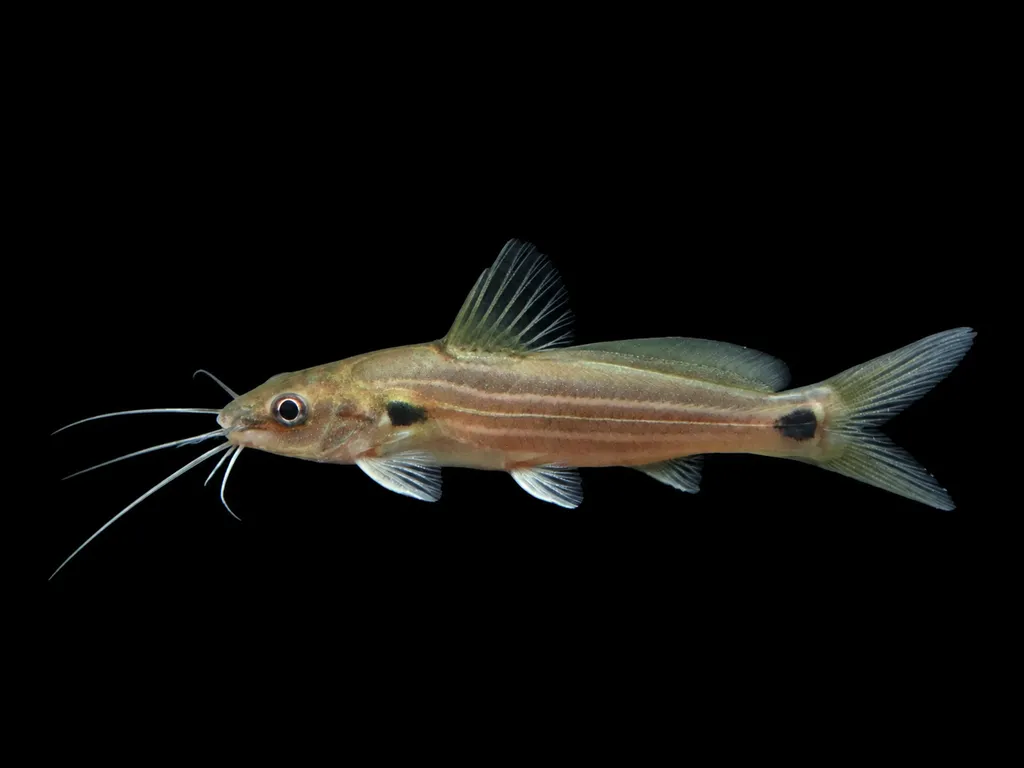 5.9 in (15 cm)66 gal (250 L)73–81°F (23–27°C)
Meetan catfish
Mystus rufescens
5.9 in (15 cm) · 66 gal (250 L)
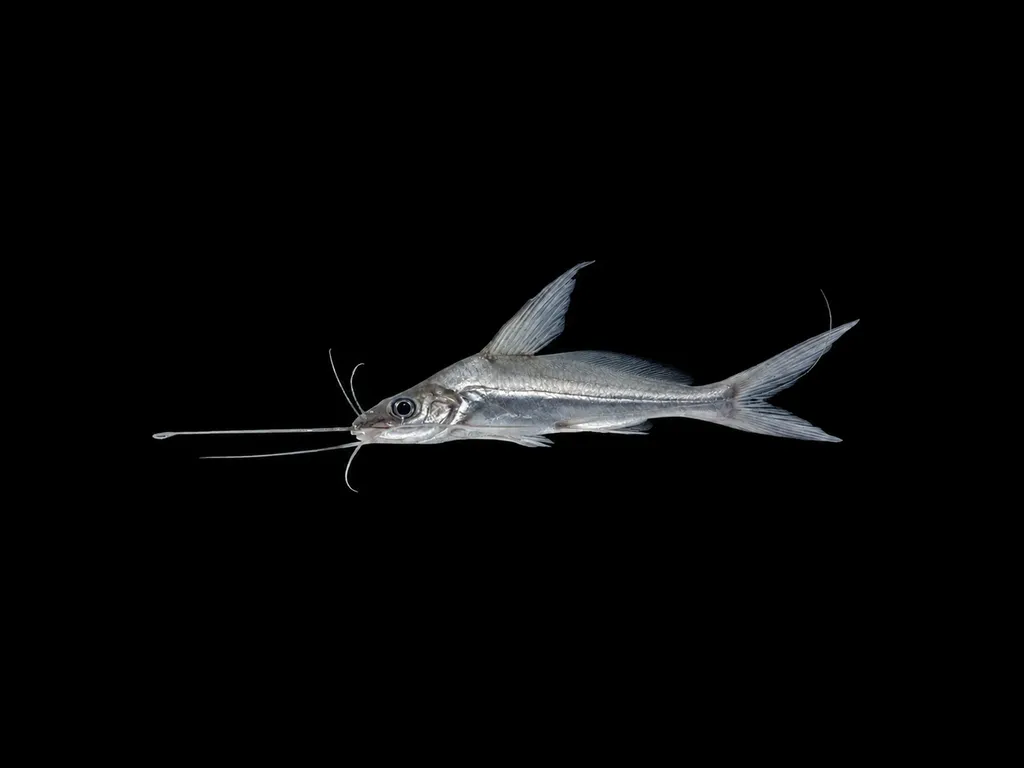 9.4 in (24 cm)106 gal (400 L)73–81°F (23–27°C)
Silver lancer catfish
Mystus bocourti
9.4 in (24 cm) · 106 gal (400 L)
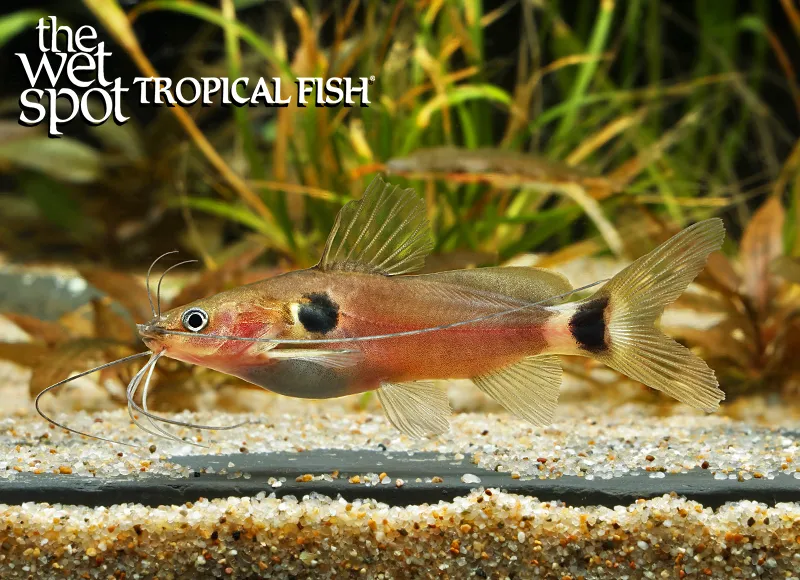 4.7 in (12 cm)30 gal (114 L)72–81°F (22–27°C)
Two-spot catfish
Mystus bimaculatus
4.7 in (12 cm) · 30 gal (114 L)