Waterwort
Elatine hydropiper
Also known as Eight-stamen waterwort
FreshwaterCarpetingRunnersCuttings
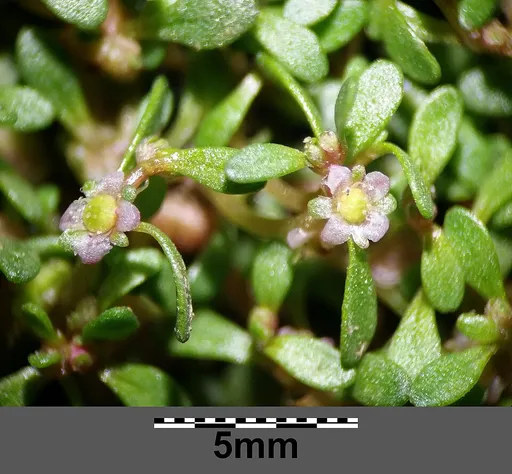
Care at a glance
- Light
- High light
- CO2
- CO₂ required
- Temperature
- 59–79°F
- 15–26°C
- Max height
- 2 in
- 5 cm
- Growth rate
- Medium
- Placement
- Foreground
- Type
- Carpeting
- pH
- 6.0–7.0
- Hardness
- 4–8 dGH
- Spread
- 3.9 in (10 cm)
- Nutrient uptake
- Root + water column
- Growth region
- Submersed or emersed
- Difficulty
- Difficult
- Family
- Elatinaceae
- Origin
- Europe, Siberia and northern China
Overview
Waterwort is a demanding nano carpet plant for experienced aquascapers. It forms a tight, small-leaved mat in the foreground.
Did you know
Waterwort does well in heated aquascapes, but it is really a cold-tolerant northern plant. It can overwinter in outdoor ponds as far north as Scandinavia and is also grown in central European ponds. That makes it a true cold-water carpet option.
Caring for waterwort
Split waterwort into little clumps and plant them roughly 1.5 cm apart so they knit together. It feeds through its roots and leaves, so use root tabs along with a liquid fertilizer.
It needs high light and regular injected CO2, which keeps growth going and prevents melting. It dislikes warm, fluctuating temperatures more than most tropical carpets. Keep the water cool and stable, within 59 to 79°F (15 to 26°C).
Waterwort grows only moderately fast rather than invasively, slower than Glossostigma. That makes it easier to keep neat once it settles in. Expect to trim it every few weeks. It spreads by runners, and cuttings from the trims can be replanted.
Good to know
Waterwort belongs to the small family Elatinaceae, the waterworts. Its other name, eight-stamen waterwort, refers to its flowers, which carry eight stamens. That feature tells it apart from related Elatine species. Submersed, it looks like a miniature Glossostigma elatinoides, but the two are unrelated.
In the wild
Waterwort is a small annual with a wide Holarctic range. It is found across Europe up into northern Scandinavia and east through Siberia and northern China. It grows in shallow still or slow water, on muddy pond and lake margins and in seasonal pools. The aquarium strain in the hobby was originally collected in Italy.
Common questions
Does waterwort need to be planted in the substrate?
Yes. Split it into small clumps and push each one into the substrate with tweezers, leaving gaps for it to fill.
Does waterwort need CO2?
Yes. Waterwort needs injected CO2 to grow well, and it usually struggles without it.
How much light does waterwort need?
Waterwort needs high light from a strong planted-tank LED. In weaker light it grows upward instead of spreading across the substrate.
Does waterwort need root tabs?
They help. Waterwort takes nutrients through both its roots and its leaves. Root tabs near its roots and a liquid fertilizer cover both.
How do you propagate waterwort?
Waterwort propagates by runners and cuttings. New plants grow along its runners. Cut one free once it has roots and plant it. Cut off the top of a stem and replant it, and the stump left behind grows new shoots.
How tall does waterwort grow?
Waterwort grows to about 2 in (5 cm) tall. It grows at a moderate pace.
Related plants
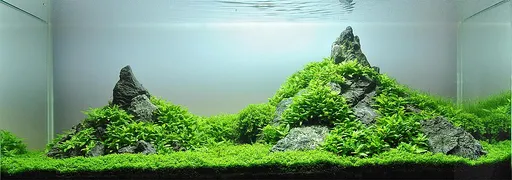 High lightForeground2 in (5 cm)
Dwarf baby tears
Hemianthus callitrichoides 'Cuba'
High light · Foreground
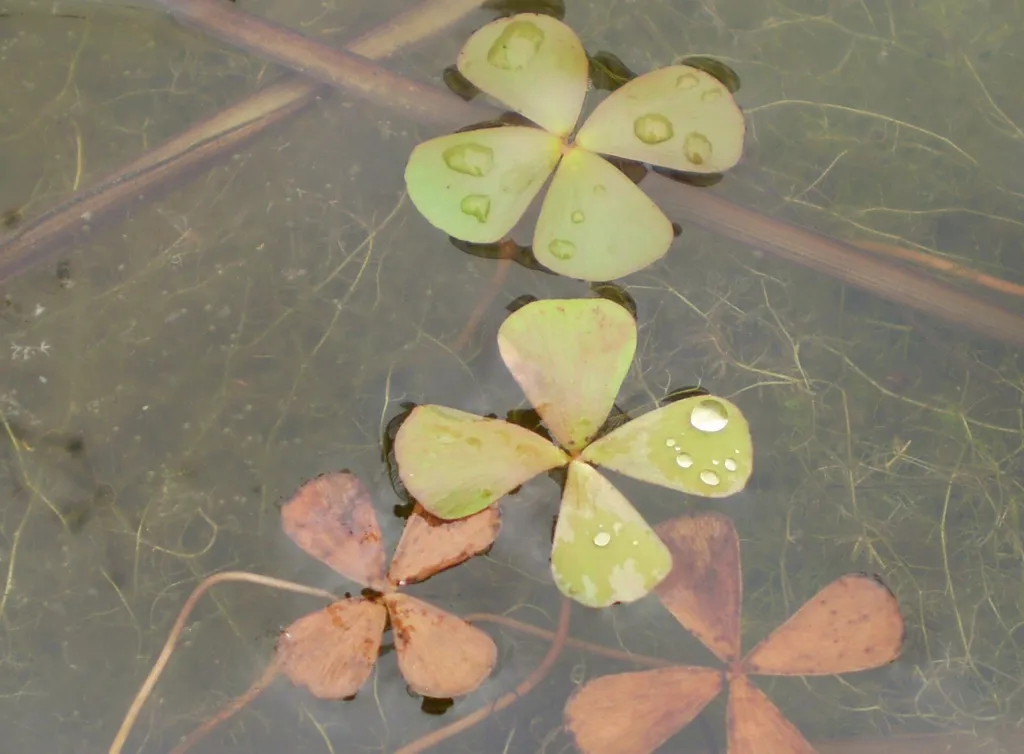 Medium lightForeground2 in (5 cm)
Dwarf water clover
Marsilea crenata
Medium light · Foreground
 Medium lightForeground2 in (5 cm)
Hydrocotyle Japan
Hydrocotyle tripartita
Medium light · Foreground
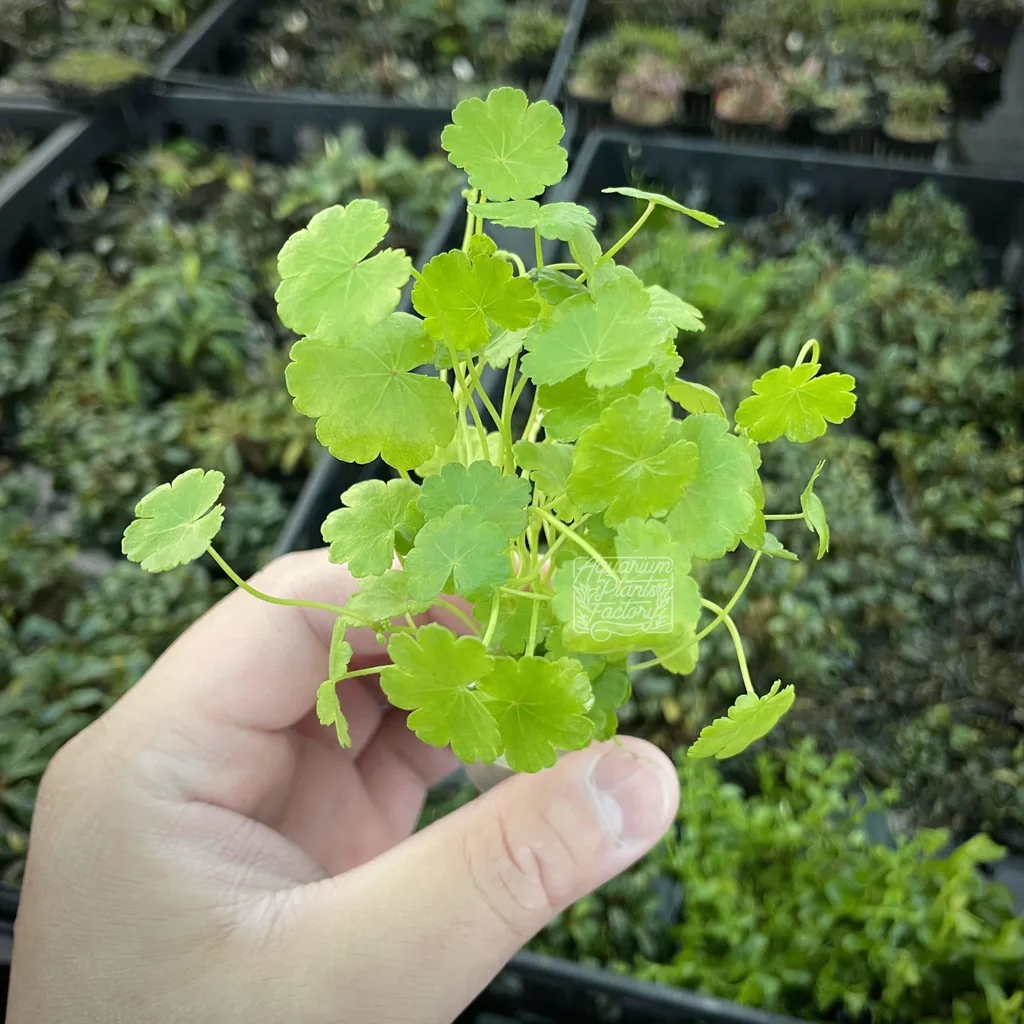 High lightForeground2 in (5 cm)
Hydrocotyle mini
Hydrocotyle sibthorpioides
High light · Foreground
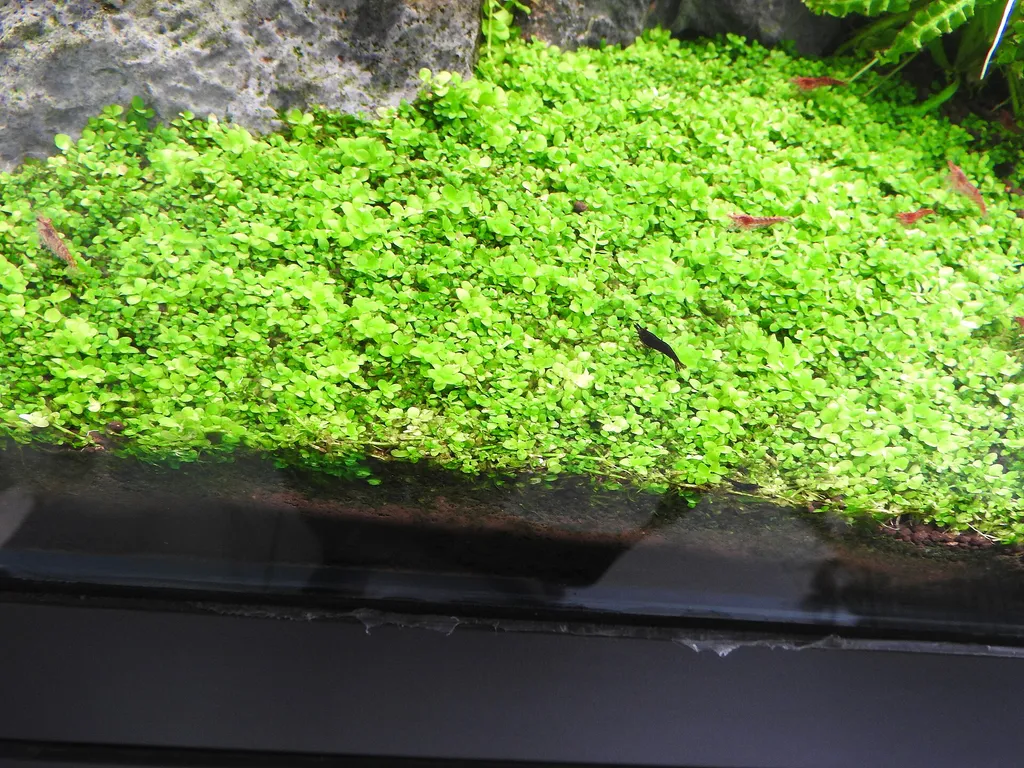 Medium lightForeground2 in (5 cm)
Monte Carlo
Micranthemum tweediei
Medium light · Foreground
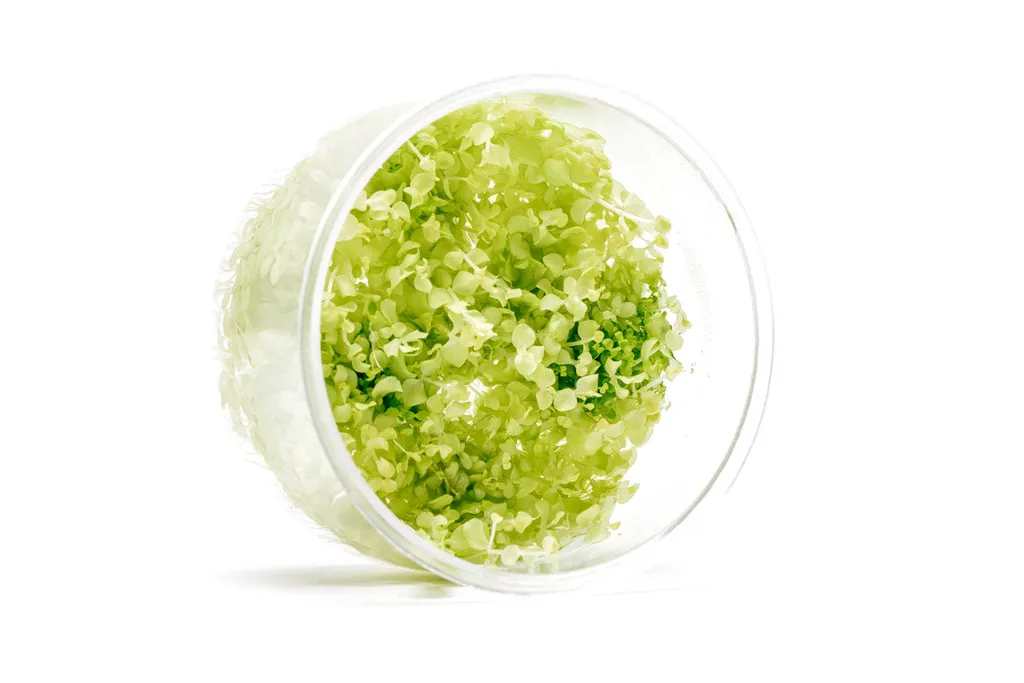 Medium lightForeground2 in (5 cm)
Monte Carlo White
Micranthemum tweediei 'White'
Medium light · Foreground