Glosso
Glossostigma elatinoides
Also known as Glossostigma, Mud mat, Small mud-mat
FreshwaterCarpetingRunnersCuttings
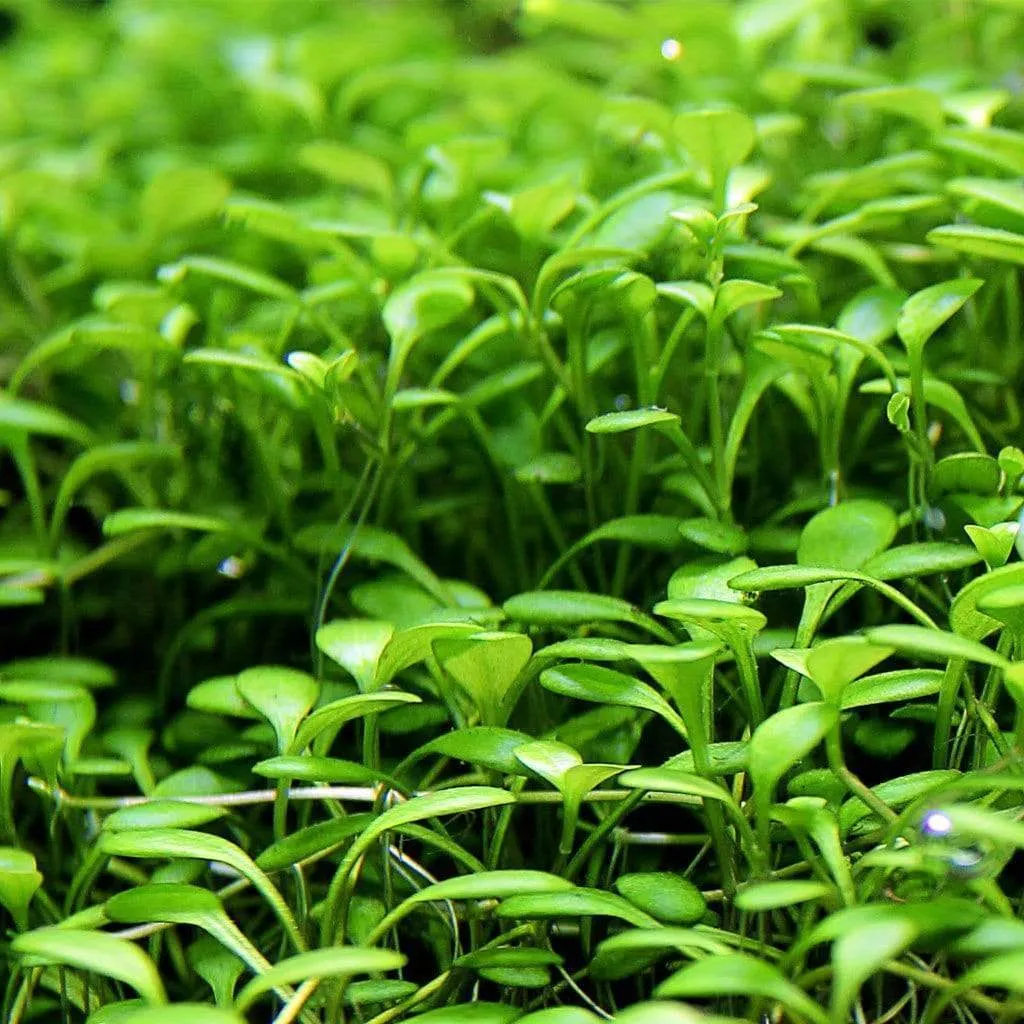
Care at a glance
- Light
- High light
- CO2
- CO₂ required
- Temperature
- 59–79°F
- 15–26°C
- Max height
- 1.6 in
- 4 cm
- Growth rate
- Fast
- Placement
- Foreground
- Type
- Carpeting
- pH
- 5.0–7.5
- Hardness
- 0–14 dGH
- Spread
- 3.9 in (10 cm)
- Nutrient uptake
- Root + water column
- Growth region
- Submersed
- Difficulty
- Difficult
- Family
- Phrymaceae
- Origin
- Australia, New Zealand and Tasmania
Overview
Glosso is one of the classic aquascaping carpets, a tiny creeping plant for the foreground. It is a hungry plant and is rated difficult.
Did you know
Glosso was one of the plants Takashi Amano popularized as a foreground lawn. It helped define the carpeted look of the nature aquarium style.
Caring for Glosso
Split Glosso clumps into single nodes and plant them spaced out in a fine substrate, so the runners fill in fast. Plants usually arrive grown emersed and convert to submersed growth within a couple of weeks.
It needs high light, injected CO2 at about 20 to 40 mg/l and steady nutrients to stay short and dense. It feeds through both its roots and its leaves, so pair root tabs with a liquid fertilizer. Keep it at 59 to 79°F (15 to 26°C).
Glosso grows fast. Trim it regularly to force horizontal growth, and replant rooted runners or cut tops to fill bare patches.
Under weak light it stretches upward and grows in two or three stacked layers. If the mat gets too thick, the lower layers can rot and lift it off the substrate.
Good to know
Glosso was long sold under the family Scrophulariaceae, but the genus Glossostigma is now placed in Phrymaceae, the lopseed family. It is closely related to Glossostigma diandrum, which has two stamens to the four of G. elatinoides. Its paired oval leaves sit on short petioles.
In the wild
Glosso is native to Australia, Tasmania and New Zealand. It grows in shallow water, bogs and marshes and along river banks, fully or partly submerged. It is a creeping marginal plant that hugs muddy ground, which is why it picked up the common name mud mat.
Common questions
Does Glosso need to be planted in the substrate?
Yes. Split it into small clumps and push each one into the substrate with tweezers, leaving gaps for it to fill.
Does Glosso need CO2?
Yes. Glosso needs injected CO2 to grow well, and it usually struggles without it.
How much light does Glosso need?
Glosso needs high light from a strong planted-tank LED. In weaker light it grows upward instead of spreading across the substrate.
Does Glosso need root tabs?
They help. Glosso takes nutrients through both its roots and its leaves. Root tabs near its roots and a liquid fertilizer cover both.
How do you propagate Glosso?
Glosso propagates by runners and cuttings. New plants grow along its runners. Cut one free once it has roots and plant it. Cut off the top of a stem and replant it, and the stump left behind grows new shoots.
How tall does Glosso grow?
Glosso grows to about 1.6 in (4 cm) tall. It grows fast, so expect to trim it often.
Related plants
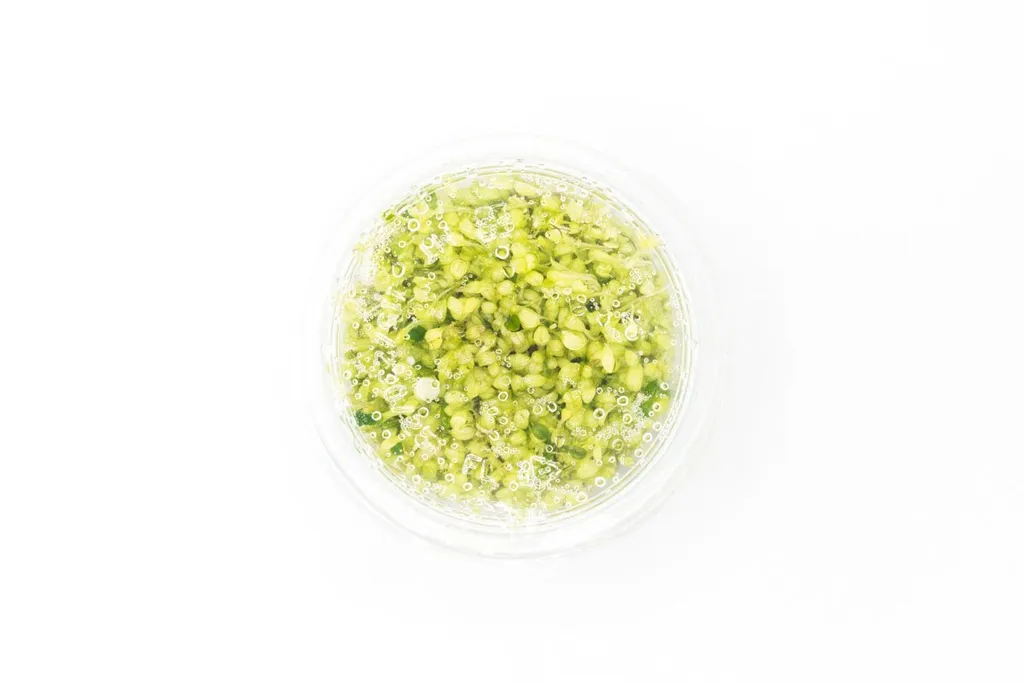 High lightForeground1.6 in (4 cm)
Platinum glosso
Glossostigma elatinoides 'Platinum'
High light · Foreground
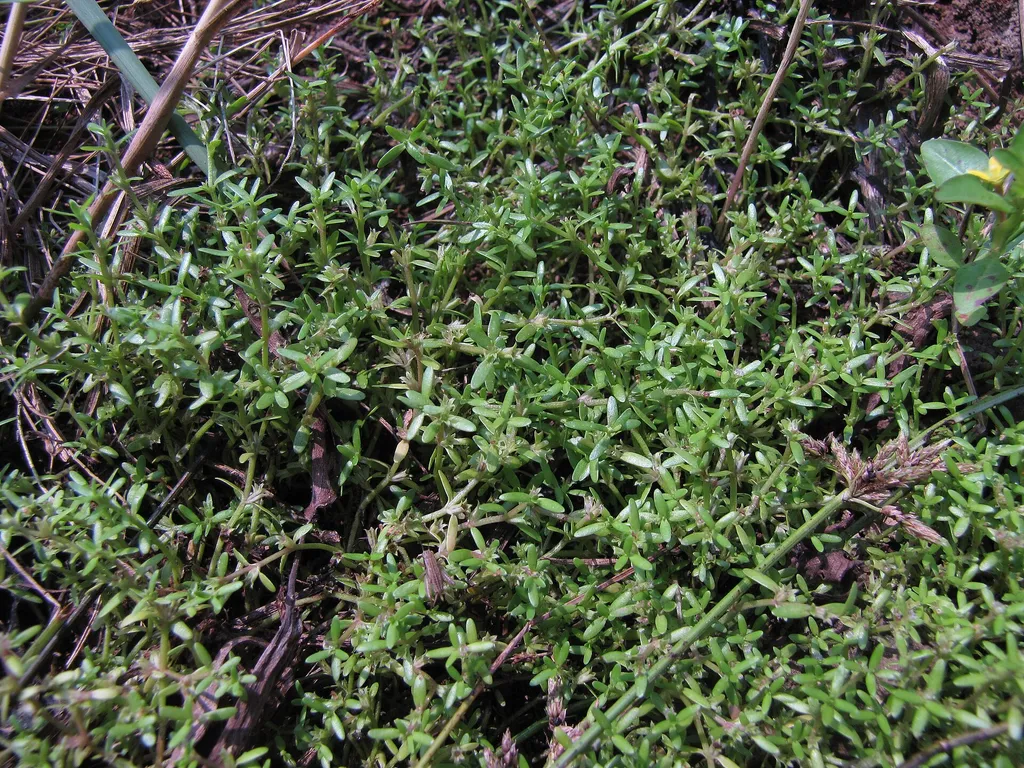 High lightForeground3.9 in (10 cm)
Microcarpaea minima
High light · Foreground
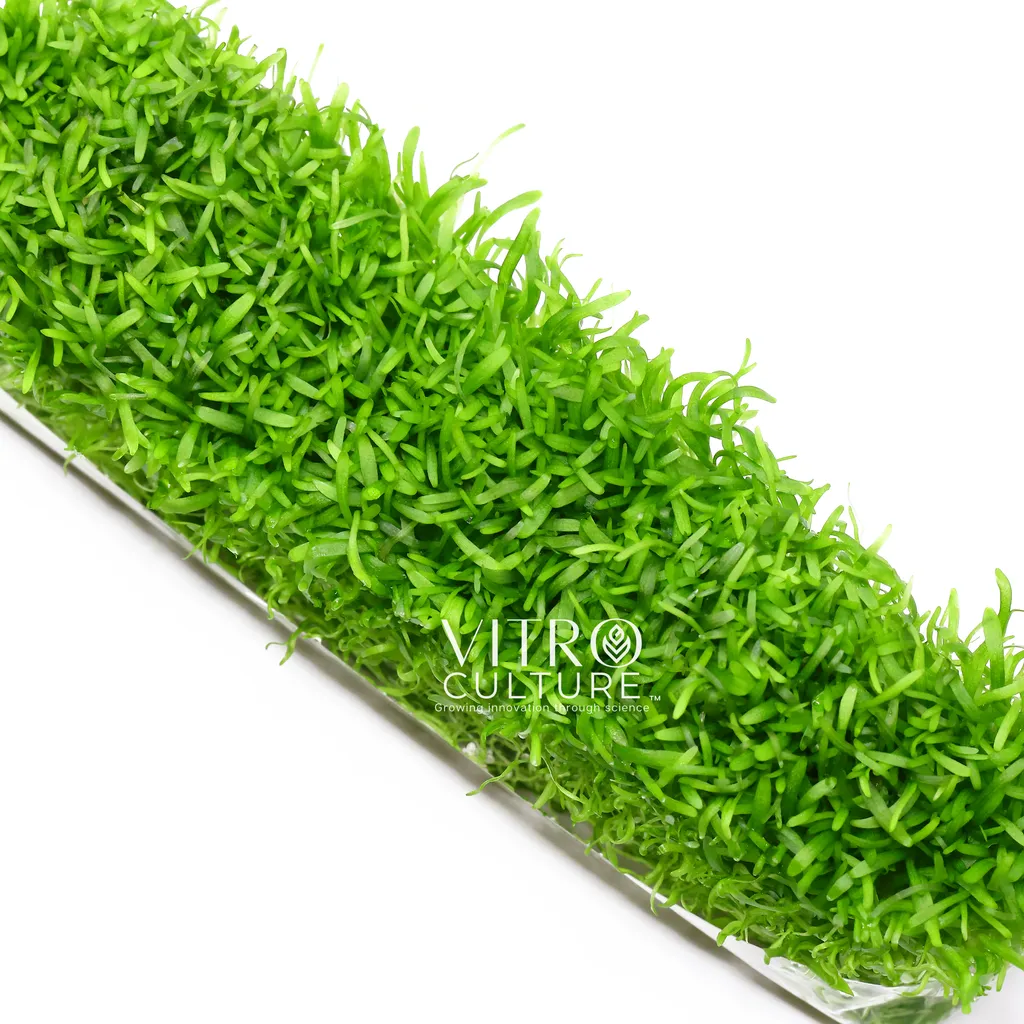 Medium lightForeground1.6 in (4 cm)
UG
Utricularia graminifolia
Medium light · Foreground
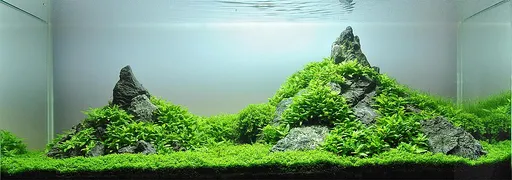 High lightForeground2 in (5 cm)
Dwarf baby tears
Hemianthus callitrichoides 'Cuba'
High light · Foreground
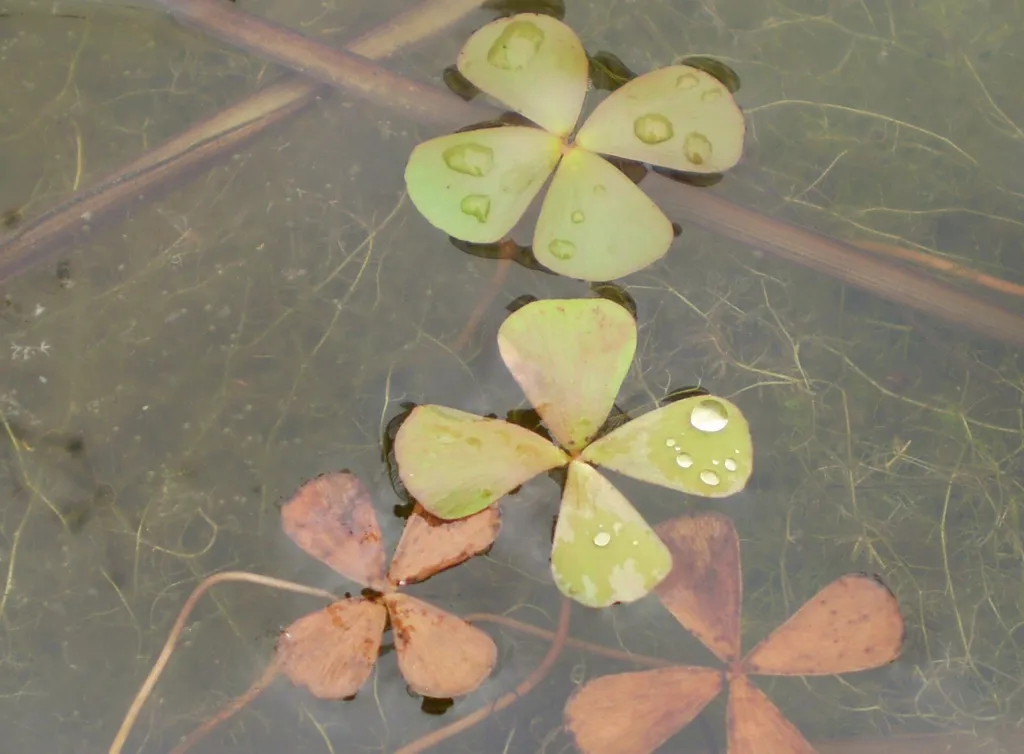 Medium lightForeground2 in (5 cm)
Dwarf water clover
Marsilea crenata
Medium light · Foreground
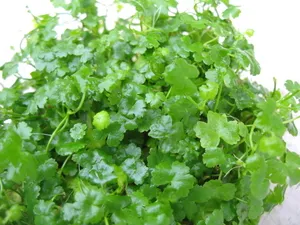 Medium lightForeground2 in (5 cm)
Hydrocotyle Japan
Hydrocotyle tripartita
Medium light · Foreground