Blyxa aubertii
Also known as Aubert's blyxa, Roundfruit blyxa
FreshwaterRosetteSide shoots
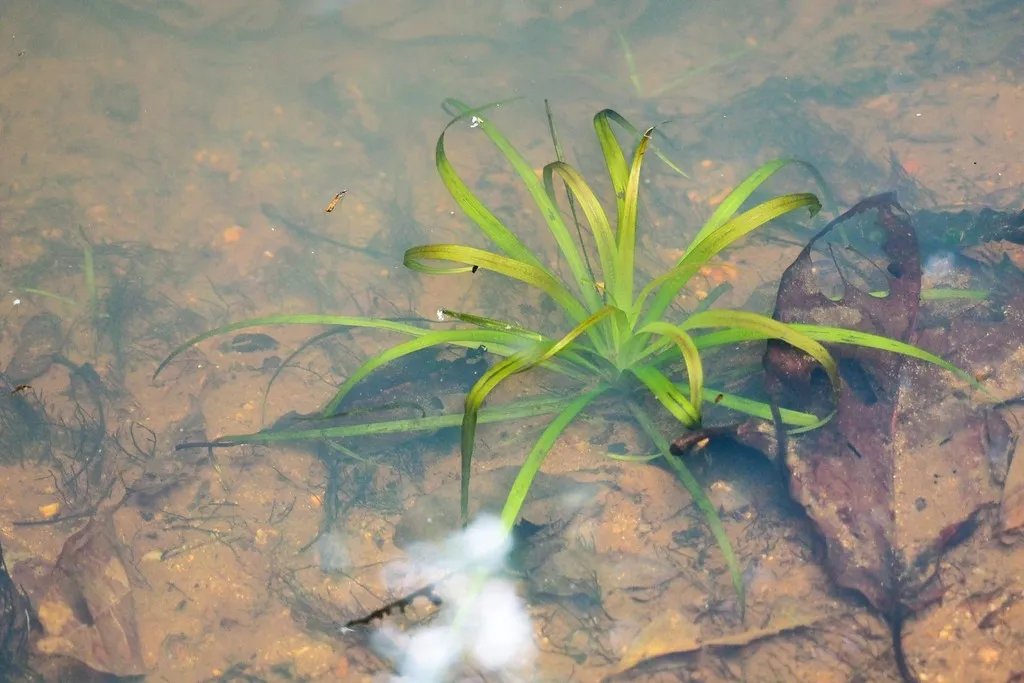
Care at a glance
- Light
- High light
- CO2
- CO₂ required
- Temperature
- 75–82°F
- 24–28°C
- Max height
- 15.7 in
- 40 cm
- Growth rate
- Medium
- Placement
- Midground
- Type
- Rosette
- pH
- 5.5–7.0
- Hardness
- 0–6 dGH
- Spread
- 7.9 in (20 cm)
- Nutrient uptake
- Root + water column
- Growth region
- Submersed
- Difficulty
- Difficult
- Family
- Hydrocharitaceae
- Origin
- Tropical Asia, Africa and northern Australia
Overview
This is a demanding softwater collector plant, not a beginner species. It needs bright light, pressurised CO2 and steady macro and iron dosing to stay dense and coloured, and it sulks or rots in hard water (keep GH low, ideally under about 6). The roots are weak for its size so it feeds heavily from the water column and can float free if hardness is too high. The leaves are brittle and snap easily during maintenance, so handle it gently. Grown well it makes a lush grassy midground or, in taller tanks, a background bush in place of Vallisneria.
In the wild
Widely distributed across tropical and subtropical Asia, parts of Africa and northern Australia, where it grows in marshes, ditches, rice paddies, floodplains and the margins of slow rivers. It forms a large grassy rosette of narrow, arching leaves and is often rooted in soft clayey or muddy substrate in still or gently moving water.
Good to know
A rosette-forming member of the frogbit family Hydrocharitaceae, related to Vallisneria and Elodea. In the wild it behaves as an annual and is amphicarpic, producing self-pollinating flowers both above and below the water surface so it can set seed even while fully submerged. Under intense light the foliage develops bronze to reddish-purple tones.
Did you know
Did you know Blyxa aubertii is a naturally annual plant that flowers and sets seed underwater by self-pollination; some aquarists snip off the emerging flower stalks to coax it into behaving as a longer-lived perennial in the tank.
Related plants
- Medium lightMidground11.8 in (30 cm)
Blyxa novoguineensis
Medium light · Midground
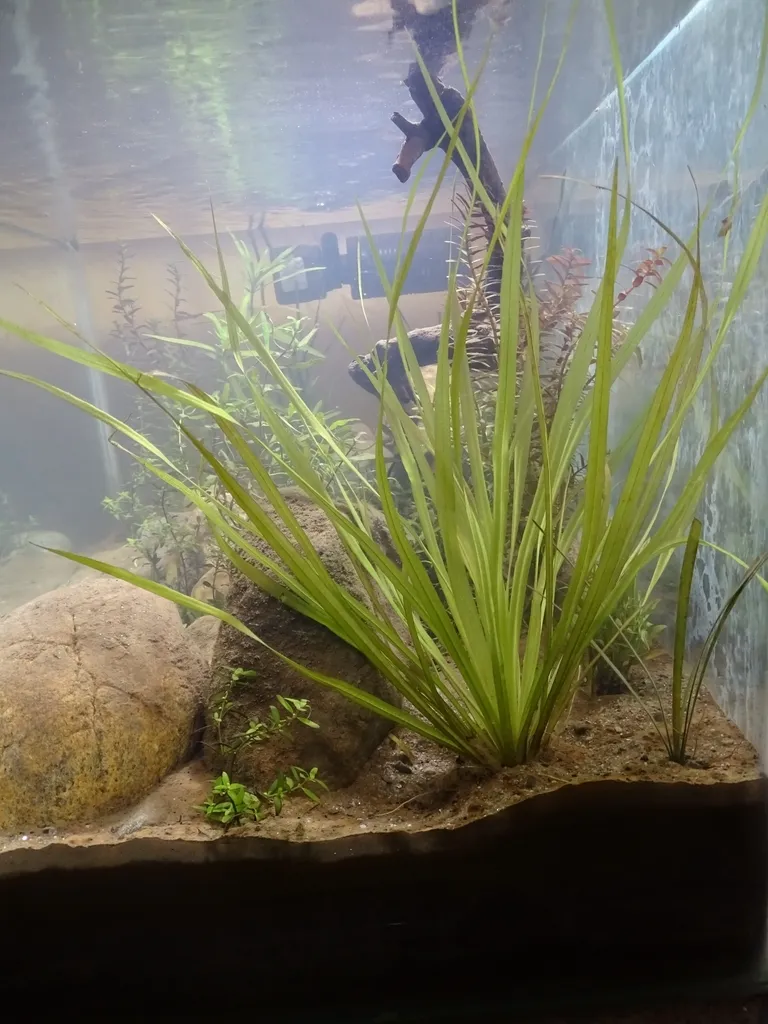 High lightMidground7.9 in (20 cm)
Blyxa japonica
High light · Midground
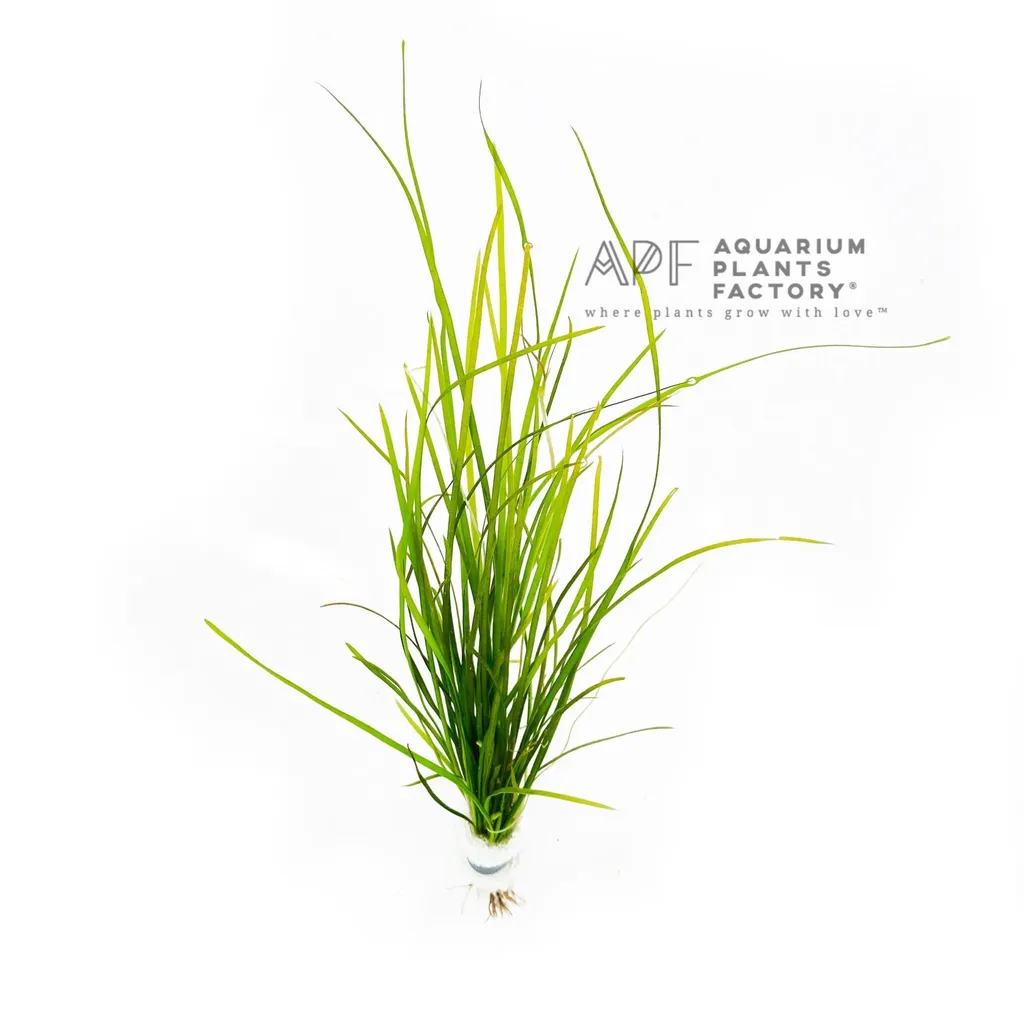 Medium lightBackground15.7 in (40 cm)
Dwarf vallisneria
Vallisneria nana
Medium light · Background
- Medium lightBackground15.7 in (40 cm)
Narrow leaf anacharis
Elodea najas
Medium light · Background
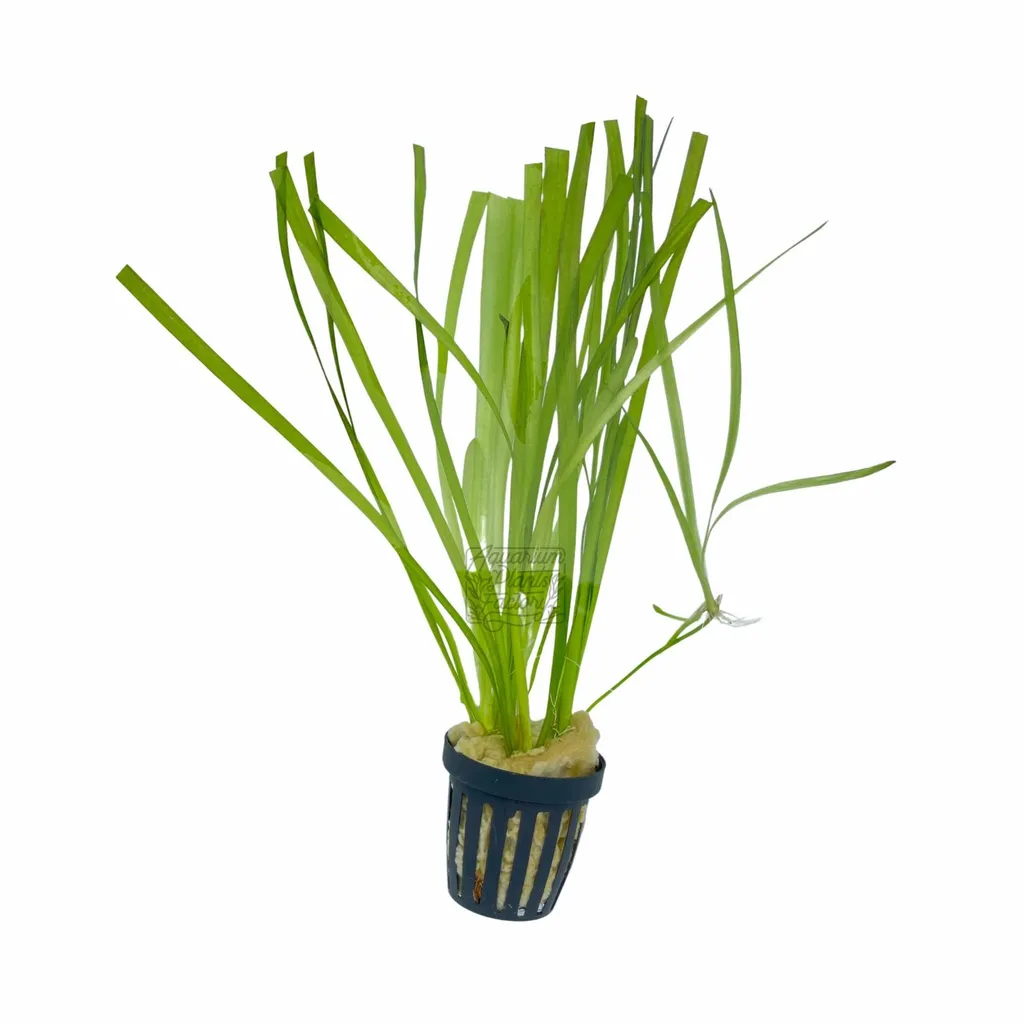 Low lightBackground19.7 in (50 cm)
Vallisneria spiralis
Low light · Background
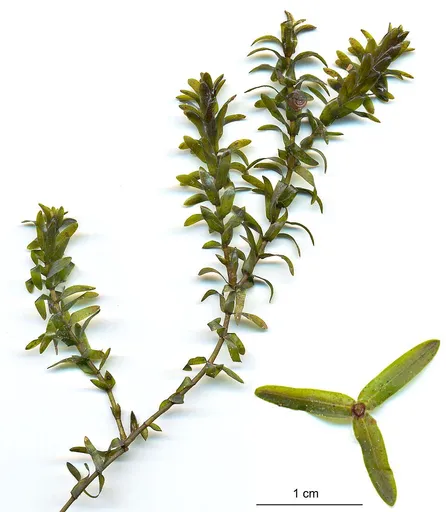 Low lightBackground23.6 in (60 cm)
Canadian waterweed
Elodea canadensis
Low light · Background