Blyxa novoguineensis
Also known as Red Blyxa, Blyxa aubertii 'Red', Blyxa sp. 'Novoguineensis', Blyxa cf. novoguineensis
FreshwaterRosettePlantletsSide shoots
Care at a glance
- Light
- Medium light
- CO2
- CO₂ beneficial
- Temperature
- 68–82°F
- 20–28°C
- Max height
- 11.8 in
- 30 cm
- Growth rate
- Medium
- Placement
- Midground
- Type
- Rosette
- pH
- 5.5–6.8
- Hardness
- 1–8 dGH
- Spread
- 5.9 in (15 cm)
- Nutrient uptake
- Root + water column
- Growth region
- Submersed
- Difficulty
- Medium
- Family
- Hydrocharitaceae
- Origin
- Southeast Asia (trade origin; true species from New Guinea)
Overview
Grown as a bushy midground rosette that shows off best in soft, slightly acidic water with CO2 and a good iron-rich nutrient supply, which deepens the red colour. The leaves are soft and brittle, so keep it away from strong flow and boisterous or plant-nibbling fish. Propagate by lifting the small daughter plants that appear at the base of the rosette or from short side shoots. It is not difficult but rewards attentive dosing.
In the wild
The plant traded under this name is a reddish-brown, grass-like rosette species from Southeast Asian still and slow waters. The true Blyxa novoguineensis Hartog is endemic to New Guinea and is almost certainly not the plant in cultivation. It grows rooted in soft substrate and forms a dense fountain of narrow leaves.
Good to know
This plant sits in the family Hydrocharitaceae. Its aquarium name is very likely a misidentification: herbarium type material of true B. novoguineensis shows a long, sparsely leaved stem, whereas the cultivated plant forms a compact leaf rosette, so most botanists treat it as a red form of Blyxa aubertii rather than a genuine B. novoguineensis. It holds reddish-brown to red tones even under only moderate light.
Did you know
Did you know this plant is probably wearing the wrong name? The species it is sold as lives only on New Guinea, but the rosette you actually buy is almost certainly a red form of Blyxa aubertii that picked up the label by mistake.
Related plants
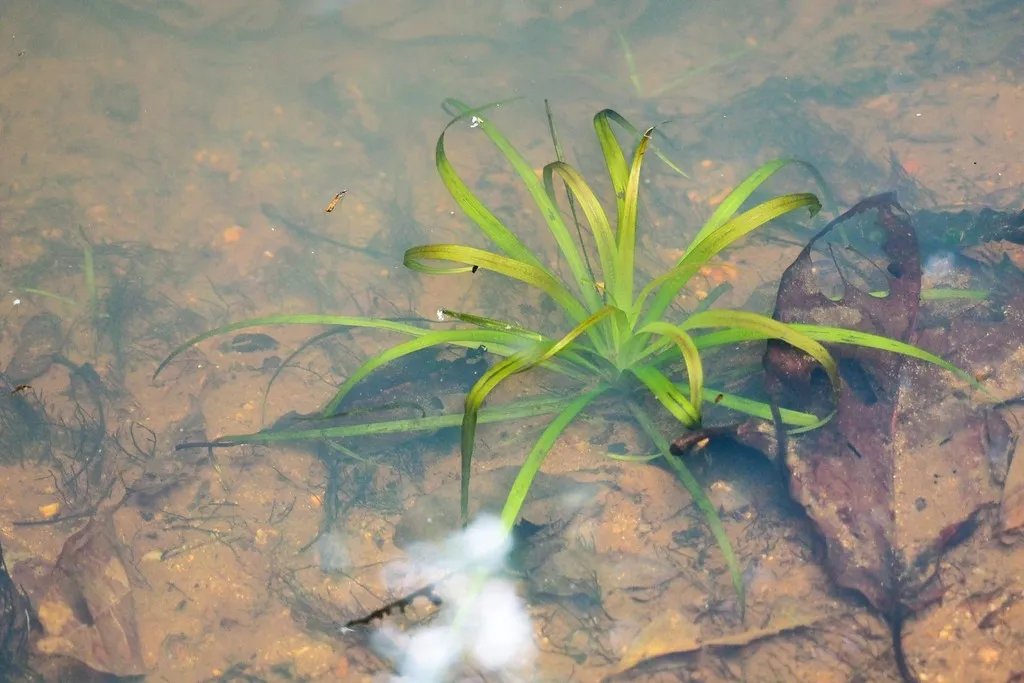 High lightMidground15.7 in (40 cm)
Blyxa aubertii
High light · Midground
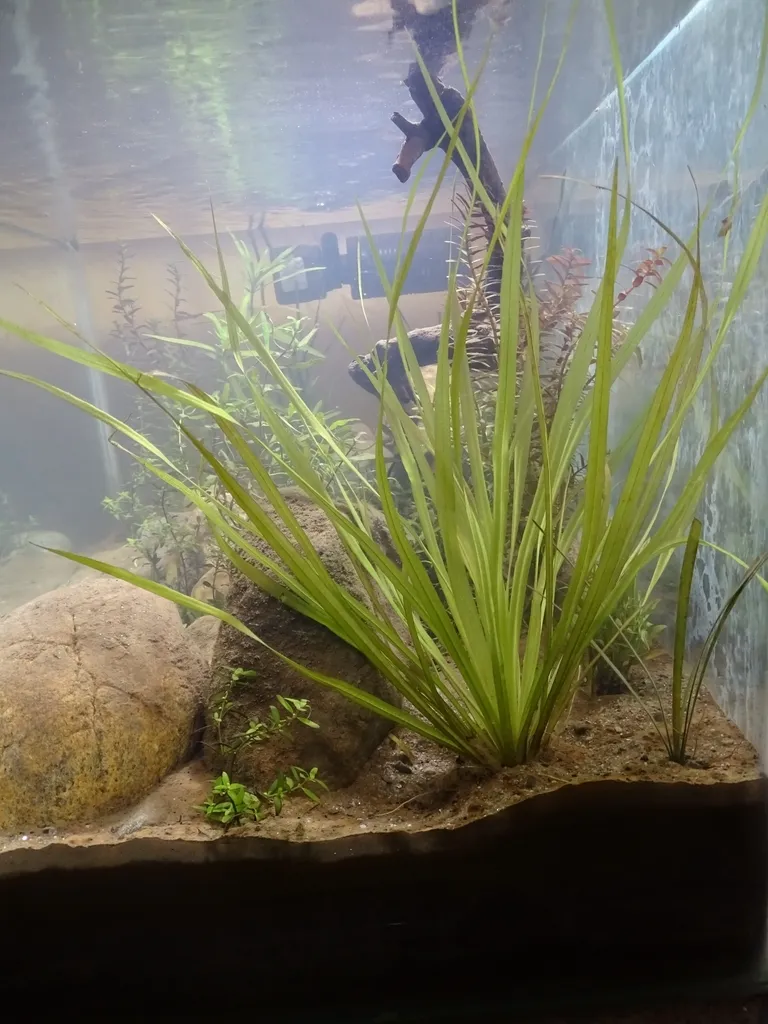 High lightMidground7.9 in (20 cm)
Blyxa japonica
High light · Midground
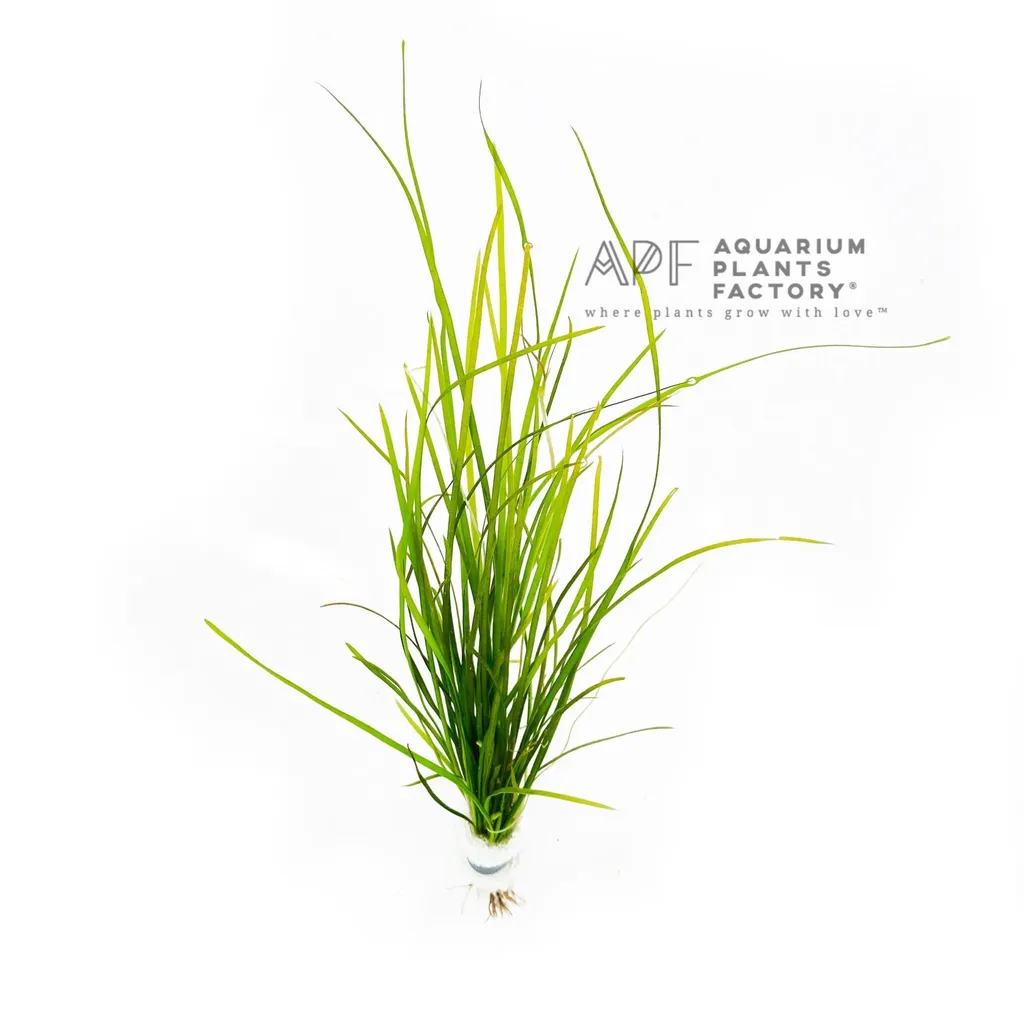 Medium lightBackground15.7 in (40 cm)
Dwarf vallisneria
Vallisneria nana
Medium light · Background
- Medium lightBackground15.7 in (40 cm)
Narrow leaf anacharis
Elodea najas
Medium light · Background
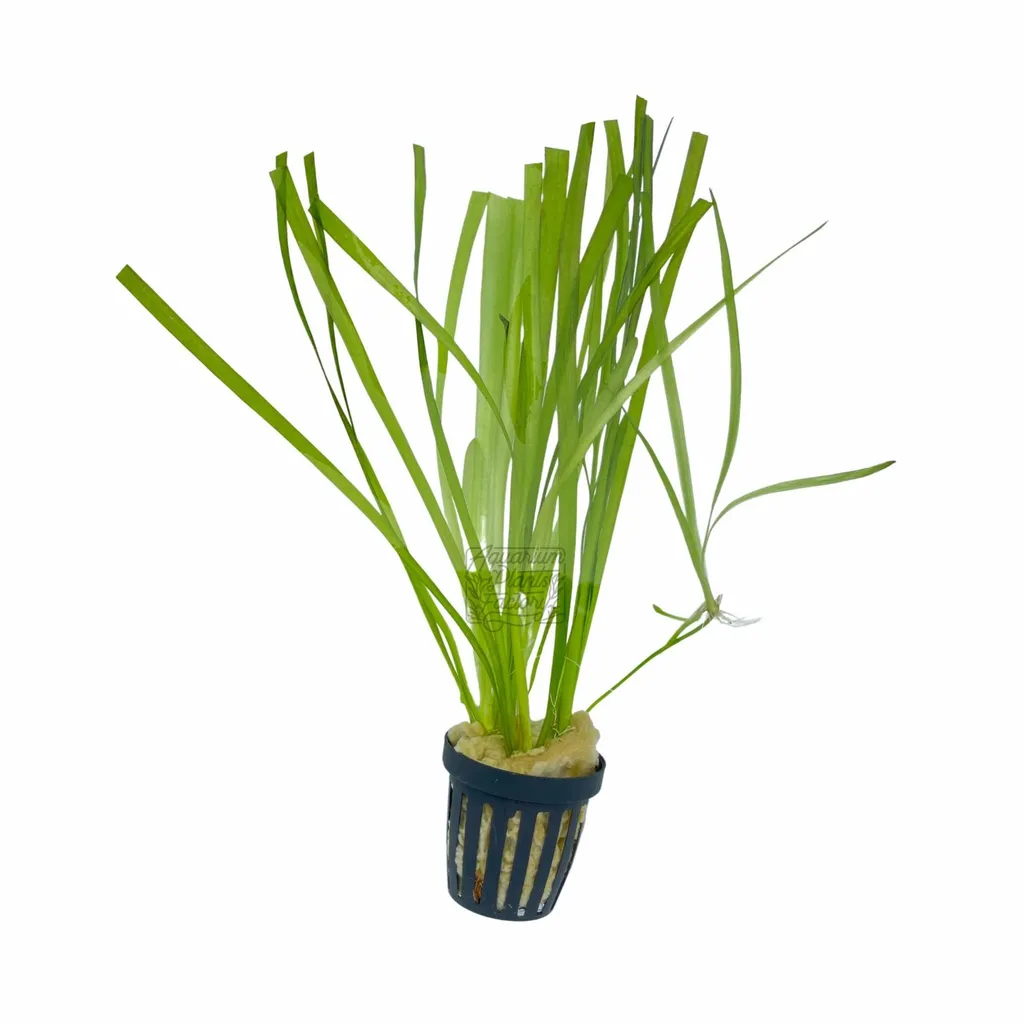 Low lightBackground19.7 in (50 cm)
Vallisneria spiralis
Low light · Background
 Low lightBackground23.6 in (60 cm)
Canadian waterweed
Elodea canadensis
Low light · Background