Hygrophila serpyllum
Also known as Staurogyne sp. 'Brown', Marsh carpet, Hygrophila serphyllum
FreshwaterCarpetingRunnersCuttings
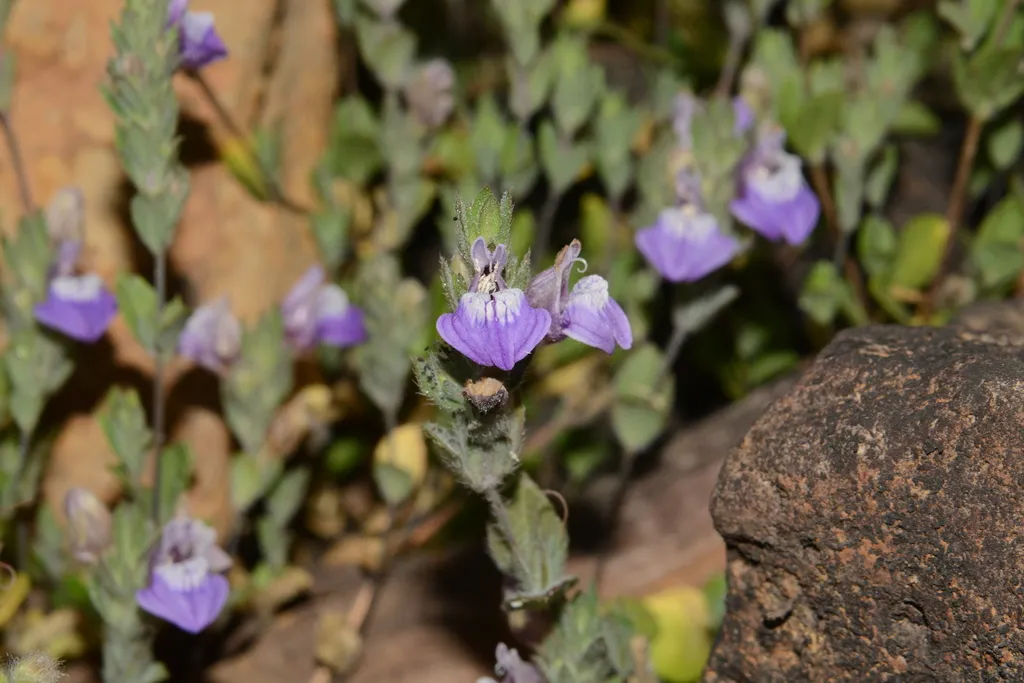
Care at a glance
- Light
- Medium light
- CO2
- CO₂ beneficial
- Temperature
- 68–82°F
- 20–28°C
- Max height
- 5.9 in
- 15 cm
- Growth rate
- Medium
- Placement
- Foreground
- Type
- Carpeting
- pH
- 5.0–8.0
- Hardness
- 0–30 dGH
- Nutrient uptake
- Root + water column
- Growth region
- Submersed or emersed
- Difficulty
- Medium
- Family
- Acanthaceae
- Origin
- India
Overview
Hygrophila serpyllum is a small-leaved Hygrophila that forms a carpet in the foreground. It rates medium in difficulty, though it is undemanding about pH and water hardness.
Did you know
Hygrophila serpyllum spent its first years in the hobby sold as a Staurogyne, under the name Staurogyne sp. 'Brown'. Few keepers expected a creeping, small-leaved carpet plant from a Hygrophila.
Caring for Hygrophila serpyllum
Split Hygrophila serpyllum into small clumps and plant them a few centimeters apart in the foreground. The creeping shoots knit into a closed mat over time. It also spills down well from a raised planting spot.
Medium light suits it, and the light level steers its shape. Strong light holds it to a low carpet of 3 to 5 cm. Weaker light lets it rise into a looser bush of 5 cm or more.
It grows without injected CO2, but moderate injection and full fertilization keep the mat dense. It feeds through both roots and leaves, so pair root tabs with a liquid fertilizer. Keep it at 68 to 82°F (20 to 28°C).
It grows at a medium pace. Trim the mat back flat now and then, since an overgrown mat shades its own lower layer. New plants form along its runners, and trimmed shoots can be replanted to fill gaps.
Good to know
Hygrophila serpyllum belongs to the Acanthaceae. Its epithet refers to wild thyme, Thymus serpyllum, after its small roundish leaves, each only 1 to 1.5 cm long. The species has been known to science for a long time but reached the aquarium hobby only recently. It behaves nothing like the tall upright hygros, because its shoots creep, branch and root at the stem nodes.
In the wild
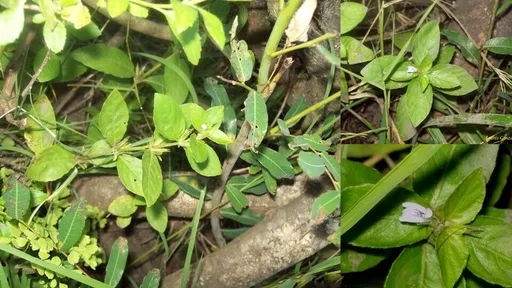
Hygrophila serpyllum is widespread in India, where it creeps over wetlands that flood for a season and then fall dry. During the dry phase it grows emersed as a small marsh plant with white-blue flowers. When the water returns, it switches to a fully submersed creeping form.
Common questions
Does Hygrophila serpyllum need to be planted in the substrate?
Yes. Split it into small clumps and push each one into the substrate with tweezers, leaving gaps for it to fill.
Does Hygrophila serpyllum need CO2?
No, but it helps. Hygrophila serpyllum can grow without injected CO2, and added CO2 makes it grow faster.
How much light does Hygrophila serpyllum need?
Hygrophila serpyllum wants medium light. A light sold for planted tanks covers it.
Does Hygrophila serpyllum need root tabs?
They help. Hygrophila serpyllum takes nutrients through both its roots and its leaves. Root tabs near its roots and a liquid fertilizer cover both.
How do you propagate Hygrophila serpyllum?
Hygrophila serpyllum propagates by runners and cuttings. New plants grow along its runners. Cut one free once it has roots and plant it. Cut off the top of a stem and replant it, and the stump left behind grows new shoots.
How tall does Hygrophila serpyllum grow?
Hygrophila serpyllum grows to about 5.9 in (15 cm) tall. It grows at a moderate pace.
Related plants
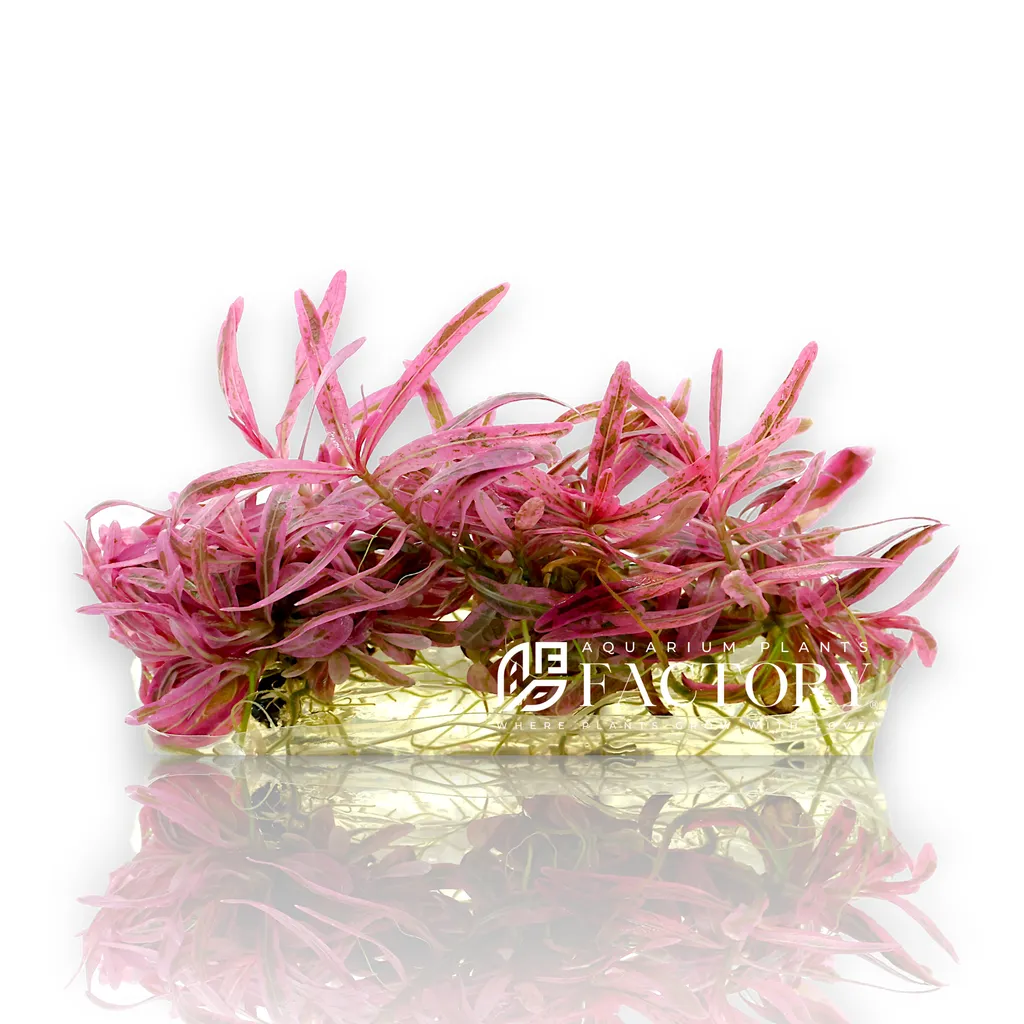 High lightForeground3.9 in (10 cm)
Hygrophila Chai
Hygrophila lancea 'Chai'
High light · Foreground
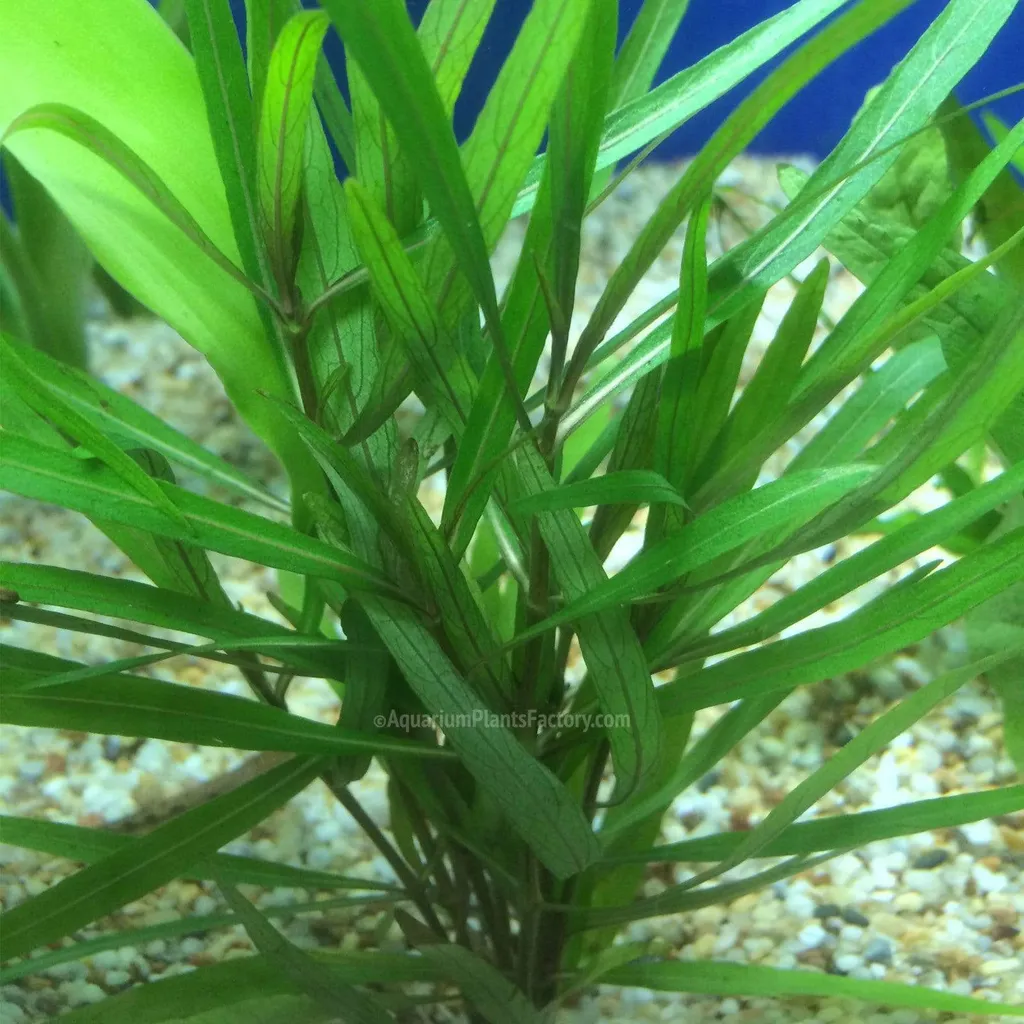 High lightMidground7.9 in (20 cm)
Hygrophila Araguaia
Hygrophila lancea 'Araguaia'
High light · Midground
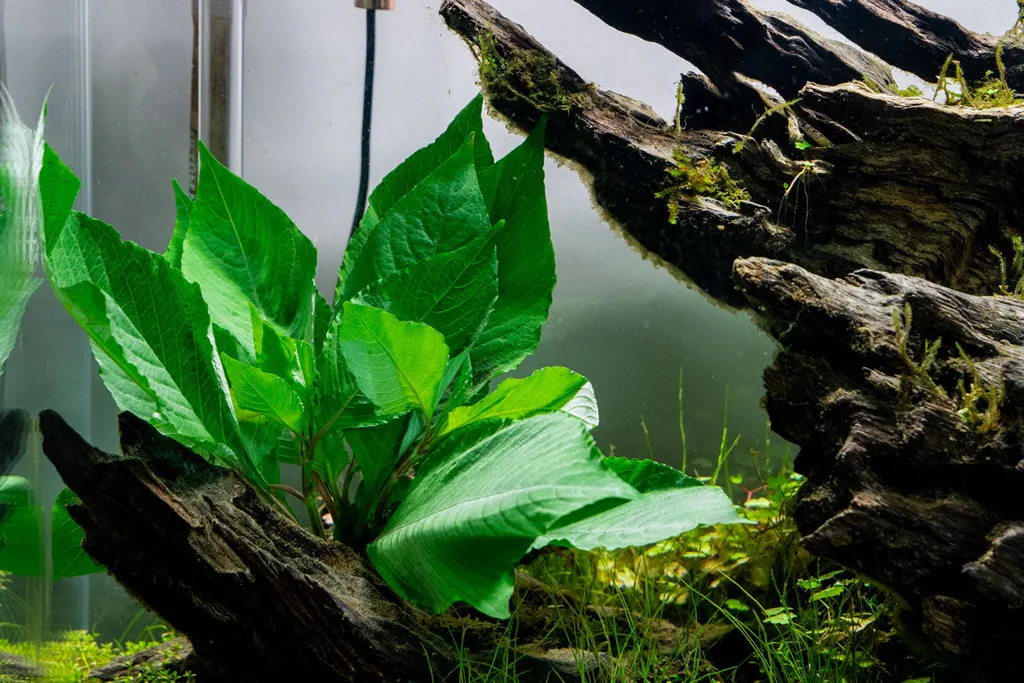 Low lightMidground7.9 in (20 cm)
Hygrophila corymbosa Compacta
Hygrophila corymbosa 'Compacta'
Low light · Midground
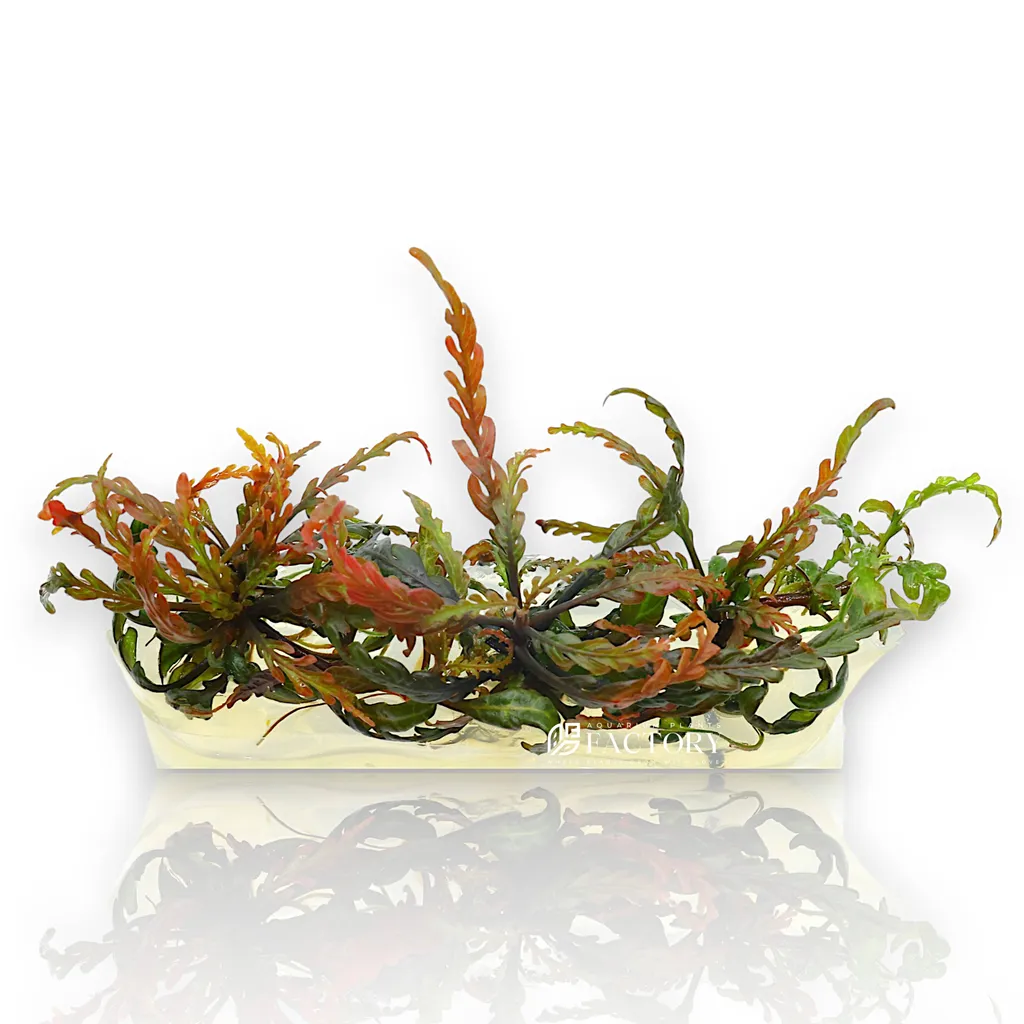 Medium lightMidground7.9 in (20 cm)
Hygrophila pinnatifida UK
Hygrophila pinnatifida 'UK'
Medium light · Midground
- Medium lightMidground11.8 in (30 cm)
Hygrophila odora
Medium light · Midground
 Medium lightBackground15.7 in (40 cm)
Hygrophila costata
Medium light · Background