Ricciocarpos natans
Also known as Ricciocarpus natans, Riccia natans, Fringed heartwort, Purple-fringed riccia
FreshwaterFloatingFragmentationDivision

Care at a glance
- Light
- Medium light
- CO2
- No CO₂ needed
- Temperature
- 59–82°F
- 15–28°C
- Max height
- 0.8 in
- 2 cm
- Growth rate
- Fast
- Placement
- Floating
- Type
- Floating
- pH
- 6.0–7.5
- Hardness
- 3–15 dGH
- Spread
- 11.8 in (30 cm)
- Nutrient uptake
- Water column
- Growth region
- Submersed or emersed
- Difficulty
- Easy
- Family
- Ricciaceae
- Origin
- Cosmopolitan; every continent except Antarctica
Overview
Ricciocarpos natans is an undemanding floating plant for calm water. It is easy to keep, and fry and shrimp graze and shelter among its hanging scales.
Did you know
The dangling purple scales under each floating heart of Ricciocarpos natans work like a keel and keep it upright at the surface. They are also the quickest way to tell it from a stray piece of Riccia.
Caring for Ricciocarpos natans
Float Ricciocarpos natans on a still or gently moving surface. Strong surface agitation and constant spray from a filter break the plants up and sink them. It also does poorly under heavy flow, or under a tight lid that drips condensation.
Give it medium light. It needs no added CO2 and has no roots to feed, so everything comes from the water. A tank with some nutrients in the water column covers it, or a liquid fertilizer does. It handles 59 to 82°F (15 to 28°C).
Growth is fast. Each heart splits at the notch into new plants, and pieces that break off keep growing. In a rich tank it works as a nutrient exporter, and you can scoop out handfuls once the cover shades the plants below.
Good to know
Ricciocarpos natans is not a flowering plant at all but a liverwort in the family Ricciaceae. It is the only species in its genus. Each thallus is a small, notched heart up to a few centimeters across, fringed beneath with long, dark purple scales. It is a close relative of Riccia fluitans but keeps a floating habit instead of forming submersed tangles.
In the wild
Ricciocarpos natans is found on every continent except Antarctica. It floats free on small, still, nutrient-rich waters such as ponds, oxbows, ditches and seasonal pools, usually in full sun. The hearts float with their upper side in the air, and plants stranded on wet mud switch to a compact land form. It is winter hardy in temperate climates, and in an outdoor tub or pond it overwinters and reappears in spring.
Common questions
Does Ricciocarpos natans need to be planted in the substrate?
No. Ricciocarpos natans floats at the surface and takes its nutrients straight from the water.
Does Ricciocarpos natans need CO2?
No. Ricciocarpos natans grows well without added CO2.
How much light does Ricciocarpos natans need?
Ricciocarpos natans wants medium light. A light sold for planted tanks covers it.
How do you propagate Ricciocarpos natans?
Ricciocarpos natans propagates by fragmentation and division. Pieces that break off keep growing, so pulling a clump apart spreads it. Each plant buds off new ones, so a few soon cover the surface.
Related plants
 High lightFloating1.2 in (3 cm)
Riccia fluitans
High light · Floating
 Medium lightFloating0.8 in (2 cm)
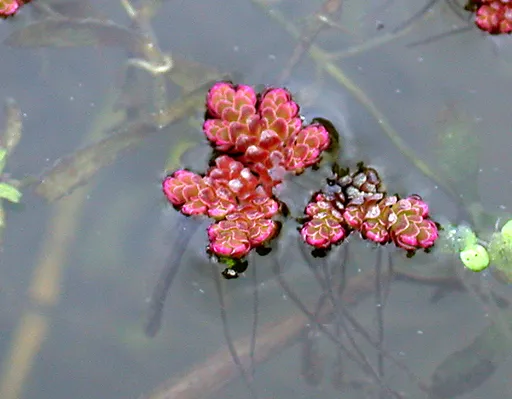
Fairy moss
Azolla filiculoides
Medium light · Floating
 Medium lightFloating0.8 in (2 cm)
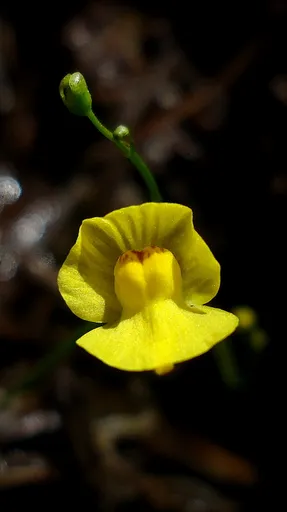
Floating bladderwort
Utricularia gibba
Medium light · Floating
 Medium lightFloating0.8 in (2 cm)
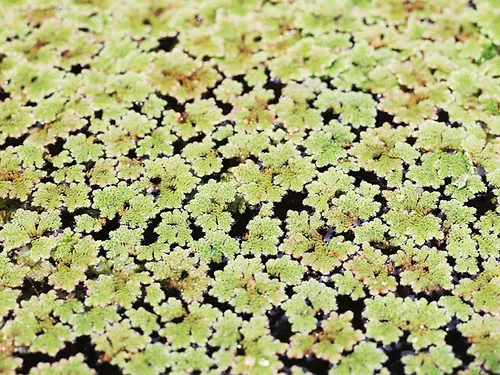
Carolina mosquito fern
Azolla caroliniana
Medium light · Floating
 High lightFloating1.2 in (3 cm)
Red root floater
Phyllanthus fluitans
High light · Floating
 Medium lightFloating1.2 in (3 cm)
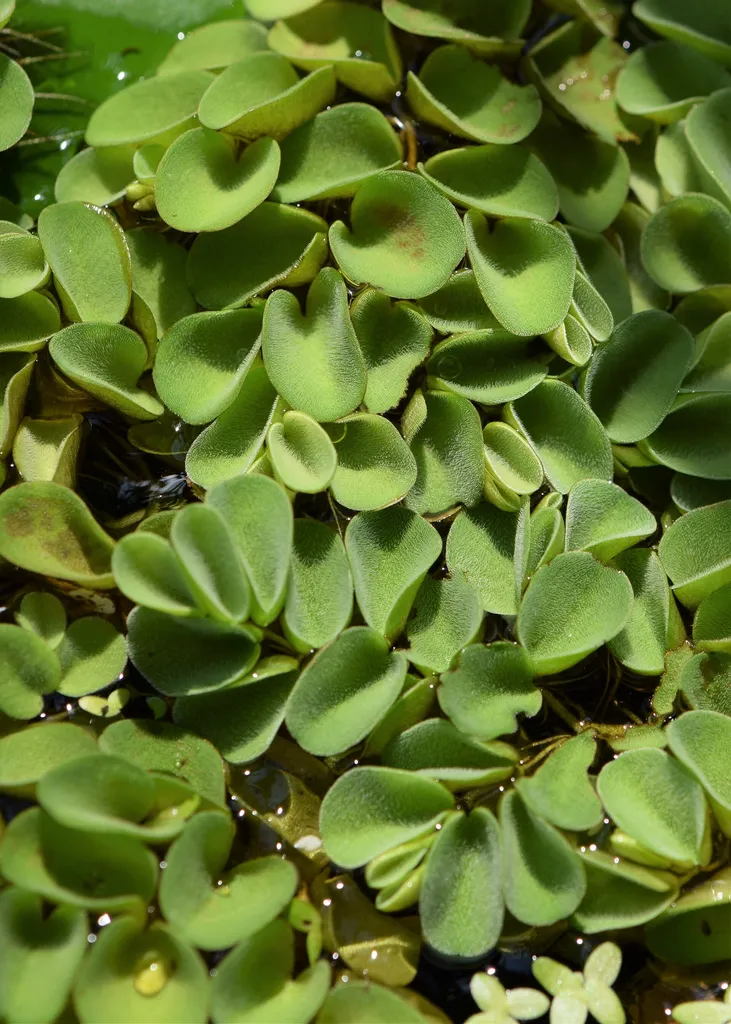
Salvinia cucullata
Medium light · Floating