Water poppy
Hydrocleys nymphoides
Also known as Water-poppy, Yellow water poppy
FreshwaterFloatingRunnersPlantlets
Invasive. Water poppy is invasive and regulated in parts of Australia and elsewhere. Never release into the wild; dispose of in the trash.
Care at a glance
- Light
- High light
- CO2
- No CO₂ needed
- Temperature
- 64–82°F
- 18–28°C
- Max height
- 11.8 in
- 30 cm
- Growth rate
- Fast
- Placement
- Floating
- Type
- Floating
- pH
- 6.0–7.5
- Hardness
- 3–15 dGH
- Spread
- 39.4 in (100 cm)
- Nutrient uptake
- Root + water column
- Growth region
- Emersed
- Difficulty
- Easy
- Family
- Alismataceae
- Origin
- Central and South America
Overview
Water poppy is a marginal and floating pond plant more than a submersed aquarium plant. It is easy and fast-growing, and it is an invasive weed in several regions.
Did you know
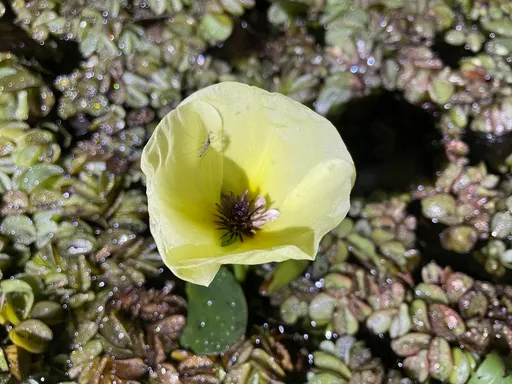
Each yellow water poppy flower opens for a single day before fading. An established mat produces a steady succession of one-day blooms through the warm season.
Caring for water poppy
Root water poppy in a rich substrate under shallow water, and it sends waxy leaves and yellow flowers up to the surface. It can also float as a loose mat.
Give it bright, high light, though it needs no added CO2. It feeds through both roots and leaves, so use root tabs near its roots along with a liquid fertilizer. Keep the water at 64 to 82°F (18 to 28°C).
It grows fast. New plants form along its runners and break away, and small plantlets can be detached once they have a few roots.
Water poppy is invasive. It is a declared or regionally regulated weed across Australia, in Queensland, New South Wales and Victoria. Several western US states ban its import, though it is not on the US federal noxious weed list. Never release it into natural waterways, and put trimmings in the trash, since it regrows readily from fragments.
Good to know
Water poppy, Hydrocleys nymphoides, sits in the water-plantain family Alismataceae. It is not one of the true water lilies its rounded floating leaves resemble. It reproduces largely by fragmentation and runners rather than seed, which is a big part of why it spreads so aggressively once loose. It is also sold as yellow water poppy.
In the wild
Water poppy is native to still and slow-moving fresh water in Central and South America. It roots in shallow mud and floats its foliage on the surface, forming dense mats topped with three-petaled yellow flowers.
Common questions
Does water poppy need to be planted in the substrate?
No. Water poppy can root in the substrate or float as a loose mat.
Does water poppy need CO2?
No. Water poppy grows well without added CO2.
How much light does water poppy need?
Water poppy needs high light from a strong planted-tank LED.
Does water poppy need root tabs?
They help. Water poppy takes nutrients through both its roots and its leaves. Root tabs near its roots and a liquid fertilizer cover both.
How do you propagate water poppy?
Water poppy propagates by runners and plantlets. New plants form along its runners and break away to float on their own. Plantlets bud from the parent and drift off.
Related plants
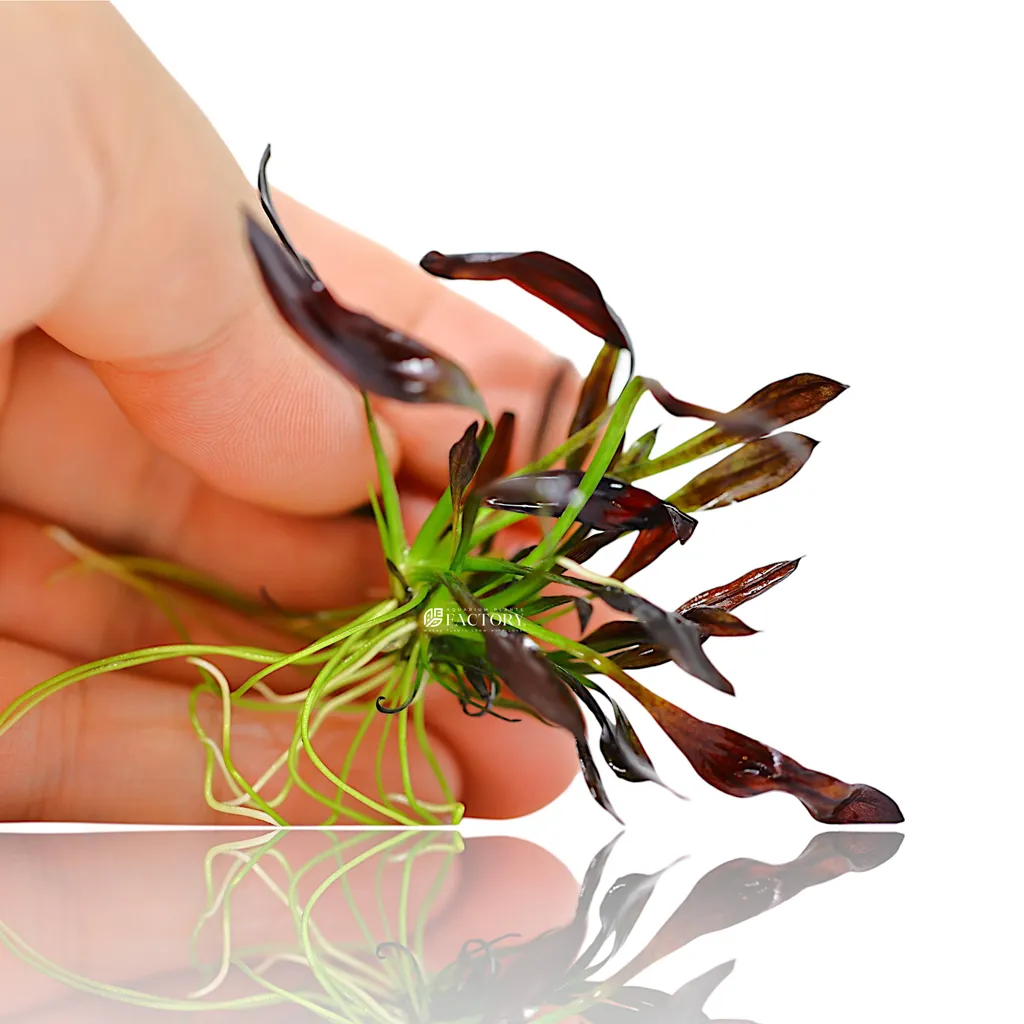 High lightMidground11.8 in (30 cm)
Aflame sword
Echinodorus 'Aflame'
High light · Midground
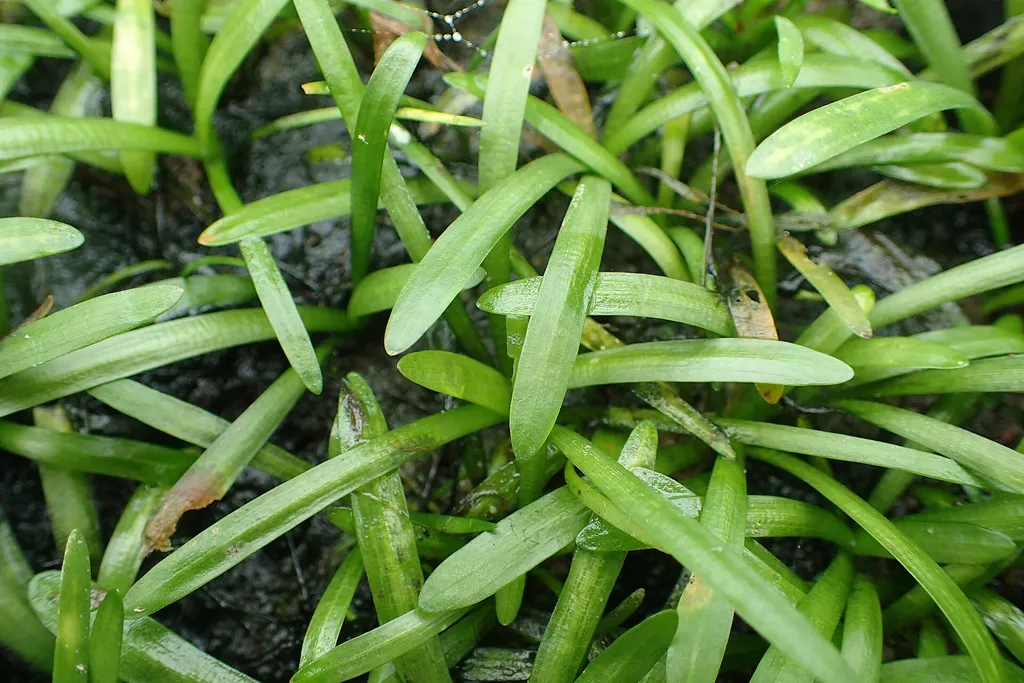 Low lightForeground11.8 in (30 cm)
Dwarf sagittaria
Sagittaria subulata
Low light · Foreground
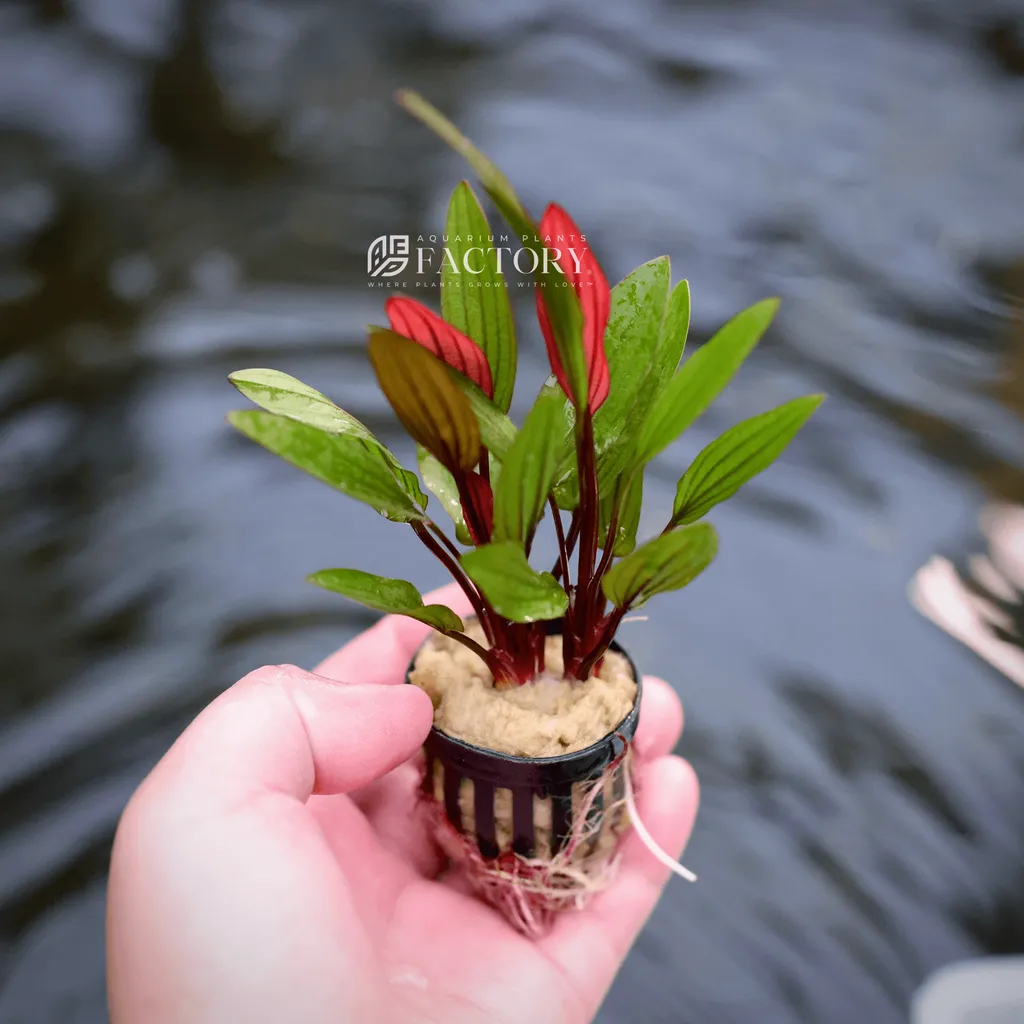 Medium lightMidground11.8 in (30 cm)
Echinodorus Red Chameleon
Echinodorus 'Red Chameleon'
Medium light · Midground
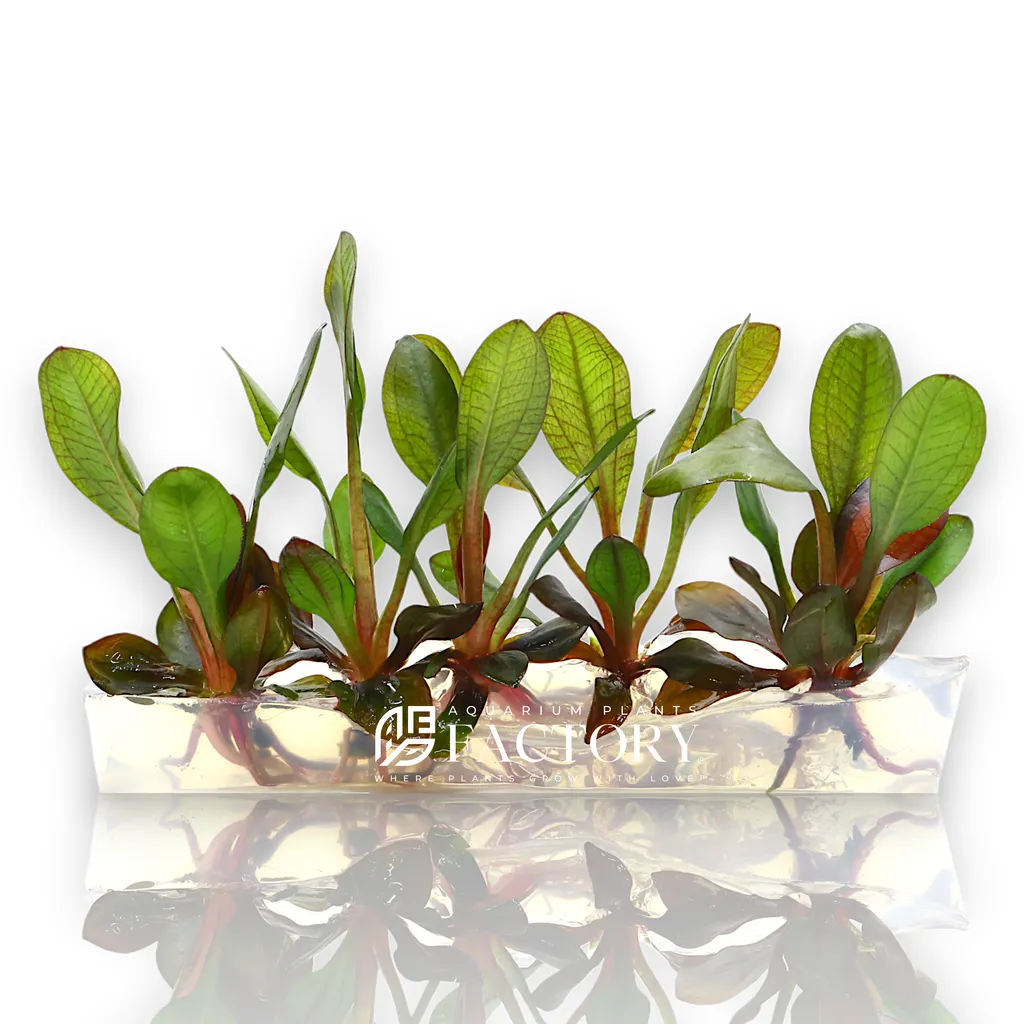 Medium lightBackground11.8 in (30 cm)
Kleiner Bar sword
Echinodorus 'Kleiner Bär'
Medium light · Background
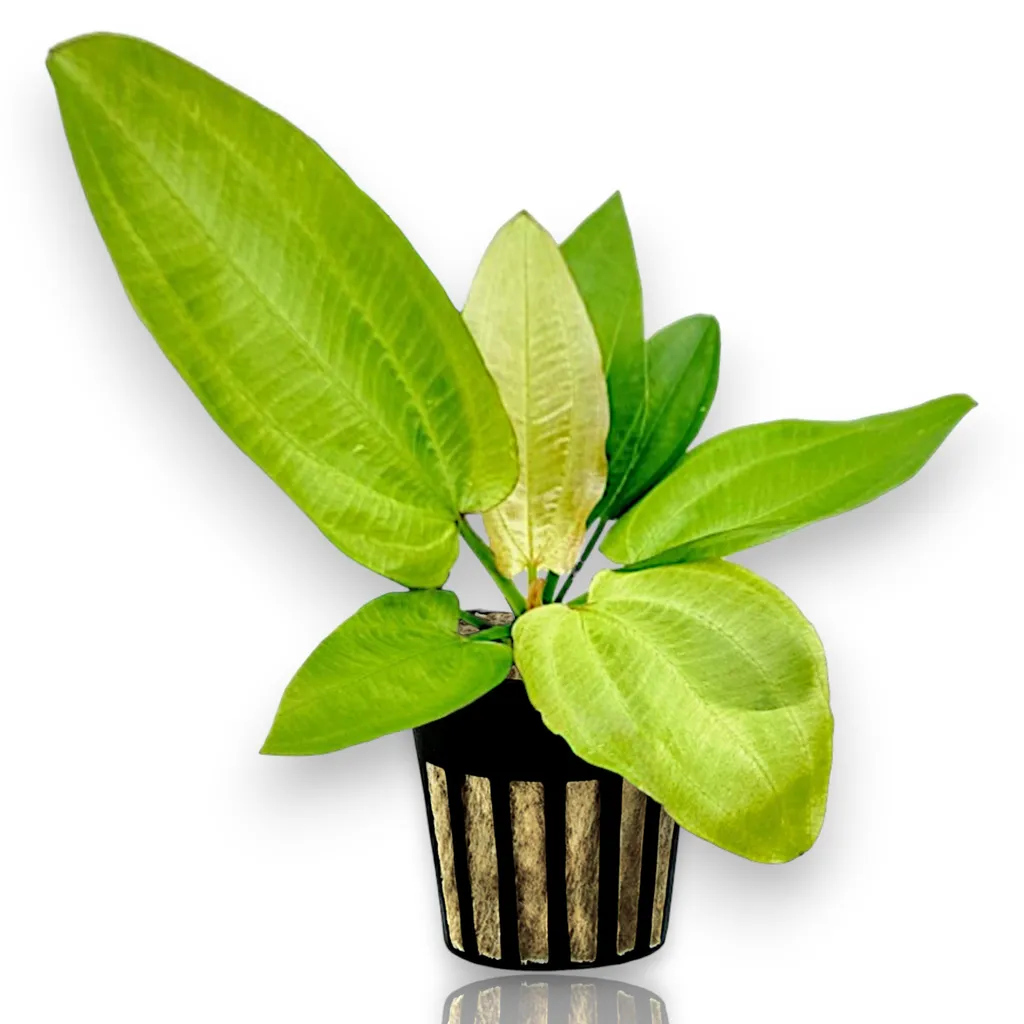 High lightMidground11.8 in (30 cm)
Oriental sword
Echinodorus 'Oriental'
High light · Midground
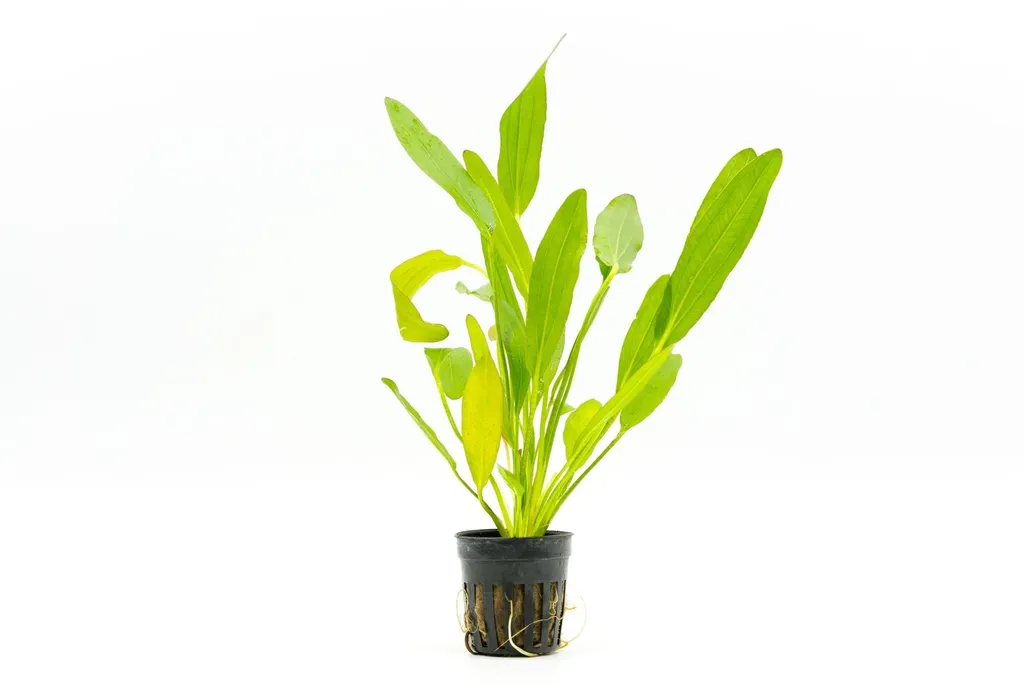 Medium lightMidground11.8 in (30 cm)
Red Devil sword
Echinodorus 'Red Devil'
Medium light · Midground