Dwarf sagittaria
Sagittaria subulata
Also known as Dwarf sag, Awl-leaf arrowhead, Narrow-leaved arrowhead, Sagittaria subulata var. subulata
FreshwaterBrackishRosetteRunners
Care at a glance
- Light
- Low light
- CO2
- CO₂ beneficial
- Temperature
- 64–82°F
- 18–28°C
- Max height
- 11.8 in
- 30 cm
- Growth rate
- Medium
- Placement
- Foreground
- Type
- Rosette
- pH
- 6.0–8.0
- Hardness
- 2–18 dGH
- Spread
- 3.1 in (8 cm)
- Nutrient uptake
- Root + water column
- Growth region
- Submersed or emersed
- Difficulty
- Beginner
- Family
- Alismataceae
- Origin
- Eastern USA and South America
Overview
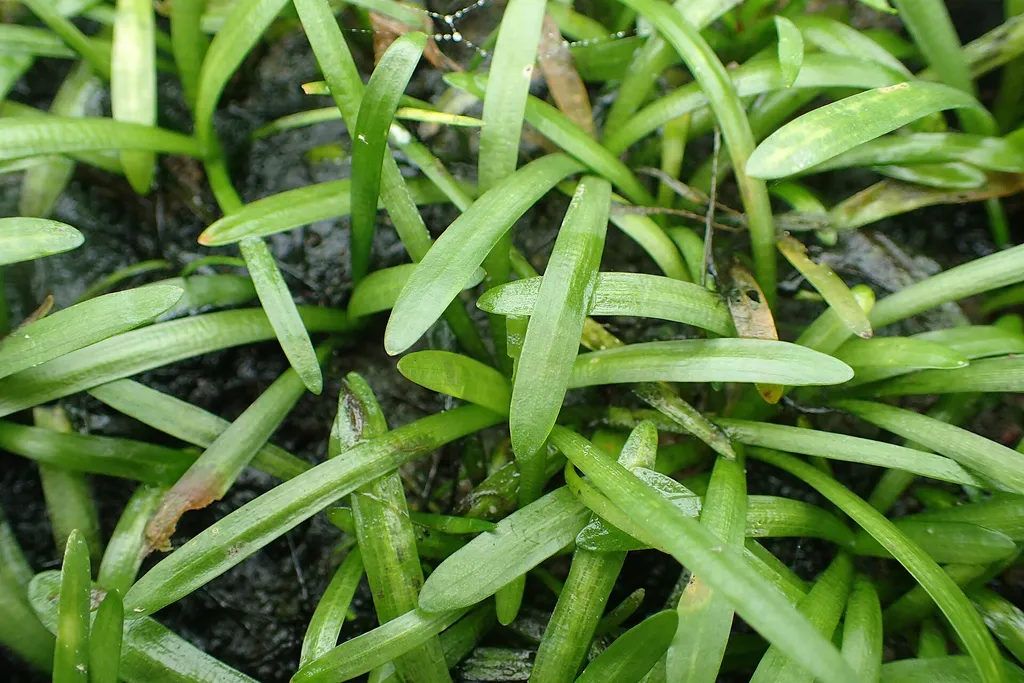
Use it as a foreground or low midground carpet, planting individual rosettes a few centimeters apart so the runners can knit them together. It is genuinely beginner-friendly and grows in low light without CO2, though added CO2 and brighter light make it shorter, denser and faster to fill in. It is a heavy root feeder that yellows quickly with iron deficiency, so push root tabs or a nutrient substrate. The main pitfall is height: under strong light in a deep tank it can shoot up tall and stringy, so trim runners and thin it to keep a low lawn.
In the wild
Sagittaria subulata grows wild along the eastern seaboard of the United States and into South America, in fresh and brackish marshes, ponds, slow rivers and tidal creeks. It is a grass-like rosette plant that roots in soft mud and spreads sideways by runners, often forming dense submerged lawns. Its tolerance of brackish water and a very wide temperature range reflects how variable its native habitats are.
Good to know
It belongs to the arrowhead family Alismataceae and is a true Sagittaria, related to the larger arrowhead plants, despite its slim grass-like submerged form. Emersed plants can throw up arrowhead-shaped aerial leaves and small white three-petaled flowers, which is how the genus gets its common name. Leaf width and final height vary a lot between populations and growing conditions, so trade material ranges from short narrow forms to broad-leaved plants over 30 cm tall.
Did you know
Did you know dwarf sag tolerates brackish water? In parts of its native US range it grows in tidal zones with measurable salinity, which is unusual for a popular freshwater carpeting plant.
Related plants
 Medium lightMidground15.7 in (40 cm)
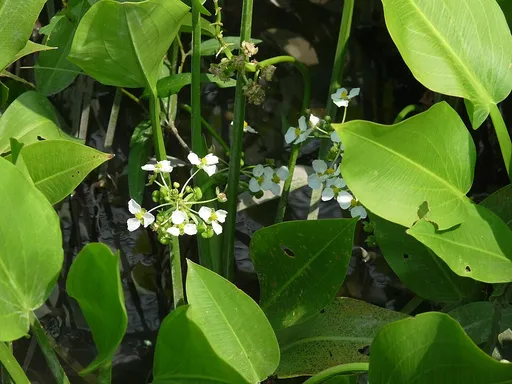
Giant sagittaria
Sagittaria platyphylla
Medium light · Midground
 Medium lightBackground23.6 in (60 cm)
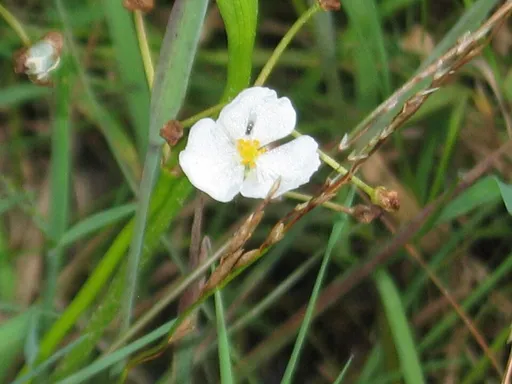
Grassy arrowhead
Sagittaria graminea
Medium light · Background
 High lightMidground11.8 in (30 cm)
Aflame sword
Echinodorus 'Aflame'
High light · Midground
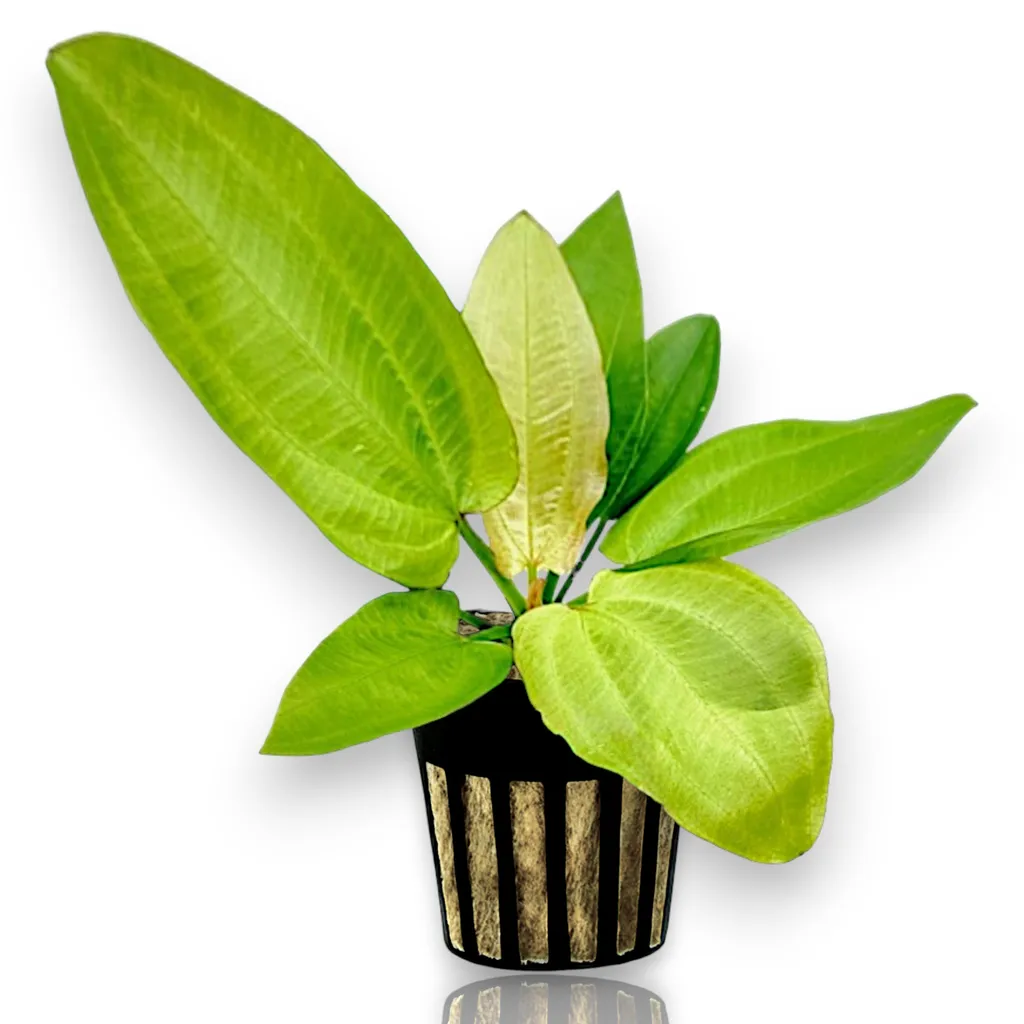 High lightMidground11.8 in (30 cm)
Oriental sword
Echinodorus 'Oriental'
High light · Midground
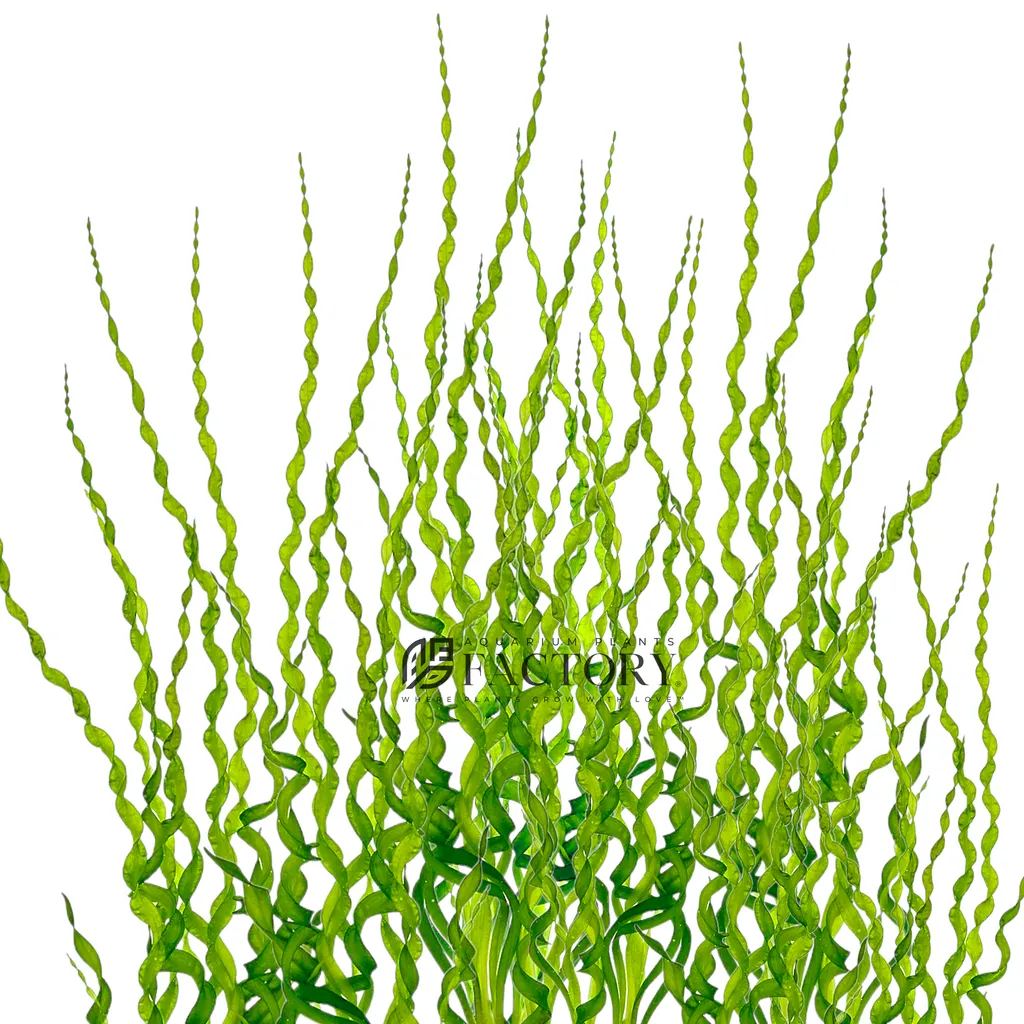 Medium lightMidground11.8 in (30 cm)
Vesuvius sword
Helanthium bolivianum 'Vesuvius'
Medium light · Midground
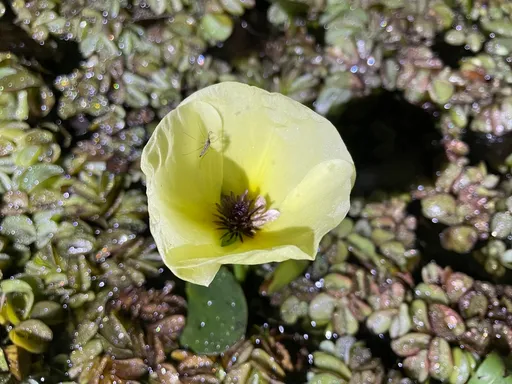 High lightFloating11.8 in (30 cm)
Water poppy
Hydrocleys nymphoides
High light · Floating