Giant sagittaria
Sagittaria platyphylla
Also known as Broadleaf sagittaria, Delta arrowhead, Slender arrowhead, Giant sag
FreshwaterRosetteRunners
Invasive. Giant sagittaria is invasive and regulated in parts of Australia and some US states. Never release into the wild; dispose of in the trash.
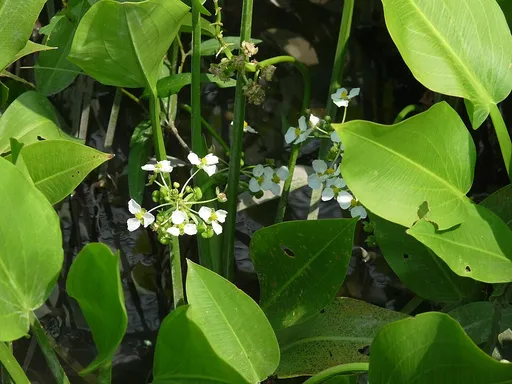
Care at a glance
- Light
- Medium light
- CO2
- No CO₂ needed
- Temperature
- 68–79°F
- 20–26°C
- Max height
- 15.7 in
- 40 cm
- Growth rate
- Medium
- Placement
- Midground
- Type
- Rosette
- pH
- 5.7–8.0
- Hardness
- 2–15 dGH
- Spread
- 7.9 in (20 cm)
- Nutrient uptake
- Root feeder
- Growth region
- Submersed or emersed
- Difficulty
- Easy
- Family
- Alismataceae
- Origin
- Southeastern and central United States (and Mexico)
Overview
One of the easier rosette plants and a good low-tech choice. It wants a nutrient-rich substrate or root tabs since it feeds mainly through the roots, plus decent iron to keep leaves green. Under strong light it stays compact and grassy at 15 to 25 cm; in dim tanks the leaves stretch tall and floppy reaching for the surface. It runs freely across open substrate, so pull stray plantlets to keep it as a tidy midground clump rather than a spreading lawn.
In the wild
Native to the southeastern and central United States (Louisiana, Florida, Mississippi and neighbouring states) and Mexico, where it grows in marshes, ditches, canals and slow-moving rivers. It is an emergent marsh plant that spreads across shallow margins by runners, sending up strap-like submersed leaves and broader lance-shaped emersed foliage. Note that it is a serious invasive weed outside its native range: it is a declared Weed of National Significance in Australia and is restricted or prohibited from sale in several states there, so dispose of trimmings responsibly and never release it.
Good to know
A member of the arrowhead family Alismataceae. Like other Sagittaria it produces distinct submersed and emersed (aerial) leaf forms, the submersed leaves being long and grass-like without the classic arrow shape. It bears whorls of white three-petalled flowers on emergent stalks and reproduces both by seed and by tuber-tipped stolons.
Did you know
Did you know its aggressive runner-spreading habit that makes it useful in an aquarium is exactly why it became one of Australia's worst aquatic weeds, choking irrigation channels and displacing native wetland plants after escaping from ornamental ponds.
Related plants
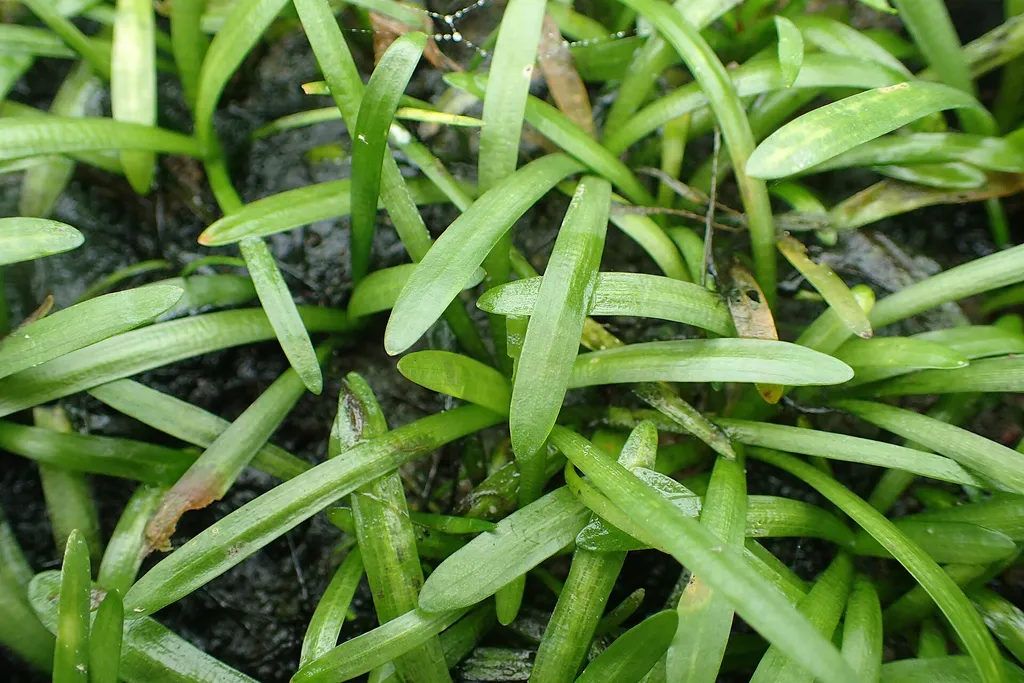 Low lightForeground11.8 in (30 cm)
Dwarf sagittaria
Sagittaria subulata
Low light · Foreground
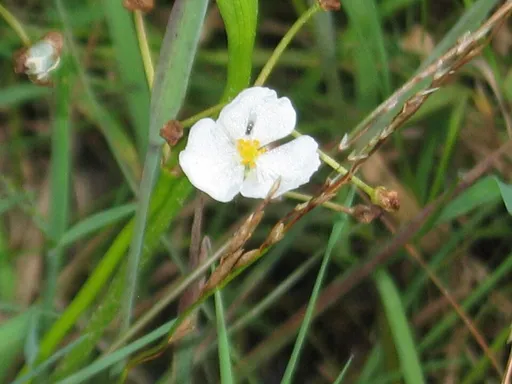 Medium lightBackground23.6 in (60 cm)
Grassy arrowhead
Sagittaria graminea
Medium light · Background
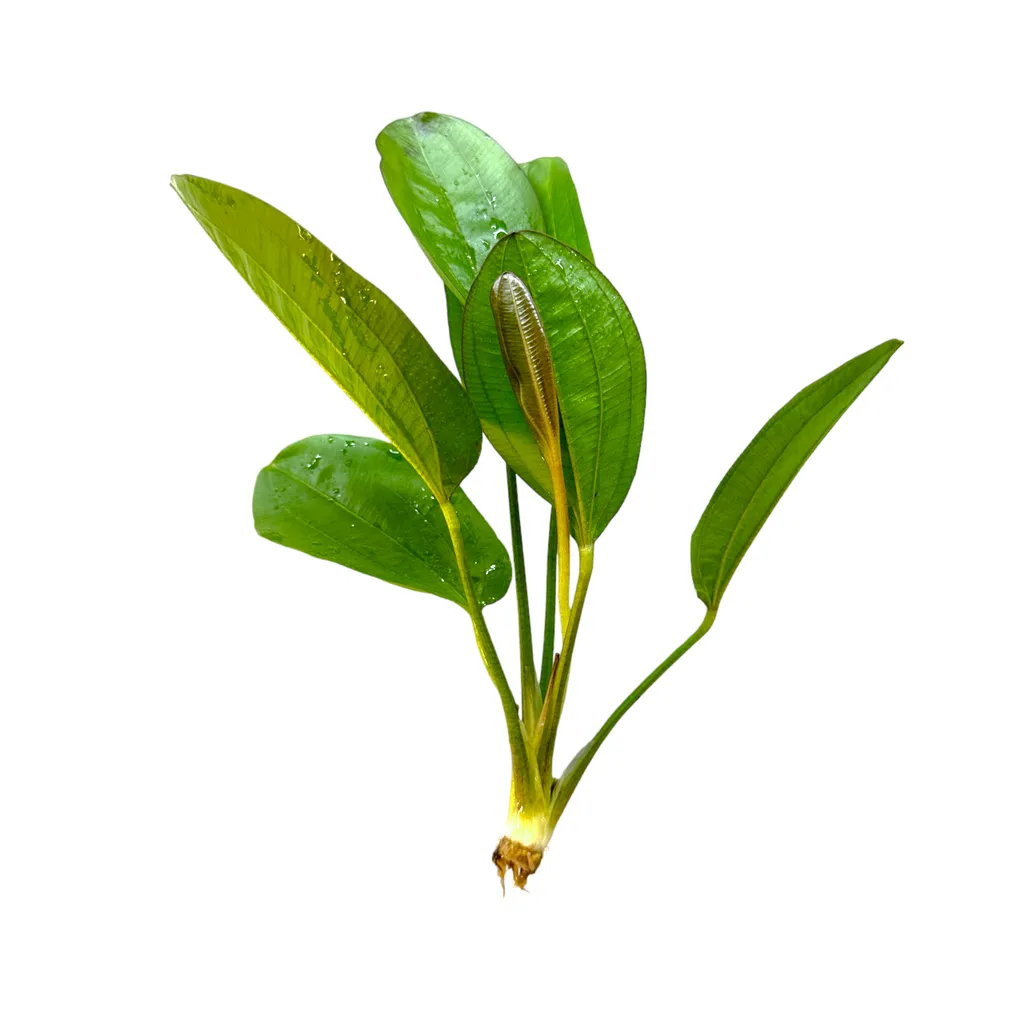 Medium lightMidground15.7 in (40 cm)
Fancy Twist sword
Echinodorus 'Fancy Twist'
Medium light · Midground
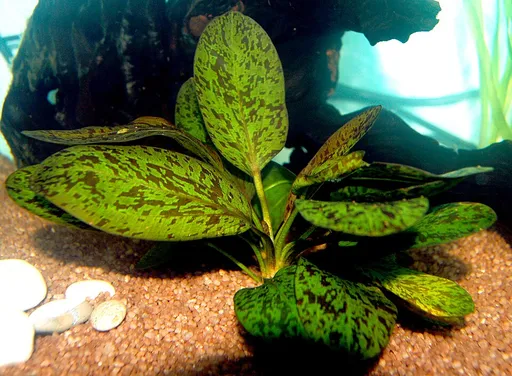 Medium lightMidground15.7 in (40 cm)
Ozelot sword
Echinodorus 'Ozelot'
Medium light · Midground
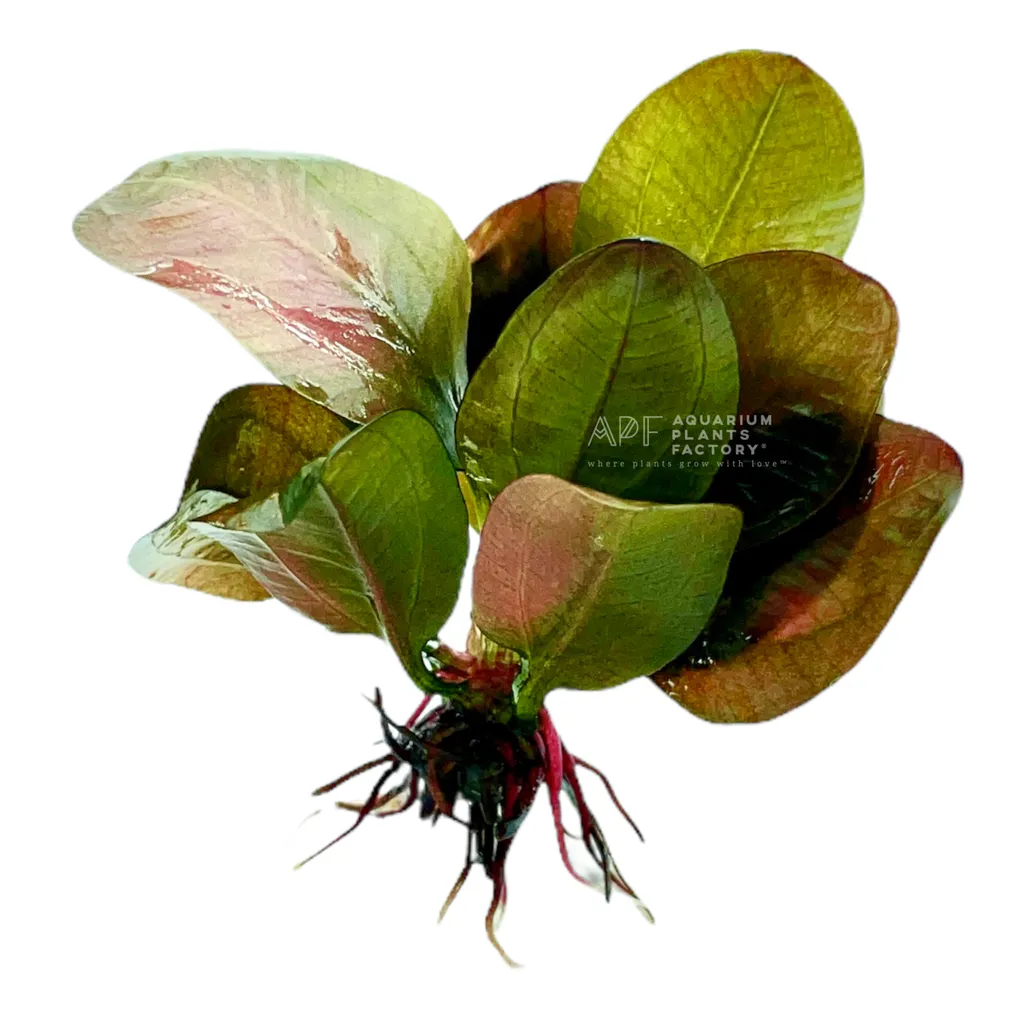 Low lightMidground15.7 in (40 cm)
Reni sword
Echinodorus 'Reni'
Low light · Midground
- Medium lightMidground15.7 in (40 cm)
Ozelot Green sword
Echinodorus 'Ozelot Green'
Medium light · Midground