Cultivar of Echinodorus
Oriental sword
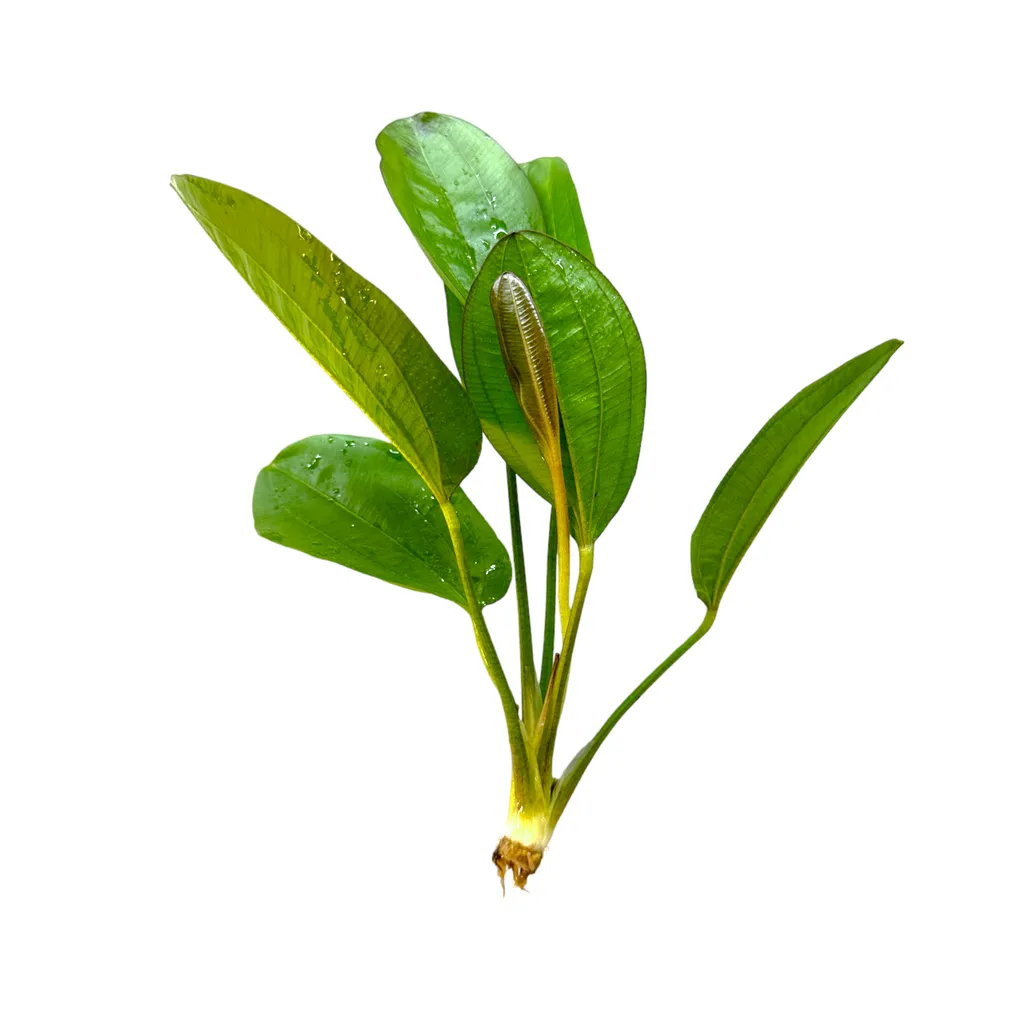
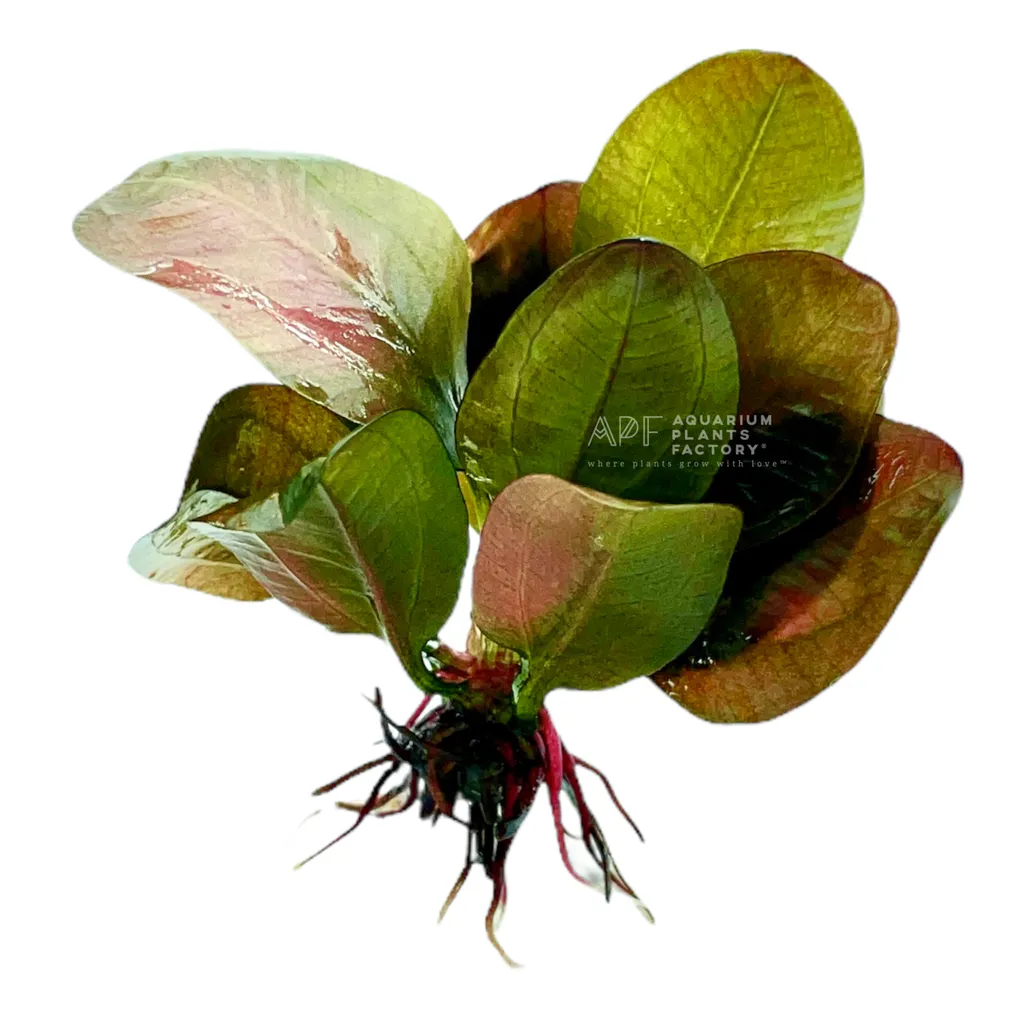
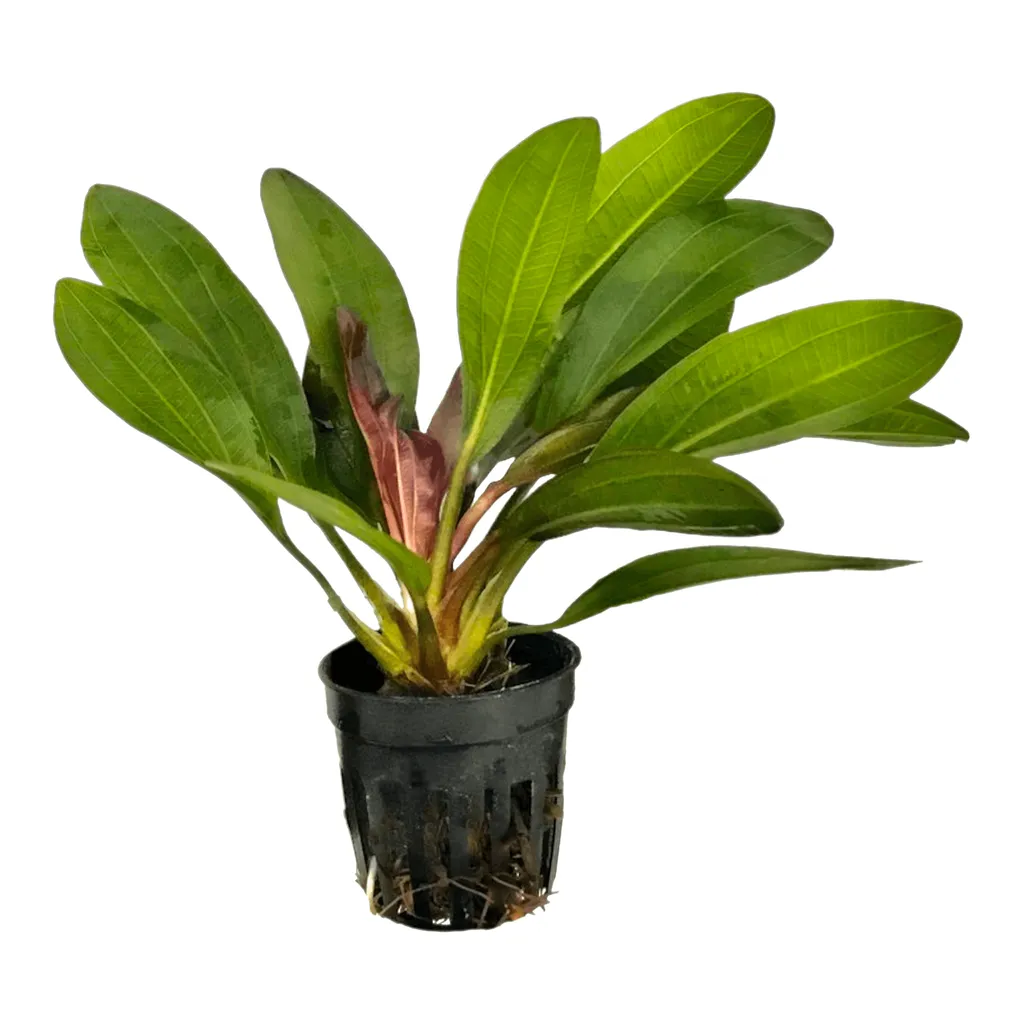
Echinodorus 'Oriental'
One of 21 cultivars of Echinodorus · See all cultivars →
Also known as Echinodorus Oriental, Oriental sword plant, Pink sword
FreshwaterRosetteSide shootsPlantletsRhizome division
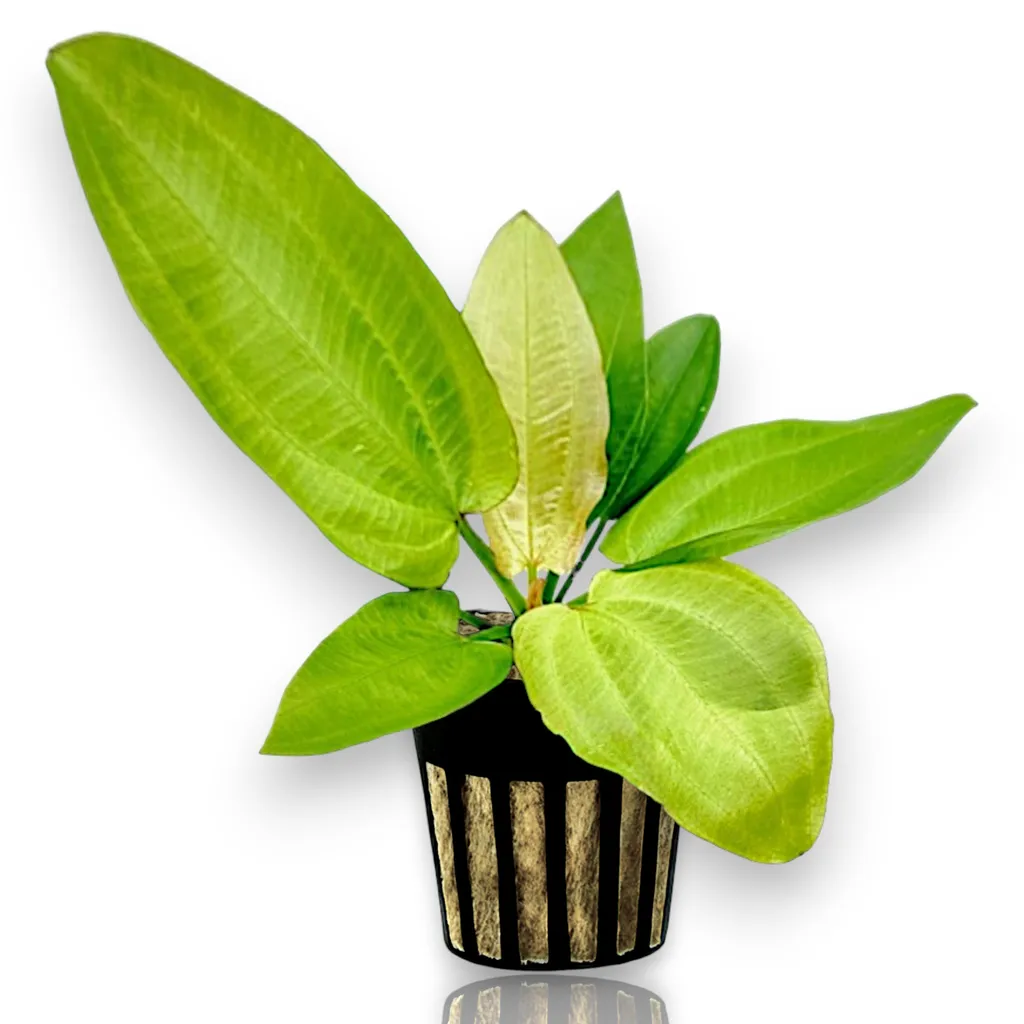
Cultivars · Echinodorus
See all 21 →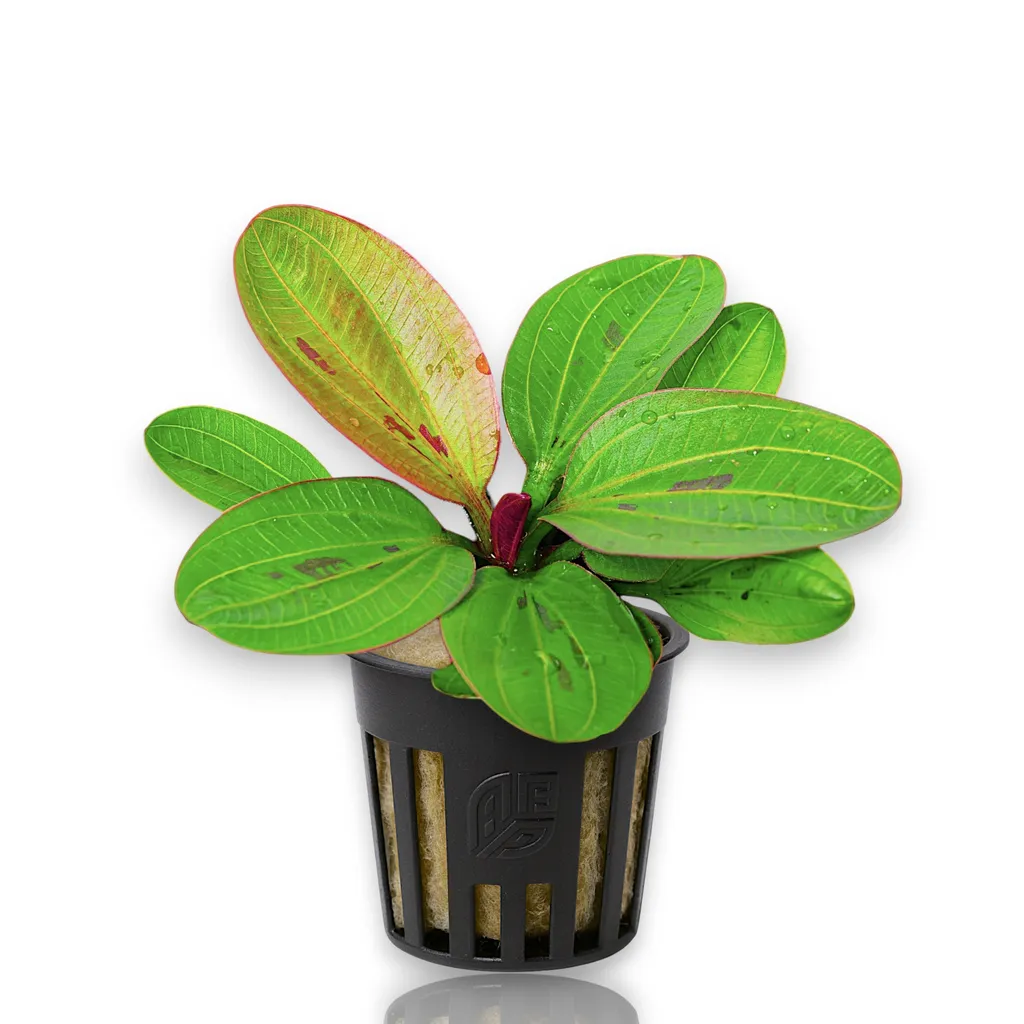
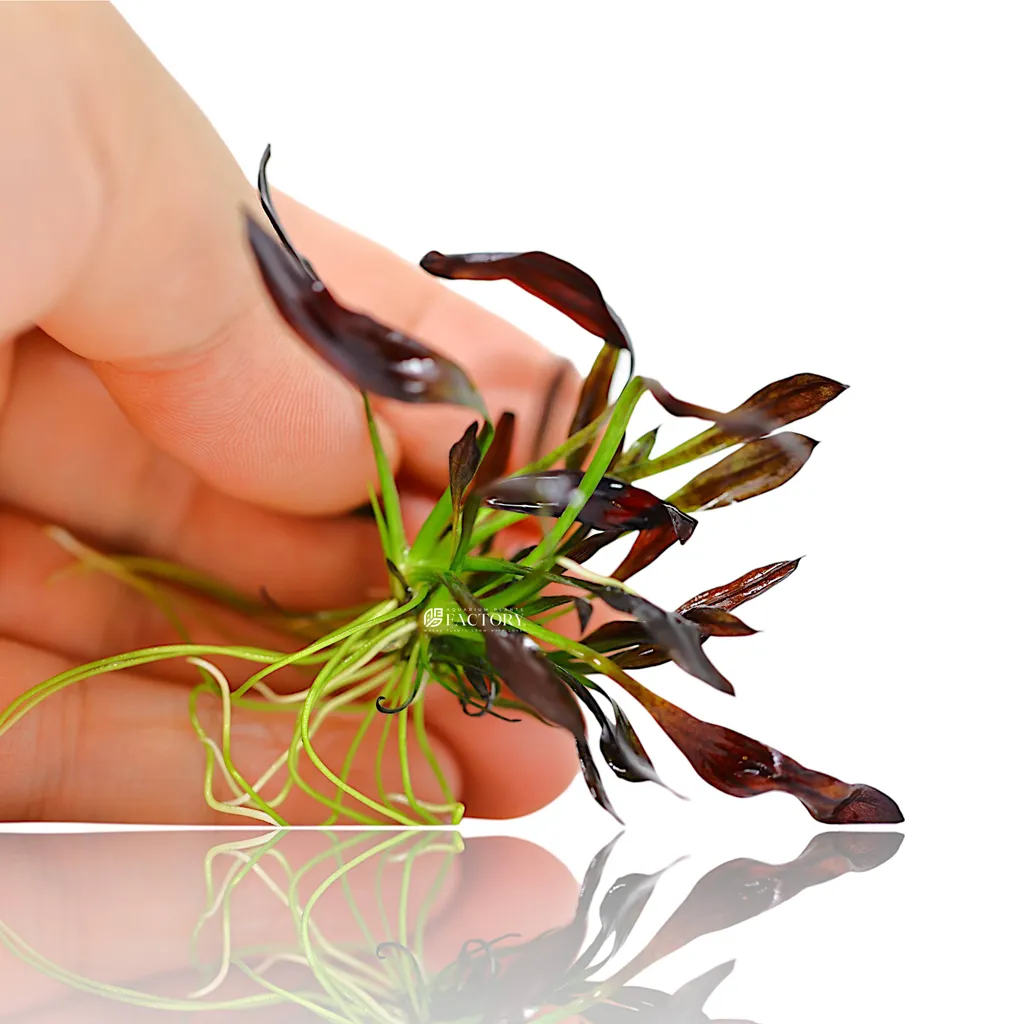
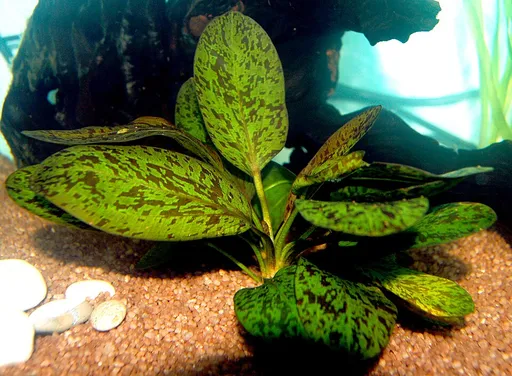
Care at a glance
- Light
- High light
- CO2
- CO₂ beneficial
- Temperature
- 64–82°F
- 18–28°C
- Max height
- 11.8 in
- 30 cm
- Growth rate
- Slow
- Placement
- Midground
- Type
- Rosette
- pH
- 6.5–7.5
- Hardness
- 3–12 dGH
- Spread
- 5.9 in (15 cm)
- Nutrient uptake
- Root + water column
- Growth region
- Submersed
- Difficulty
- Easy
- Family
- Alismataceae
- Origin
- Cultivated hybrid (Germany, no wild range)
Overview
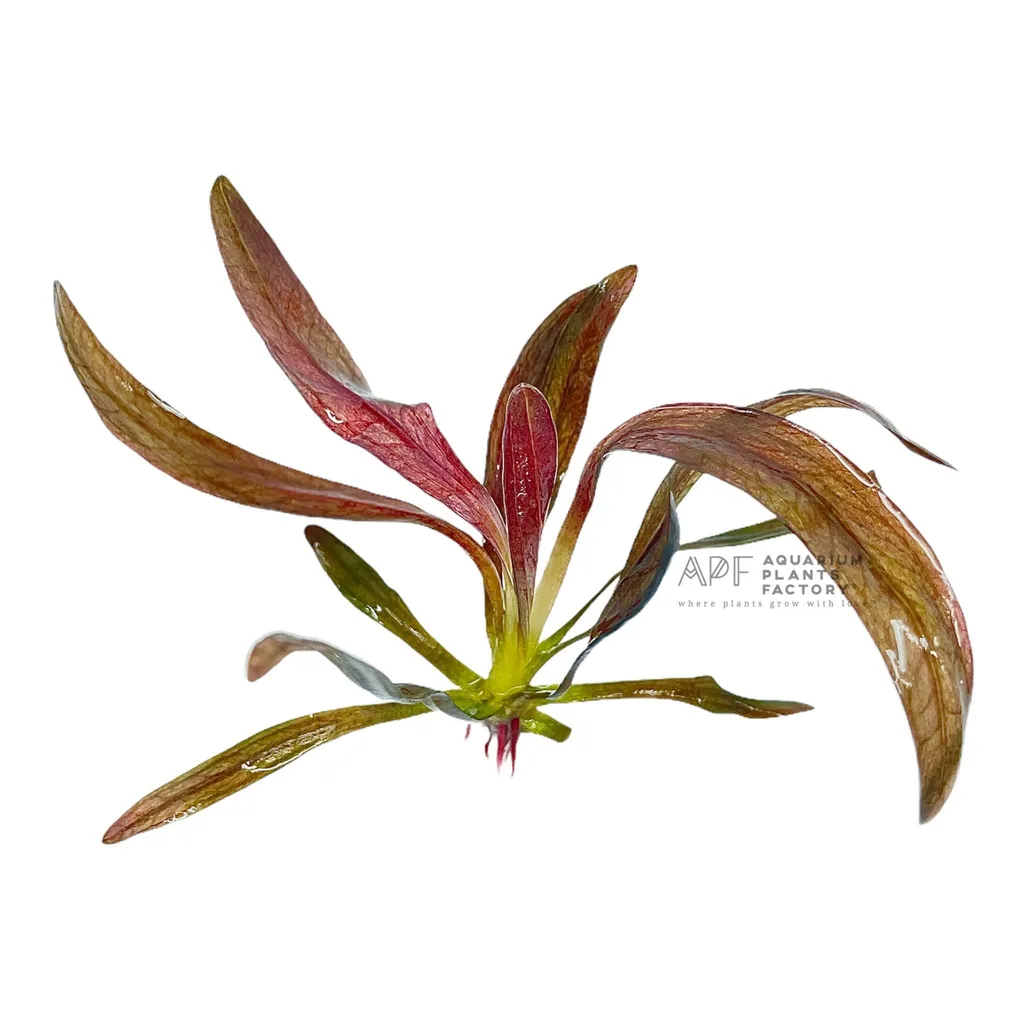
Prized for pastel pink new leaves, best shown off as a midground specimen in a tank with strong light, since the color washes out under low light. It is a slow grower and a heavy root feeder, so plant it in rich substrate with root tabs and leave it undisturbed to build a root system. CO2 is not required but improves growth and color intensity. Remove faded outer leaves so fresh pink growth stays visible.
In the wild
A cultivated hybrid with no wild population, developed from a spontaneous mutation of Echinodorus 'Rose'. It grows as a submersed rosette whose youngest leaves are a soft, semi-transparent pink that deepens to red with green veins before hardening to green with wavy margins.
Good to know
Echinodorus 'Oriental' arose as a mutation of Echinodorus 'Rose', which itself is a hybrid of Echinodorus horemanii 'Red' and Echinodorus horizontalis first raised by Hans Barth in Germany. As a cultivar it carries no wild binomial. The pink coloration is strongest on new growth and fades as each leaf ages.
Did you know
The signature pink is a moving target. Only the newest leaves are pink, so the plant constantly renews its color from the center while older leaves green out, meaning a healthy specimen always has a rosy crown.
Related plants
- Medium lightMidground13.8 in (35 cm)
Echinodorus horizontalis
Medium light · Midground
- Low lightMidground7.9 in (20 cm)
Echinodorus horizontalis Mini
Echinodorus horizontalis 'Mini'
Low light · Midground
 Medium lightBackground19.7 in (50 cm)
Amazon sword
Echinodorus grisebachii
Medium light · Background
 High lightBackground19.7 in (50 cm)
Horemanii sword
Echinodorus horemanii
High light · Background
 Medium lightBackground19.7 in (50 cm)
Marble queen sword
Echinodorus cordifolius
Medium light · Background
 Medium lightBackground19.7 in (50 cm)
Melon sword
Echinodorus osiris
Medium light · Background