One hybrid family · 29 cultivars
Sword plant cultivars
Echinodorus
Modern sword plants are nursery hybrids, bred mostly in Europe from a handful of South American Echinodorus species and named like roses. Leaf color and size vary wildly; the plant underneath does not. Every cultivar is a heavy root feeder that grows from a central crown and earns its spot as a centerpiece.
Pick a cultivar
same rosette underneathCompact cultivars · front half of the tank
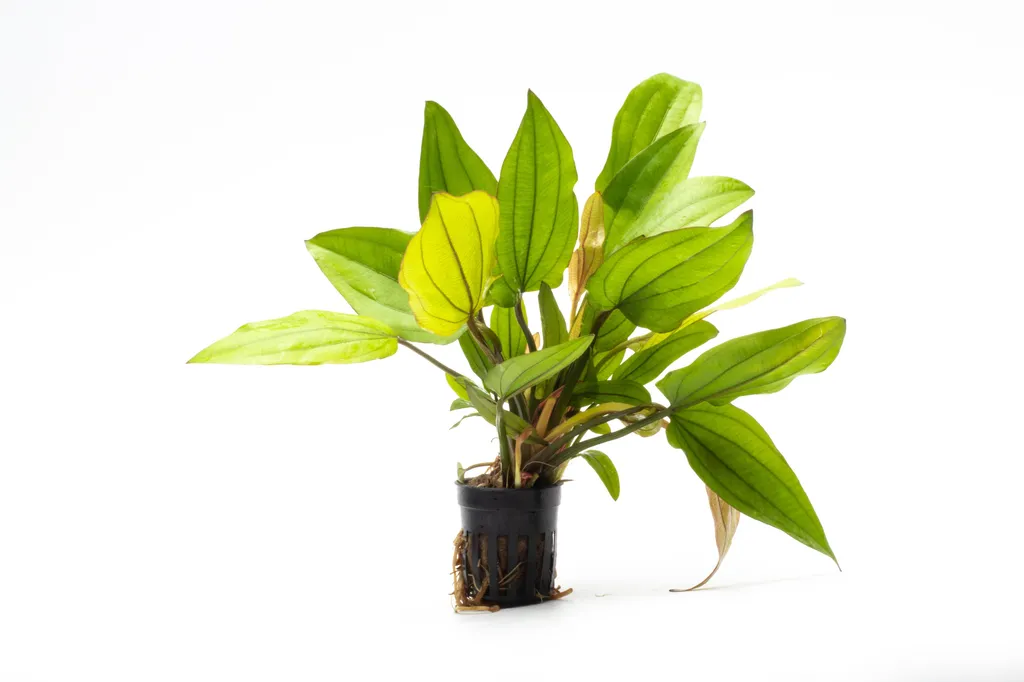
Echinodorus Red Wild Grass
grassy narrow red leavesOzelot Narrow Mini sword
spotted mini with strap leaves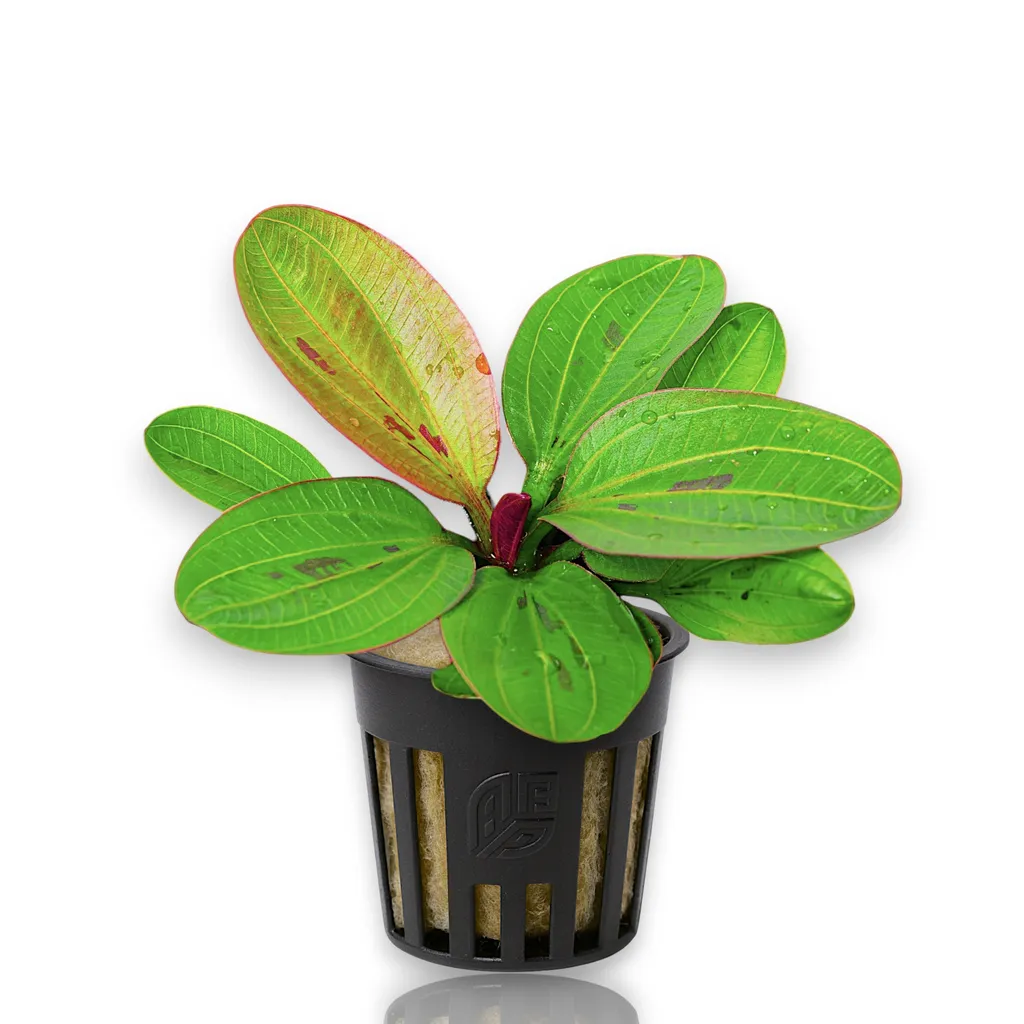
Hadi Red Pearl sword
compact crown, red new growthApart sword
dark, low, wide rosette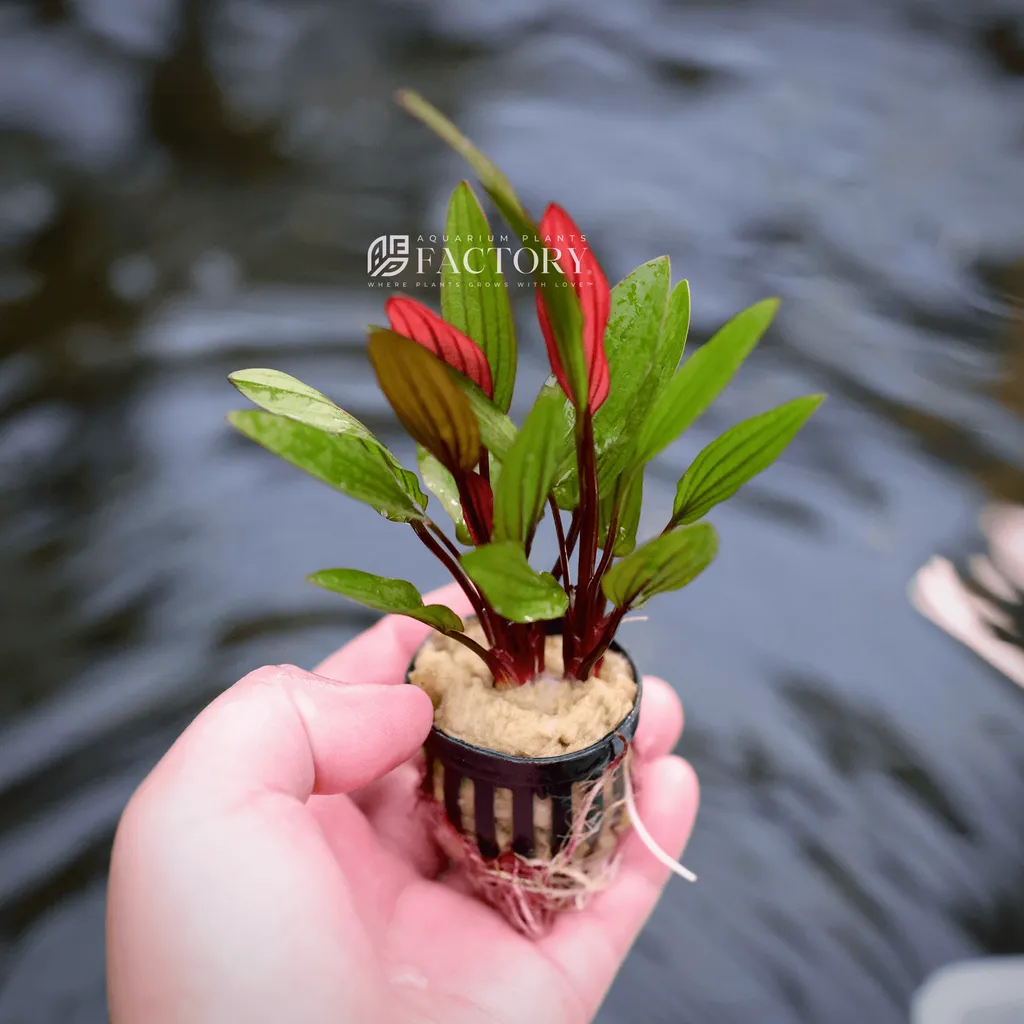
Echinodorus Red Chameleon
color shifts as each leaf agesRed Diamond sword
ruby lance leaves, stays tidy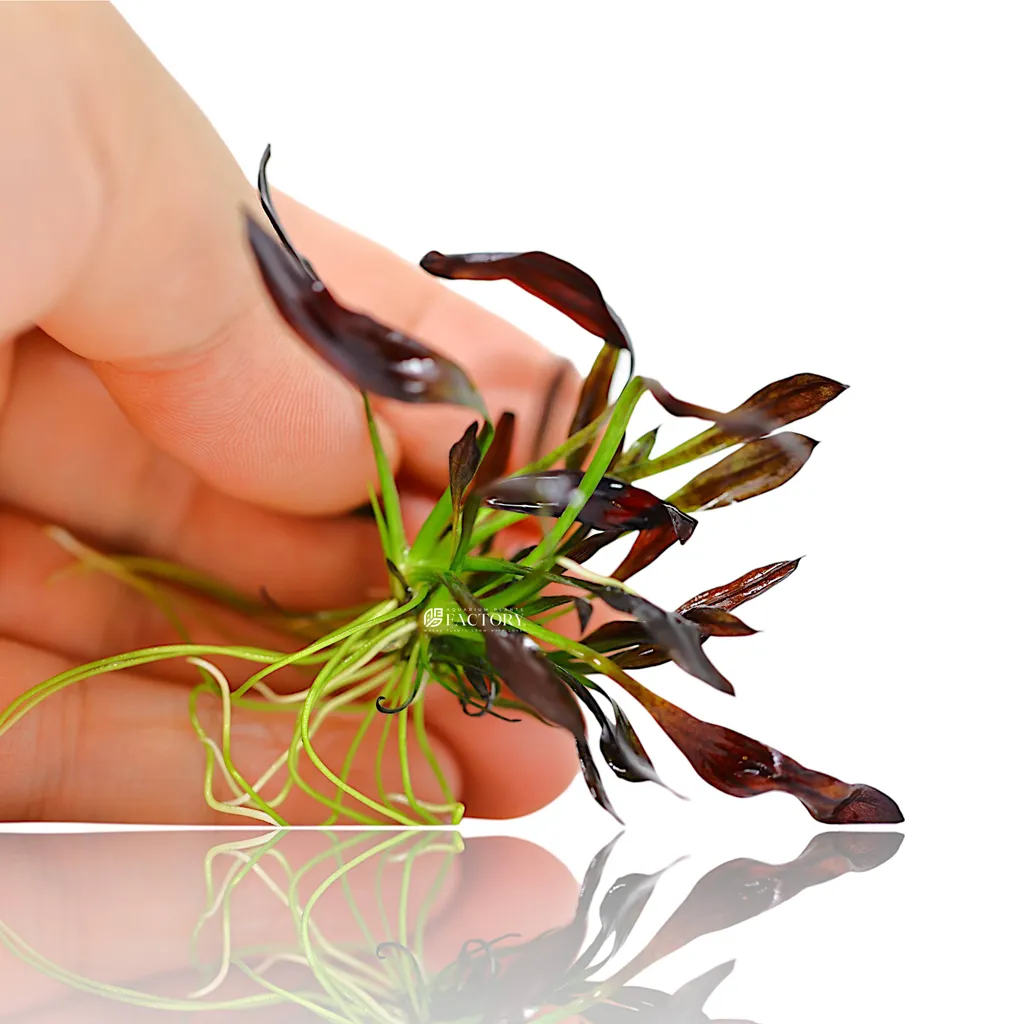
Aflame sword
dark flame-red narrow leaves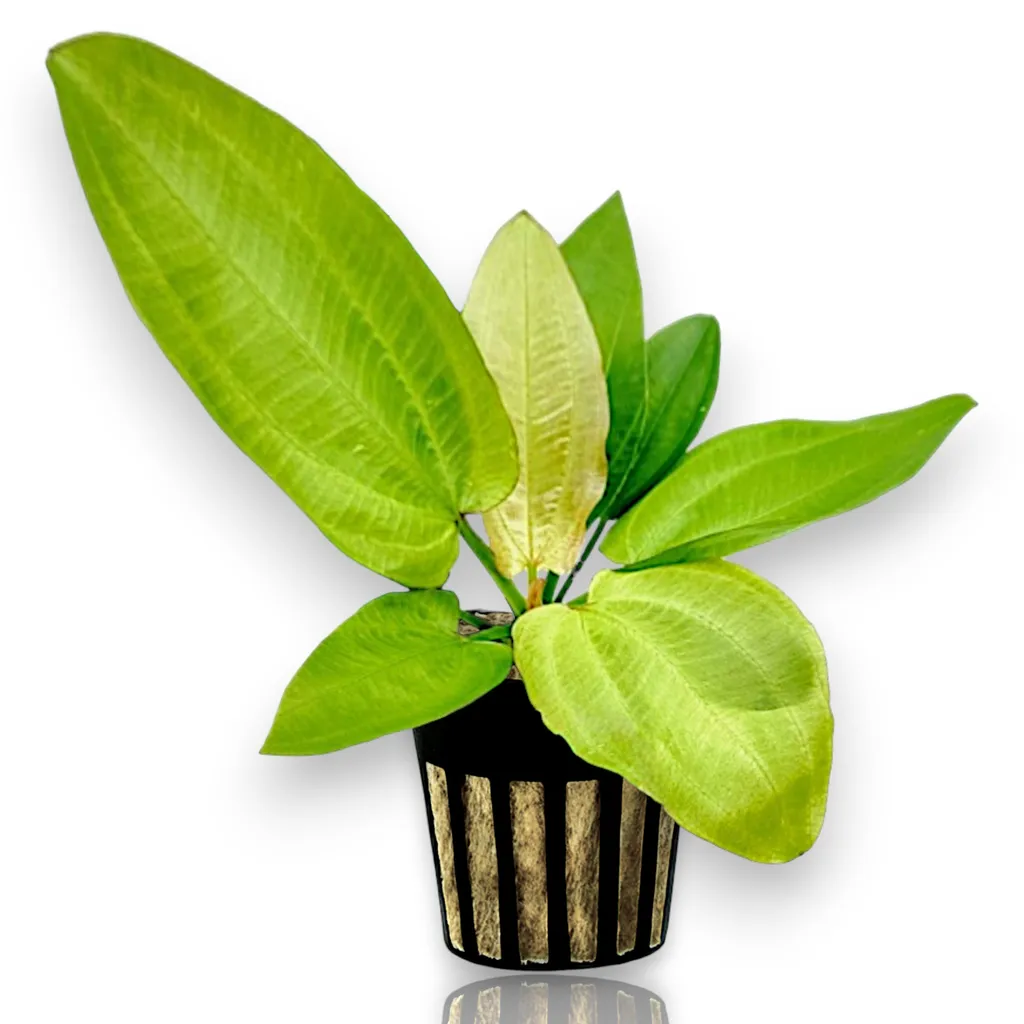
Oriental sword
pale pink, translucent new leaves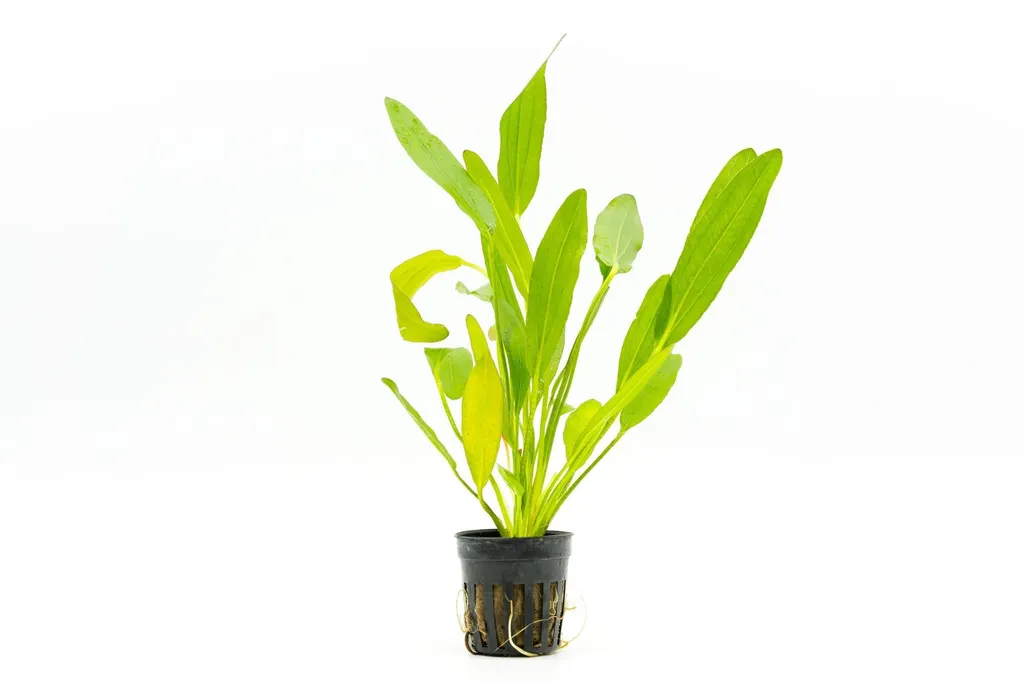
Red Devil sword
deep red rosette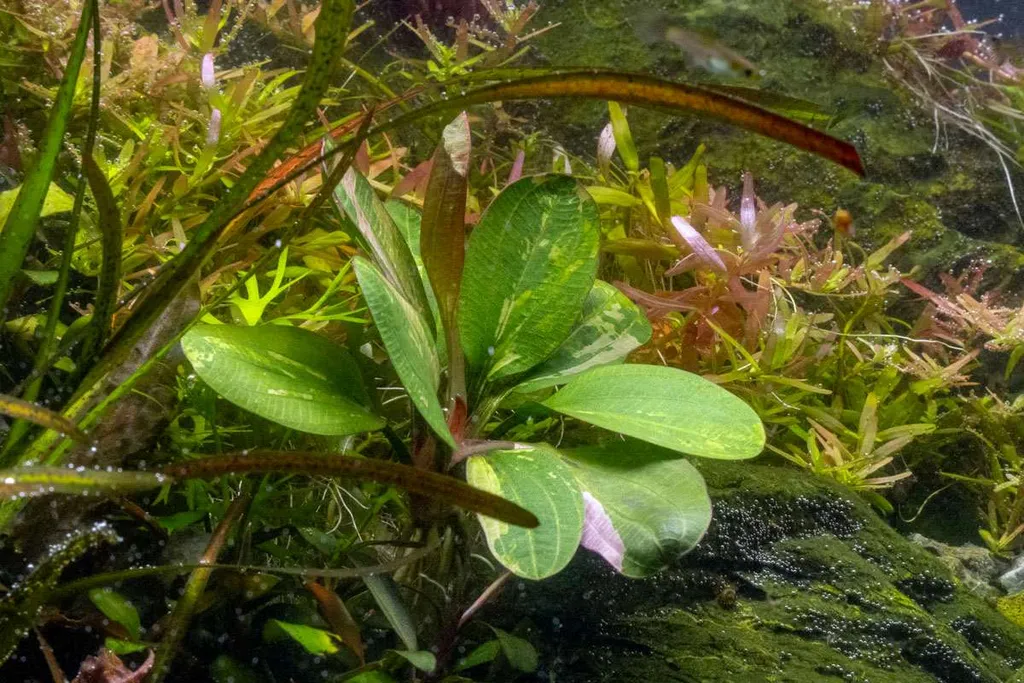
Hadi Red Pearl Variegated sword
cream-marbled leaves in emersed pots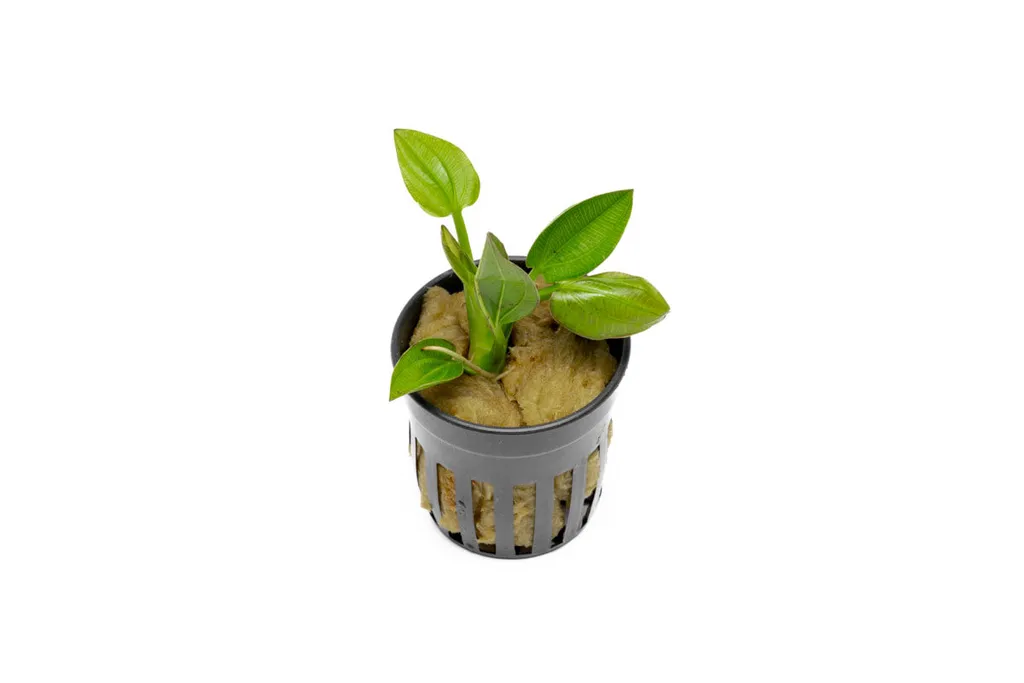
Iguazu sword
stiff dark green leaves with pale veins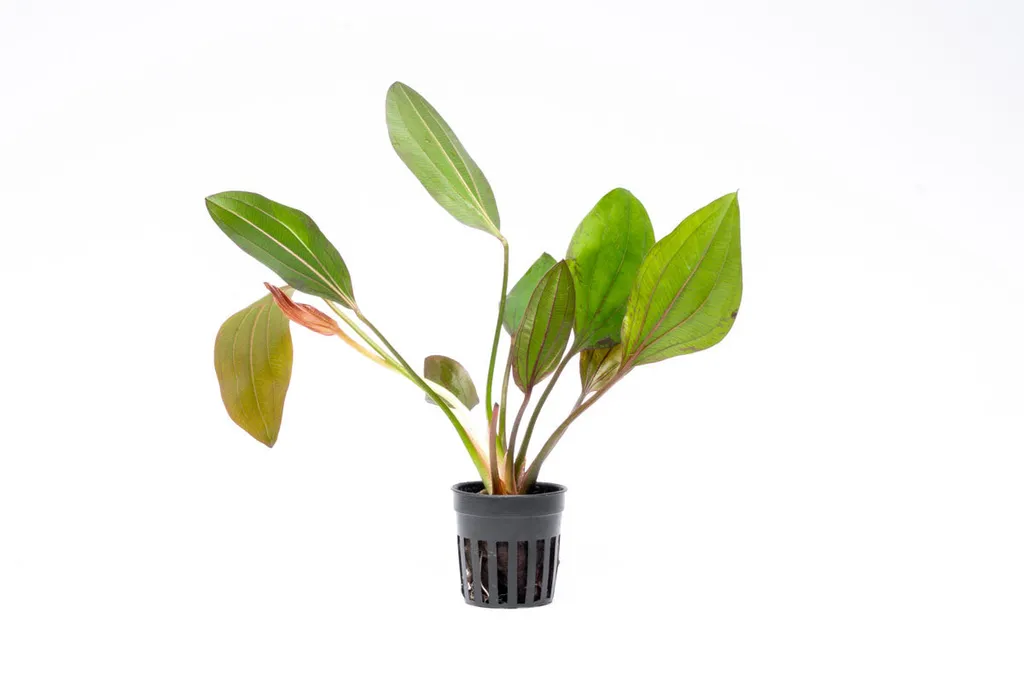
Impai sword
broad oval leaves, new growth flushed bronzeJaguar sword
light green, faint spots on young leavesPaul Kloecker sword
bright red marbling over dark greenRed Flame sword
dense dark red blotches on light green to brown-red
Full-size cultivars · midground to background centerpiece
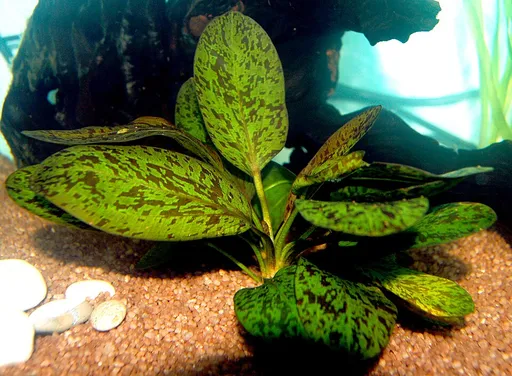
Ozelot sword
dark spots over green to redOzelot Green sword
black spotting on bright green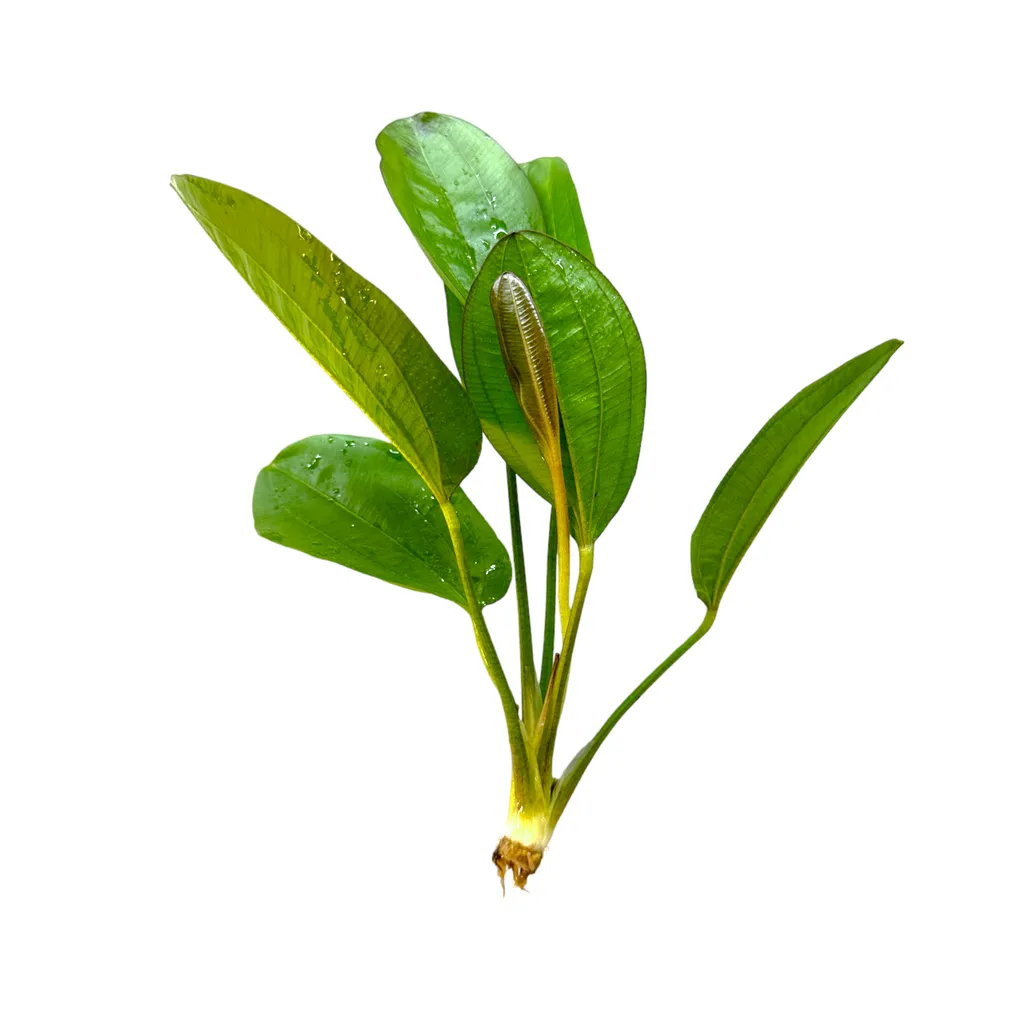
Fancy Twist sword
twisted, ruffled leaf edges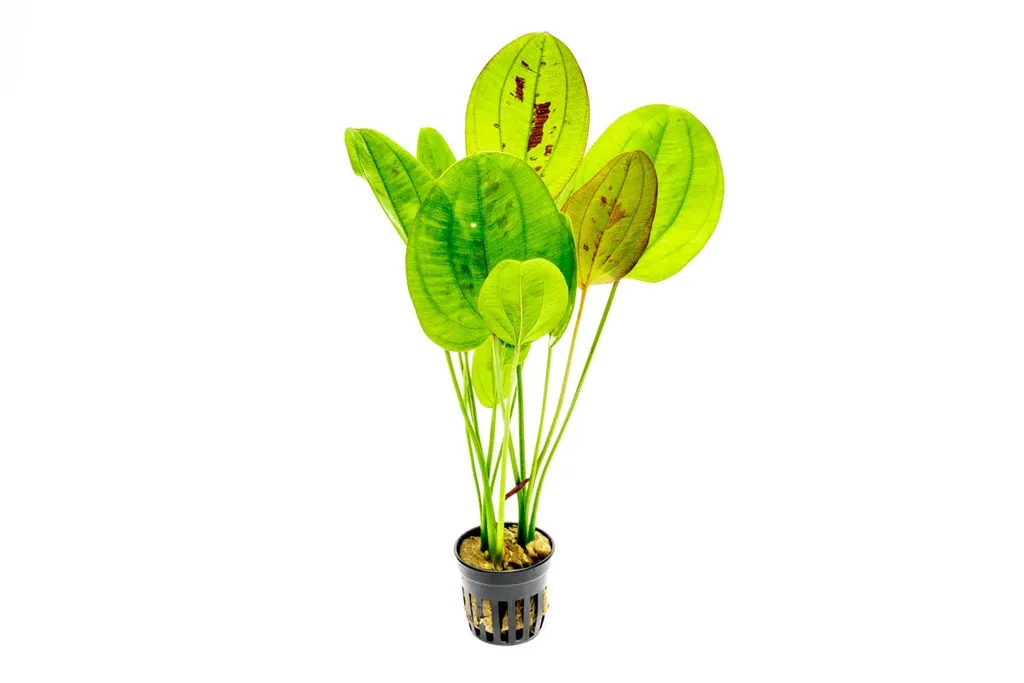
Echinodorus Yellow Sun
golden-green rosette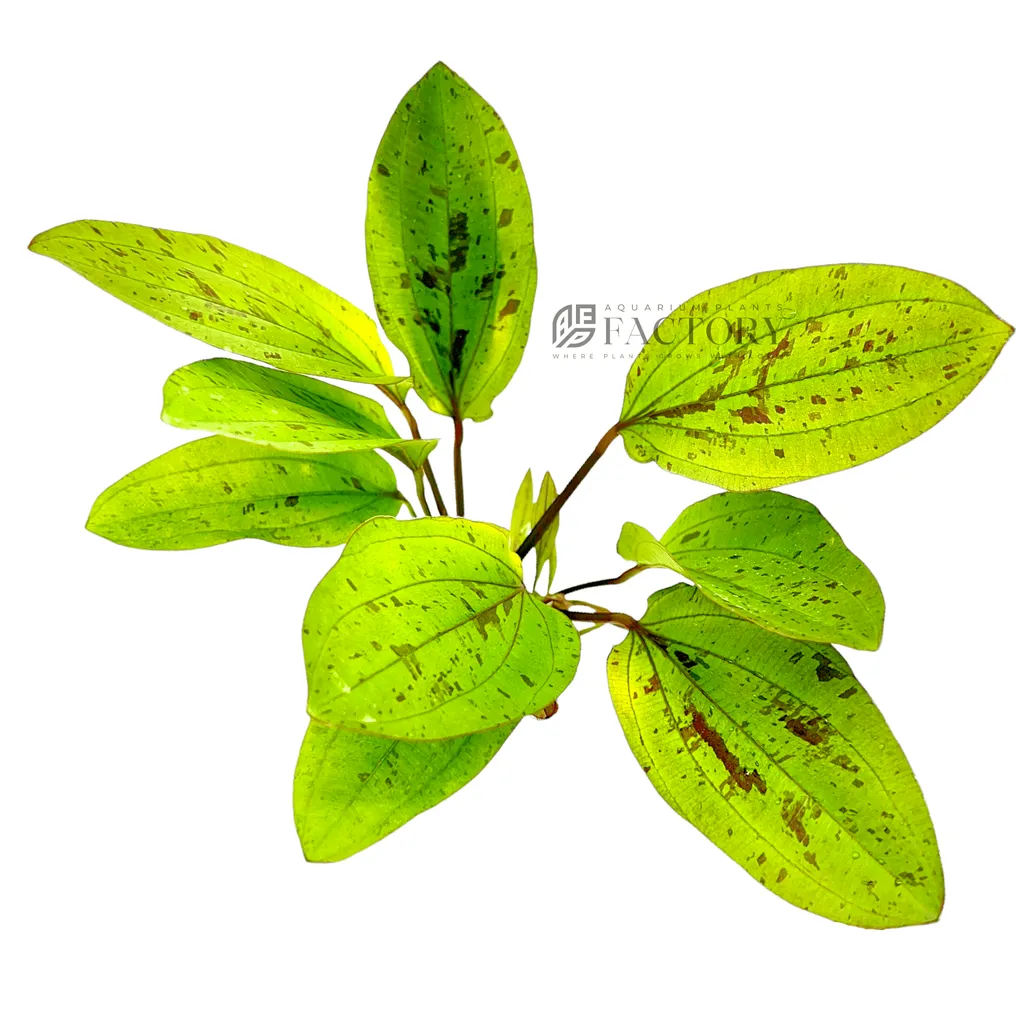
Echinodorus Chocolate Marble
brown marbling over green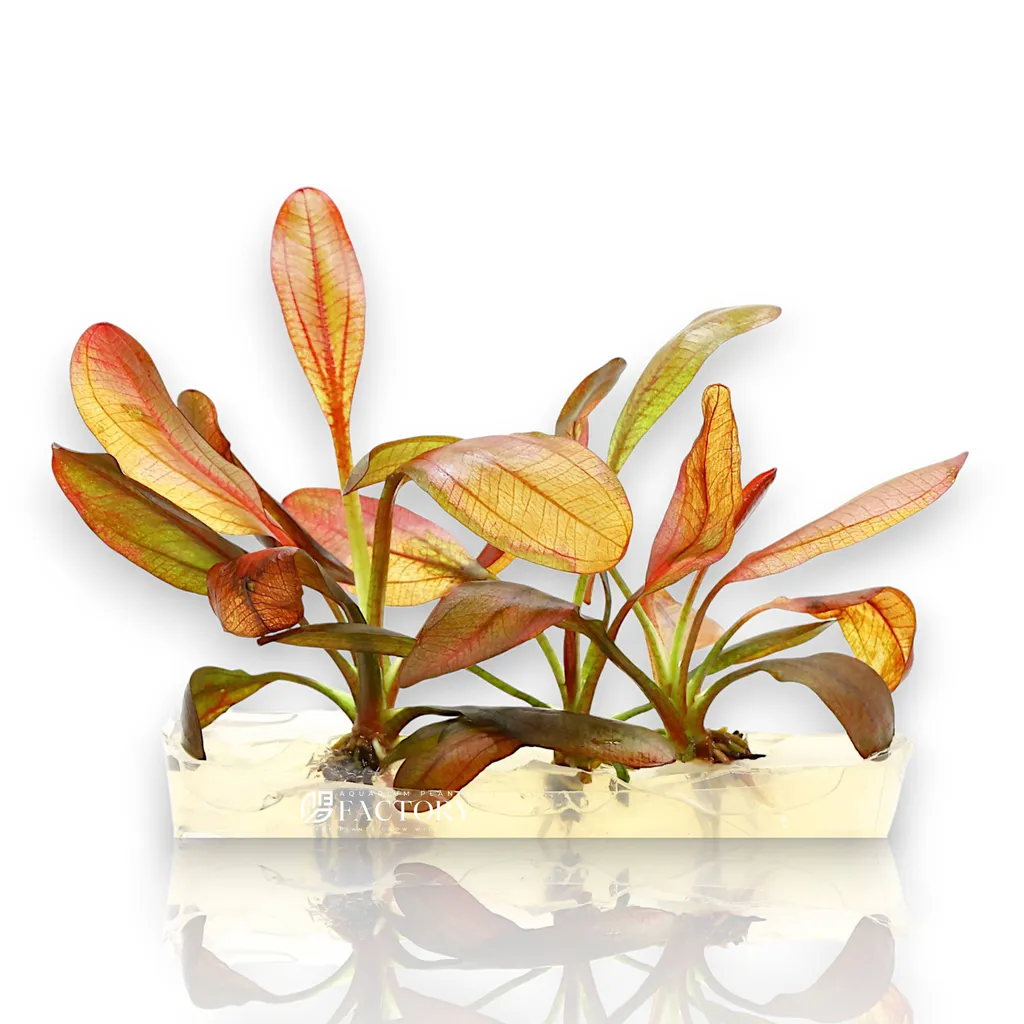
Rose sword
rose-pink new growth on broad leaves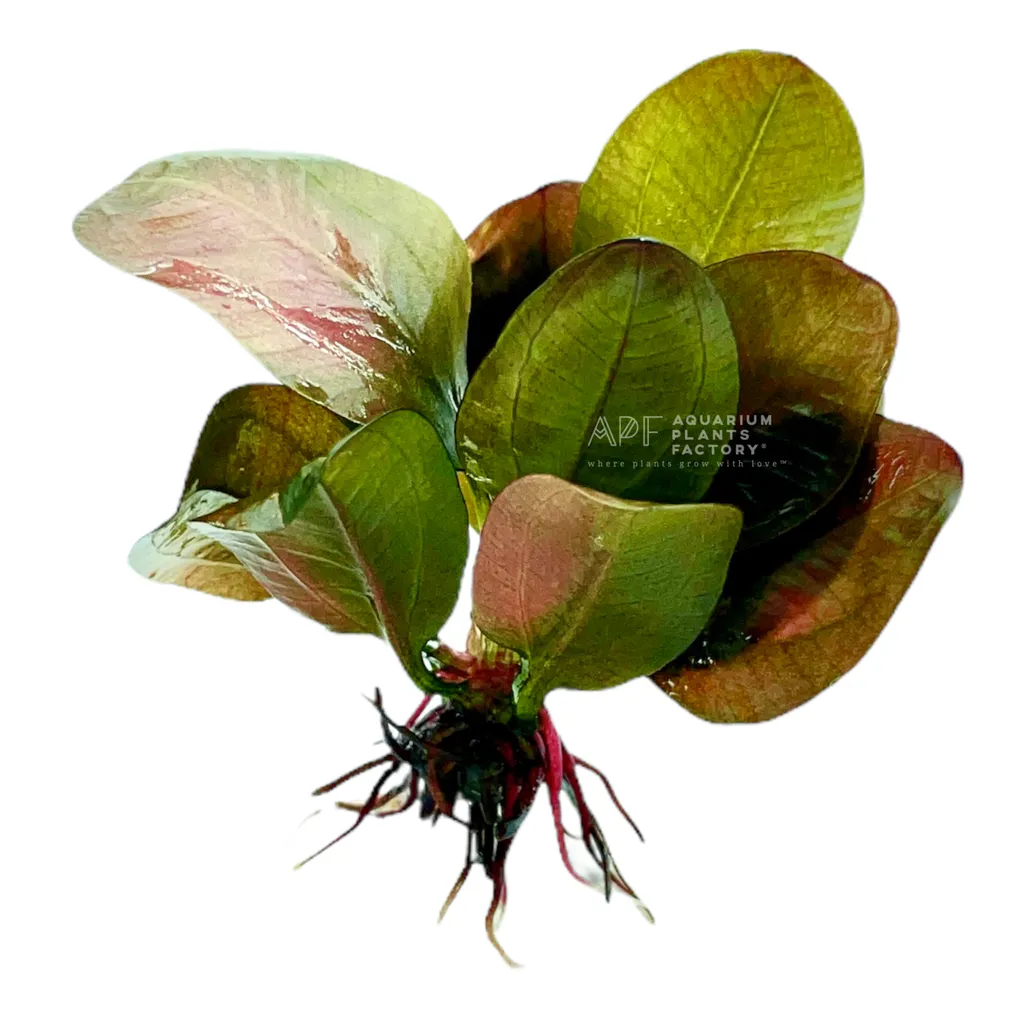
Reni sword
dense rosette, dark red over greenTricolor sword
green, pink and cream in one crown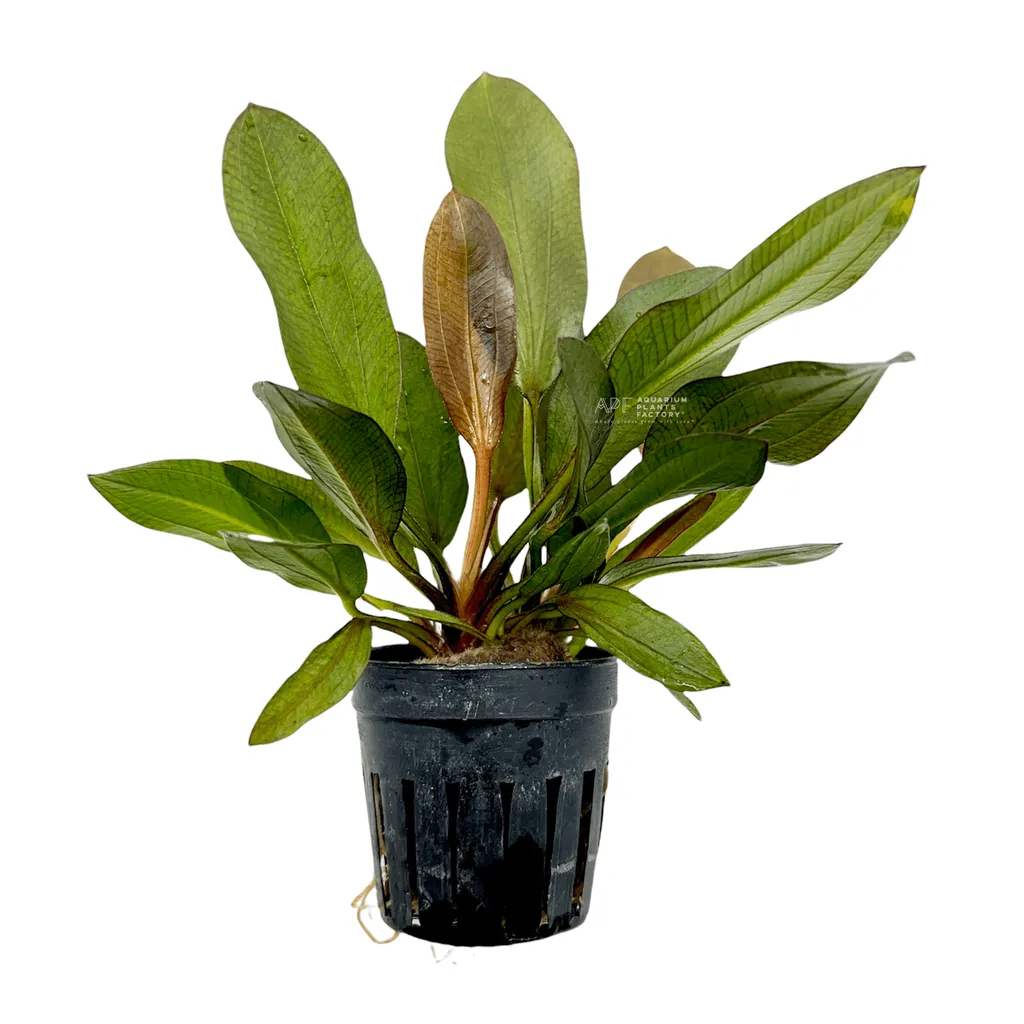
Red Phoenix sword
arching bright red leaves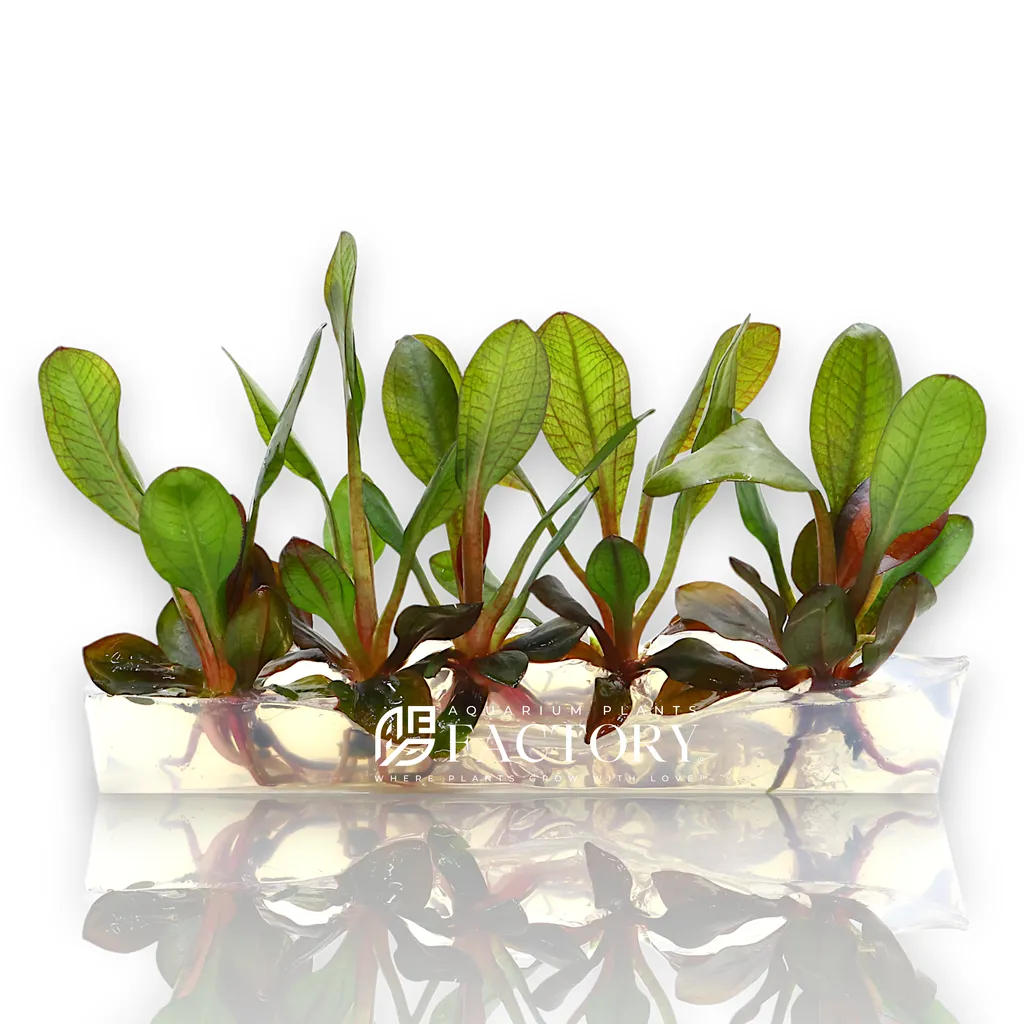
Kleiner Bar sword
broad red-brown leaves; the little bear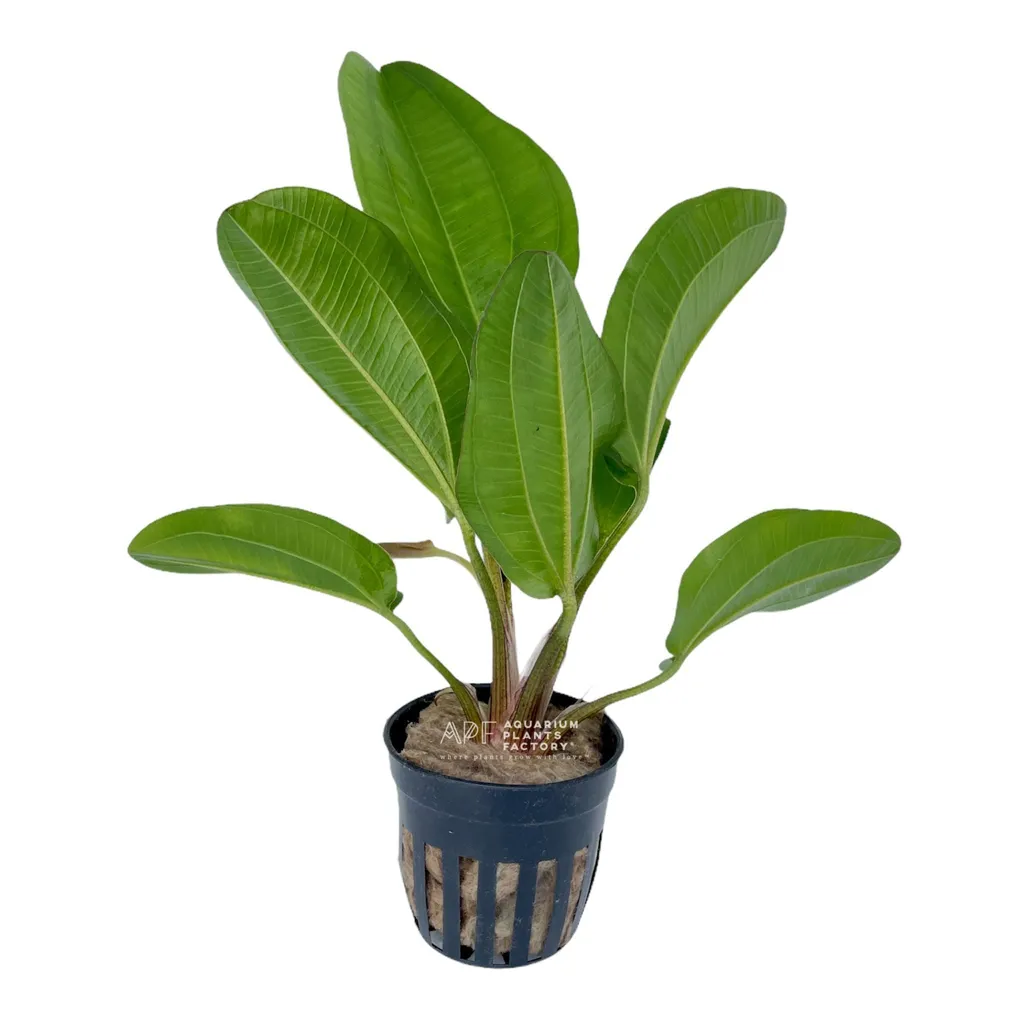
Big Bear sword
huge dark leaves; a statement plant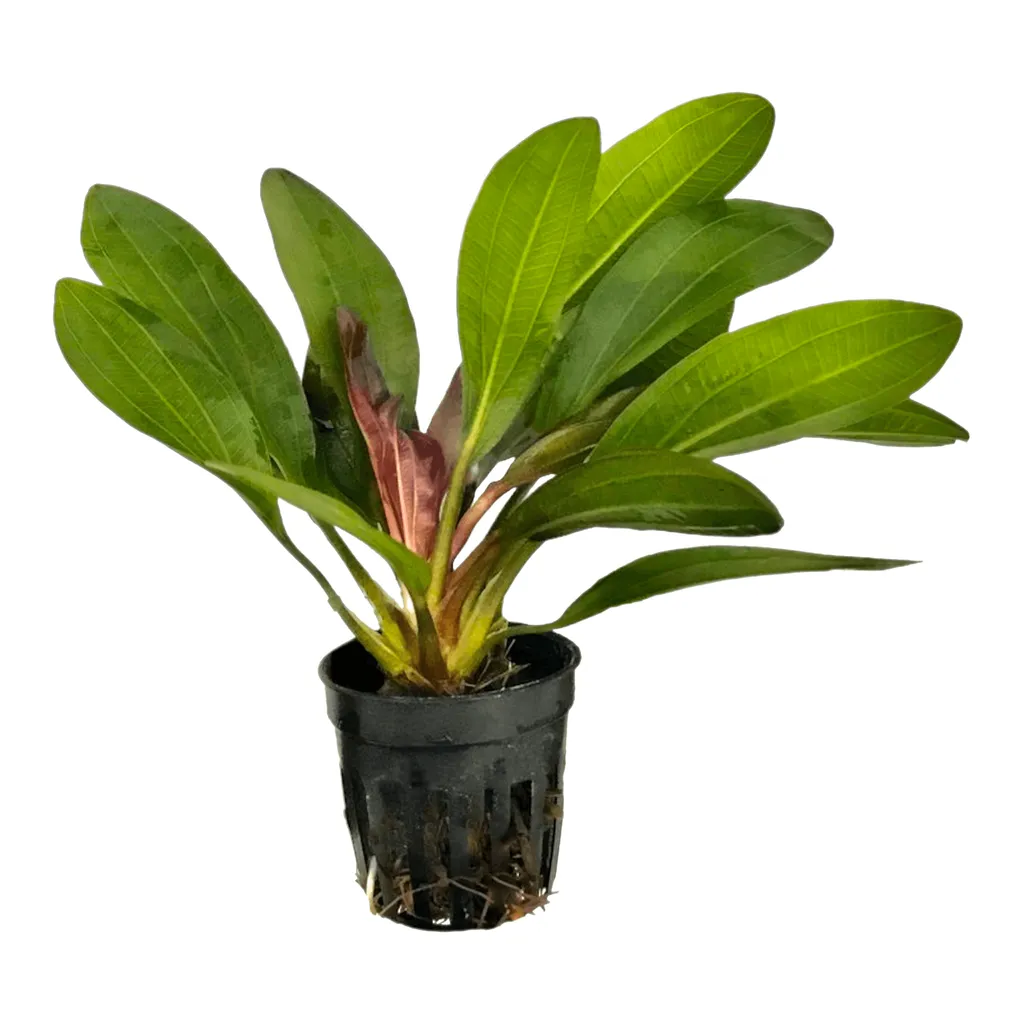
Red rubin sword
tall ruby-red strap leavesAltlandsberg sword
tall and steeply upright, reddish young leaves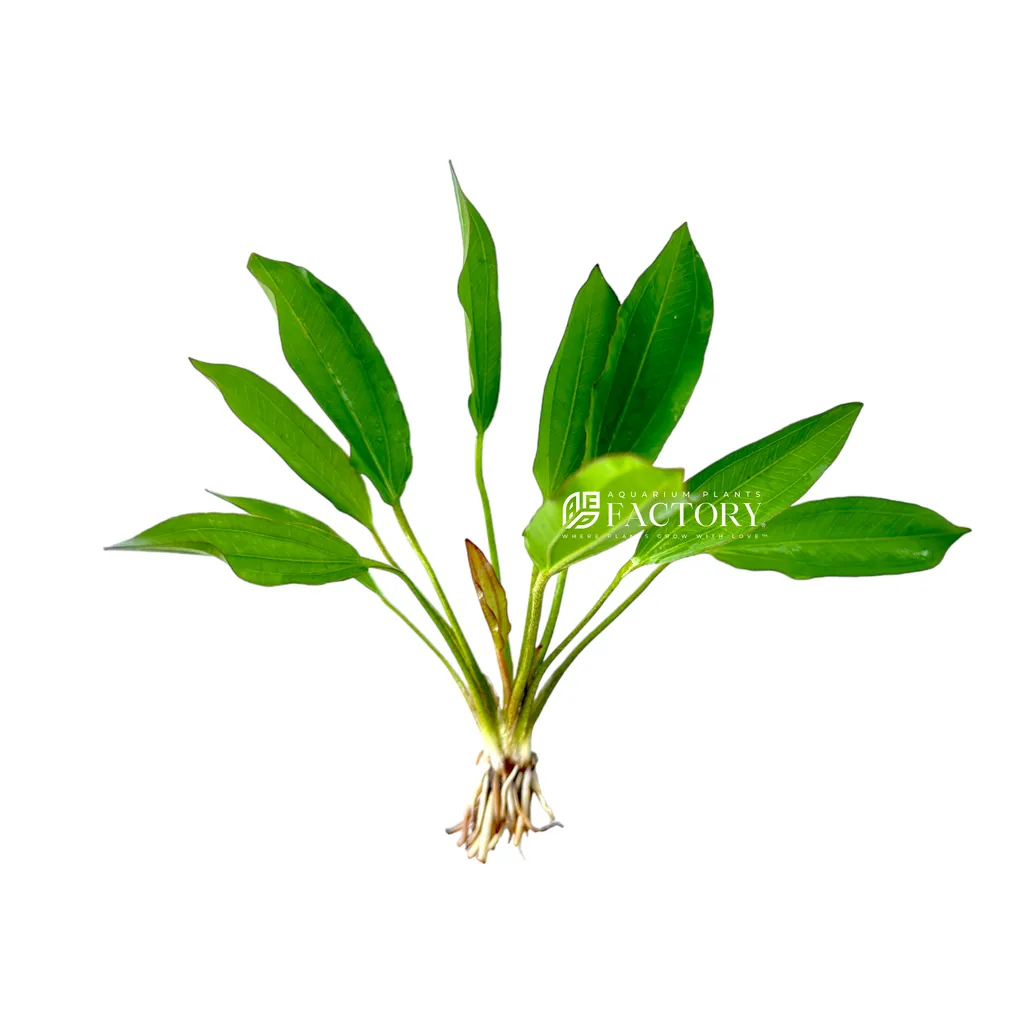
Green Chameleon sword
wavy green leaves marbled olive to wine red
Care, the same for every cultivar
Every cultivar runs on the same recipe: nutritious substrate or root tabs, moderate light, and room for the crown.
- Temperature
- 63–82°F
- 17–28°C
- Type
- Rosette
- pH
- 5.0–8.0
The garden roses of the aquarium
Almost none of these plants exists in the wild. Breeders, most famously Hans Barth of Dessau, crossed species like Echinodorus grisebachii, uruguayensis and horemanii and kept the seedlings with spotted, ruffled or red leaves. That is why they carry cultivar names in quotes rather than Latin species names, and why new ones still appear every few years.
Feed the roots, not the water
Swords build big root systems and take nearly everything through them. In plain gravel they stall within months, so plant them in a nutritious substrate or push root tabs around the crown a few times a year. The red and marbled cultivars also color up noticeably better with a steady iron supply.
Expect a wardrobe change
Nurseries grow swords above water, and the leaves that come in the pot are built for air. They yellow and melt over the first weeks while the crown pushes out true underwater leaves, which usually look longer, thinner and more colorful. Trim the old ones at the base and let the plant get on with it.
Common questions
Why is my sword losing all its leaves after planting?
It is swapping emersed leaves for submerged ones, which almost every sword does in its first month. As long as new leaves keep coming from the center of the crown, the plant is fine.
How do sword plants propagate?
A happy sword sends up a long stalk that grows plantlets along its length. Let each plantlet put out a few roots, then cut it free and plant it.
Do red sword cultivars need CO2?
No. They grow well without it, but medium light, iron and CO2 together are what produce the deep reds the catalogs photograph.
Related plants
- Medium lightMidground11.8 in (30 cm)
Echinodorus gabrielii
Echinodorus x gabrielii
Medium light · Midground
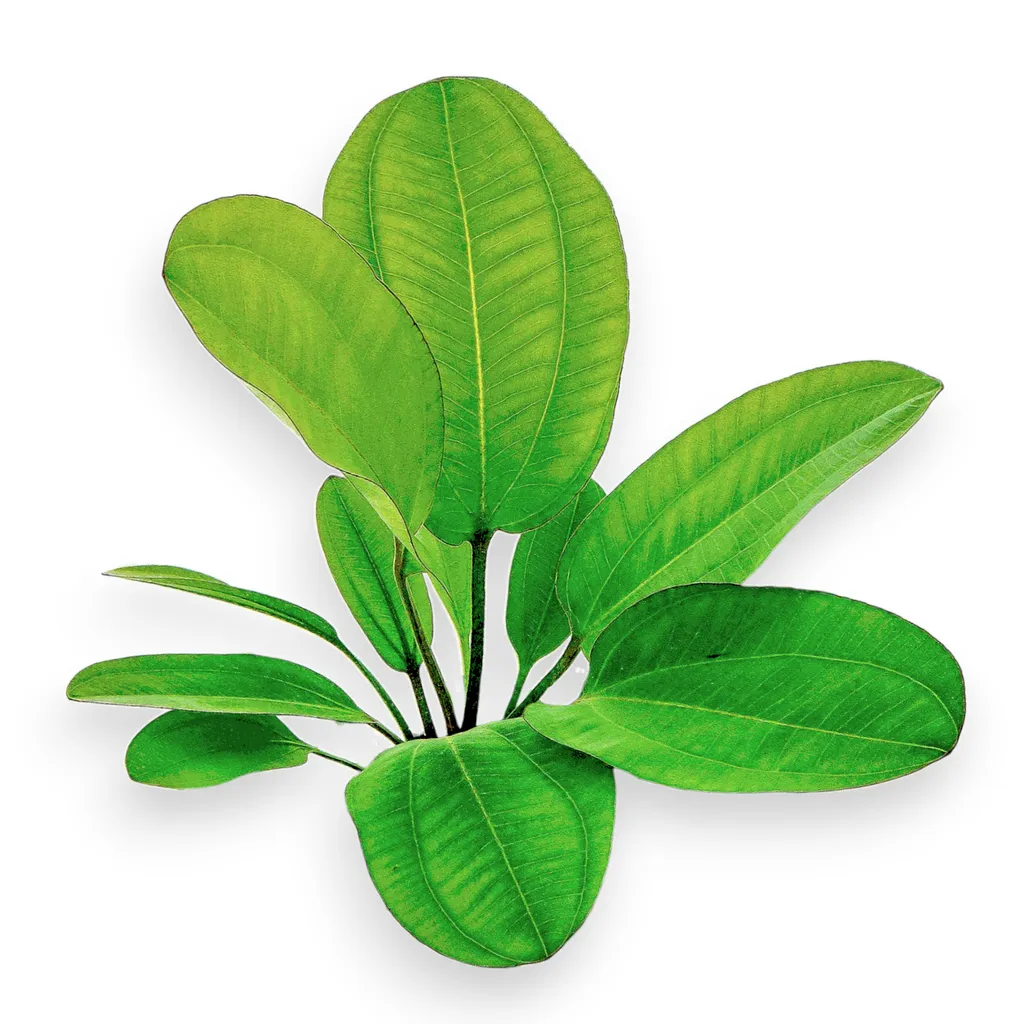 Low lightMidground7.9 in (20 cm)
Echinodorus horizontalis Mini
Echinodorus horizontalis 'Mini'
Low light · Midground
- Medium lightMidground13.8 in (35 cm)
Echinodorus horizontalis
Medium light · Midground
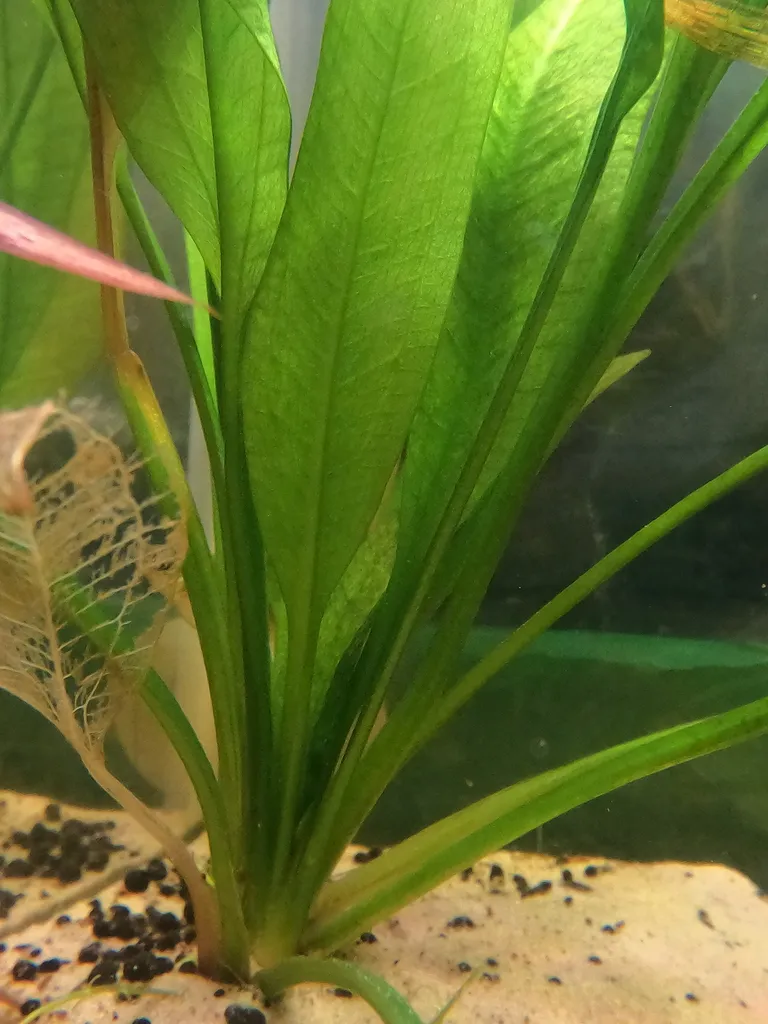 Medium lightBackground19.7 in (50 cm)
Amazon sword
Echinodorus grisebachii
Medium light · Background
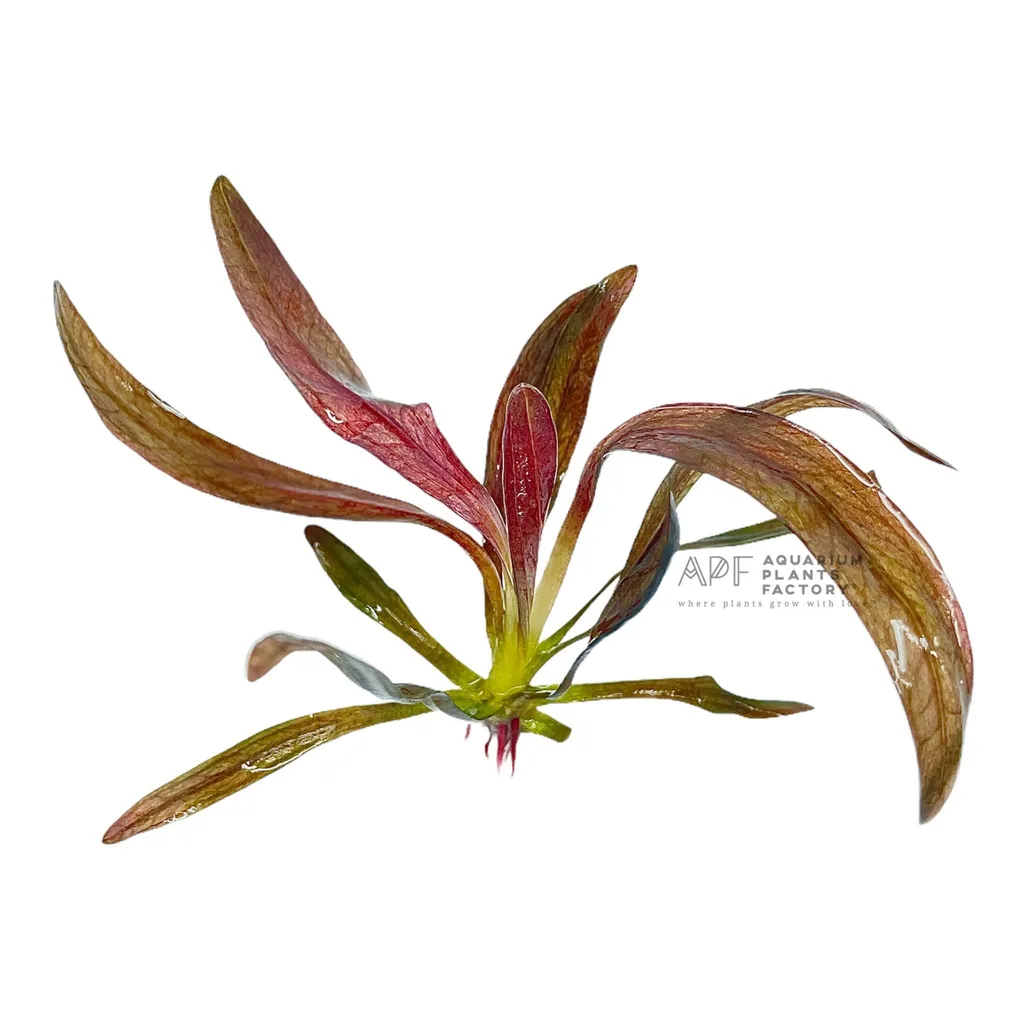 High lightBackground19.7 in (50 cm)
Horemanii sword
Echinodorus horemanii
High light · Background
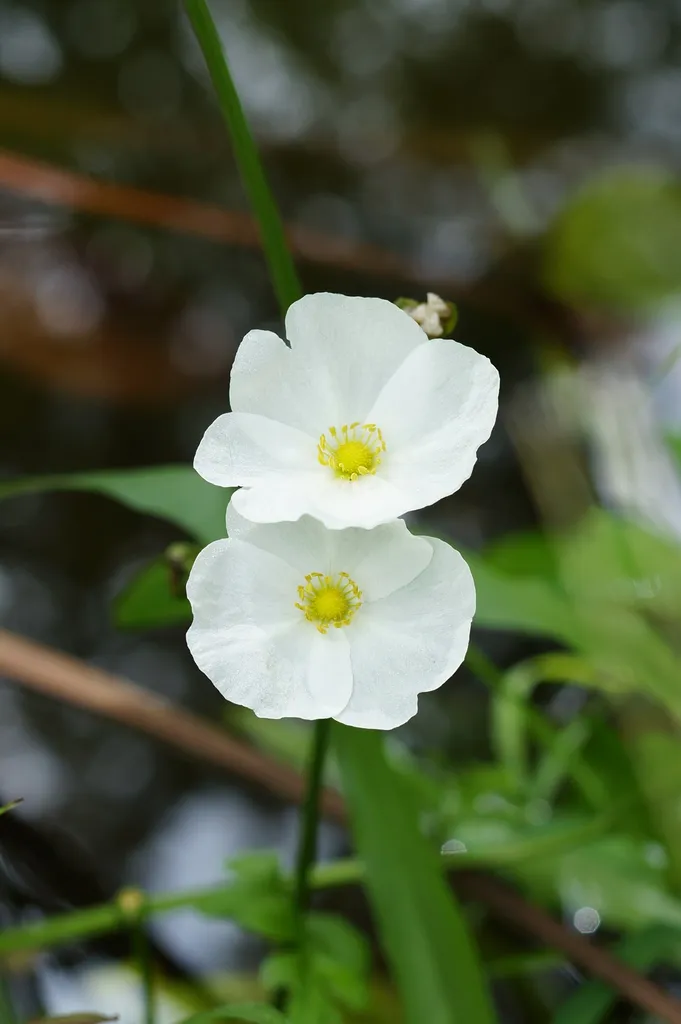 Medium lightBackground19.7 in (50 cm)
Marble queen sword
Echinodorus cordifolius
Medium light · Background
Planning a tank?
TankBud checks stocking and water fit as you build a tank, then tracks water tests, reminders and photos once it is running.
Track your tanksMaintain tanks for clients? See TankBud Pro