Cultivar of Echinodorus
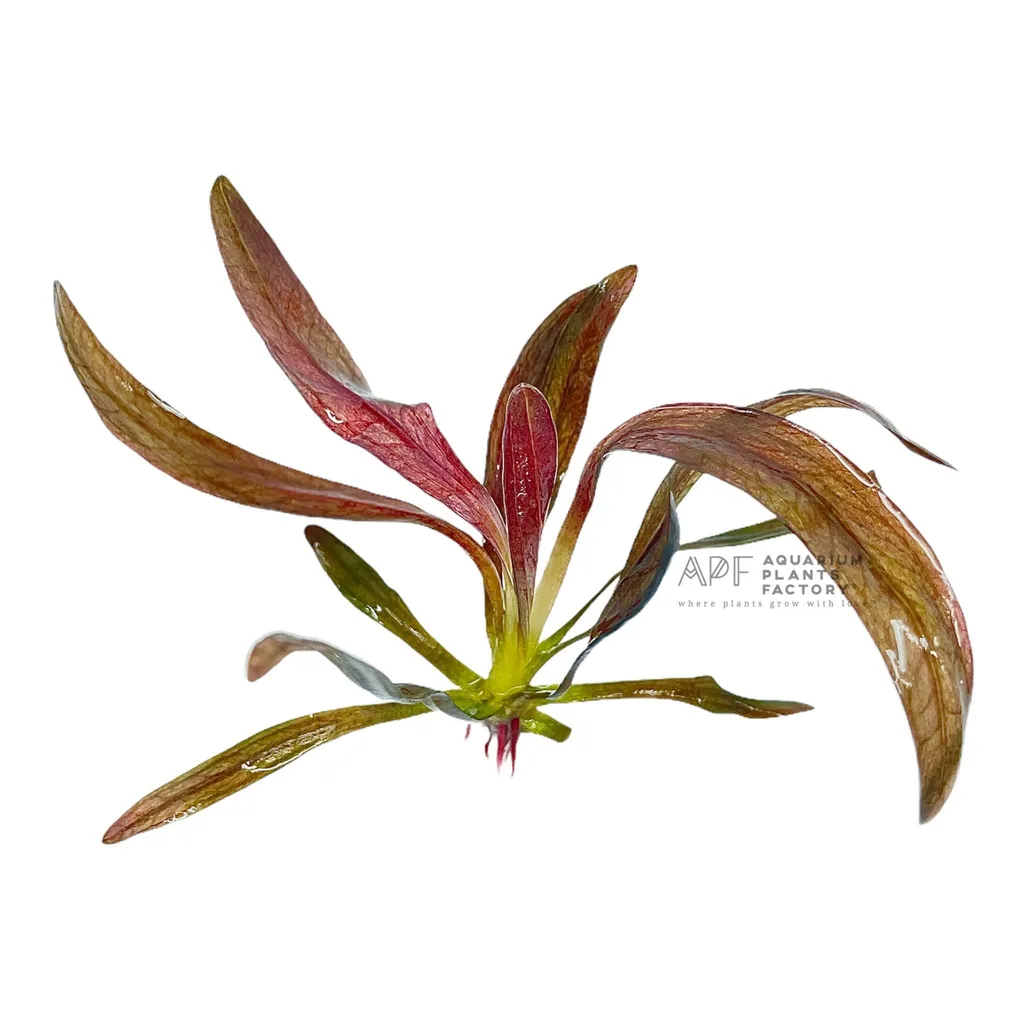
Jaguar sword
Echinodorus 'Jaguar'
One of 28 cultivars of Echinodorus · See all cultivars →
Also known as Echinodorus x 'Jaguar'
FreshwaterRosettePlantletsSide shoots
Cultivars · Echinodorus
See all 28 →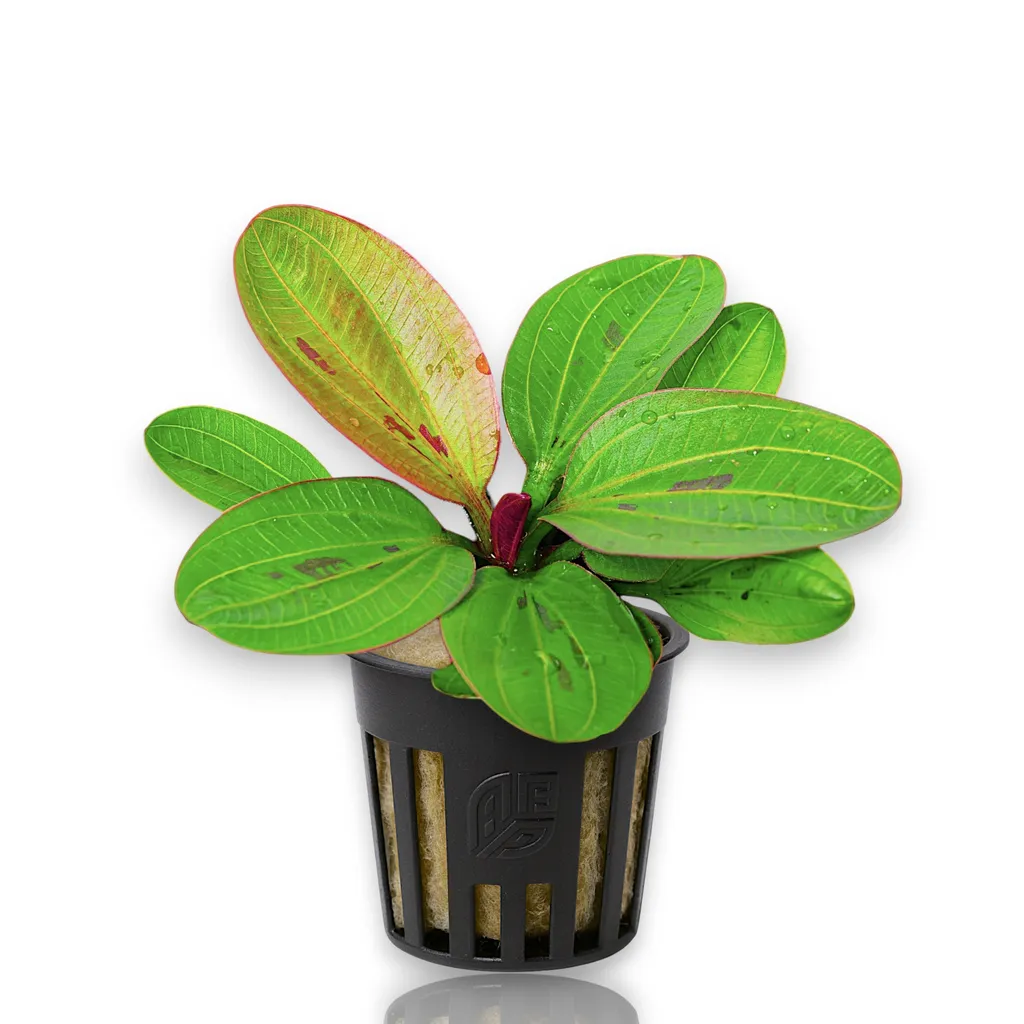
Care at a glance
- Light
- Medium light
- CO2
- CO₂ beneficial
- Temperature
- 72–82°F
- 22–28°C
- Max height
- 11.8 in
- 30 cm
- Growth rate
- Medium
- Placement
- Midground
- Type
- Rosette
- pH
- 6.0–7.5
- Spread
- 9.8 in (25 cm)
- Nutrient uptake
- Root + water column
- Growth region
- Submersed or emersed
- Difficulty
- Easy
- Family
- Alismataceae
- Origin
- Cultivated form (nursery selection, no wild range); breeder and parents unrecorded
Overview
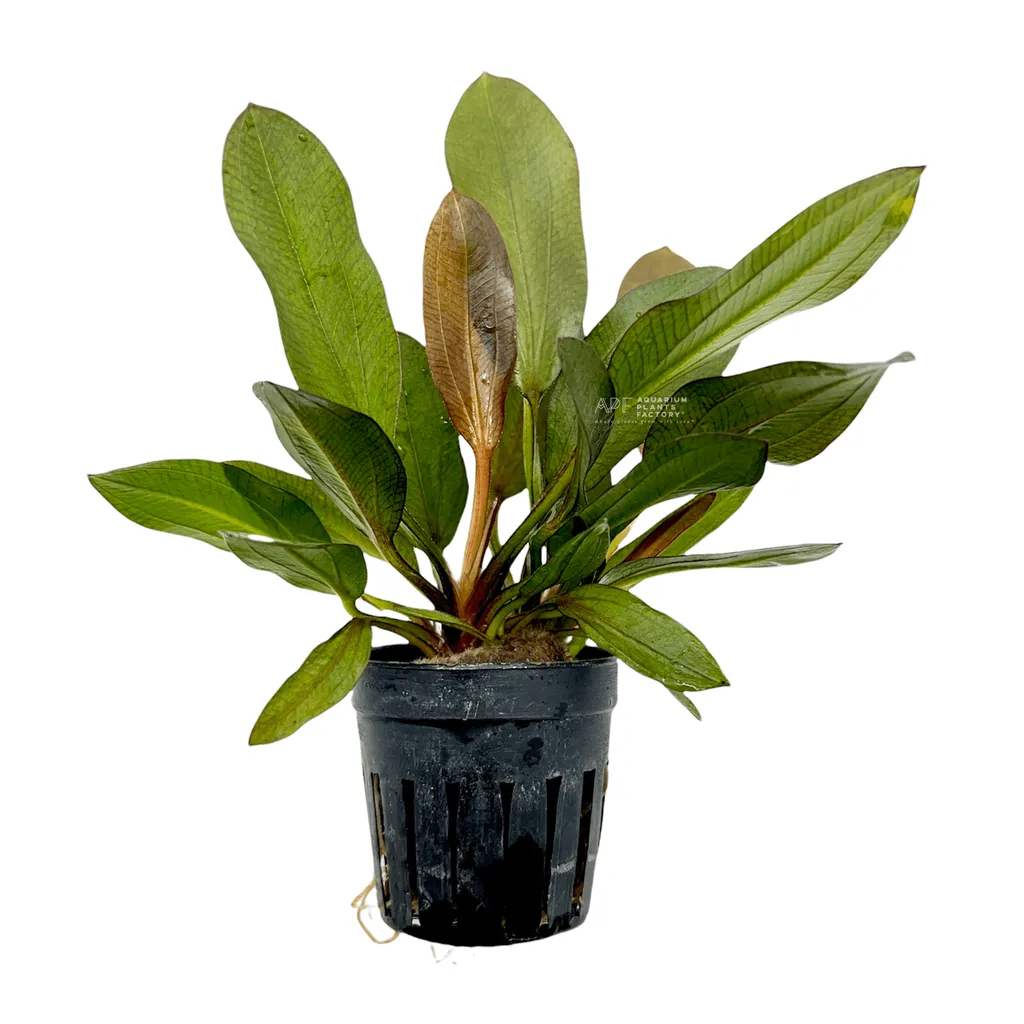
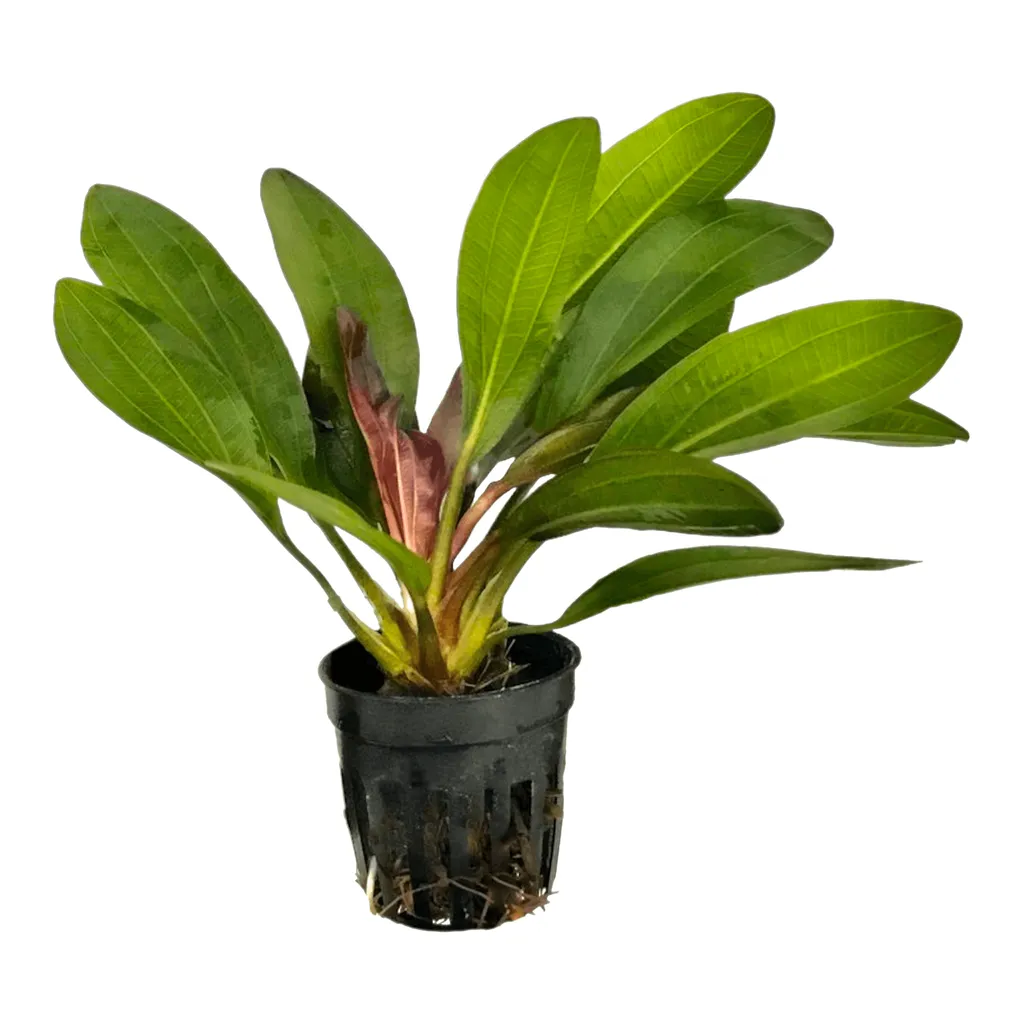
Jaguar is an easy sword that tops out around 30 cm, which puts it in the midground of most tanks. Medium light is enough, and added CO2 makes it grow faster. Swords feed mainly through their roots, so plant it in a rich substrate or push a root tab beside the crown every few months. The potted leaves were grown above water and often melt in the first weeks. New leaves unfolding from the center show that the plant has settled in. Cut old leaves at the base as they fade.
In the wild
Jaguar is a nursery sword with no wild range, known only as a cultivated form. No source records its parents. A Canadian shop credits Hans Barth of Dessau, who introduced the spotted Leopard and Ozelot swords, but no reference confirms it. Most sword cultivars descend from South American species that root in the mud of marshes and slow rivers.
Good to know
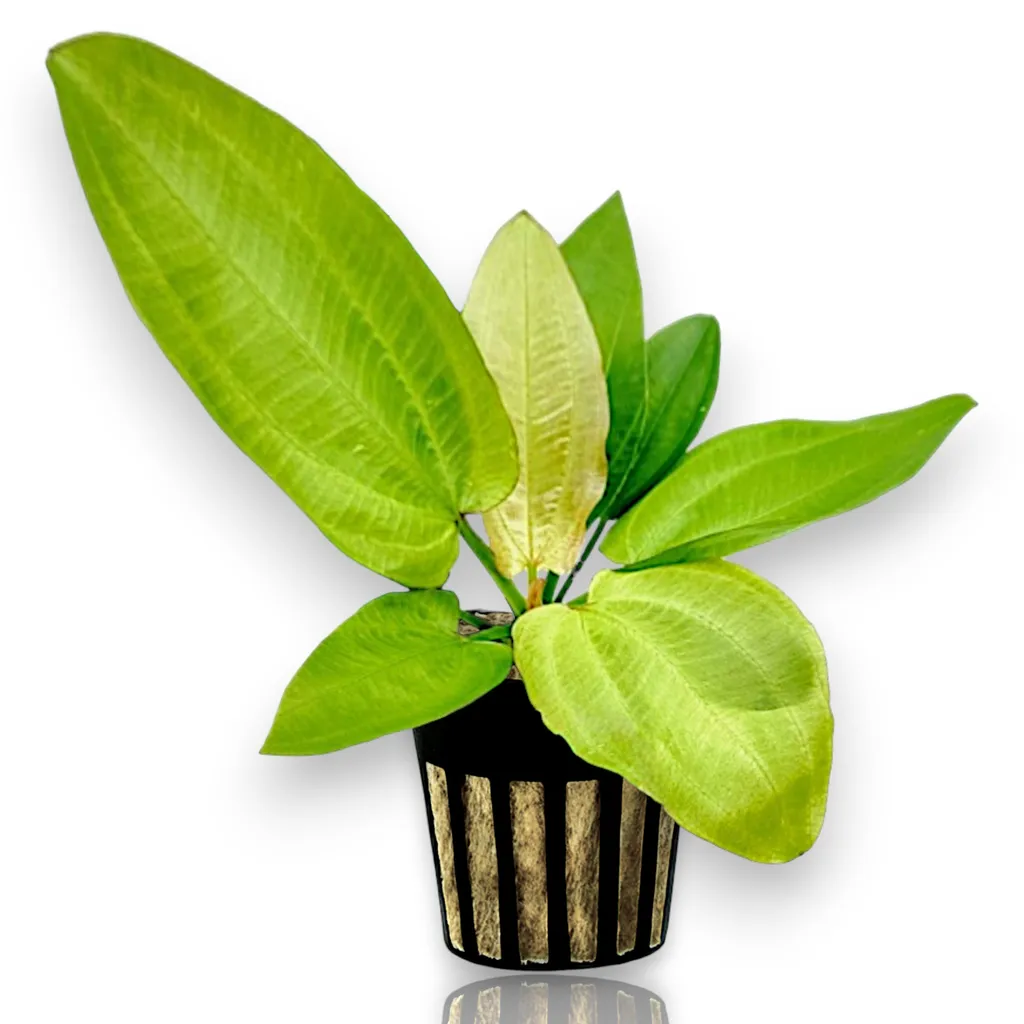
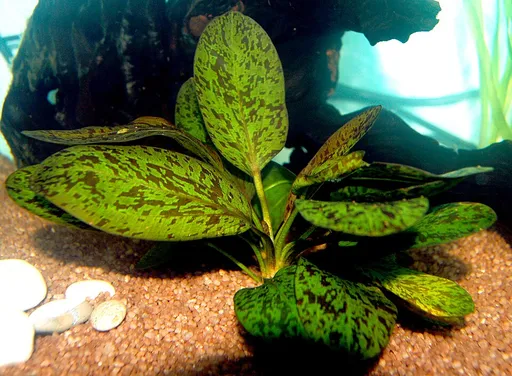
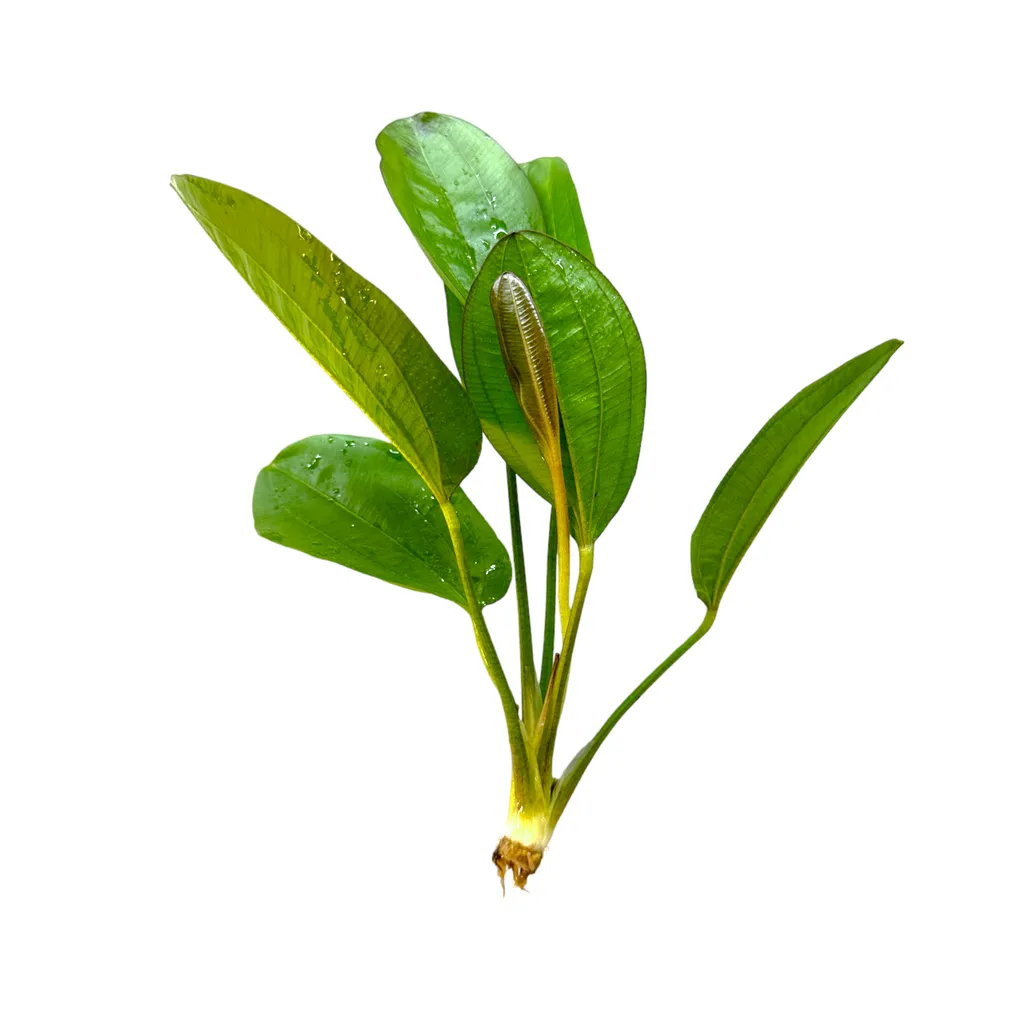
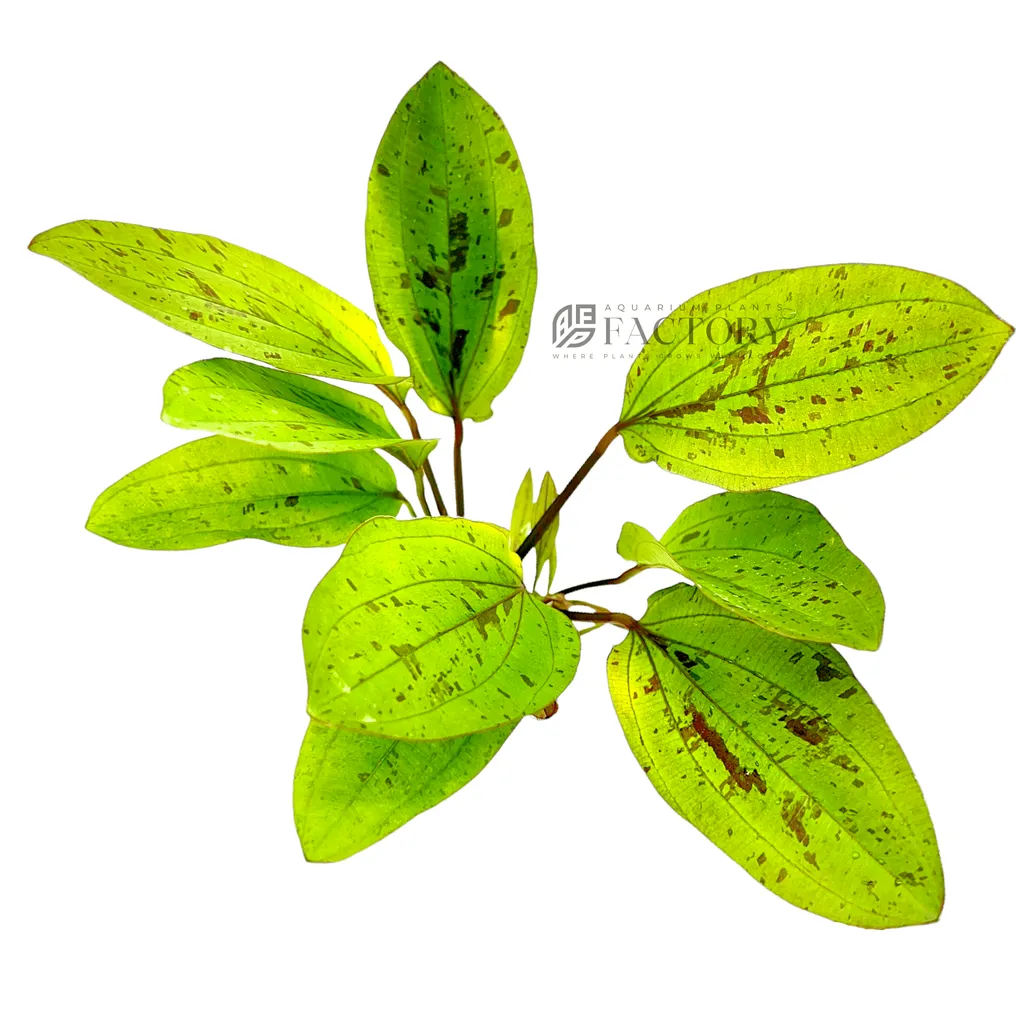
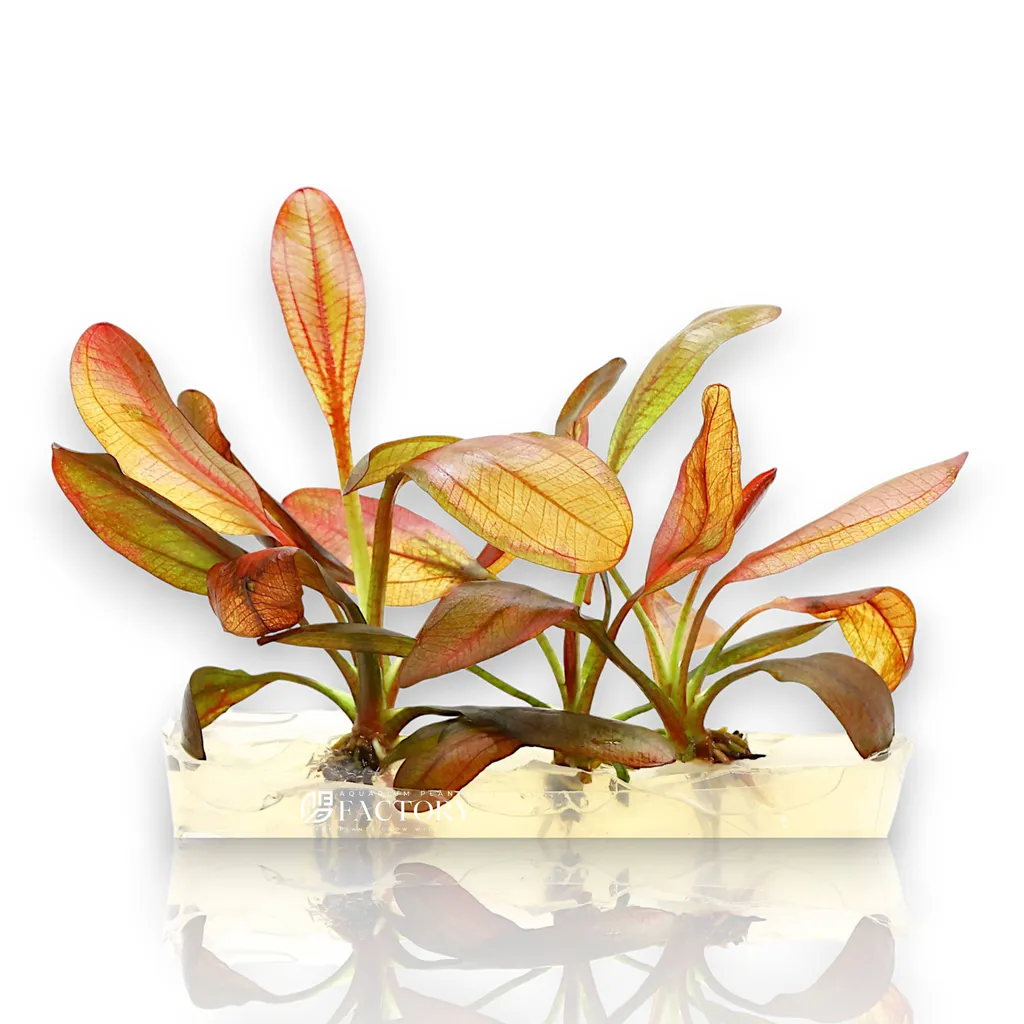
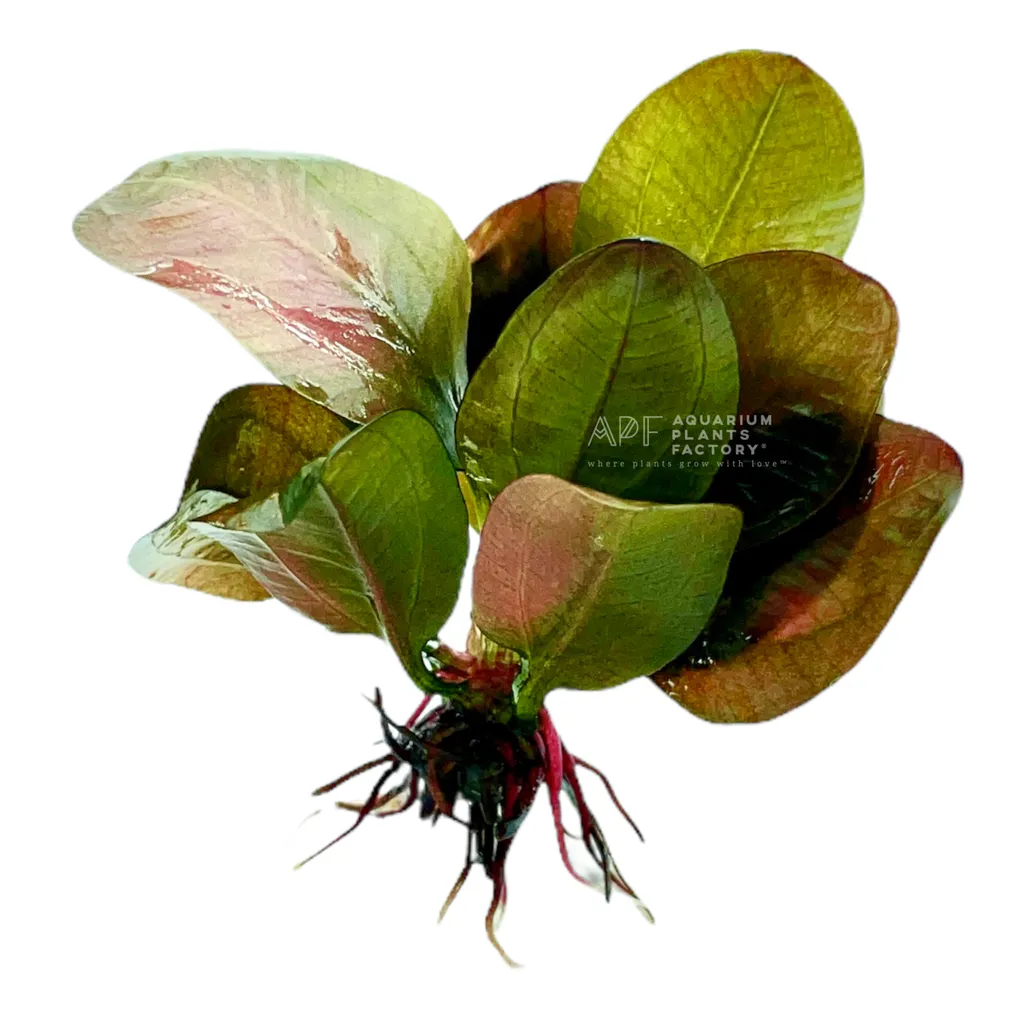
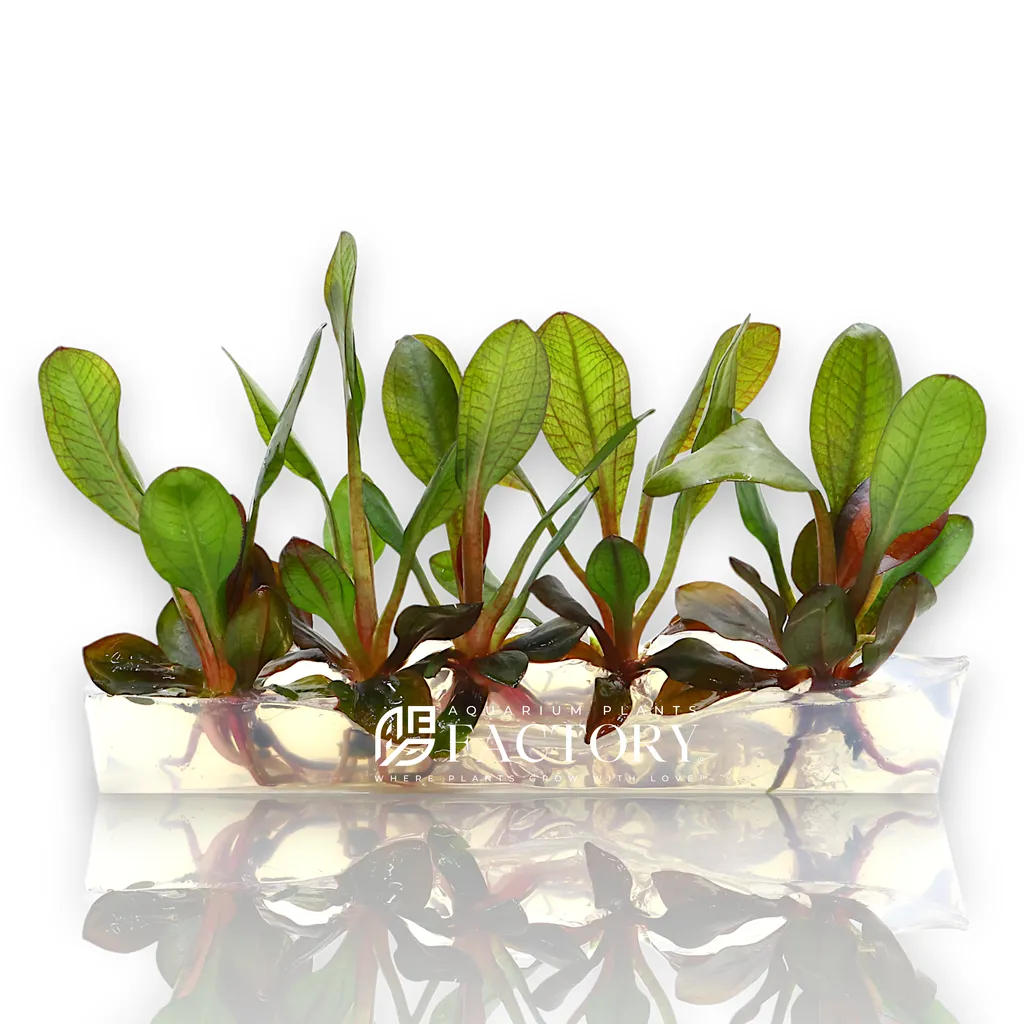
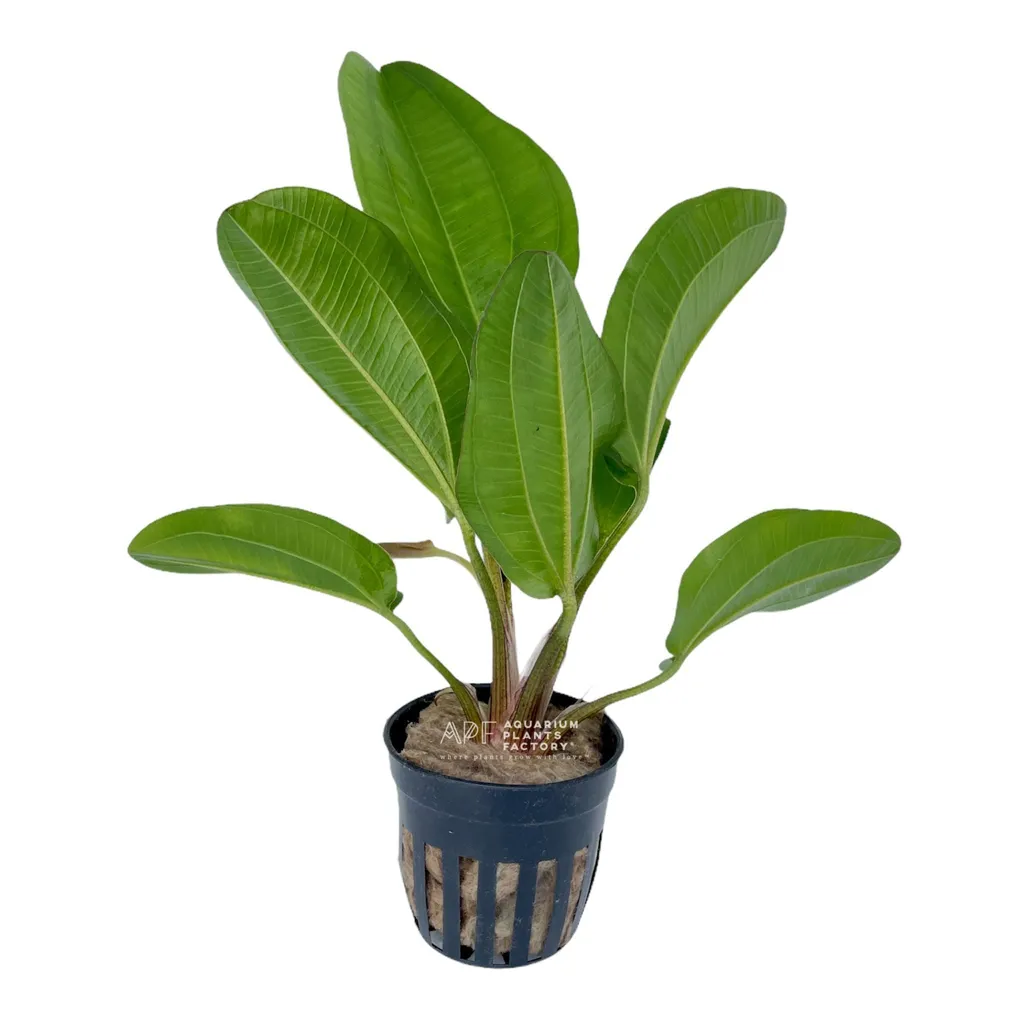
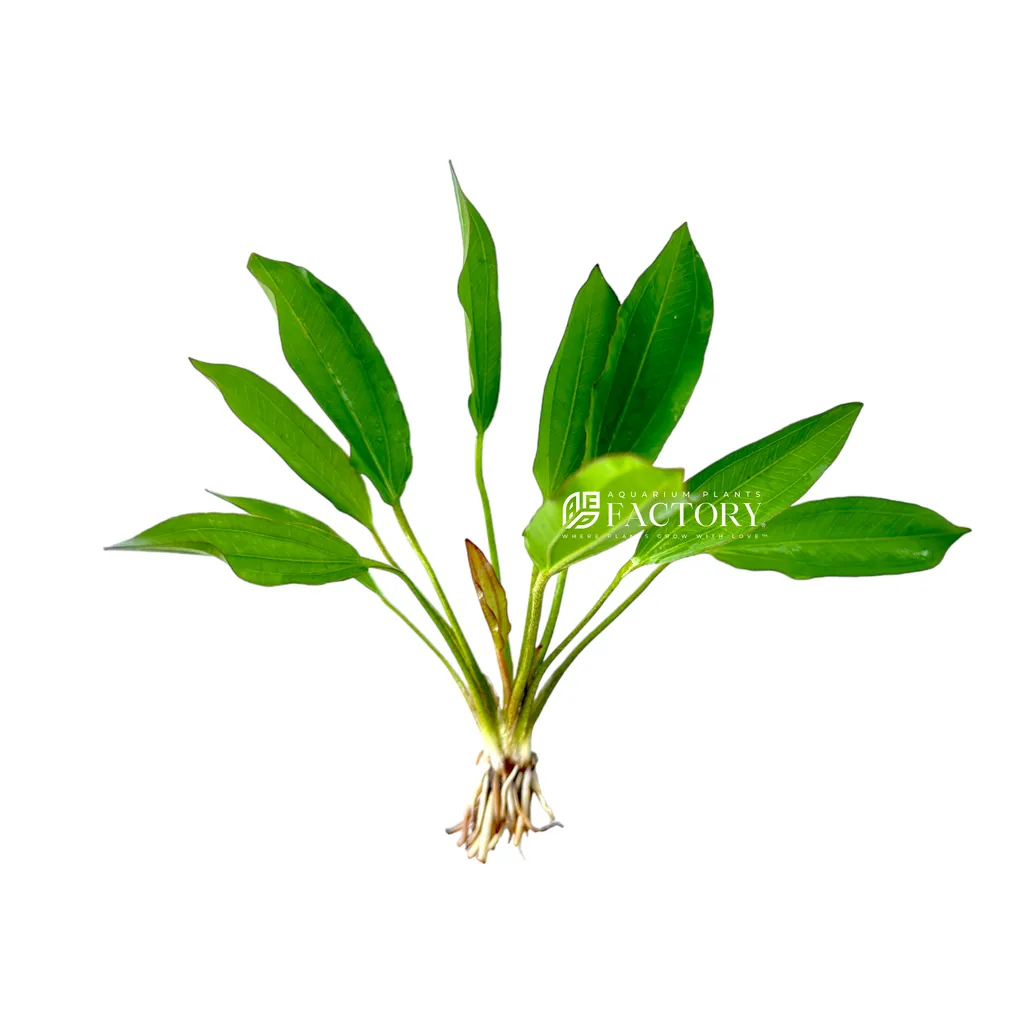
Jaguar is a sword cultivar in the family Alismataceae, with no species name attached. Its emersed leaves are broad, lance-shaped to oval and light green, with a heart-shaped or squared-off base. Its underwater leaves are long and oval, with a rounded tip and clear veins. Young leaves carry faint, blurry red-brown spots, clearest on underwater growth, and older leaves usually look plain green. Ozelot Green is the nearest look-alike, but its dark spots are bold and easy to see.
Did you know
Jaguar is one of several sword cultivars named after spotted cats, alongside Leopard and Ozelot. Its spots are the faintest of the three, so check a young leaf before you decide a plant was mislabeled.
Related plants
- Medium lightMidground11.8 in (30 cm)
Echinodorus gabrielii
Echinodorus x gabrielii
Medium light · Midground
- Medium lightMidground13.8 in (35 cm)
Echinodorus horizontalis
Medium light · Midground
 Low lightMidground7.9 in (20 cm)
Echinodorus horizontalis Mini
Echinodorus horizontalis 'Mini'
Low light · Midground
 Medium lightBackground19.7 in (50 cm)
Amazon sword
Echinodorus grisebachii
Medium light · Background
 High lightBackground19.7 in (50 cm)
Horemanii sword
Echinodorus horemanii
High light · Background
 Medium lightBackground19.7 in (50 cm)
Marble queen sword
Echinodorus cordifolius
Medium light · Background