Cultivated hybrid from the German Echinodorus breeding programs of the 1990s, sold in English as the translation of 'Großer Bär'; parentage undocumented
Overview
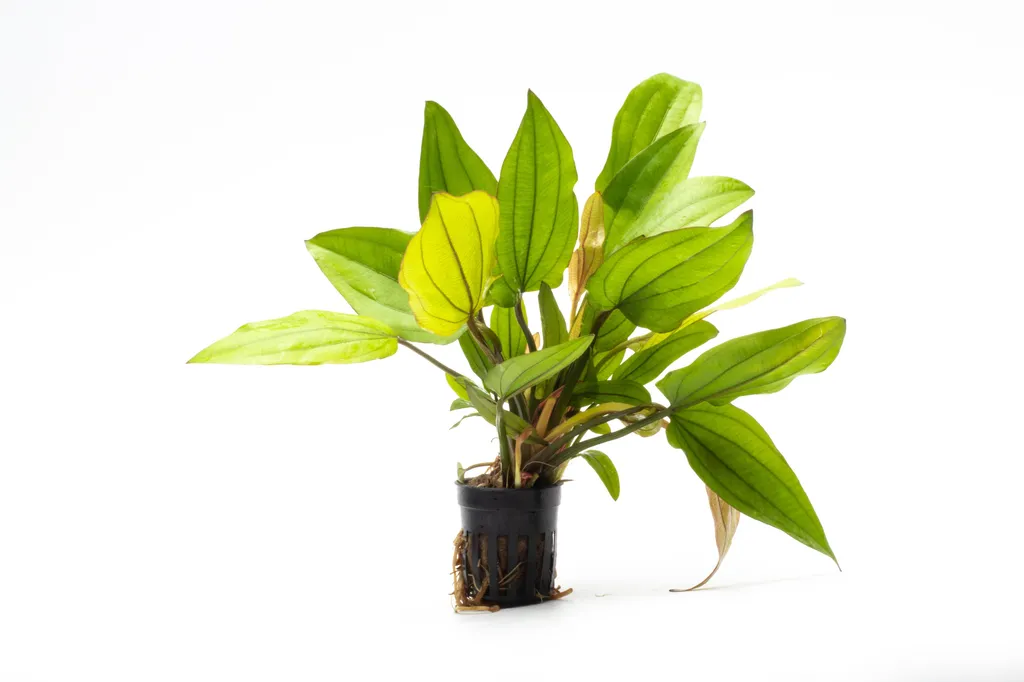
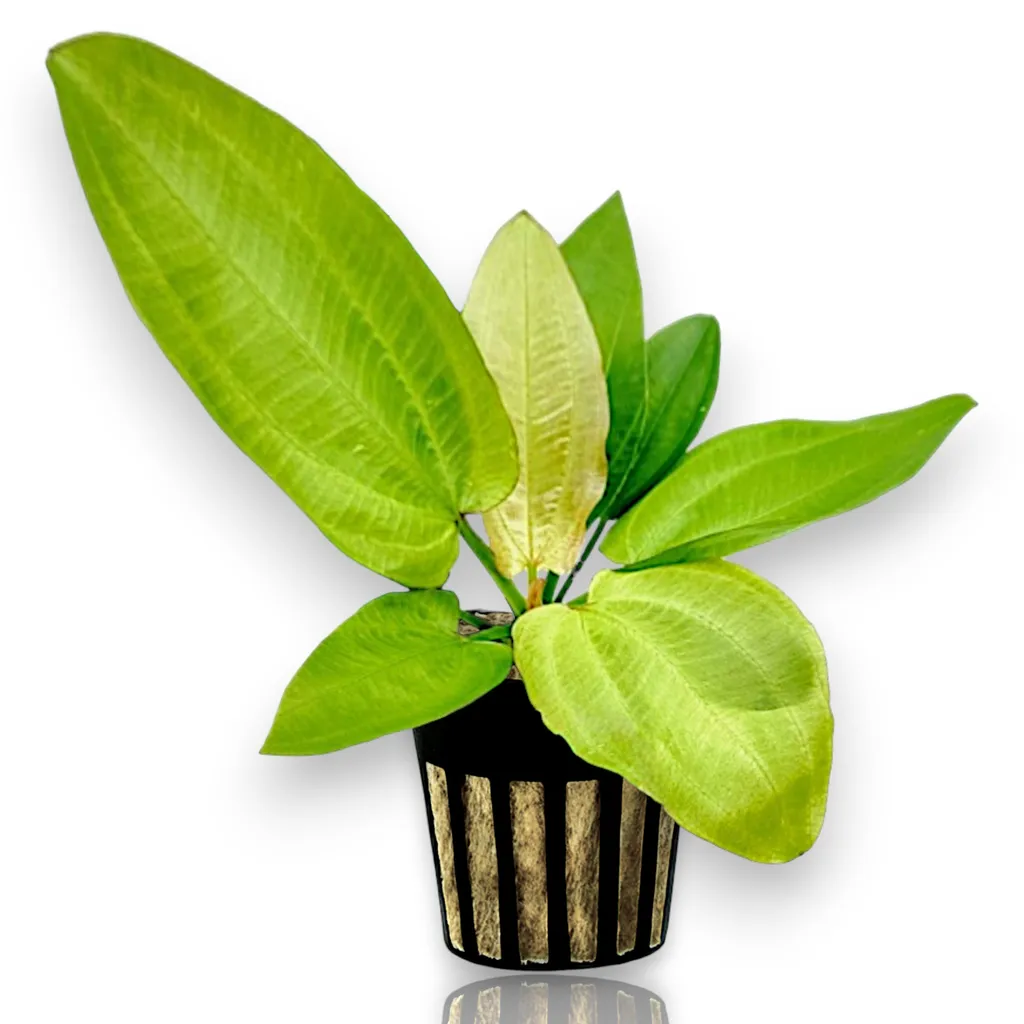
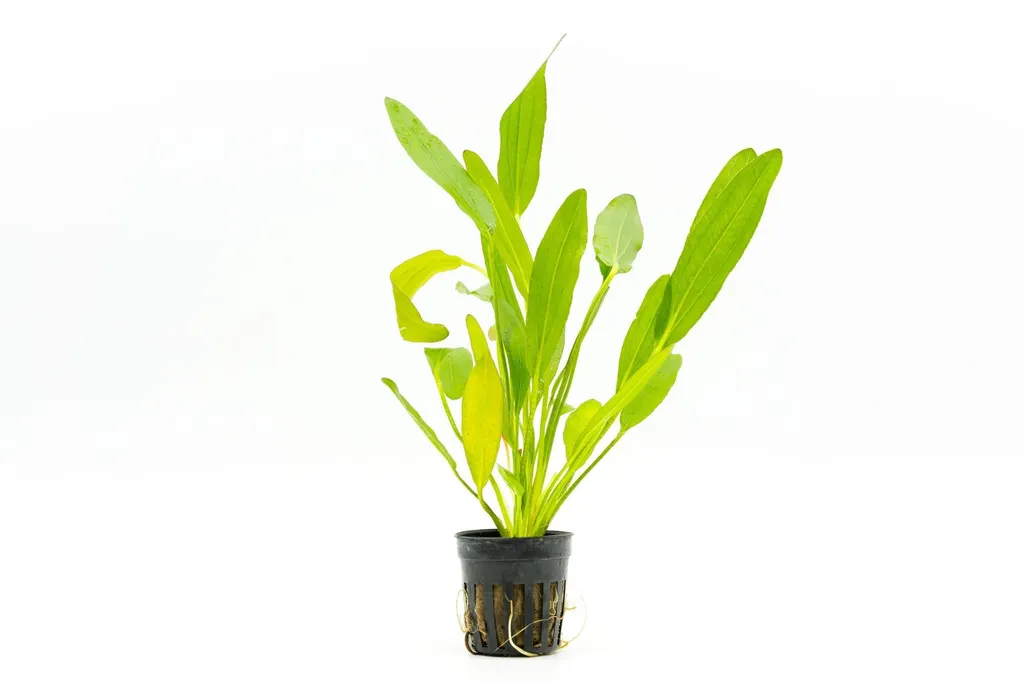
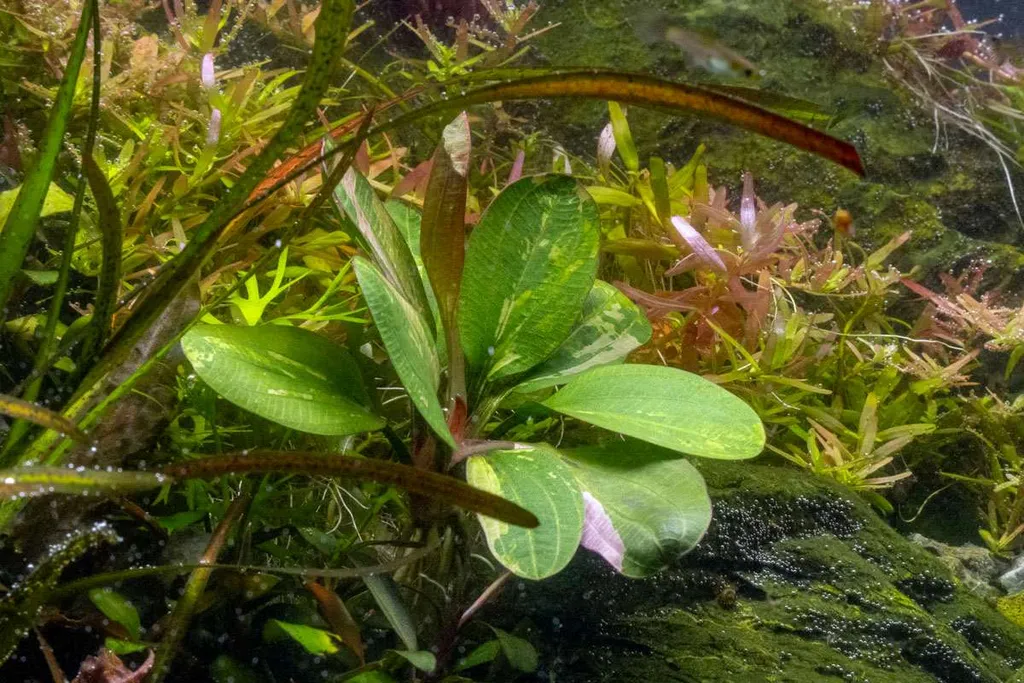
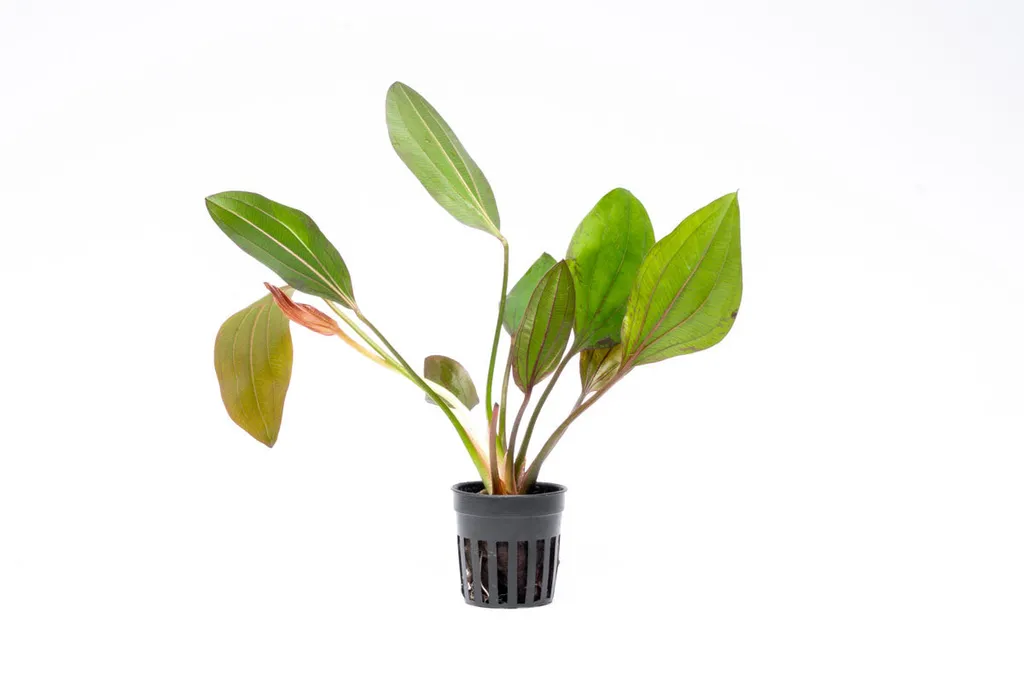
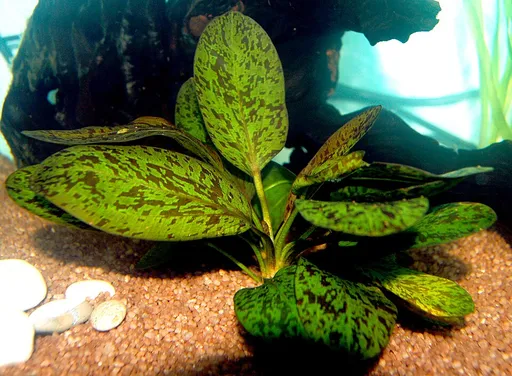
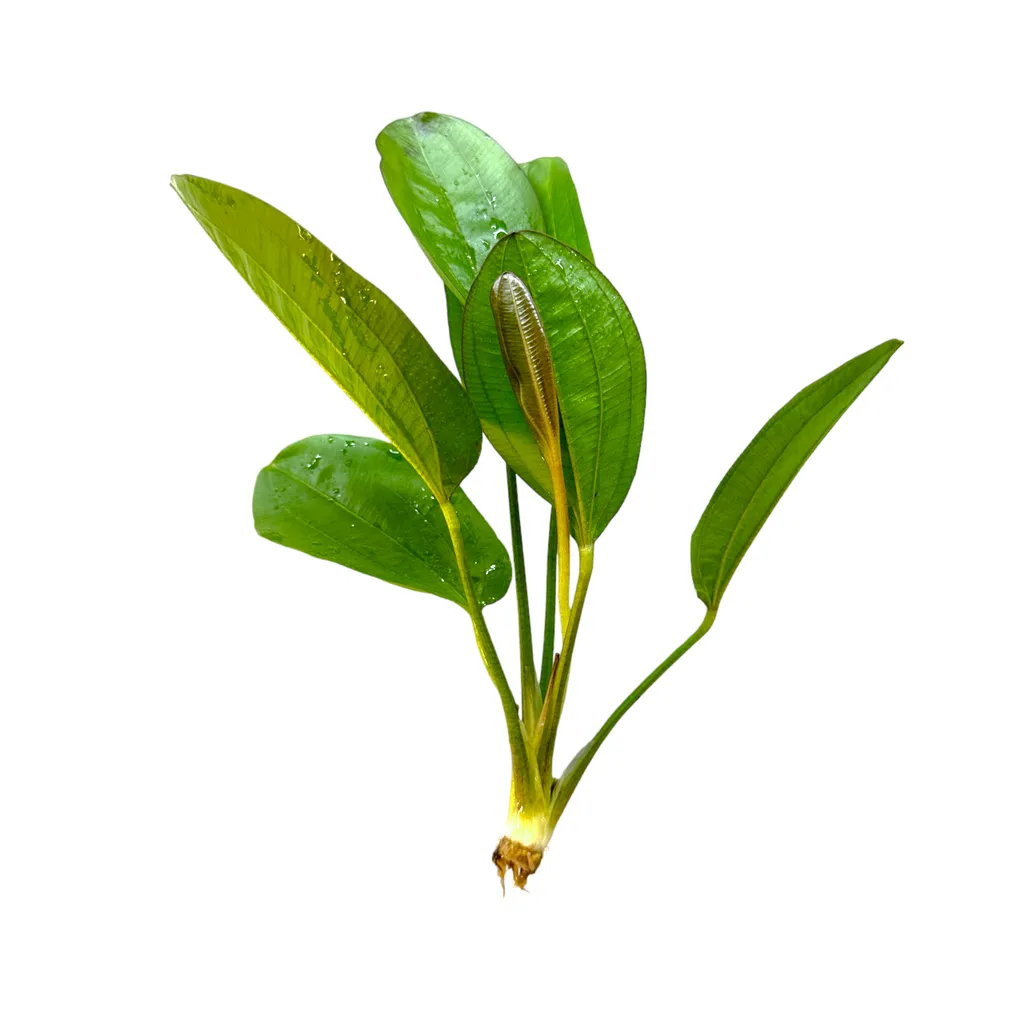
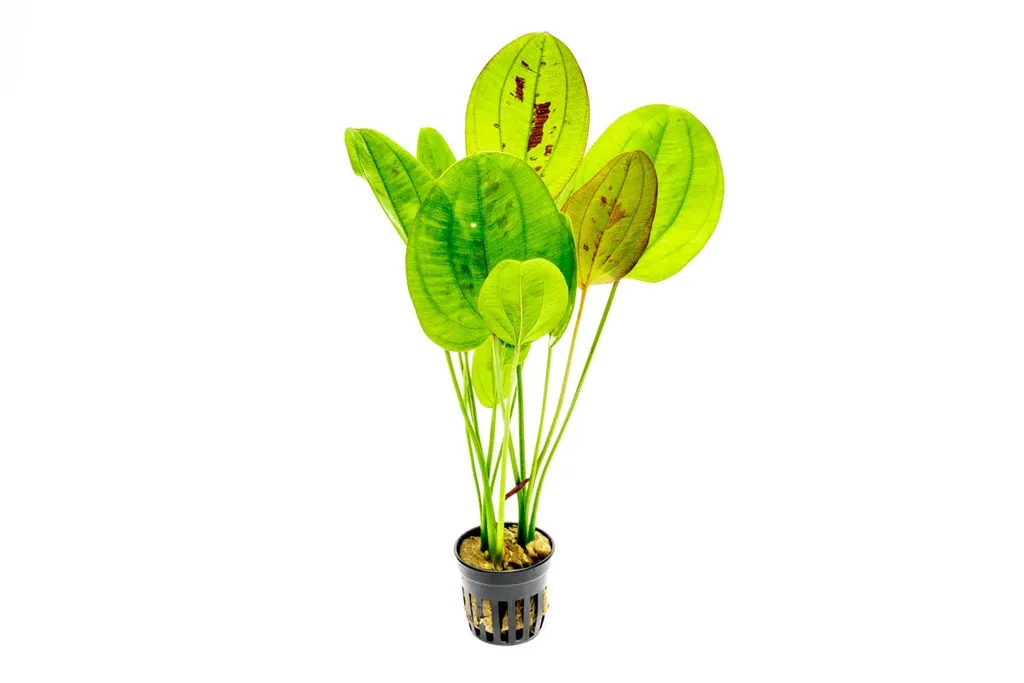
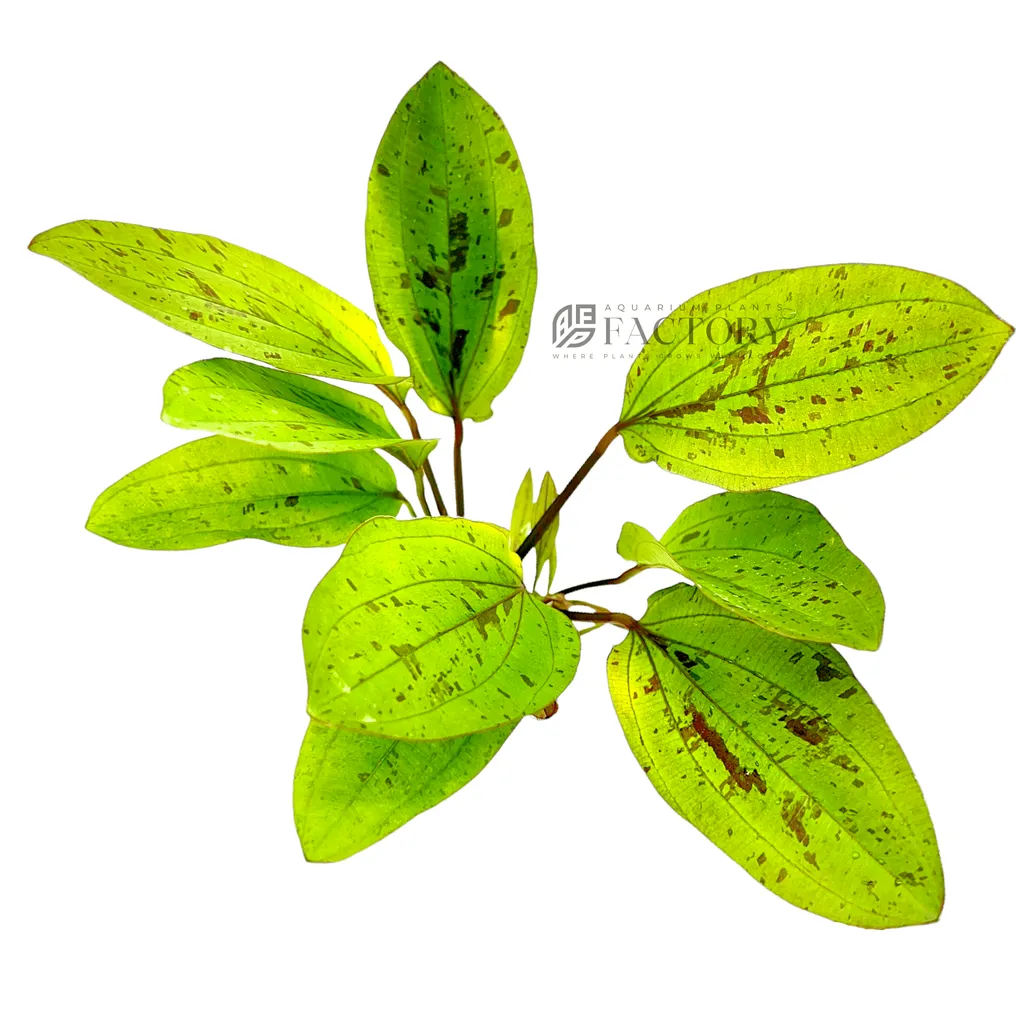
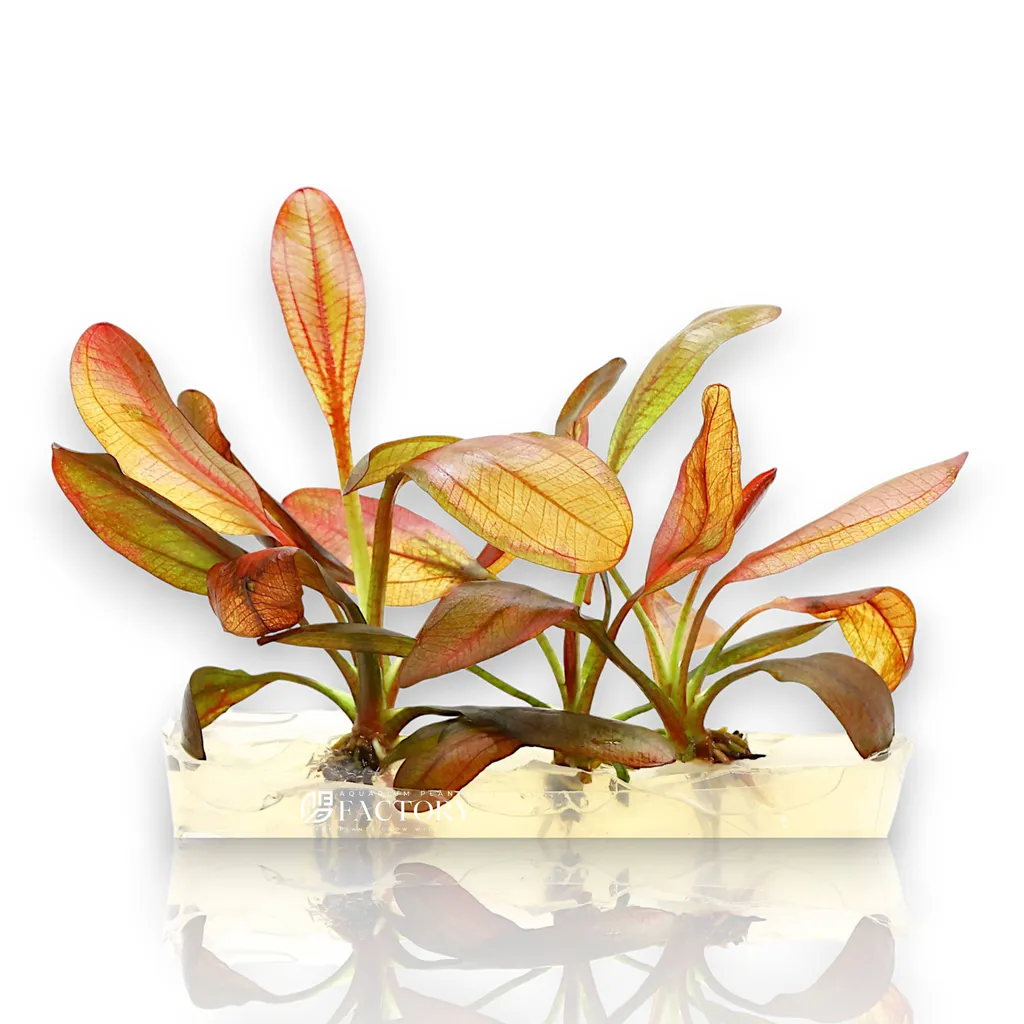
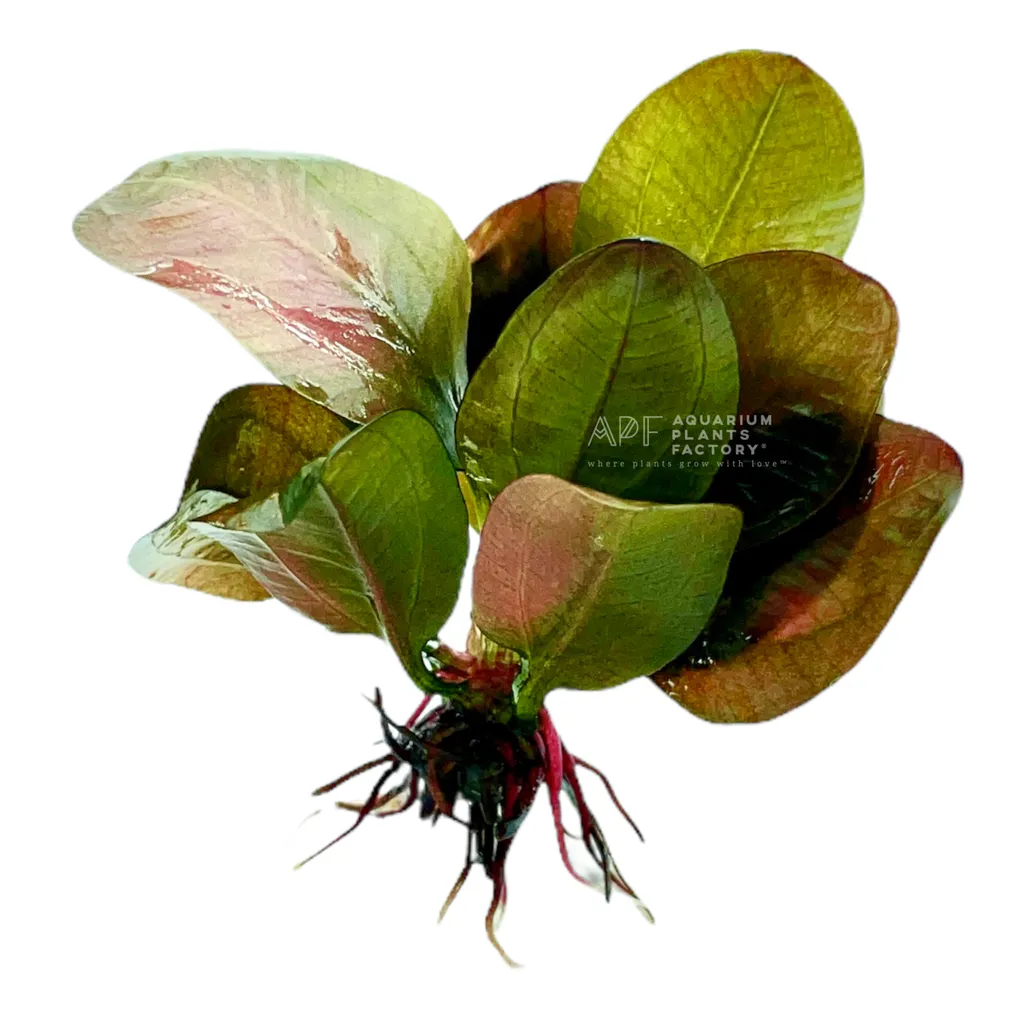
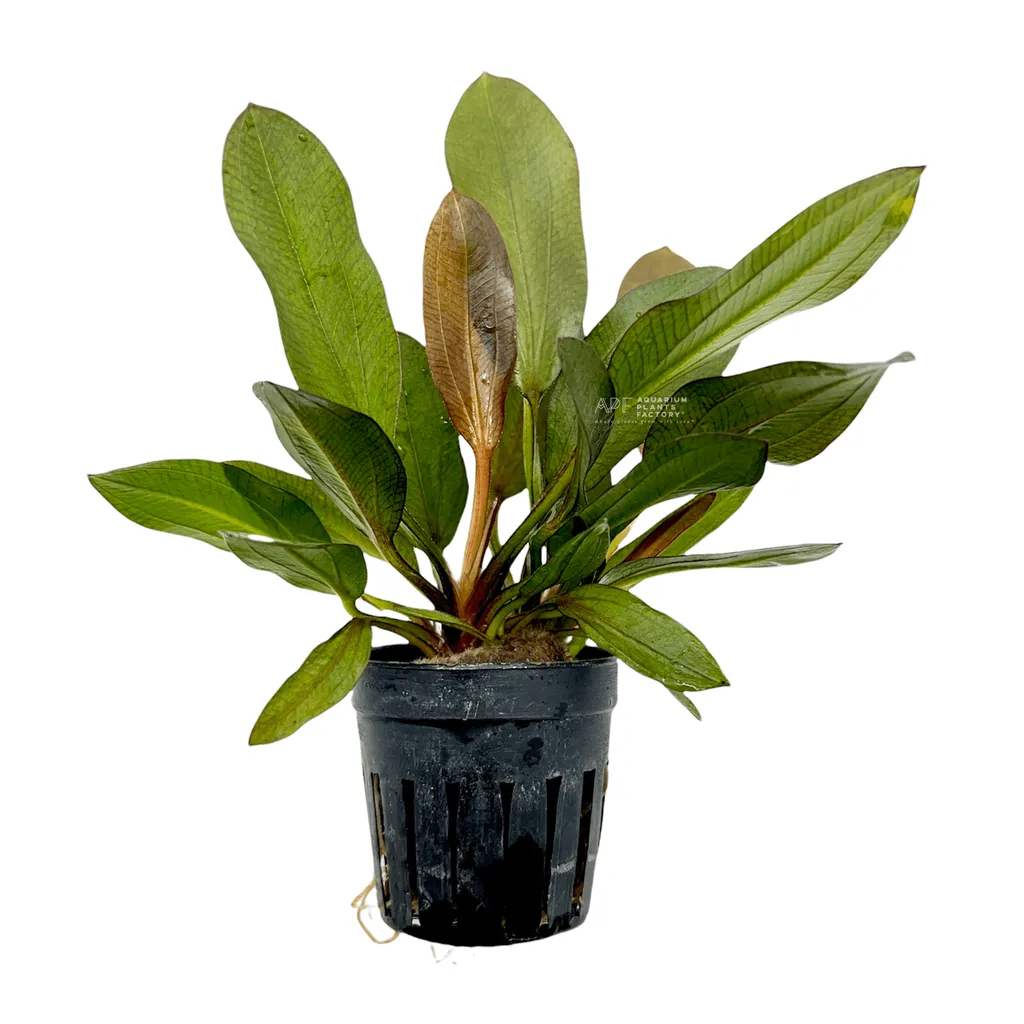
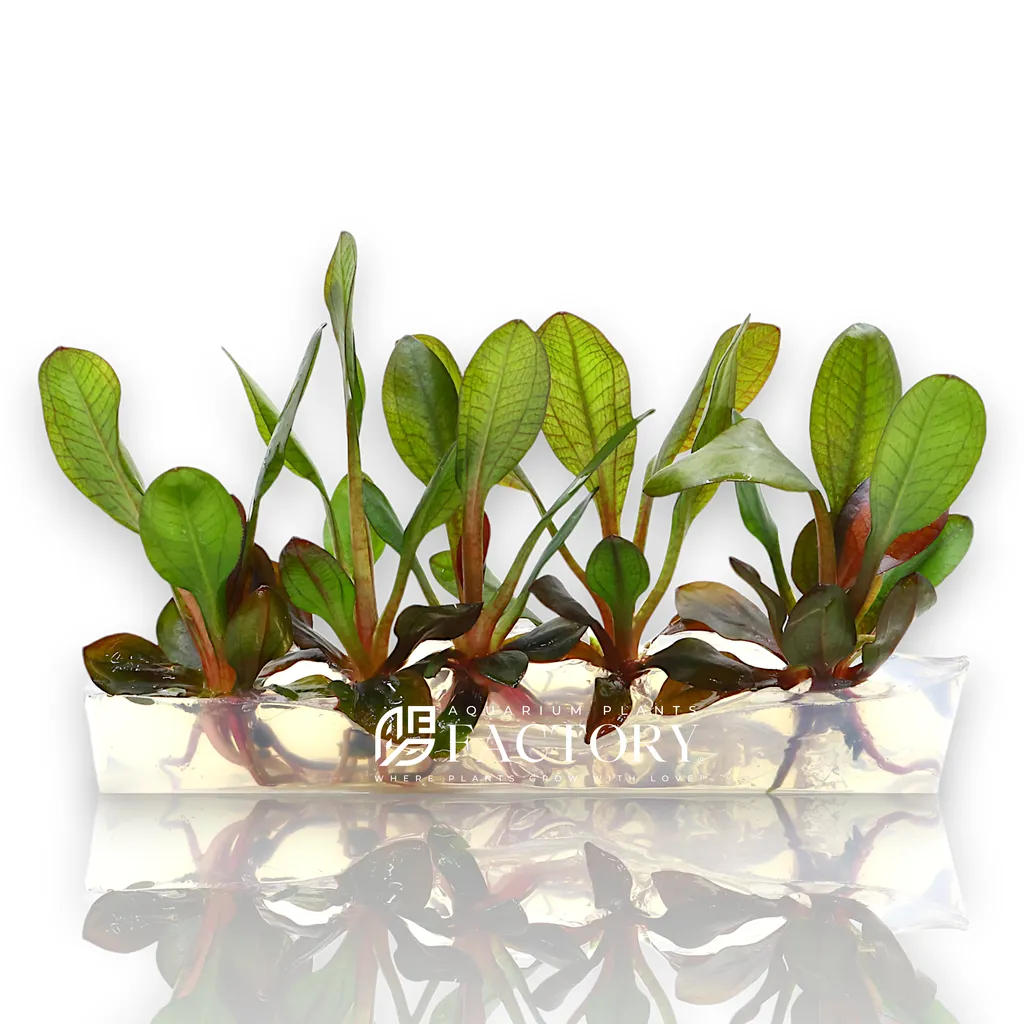
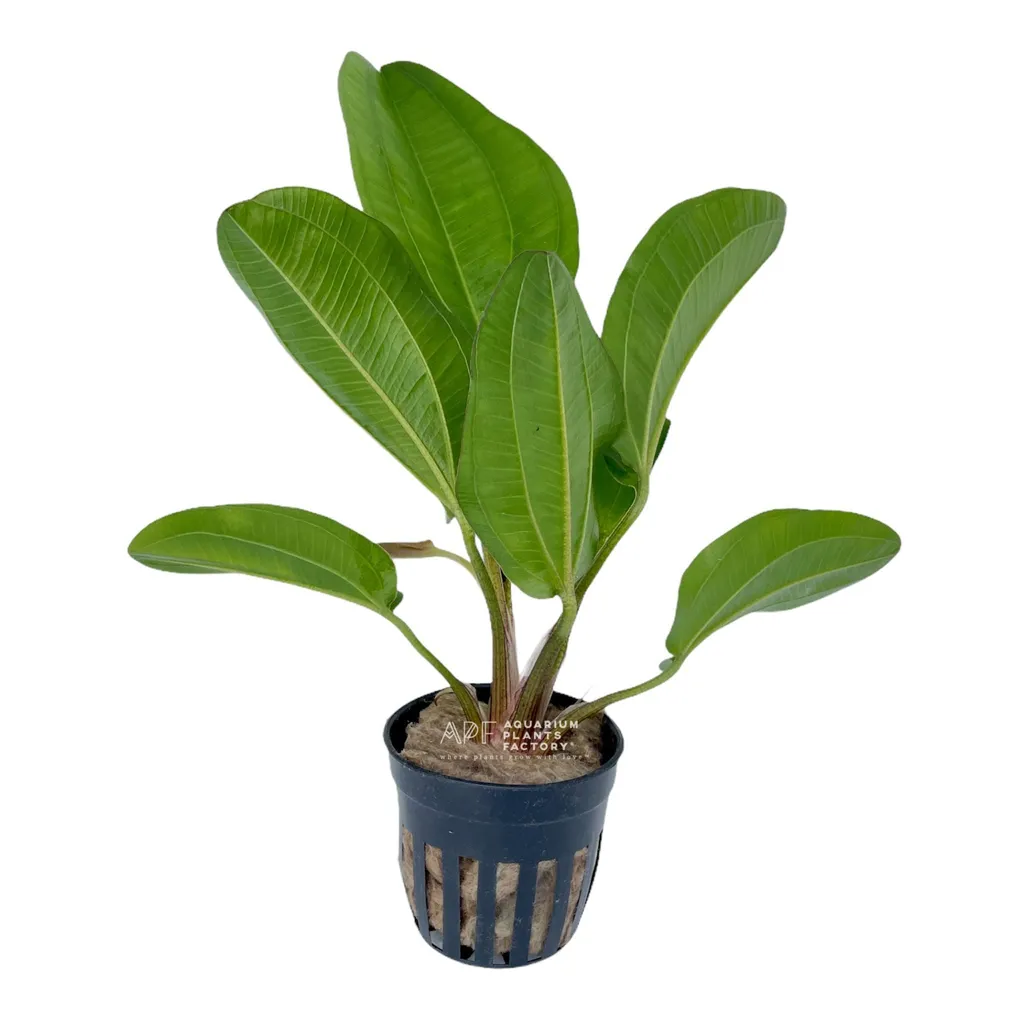
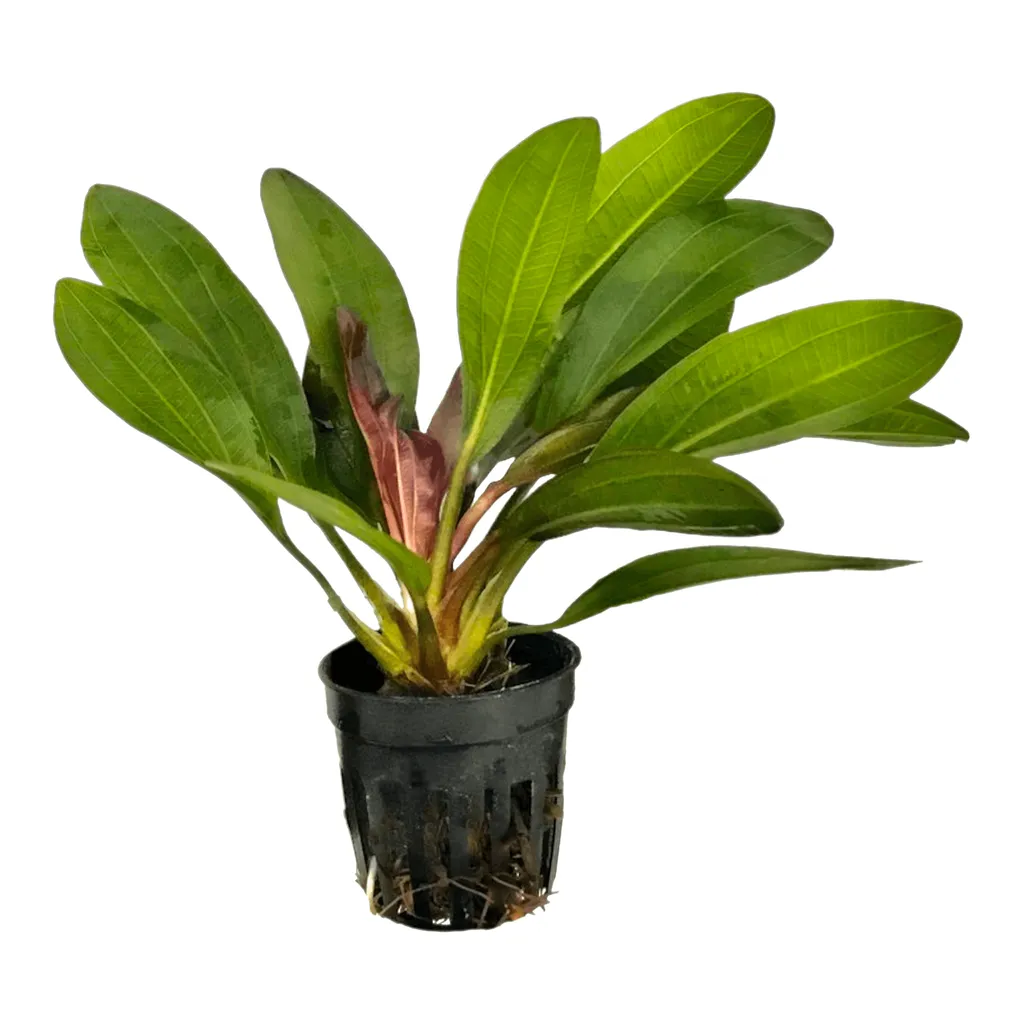
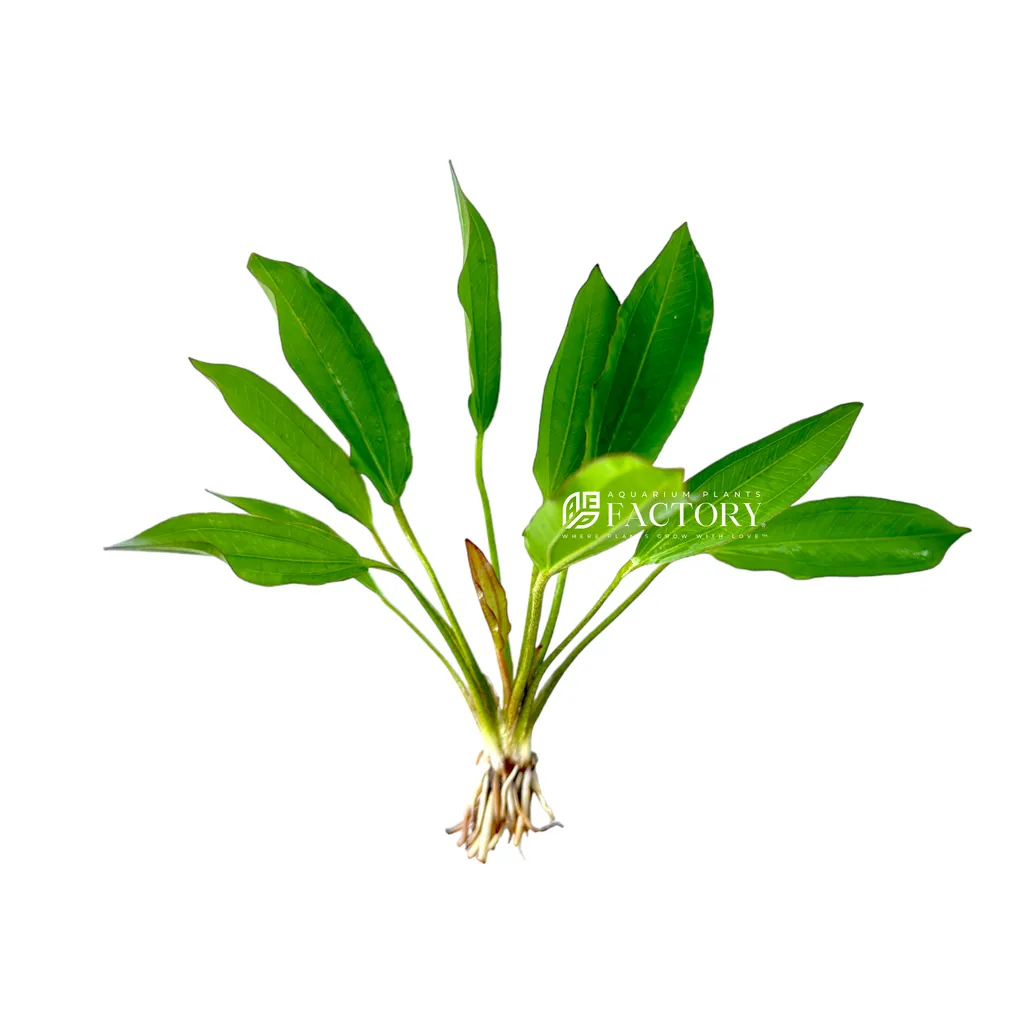
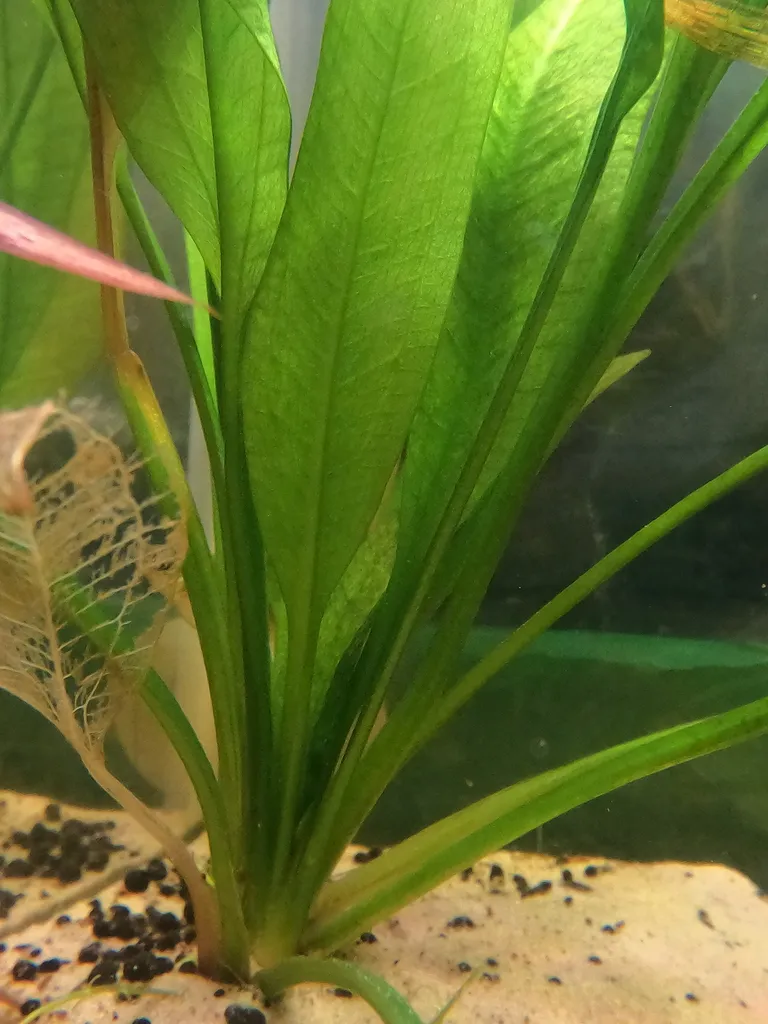
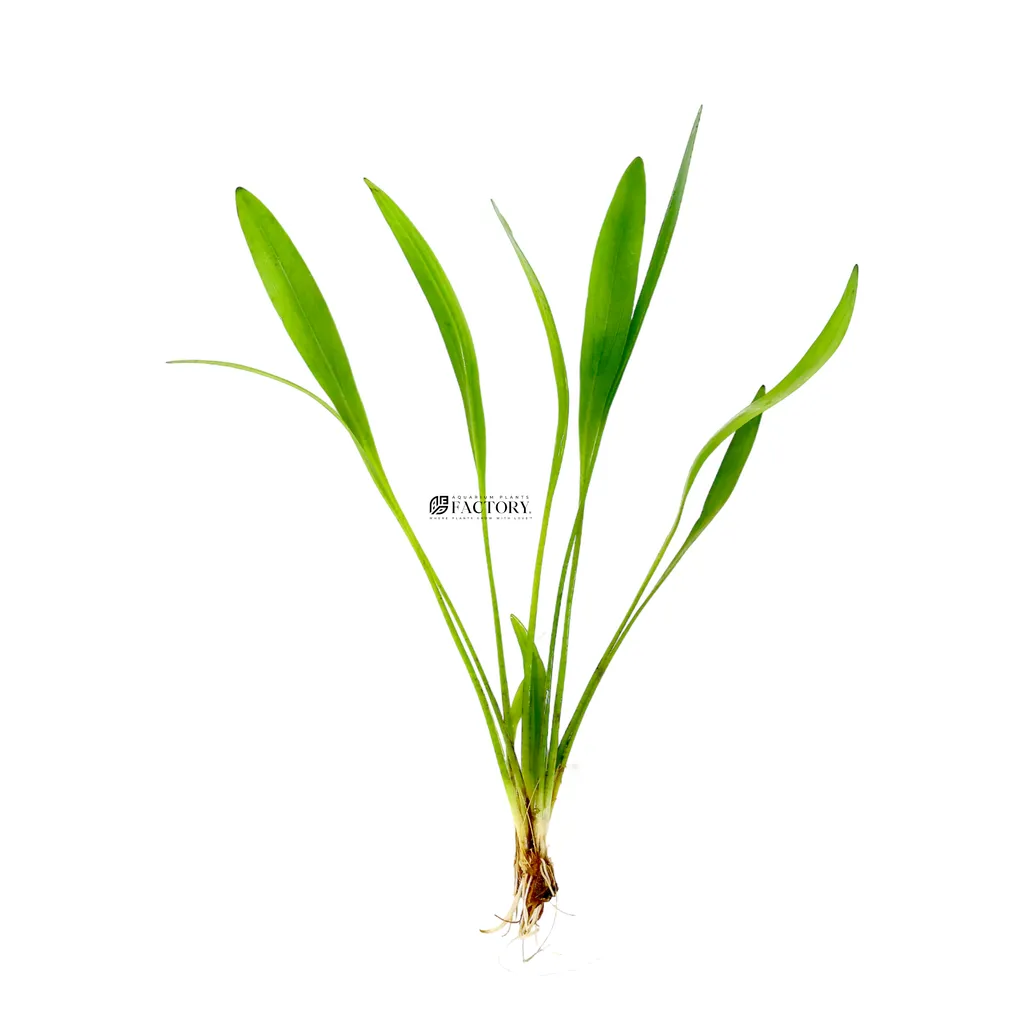
Big Bear sword is a big, forgiving sword for the background of tanks of about 75 liters and up. It grows broad, slightly rippled, deep green leaves into one of the larger sword rosettes in the trade.
Did you know
Big Bear sword's name comes as a pair. German breeders named the compact cultivar Kleiner Bär, the little bear, and this larger one Großer Bär. English-speaking shops simply translated the big one into Big Bear.
Caring for Big Bear sword
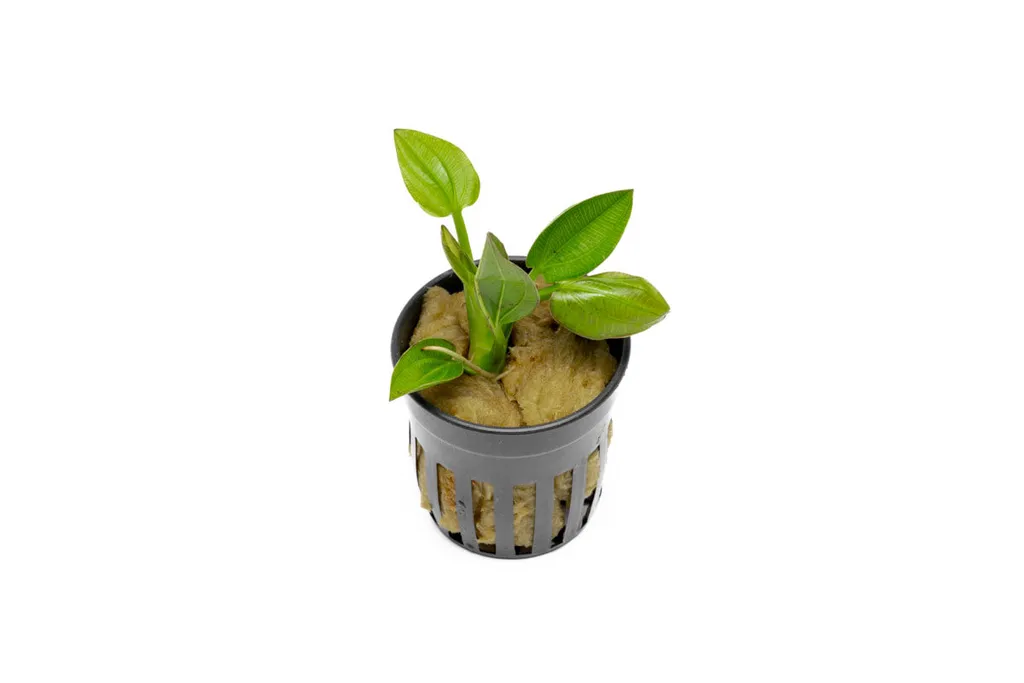
Plant Big Bear sword in a rich substrate, or keep root tabs under it, and set the crown just proud of the surface. It is farmed emersed and converts to underwater growth after planting. It is a heavy root feeder, and its failure mode is quiet starvation on clean gravel. The plant thins leaf by leaf until someone feeds the roots.
Moderate light is enough. CO2 is optional, adding size and pace rather than being a requirement. Keep the water at 72 to 82°F (22 to 28°C) and a pH of 6.5 to 7.5.
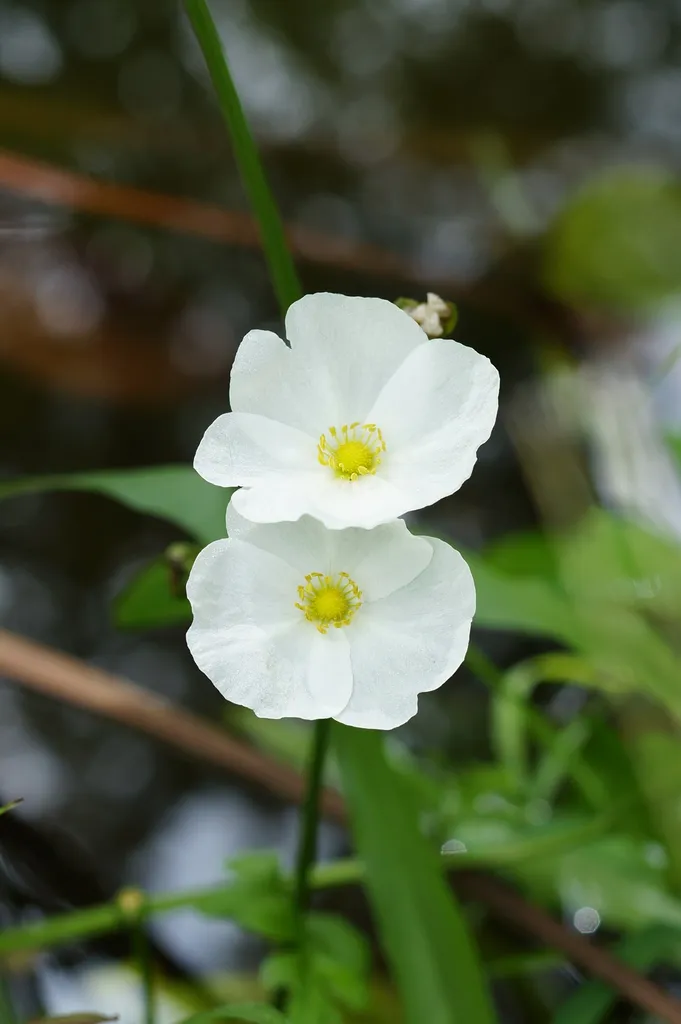
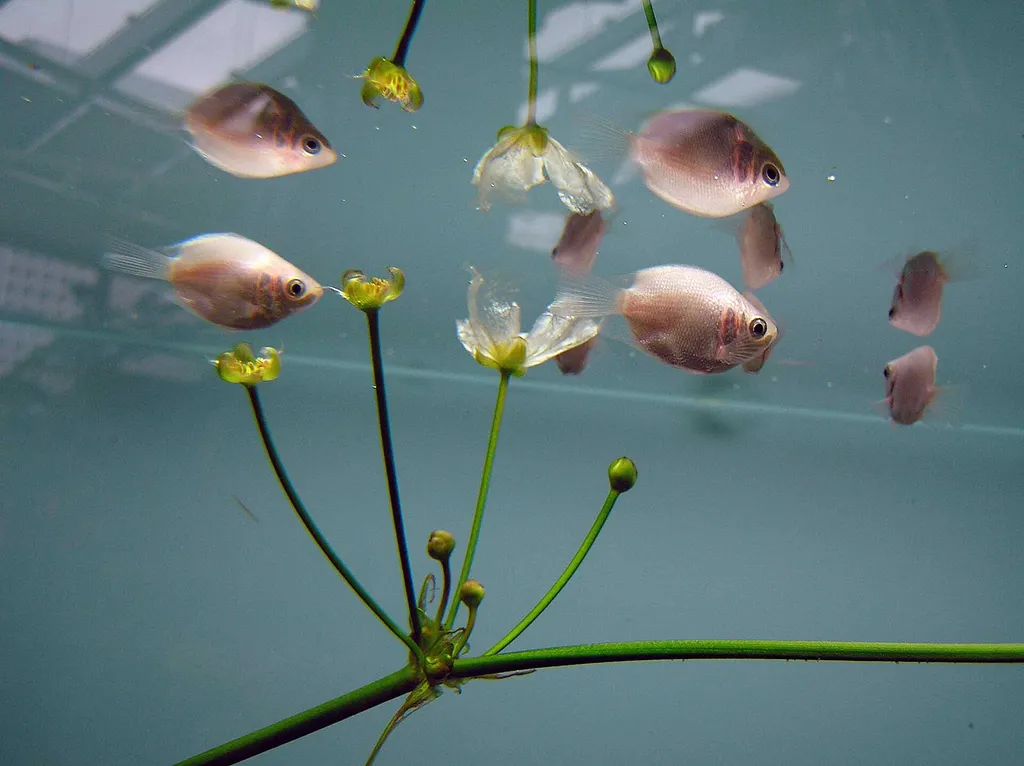
It reaches around 45 cm with a broad spread, so give it room, because a happy specimen shades everything behind it. Prune the outer leaves at the base as they age. When well fed it sends out flower stalks, and you can take plantlets from them or divide the rhizome of an old plant.
Good to know
Big Bear sword is a cultivar in the family Alismataceae. It and its compact sibling both trace to the German Echinodorus hybridization work of the 1990s. Kasselmann records the parentage of Kleiner Bär, but none was ever published for Big Bear, so it stands as a cultivar of unrecorded cross.
In the wild
Big Bear sword is a nursery cultivar with no wild range. Its Echinodorus ancestors come from the swamps and riverbanks of South America. They are amphibious plants that stand emersed most of the year and grow submersed when flooded.
Common questions
Does Big Bear sword need to be planted in the substrate?
Yes. Bury the roots and leave the crown, where the leaves join, just above the substrate.
Does Big Bear sword need CO2?
No, but it helps. Big Bear sword can grow without injected CO2, and added CO2 makes it grow faster.
How much light does Big Bear sword need?
Big Bear sword wants medium light. A light sold for planted tanks covers it.
Does Big Bear sword need root tabs?
Yes. Big Bear sword draws much of its food through its roots. Push root tabs in near it, or grow it in a nutrient-rich soil.
How do you propagate Big Bear sword?
Big Bear sword propagates by plantlets and rhizome division. Small plantlets form on the plant and can be detached once they have a few roots. Cut the rhizome into pieces with several leaves each, then tie or plant each piece.
How tall does Big Bear sword grow?
Big Bear sword grows to about 17.7 in (45 cm) tall. It grows at a moderate pace.
 Medium lightBackground19.7 in (50 cm)
 High lightBackground19.7 in (50 cm)
 Medium lightBackground19.7 in (50 cm)
 Medium lightBackground19.7 in (50 cm)
 Medium lightBackground21.7 in (55 cm)