Melon sword
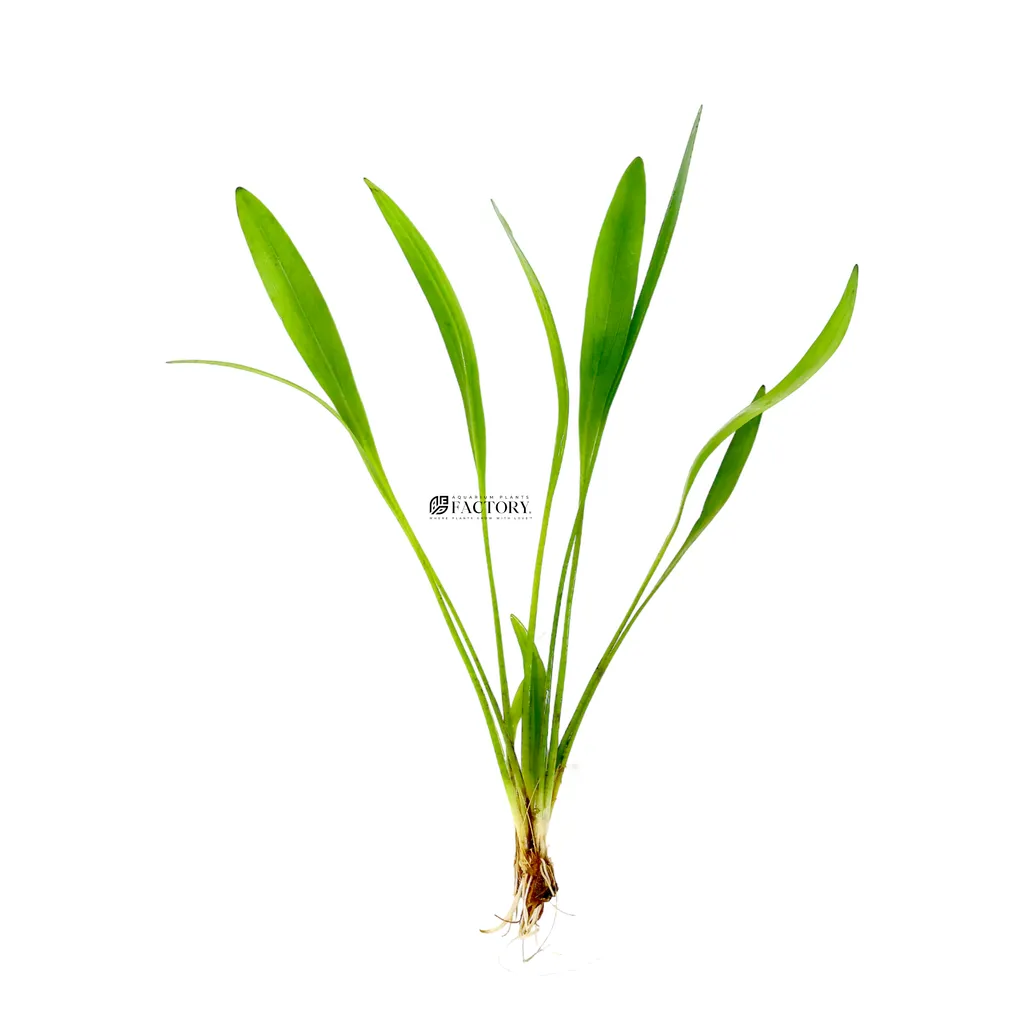
Echinodorus osiris
Also known as Echinodorus osiris 'Rubra', Red melon sword, Echinodorus peruensis
FreshwaterRosettePlantletsRunners
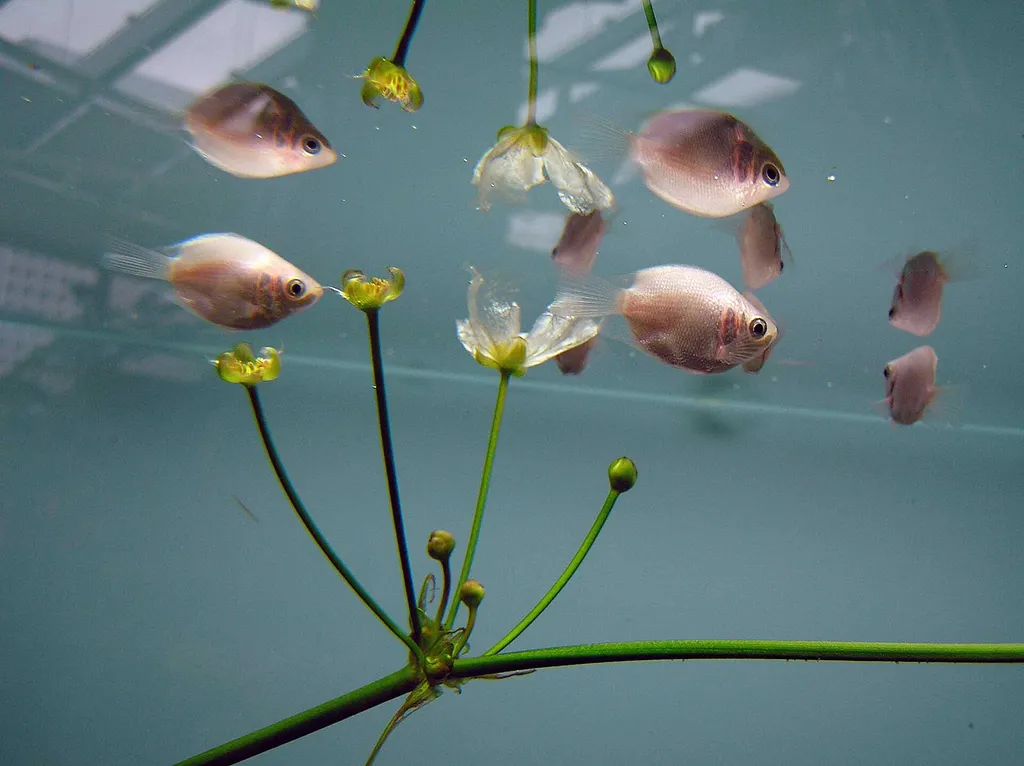
Care at a glance
- Light
- Medium light
- CO2
- CO₂ beneficial
- Temperature
- 70–82°F
- 21–28°C
- Max height
- 19.7 in
- 50 cm
- Growth rate
- Medium
- Placement
- Background
- Type
- Rosette
- pH
- 6.5–7.5
- Hardness
- 4–18 dGH
- Spread
- 15.7 in (40 cm)
- Nutrient uptake
- Root feeder
- Growth region
- Submersed or emersed
- Difficulty
- Easy
- Family
- Alismataceae
- Origin
- Southern Brazil (Rio Grande do Sul)
Overview
A large background rosette grown for the pink to bronze color on its emerging leaves. Set it in rich substrate with the crown above the soil line and feed it with root tabs, since like all swords it eats mostly through its roots. It tolerates low to moderate light, but brighter light plus CO2 and iron bring out the melon coloring and keep growth compact. Pull off cracked or algae-covered old leaves at the base, and give it space because a settled plant gets tall and wide.
In the wild
Native to subtropical southern Brazil, in the Rio Grande do Sul region, where it grows along rivers and streams. Like other swords it is an amphibious marsh plant that spends much of the year submersed and grows emersed leaves when water levels fall.
Good to know
Another Alismataceae sword that grows as a rosette from a short, stout rootstock rather than a creeping rhizome. It is named for the melon-pink to reddish flush on its new leaves, which deepens under stronger light. It propagates by throwing adventitious daughter plants along its flower stalks (inflorescence), which can be pegged down once they root.
Did you know
The 'melon' name comes from the color of its young leaves, which emerge a soft pink-orange like cantaloupe flesh before hardening off to green or bronze. Higher light and good iron levels make that coloring more pronounced.
Related plants
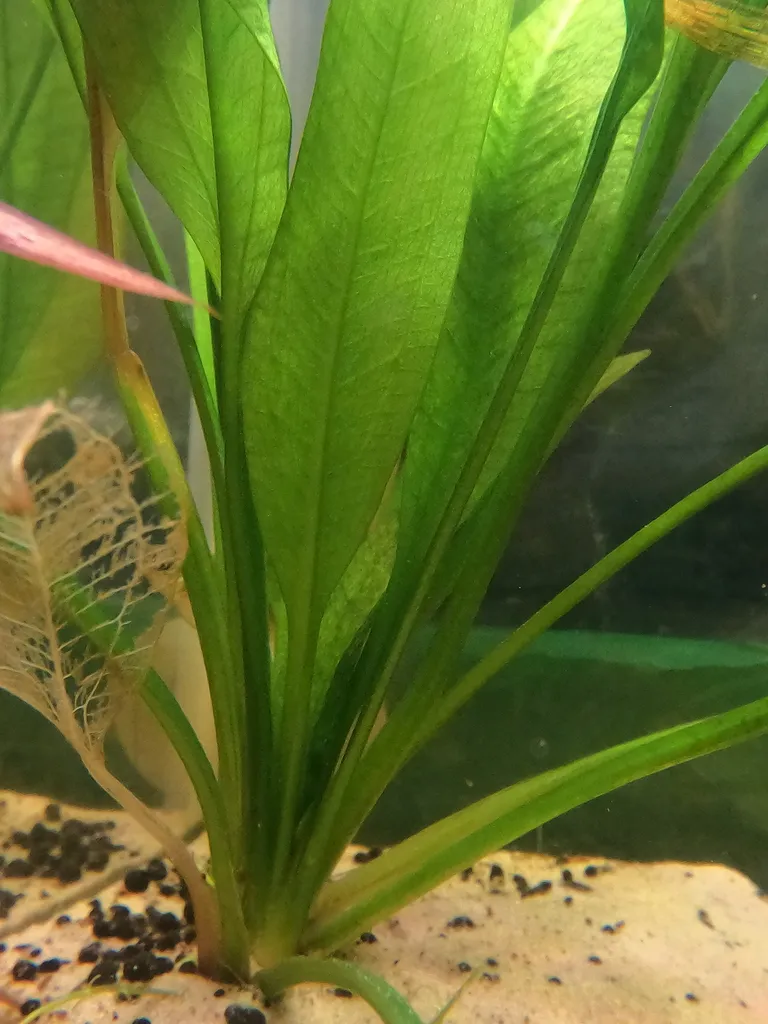 Medium lightBackground19.7 in (50 cm)
Amazon sword
Echinodorus grisebachii
Medium light · Background
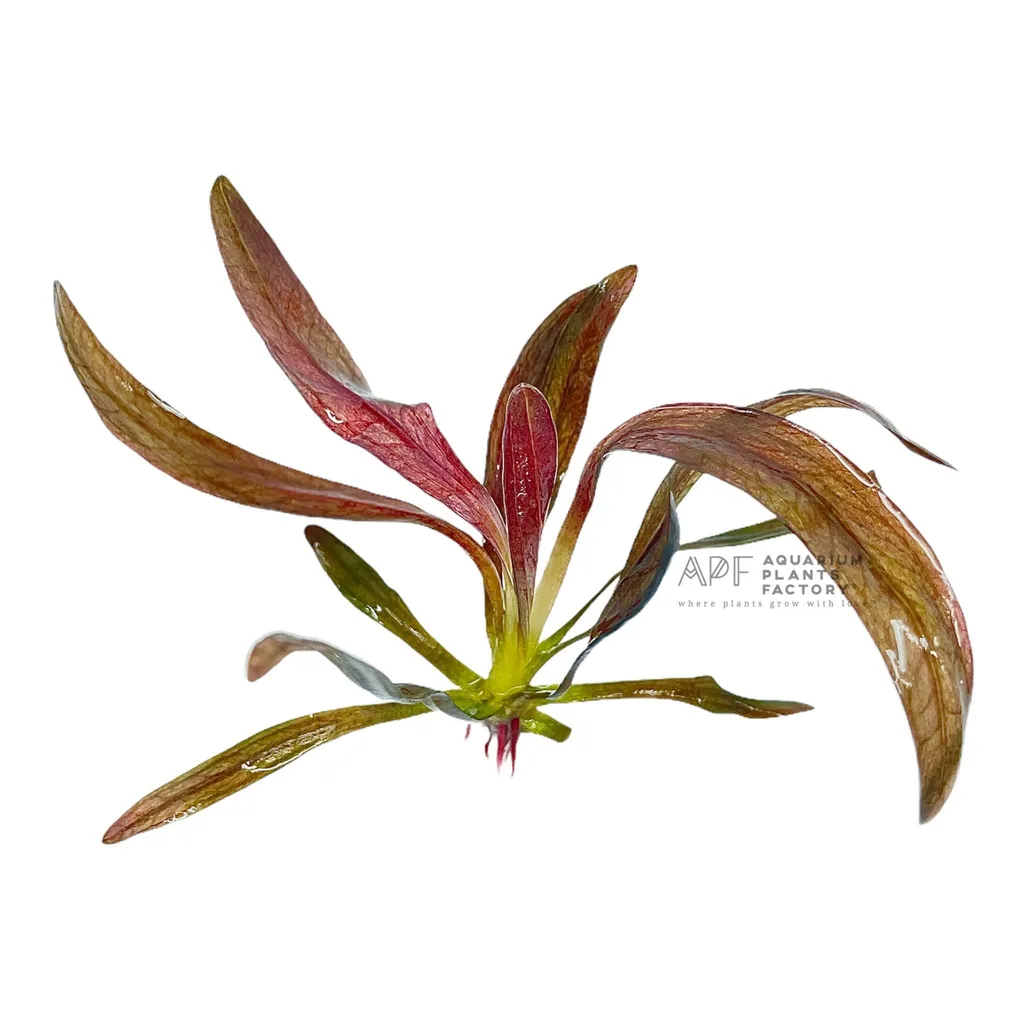 High lightBackground19.7 in (50 cm)
Horemanii sword
Echinodorus horemanii
High light · Background
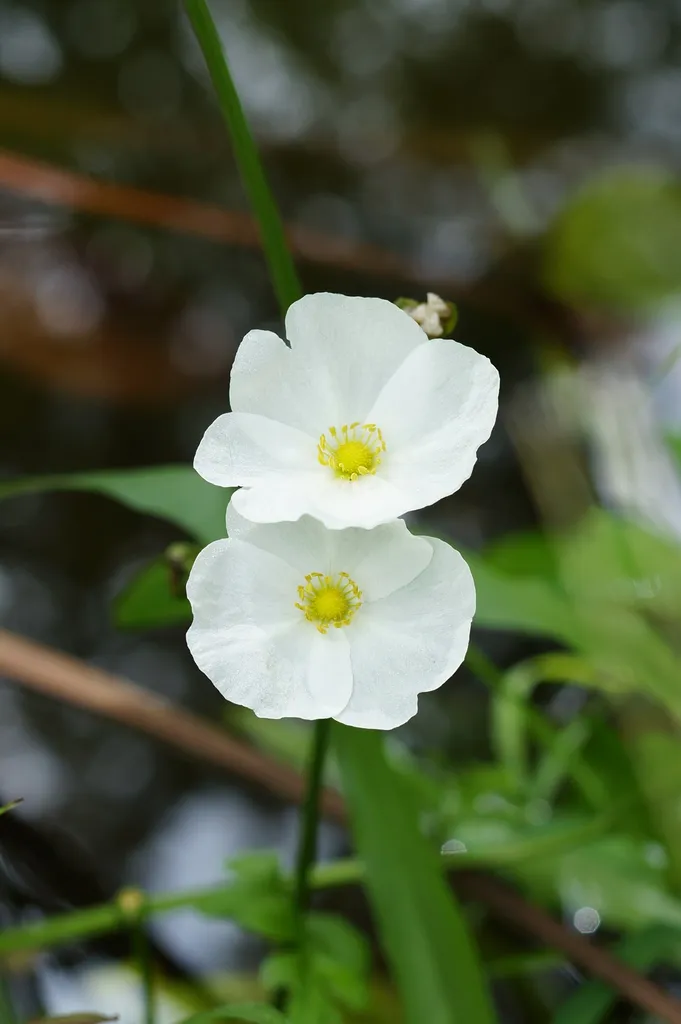 Medium lightBackground19.7 in (50 cm)
Marble queen sword
Echinodorus cordifolius
Medium light · Background
- Medium lightBackground19.7 in (50 cm)
Echinodorus decumbens
Medium light · Background
 Medium lightBackground21.7 in (55 cm)
Uruguay sword
Echinodorus uruguayensis
Medium light · Background
- Medium lightBackground17.7 in (45 cm)
Kleiner Bar sword
Echinodorus 'Kleiner Bär'
Medium light · Background