Cultivar of Echinodorus
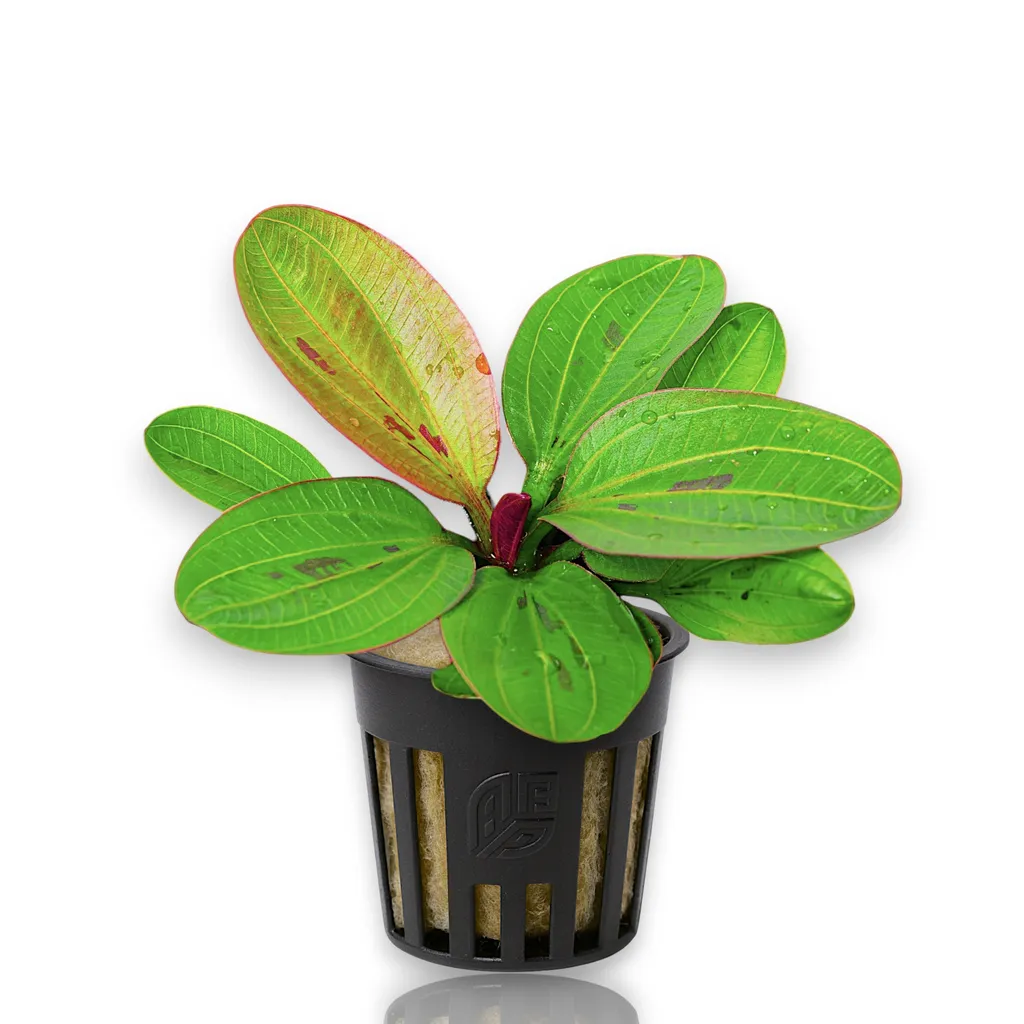
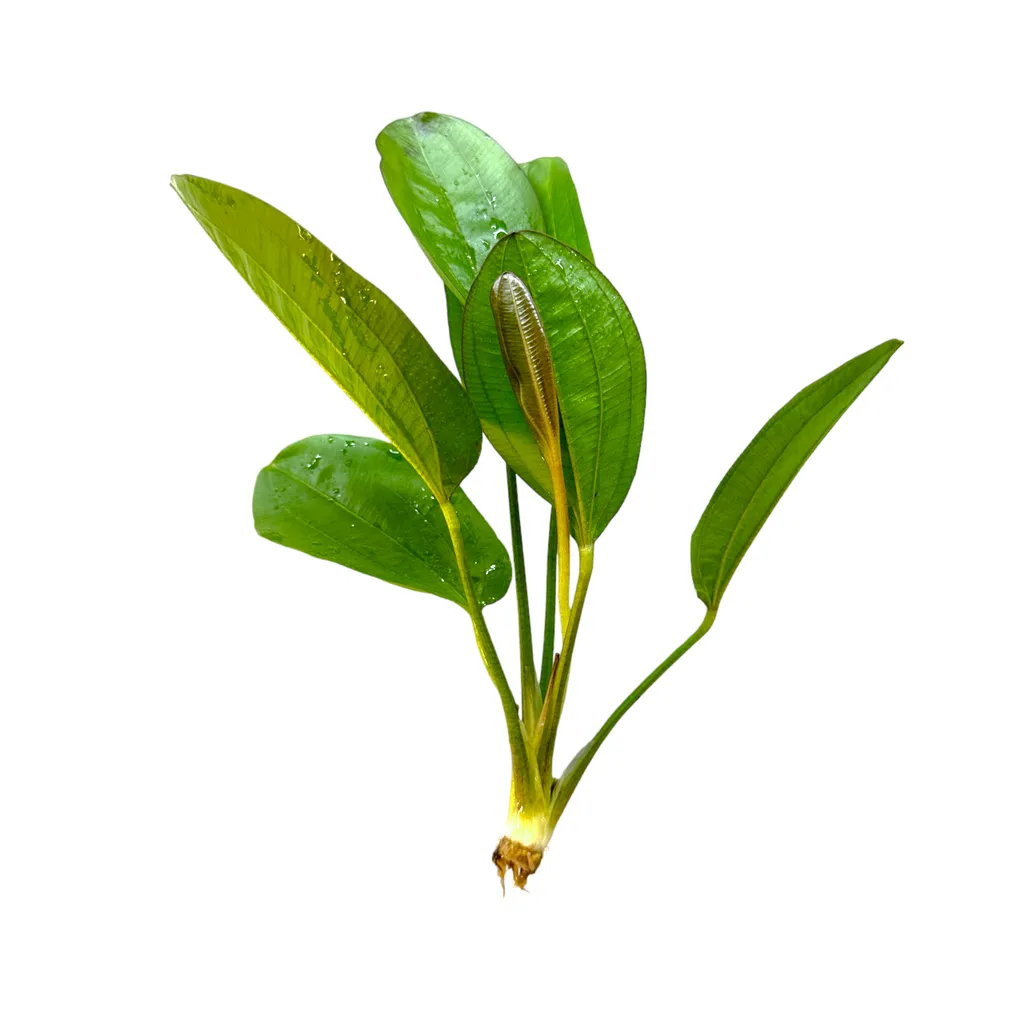
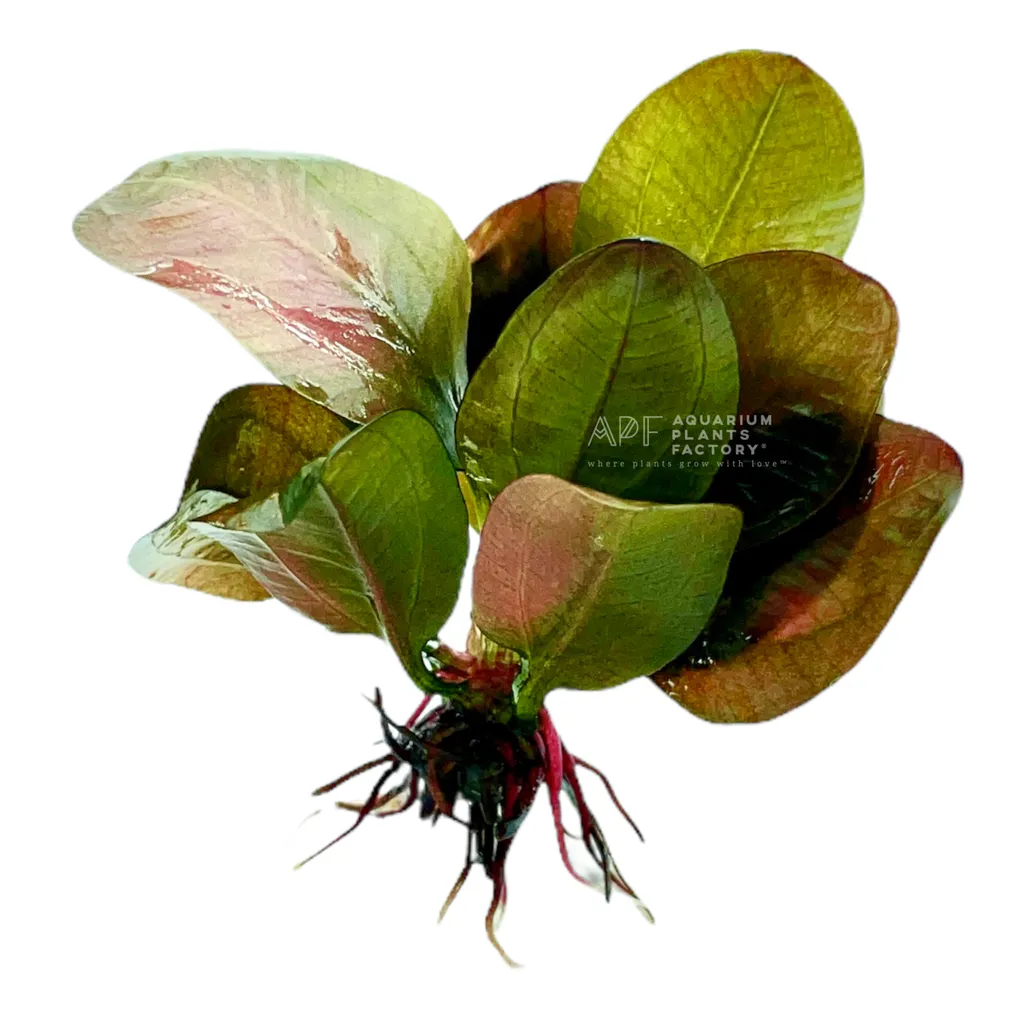
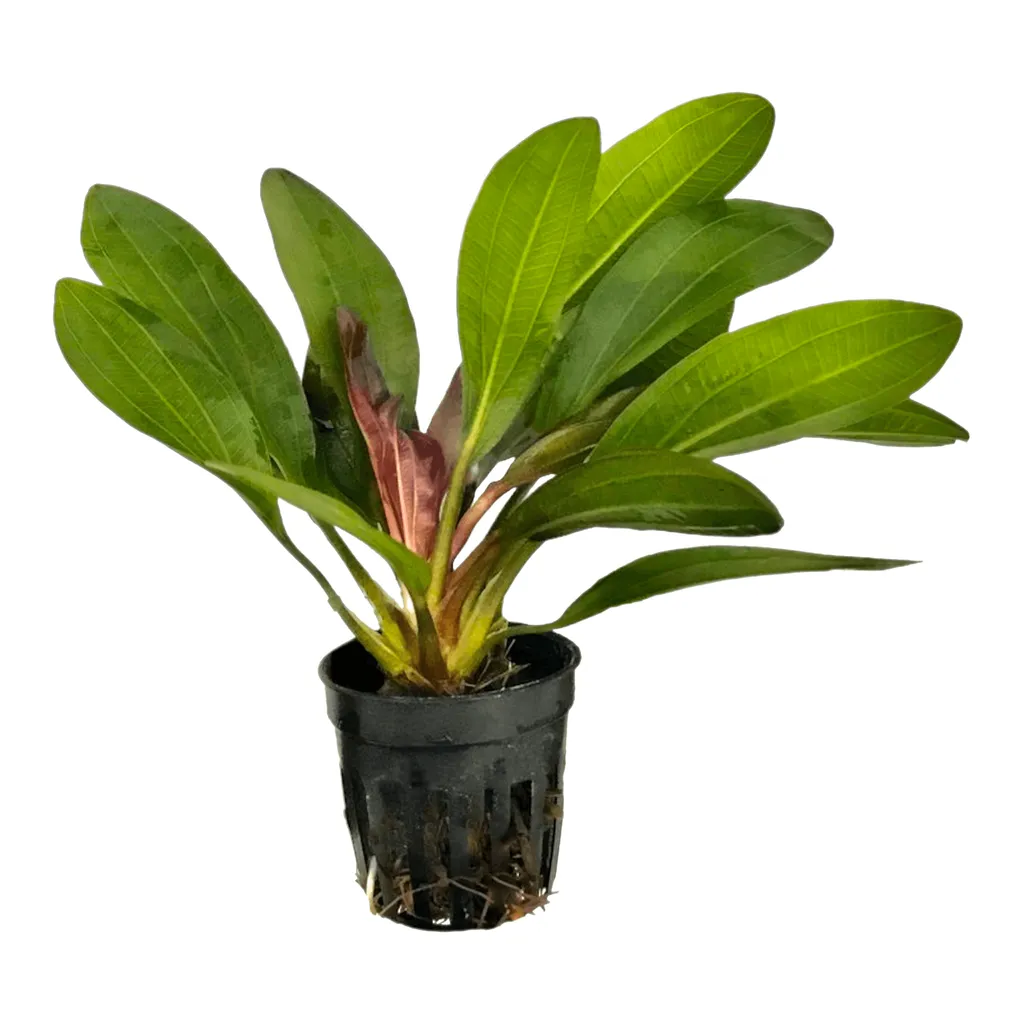
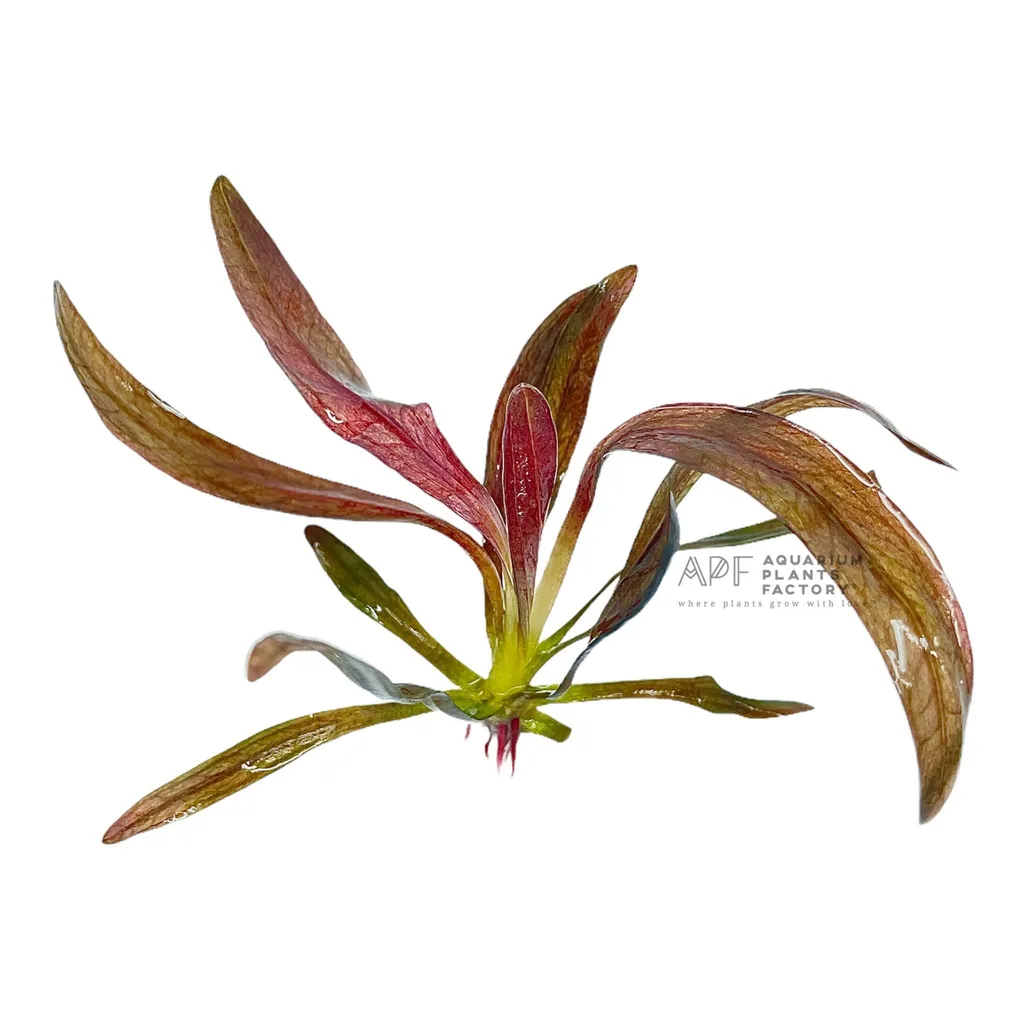
Hadi Red Pearl sword
Echinodorus 'Hadi Red Pearl'
One of 21 cultivars of Echinodorus · See all cultivars →
Also known as Echinodorus Hadi Red Pearl, Red Pearl sword, Echinodorus cordifolius 'Harbich Red'
FreshwaterRosetteSide shootsPlantletsRhizome division
Cultivars · Echinodorus
See all 21 →
Care at a glance
- Light
- Medium light
- CO2
- CO₂ beneficial
- Temperature
- 72–82°F
- 22–28°C
- Max height
- 9.8 in
- 25 cm
- Growth rate
- Medium
- Placement
- Midground
- Type
- Rosette
- pH
- 6.0–7.5
- Hardness
- 3–15 dGH
- Spread
- 7.9 in (20 cm)
- Nutrient uptake
- Root + water column
- Growth region
- Submersed or emersed
- Difficulty
- Easy
- Family
- Alismataceae
- Origin
- Cultivated hybrid (no wild range)
Overview
A compact, well-behaved red-marked sword, usually staying under 25cm, which makes it usable even in smaller tanks as a midground centerpiece. It is undemanding: moderate light and a nutrient-rich substrate with root tabs are enough, and it tolerates low light while showing best color under brighter light with CO2. It is a heavy root feeder that reproduces by plantlets on side shoots, which you can cut off and replant once they root.
In the wild
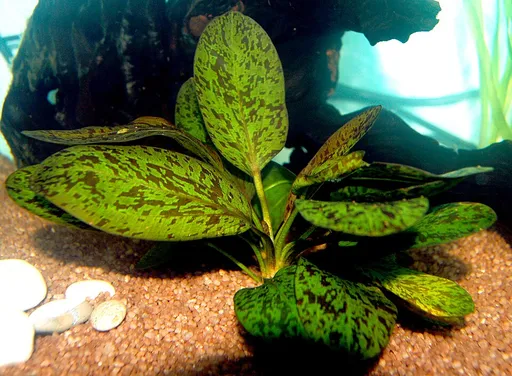
A cultivated Echinodorus hybrid with no wild population. It grows as a compact submersed rosette of green leaves stippled and marked with red, and like many swords it will also grow emersed with leaves rising above the waterline. Its parentage is often linked in the trade to the cordifolius group.
Good to know
Echinodorus 'Hadi Red Pearl' is a cultivar name written in single quotes, with no valid wild binomial. It is sometimes traded under the name Echinodorus cordifolius 'Harbich Red'. The genus sits in the Alismataceae, and the plant's red flecking comes from anthocyanin pigments concentrated in patches rather than across the whole leaf.
Did you know
Its red does not spread evenly like a solid red sword. Instead it comes as pearly red speckles and blotches scattered over green leaves, which is exactly where the Red Pearl name comes from.
Related plants
- Medium lightMidground13.8 in (35 cm)
Echinodorus horizontalis
Medium light · Midground
- Low lightMidground7.9 in (20 cm)
Echinodorus horizontalis Mini
Echinodorus horizontalis 'Mini'
Low light · Midground
 Medium lightBackground19.7 in (50 cm)
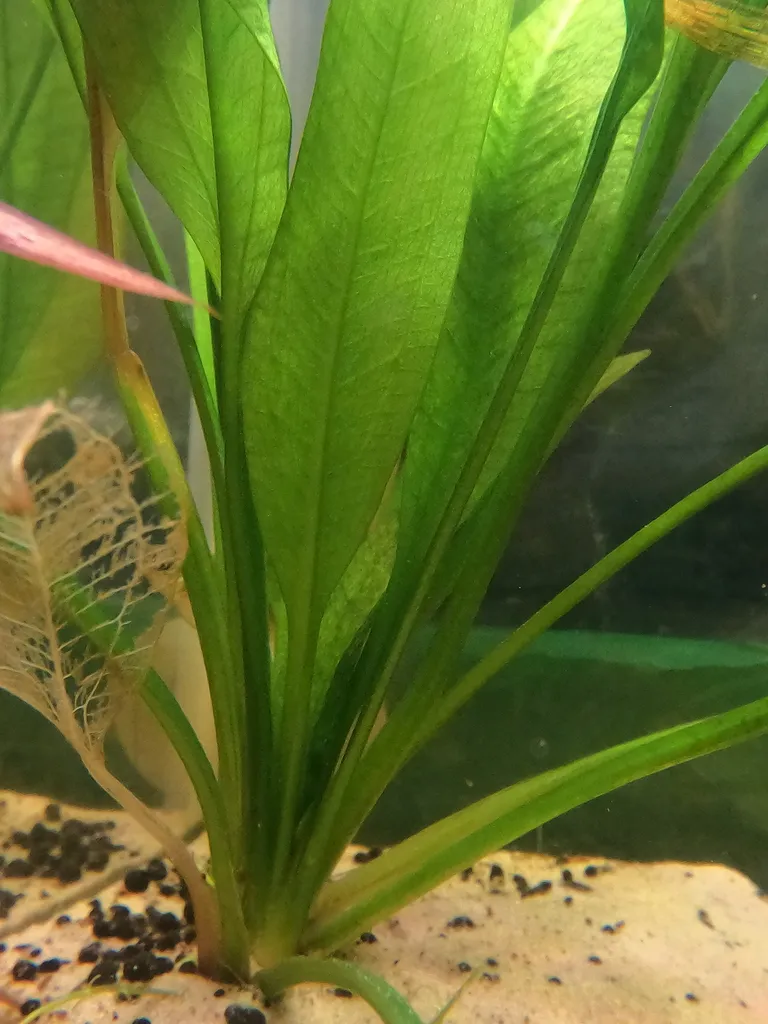
Amazon sword
Echinodorus grisebachii
Medium light · Background
 High lightBackground19.7 in (50 cm)
Horemanii sword
Echinodorus horemanii
High light · Background
 Medium lightBackground19.7 in (50 cm)
Marble queen sword
Echinodorus cordifolius
Medium light · Background
 Medium lightBackground19.7 in (50 cm)
Melon sword
Echinodorus osiris
Medium light · Background