Echinodorus horizontalis
Also known as Aquarius horizontalis
FreshwaterRosettePlantletsRhizome division
Care at a glance
- Light
- Medium light
- CO2
- CO₂ beneficial
- Temperature
- 72–82°F
- 22–28°C
- Max height
- 13.8 in
- 35 cm
- Growth rate
- Slow
- Placement
- Midground
- Type
- Rosette
- pH
- 6.0–7.5
- Hardness
- 3–8 dGH
- Spread
- 15.7 in (40 cm)
- Nutrient uptake
- Root feeder
- Growth region
- Submersed or emersed
- Difficulty
- Medium
- Family
- Alismataceae
- Origin
- Northern South America (Amazon basin)
Overview
Echinodorus horizontalis is a warmth-loving sword of medium difficulty, grown as a solitary plant in the midground. Its flat leaves give a layered canopy look that upright swords cannot.
Did you know
The flat leaf posture of Echinodorus horizontalis is a shade adaptation. Holding the blades flat catches the little light that reaches a flooded forest floor. The plant keeps doing it in a tank, even under a bright lamp.
Caring for Echinodorus horizontalis
Plant Echinodorus horizontalis in a nutrient-rich substrate, or feed it root tabs, since it takes its food through the roots. Leave the crown just above the surface.
It wants soft, slightly acidic, warm water. Keep it at 72 to 82°F (22 to 28°C), a pH of 6 to 7.5 and 3 to 8 dGH. Medium light is enough, and it tolerates shade better than most swords, but not heavy cover. CO2 is optional, and a steady supply speeds its slow growth.
Iron deficiency is the classic problem. New leaves come in pale and chlorotic soon after iron runs short, so keep micronutrients dosed. Propagate it from plantlets on the flower stalks or by dividing the rhizome.
Good to know
Echinodorus horizontalis is a sword plant in the family Alismataceae, described by Karel Rataj. It is named for its heart-shaped, pointed leaf blades, held nearly horizontal on angled petioles instead of standing upright. Fresh leaves often show a fine translucent grid pattern before they darken. Recent revisions place it in the genus Aquarius as Aquarius horizontalis, though shops still sell it as an Echinodorus.
In the wild
Echinodorus horizontalis is native to the Amazon basin in northern South America. It grows on the floor of shaded marsh forests and on seasonally flooded ground near rainforest streams. It spends much of the year emersed in dim, humid conditions and switches to submersed growth when the forest floods. Unlike many swords, it is adapted to life under a canopy.
Common questions
Does Echinodorus horizontalis need to be planted in the substrate?
Yes. Bury the roots and leave the crown, where the leaves join, just above the substrate.
Does Echinodorus horizontalis need CO2?
No, but it helps. Echinodorus horizontalis can grow without injected CO2, and added CO2 makes it grow faster.
How much light does Echinodorus horizontalis need?
Echinodorus horizontalis wants medium light. A light sold for planted tanks covers it.
Does Echinodorus horizontalis need root tabs?
Yes. Echinodorus horizontalis draws much of its food through its roots. Push root tabs in near it, or grow it in a nutrient-rich soil.
How do you propagate Echinodorus horizontalis?
Echinodorus horizontalis propagates by plantlets and rhizome division. Small plantlets form on the plant and can be detached once they have a few roots. Cut the rhizome into pieces with several leaves each, then tie or plant each piece.
How tall does Echinodorus horizontalis grow?
Echinodorus horizontalis grows to about 13.8 in (35 cm) tall. It grows slowly and rarely needs trimming.
Related plants
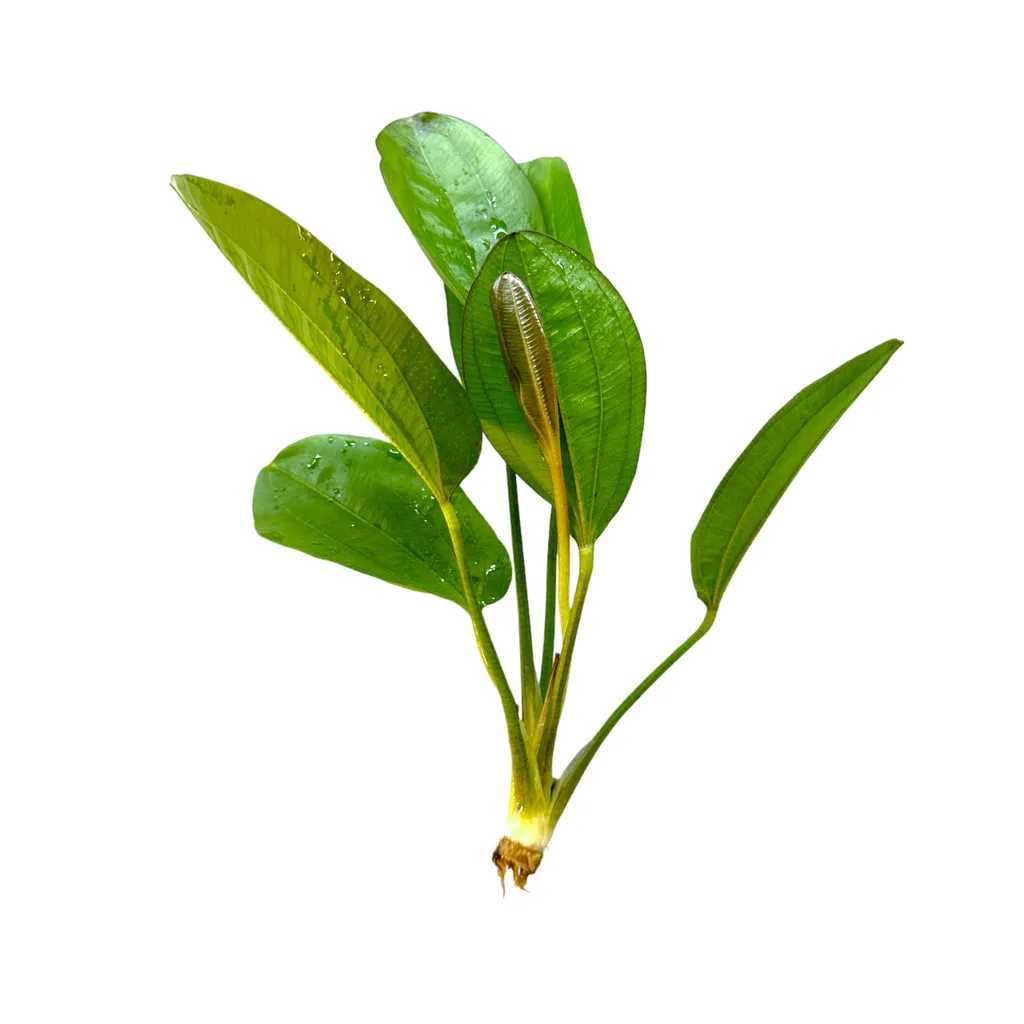 Medium lightMidground15.7 in (40 cm)
Fancy Twist sword
Echinodorus 'Fancy Twist'
Medium light · Midground
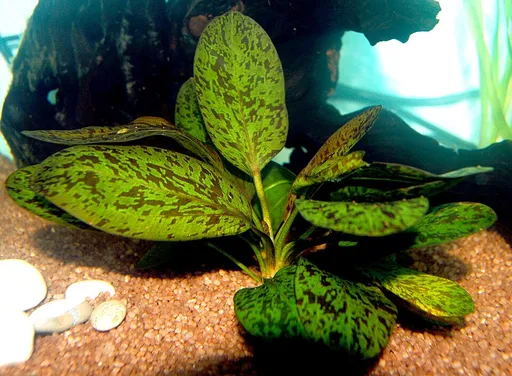 Medium lightMidground15.7 in (40 cm)
Ozelot sword
Echinodorus 'Ozelot'
Medium light · Midground
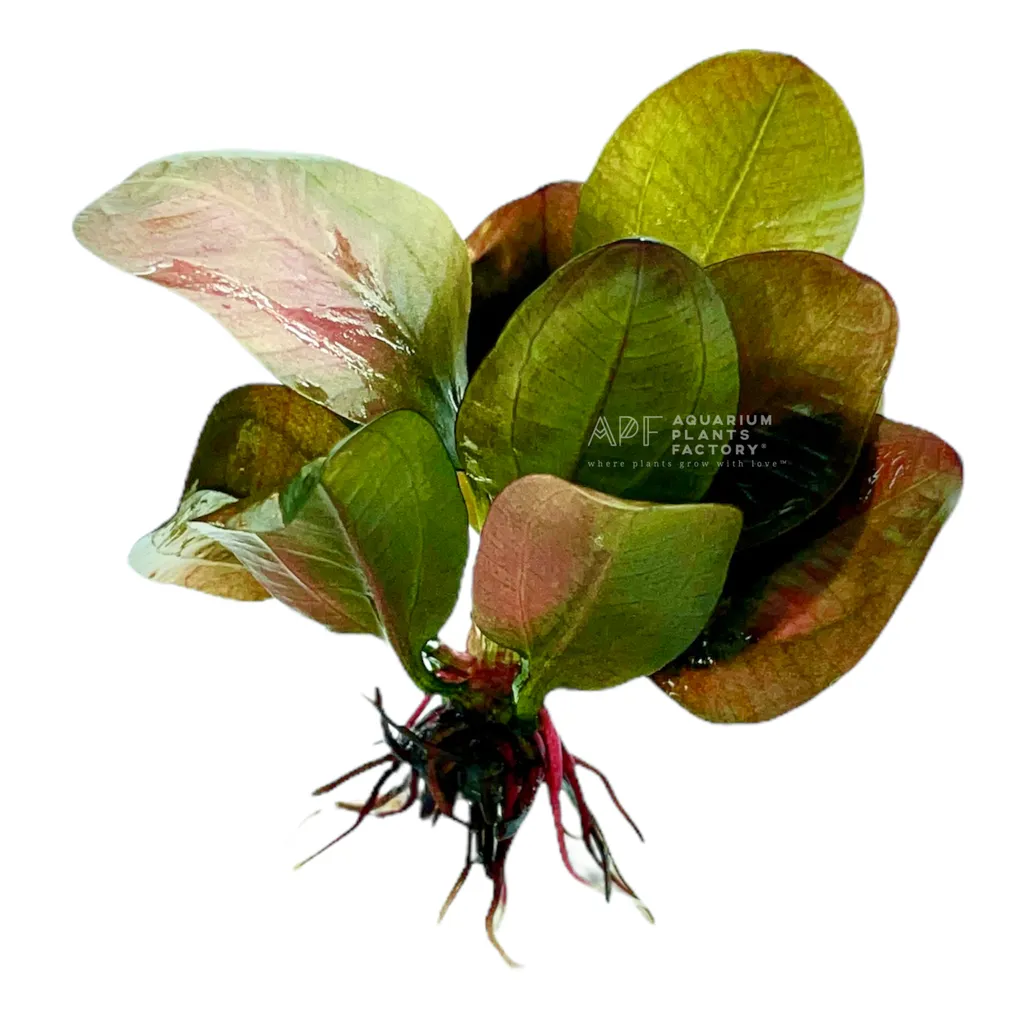 Low lightMidground15.7 in (40 cm)
Reni sword
Echinodorus 'Reni'
Low light · Midground
- Medium lightMidground15.7 in (40 cm)
Ozelot Green sword
Echinodorus 'Ozelot Green'
Medium light · Midground
- Medium lightMidground15.7 in (40 cm)
Tricolor sword
Echinodorus 'Tricolor'
Medium light · Midground
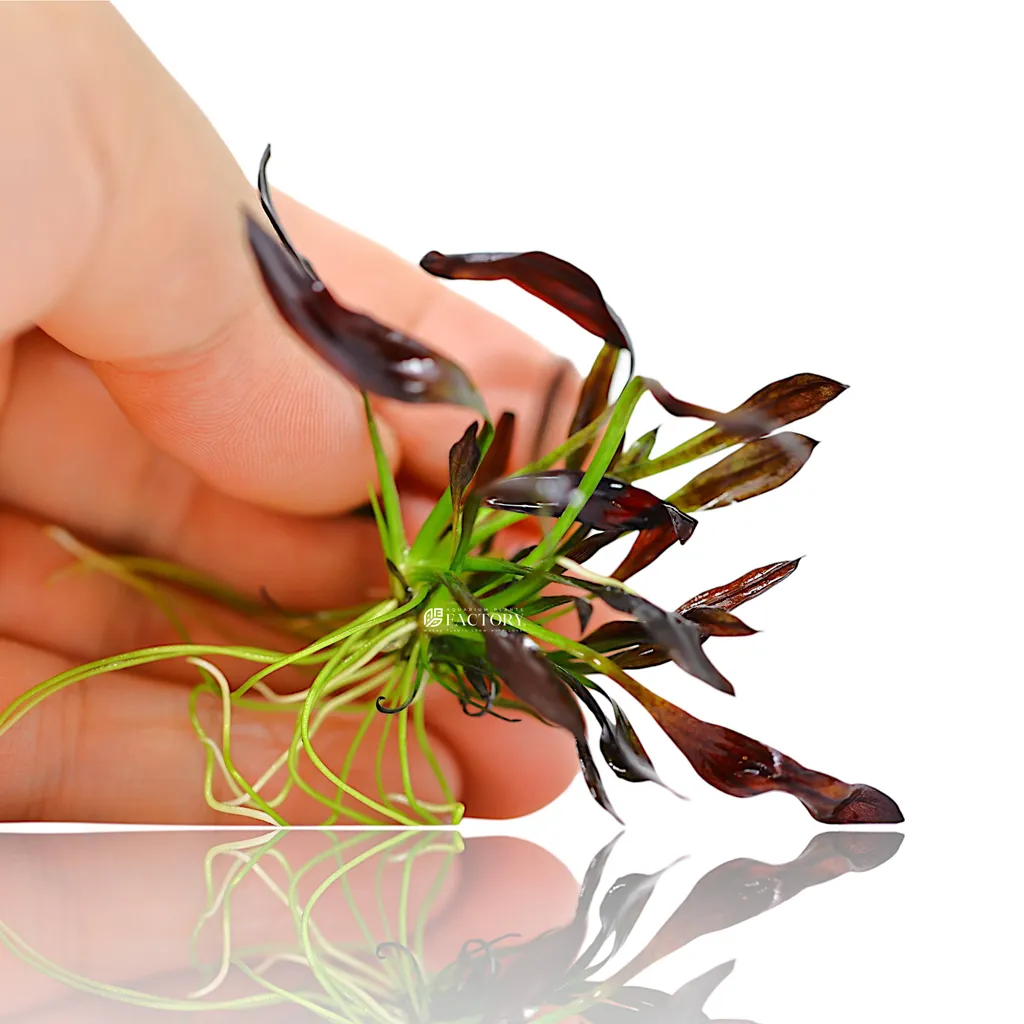 High lightMidground11.8 in (30 cm)
Aflame sword
Echinodorus 'Aflame'
High light · Midground