Cultivar of Echinodorus
Kleiner Bar sword
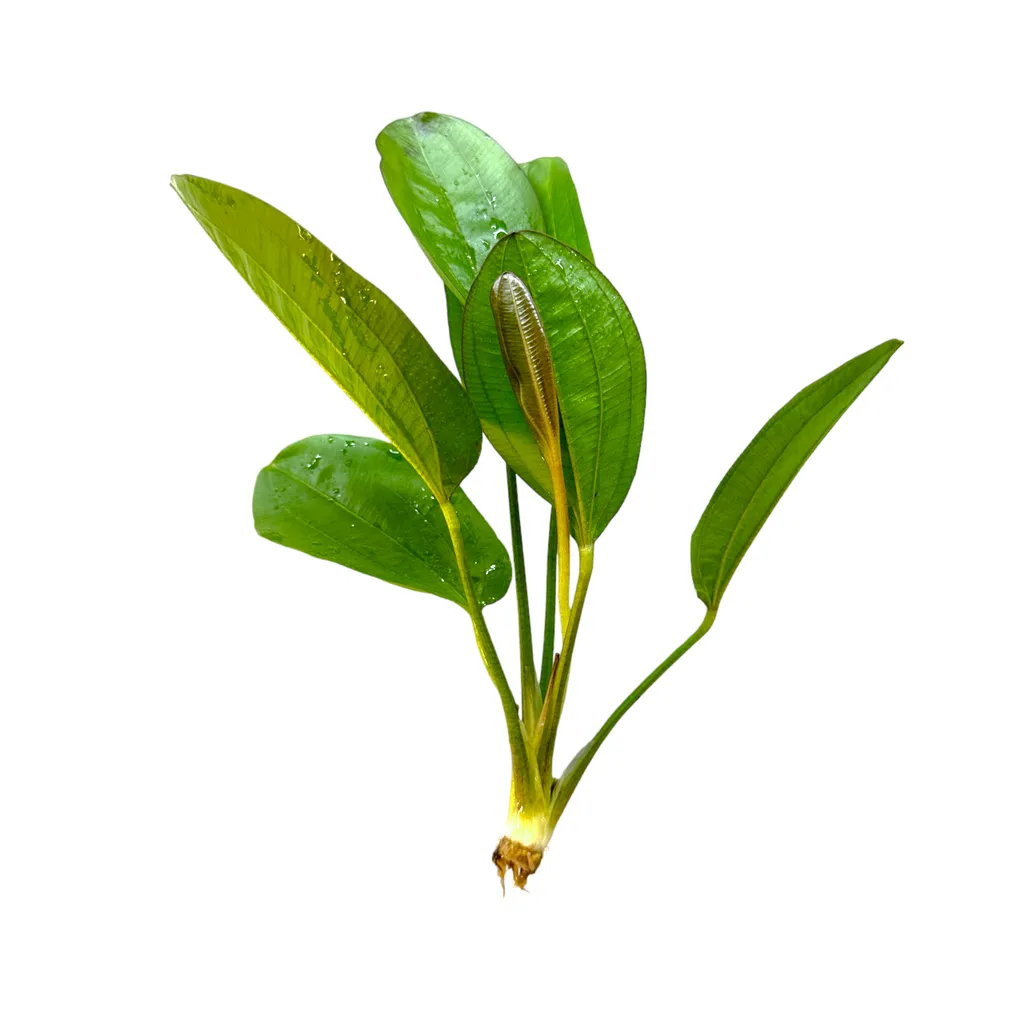
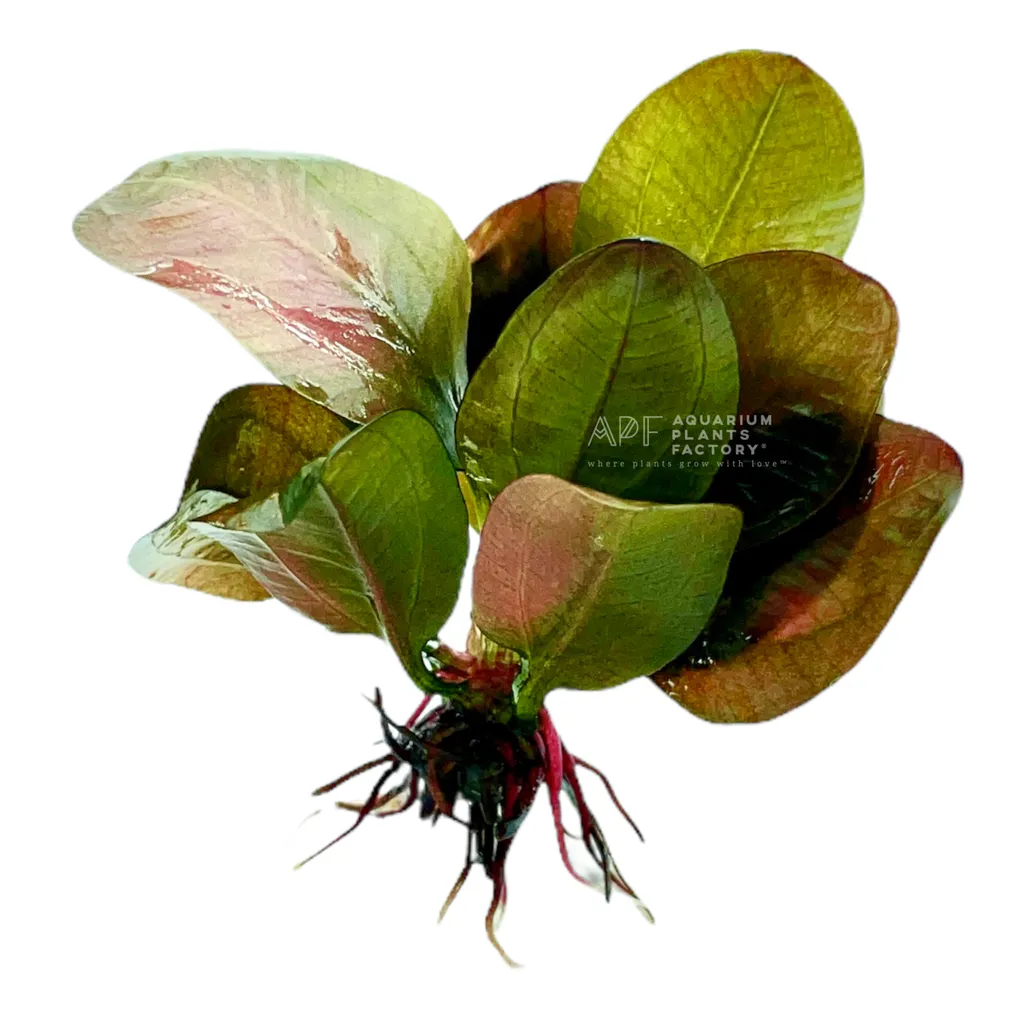
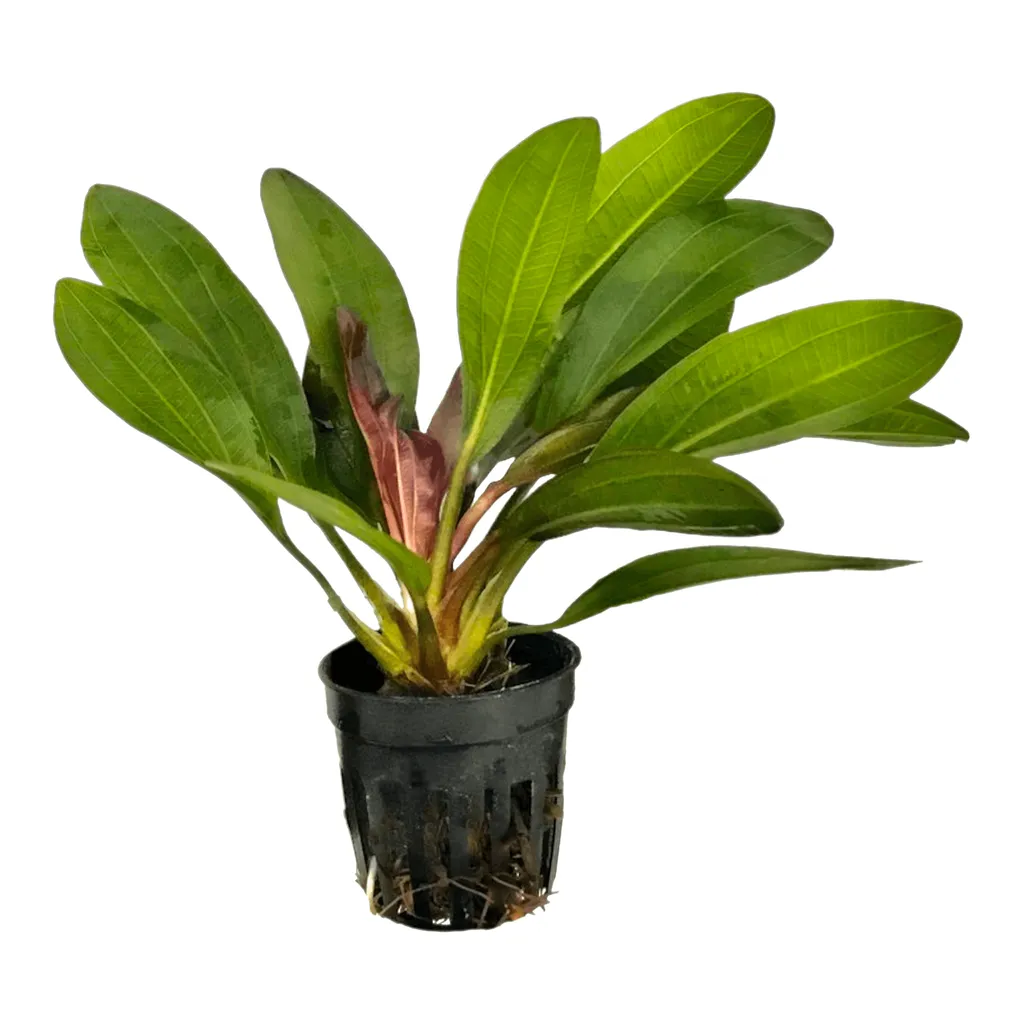
Echinodorus 'Kleiner Bär'
One of 21 cultivars of Echinodorus · See all cultivars →
Also known as Echinodorus 'Kleiner Bar', Little Bear sword, Kleiner Baer sword, Echinodorus 'Small Bear'
FreshwaterRosetteSide shootsRunners
Cultivars · Echinodorus
See all 21 →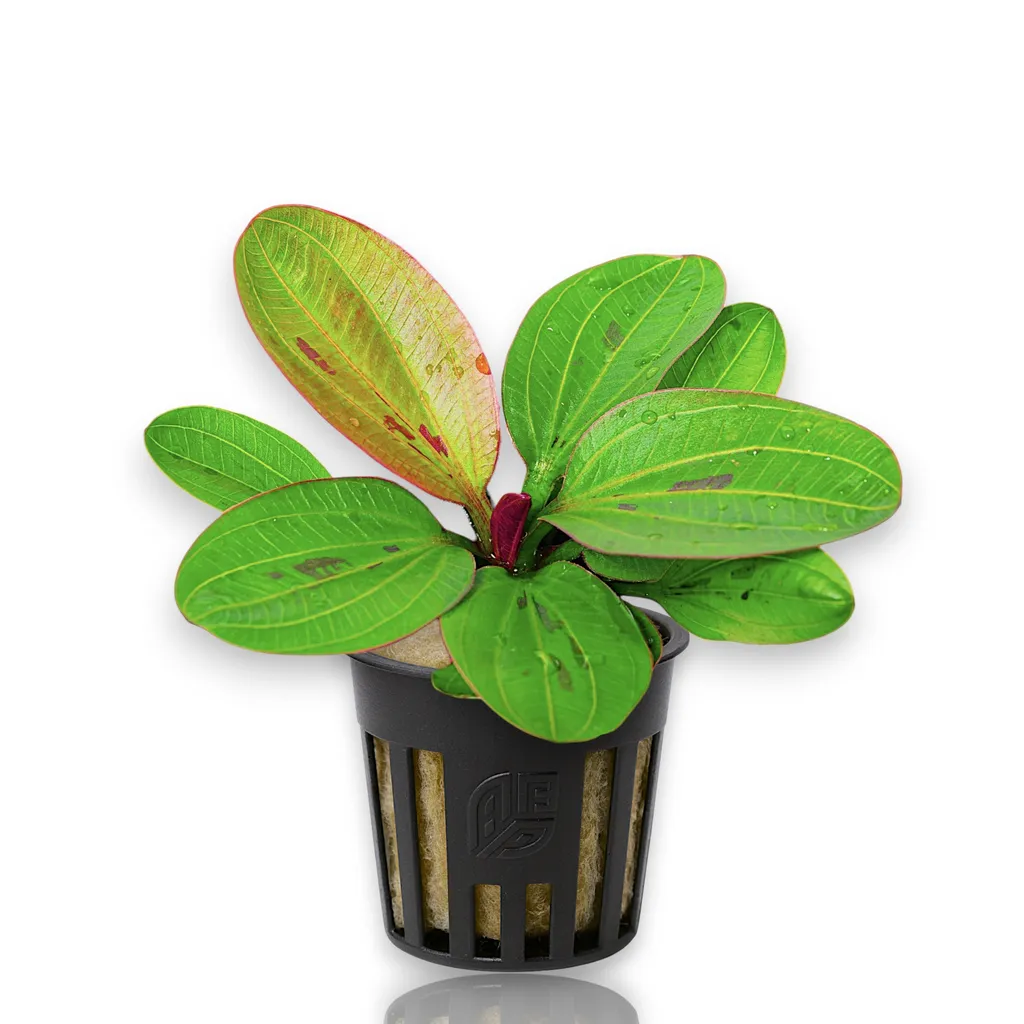
Care at a glance
- Light
- Medium light
- CO2
- CO₂ beneficial
- Temperature
- 72–82°F
- 22–28°C
- Max height
- 17.7 in
- 45 cm
- Growth rate
- Medium
- Placement
- Background
- Type
- Rosette
- pH
- 6.0–7.5
- Hardness
- 3–15 dGH
- Spread
- 11.8 in (30 cm)
- Nutrient uptake
- Root + water column
- Growth region
- Submersed or emersed
- Difficulty
- Easy
- Family
- Alismataceae
- Origin
- Cultivar (hybrid of Echinodorus barthii and Echinodorus uruguayensis)
Overview
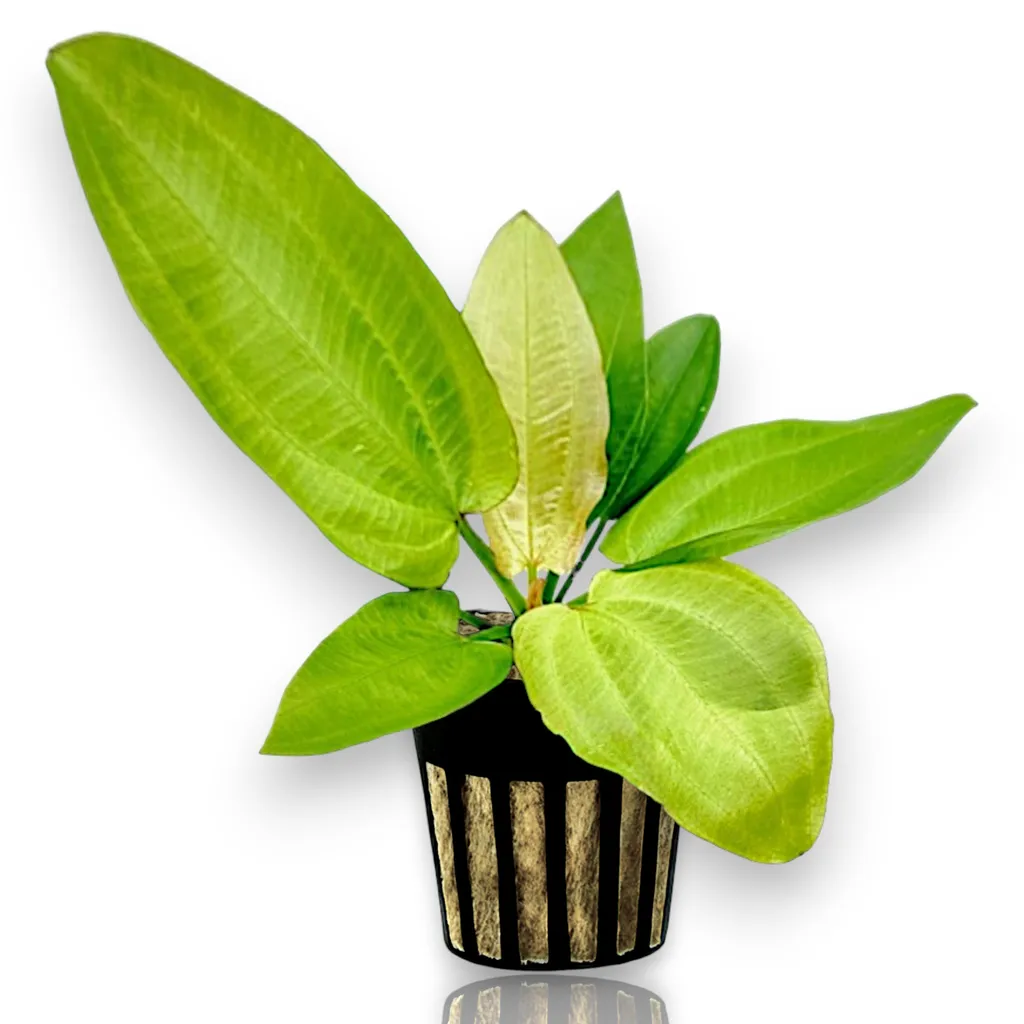
A large background sword often used as a single centrepiece. It does fine under moderate light without CO2, but strong light, a rich substrate and CO2 push vigorous growth and the darkest red colour, sometimes a new leaf every week. Plant it with room to spread and feed heavily at the roots; remove any occasional adventitious plantlets or old leaves at the base.
In the wild
A cultivated hybrid without a wild population. Its parent species are South American swords from Uruguay and the wider Amazon basin that grow in marshes, ditches and slow rivers, rooting in soft mud and often growing emersed in the dry season. Kleiner Bär inherits that large substrate-rooted rosette form.
Good to know
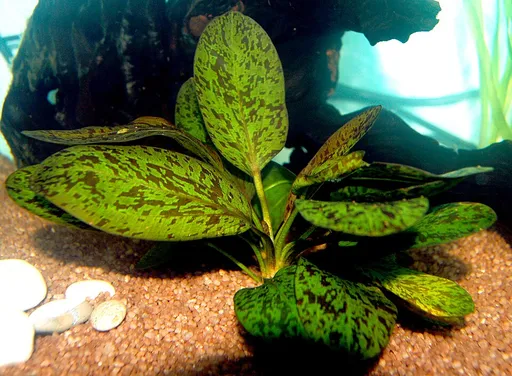
A hybrid between Echinodorus barthii and Echinodorus uruguayensis, in the family Alismataceae. The name is German for 'Little Bear'. Leaf colour is strongly light-dependent, shifting from olive-green in dim tanks to deep burgundy or maroon under bright light and good nutrition.
Did you know
Like several red swords, Kleiner Bär will sometimes throw adventitious plantlets directly from an old leaf or an emersed flower stalk, which can be pinned down and rooted to make new plants.
Related plants
 Medium lightBackground19.7 in (50 cm)
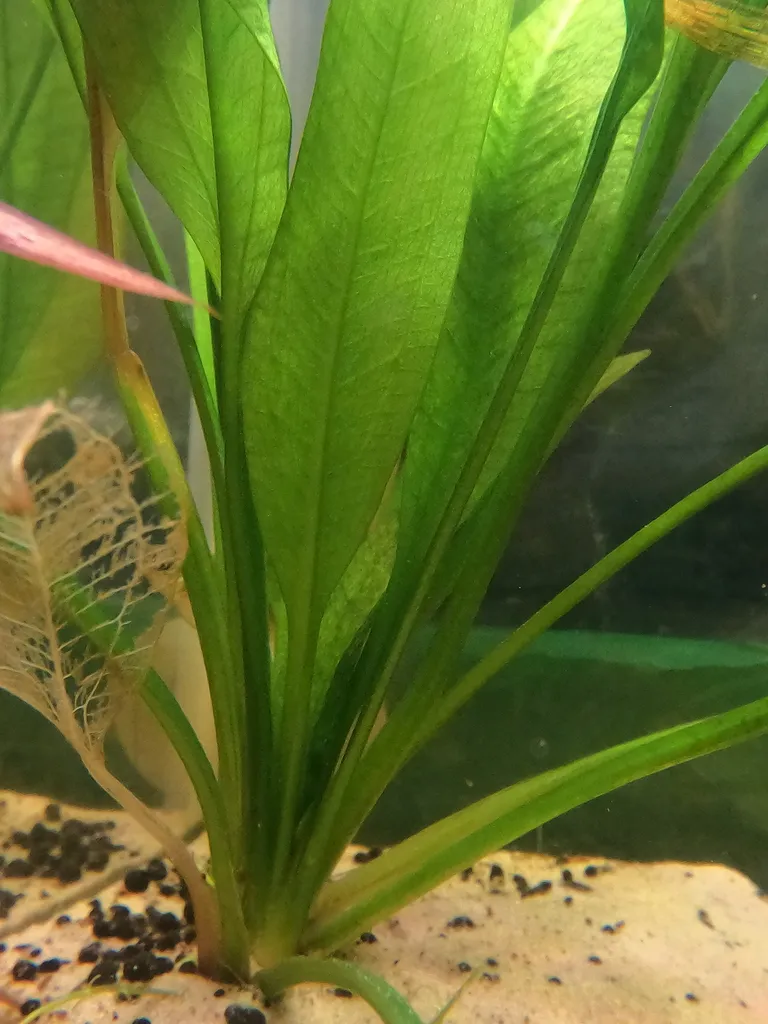
Amazon sword
Echinodorus grisebachii
Medium light · Background
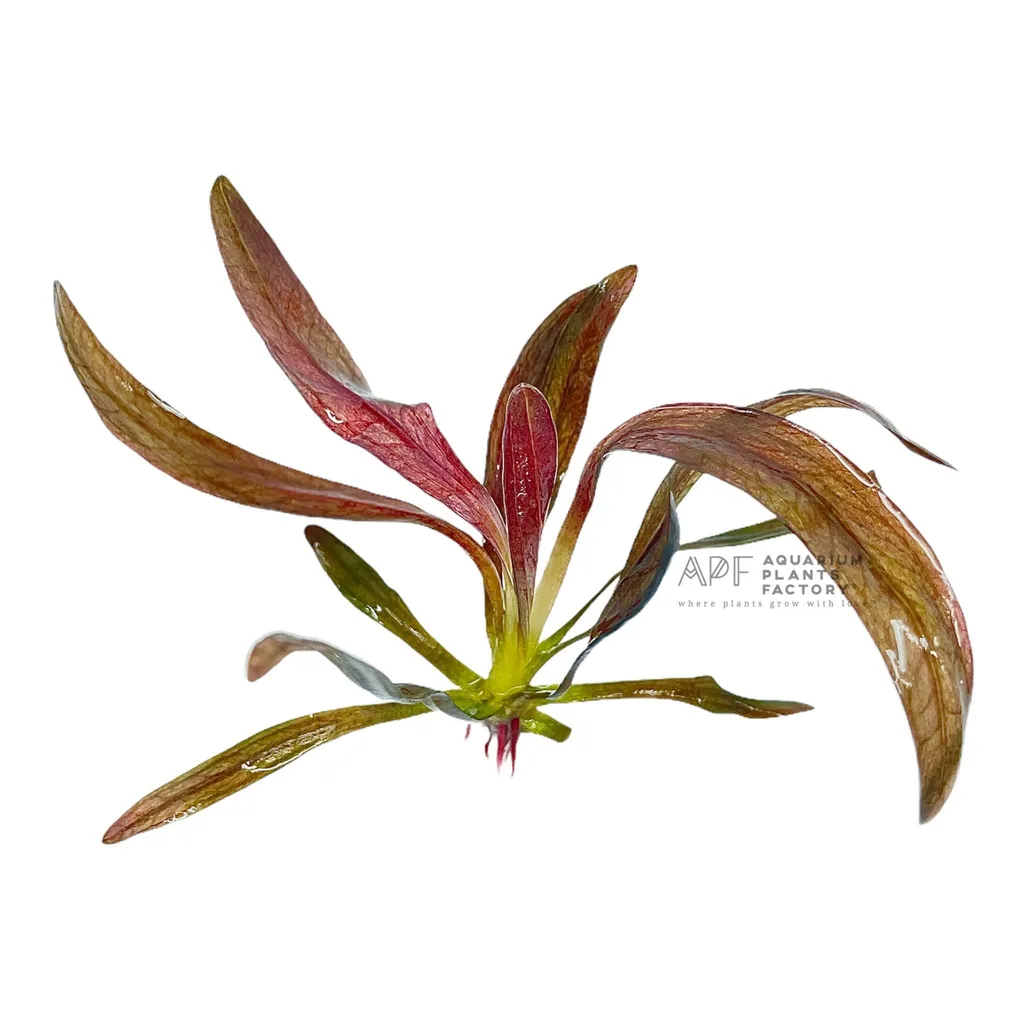 High lightBackground19.7 in (50 cm)
Horemanii sword
Echinodorus horemanii
High light · Background
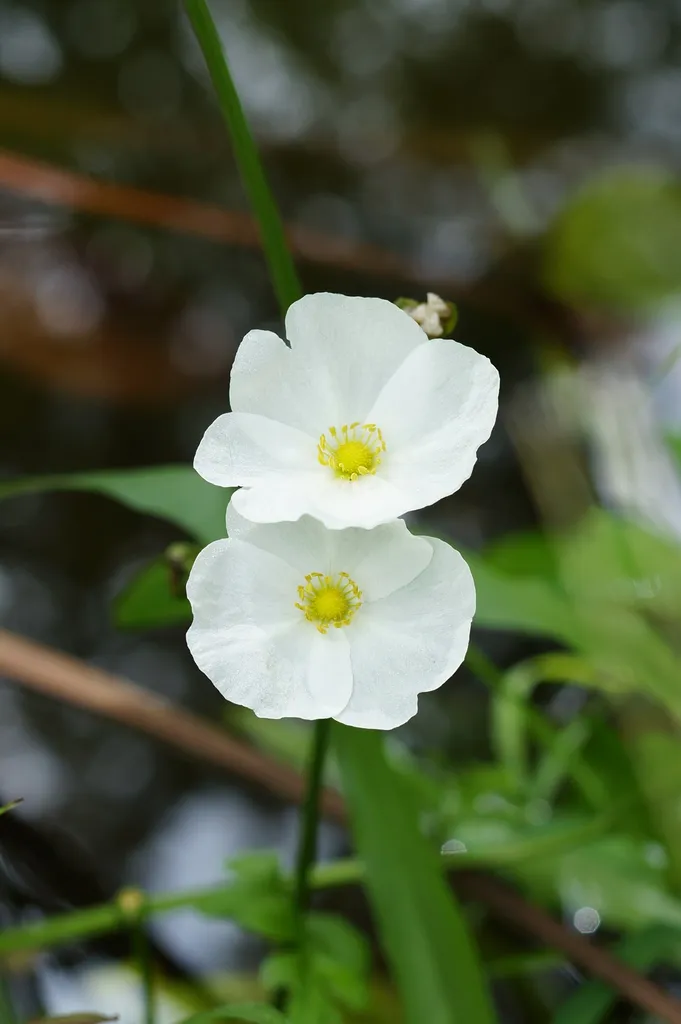 Medium lightBackground19.7 in (50 cm)
Marble queen sword
Echinodorus cordifolius
Medium light · Background
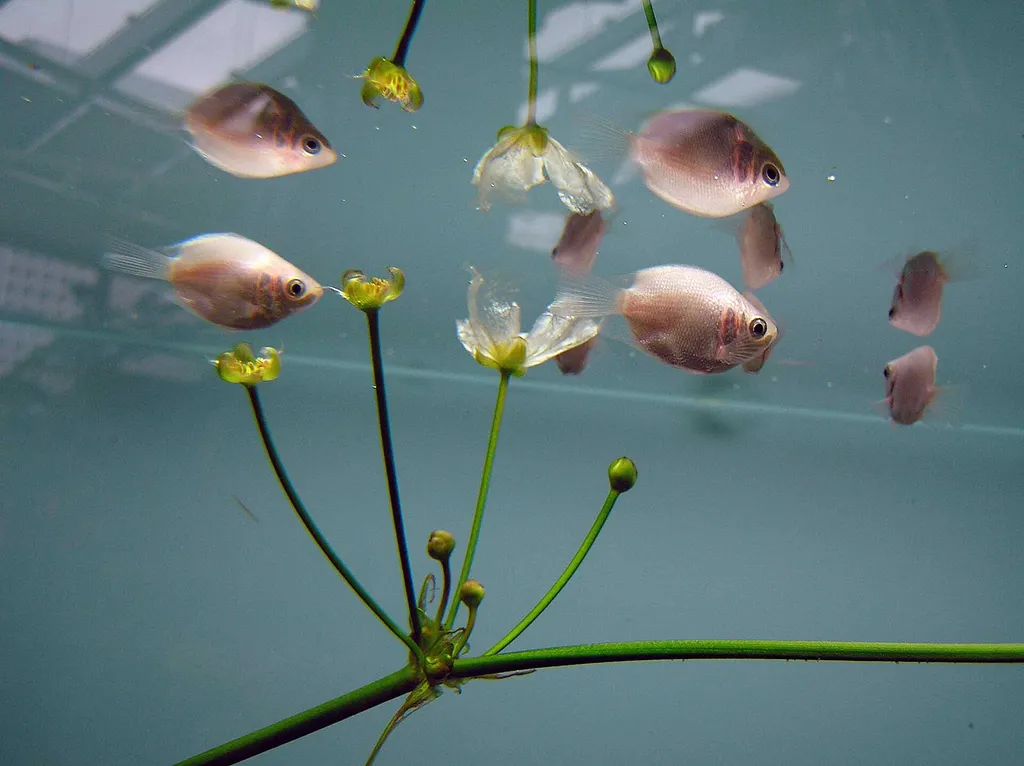 Medium lightBackground19.7 in (50 cm)
Melon sword
Echinodorus osiris
Medium light · Background
- Medium lightBackground19.7 in (50 cm)
Echinodorus decumbens
Medium light · Background
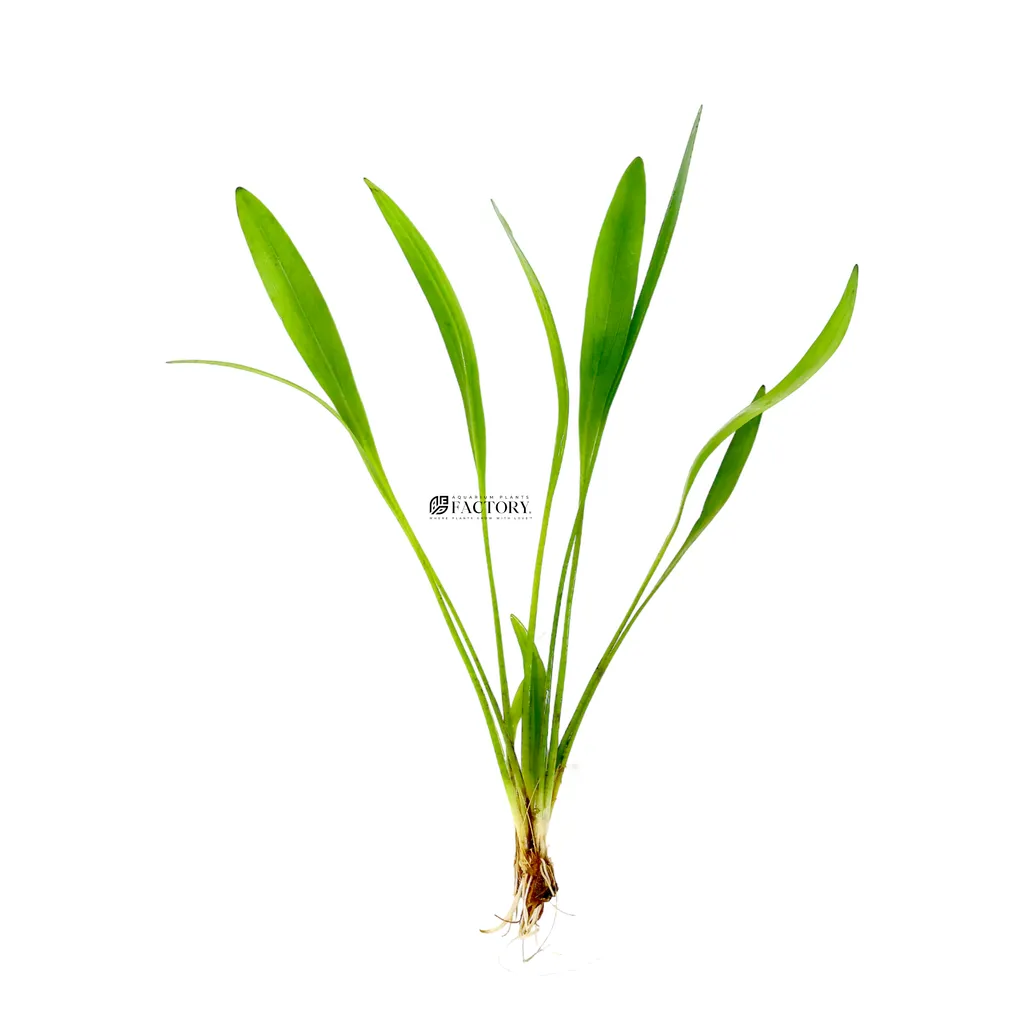 Medium lightBackground21.7 in (55 cm)
Uruguay sword
Echinodorus uruguayensis
Medium light · Background