Duckweed
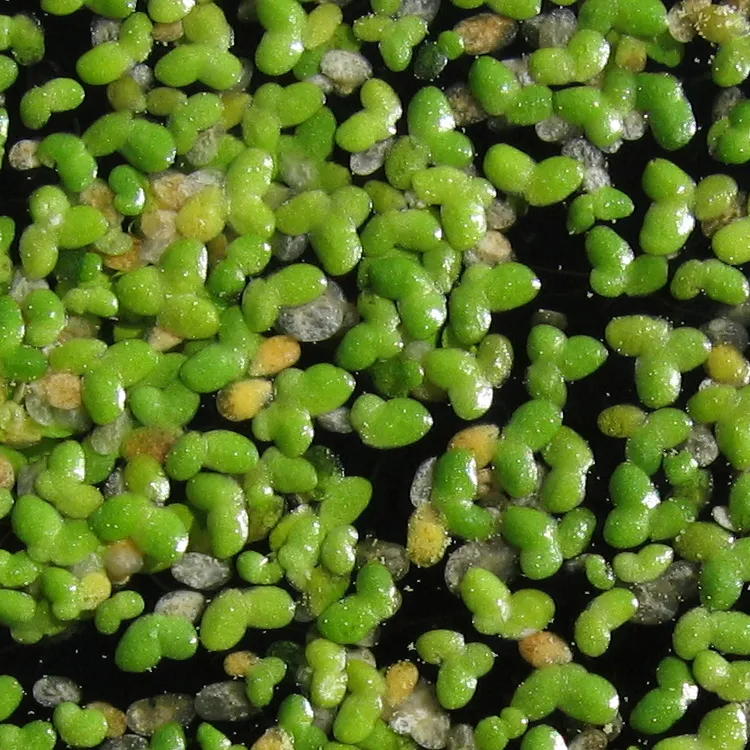
Lemna minor
Also known as Common duckweed, Lesser duckweed, Least duckweed
FreshwaterFloatingSide shoots
Care at a glance
- Light
- Low light
- CO2
- No CO₂ needed
- Temperature
- 59–86°F
- 15–30°C
- Max height
- 0.4 in
- 1 cm
- Growth rate
- Fast
- Placement
- Floating
- Type
- Floating
- pH
- 6.0–8.0
- Hardness
- 2–20 dGH
- Spread
- 11.8 in (30 cm)
- Nutrient uptake
- Water column
- Growth region
- Submersed or emersed
- Difficulty
- Beginner
- Family
- Lemnaceae
- Origin
- Nearly cosmopolitan; native across temperate and tropical regions of Europe, Asia, Africa, and the Americas
Overview
About the easiest floating plant there is: no CO2, no substrate, and it grows fast under even modest light. It draws nitrate, ammonium, and phosphate straight from the water column, so it is a favorite for nutrient export, shade, and calming shy or surface-dwelling fish, and it fits the Walstad and low-tech approach well. The catch is that it multiplies explosively and clings to nets and hands, so plan to skim off handfuls every week and expect it to be very hard to fully remove once established.
In the wild
Common duckweed is a near-cosmopolitan floating plant found on still and slow-moving fresh water almost everywhere except the coldest and driest regions. Each plant is a single flat oval frond only a few millimeters across with one hanging rootlet, and colonies quickly carpet the surface of ponds, ditches, and quiet backwaters. In cold climates it survives winter by forming starch-filled overwintering fronds called turions that sink to the bottom.
Good to know
Lemna minor belongs to the family Lemnaceae (increasingly folded into the arum family Araceae), which contains the smallest flowering plants on Earth. The visible green body is a frond, a reduced fusion of leaf and stem, and it flowers only rarely and inconspicuously, reproducing almost entirely by budding off new fronds. It is a standard laboratory test organism used by regulators such as the US EPA to measure water toxicity because its growth is highly sensitive to contaminants.
Did you know
Duckweed absorbs ammonium roughly 3 to 11 times faster than nitrate, which is why a duckweed mat can strip a fresh dose of fish waste out of the water almost as quickly as the biofilter can process it.
Related plants
 Low lightFloating0.4 in (1 cm)
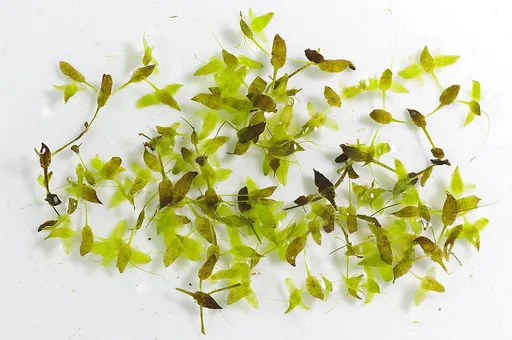
Star duckweed
Lemna trisulca
Low light · Floating
 Low lightFloating0.4 in (1 cm)
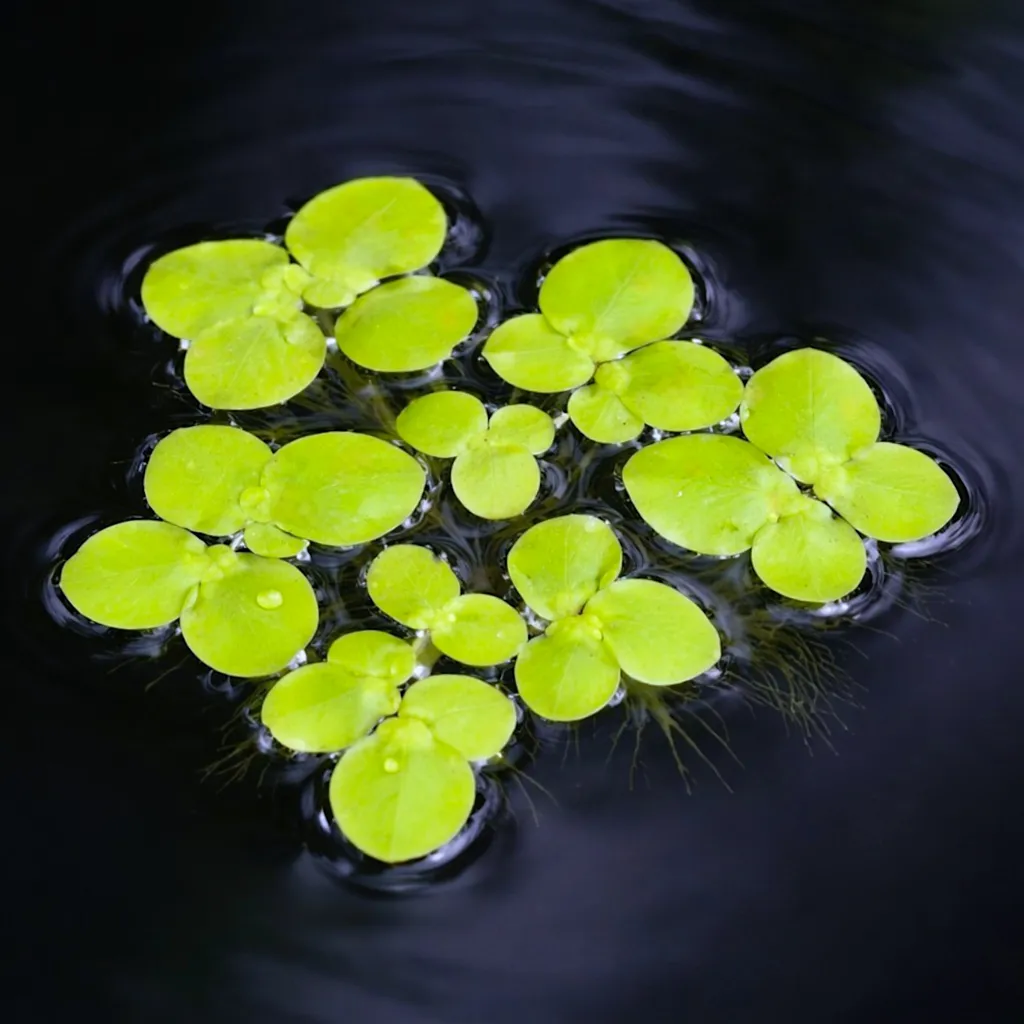
Giant duckweed
Spirodela polyrhiza
Low light · Floating
 Medium lightFloating0.8 in (2 cm)
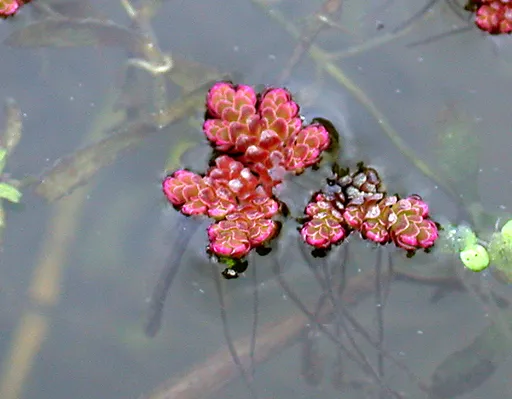
Fairy moss
Azolla filiculoides
Medium light · Floating
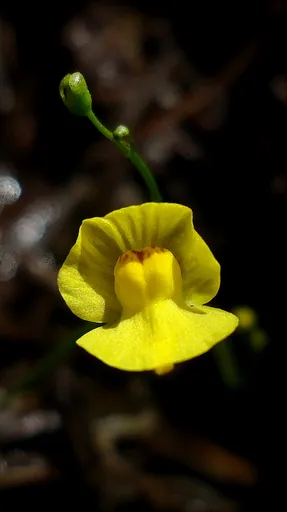 Medium lightFloating0.8 in (2 cm)
Floating bladderwort
Utricularia gibba
Medium light · Floating
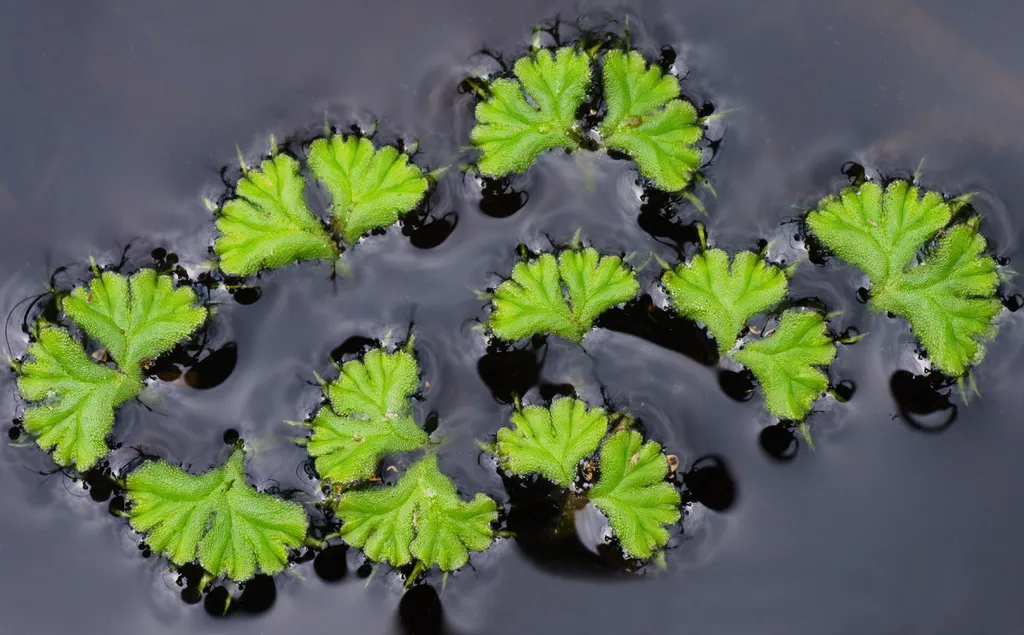 Medium lightFloating0.8 in (2 cm)
Ricciocarpos natans
Medium light · Floating