Form of Anubias barteri
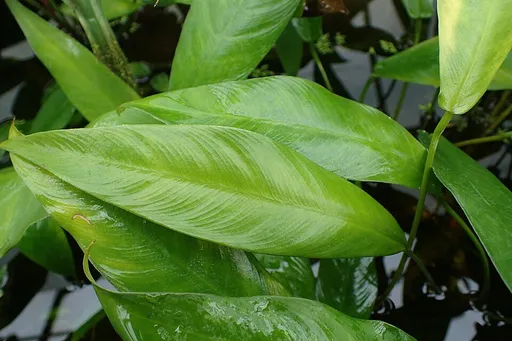
Anubias nana
Anubias barteri var. nana
One of 24 forms of Anubias barteri · See all forms →
Also known as Dwarf Anubias, Anubias barteri nana
FreshwaterBrackishRhizomeRhizome division
Forms · Anubias barteri
See all 24 →
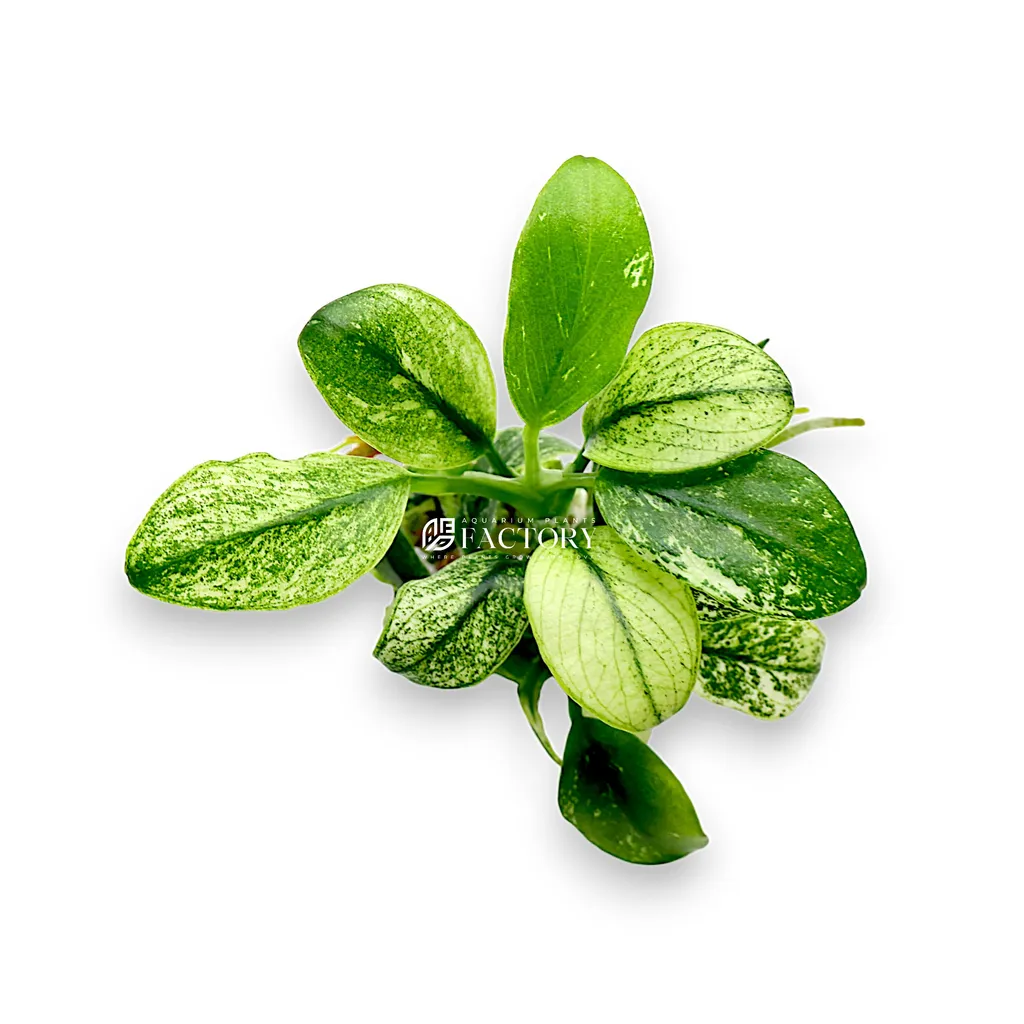
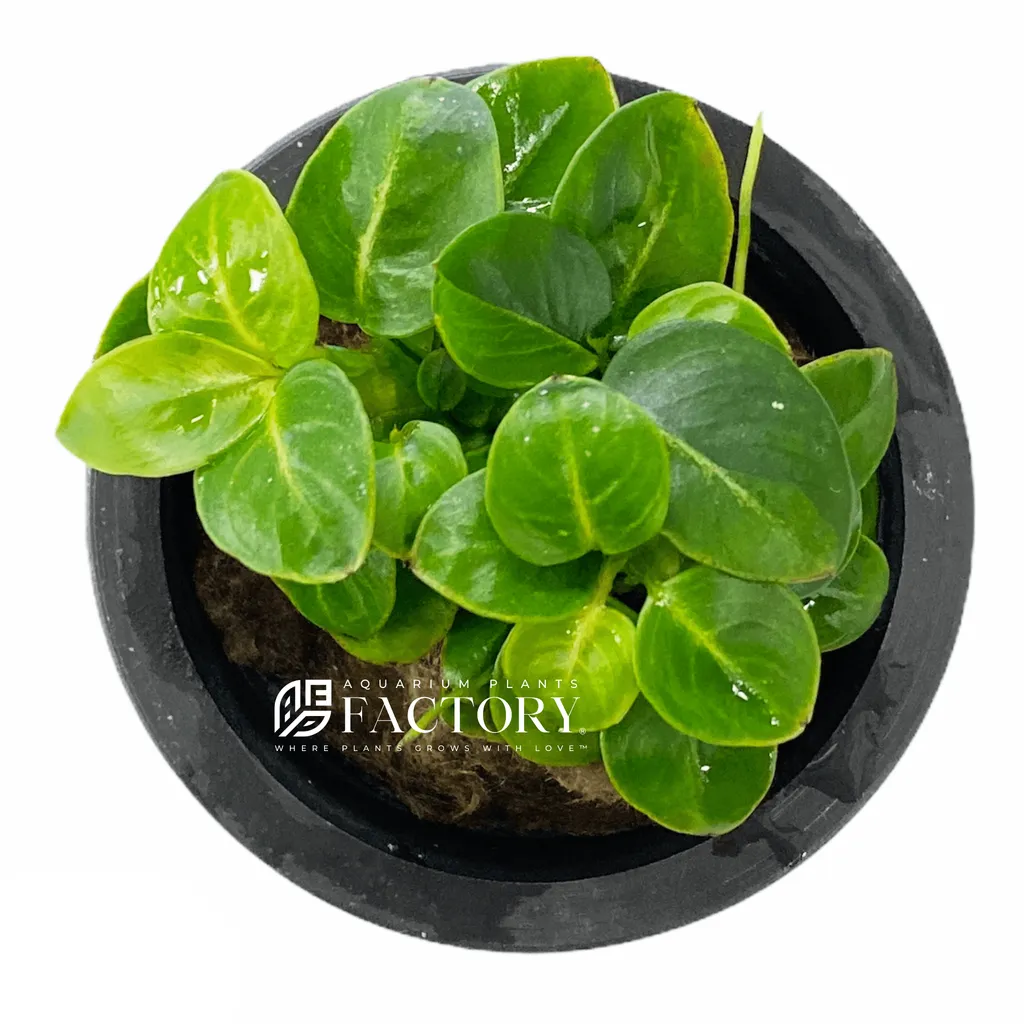
Care at a glance
- Light
- Low light
- CO2
- No CO₂ needed
- Temperature
- 72–82°F
- 22–28°C
- Max height
- 4.7 in
- 12 cm
- Growth rate
- Slow
- Placement
- Epiphyte
- Type
- Rhizome
- pH
- 6.0–8.0
- Hardness
- 2–18 dGH
- Spread
- 5.9 in (15 cm)
- Nutrient uptake
- Water column
- Growth region
- Submersed or emersed
- Difficulty
- Beginner
- Family
- Araceae
- Origin
- West Africa (Cameroon)
Overview
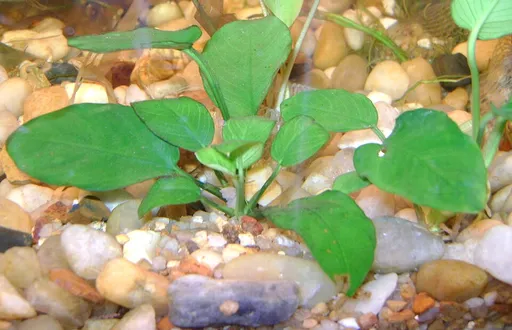
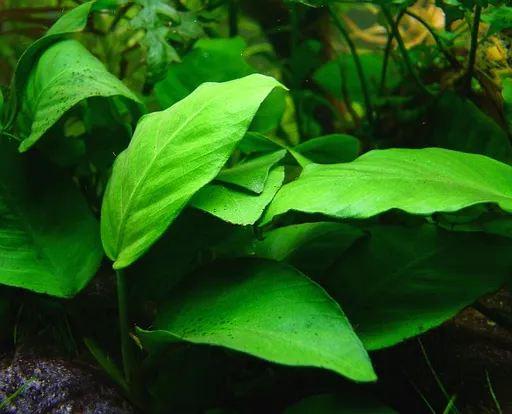
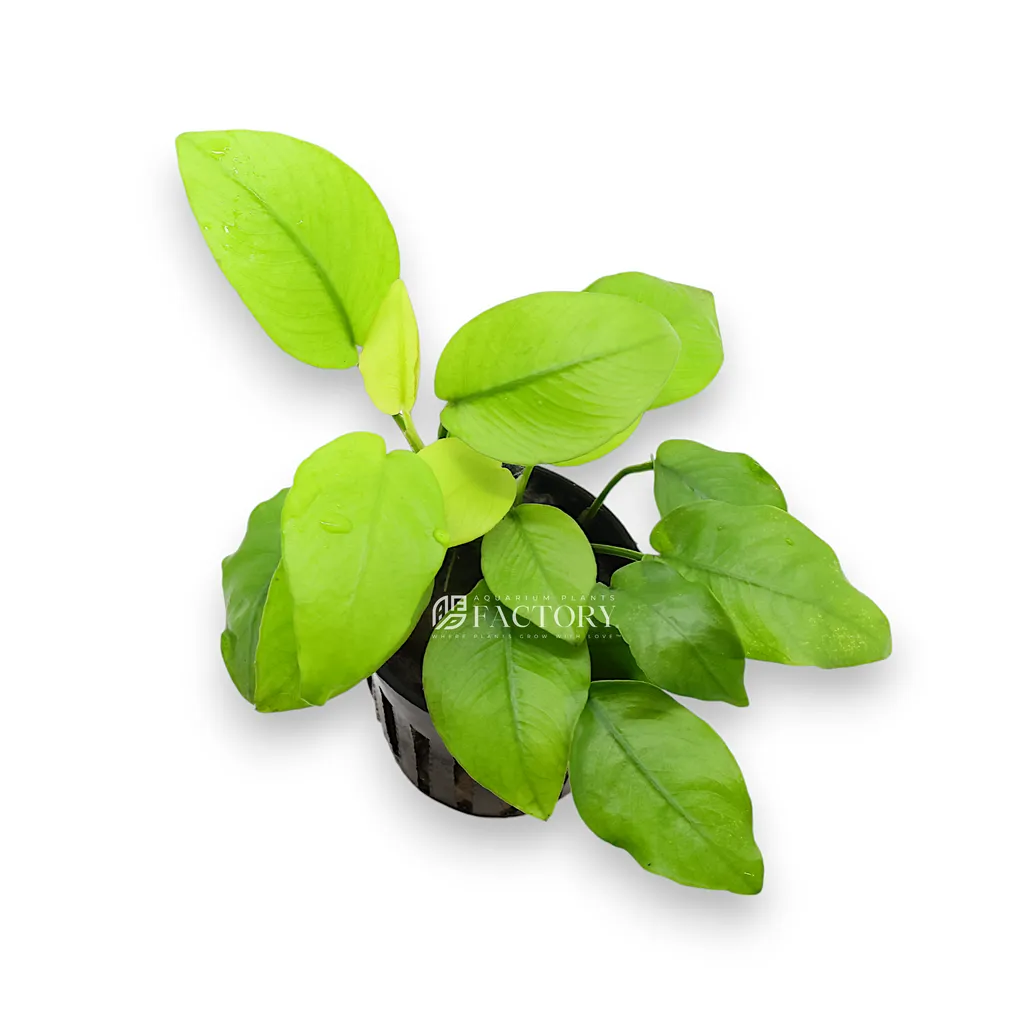
This is the classic beginner epiphyte for foreground and midground spots, attached to driftwood, stone, or hardscape with thread or cyanoacrylate glue. Keep the rhizome exposed above the substrate so it does not rot, and let the roots anchor naturally. It needs no CO2, tolerates low light, and feeds mostly from the water column, so liquid ferts are enough. Watch for algae buildup on the old leaves under bright light, and resist the urge to bury it.
In the wild
Anubias nana is the dwarf variety of Anubias barteri, native to Cameroon in West Africa. It grows on rocks and roots along shaded streams and riverbanks, living submersed when flooded and emersed for much of the year as the water recedes. The wild habitat is soft, slightly acidic, slow-moving forest water.
Good to know
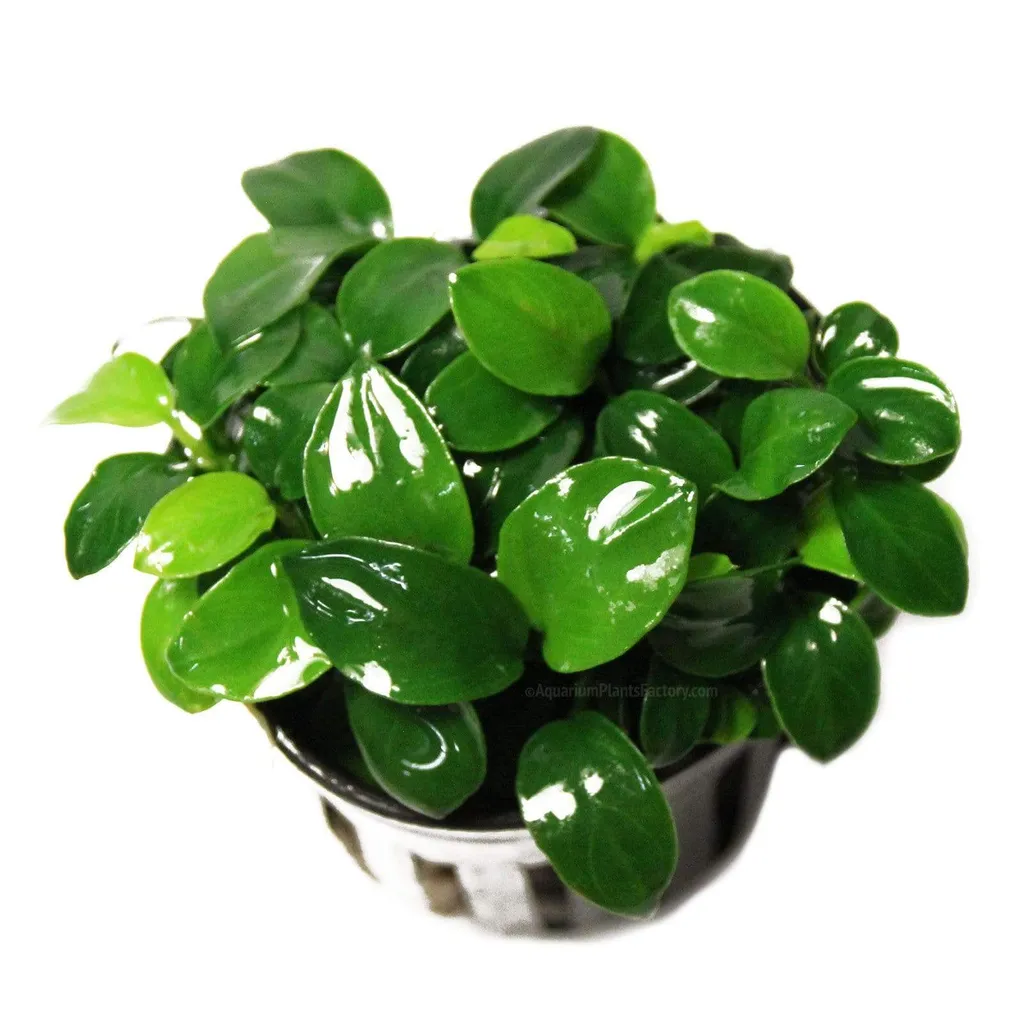
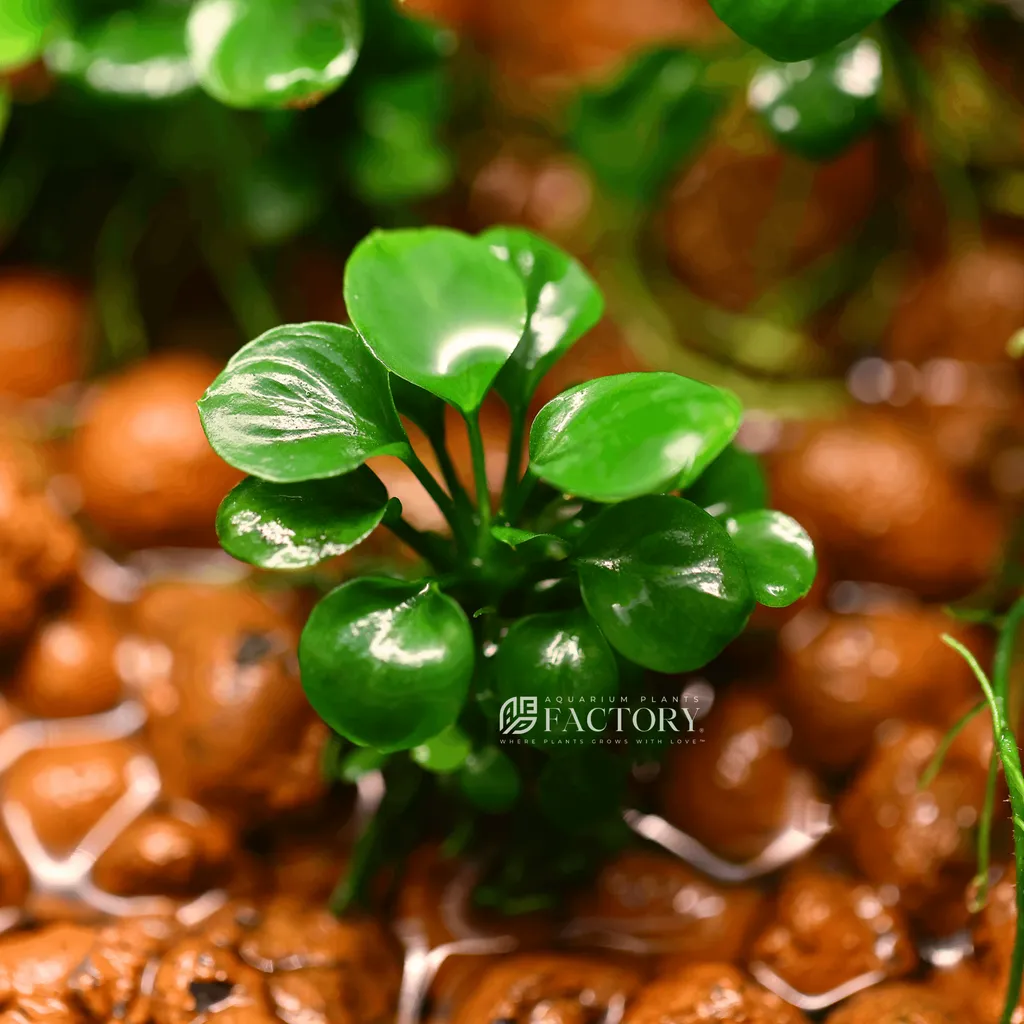
It is a recognized botanical variety of Anubias barteri in the family Araceae, distinguished by its much smaller leaves and compact habit. Like the species it grows from a horizontal creeping rhizome rather than runners, and individual leaves can live for several years. It readily produces underwater flowers, a small white spathe around a spadix, even in aquariums.
Did you know
A single Anubias nana leaf can stay alive for two to three years, far longer than most aquarium plants, which is why a healthy rhizome slowly accumulates an attractive, bushy cluster of leaves over time.
Related plants
- Low lightEpiphyte3.9 in (10 cm)
Anubias Chili Jalapeno
Anubias 'Chili Jalapeno'
Low light · Epiphyte
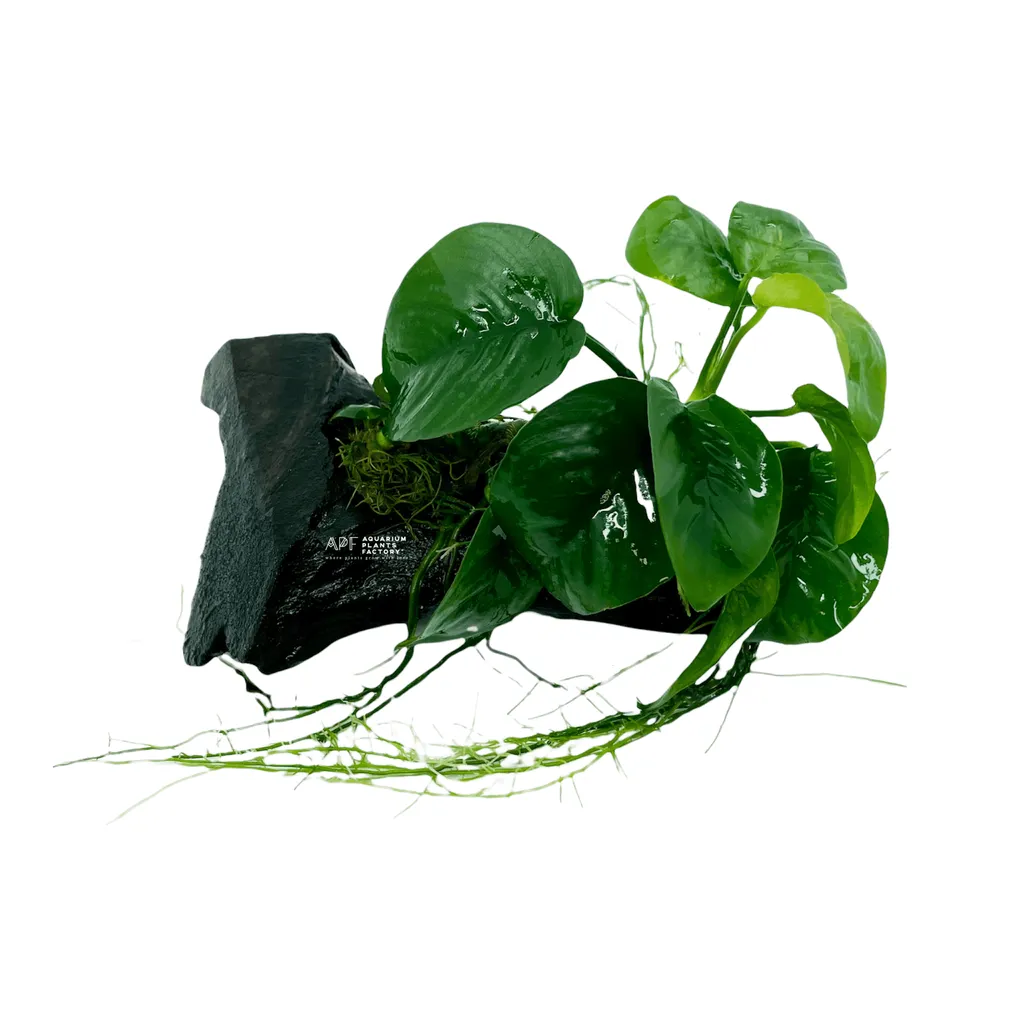 Low lightEpiphyte5.9 in (15 cm)
Anubias Butterfly
Anubias 'Butterfly'
Low light · Epiphyte
- Low lightEpiphyte7.9 in (20 cm)
Anubias Nangi
Anubias 'Nangi'
Low light · Epiphyte
- Low lightEpiphyte9.8 in (25 cm)
Anubias Frazeri
Anubias 'Frazeri'
Low light · Epiphyte
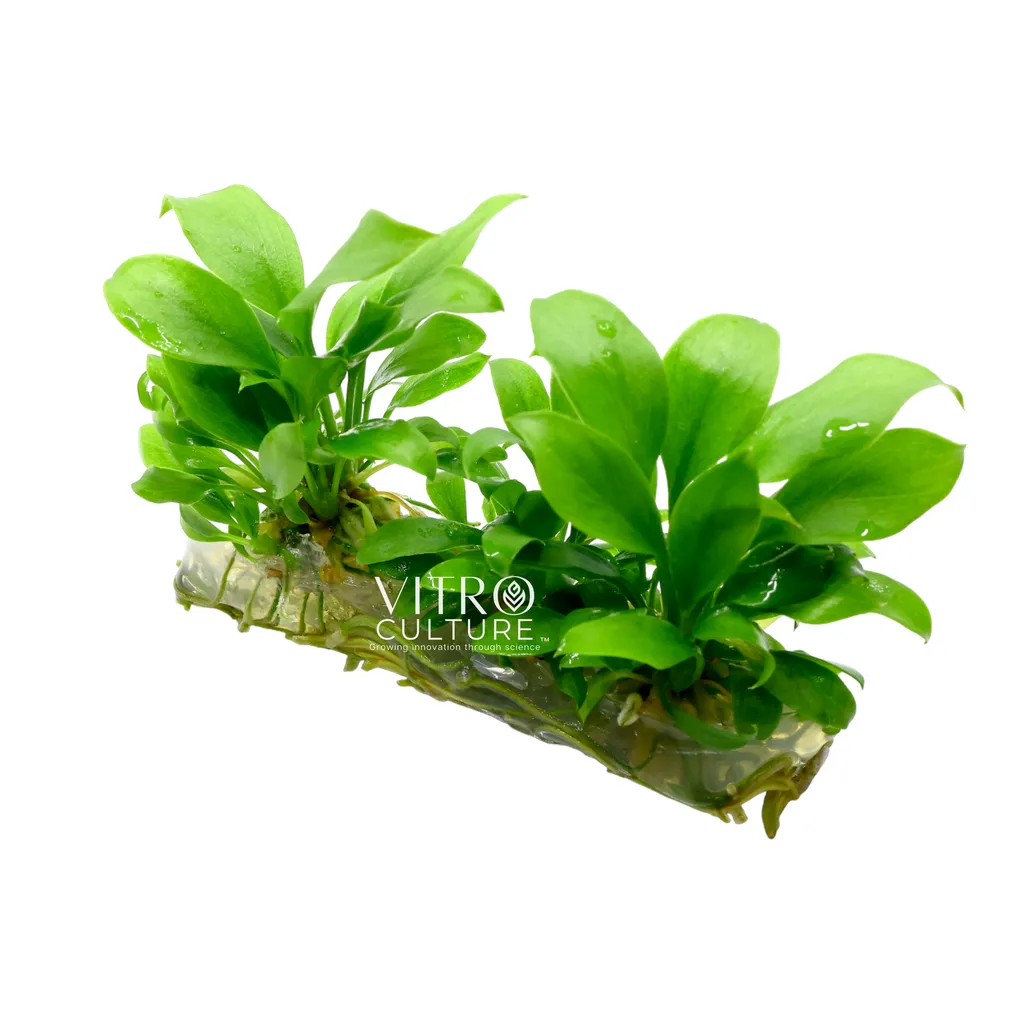 Low lightEpiphyte11.8 in (30 cm)
Anubias gilletii
Low light · Epiphyte
 Low lightEpiphyte15.7 in (40 cm)
Anubias gracilis
Low light · Epiphyte