Form of Anubias barteri
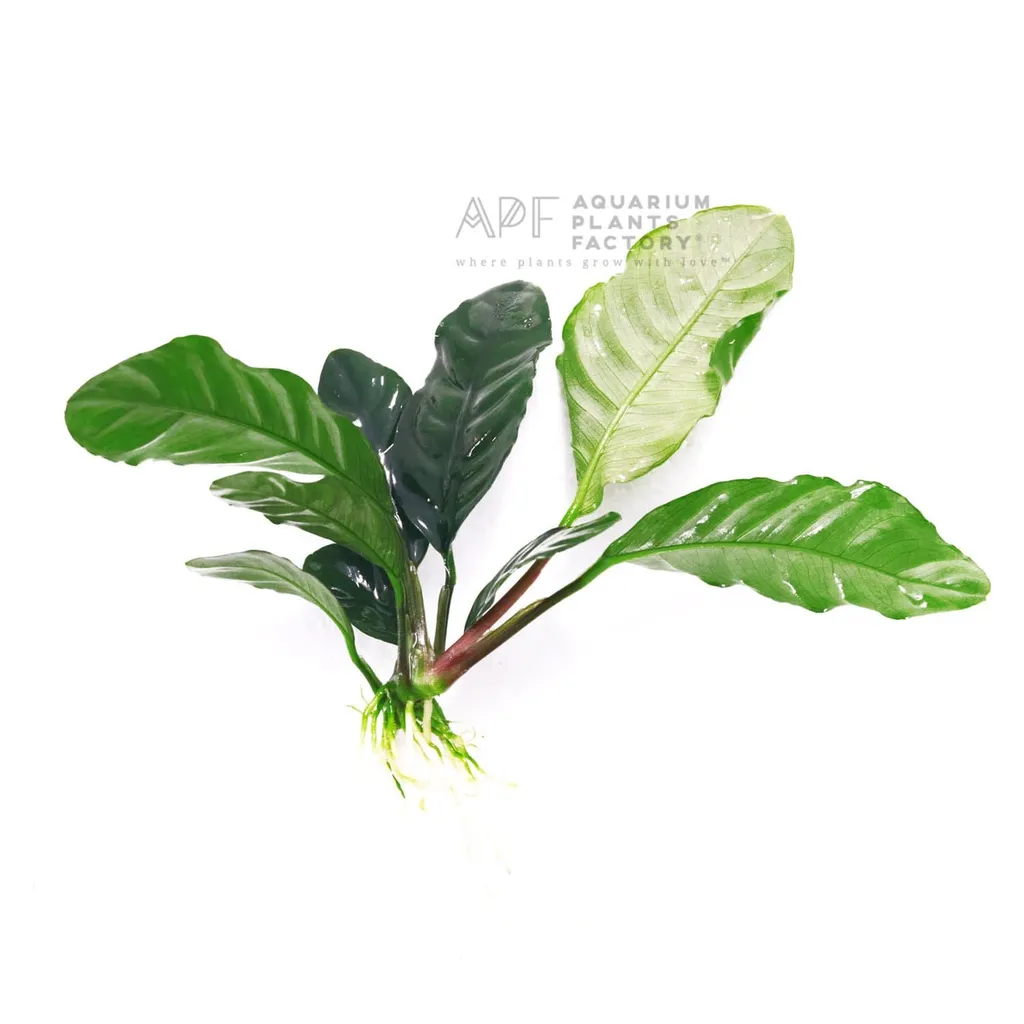
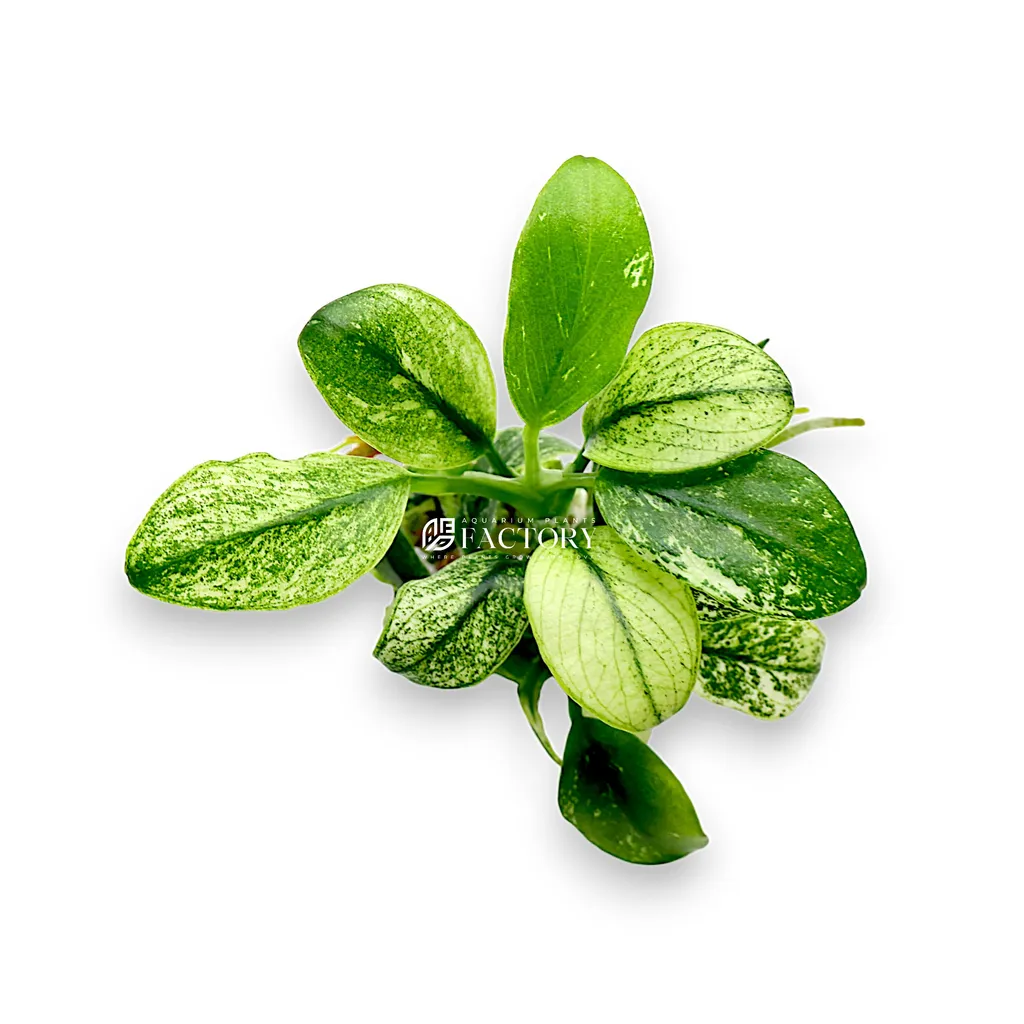
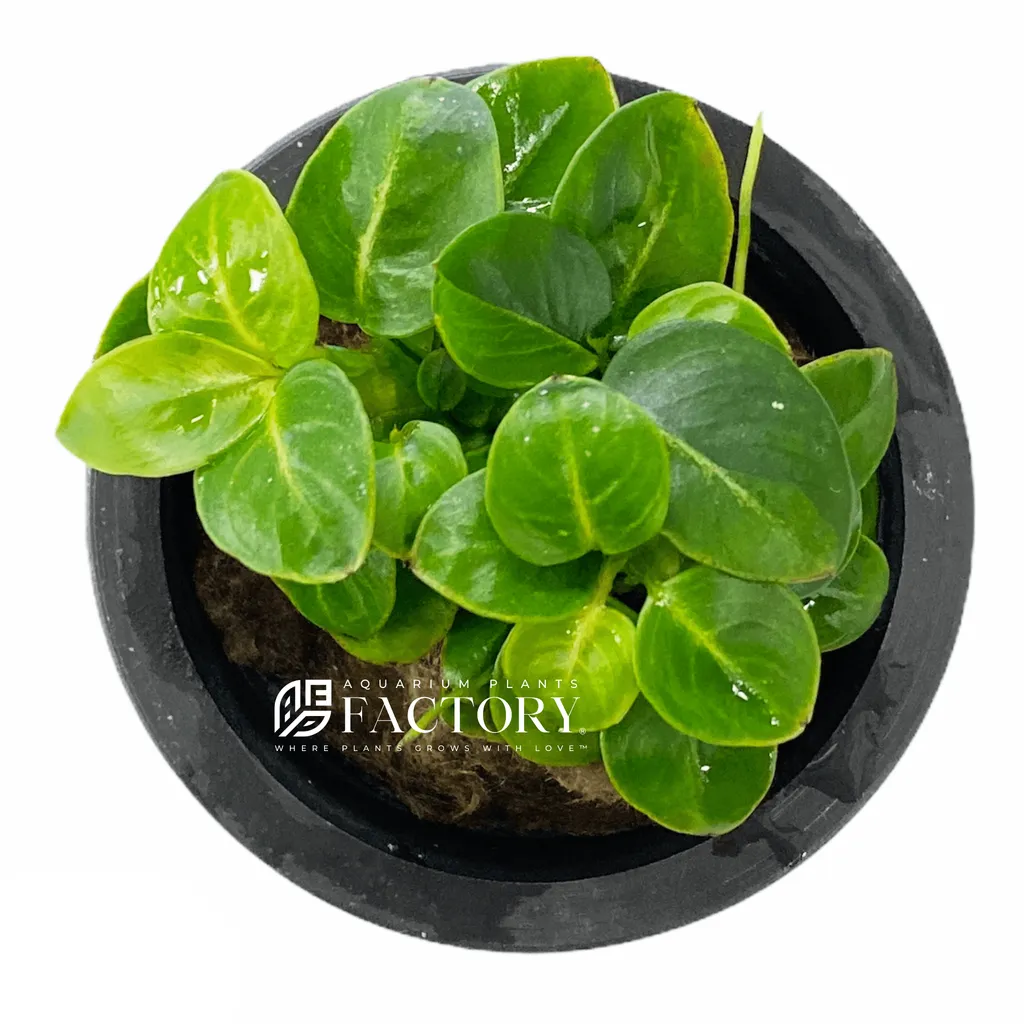
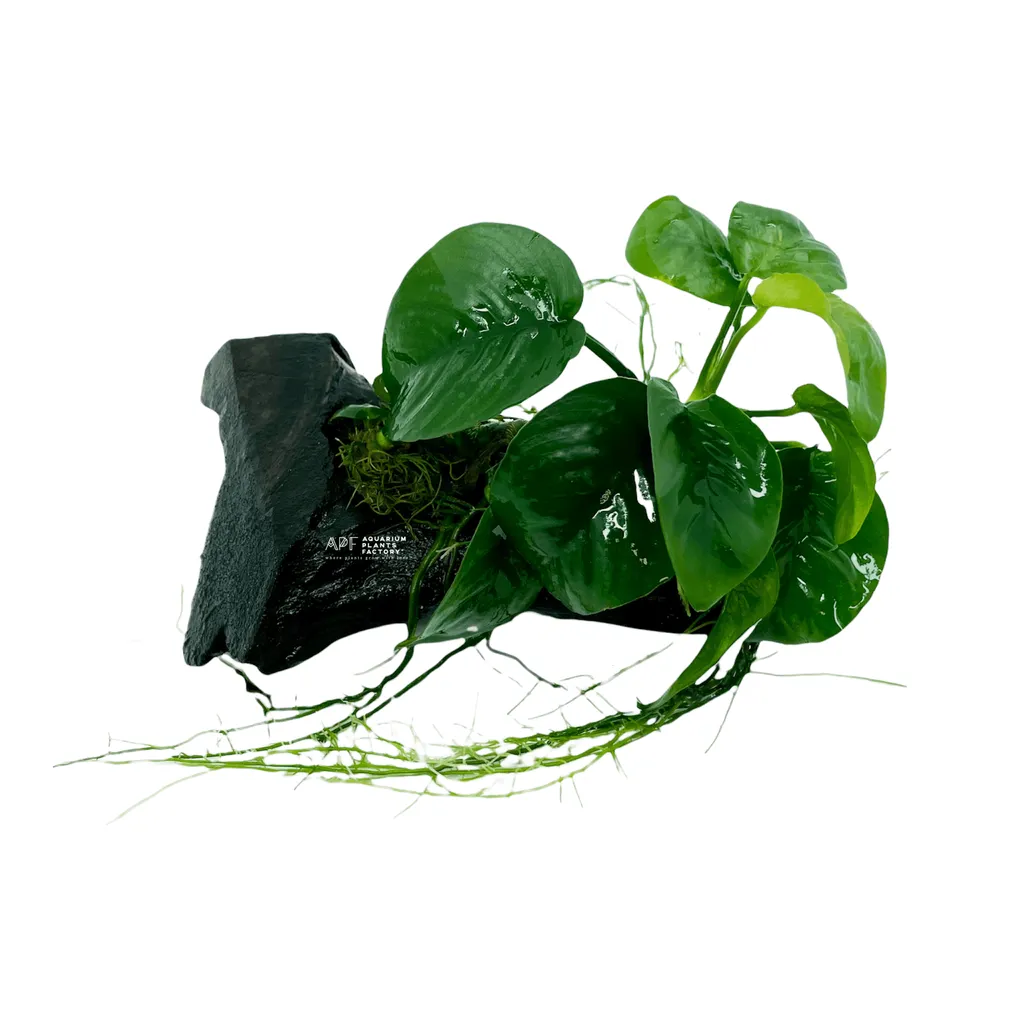
Anubias coffeefolia
Anubias barteri var. coffeefolia
One of 24 forms of Anubias barteri · See all forms →
Also known as Anubias barteri var. Coffeifolia, Coffeefolia
FreshwaterBrackishRhizomeRhizome division
Forms · Anubias barteri
See all 24 →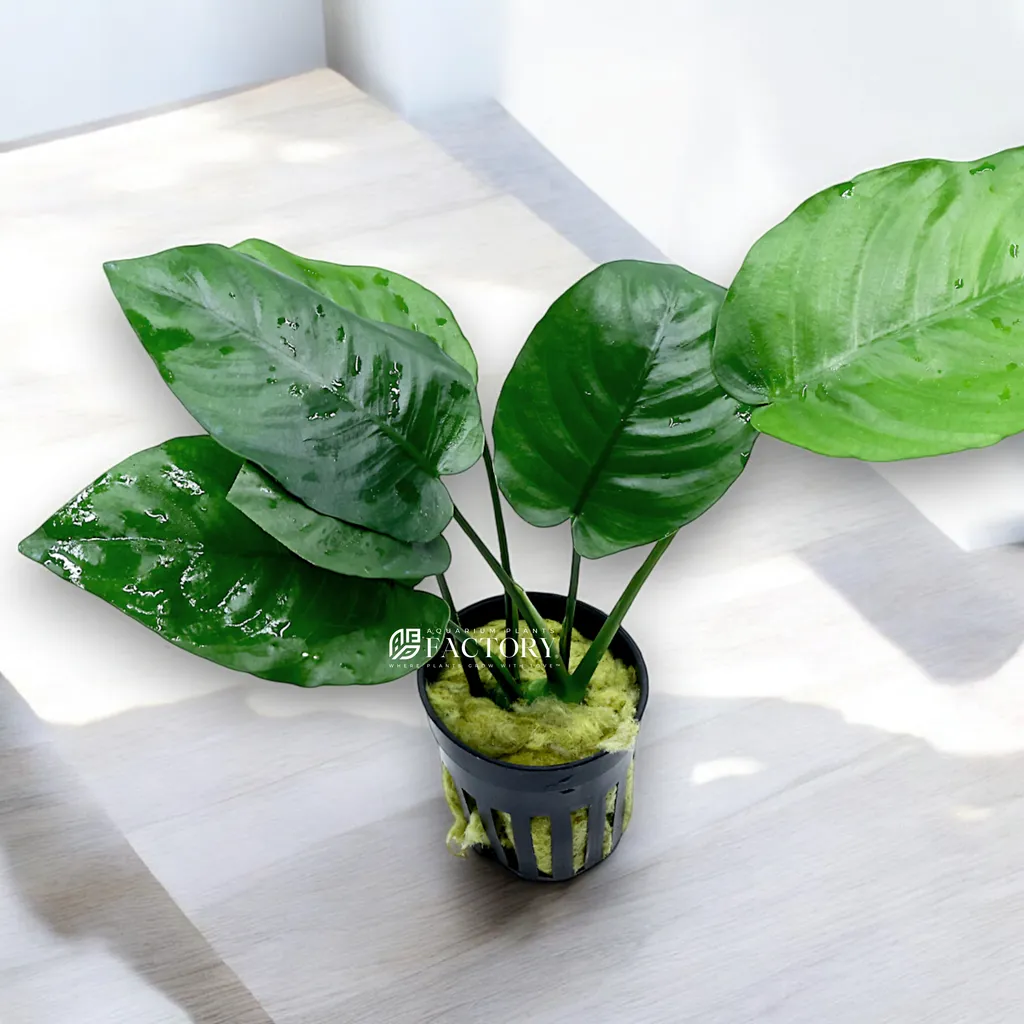
Care at a glance
- Light
- Low light
- CO2
- No CO₂ needed
- Temperature
- 72–82°F
- 22–28°C
- Max height
- 9.8 in
- 25 cm
- Growth rate
- Slow
- Placement
- Epiphyte
- Type
- Rhizome
- pH
- 6.0–7.5
- Hardness
- 2–15 dGH
- Spread
- 5.9 in (15 cm)
- Nutrient uptake
- Root + water column
- Growth region
- Submersed or emersed
- Difficulty
- Easy
- Family
- Araceae
- Origin
- Cultivated form of Anubias barteri (parent species native to West Africa)
Overview
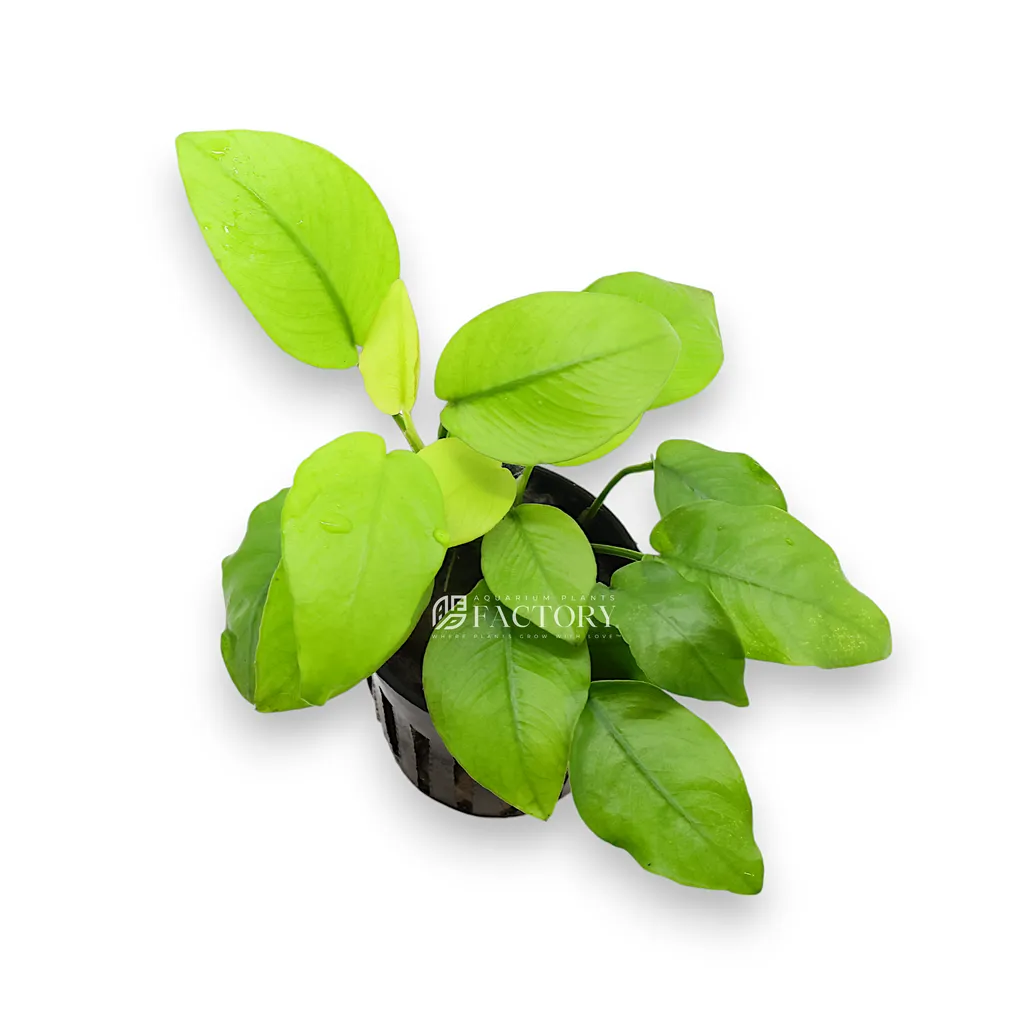
Tie or glue the rhizome to wood or rock and never bury it, since a buried rhizome rots. It thrives in low light with no CO2, drawing nutrients through both leaves and roots, so a little water-column liquid fertilizer is plenty. Growth is very slow, which means leaves can collect algae over time, so place it where there is gentle flow and keep light modest. The compact size suits the midground or foreground attached to a stone.
In the wild
A cultivated variety of Anubias barteri, whose wild parent grows along rivers and streams in tropical West Africa, attached to rocks and submerged wood. Like the parent it is an amphibious plant that grows both submersed and emersed, rooting into hardscape rather than the substrate.
Good to know
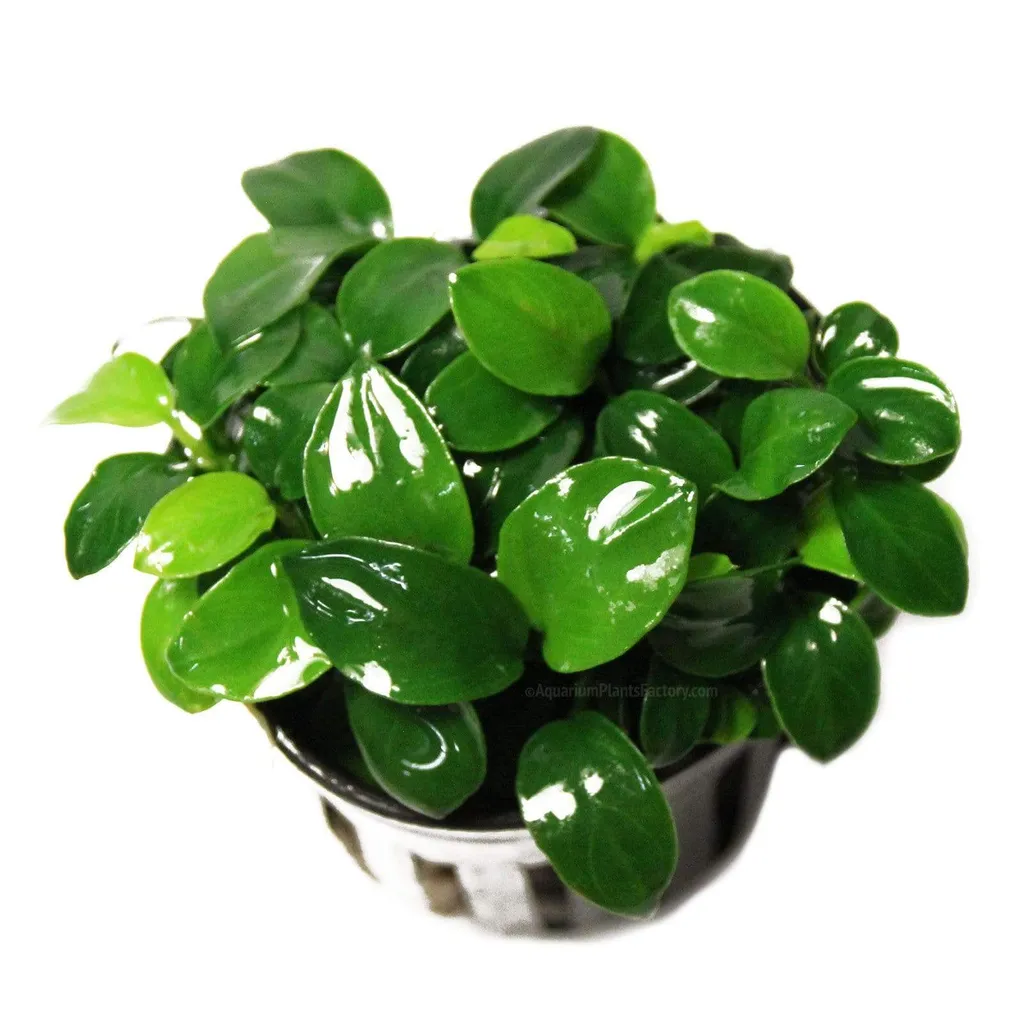
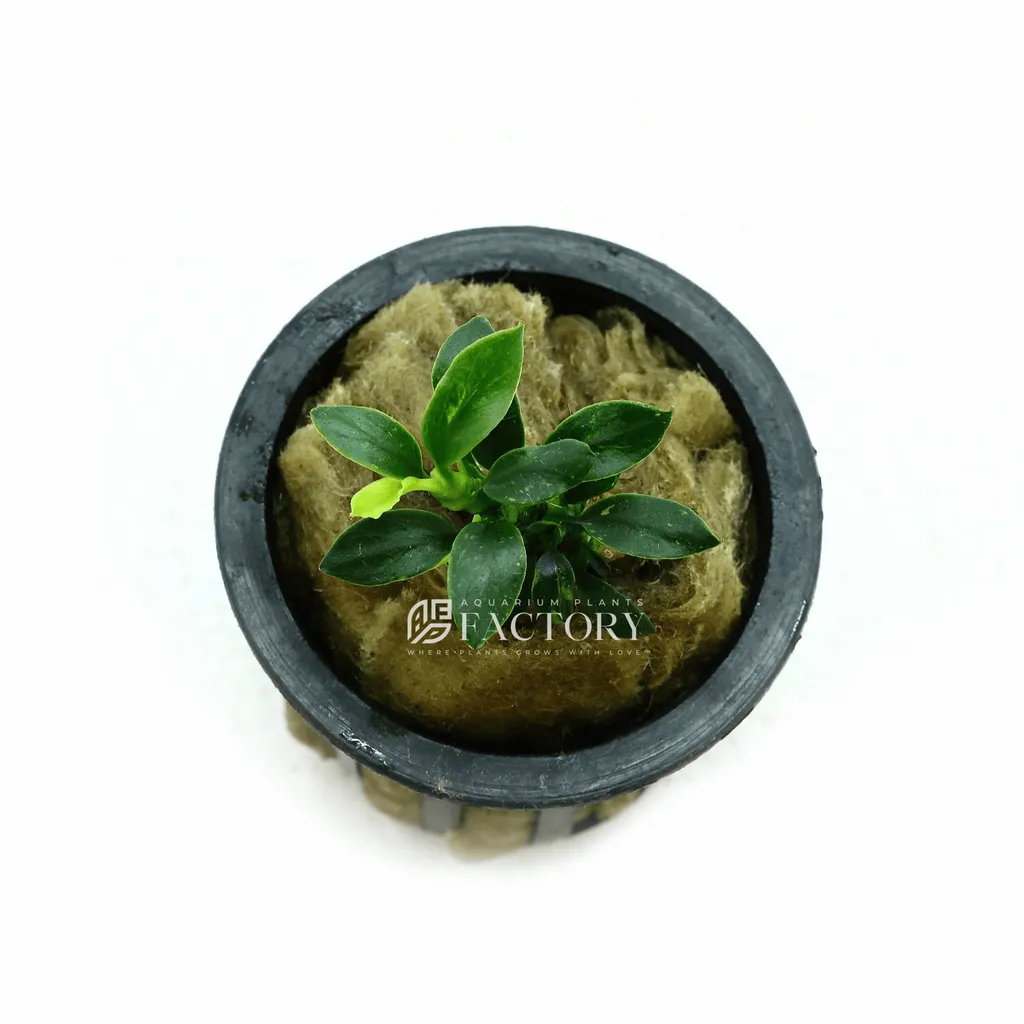
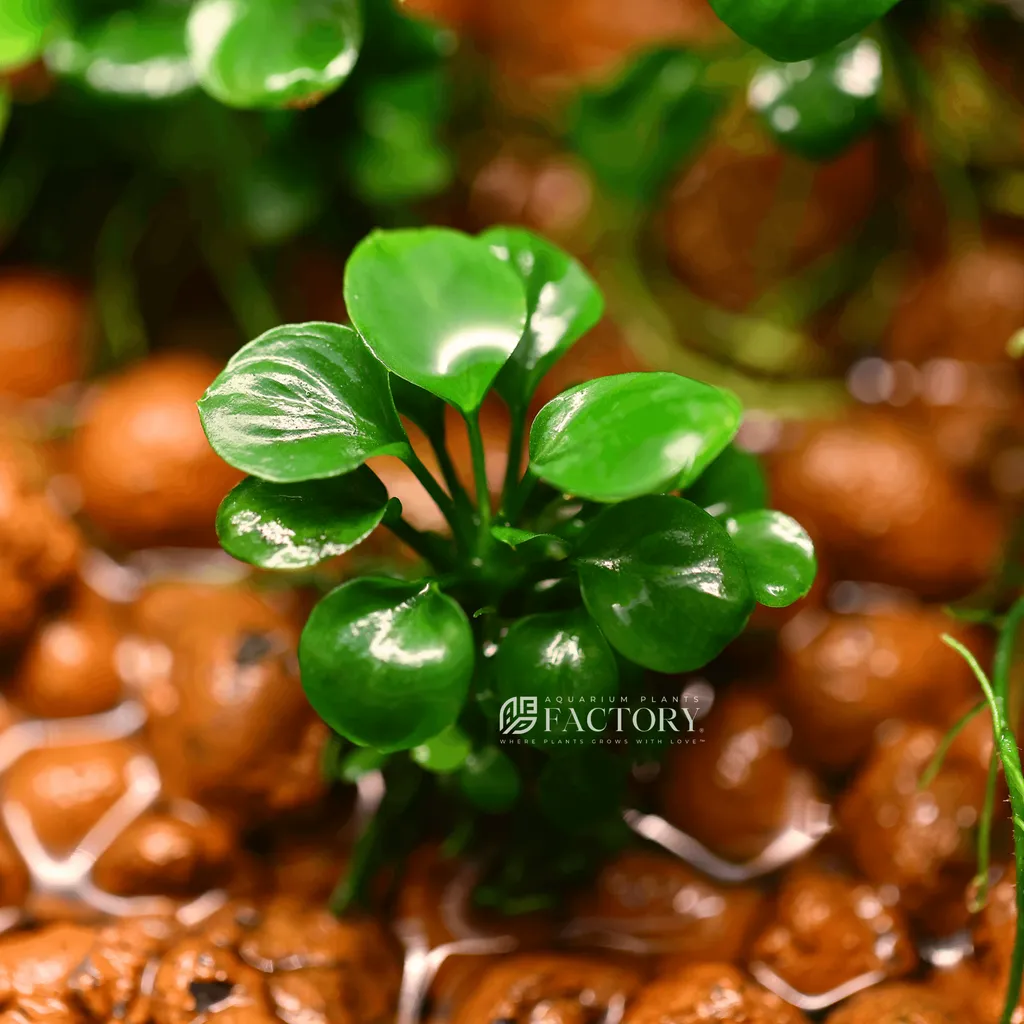
Belongs to the arum family (Araceae) and is a selected cultivar of Anubias barteri, not a wild-collected variety. New leaves emerge a coppery bronze and harden to dark green, and the leaf surface is distinctly bullate (puckered between the veins), which is the trait the cultivar was named and selected for.
Did you know
Did you know the bronze-to-green color shift on coffeefolia happens because young leaves lack mature chlorophyll, so the leaf almost glows reddish-brown for a week or two before darkening, giving an established clump a constantly changing two-tone look.
Related plants
- Low lightEpiphyte9.8 in (25 cm)
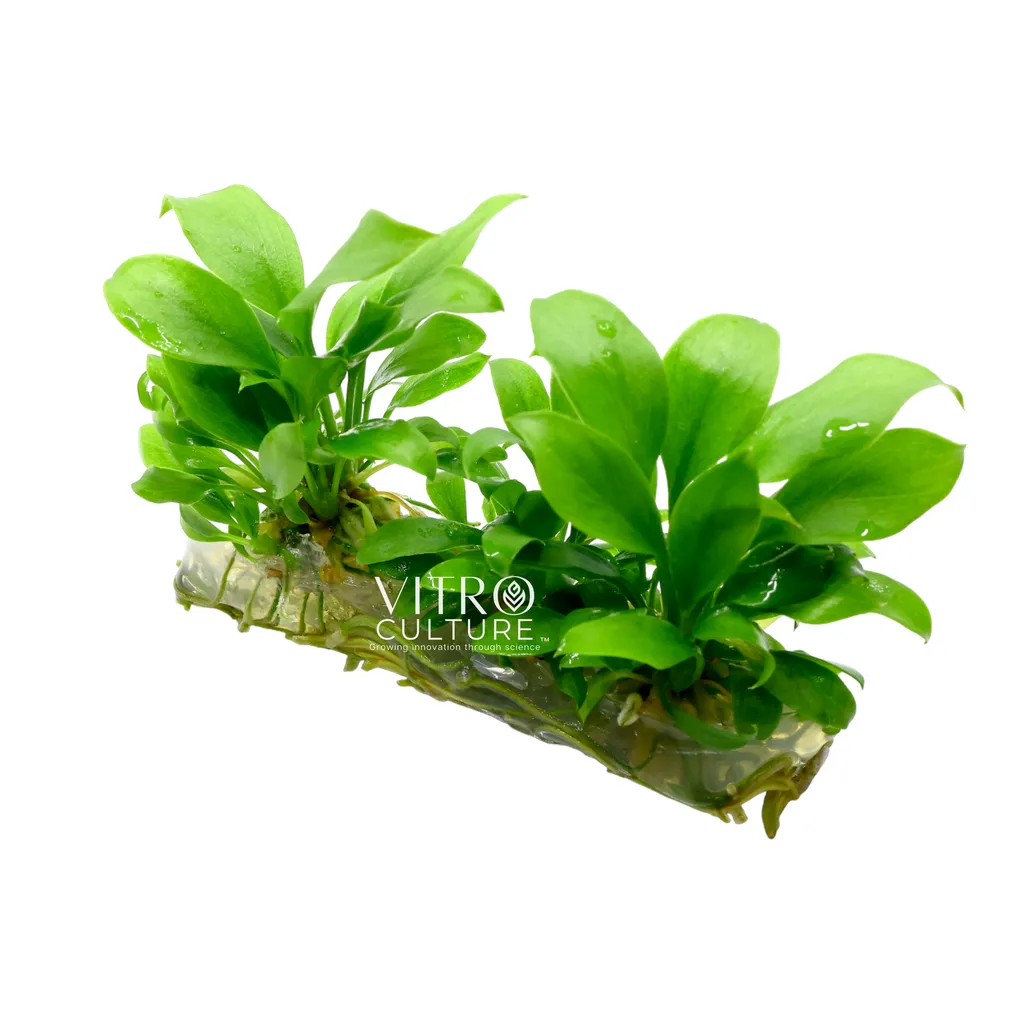
Anubias Frazeri
Anubias 'Frazeri'
Low light · Epiphyte
 Low lightEpiphyte11.8 in (30 cm)
Anubias gilletii
Low light · Epiphyte
- Low lightEpiphyte7.9 in (20 cm)
Anubias Nangi
Anubias 'Nangi'
Low light · Epiphyte
 Low lightEpiphyte15.7 in (40 cm)
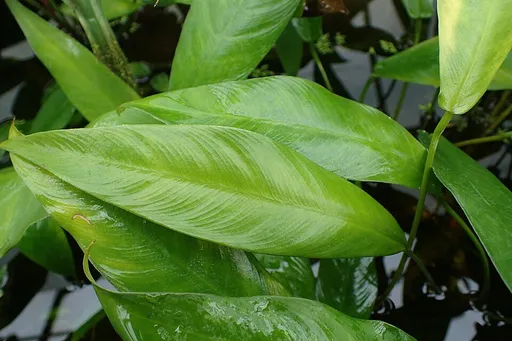
Anubias gracilis
Low light · Epiphyte
 Low lightEpiphyte5.9 in (15 cm)
Anubias Butterfly
Anubias 'Butterfly'
Low light · Epiphyte
- Low lightEpiphyte3.9 in (10 cm)
Anubias Chili Jalapeno
Anubias 'Chili Jalapeno'
Low light · Epiphyte